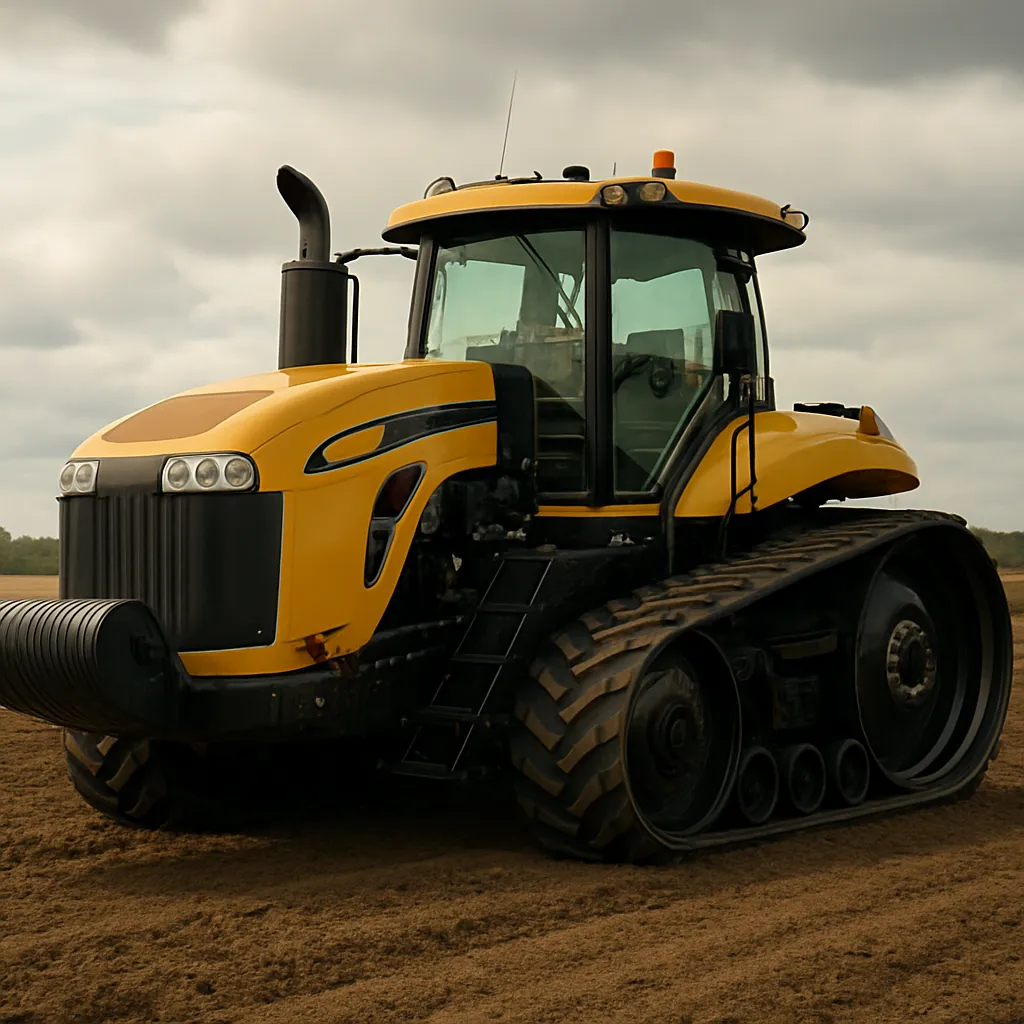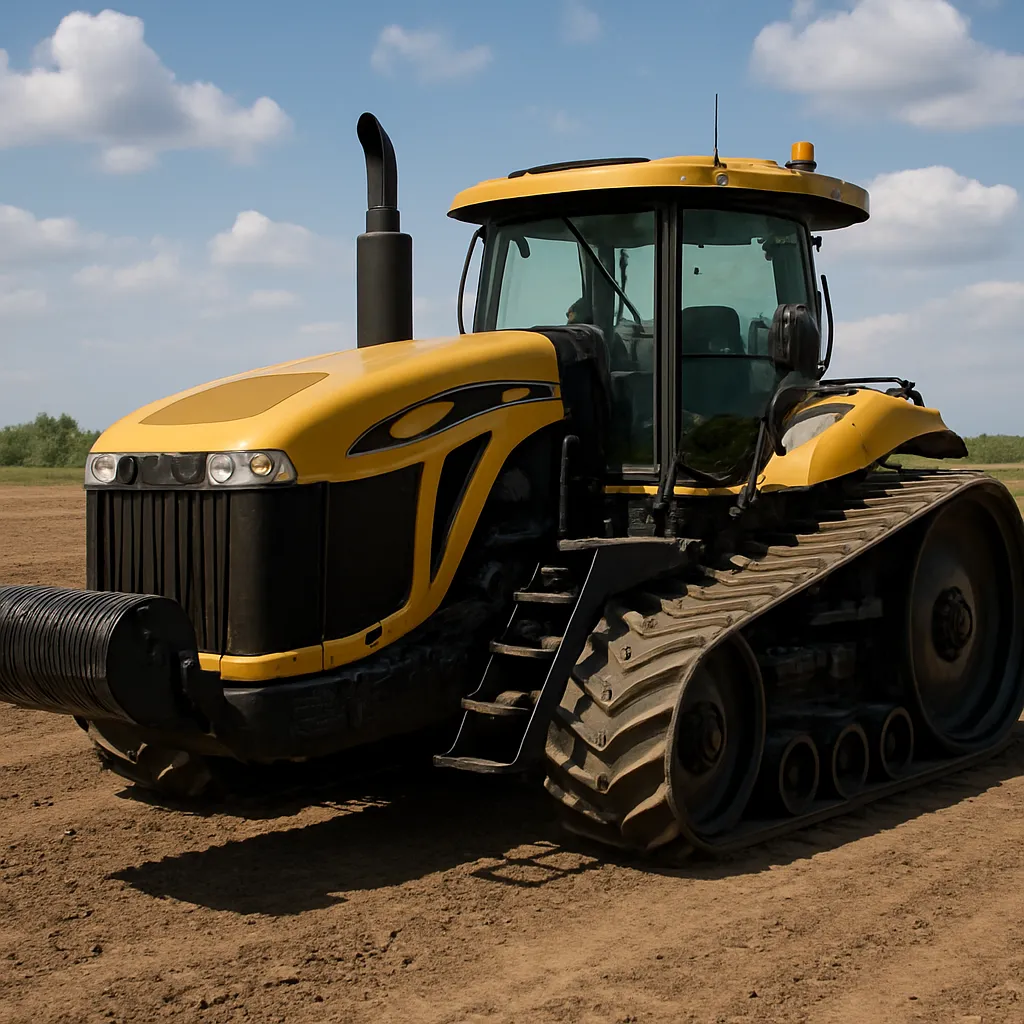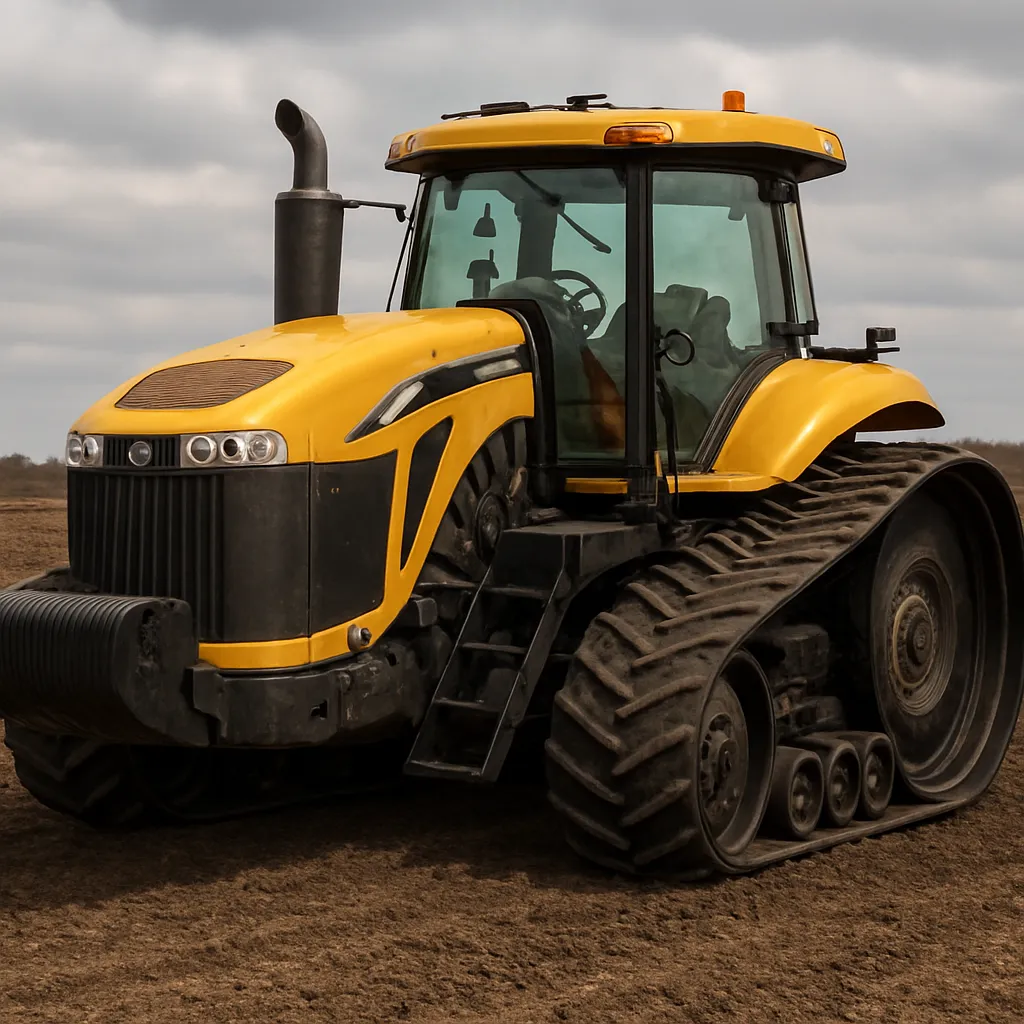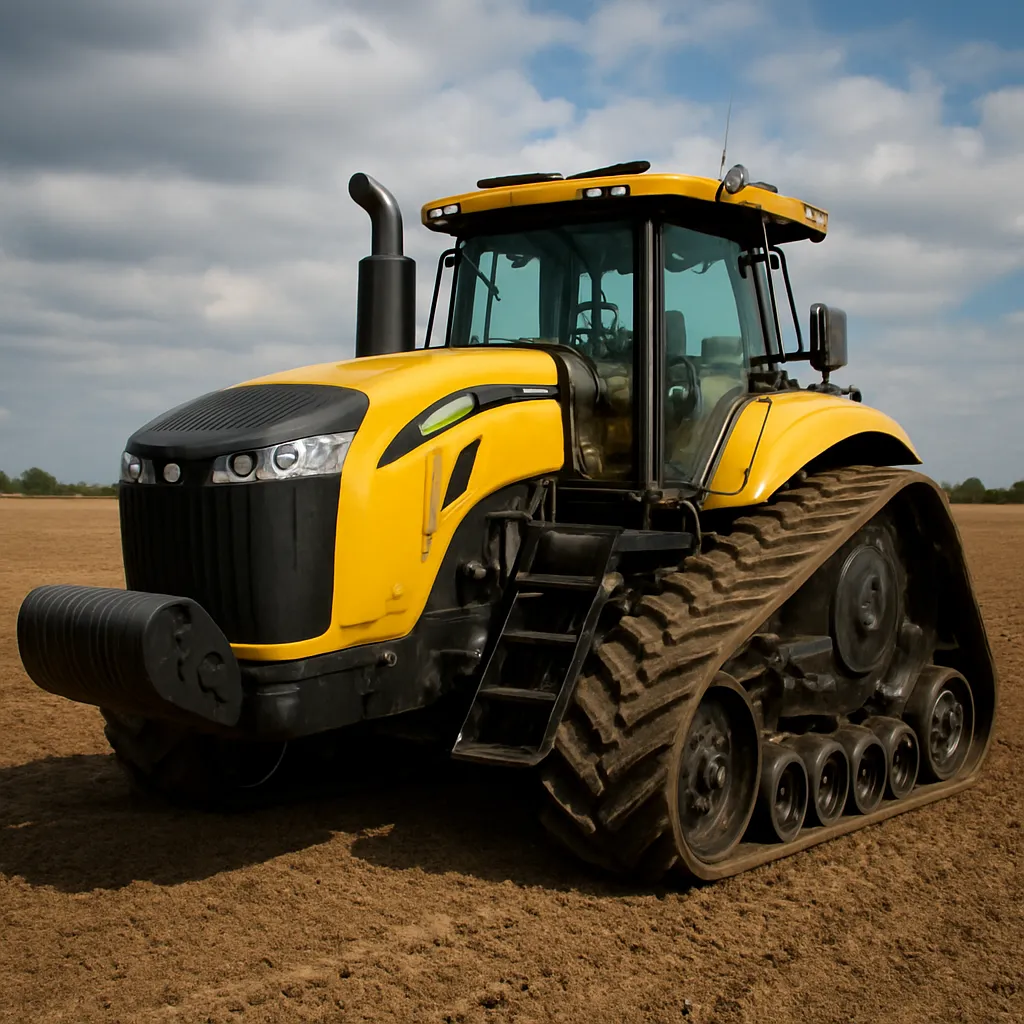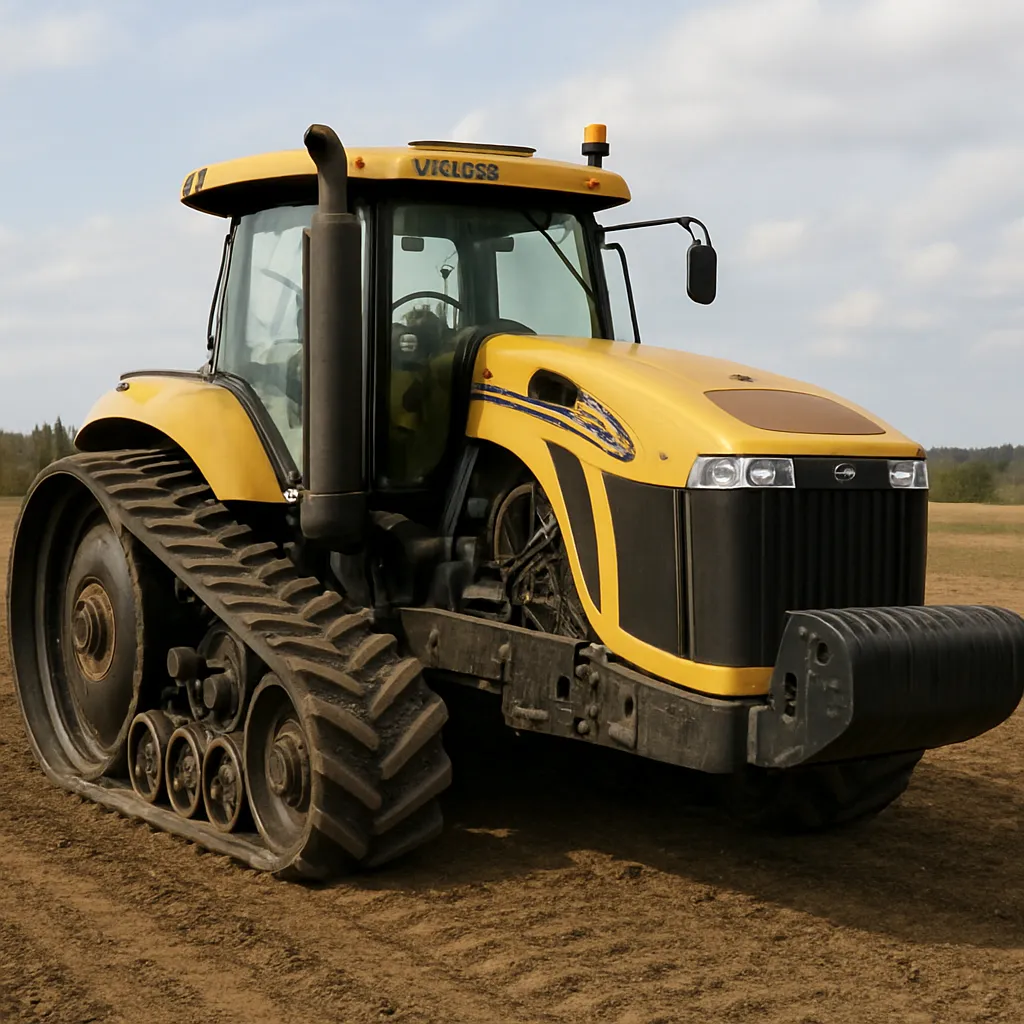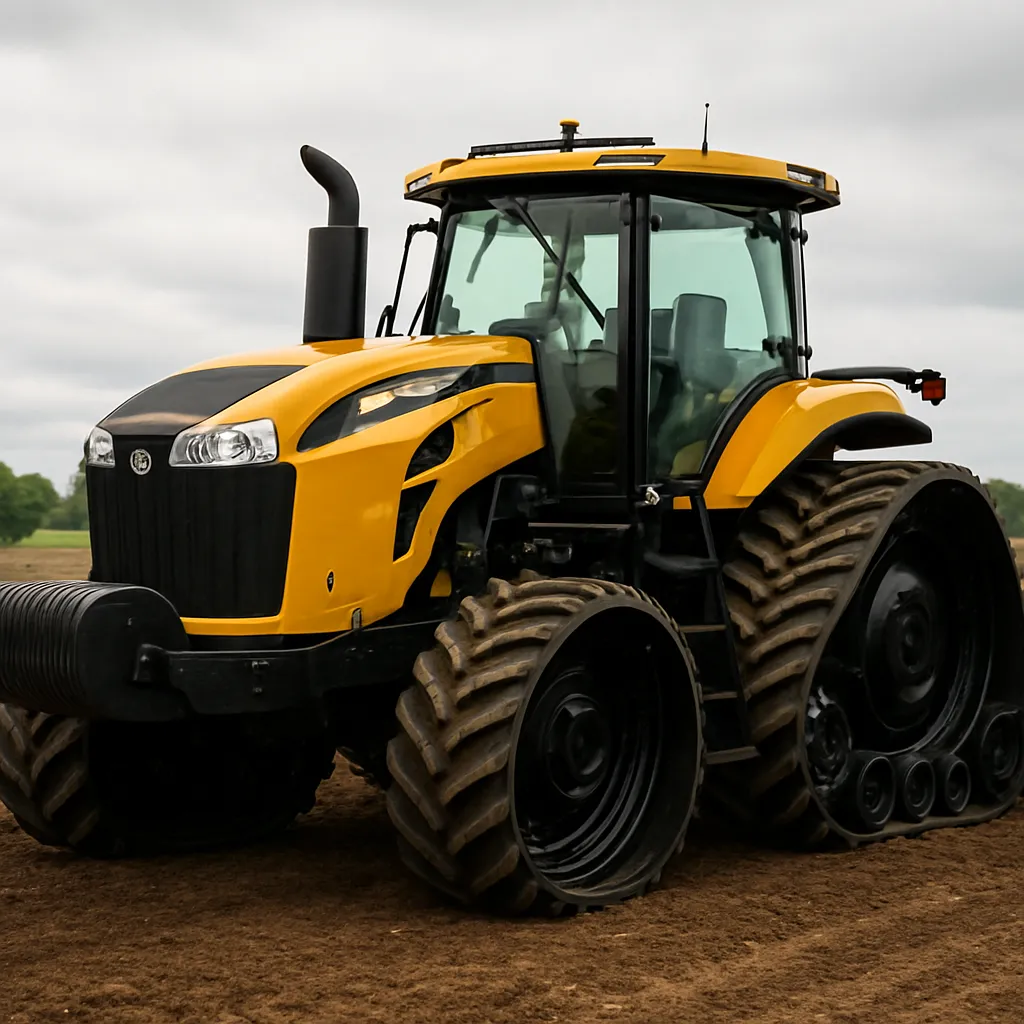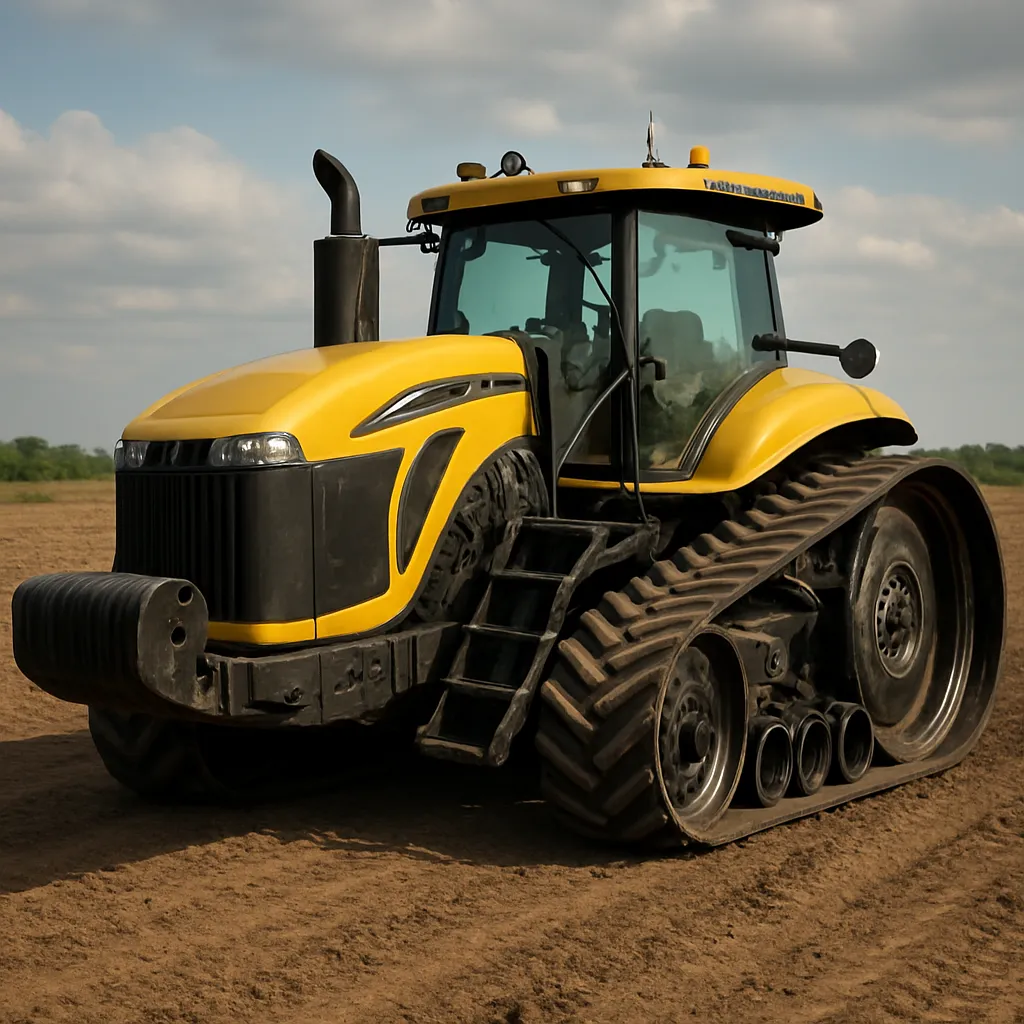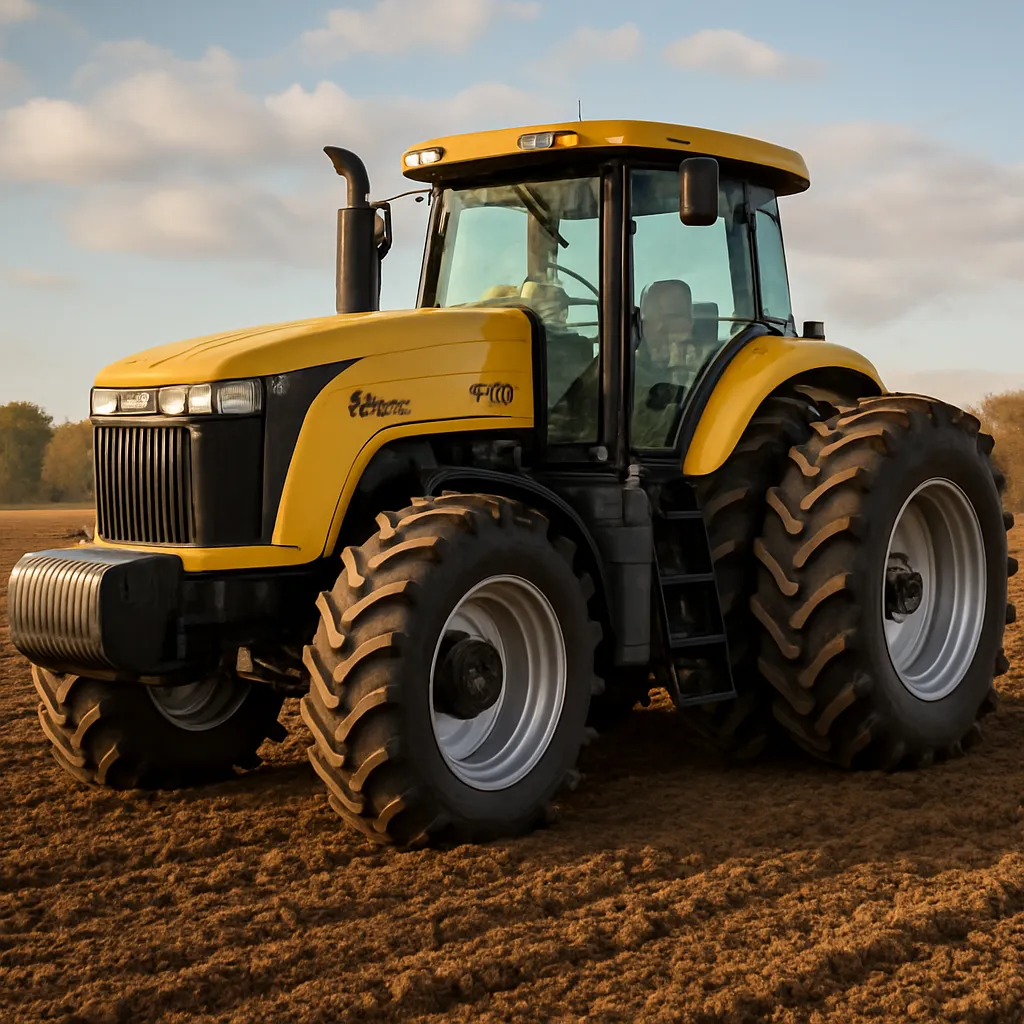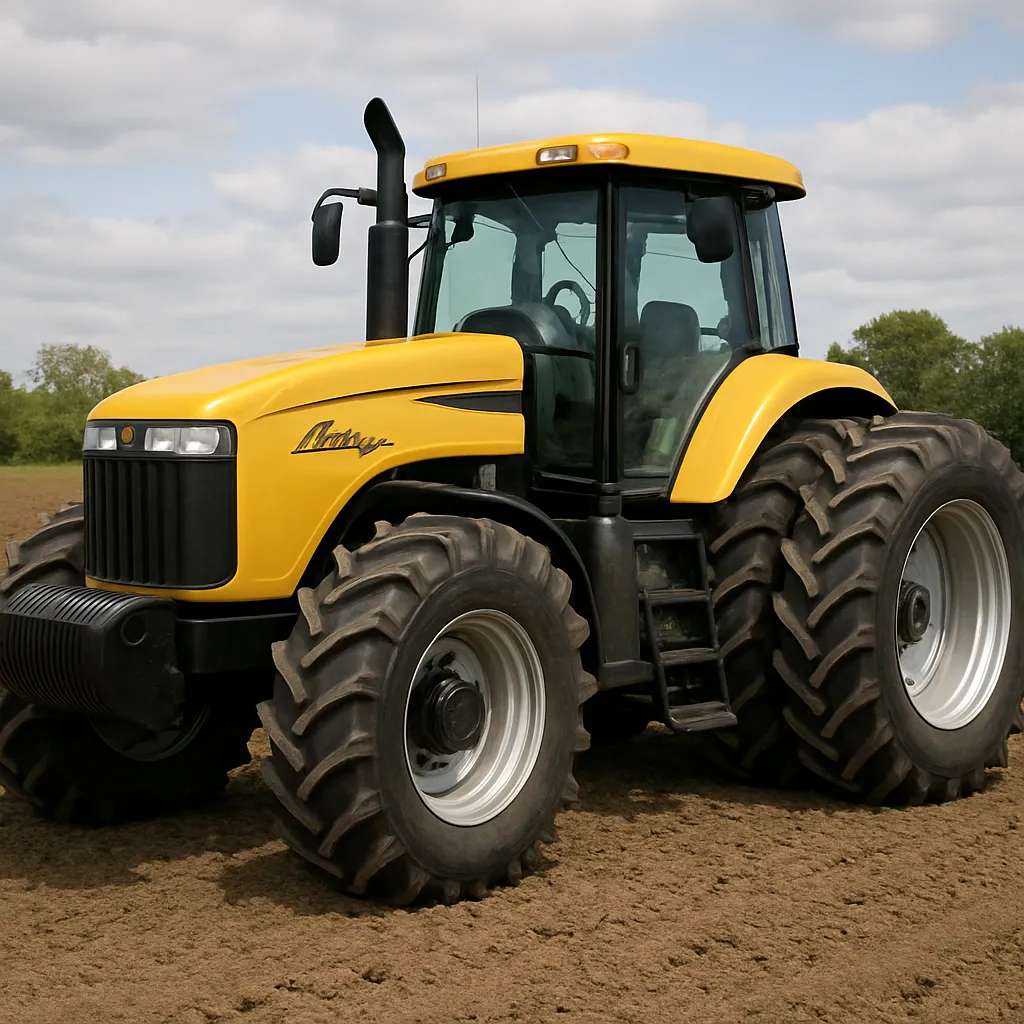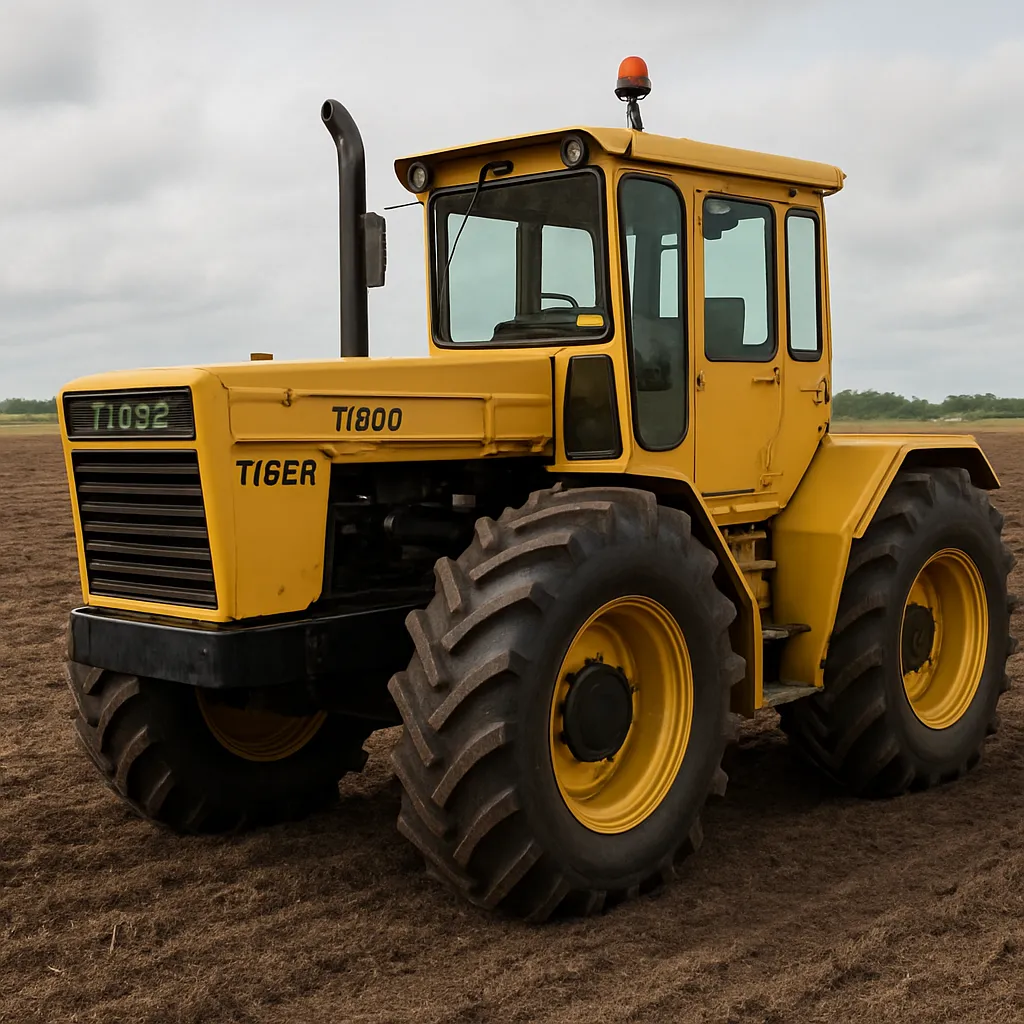
The Steiger Tiger 1000 is presented by dealers and enthusiasts as a heavy-duty agricultural tractor designed for large-scale fieldwork and demanding traction tasks. This article explores the machine’s background, likely technical characteristics, practical applications, operational advantages, and market positioning. Where exact model figures are not publicly standardized across regions or model years, the text offers typical ranges and comparable metrics from the class of high-power articulated tractors to give realistic expectations for users, fleet managers, and prospective buyers.
History and brand context
The Steiger name has a long association with large, high-traction tractors used primarily in agriculture, forestry, and specialist hauling operations. Originally developed by the Steiger brothers in the United States, the brand became widely known for its focus on robust, articulated, four-wheel-drive platforms that could handle the biggest implements and the toughest field conditions. Over time, various corporate changes and acquisitions integrated the Steiger lineage into larger agricultural groups, but the core values—power, durability and traction—remained central to product identity.
Within this historical framework, the model designation “Tiger 1000” evokes a machine positioned at the upper end of the range: a tractor meant for high-horsepower applications, wide implements, and continuous operation on large farms and contractors’ fleets. The marketing and naming convention suggest emphasis on raw pulling capability and sustained performance rather than compactness or light-duty gardening tasks.
Design philosophy and construction
The design approach for a heavyweight tractor such as the Steiger Tiger 1000 centers on several engineering pillars: a strong chassis, efficient powertrain, heavy-duty axles and transmissions, and an operator environment built for extended shifts. Key elements typically found in machines of this class include articulated steering or heavy-duty front axles (depending on configuration), reinforced frame sections for high drawbar loads, and modular connectivity to support large implements like plows, seeders, and deep tillage units.
- Powertrain: Designed to deliver continuous torque across a broad rpm band for pulling large implements and maintaining ground speed on uneven terrain.
- Traction: Four-wheel drive and optional duals or tracks to maximize field contact and reduce soil compaction while improving efficiency under load.
- Hydraulics: High-flow hydraulic systems to operate multiple control functions and power-demanding implements such as planters, coulters, and coulter-boom sprayers.
- Transmission: Robust transmissions—mechanical powershift, continuously variable (CVT), or heavy-duty IVT—engineered for longevity under load and for offering smooth, efficient speed control.
- Frame and ballast: Options for significant ballast adjustments and mounting points to preserve balance when carrying heavy front or rear implements.
Manufacturers place particular attention on the integration between the engine management system and transmission controls so that torque delivery matches traction availability. The goal is to minimize fuel-wasting slippage while ensuring uniform load distribution across the driveline.
Typical technical characteristics and performance (class overview)
Exact specifications for a named model such as the Steiger Tiger 1000 may vary by model year, market, and optional packages. Where model-specific public data are not definitively available, the following are representative characteristics for large articulated tractors in the same segment:
- Engine power: Comparable tractors often range from roughly 300 to over 600 horsepower, depending on tuning and emissions equipment. High-end variants emphasize continuous rated horsepower at working rpm for heavy-drawbar tasks.
- Engine displacement: Large industrial diesel engines between 8 and 13 liters are common, with turbocharged and intercooled designs to sustain high torque outputs.
- Transmission options: Multiple-step powershift, CVT/IVT, or heavy-duty synchronized transmissions offering a wide working-speed range suitable for both fieldwork and on-road transport.
- PTO and hydraulics: Multiple PTO speed options (e.g., 540/1000 rpm) and hydraulic flow rates capable of handling large seed drills, air carts, hydraulic motors and auxiliary systems.
- Weight and ballast: Operating weights are substantial, often in the multi-ton range to optimize drawbar pull and stability with wide implements.
- Tire and track options: From large flotation tires and duals to quad-track or dual-track systems to improve traction, reduce soil compaction, and increase field performance.
These features aim to create a balance: enough mass and traction to pull large implements without causing excessive soil damage, high hydraulic throughput to control complex implements, and operator controls that reduce fatigue during long workdays.
Applications and practical uses
The core application of a machine like the Steiger Tiger 1000 is high-capacity fieldwork on large-area farms, contract operations, and situations requiring substantial drawbar power. Typical uses include:
- Agricultural tillage: Pulling wide moldboard plows, disk harrows, chisel plows, and subsoilers over large acreages.
- Seeding and planting: Operating large planters and air drills that benefit from stable ground engagement and steady forward speed.
- Heavy transport: Moving loaded trailers, equipment, or modular wagons around large properties, often at higher road speeds when permitted.
- Specialty implements: Supporting attachments that require significant hydraulic flow or substantial hitch load ratings, including deep rip implements and high-capacity fertilizer applicators.
- Forestry and industrial tasks: In some configurations, performing timber extraction or site preparation tasks where traction and power are paramount.
For contractors and large-scale operators, the emphasis is on reducing time per hectare: wide implements and faster effective field speeds reduce passes and conserve fuel, while heavy-duty reliability minimizes downtime and service interruptions.
Operational advantages and efficiency
A heavy tractor platform delivers operational advantages that directly influence productivity metrics:
- Higher effective field capacity: By pulling wider implements at productive ground speeds, overall operation time per field drops.
- Improved draft control: Modern engine and transmission controls coordinate to reduce wheel slip and maintain load-appropriate rpm, which improves fuel utilization.
- Versatility: The ability to use the same tractor across seeding, tillage, and transport roles reduces fleet complexity for large farms.
- Durability: Heavy-duty components and serviceable designs lengthen intervals between major overhauls in many configurations.
Efficiency is not solely about peak power; it is about maintaining the most effective field speed and torque for the implement and soil conditions. Advanced systems such as auto-guidance, implement-specific control algorithms, and telematics further enhance productivity by optimizing passes and reducing operator fatigue.
Operator environment and controls
Operator comfort and control sophistication are critical for long shifts in large machines. Typical features that improve day-to-day usability include:
- Ergonomically designed cabs with panoramic visibility, climate control and noise insulation.
- Intuitive control layouts combining joystick controls, multi-function levers, and touchscreen displays for implement and vehicle settings.
- Advanced guidance systems (RTK-capable) for precise straight-line work, controlled traffic farming, and reduced overlap.
- Telematics and remote diagnostics to monitor performance and plan maintenance.
Because these tractors are often in operation for long hours and cover large fields, manufacturer attention to cab comfort and easy-to-navigate interfaces directly affects operator productivity and safety.
Maintenance, reliability and lifecycle costs
When assessing a heavy-duty tractor like the Steiger Tiger 1000, fleet managers consider not only purchase price but total cost of ownership. Key components of lifecycle cost include:
- Routine maintenance: Regular servicing of oil, filters, cooling systems and driveline components. Accessibility to filters and service points reduces downtime.
- Spare parts availability: Common components across a brand family reduce inventory costs; regional dealer networks influence parts lead times.
- Fuel consumption: Managed through engine calibration, aftertreatment systems, and operational practices like using the correct gear and minimizing slippage.
- Resale value: Brand reputation, maintenance history, and technology packages affect second-hand pricing.
Reliability is engineered through component overspecification, heat management systems, and conservative torque curves that avoid overstressing elements during extreme loads. The availability of upgrade paths—for example adding precision-agriculture electronics or changing axle configurations—can extend usable life and improve return on investment.
Safety, environmental and regulatory considerations
Large tractors must meet emission standards and safety regulations that vary by market. Typical considerations include:
- Emission control systems (DOC, SCR, DPF) to comply with regional diesel regulations, which can affect maintenance intervals and fuel choices.
- Rollover protection, electrically isolated circuits, and fail-safe braking systems to meet workplace safety standards.
- Noise abatement and shielding for operator and bystander protection.
Operators and fleet managers need to be aware that emission-related maintenance (for example, diesel particulate filter cleaning or urea/DEF system servicing) becomes part of standard upkeep, and that these systems are essential for legal operation in many jurisdictions.
Market positioning and buying considerations
For potential buyers evaluating a Steiger Tiger 1000 or an equivalent heavy articulated tractor, important factors include:
- Match between engine power and implement requirements—both peak and continuous horsepower matter for different applications.
- Transmission type and control modes—operators often prefer CVT or IVT for optimal fuel economy and continuous speed control under load.
- Hydraulic flow and hitch capacity—essential for advanced implements with multiple hydraulic consumers.
- Dealer network and service reputation—rapid technical support and parts availability reduce downtime risk.
- Operational footprint—tire size, track options and ballast impact soil health and roadability.
Financing, warranty options, and available training for operators and technicians are also practical elements of the decision process. For many larger operations, total cost of ownership across a five- to ten-year horizon influences brand and model choice more than initial purchase price alone.
Statistical context and performance estimates
Model-specific verified public statistical data for the Steiger Tiger 1000 is limited in open-source channels, and specifications may differ by year and market. However, to provide a realistic context, consider these performance and productivity insights typical for tractors in this power and weight class:
- Field efficiency gains: Using a large tractor with wide implements can reduce number of passes by 20–50% compared with smaller units, depending on implement width and working speed.
- Fuel consumption: Large tractors under heavy draft can consume significant diesel, but fuel usage expressed as liters per hectare varies widely. Optimized setups and controlled slip can lower fuel per hectare substantially.
- Utilization: Contractors typically seek high annual operating hours to amortize capital investments; machines in this class may operate several hundred to over a thousand hours annually, depending on region and seasonality.
These figures are indicative and should be refined with field trials, implement manufacturer guidance, and telematics data specific to the exact model and configuration.
Upgrades, customization and future trends
Large tractors like the hypothetical Steiger Tiger 1000 are increasingly integrated with technologies that improve precision, efficiency and sustainability. Notable trends include:
- Autonomy and assisted operation—partial automation or auto-steering reduces operator fatigue and improves pass accuracy.
- Telematics and data-driven maintenance—real-time performance monitoring allows predictive servicing and more efficient fleet management.
- Alternative fuels and electrification prototypes—research into lower-emission powertrains and hybrid assist technologies is ongoing in the heavy-traction sector.
- Soil health awareness—wider adoption of controlled-traffic farming and low-pressure tires or tracks to reduce compaction while maintaining productivity.
Buyers looking ahead should consider upgrade pathways: how easy is it to add precision ag packages, higher-flow hydraulics, or software-based control features without major hardware changes?
Summary and practical recommendations
In summary, a tractor positioned as the Steiger Tiger 1000 represents a class of heavy, high-traction agricultural machines built to handle large implements and demanding workloads. Its strengths include superior drawbar power, high hydraulic capacity, and suitability for contractors and large farms that require high daily hectare throughput. When evaluating such a tractor, focus on matching engine and transmission characteristics to implement needs, confirming dealer and service support, and considering total cost of ownership over the intended service life.
For accurate, model-specific technical specifications and statistical performance numbers, consult authorized dealers, manufacturer technical sheets, and independent field tests. On-site demonstration and a review of telematics or documented field trials can give the most reliable picture of fuel use, productivity per hectare, and expected maintenance intervals for your operating conditions.