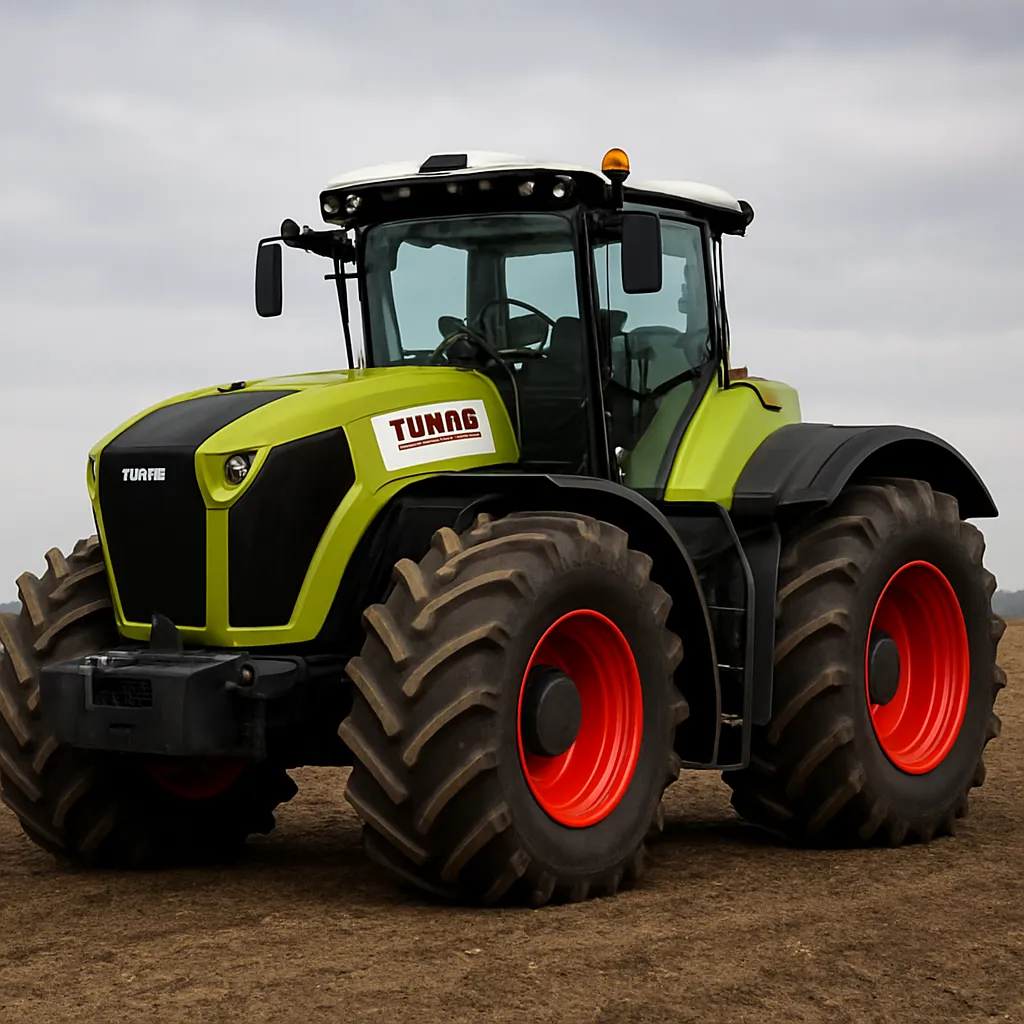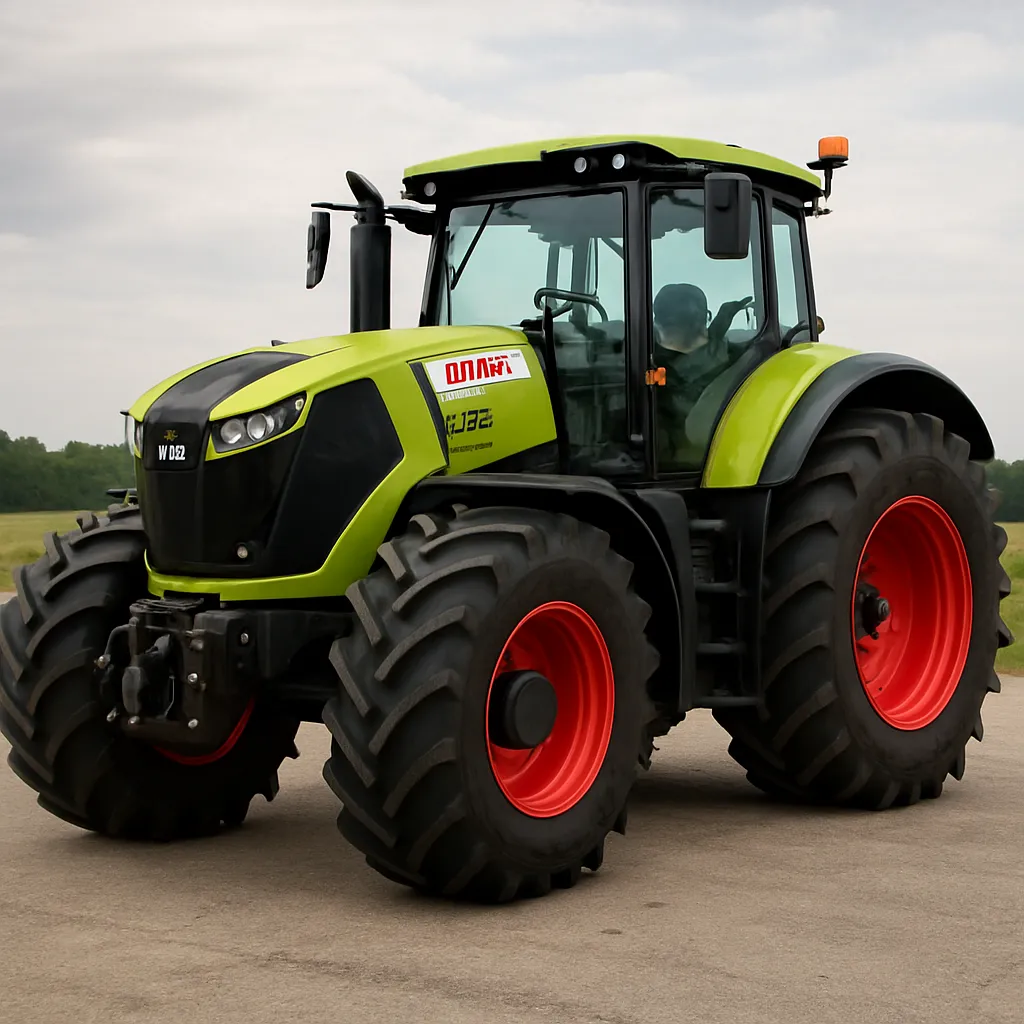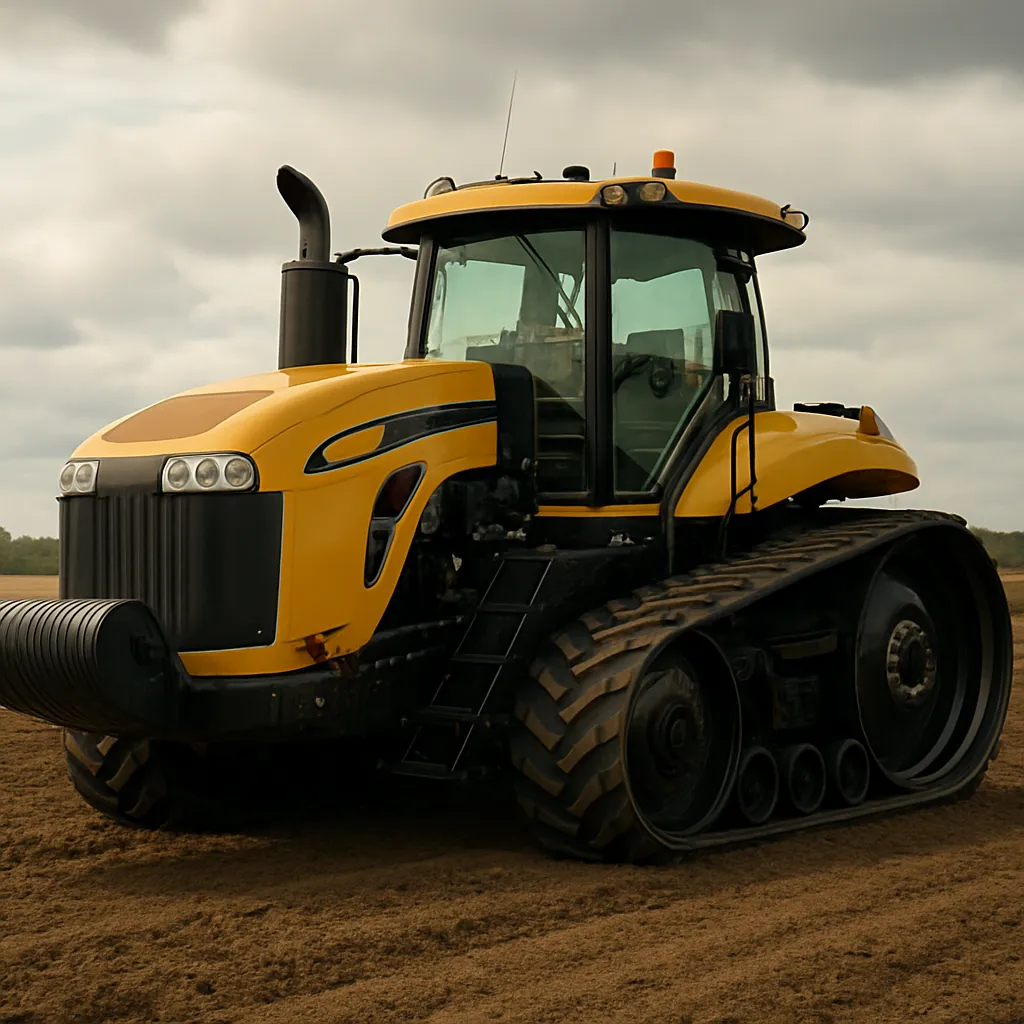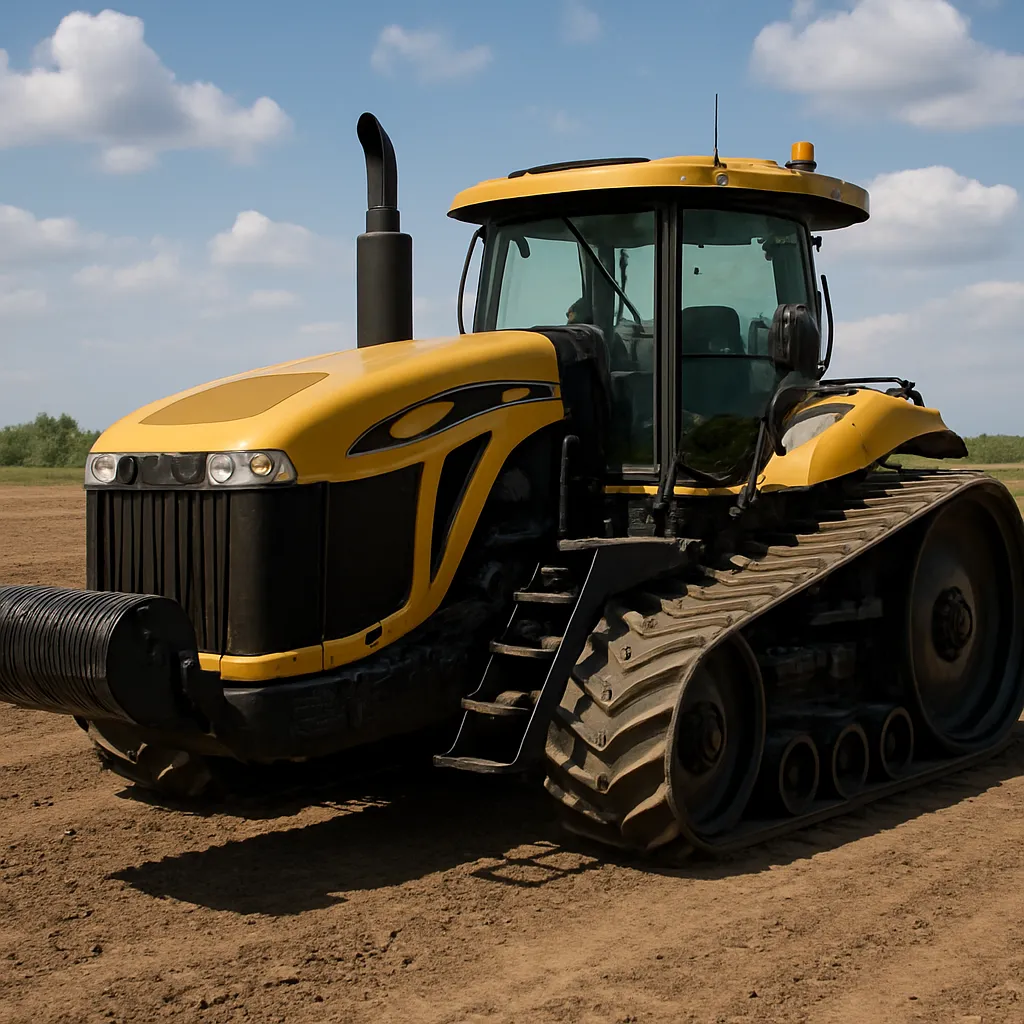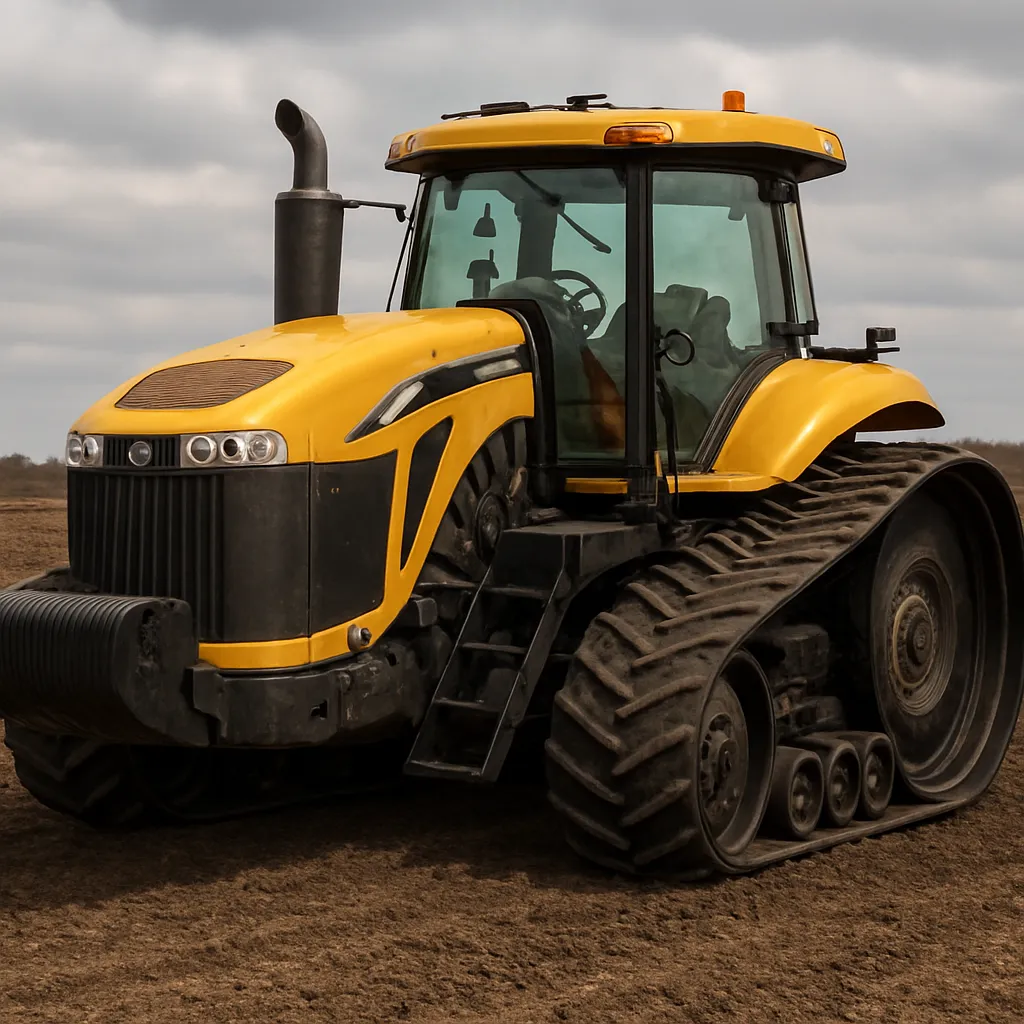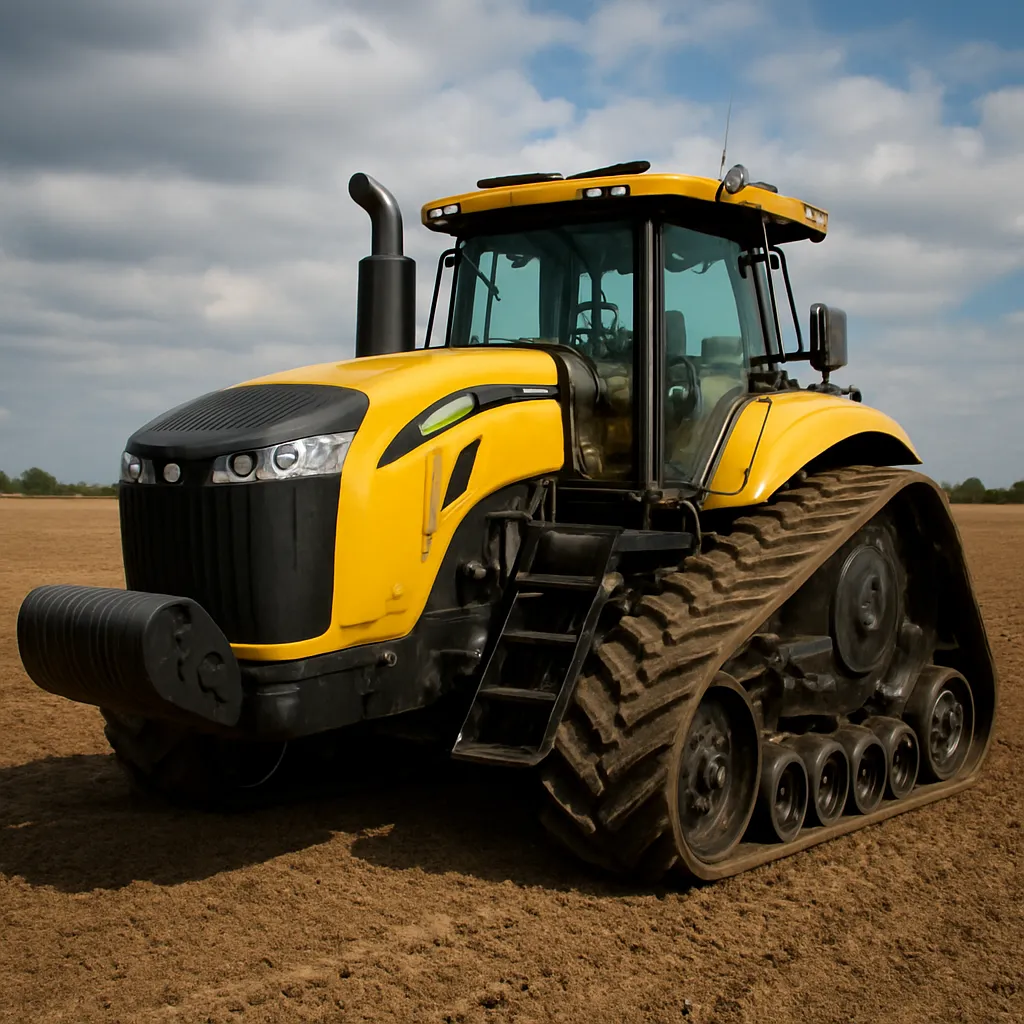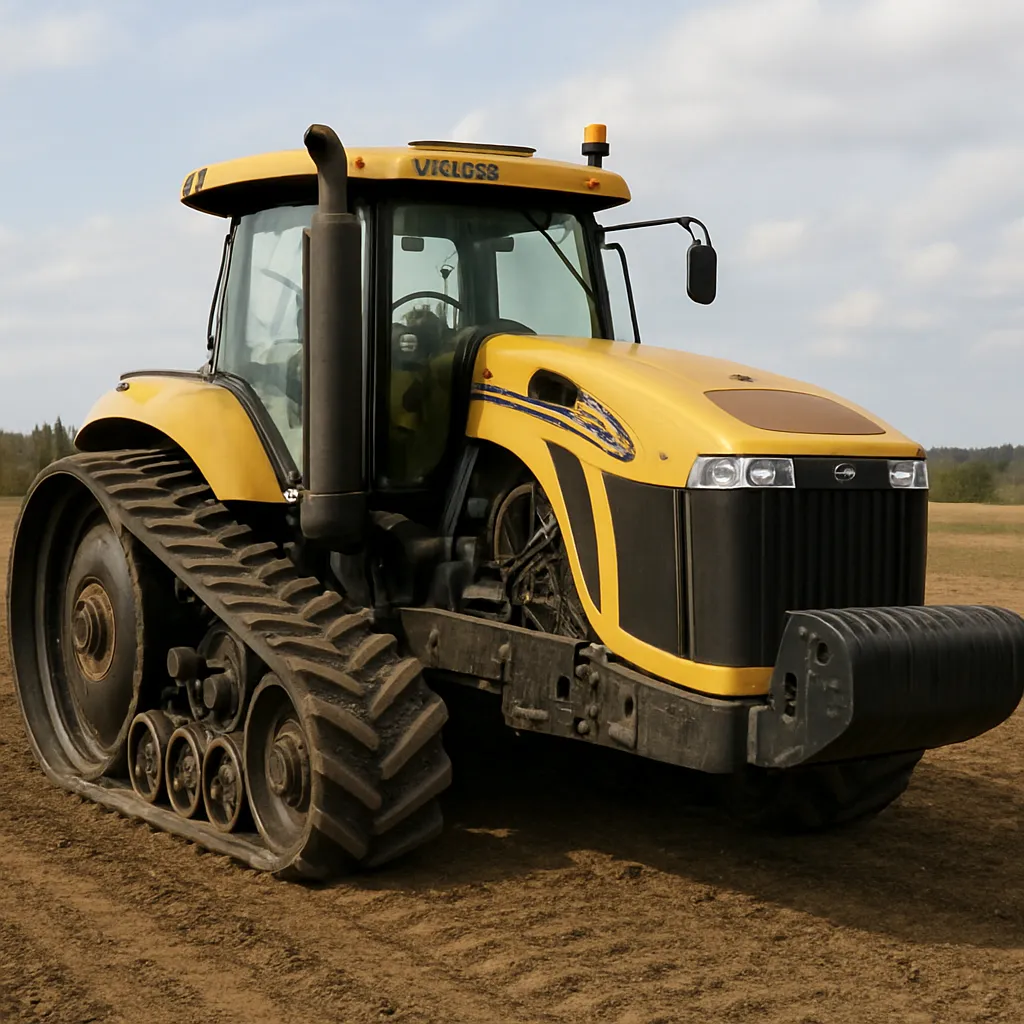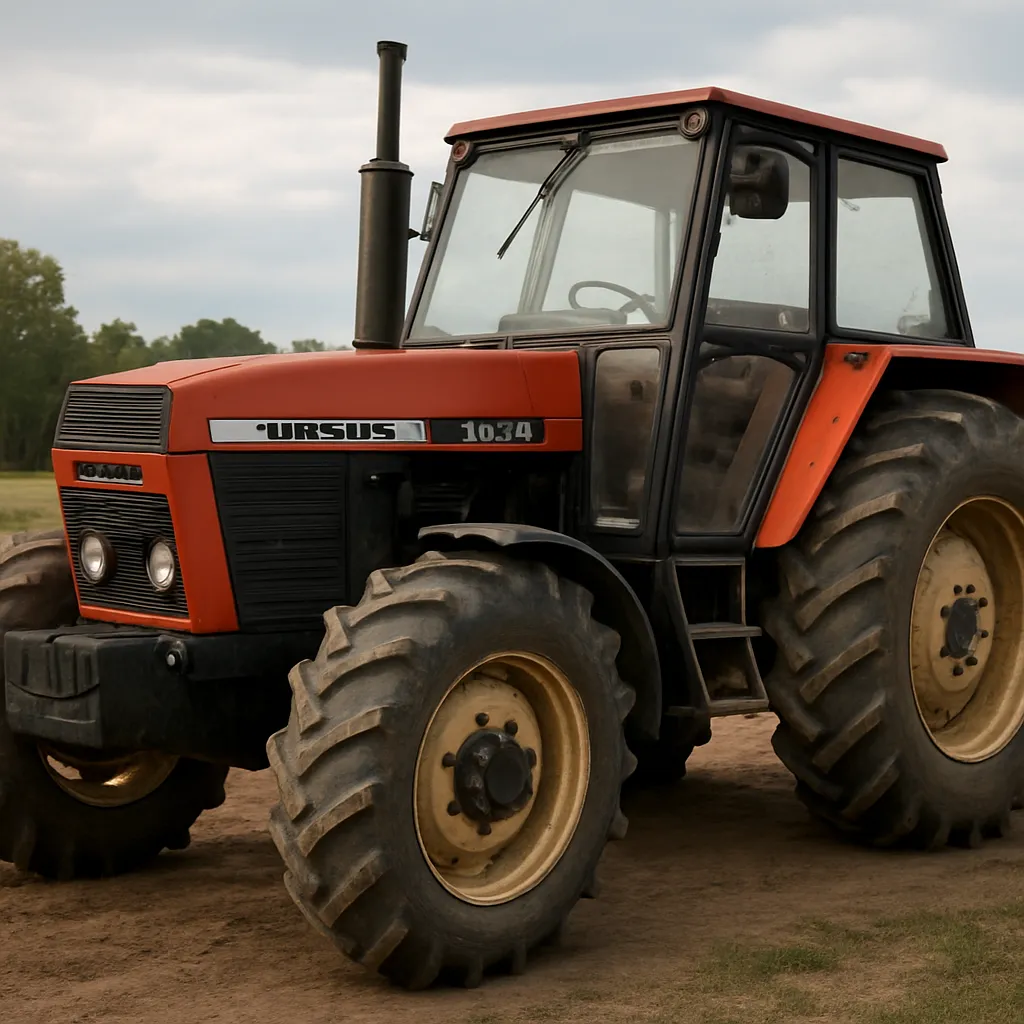
The Ursus 1614 Turbo is a well-known Polish agricultural tractor that has served small and medium-sized farms across Central and Eastern Europe for decades. Combining a robust mechanical design with relatively simple electronics and ease of maintenance, this model is recognized for its practical versatility. In the following sections you will find an overview of its history, technical characteristics, common uses, maintenance advice, and market context. The article also highlights operational strengths and limitations to help prospective buyers, users, or enthusiasts better understand this machine.
Overview and background
The Ursus brand has a long-standing heritage in tractor manufacturing in Poland. The Ursus 1614 Turbo is part of a lineage of tractors developed to meet the needs of post-communist agricultural transformation, where reliability and simple serviceability were highly valued. Although Ursus has produced a variety of models over decades, the 1614 Turbo earned a reputation as a compact-to-midsize workhorse suitable for mixed farming tasks.
Design philosophy and market positioning
The 1614 Turbo was designed with a focus on plain mechanical durability rather than cutting-edge electronics. That design ethos resulted in a tractor that is easier to repair by local mechanics and often cheaper to keep operational than more modern, electronically complex alternatives. This model fits between the smallest utility tractors and larger field tractors, making it attractive to farms needing a balance between power and maneuverability.
Production era and geographical reach
Manufactured by Ursus S.A. in Poland, the 1614 Turbo found buyers primarily in Central and Eastern Europe, but second-hand units have also circulated to other regions through private sales and exporters. Production timelines for specific series varied, with many units built during the 1990s and early 2000s. Today, the model remains present in used-tractor markets where its combination of durability and affordability continues to appeal.
Technical specifications and performance
Technical features determine how effectively the Ursus 1614 Turbo performs in real-world tasks. Below are the typical characteristics reported for this model; exact values can vary by production year and factory configuration.
Engine and drivetrain
- Engine type: Turbocharged diesel engine, naturally aspirated base in non-turbo variants.
- Power output: Approximately between 85 and 100 horsepower at the crank (estimates vary depending on tuning and model year).
- PTO power: Generally slightly lower than engine gross power — commonly in the range of 75–90 HP available at the PTO.
- Transmission: Manual gearbox with multiple forward and reverse gears; some setups include synchronized gears or powrshift options on later or modified versions.
- Drive: Available in 2WD and 4WD configurations; the 4WD variant improves traction for heavier implements and wet field conditions.
Hydraulics, PTO, and lifting
- Three-point linkage with rear lift capacity typically around 1,200–1,800 kg, enabling operation of a wide variety of mounted implements.
- Hydraulic system: Single or dual pump options, offering adequate flow for standard implements like ploughs, seeders, mowers, and front loaders.
- PTO: Standard rear PTO speed (usually 540 rpm), with some variants or adaptations offering 540/1000 rpm options.
Dimensions, weight, and fuel
- Operating weight: Typically in the range of 3,000–4,200 kg depending on configuration (cab, 4WD, ballast).
- Top road speed: Approximately 30–35 km/h, depending on gear ratios and tires.
- Fuel capacity: Often around 80–120 liters, allowing for extended field operation between refills.
Operational capabilities
The turbocharged variant delivers better torque at lower RPMs compared with non-turbo models, which improves performance when pulling heavy implements or operating on inclines. The simple mechanical construction contributes to a resilient machine in challenging seasonal conditions.
Primary applications and use cases
The Ursus 1614 Turbo is a multi-purpose tractor used across a spectrum of agricultural and non-agricultural tasks. Its role is often defined by the implements attached and how the operator configures hydraulics and ballast.
Field work
- Primary tillage with reversible or fixed ploughs for small to medium-sized fields.
- Secondary cultivation: harrowing, rotavating, and power harrowing.
- Sowing and seeding operations with mounted or trailed seeders.
- Crop protection work using sprayers where PTO-driven pumps or hydraulic sprayers are required.
Hay and forage
- Mowing with mounted or trailed mowers.
- Tedding and raking operations using PTO-driven implements.
- Baling with small to medium sized balers where PTO power is sufficient.
Livestock farm tasks
- Feed handling and silage transport with front loaders and bale handlers.
- Manure spreading and bedding distribution.
- Trailer work for feed, bedding, and livestock movement.
Municipal and specialty uses
- Roadside mowing, snow clearance with ploughs and snow blowers (in colder regions).
- Small construction or landscaping tasks using backhoes and loaders.
- Forestry support in light-duty roles (e.g., skidding small loads).
Strengths and limitations
The Ursus 1614 Turbo displays several clear strengths, but it also has limitations that potential users should weigh.
Strengths
- Reliability: Sturdy mechanical build that tolerates long service life when properly maintained.
- Serviceability: Simpler systems compared to modern electronics-heavy tractors, allowing local workshops to perform repairs.
- Cost-effectiveness: Generally lower purchase price on the used market and affordable spare parts in many regions.
- Versatility: Capable of handling a broad range of implements and tasks on small-to-medium farms.
Limitations
- Comfort: Older cabs or open station variants may lack modern ergonomic and noise-reduction features.
- Fuel efficiency: Less optimized for fuel economy than newer engines with advanced electronic management.
- Emission standards: Older engines do not meet modern Tier/Stage emissions levels without retrofit solutions.
- Operator aids: Limited electronic assistance for precision farming; not ideal for farms requiring ISOBUS compatibility without aftermarket upgrades.
Maintenance and common repairs
Routine maintenance is crucial to preserving the longevity and performance of the 1614 Turbo. Because of its mechanical simplicity, owners can perform many tasks without factory-level tools, but adherence to schedules yields the best outcomes.
Recommended maintenance practices
- Regular oil and filter changes for engine, hydraulic system, and transmission according to hours of operation.
- Frequent inspection and cleaning of the air filter, especially when operating in dusty conditions.
- Cooling system checks — radiator, hoses, and coolant levels — to prevent overheating, particularly with turbocharged engines.
- Brake and clutch inspection; adjust linkages as wear occurs.
- Periodic fuel system maintenance, including injector checks and fuel filter replacement to prevent clogging and poor combustion.
Common failures and fixes
- Wear in the clutch or gearbox bearings — often repairable by local workshops.
- Turbocharger wear on high-hour units; replacement turbo cores or rebuild kits are commonly available.
- Hydraulic pump wear or leaks — standard seals and pump repairs can extend life at reasonable cost.
- Electrical issues relating to starter, alternator, or simple wiring faults; typically straightforward to troubleshoot.
Variants, modifications, and aftermarket options
Owners frequently adapt the 1614 Turbo to specific needs. Because of its straightforward architecture, many aftermarket options are feasible.
Common modifications
- Cab upgrades: adding better seats, heating, or insulation for improved operator comfort.
- Front loaders: mounting loaders for material handling and increasing daily utility.
- Ballast adjustments: adding weights or adjustable ballast to improve traction with larger implements.
- Hydraulic upgrades: installing higher-flow pumps or additional remote valves for complex hydraulic implements.
Aftermarket and OEM parts availability
Spare parts for Ursus tractors are often available through local dealers, specialized suppliers, and salvage markets. Common consumables — filters, belts, bearings, and brake components — are typically easy to source. Turbochargers, injectors, and some engine parts may require more effort or order time for older variants but remain broadly obtainable.
Economic and market considerations
The Ursus 1614 Turbo is primarily positioned in the used-tractor market today. Its affordability and ease of repair make it attractive to smallholders, hobby farmers, and contractors in regions where cost sensitivity is high.
Acquisition costs and resale
- Used-unit prices vary greatly with condition, hours, and modifications; cheaper than modern tractors with similar PTO power but often lacking modern comforts and electronics.
- Resale value depends on maintenance history, presence of major upgrades (e.g., cab, loader), and local demand for simple, robust tractors.
Operating costs
Operating costs are influenced by fuel consumption, maintenance frequency, and availability of local repair services. While older engines can be less fuel-efficient, lower upfront costs and simpler repairs can offset higher fuel bills for many owners.
Safety, ergonomics, and operator considerations
While the Ursus 1614 Turbo provides practical functionality, operators should be mindful of safety and comfort concerns typical of older tractor designs.
Key safety recommendations
- Ensure the presence and proper function of a rollover protective structure (ROPS) and seat belt if operating without a full cab.
- Keep PTO shields and driveline guards in place to prevent entanglement hazards.
- Regularly check braking systems and steering components for wear.
- Use appropriate lighting and marking when traveling on public roads.
Ergonomics and upgrades
Cab improvements such as better seating, improved ventilation, and reduced noise insulation can significantly reduce operator fatigue. Simple retrofits, including modern mirrors and more effective heating, are common and can improve long-term safety and comfort.
Environmental impact and emissions
Older diesel tractors like the Ursus 1614 Turbo generally do not meet current strict emissions standards without retrofit. For operations in regions with emissions regulations, owners may consider:
- Engine overhauls and tuning to improve combustion efficiency.
- Exhaust aftertreatment retrofits where feasible (e.g., filters), although compatibility and cost can be limiting factors.
- Operational strategies to reduce fuel use, like optimal PTO and gear selection and planned work patterns to minimize idle time.
Practical buying guide
For anyone considering purchasing a used Ursus 1614 Turbo, a methodical inspection and test procedure can reveal the tractor’s true condition:
Checklist before purchase
- Verify hours of operation on the hour meter and cross-check with maintenance records.
- Inspect engine for leaks, excessive smoke on start-up, and unusual noises.
- Test the PTO, hydraulics, gearbox, and clutch under load if possible.
- Check the condition of tires, brakes, and three-point linkage pins for wear.
- Ask for documentation on any major repairs such as engine rebuilds or turbo replacement.
Summary and final thoughts
The Ursus 1614 Turbo is a practical, serviceable tractor that has served many farms across Eastern Europe and beyond. Its main virtues are durability, simplicity, and relative affordability. While it lacks many modern conveniences and emission controls of new tractors, for users who prioritize mechanical robustness and straightforward maintenance, it represents a sensible choice. Properly maintained units can provide years of reliable service for a wide range of agricultural and light industrial tasks.
Choosing this tractor is often a decision balancing upfront cost, available local service capability, and whether the operator can accept trade-offs in comfort and emissions performance for a machine that is easy to repair and adapt.