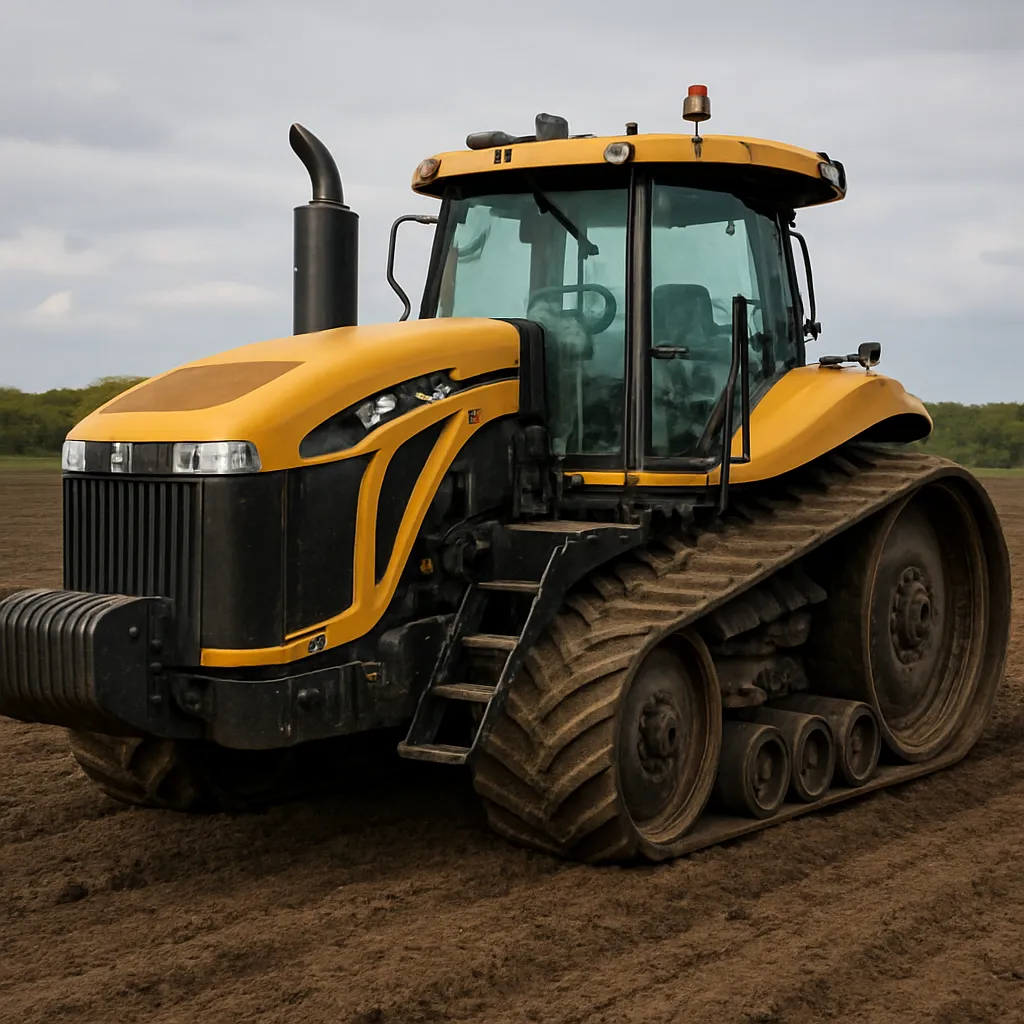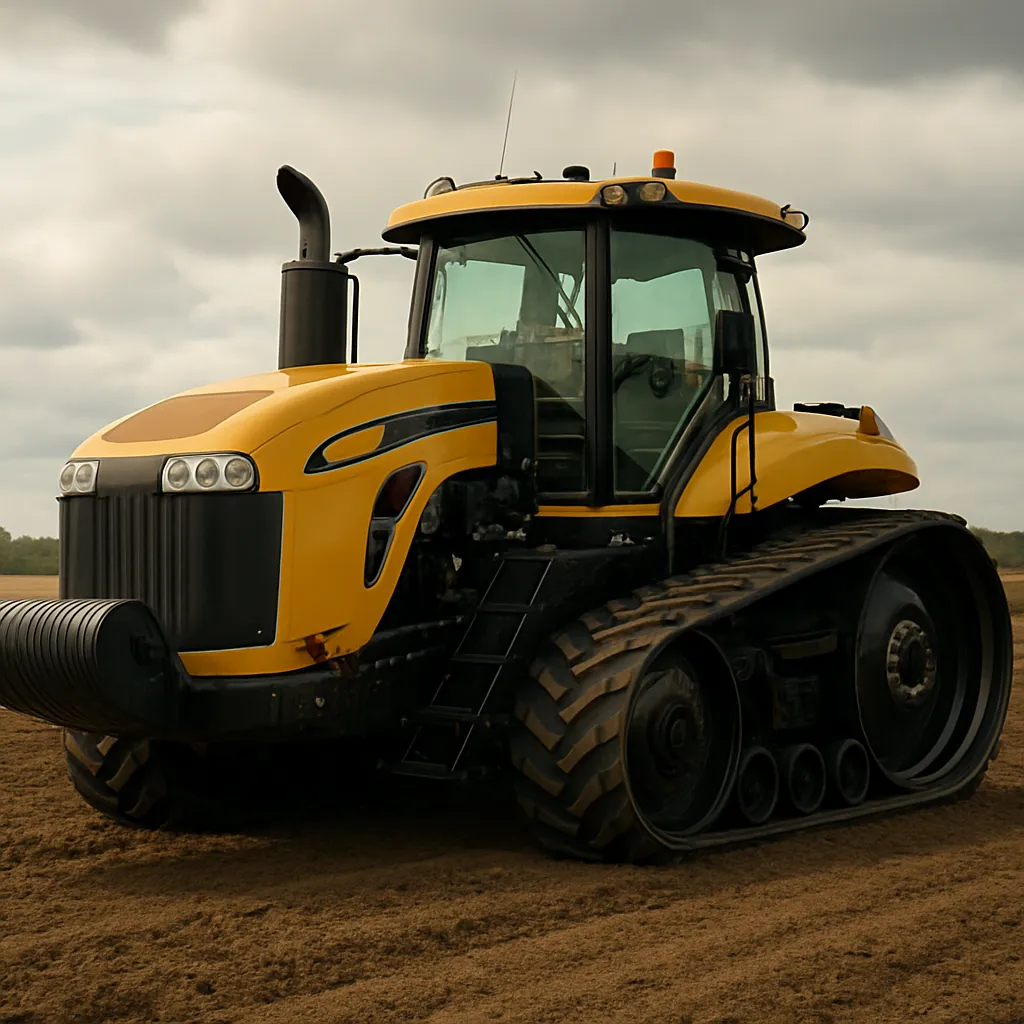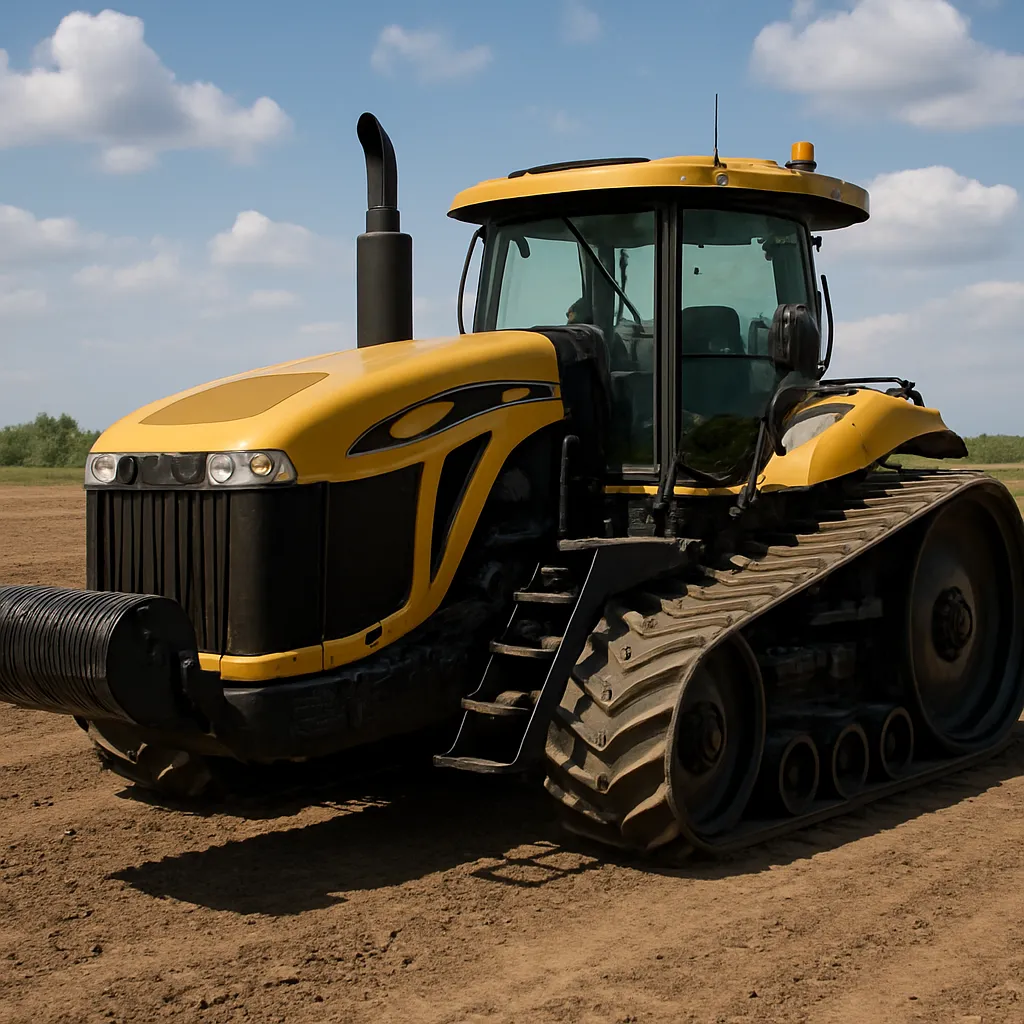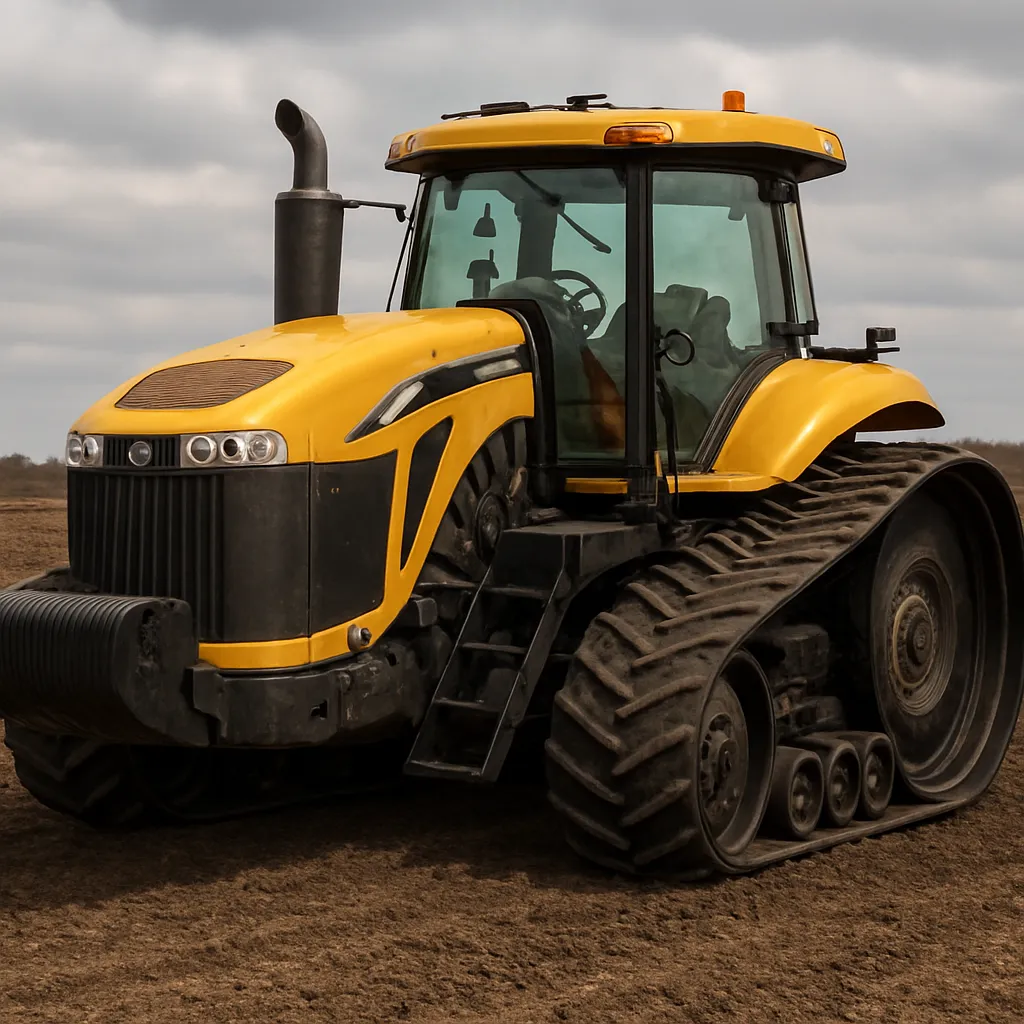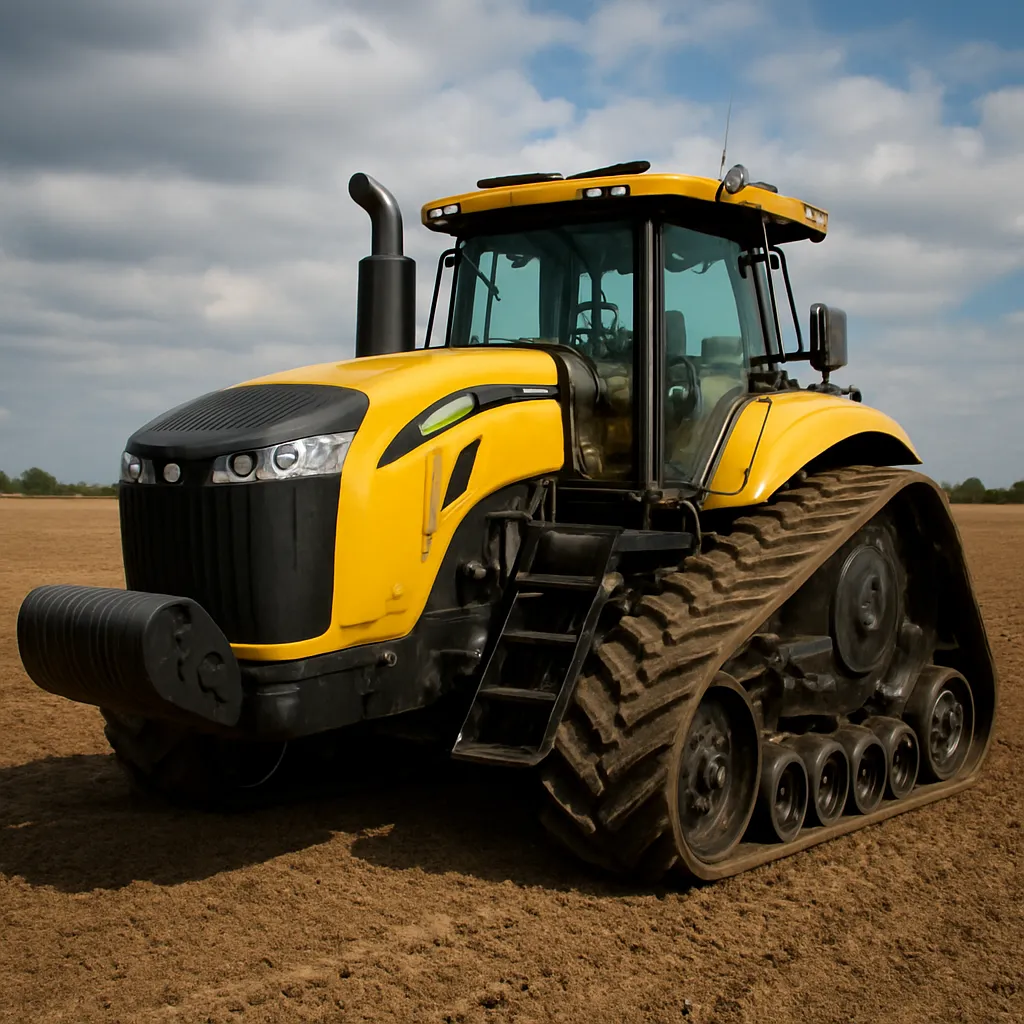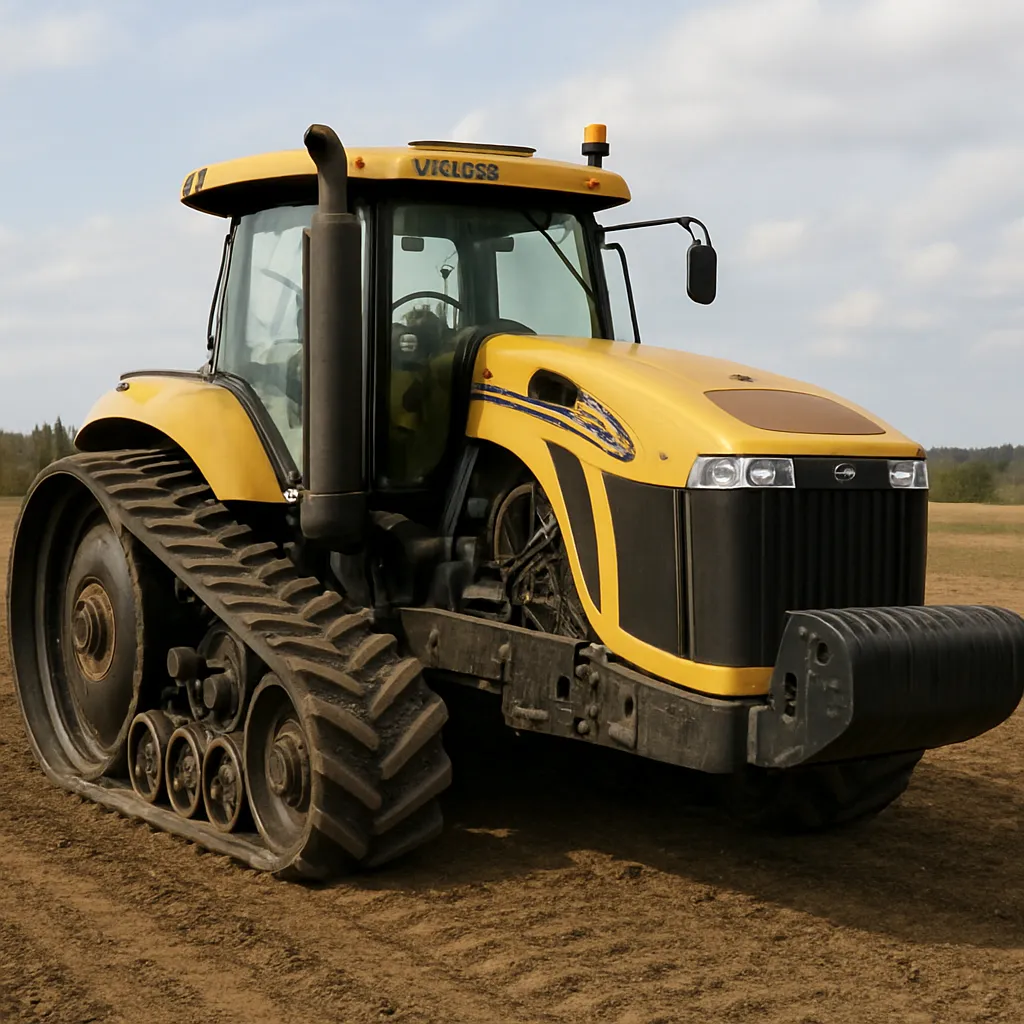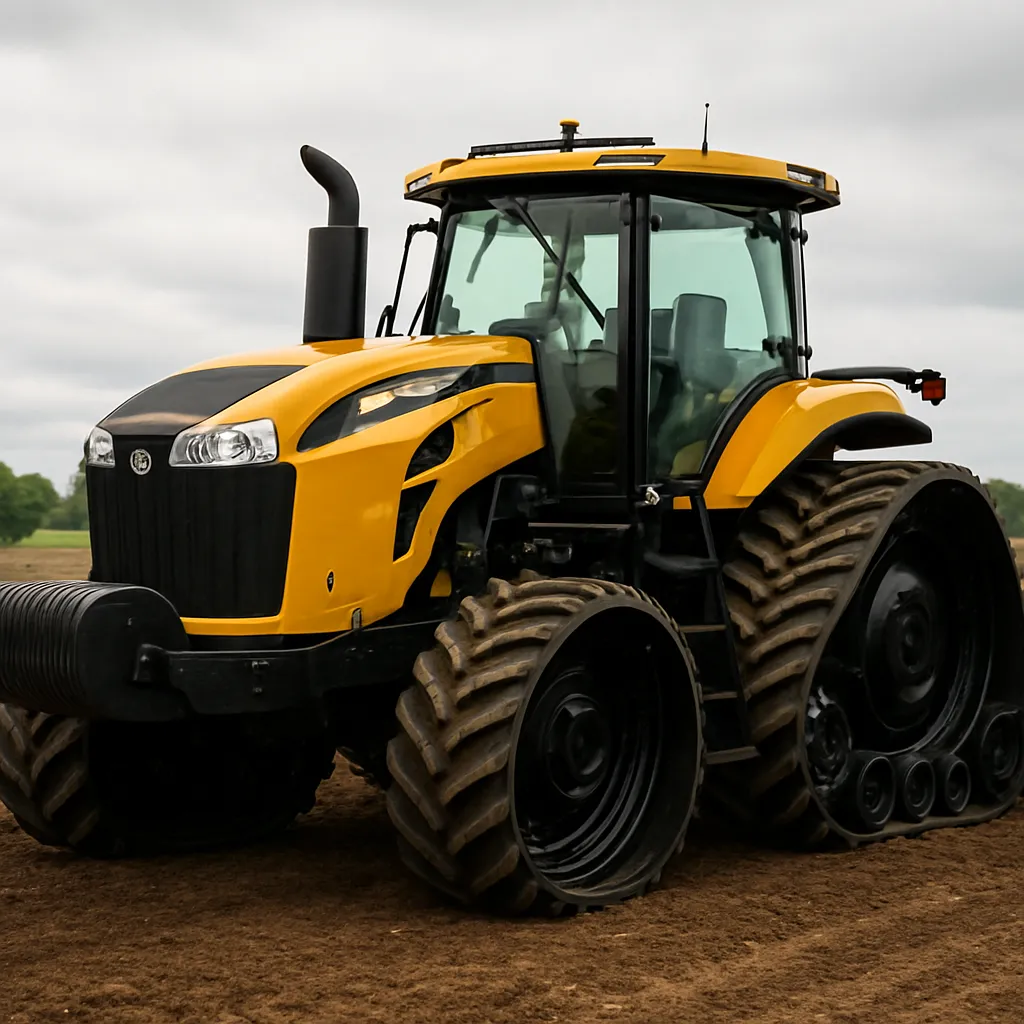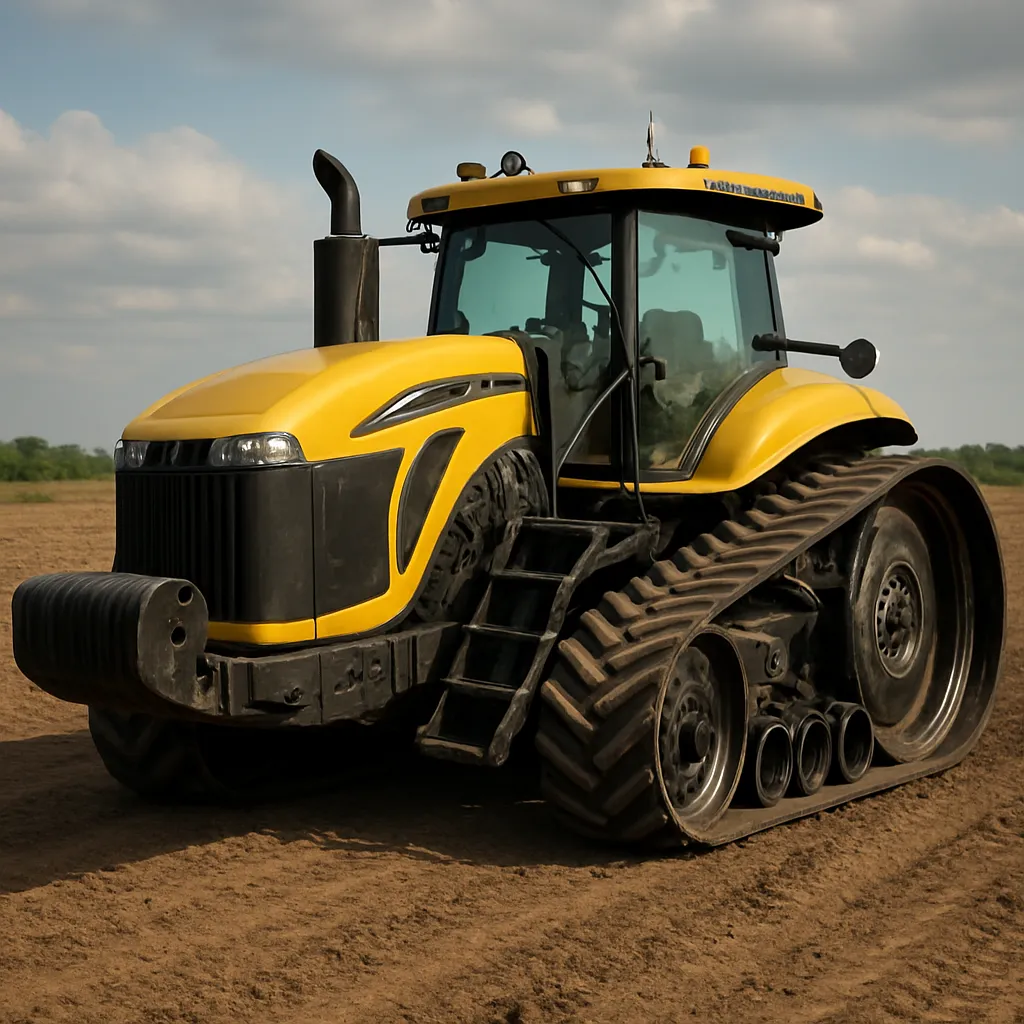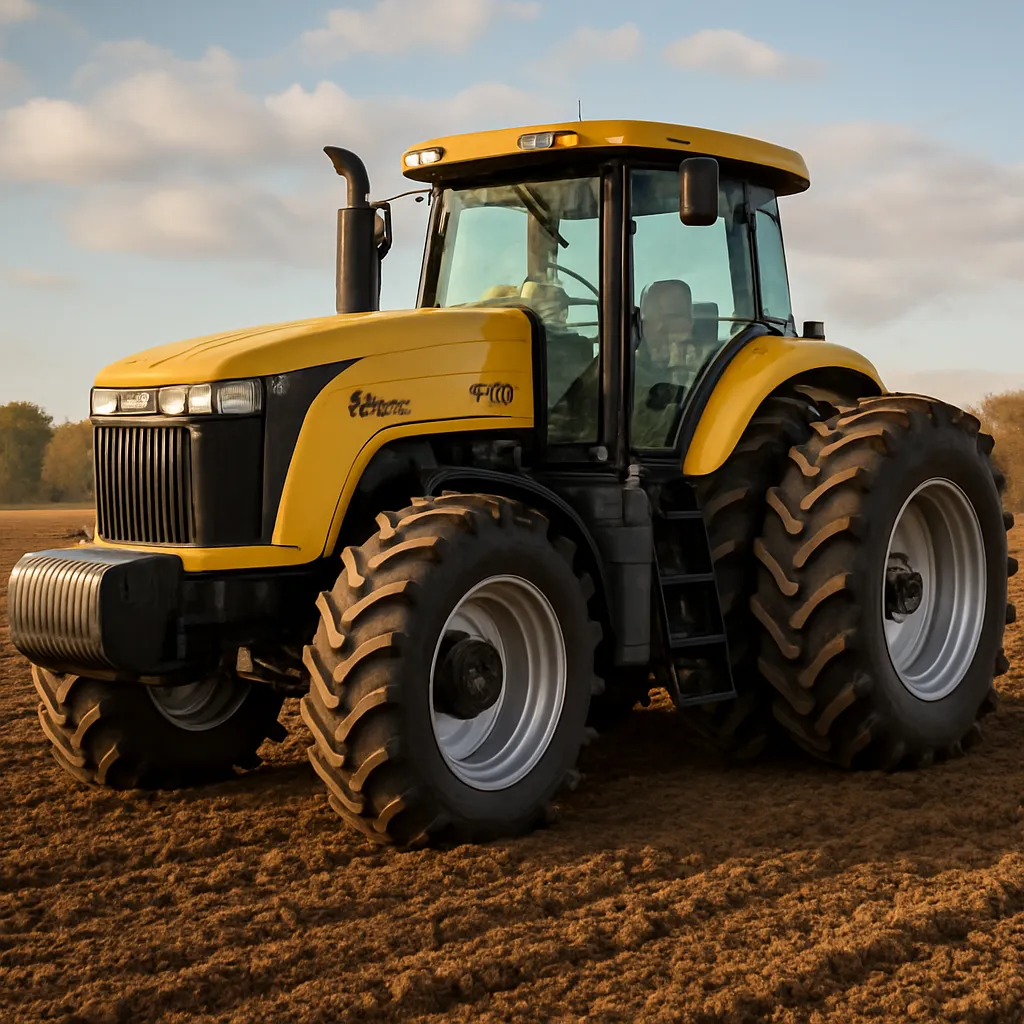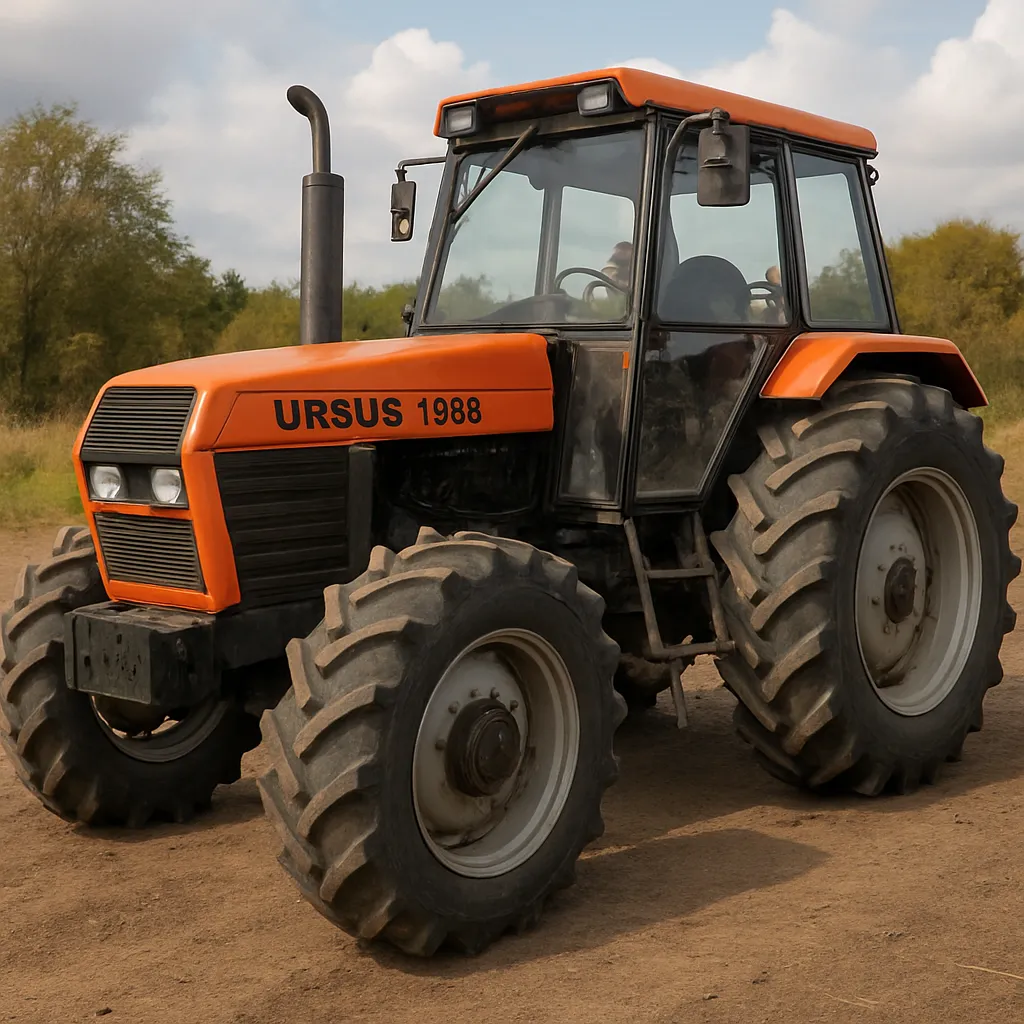
The Ursus 1234 is a model that represents a practical and robust approach to agricultural machinery from one of Poland’s most recognized tractor manufacturers. In this article, we will explore the tractor’s background, typical applications, technical characteristics, maintenance considerations, and its role in modern and traditional farming systems. The aim is to provide a comprehensive overview that will be useful to farmers, contractors, machinery enthusiasts, and anyone interested in agricultural technology. Throughout the text you will find highlighted terms that emphasize the most important concepts and features.
History and Context of the Ursus 1234
The brand Ursus has a long history in Central and Eastern Europe, known for producing durable, simple-to-service tractors suitable for small and medium-sized farms. The Ursus 1234 fits into this tradition as a model designed to balance performance, affordability, and ease of maintenance. While many modern tractors emphasize electronic controls and very high horsepower, models like the Ursus 1234 are valued for their straightforward mechanical design, which often translates into lower long-term operating costs and easier repairs in the field.
Origins and Production
The exact production history of the Ursus 1234 can vary by year and factory configuration, depending on regional demand and updates to the model line. Historically, Ursus has adapted its model range to serve a mix of agricultural and municipal markets, supplying tractors for ploughing, transport, and auxiliary services such as mowing and snow removal. The 1234 is commonly associated with the compact-to-medium tractor class that is popular in Europe, where fields can be smaller and operations require agile, versatile machines.
Positioning in the Market
The Ursus 1234 is typically positioned as a cost-effective workhorse for farms needing reliable performance without the complexity and expense of higher-end machines. It competes with other compact and utility tractors from both European and global manufacturers by emphasizing:
- Simple, proven mechanical systems
- Ease of service and parts availability
- Good balance between power and fuel consumption
- Versatility for multiple tasks
Technical Overview and Typical Specifications
Technical specifications for the Ursus 1234 can differ by model year and regional configuration, especially where emissions rules or optional equipment influence engine tuning and ancillary systems. Below is a summary of the typical characteristics you can expect from a tractor in this category, with a focus on practical, real-world aspects.
Engine and Performance
Tractors in the compact-to-medium class like the Ursus 1234 commonly feature turbocharged diesel engines engineered for durability and continuous operation. Typical performance attributes include:
- Engine displacement and tuning optimized for mid-range pull power
- Power output typically in the range of approximately 60–85 horsepower, depending on configuration
- Mechanical fuel injection or modern electronic injection depending on the production year
- Cooling systems designed for heavy-duty use and available PTO loads
These engines are built to deliver strong low-end torque for tasks such as ploughing, tillage, and operation of PTO-driven implements.
Transmission and Drivetrain
Reliability and simplicity are emphasized in the drivetrain system. Common features include:
- Multiple forward and reverse gears with ranges to suit fieldwork and transport
- Mechanical or synchronized transmissions with options for shuttle shift in some versions
- Two- or four-wheel-drive configurations to suit traction needs
- PTO (Power Take-Off) with standard speeds (540 rpm and/or 1000 rpm) to operate a range of implements
Hydraulics and Three-Point Hitch
The hydraulic system and rear hitch are central to the tractor’s versatility. Typical attributes include:
- Hydraulic flow rated to handle most medium-sized implements
- Category II three-point hitch (or equivalent), enabling compatibility with common implements
- Optional front linkage and PTO for front-mounted implements in some configurations
Cabin and Operator Comfort
Depending on the year and market, the Ursus 1234 may be offered with an open platform, ROPS (roll-over protective structure), or an enclosed cab with heating. The emphasis tends to be on functional ergonomics rather than luxury:
- Clear visibility for implement work
- Practical control layout for straightforward operation
- Basic comfort features designed for long workdays
Applications and Typical Uses
The Ursus 1234 is a multi-purpose tractor that finds use across many agricultural and municipal tasks. Its design makes it suitable for small to medium farms, contractors, and public works departments alike.
Agricultural Uses
On the farm, the Ursus 1234 is often used for:
- Primary tillage: ploughing, harrowing, and soil preparation
- Secondary tillage and seedbed preparation
- Seeding and planting when paired with appropriate implements
- Crop care: spraying, fertilizing, and mowing
- Harvest support: towing trailers and powering small harvest equipment via PTO
Due to its balanced fuel efficiency and torque characteristics, the 1234 can operate effectively across seasons and diverse field conditions.
Livestock and Orchard Work
Smaller farms and livestock operations value the maneuverability and implement compatibility for:
- Bedding and manure handling with front loaders or rear-mounted spreaders
- Haymaking: mowing, raking, and baling when synchronized with implement requirements
- Orchards and vineyards where compact dimensions and good visibility are advantageous
Municipal and Contracting Uses
Municipalities and small contractors also use tractors like the Ursus 1234 for:
- Roadside mowing and verge maintenance
- Snow clearing with front blades or snow blowers
- Light-duty earthmoving and general maintenance tasks
Maintenance, Reliability, and Life-Cycle Costs
One of the major selling points of the Ursus 1234 is the relatively low complexity of its systems compared with higher-tier tractors. This has important implications for maintenance, reliability, and long-term ownership costs.
Routine Maintenance
Owners can expect to follow standard maintenance schedules including:
- Regular oil and filter changes for engine, hydraulic, and transmission systems
- Inspection and adjustment of belts, brakes, and clutch systems
- Hydraulic fluid checks and filter changes
- Fuel system maintenance to ensure reliable starting and injection performance
The straightforward mechanical layout allows many routine tasks to be performed by local mechanics, reducing downtime and service costs.
Reliability and Spare Parts
Ursus has a regional supply chain for spare parts, and the straightforward nature of the 1234’s components makes it easier to repair in remote locations. Common repairs often focus on wear items—clutches, hydraulic seals, and bearings—rather than complex electronics. This contributes to favorable long-term life-cycle economics for operators who depend on consistent uptime.
Resale Value and Longevity
Because of its simplicity and reputation for being workmanlike, tractors such as the Ursus 1234 can retain useful resale value in markets where low-tech reliability is prized. Properly maintained units can remain productive for many years, particularly in smaller operations where annual hours are moderate.
Attachments, Implements, and Customization
Versatility is a hallmark of the 1234’s appeal. A wide range of implements can be used to expand the tractor’s utility across seasons and tasks.
Common Implement Categories
- Ploughs and harrows for primary and secondary tillage
- Seed drills, planters, and broadcasters for planting and fertilizing
- Mowers, balers, and rakes for forage production
- Front loaders and buckets for material handling
- Backhoes and trenching attachments for occasional excavation
- Snow blades and blowers for winter maintenance
Customization options often include choice of tires, front weights, and hydraulic packages that match the operator’s needs.
Advantages of Modular Design
A modular approach to attachments allows the Ursus 1234 to serve multiple roles throughout the year, increasing overall utilization and lowering the effective cost per hour of ownership. This flexibility is especially valuable for mixed farms and family operations where space for multiple specialized machines is limited.
Safety, Regulations, and Environmental Considerations
Modern agricultural machinery must meet evolving safety and environmental standards. Depending on the production year, the Ursus 1234 may be equipped with features to comply with regional regulations.
Emissions and Engine Management
Older models rely on mechanically controlled diesel injection systems, while later variants may incorporate electronic management to improve emissions and fuel economy. Operators should be aware of regional emissions rules that might affect usage, resale, or retrofitting requirements.
Operator Safety
Basic safety features typically include ROPS or an enclosed cab, seat belts, and clear labeling of controls. Additional optional safety upgrades often include better lighting, mirrors, and work lights for low-visibility conditions.
Comparisons with Similar Tractors
Within its class, the Ursus 1234 competes with other compact and utility tractors from both local manufacturers and international brands. When comparing, key decision factors usually are:
- Acquisition cost and total cost of ownership
- Availability of spare parts and local service
- Fuel efficiency and operational economy
- Compatibility with implements already owned by the farm
- Resale prospects in the region
For many buyers, the combination of affordability, simplicity, and proven mechanical systems makes the Ursus 1234 a compelling option against newer but more complex models.
Economic and Practical Considerations for Buyers
Potential buyers should evaluate both immediate and longer-term factors when considering an Ursus 1234. Practical steps include:
- Assessing the typical annual hours of operation to determine appropriate spec and options
- Reviewing local dealer and mechanic support for parts and service
- Comparing fuel economy figures under expected workloads
- Inspecting used units for wear on major components such as clutch, hydraulics, and PTO
- Verifying attachments and compatibility with the buyer’s existing implements
These steps help ensure the selected tractor matches the farm’s operational profile and budget constraints.
Notable Strengths and Limitations
The Ursus 1234 has several strengths that make it popular in many settings, along with limitations that buyers should recognize.
Strengths
- Reliable mechanical design that is easy to service
- Good balance of power and efficiency for a wide range of tasks
- Versatility with numerous attachment options
- Lower acquisition and service costs compared to high-end, electronic-heavy tractors
Limitations
- Fewer advanced features such as precision farming electronics or automated guidance
- Potentially less comfort than premium-cab tractors for long hours
- Emissions and fuel economy may lag behind the newest models with advanced engine controls
Statistical and Market Information
Precise, up-to-date global production statistics for a specific model like the Ursus 1234 vary and depend on manufacturing runs, regional assembly options, and market demand. What can be stated with confidence is that tractors in this class represent a significant portion of the small-to-medium farm market in Central and Eastern Europe. Anecdotally and historically, models from Ursus have been widely used in Poland and neighboring countries due to:
- Familiarity and trust in the brand
- Competitive pricing compared to imported alternatives
- Local dealer networks for parts and service
For anyone interested in precise production numbers, regional registration statistics, or resale price trends for the Ursus 1234, local agricultural agencies, dealer sales data, and machinery auction records are useful primary sources.
Practical Tips for Owners and Operators
To get the most from an Ursus 1234, operators should follow these practical tips:
- Keep a documented maintenance log to preserve value and spot issues early
- Use recommended lubricants and filters to reduce wear
- Inspect PTO shafts, hitch pins, and hydraulic hoses regularly
- Calibrate implements for the tractor’s hydraulic and PTO capabilities to avoid overloading
- Consider adding basic modern conveniences (improved lighting, ergonomic seat) if needed for comfort
Final Observations
The Ursus 1234 represents a practical, adaptable solution for many agricultural and municipal tasks. Its appeal lies in the combination of straightforward design, ease of repair, and versatility through a wide selection of implements. While it may not offer the advanced electronics and high horsepower of premium modern tractors, its strengths in reliability, affordability, and ease of use make it a sensible choice for operators prioritizing cost-effective, proven performance. Whether used for crop production, livestock support, or municipal maintenance, the Ursus 1234 continues the legacy of workmanlike tractors designed to keep farms and communities productive.