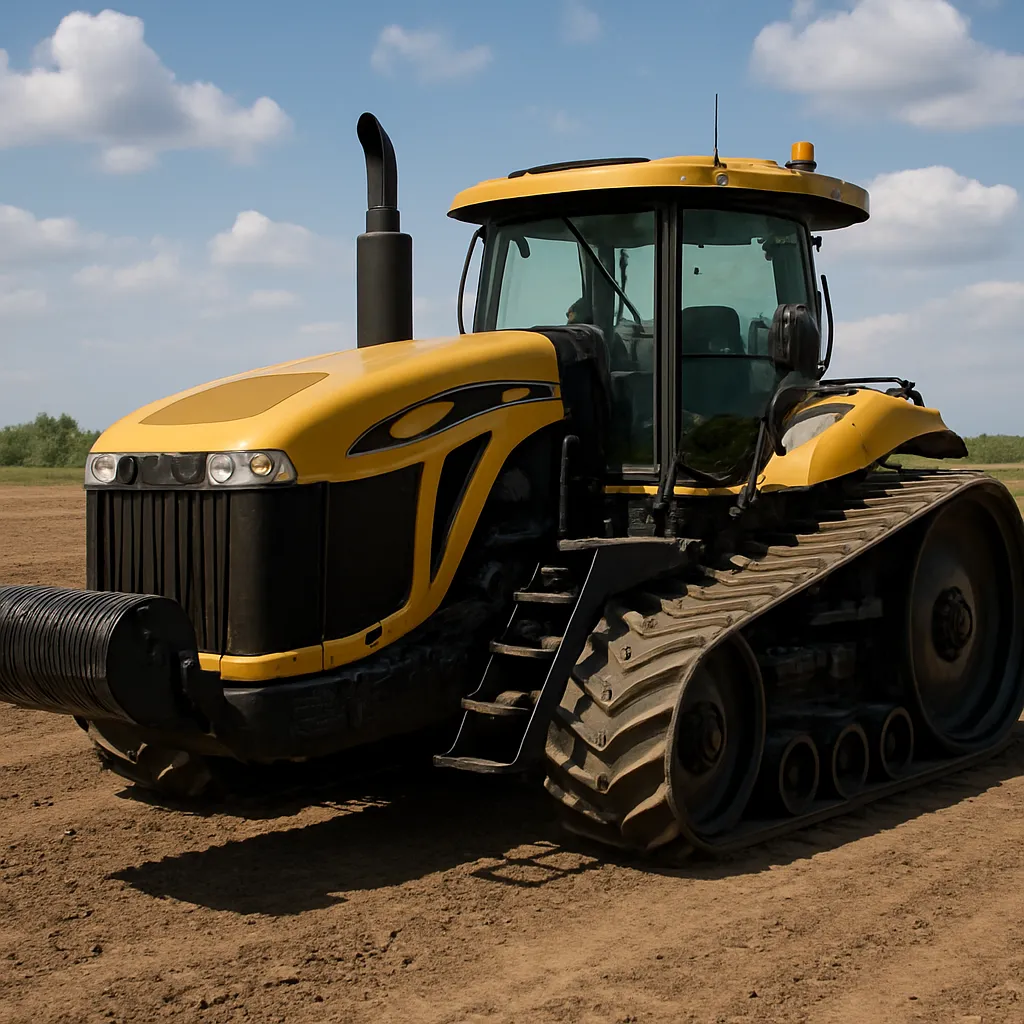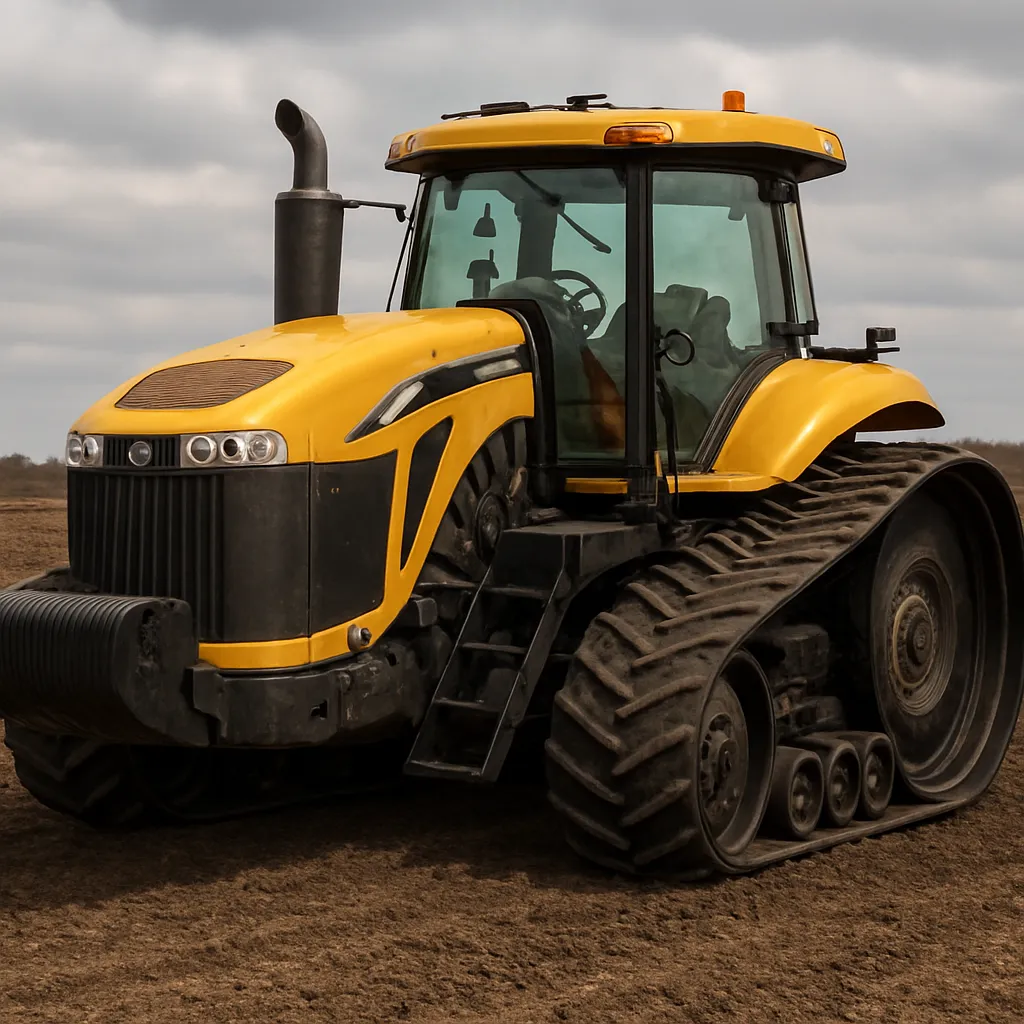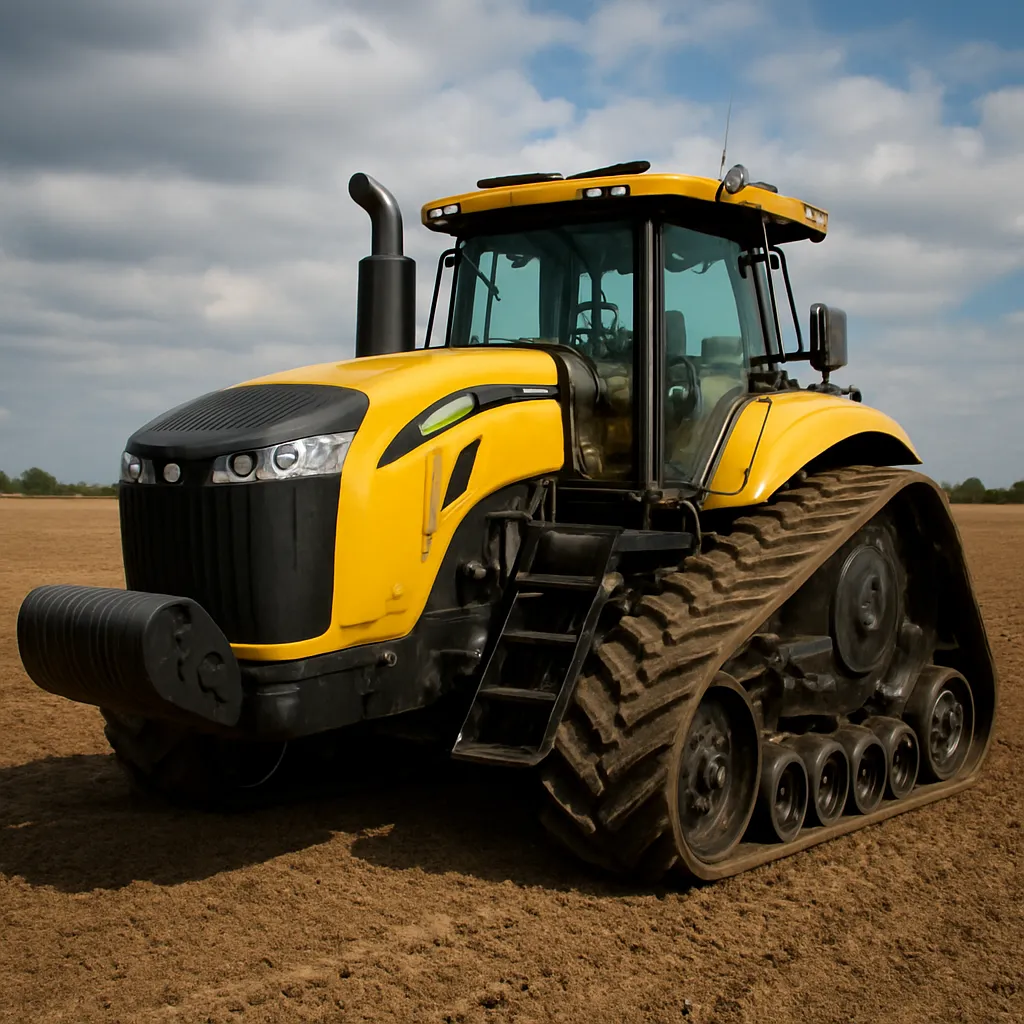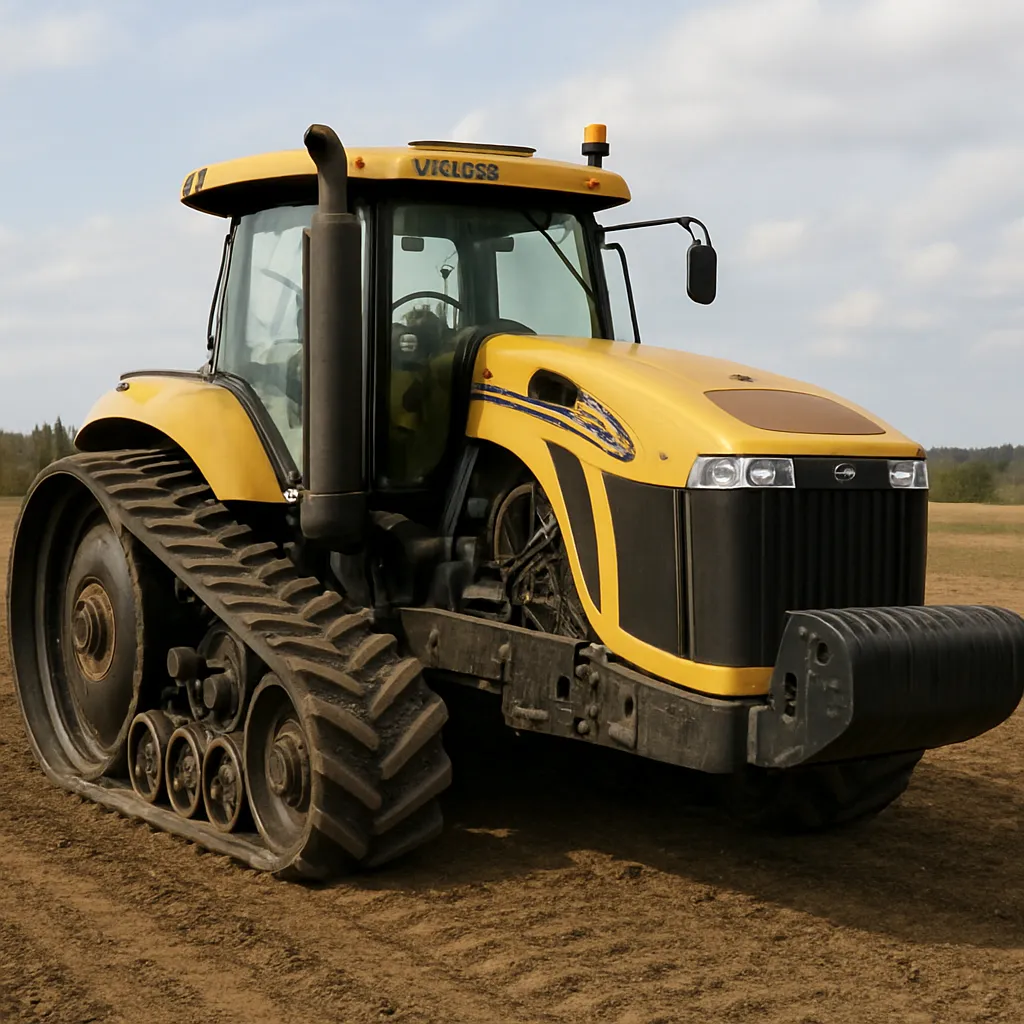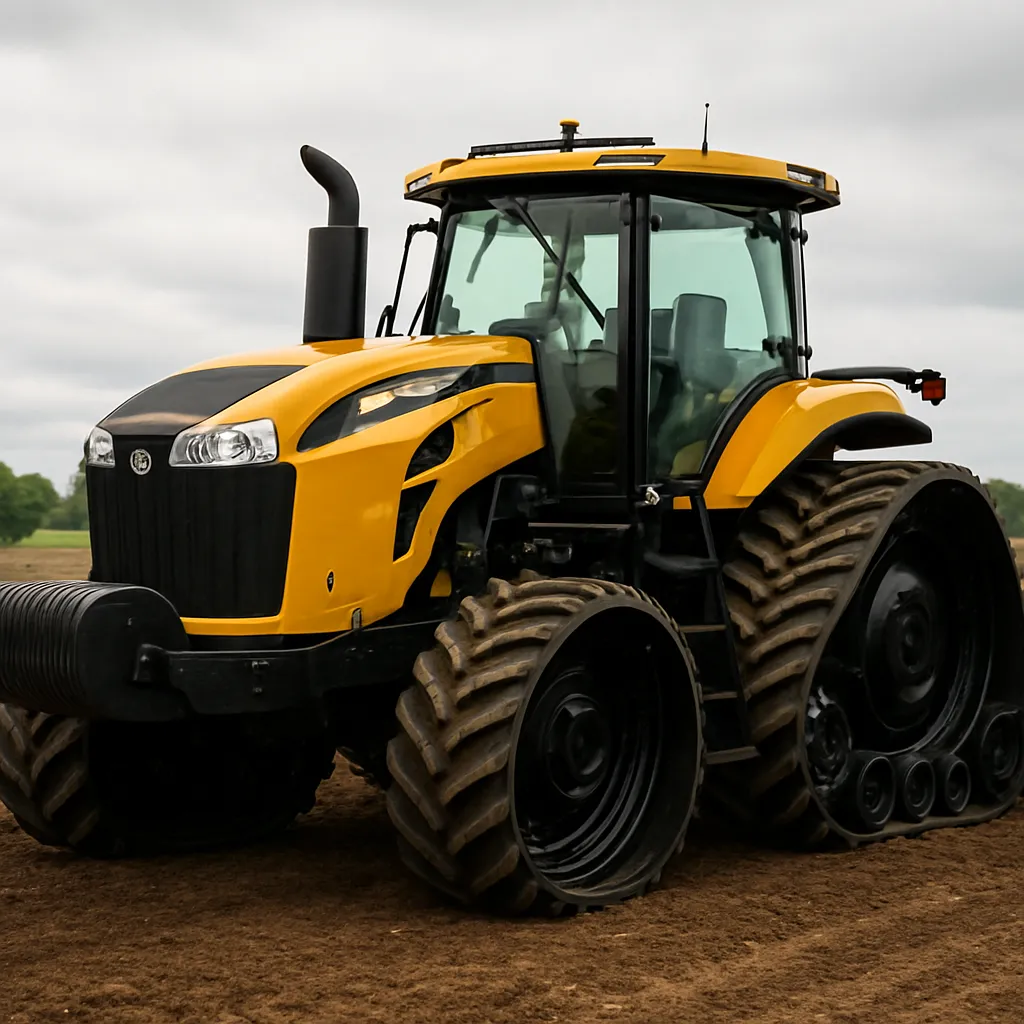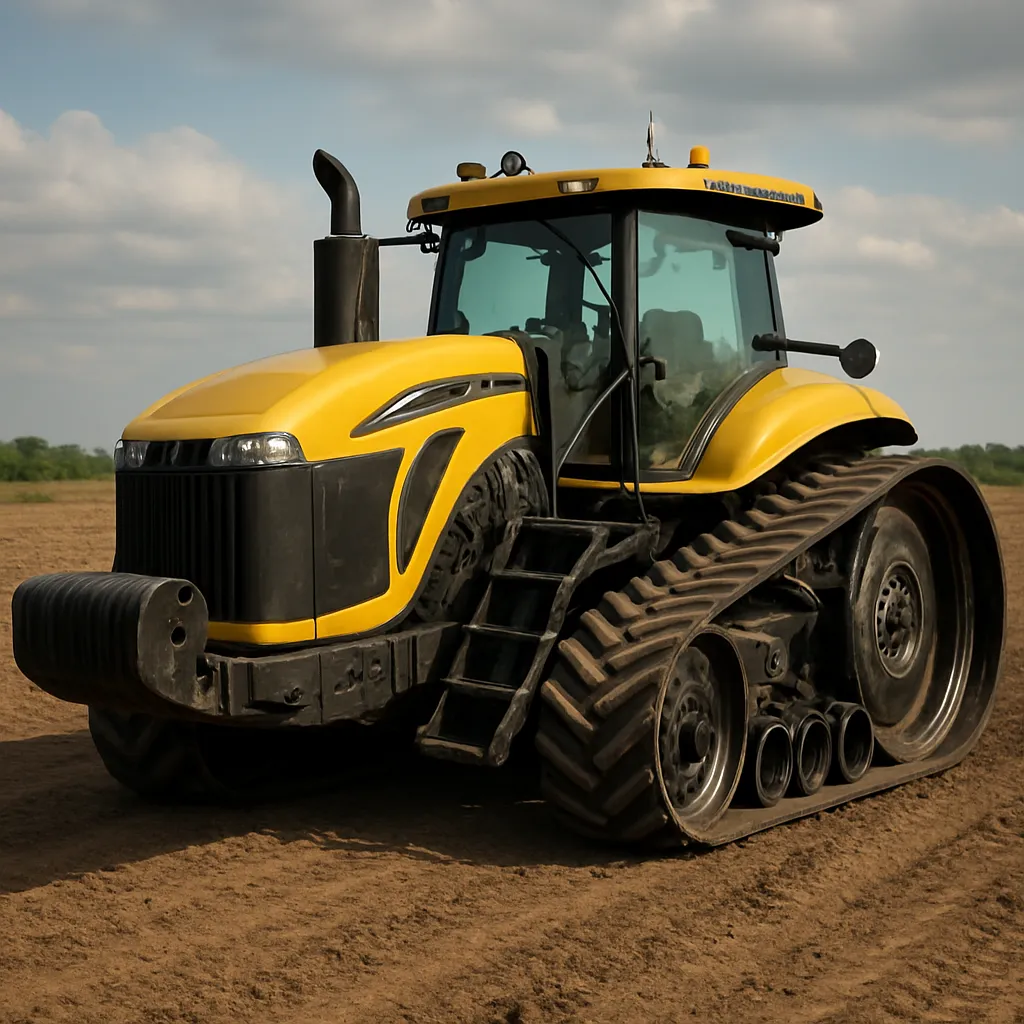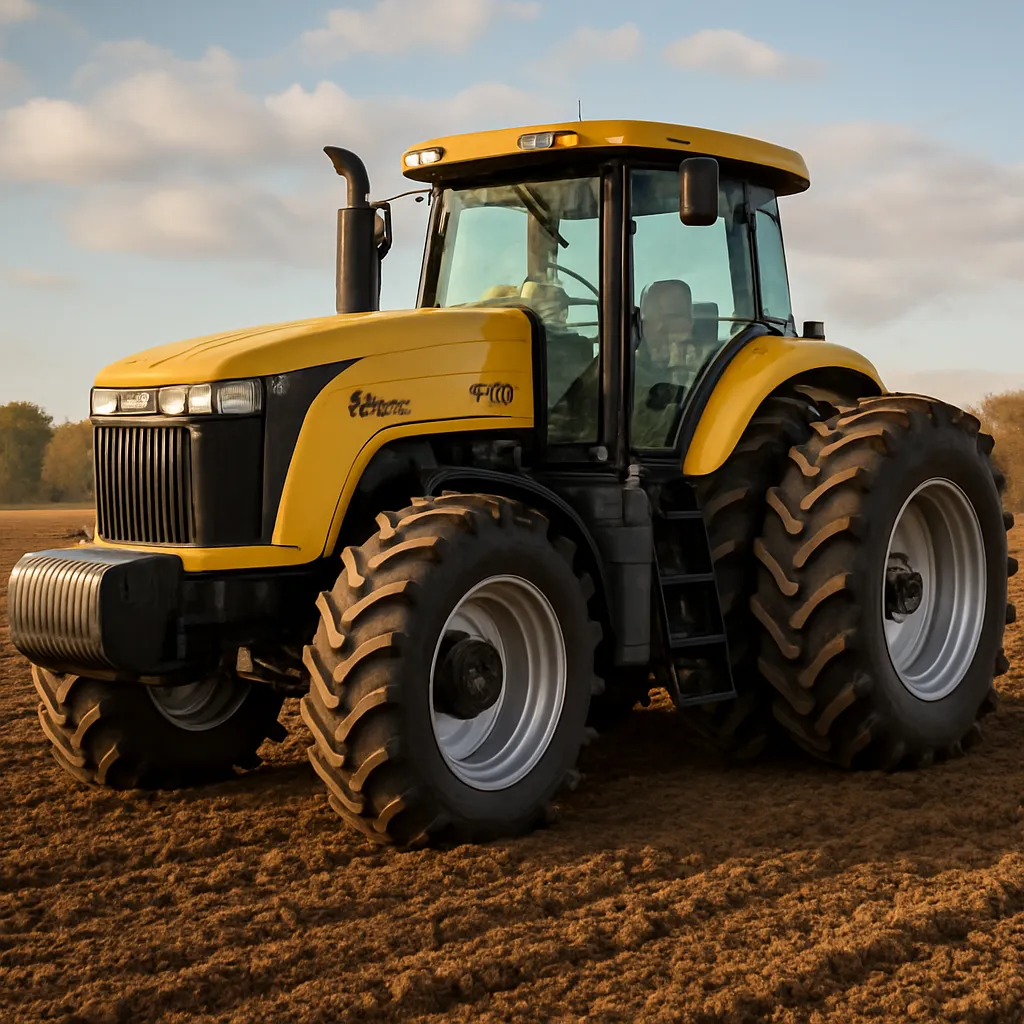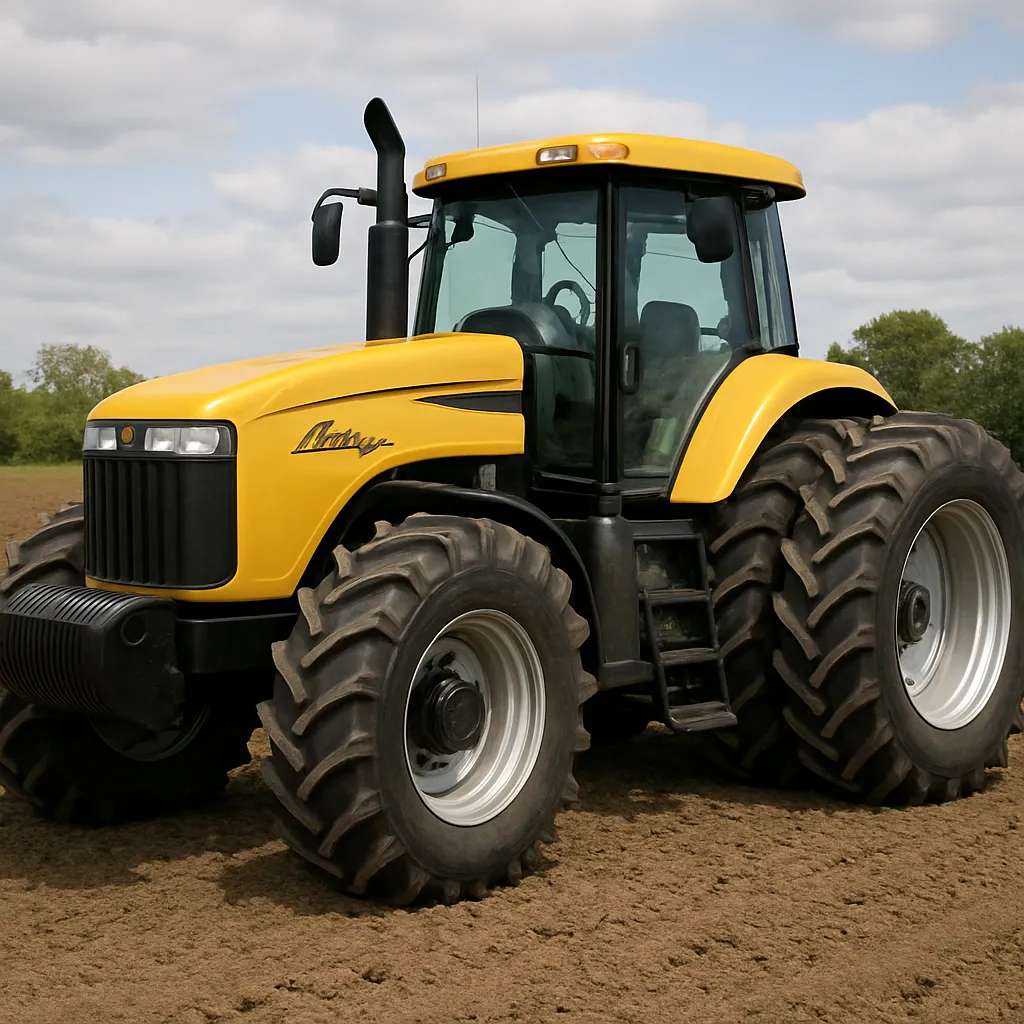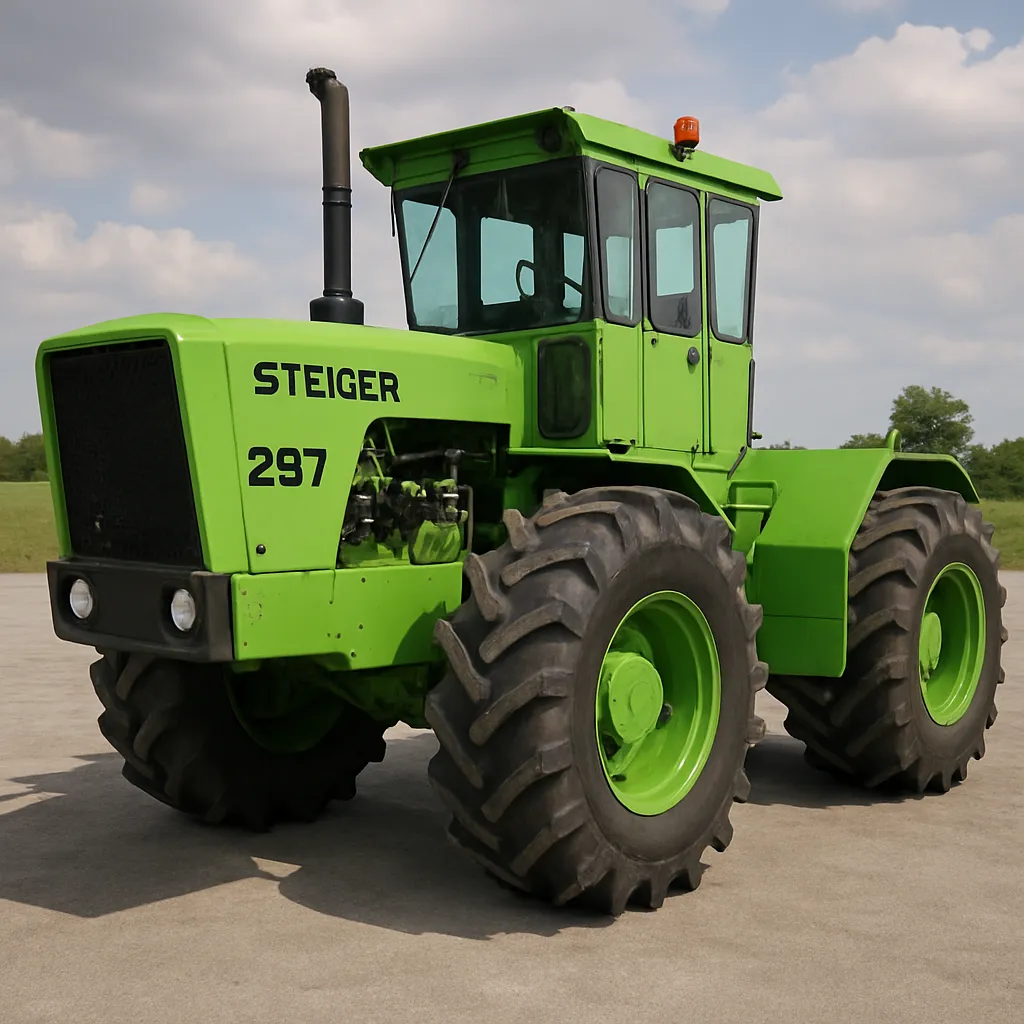
The Steiger PTA 297 is a heavy-duty, articulated agricultural tractor that has built a reputation among farmers and contractors for exceptional power and field performance. Designed for demanding tasks such as deep tillage, heavy pulling and large-scale planting, this model blends robust mechanical systems with operator-focused features. In the sections that follow, you will find a detailed look at the machine’s design and technical characteristics, its real-world applications, maintenance and ownership considerations, and a brief contextual history and market perspective. The article aims to give both an informed overview for potential buyers and practical insights for current owners.
Design and technical specifications
The PTA 297 is engineered around a philosophy of maximum tractive effort, stability and simple serviceability. As an articulated four-wheel-drive tractor, it uses a central pivot articulation joint that provides excellent maneuverability and allows both halves of the tractor to maintain traction over uneven terrain. This layout, combined with heavy front and rear axles, contributes significantly to the machine’s field performance.
Engine and powertrain
Most units in this power class are fitted with inline 6-cylinder diesel engines from well-known suppliers. These engines are tuned to deliver continuous, high torque at low rpm for fieldwork. The PTA 297’s nominal engine output generally places it in the upper mid-range of row-crop and tillage tractors — in practical terms, operators can expect sustained power suitable for pulling large disk harrows, multi-shank rippers or large planters. The machine’s driveline is typically built around a heavy-duty transmission (powershift or fully synchronized gearboxes in different configurations) capable of transferring the engine’s power efficiently to the wheels under high loads.
- Typical engine layout: inline 6-cylinder diesel
- Estimated continuous power range: approximately 275–320 HP (varies by configuration)
- Transmission: heavy-duty powershift or mechanical gearboxes with multiple forward and reverse ranges
- Drive: articulated four-wheel-drive with heavy axles and differential locks
The figure above is intended as a practical range rather than an absolute spec: many Steiger models were offered with different engine tunings and optional equipment that influenced the rated output and effective field horsepower.
Chassis, weight and traction
The overall mass of a tractor like the PTA 297 is a design asset: higher weight increases traction for heavy tillage, and built-in ballast systems make it easier to balance implements front-to-rear. Ballast options often include front and rear wheel weights, dual-wheel arrangements, or even tracks for reduced soil compaction and increased traction in very soft conditions.
- Operating weight: commonly in the range of several tonnes suitable for heavy-duty fieldwork (ballasted according to implement and soil)
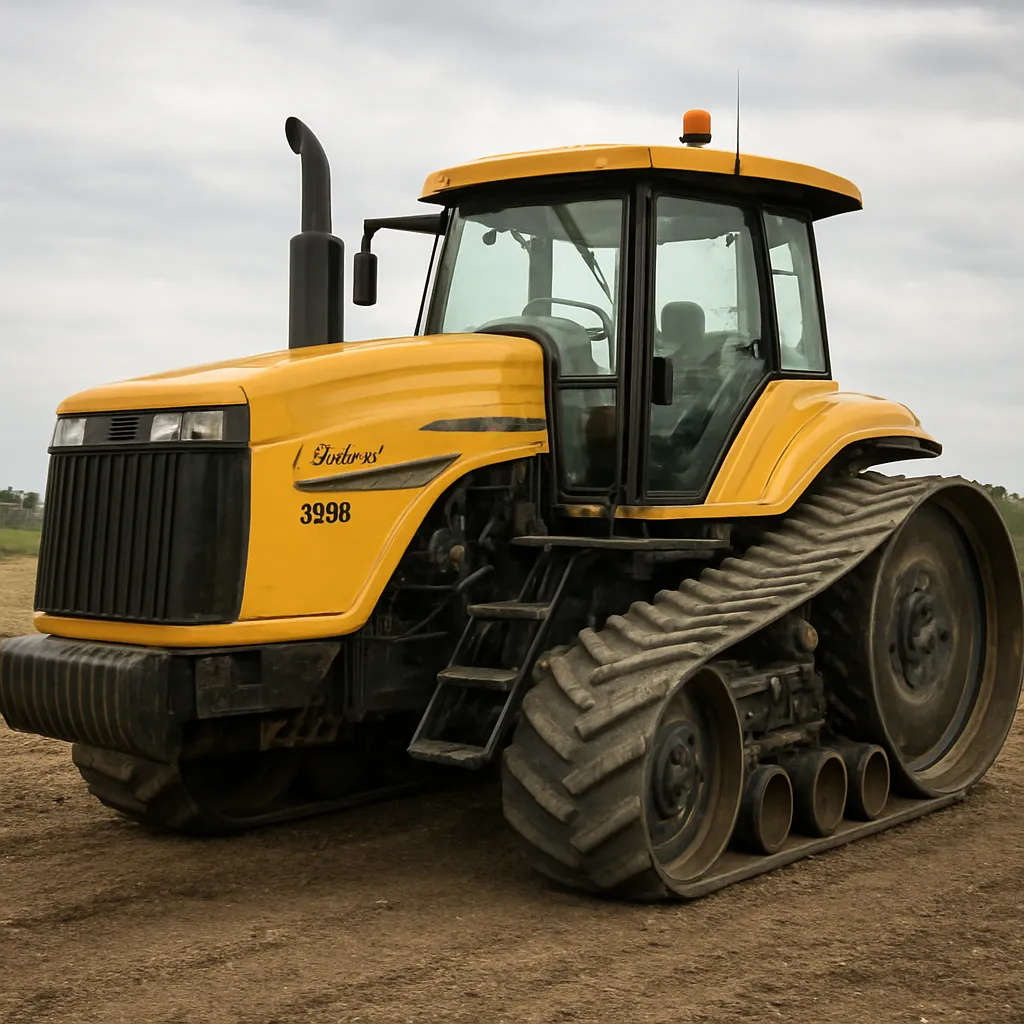
- Wheel configurations: single wheels, duals, or conversions to tracked assemblies
- Steering: articulation joint steering provides tight turn radius for an articulated 4WD
Hydraulics, PTO and implement compatibility
Hydraulic capacity and control are critical for operators running multi-function implements. The PTA 297’s hydraulic system is configured to supply high flow for hydraulic rippers, planters and seeders. A rear PTO (Power Take-Off) is available in standard speeds to match a wide range of implements. Linkage lift capacity is designed to handle heavy three-point mounted tools when used in combination with substantial ballast and counterweighting.
- Hydraulic flow: configured for high-flow implements (exact l/min varies by spec)
- PTO options: typically include standard 540/1000 rpm ranges or community-standard variants
- Rear hitch capacity: rated for large implements with strong lift arms and stabilizers
Applications and field performance
The primary strengths of the PTA 297 are its ability to convert engine power into forward traction and to sustain heavy draft loads over long working shifts. It excels in situations where power-to-weight and traction are critical.
Primary agricultural uses
- Deep tillage and ripping: the PTA 297 can run multiple heavy shank rippers or a large subsoiler to fracture hardpan and prepare seedbeds.
- Primary and secondary tillage: large disks and chisel plows can be pulled at operational speeds, covering wide swaths efficiently.
- Large-scale planting and seeding: when paired with wide planters and air seed distribution systems, the machine can maintain planting schedules across large acreages.
- Heavy hauling: in farm logistics and yard operations, the tractor’s pulling capacity is valuable for moving loaded wagons and implements.
Non-agricultural and specialty uses
Beyond cropland, many tractors of this class are adapted for specialized roles:
- Land reclamation and earthmoving with ripper-blade combinations.
- Forestry-site preparation when fitted with appropriate protective features and implements.
- Large construction projects where steady, continuous pull is more desirable than short high-speed movement.
Operators report that the PTA 297’s combination of weight, traction and low-end torque makes it particularly effective for maintaining operating speeds under load, which is often more important in real-world productivity than peak engine horsepower figures. This is one reason articulated 4WD tractors remain popular for heavy tillage tasks.
Maintenance, reliability and operating costs
Reliability is a decisive factor when selecting a tractor that will spend long hours under heavy load. The PTA 297 is regarded as robust, with a design emphasizing easy access to service points and long service intervals where possible. Proper maintenance practices are essential to preserve the machine’s value and uptime.
Routine maintenance highlights
- Engine oil and filter changes at manufacturer-recommended intervals, with attention to heavy-duty oil grades for long life.
- Fuel system maintenance, including periodic filter replacements and cleaning of injection components when necessary.
- Cooling system checks and radiator cleaning to avoid overheating during extended high-load operations.
- Hydraulic fluid and filter service; inspect hoses and couplings for wear due to repeated connection.
- Axle and articulation joint lubrication and inspection—these areas see high stress and are critical for longevity.
Fuel consumption and operating costs
Fuel usage depends strongly on load and terrain. Under moderate to heavy draft loads, tractors in this class can consume a significant volume of diesel. A practical expectation under sustained heavy fieldwork is several tens of liters per hour (or several gallons per hour), but exact figures depend on implement resistance, ground conditions and engine tuning. Owners frequently balance fuel, tire/track wear and maintenance expenses against increased acres-per-day productivity when evaluating overall cost-effectiveness.
To manage costs, operators often:
- Optimize gear selection to keep the engine in a fuel-efficient rpm band.
- Use precision farming techniques to minimize overlap and redundant passes.
- Fit correct-size tires or tracks and monitor inflation/pressure to reduce rolling resistance.
Historical context and market position
The Steiger name is associated with large articulated 4WD tractors that became popular for high-acreage farms and contractors. Over time, Steiger machines were produced in a variety of power ratings and offered many custom configurations to match regional needs and soil types. The PTA 297 slots into a lineage of machines aimed at users who prioritize raw pulling capacity and steady performance over long hours of work.
These tractors found favor in regions with large fields and heavy soils—places where a conventional 2WD or smaller 4WD tractor would struggle to maintain traction and productivity. In markets where scale and the ability to pull wide implements are important, models like the PTA 297 frequently became the backbone of modern tillage and planting fleets.
Aftermarket, parts and resale value
Parts availability for well-known components—such as engines and hydraulics from mainstream suppliers—is generally good, which aids repairability and resale values. As with any large agricultural equipment, resale value depends on hours, maintenance history, and condition. Well-maintained PTA 297 units that have had major systems overhauled when necessary can maintain solid value due to continued demand for reliable high-horsepower articulated tractors.
Comparisons, variants and user choices
When evaluating the PTA 297 against other tractors, operators consider several dimensions: horsepower class, driveline design (articulated vs. rigid frame 4WD), hydraulic capacity, and operator comfort. Articulated tractors such as the PTA 297 generally provide better traction and flotation for heavy draft operations compared with rigid-frame tractors of similar power, though they offer different steering characteristics that some operators must adapt to.
- Variants: models in the same family may include different engine tunings, cab options, and axle or track conversions.
- Competition: competitors in this power range include other articulated 4WD tractors or high-powered track tractors from global manufacturers.
- Choosing features: buyers should prioritize hydraulics and hitch capacity for their implements, plus consider cab comfort for long operating days.
Practical buying and ownership tips
For prospective buyers and current owners, a few practical guidelines will help maximize value and reduce downtime:
Inspection checklist before purchase
- Check hours and service records—higher hours are acceptable if major services were performed.
- Inspect the articulation joint for excessive play or wear; this is a high-stress component.
- Review hydraulic system for leaks and consistent pressure under load.
- Confirm engine operation under load—listening for unusual noises and checking for consistent turbo/smoke behavior if applicable.
- Verify tire or track condition and matching, as mismatched setups can reduce effectiveness.
Upgrades and modifications
Many operators upgrade AC systems, install modern GPS guidance and auto-steer packages, or replace worn mechanical components with remanufactured parts to extend life and efficiency. Retrofits such as higher-capacity radiators, improved filtration systems, and modern engine control modules (where compatibility allows) can improve performance and emissions compliance.
Concluding perspective
The PTA 297 represents a class of tractor built for heavy, continuous work—machines that put reliable horsepower and sustained torque to the ground where it matters most. Its articulated platform delivers exceptional traction and field stability, while robust components and serviceability contribute to long-term durability. For large-scale farmers, contractors, and land managers who require a robust solution for deep tillage, large-planter operations, and heavy hauling, the PTA 297 remains a compelling choice. With sensible maintenance, appropriate ballast and the correct implement matches, owners can expect many seasons of productive service and solid residual value in the resale market.
Whether you are considering purchase, evaluating trade-in options, or seeking to optimize operation of an existing unit, focusing on hydraulic capacity, appropriate ballast and keeping the engine and driveline properly maintained yields the best return on investment from this class of tractor. The enduring appeal of models like the PTA 297 lies in their straightforward capability to do large-scale, heavy-duty work effectively and reliably.