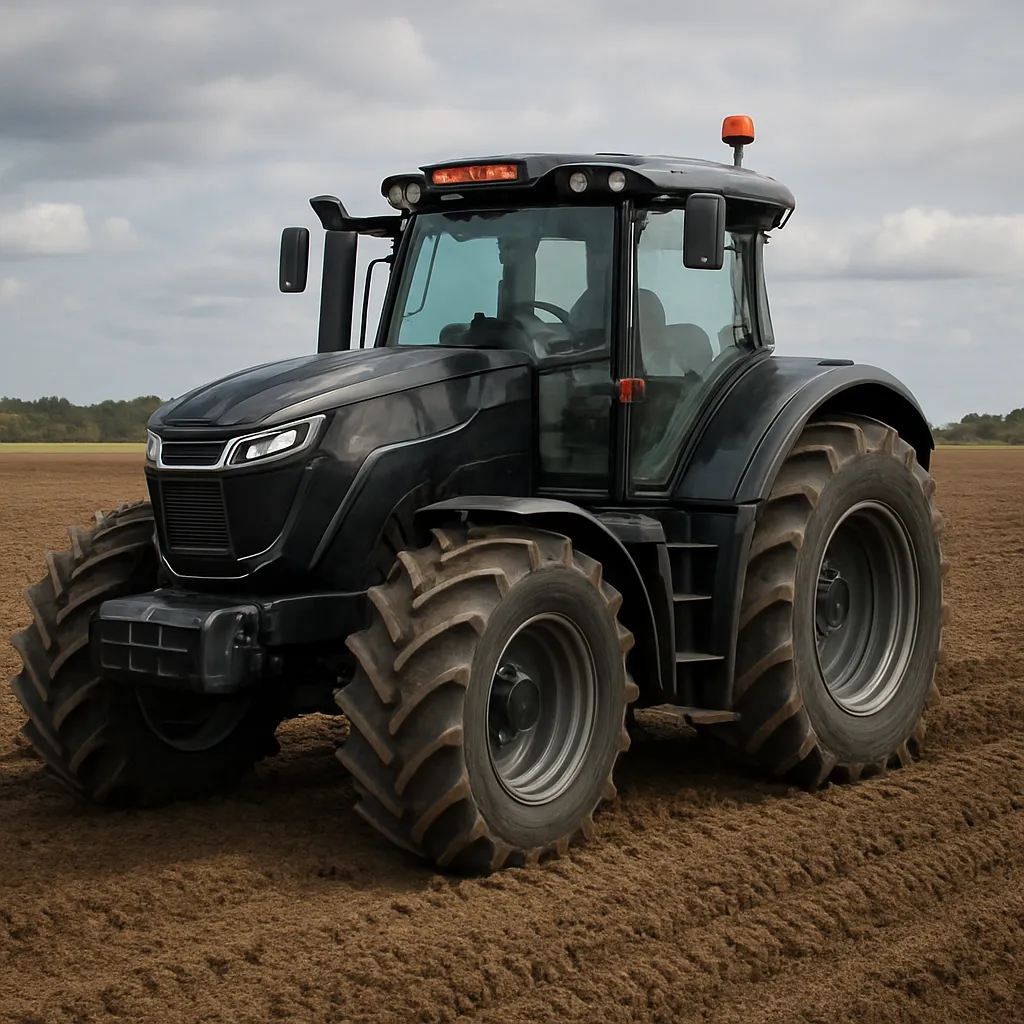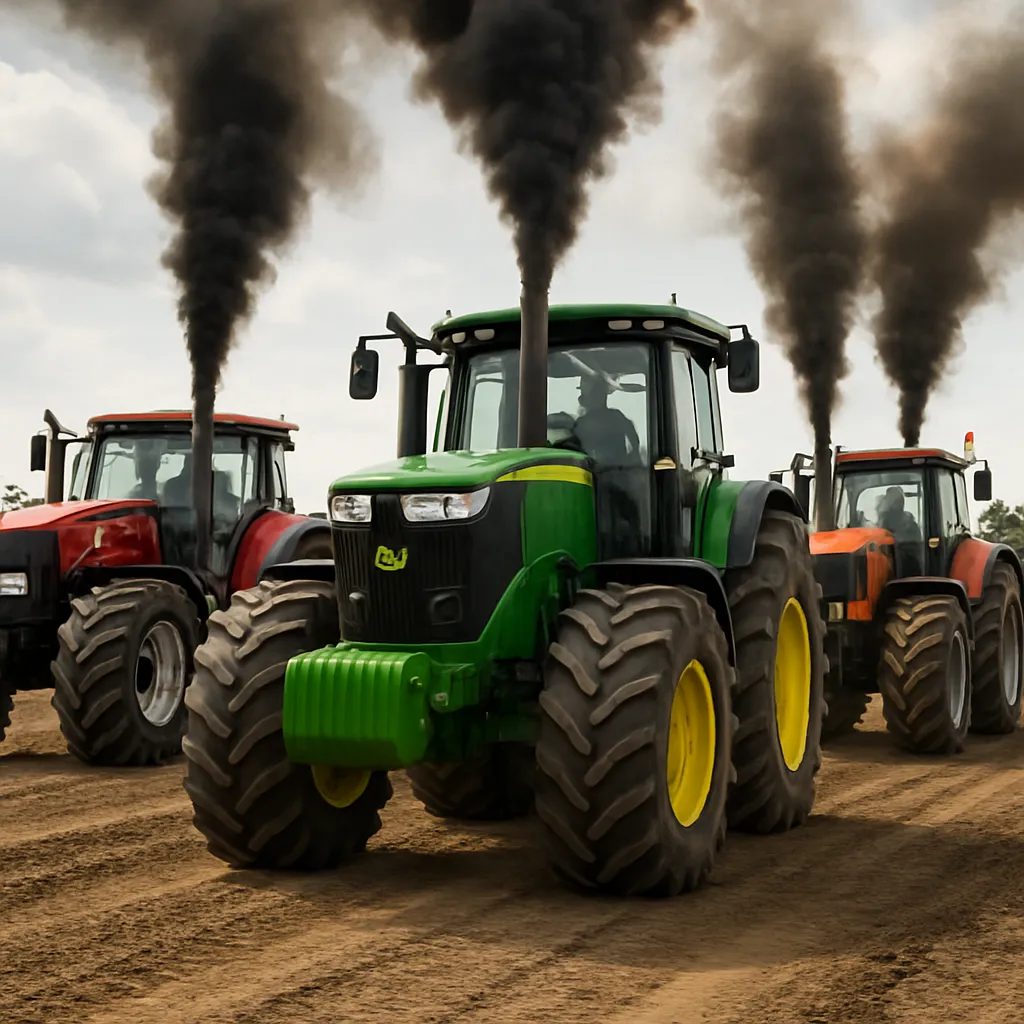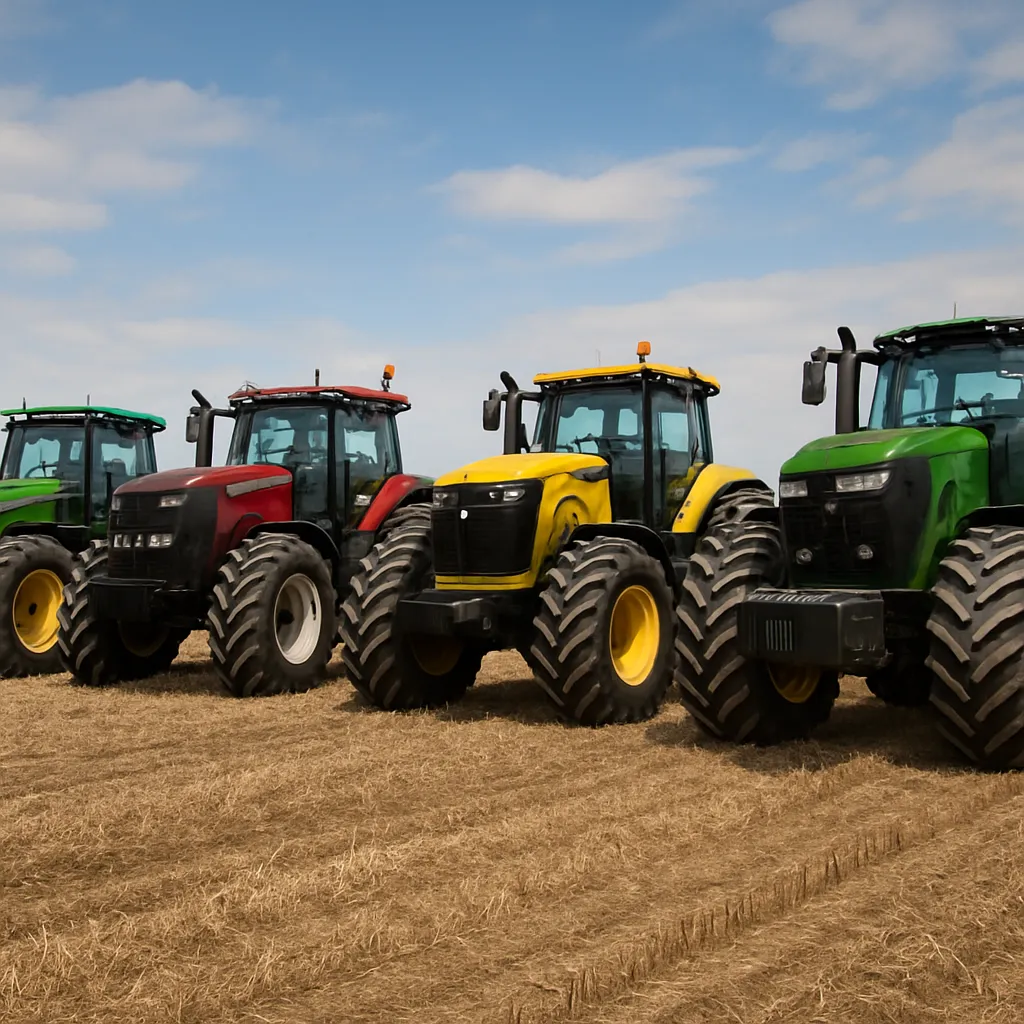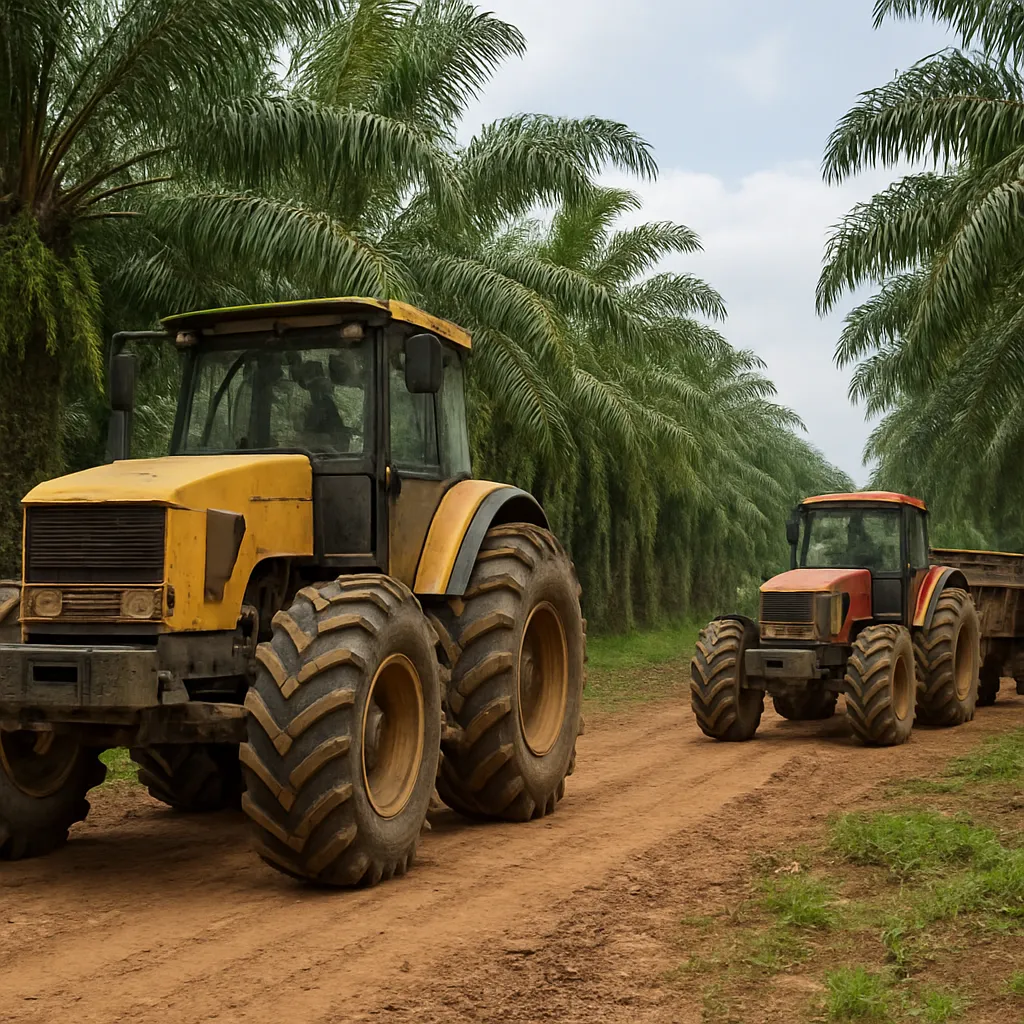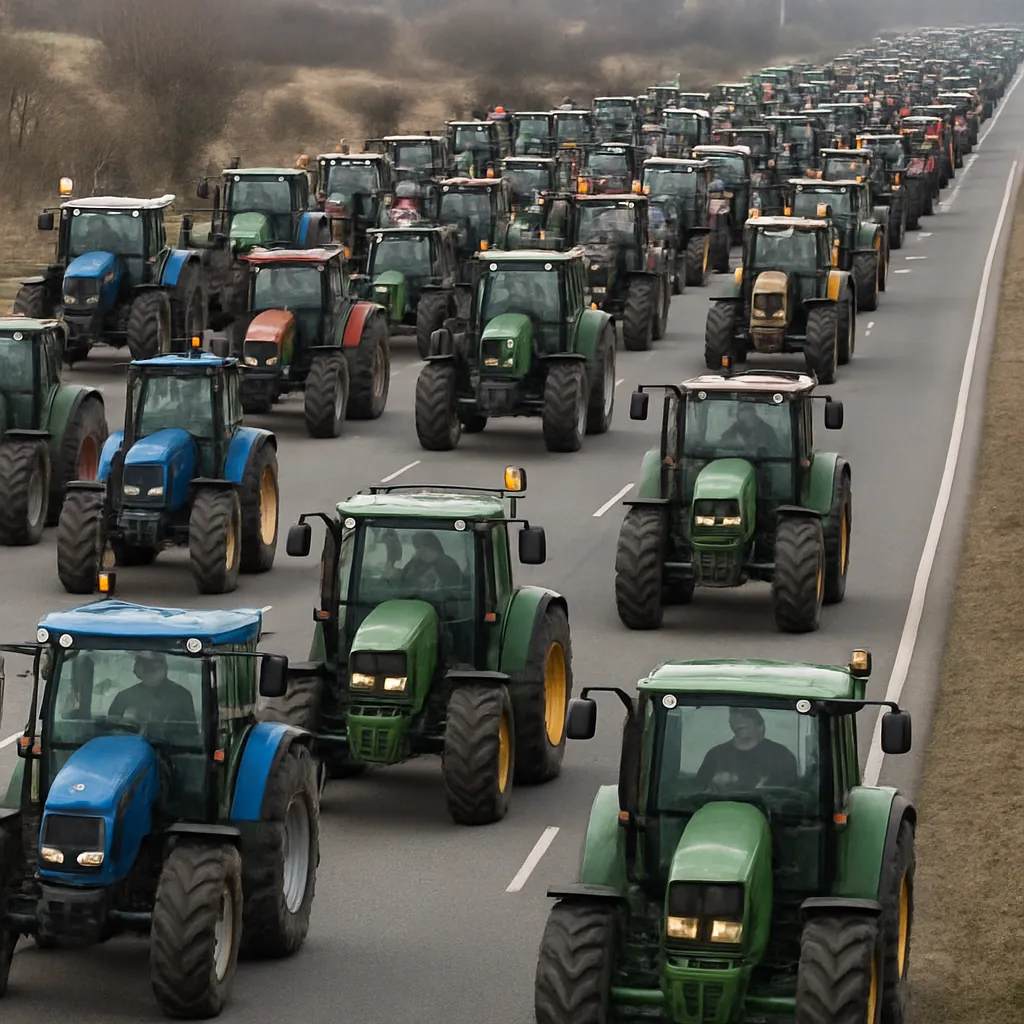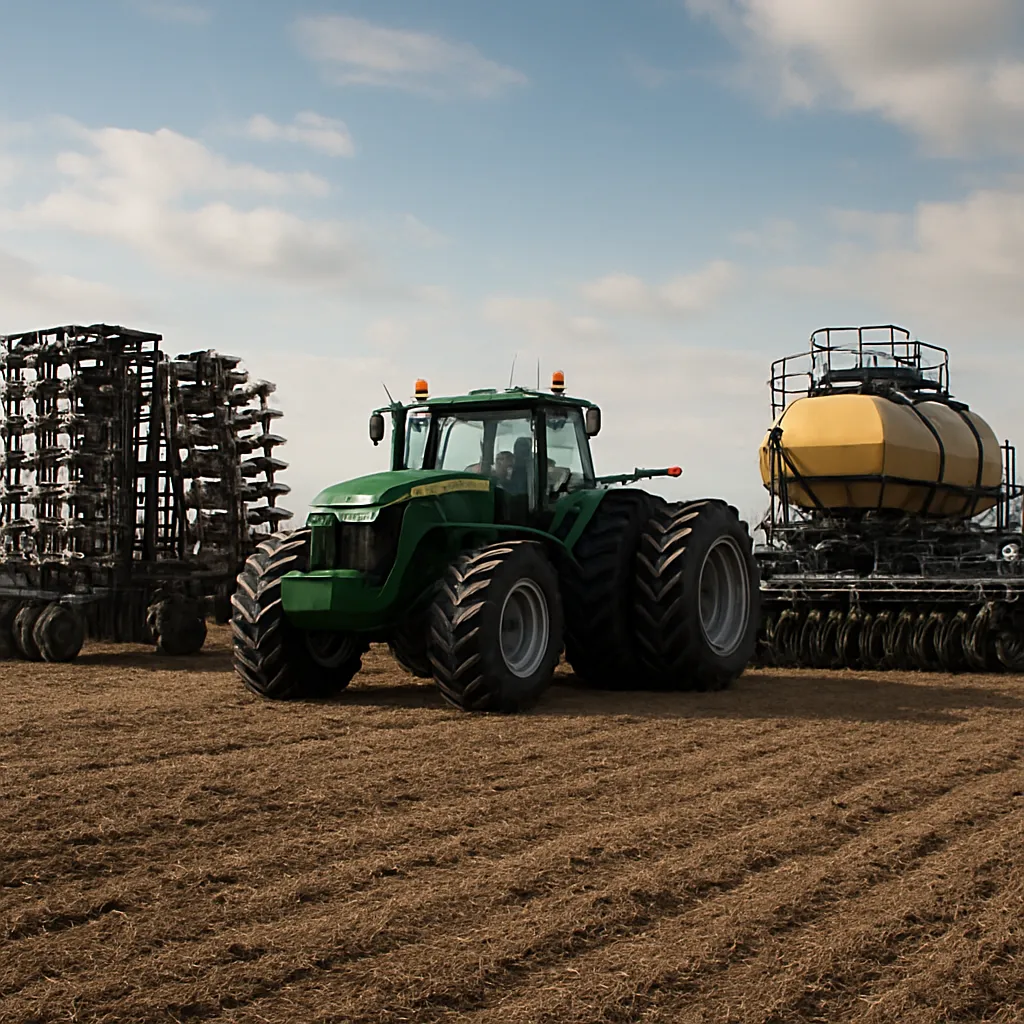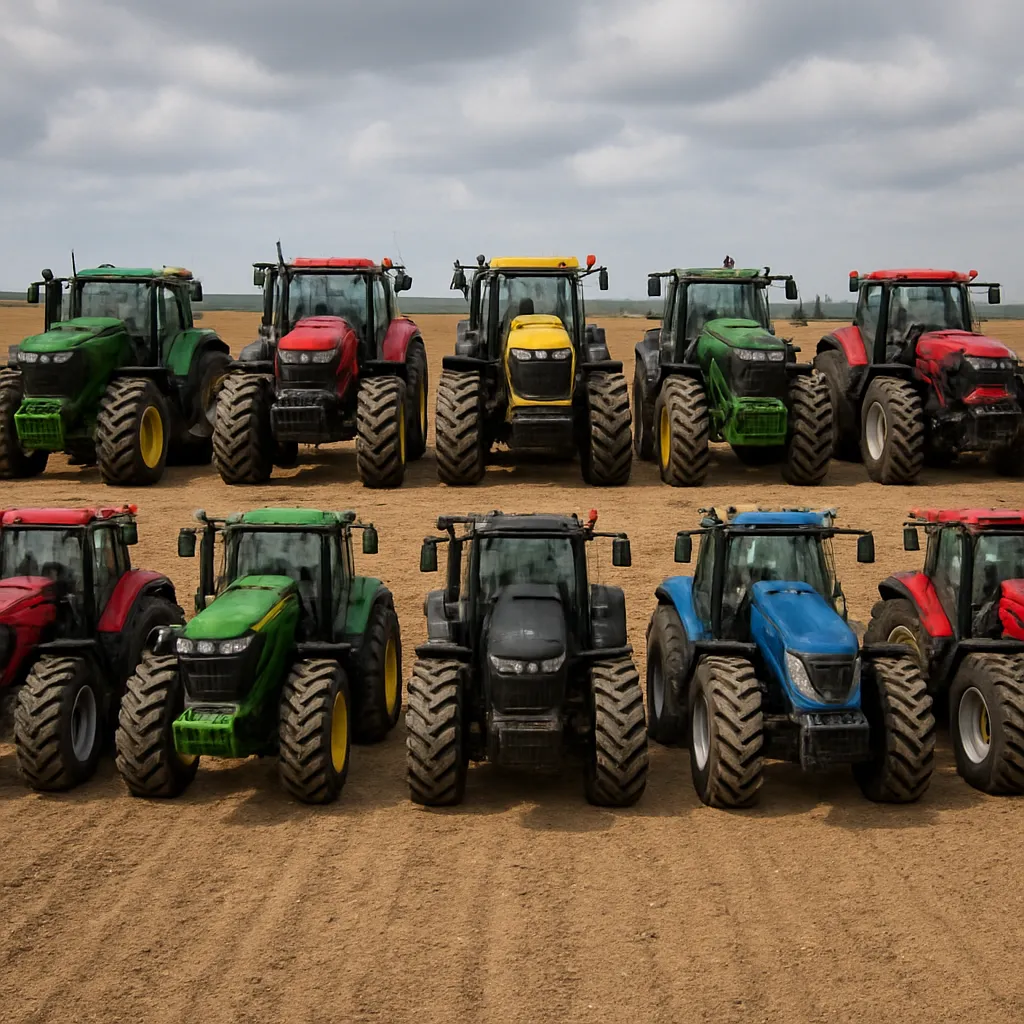
The world of modern agriculture is marked by an unrelenting quest for greater efficiency and productivity. In this landscape, the most powerful tractors stand out as symbols of engineering prowess and transformative capability. By delivering unprecedented levels of force and precision, these machines enable farmers to cultivate vast acres, tackle challenging terrains, and optimize outputs like never before.
Evolution of High-Power Tractors
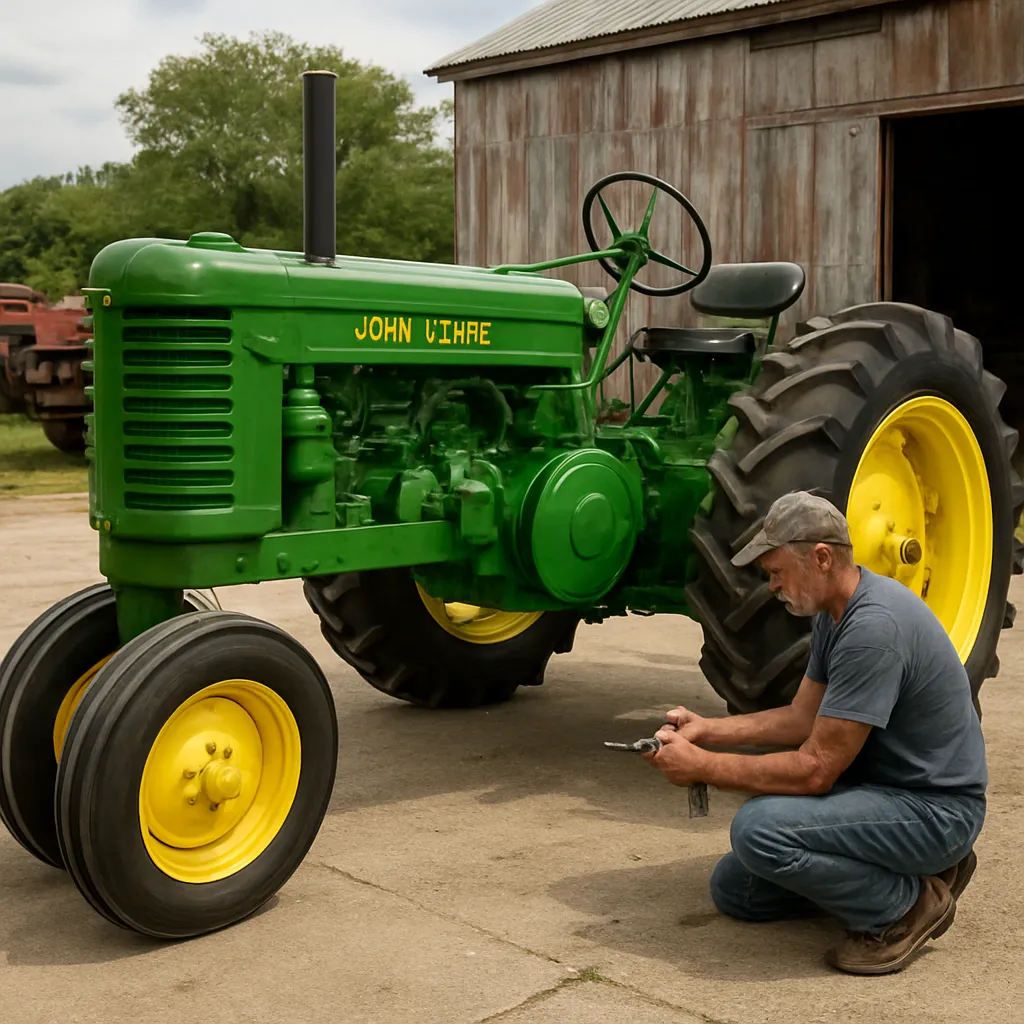
The journey toward tractors exceeding 700 horsepower began as a response to increasing farm sizes and the need for faster fieldwork. Early tractors, with modest horsepower ratings, revolutionized small-scale farms by replacing animal labor. However, as operations expanded, so did the demand for machinery that could handle heavier implements and work longer hours without fatigue. Today’s giants incorporate advanced engine technologies, reinforced chassis, and sophisticated electronic systems. They boast torque outputs that dwarf earlier models and deliver consistent performance regardless of soil conditions. From basic mechanical designs, modern tractors now feature integrated guidance systems, enabling precise control and reduced overlap in planting or spraying tasks.
Top 10 Tractor Models Over 700 Horsepower
- Case IH Steiger Quadtrac 620
Equipped with 620 horsepower in its base trim and up to 700+ in custom packages, this model uses four independent tracks for superior traction. Its powertrain combines a robust engine with a continuously variable transmission (CVT), ensuring smooth torque delivery across all speeds. - John Deere 9RX 750
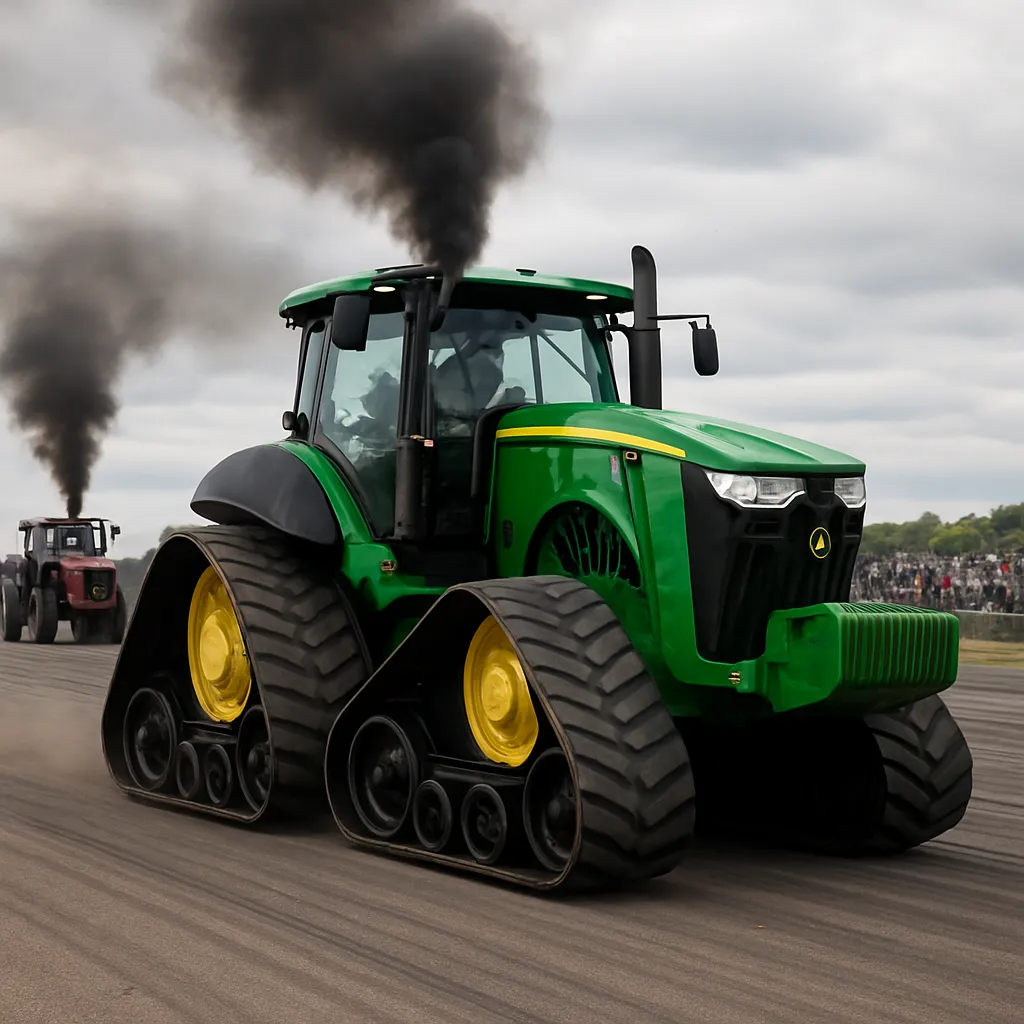
Boasting a staggering 750 HP, the 9RX’s Ultra-High Flotation tracks minimize soil compaction. Its advanced hydraulics and adaptive transmission make it ideal for heavy tillage, offering unparalleled field clearance and stability. - Fendt 1107 Vario MT
At 517 kW (roughly 700 HP), this German-engineered powerhouse introduces the Vario MT drive concept. Its five steering modes and integrated camera system elevate field operations to new levels of precision. - Case IH Magnum 380
While rated at 380 HP at the engine, its Maxxum configuration pushes output beyond 700 HP through dual engine setups. Farmers benefit from exceptional reliability and serviceability in heavy hauling and planting tasks. - Challenger MT900E Series
A staple among large-scale producers, the MT900E reaches up to 727 HP. Featuring independent four-track suspension, it maintains high speed on roads without sacrificing field performance, and its automated leveling provides consistent implement depth. - New Holland T9 Genesis
With a peak of 692 HP, the T9 Genesis is engineered for high-power applications. Its IntelliPower continuously variable transmission optimizes engine load, boosting efficiency and reducing fuel consumption over long shifts. - Deutz-Fahr 11 Series
This line hits 700 HP in its top spec, offering a 16-speed powershift transmission and an Active Steering system. It employs a cooling concept that adapts fan speed to workload, ensuring engine temperatures remain optimal. - Mahindra 9500 Series
Breaking into the heavyweight class, this tractor delivers 720 HP through a twin-turbocharged engine. Its rugged frame and high-capacity hydraulics support the largest ploughs and seeders on the market. - Kubota M8 Series
Known for reliability, the M8 Series tops out at 731 HP with SCR aftertreatment technology. It integrates a multi-function joystick for intuitive control and features a self-leveling cab suspension for operator comfort. - Valtra S Series 900
At exactly 700 HP, the Valtra S Series 900 offers a modular design allowing extensive customization. It includes SmartTouch armrest controls and an Active Response steering system, streamlining long hours in the field.
Technological Innovations Driving Farm Machinery
High-horsepower tractors are not just about brute force; they incorporate cutting-edge technology to enhance overall performance. Precision agriculture tools, such as GPS-guided auto-steering and section control, minimize overlaps and resource wastage. Telematics systems provide real-time data on fuel usage, engine load, and maintenance needs, allowing farm managers to make informed decisions. Engine advancements like common-rail fuel injection and selective catalytic reduction (SCR) ensure compliance with stringent emissions regulations while maintaining peak powertrain efficiency. Moreover, modular attachments can be swapped rapidly, enabling a single tractor to handle sowing, spraying, hauling, and tillage with minimal downtime.
Economic Impact and Operational Efficiency
Investing in tractors above the 700 HP threshold may seem daunting, but the economic advantages can be substantial. The ability to cover more acres per hour reduces labor costs and contracted services. Equipment uptime is maximized through predictive maintenance analytics, which schedule servicing before breakdowns occur. Larger tractors also enable the use of wider implements, decreasing the number of passes required and conserving fuel. In many cases, improved field uniformity translates into higher yields, directly impacting a farm’s bottom line. Despite higher upfront costs, the total cost of ownership often becomes favorable when measured over multiple seasons of high-intensity use.
The Road Ahead: Future Trends in Agricultural Equipment
As agricultural demands continue to grow, the next generation of tractors is likely to push beyond current horsepower limits while embracing electrification and autonomous operation. Hybrid power systems could combine diesel engines with battery packs to deliver instant torque and smoother power curves. Fully autonomous tractors, guided by AI-driven mapping and machine vision, may handle repetitive tasks without human input, freeing operators to focus on strategic decisions. Furthermore, advancements in materials science promise lighter yet stronger chassis components, boosting durability and lowering fuel consumption. By integrating IoT connectivity, future tractors will become central nodes in a fully networked farm ecosystem, continuously optimizing planting schedules, soil health monitoring, and resource allocation.