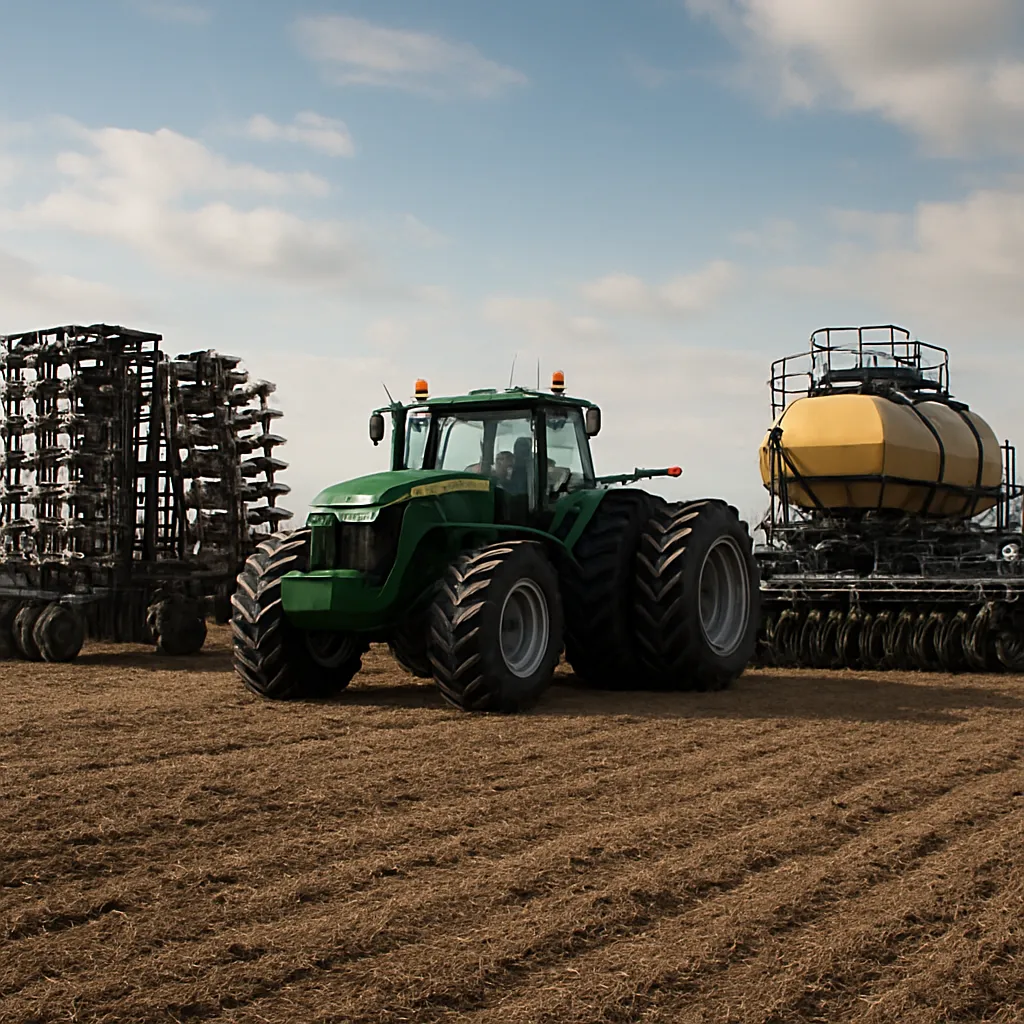
Upgrading and modifying large tractors demands a deep understanding of both mechanical systems and the evolving technologies that drive modern agriculture. Whether you aim to boost horsepower for heavy tillage, enhance torque for pulling massive implements, or improve overall efficiency to reduce fuel costs, each upgrade must be chosen carefully to maintain reliability and durability. From selecting the perfect base model to integrating advanced electronics and cab comforts, this guide explores the essential steps for transforming a standard tractor into a high-performance workhorse.
Selecting the Ideal Base Model
Before diving into modifications, it’s crucial to choose a foundation that matches your long-term goals. Consider output ratings, factory options, and aftermarket support when evaluating different brands and series. Look for a tractor with a robust frame, adequate gross vehicle weight, and a reputation for durability in tough conditions. Key criteria include:
- Engine displacement and baseline horsepower ranges
- Transmission type (powershift, CVT, dual-clutch)
- Hydraulic flow capacity and number of remotes
- Factory installed PTO options and auxiliary hydraulics
- Availability of OEM upgrade kits and third-party parts
Opt for models with modular designs that allow for easy removal and replacement of major components. Many large tractors offer open CANbus architectures that simplify electronic retrofits, while heavy-duty frames can handle added weights from extra equipment or larger tires.
Engine and Powertrain Upgrades
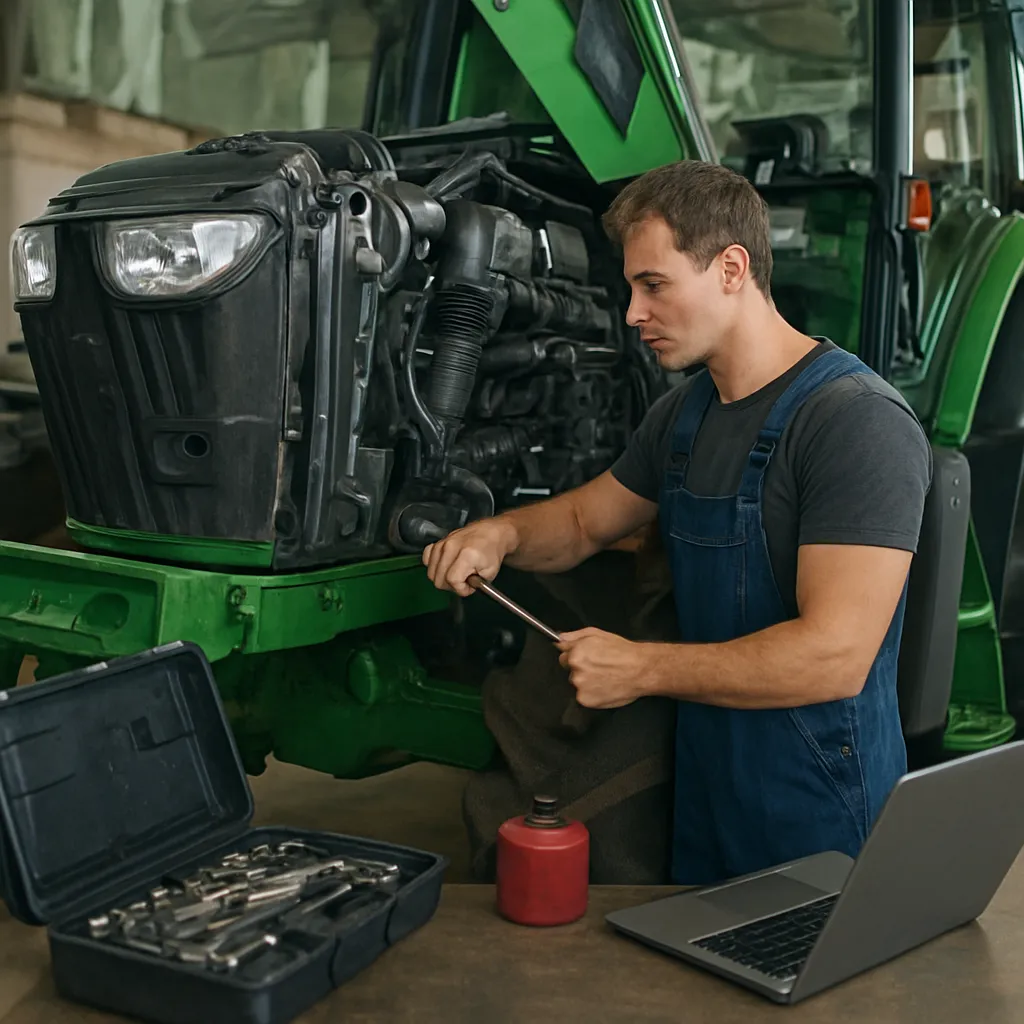
Enhancing the heart of your tractor starts with the engine and drivetrain. Major modifications often include ECU tuning, turbocharger swaps, and improved exhaust systems. A remapped electronic control unit can fine-tune fuel injection timing, boost pressure, and throttle response to unlock hidden performance. Consider the following upgrades:
- High-flow air filters and intake manifolds for improved airflow
- Upgraded turbocharger with larger compressor wheels
- Advanced intercoolers to lower intake air temperatures
- Performance exhaust manifolds and mufflers to reduce backpressure
- Fuel injection pump calibration or replacement for precise atomization
On the powertrain side, reinforced clutch packs, heavy-duty torque converters, and upgraded transmission coolers can handle increased engine output. Installing a stronger main drive shaft and bolstering planetary gear sets will ensure the tractor can sustain high loads without risking catastrophic failure.
Hydraulic and Implement Control Enhancements
Modern large tractors rely heavily on hydraulic systems to operate implements and attachments. Upgrading pumps, valves, and control circuits can dramatically improve precision and response times. Key hydraulic enhancements include:
- Variable displacement pumps to adjust flow under varying loads
- High-pressure rated hoses and couplers for leak-free operation
- Proportional electro-hydraulic valves with electronic joystick controls
- Automated headland management and section control kits
- Load-sensing circuits to optimize power distribution
Integrating a custom hydraulic manifold allows you to add remote circuits or auxiliary functions without extensive rerouting. Combining these upgrades with GPS-assisted auto-steer systems elevates the tractor’s ability to maintain consistent implement depth and coverage, ultimately boosting field efficiency.
Chassis, Tires and Track Systems
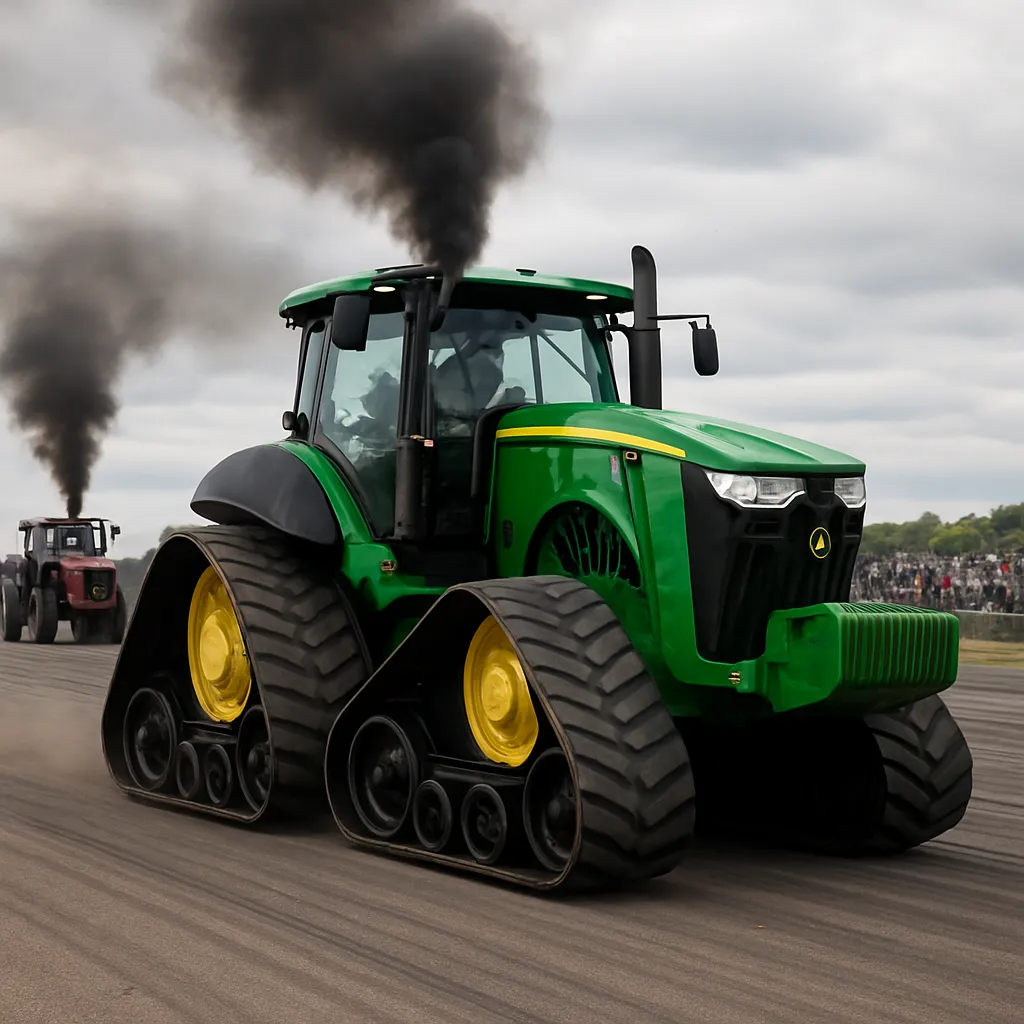
Tire and undercarriage choices directly affect ground pressure, flotation, and traction. For heavy field work, consider upgrading to radial flotation tires with wide treads or even full track conversion kits. Benefits and considerations include:
- Reducing soil compaction by spreading weight over a larger area
- Improving pull-through power on wet or uneven ground
- Adjustable track tensioners for maintenance simplicity
- Reinforced rims and hubs to support larger diameter assemblies
- Quick-release adapters for switching between tires and tracks
A well-tuned suspension system, such as an active suspension hitch, can smooth out ride quality and maintain consistent hitch load. This not only extends component life but also enhances operator comfort during long hours in the field.
Electrical and Electronic Systems
Electrification and digital interfaces are rapidly transforming tractor capabilities. Upgrading your electrical system can include installing higher-capacity alternators, supplemental battery banks, and advanced lighting. For precision agriculture, tackle these upgrades:
- Universal ECU platforms that support custom firmware
- Telematics modules for remote diagnostics and fleet management
- Multi-function displays with GPS, yield mapping, and section control
- RTK guidance receivers for sub-inch accuracy in path tracking
- Heavy-duty harnesses and connectors rated for harsh environments
Adding a CANbus to ISOBUS gateway enables seamless communication between cab terminals and diverse implements. This level of integration not only improves precision but also enhances overall reliability by reducing wiring complexity and potential failure points.
Cab Comfort and Safety Modifications
After optimizing mechanical and hydraulic systems, focus on the operator environment. A comfortable, well-protected cab increases productivity and reduces fatigue. Consider these upgrades:
- Air suspension and heated seats with lumbar support
- Enhanced HVAC systems for climate control in extreme temperatures
- Roll-over protection structures (ROPS) and reinforced pillars
- Integrated camera systems for 360° visibility around implements
- High-output LED work lights and warning strobes for nighttime safety
Incorporating Bluetooth headsets, noise reduction panels, and ergonomic controls ensures the operator stays focused and comfortable. A well-lit, quiet cab with advanced safety features is the final facet in transforming a basic tractor into a fully customized, high-performance machine.