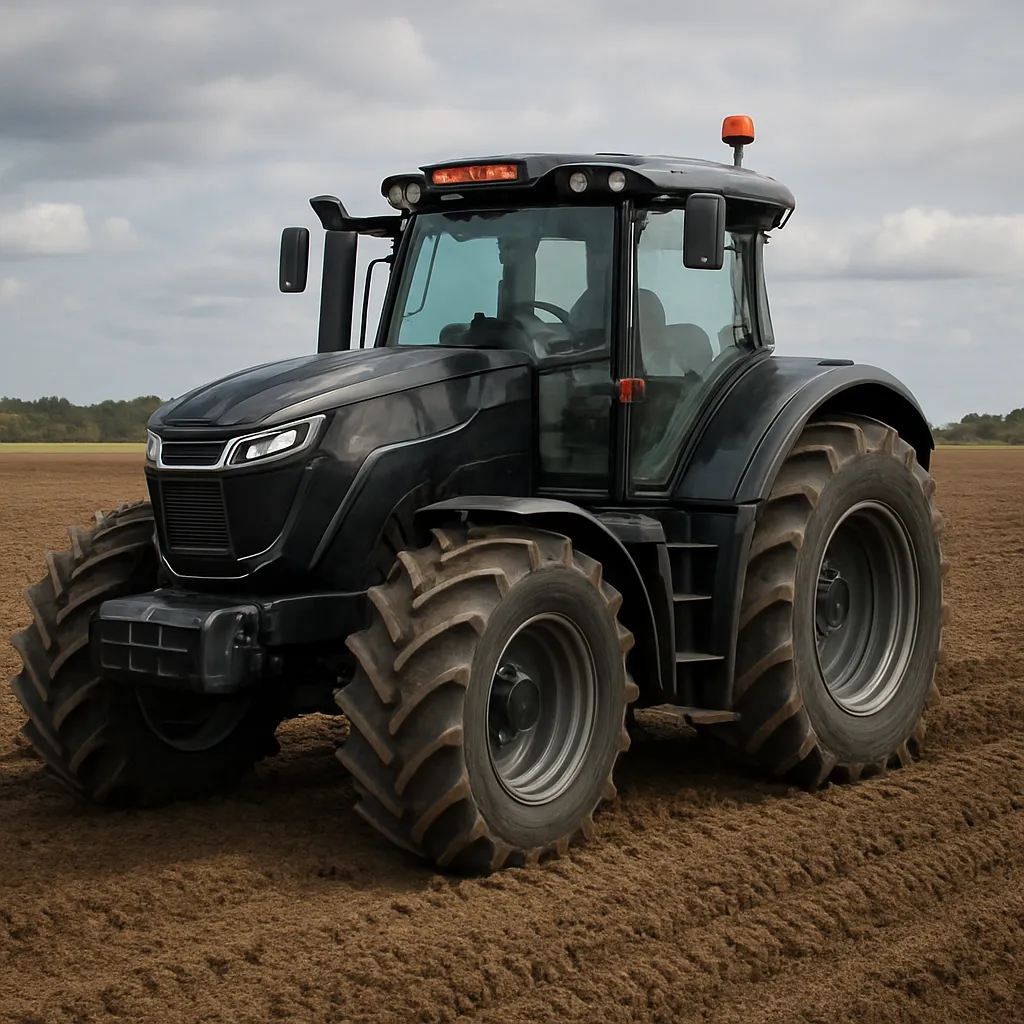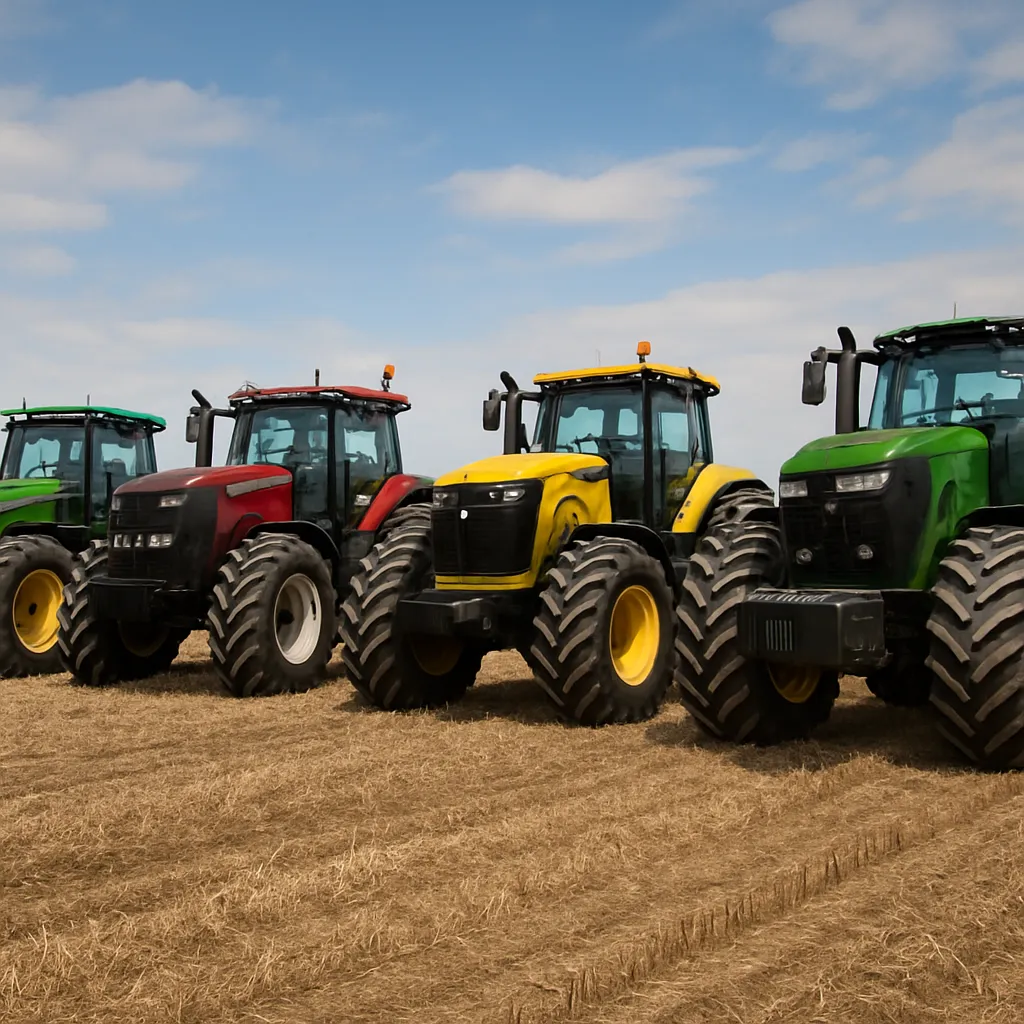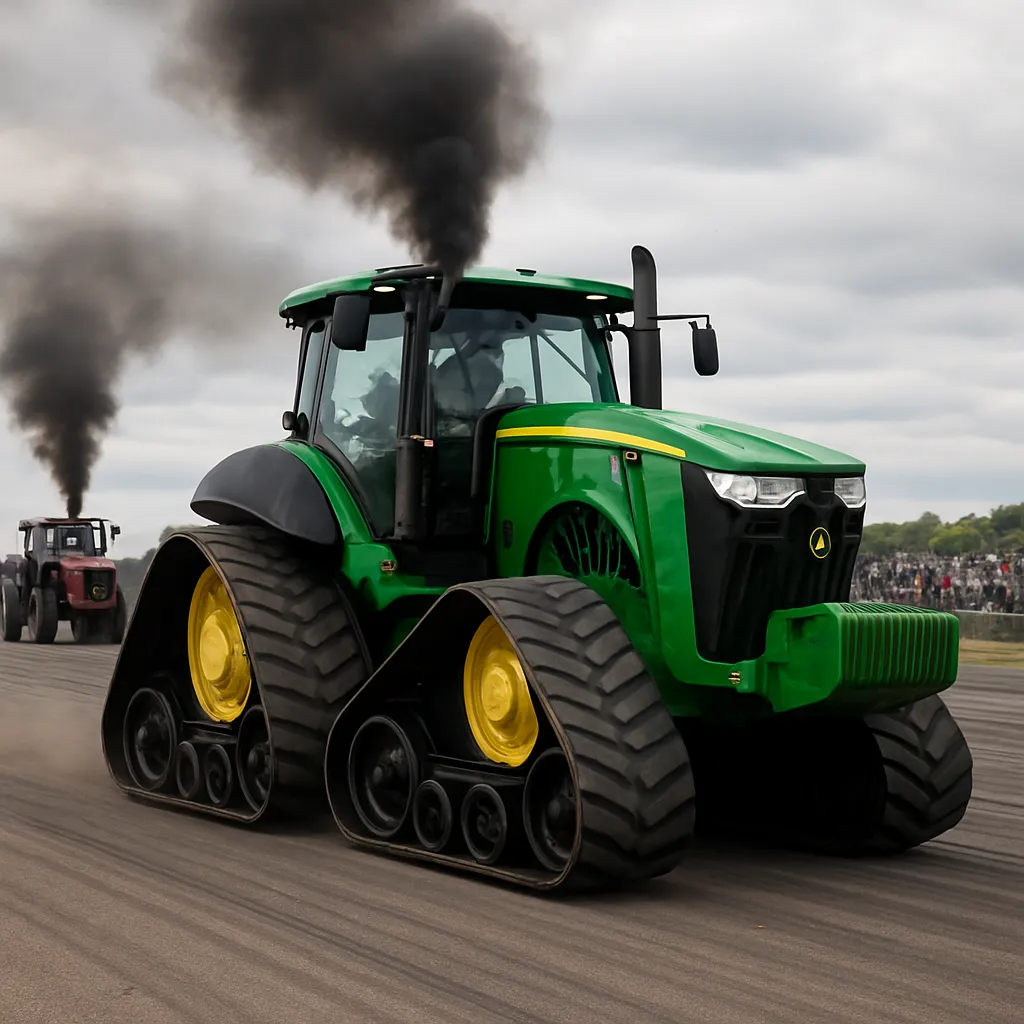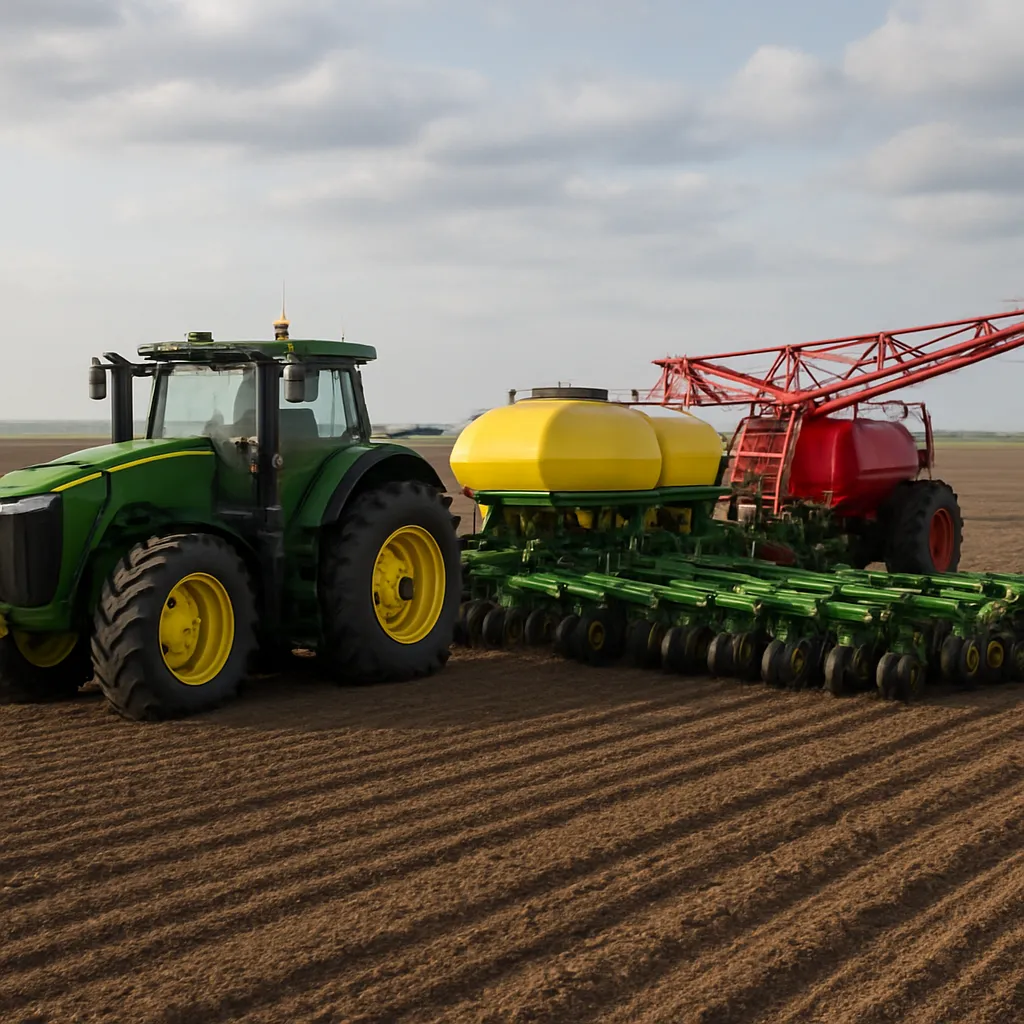
Across sprawling agricultural landscapes, the world’s most powerful farm machines redefine the boundaries of efficiency and scale. These mechanical giants combine staggering horsepower with cutting-edge technology to tackle demanding seeding and spraying tasks. From planting millions of seeds per hour to delivering targeted applications of fertilizers and pesticides, the largest tractors serve as the backbone of modern food production systems. Their unmatched traction, robust frames, and advanced control systems ensure that every acre receives the care it deserves, transforming fields into highly productive harvest grounds.
Leading Giants in Modern Seeding Operations
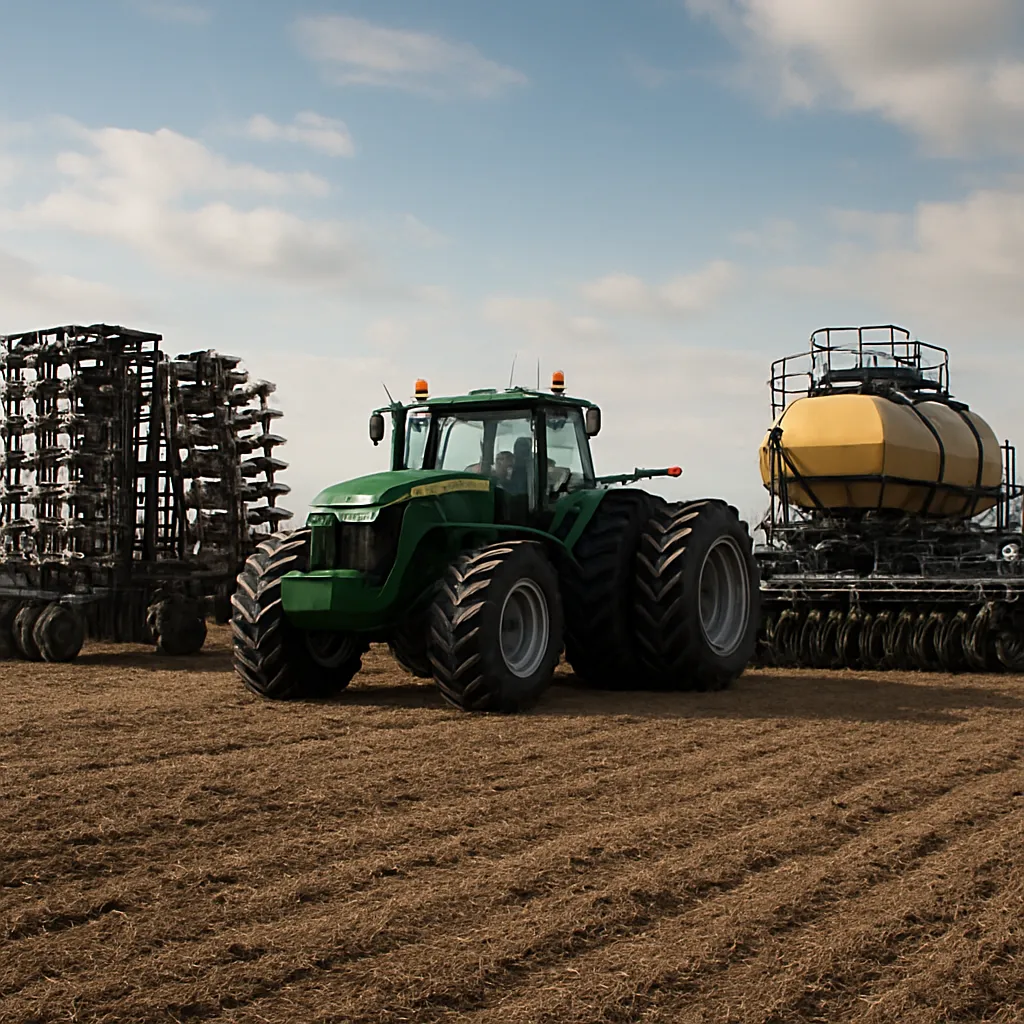
When it comes to large-scale seeding, a handful of tractor models stand out for their remarkable combination of power and versatility. Brands such as New Holland, John Deere, and Case IH have pushed engineering limits by offering machines that exceed 600 to over 900 horsepower. These tractors integrate seamlessly with high-capacity planters and air drills, enabling farmers to cover more ground in less time. Key features include:
- Ultra-wide wheelbases and adjustable track widths for stability on uneven terrain
- Integrated seedbed preparation systems to ensure optimal soil tilth and uniform depth
- Variable-rate seeding technology that adapts to soil variability across each field
- High-capacity hydraulic systems to power heavy-duty planters without overheating
These tractors excel at maintaining consistent planting depths, even in challenging soil conditions. By combining GPS guidance with automatic section control, operators can minimize overlaps and skips, achieving precise seed placement and reducing input costs.
Power and Performance: Key Specifications
At the heart of every colossal tractor is a powertrain designed for relentless performance. High-displacement diesel engines, often exceeding 15 liters, deliver torque figures that enable easy handling of large implements, such as 60-foot air seeders or twin-knife residue managers. The most coveted specifications include:
- Horsepower ratings from 600 hp to over 900 hp, with twin-engine options in some prototypes
- Four-wheel drive or track configurations to distribute weight and reduce soil compaction
- Continuously Variable Transmissions (CVT) for seamless speed adjustment and fuel efficiency
- Front and rear suspension systems to enhance ride comfort and maintain traction at high speeds
Manufacturers often offer optional ballast packages and dual-wheel setups, allowing growers to tweak the tractor’s weight distribution for various seedbed conditions. These configurations not only optimize field performance but also safeguard delicate soil structure by preventing excessive compaction.
Advanced Spraying Compatibility and Precision
Beyond seeding, the largest tractors must also excel in spraying operations. High-volume spray tanks, 120 feet of boom width, and advanced nozzles work in tandem to apply fertilizers and crop protection products uniformly. Latest models feature:
- Automatic boom height control using ultrasonic or radar sensors for consistent coverage
- Sectional control to shut off nozzles over non-crop zones, reducing waste and drift
- Integrated cameras and imaging systems for real-time monitoring of spray patterns
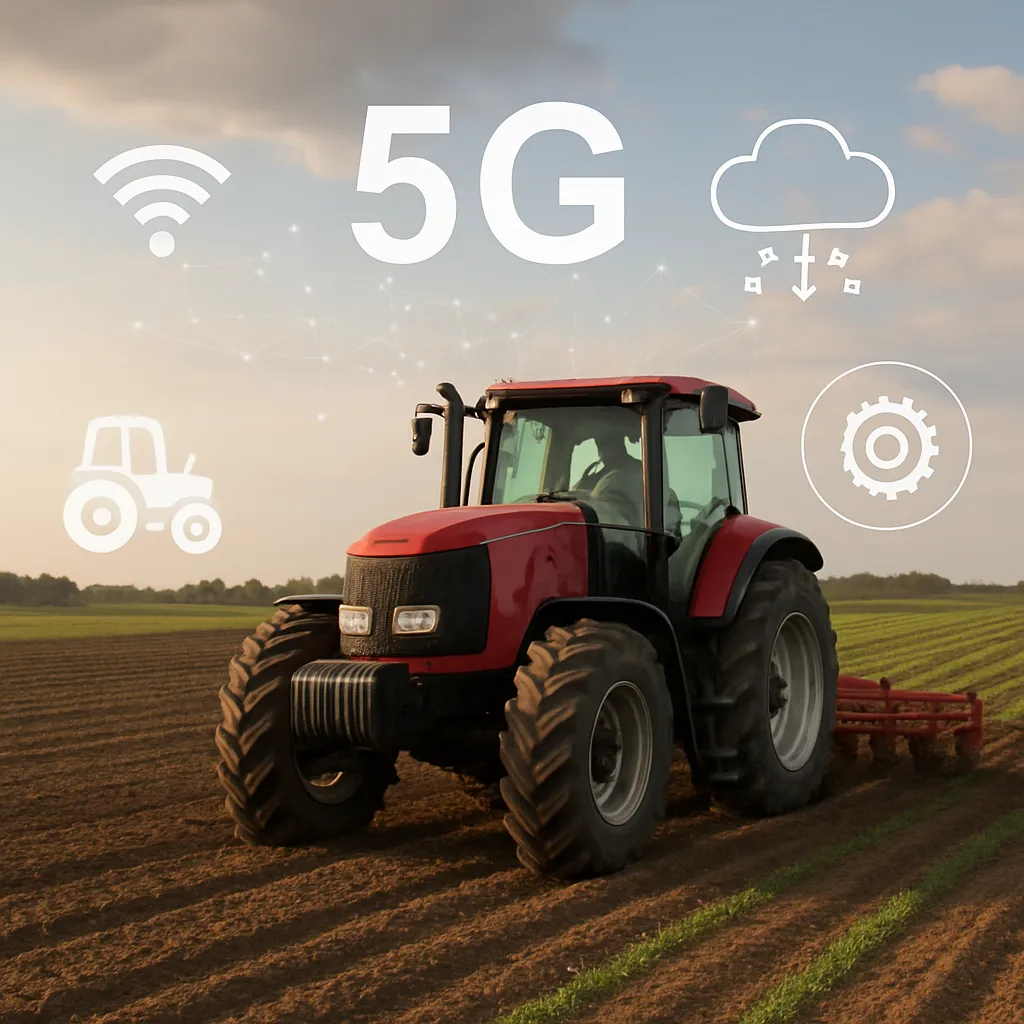
- Telematics connectivity to adjust application rates remotely based on weather or scouting data
These tractors can also carry multiple tanks, allowing simultaneous application of foliar nutrients and protectants without frequent refilling. Through precision spraying, farmers can minimize chemical use, prevent overapplication, and protect beneficial organisms in adjacent buffer zones.
Operator Comfort and Technological Integration
Driving a tractor that weighs over 30 tons demands a cab environment that prioritizes ergonomics and visibility. Manufacturers outfit these machines with:
- Climate-controlled, noise-insulated cabs with panoramic glass for 360-degree views
- Adjustable air-ride seats and intuitive joystick controls to reduce operator fatigue
- Multi-touch displays and heads-up guidance overlays for seamless precision steering
- Fully integrated farm management software to track field passes, fuel consumption, and implement data
By integrating artificial intelligence and machine learning algorithms, these tractors can automatically adjust engine output, hydraulic flow, and traction control in response to field conditions. This level of innovation not only boosts productivity but also extends service intervals and enhances long-term durability.
Maintenance Strategies and Support Networks
Maintaining the health of a multi-million-dollar tractor demands a proactive approach. Leading OEMs provide comprehensive support through:
- Remote diagnostics and over-the-air software updates to address potential issues before breakdowns occur
- On-site technician networks offering routine inspections, filter changes, and fluid analyses
- Detailed maintenance schedules accessible via mobile apps, complete with reminders for critical services
- Parts distribution centers ensuring rapid delivery of components to minimize downtime during peak seasons
These strategies ensure that when seeding windows open or spraying deadlines approach, the largest tractors remain operational, maximizing field throughput and preserving crop health.
Economic Impact and Future Trends
Investing in the biggest tractors represents a significant capital commitment, but the return on investment can be substantial. By reducing fuel consumption per acre, optimizing input applications, and accelerating field operations, farmers often recoup costs within a few seasons. Looking ahead, emerging trends include:
- Hybrid and electric powertrains to curb emissions and lower energy expenses
- Autonomous tractor fleets capable of round-the-clock seeding and spraying activities
- Enhanced data analytics platforms to sync machinery outputs with market demands
- Modular attachments for seamless transitions between seeding, spraying, tillage, and hauling
Such advancements promise to further elevate farm efficiency, ensuring that these mechanical giants continue to drive global food production forward.