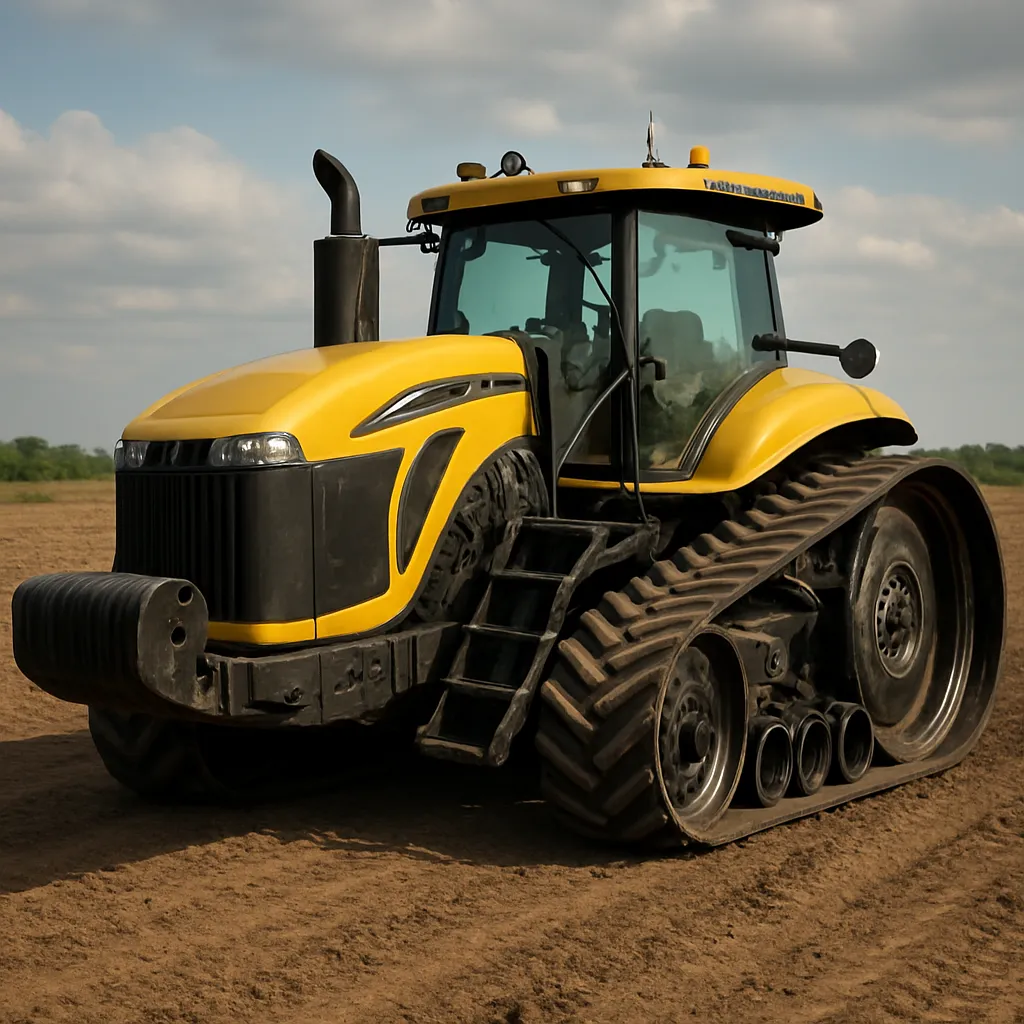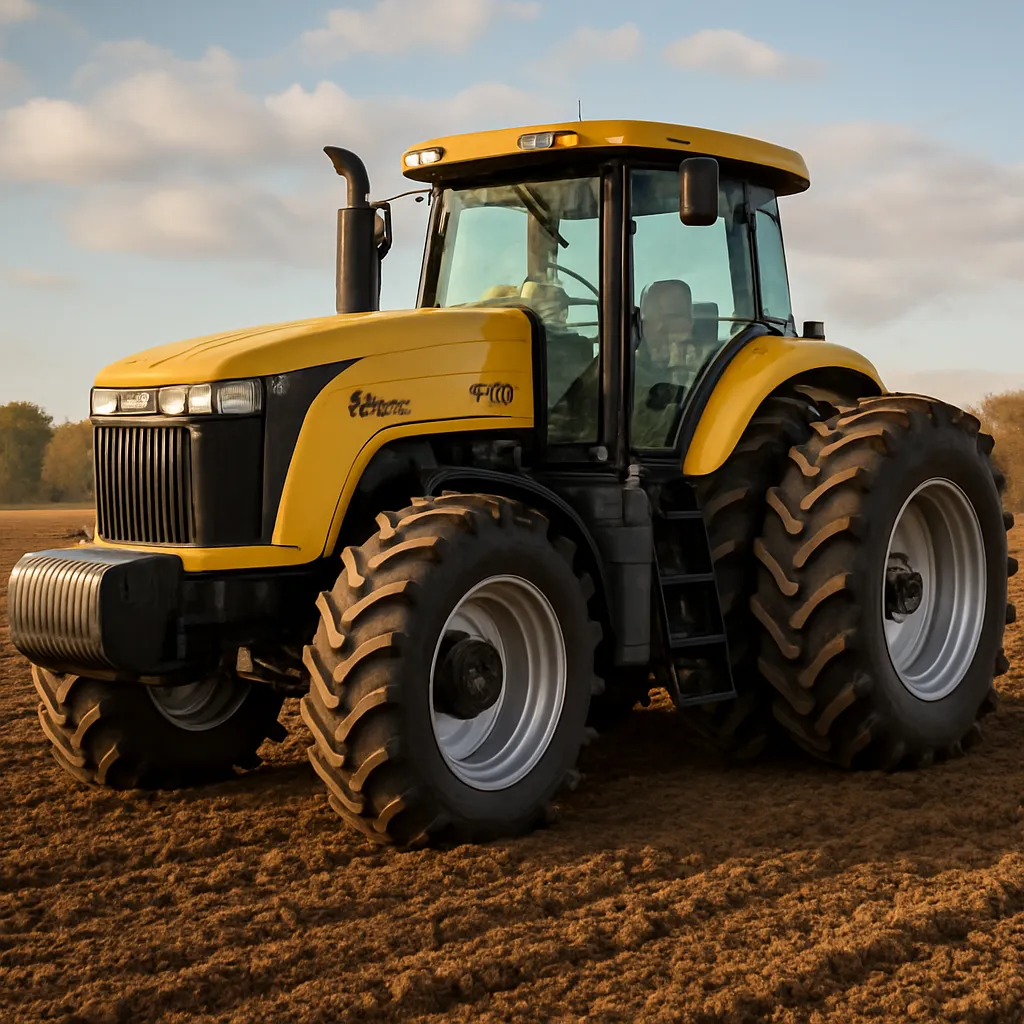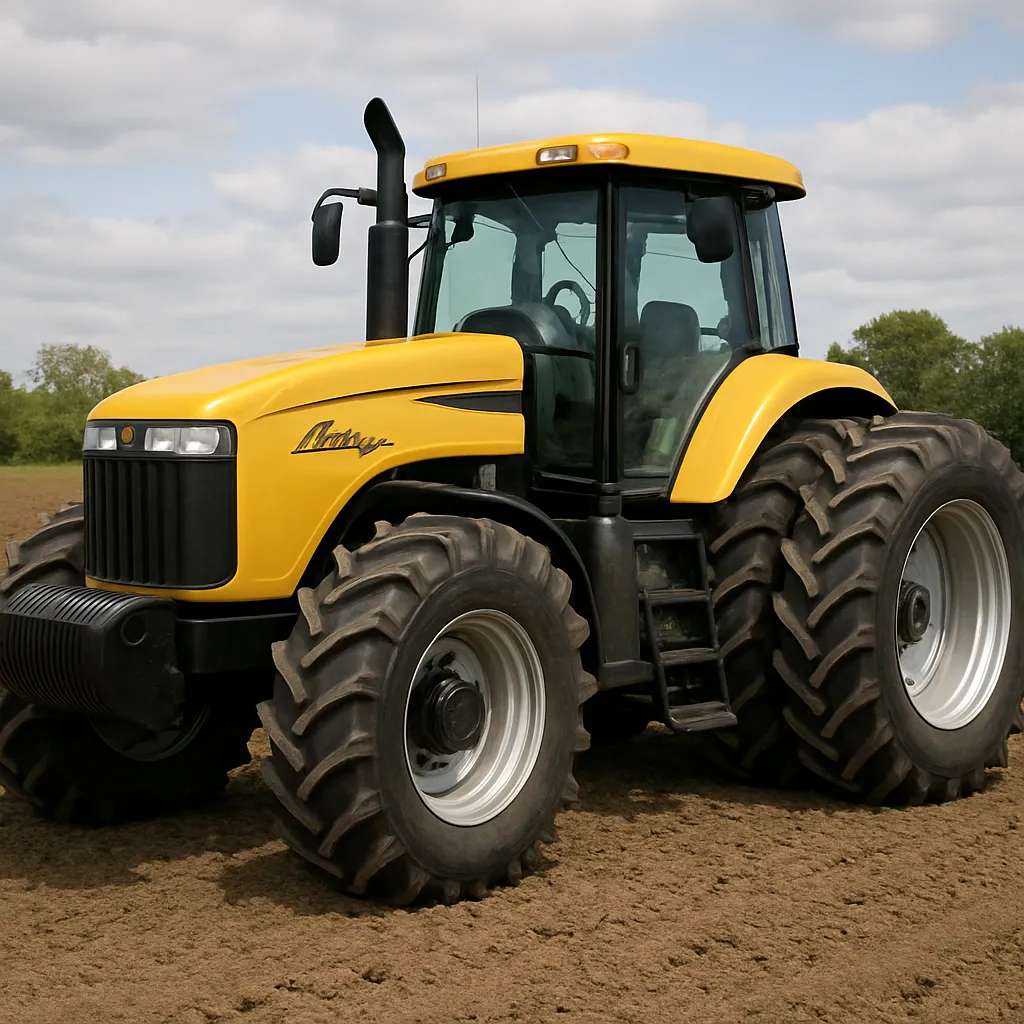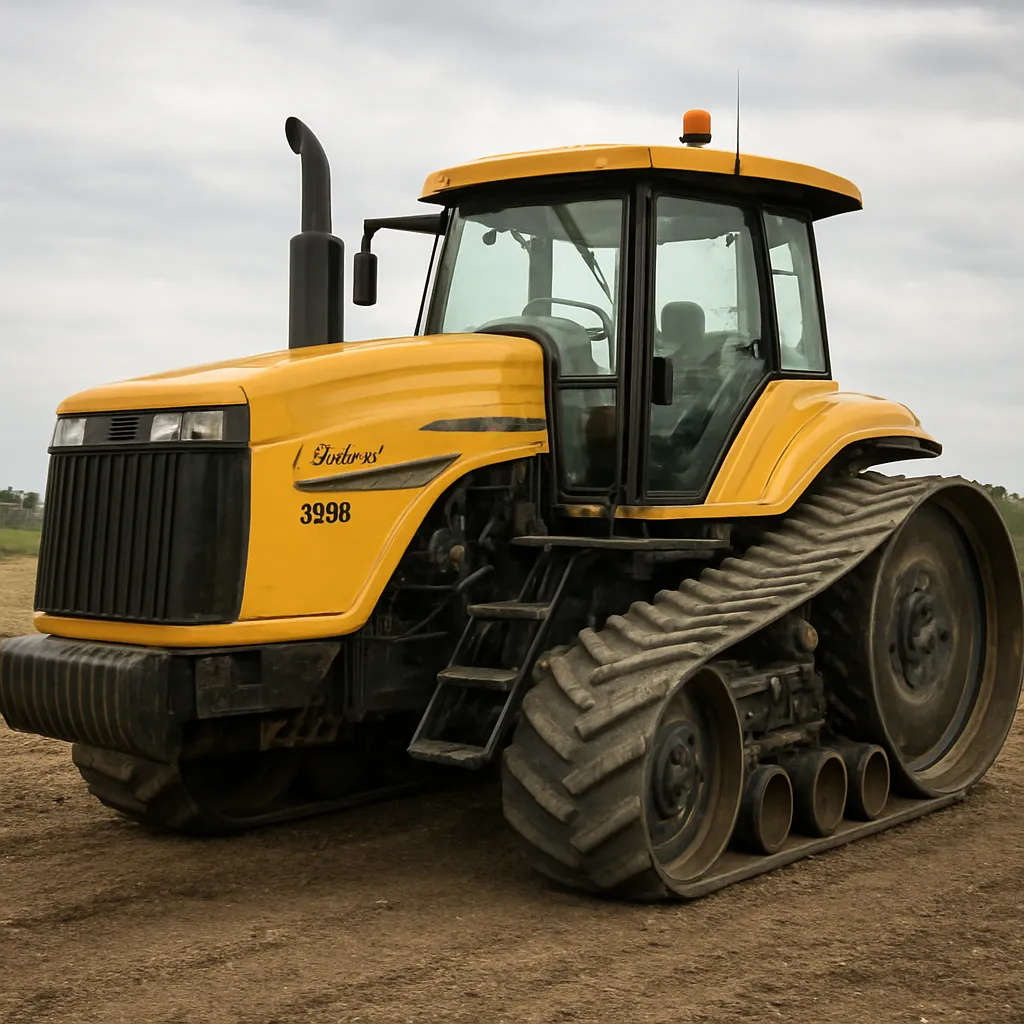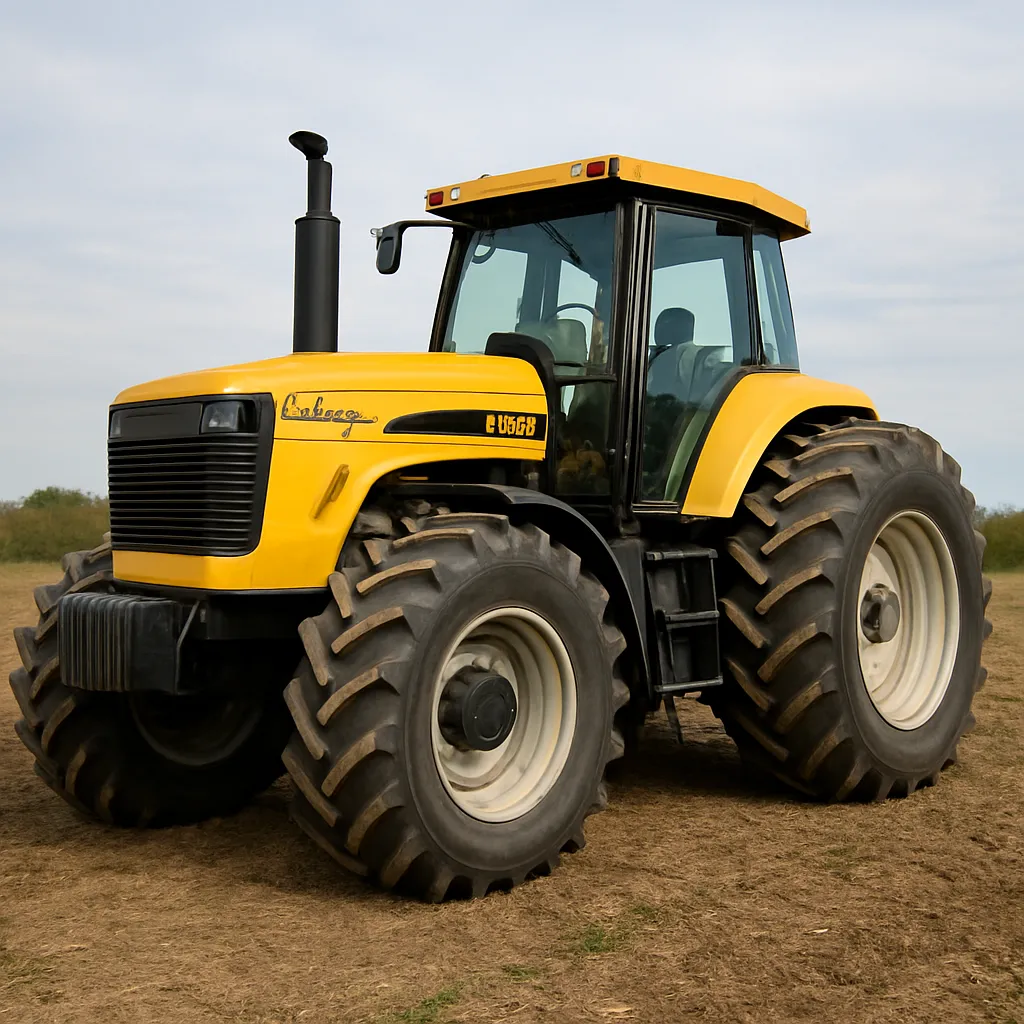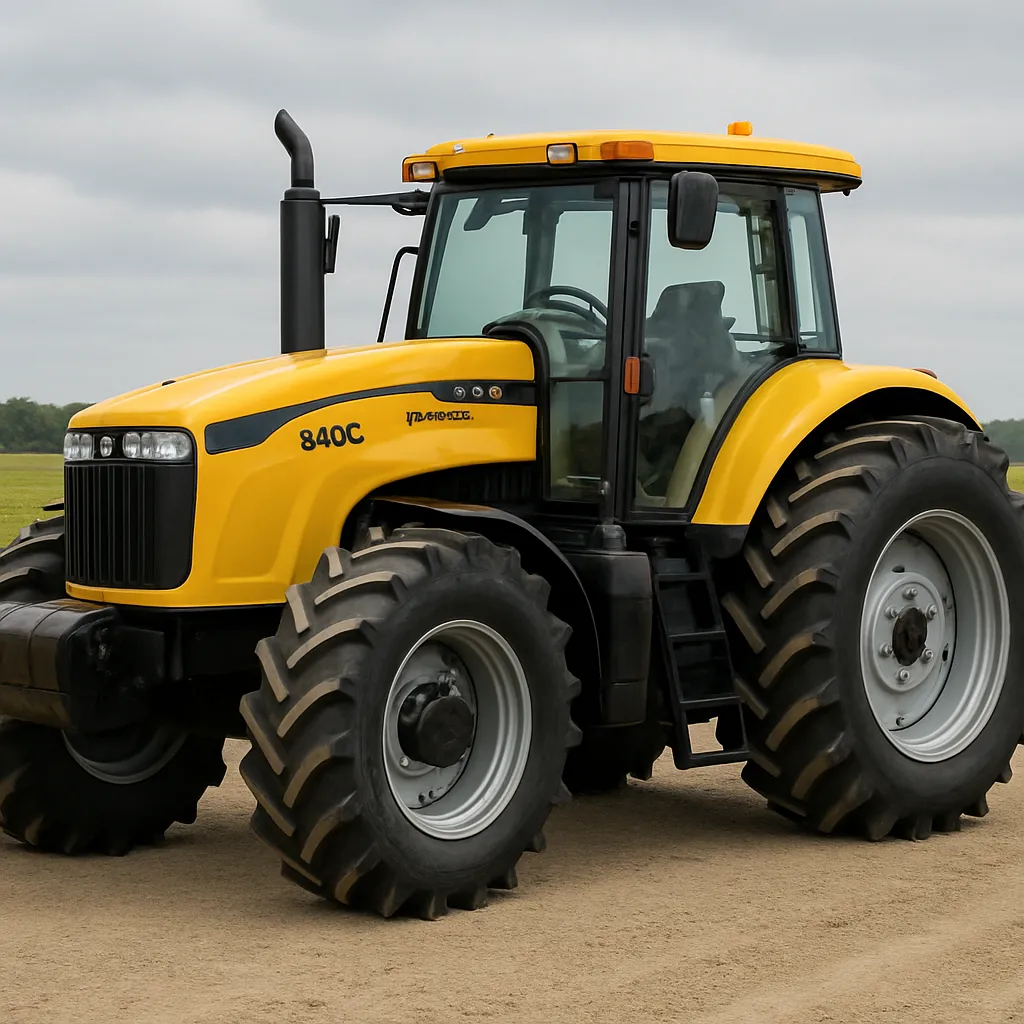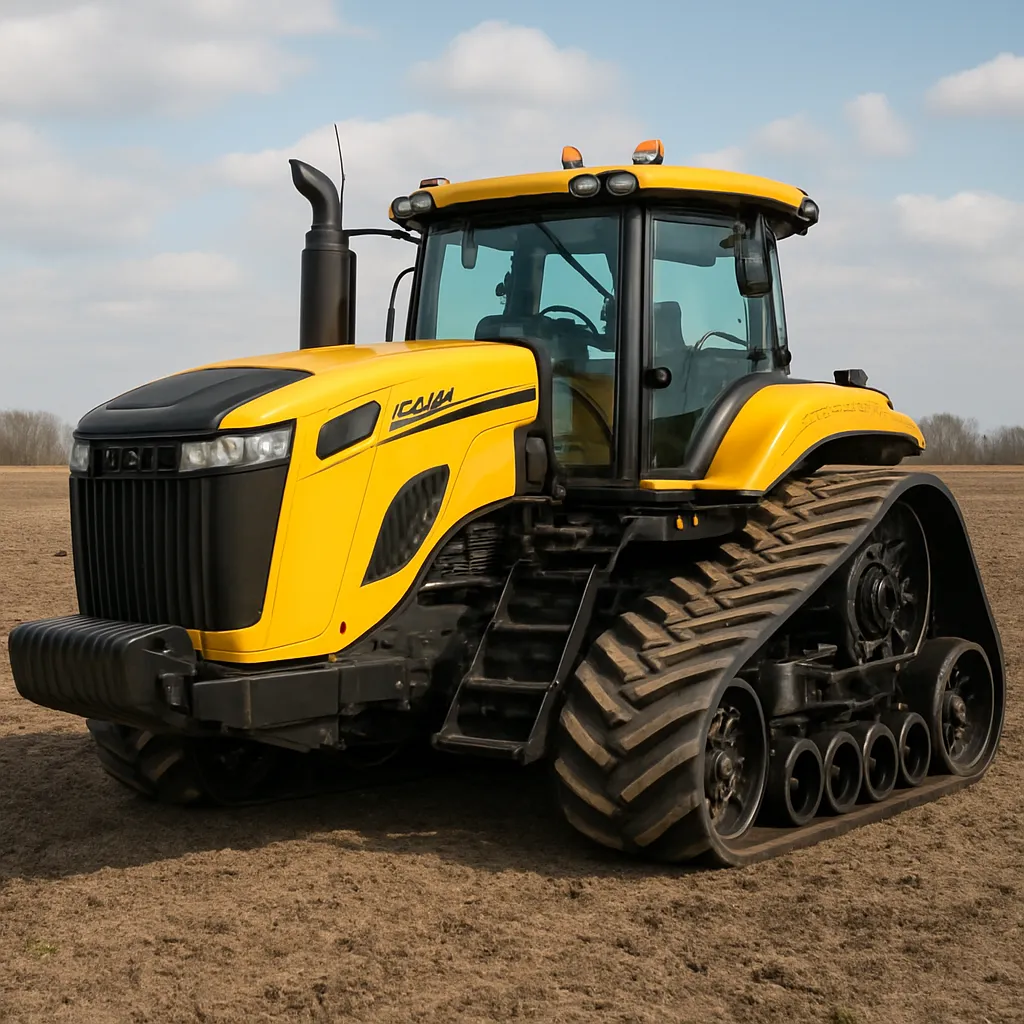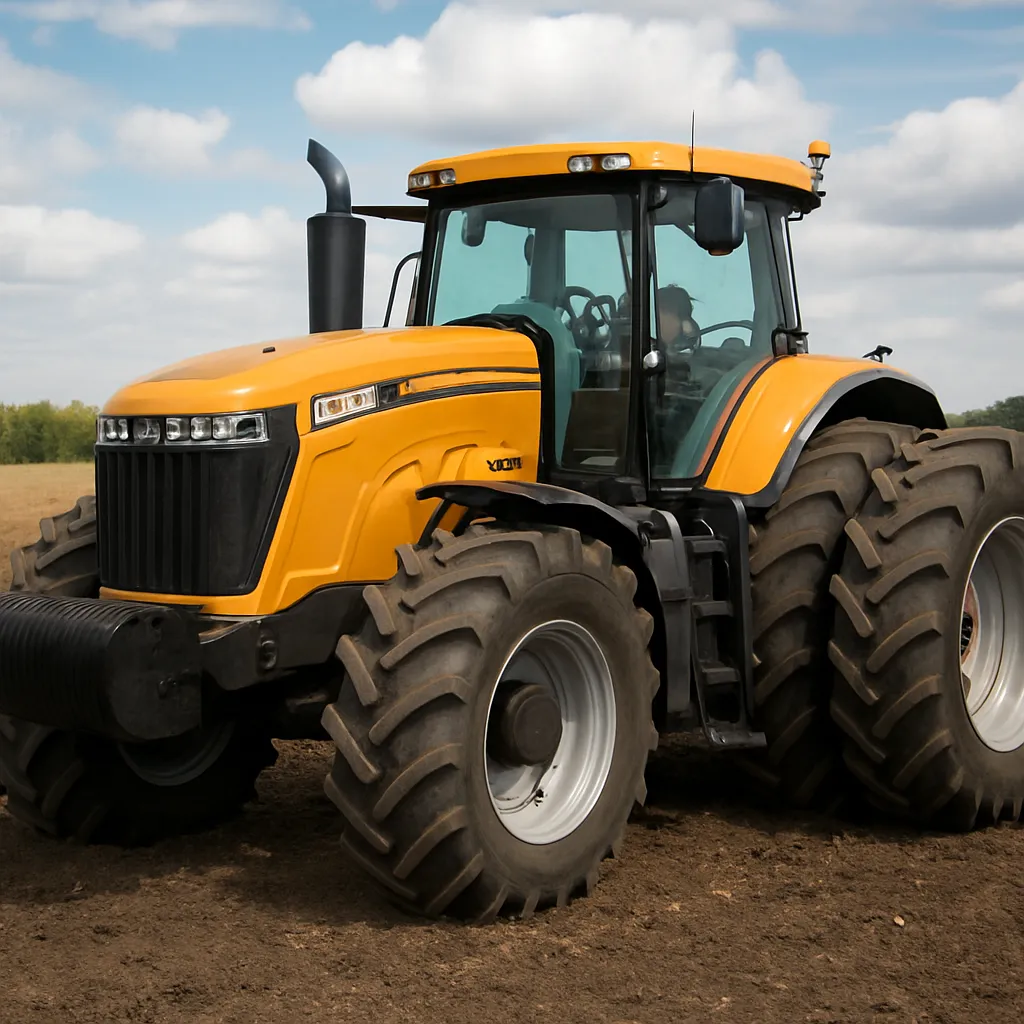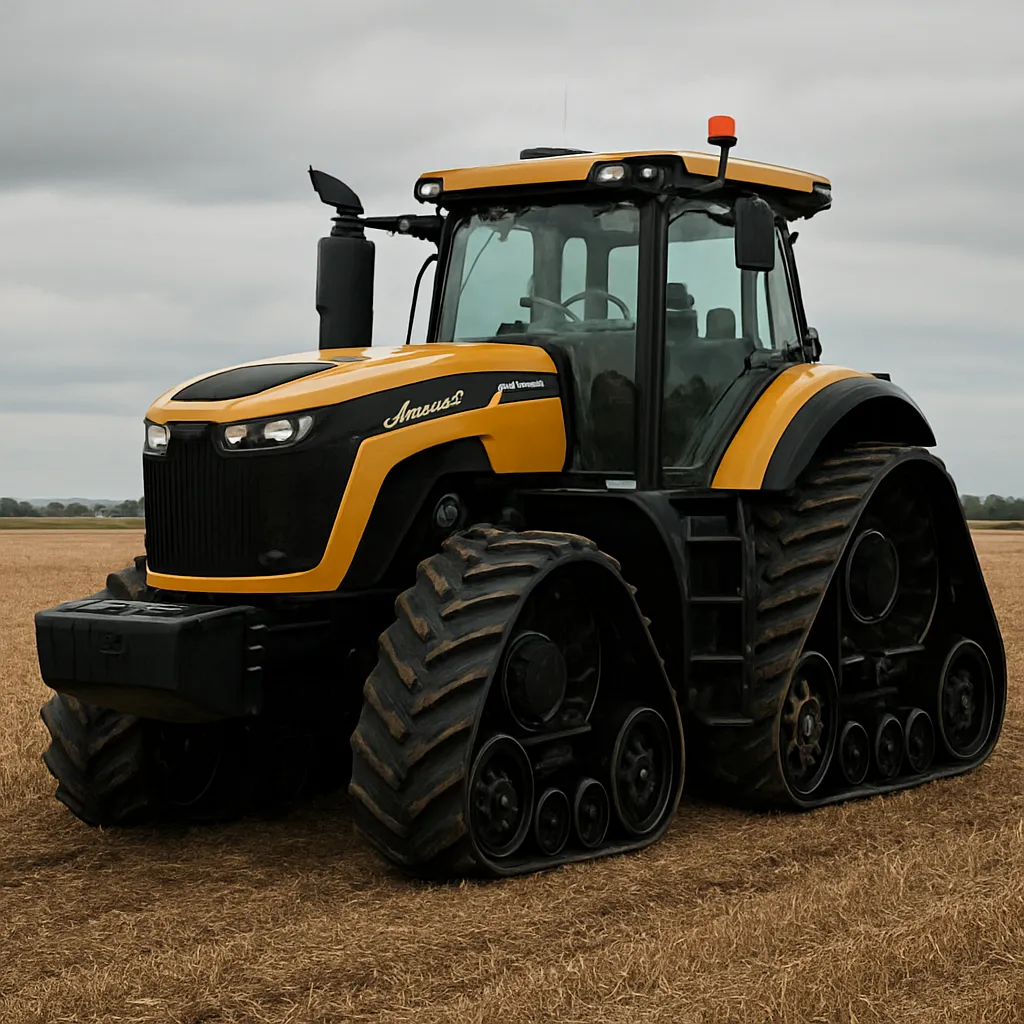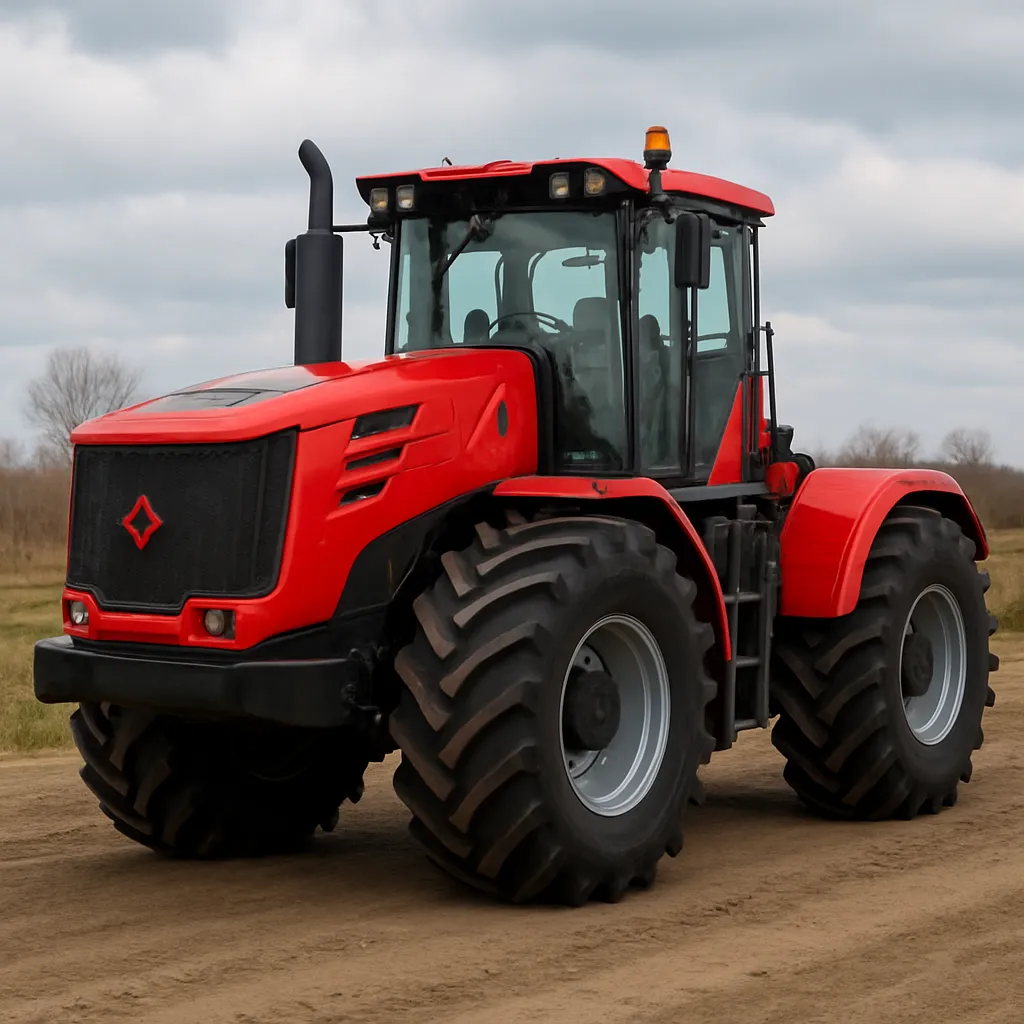
The Kirovets K-710 is a robust, heavy-duty agricultural and industrial tractor developed as part of the long lineage of Kirovets machines produced in Russia. It is known for its substantial traction, simple mechanical design, and suitability for demanding tasks in fields, forestry, construction sites and municipal services. This article explores the K-710’s background, construction and technical characteristics, typical applications, and practical considerations for operators and fleet managers.
History and development
The Kirovets line of tractors traces its roots back to the Soviet era, when large, powerful tractors were required to work the extensive collective farms and to support large-scale earthmoving and industrial projects. The Kirov Plant (now often referred to as Kirovets) built a family of articulated four-wheel drive tractors designed to deliver high traction and durability under arduous conditions.
The K-710 emerged as one of the heavy-duty models derived from the evolutionary development of the earlier K-700/K-701 series. While many of the Kirovets tractors share common design principles — such as articulated steering, heavy-duty frames, and modular drivetrains — the K-710 is typically positioned to offer improved performance, greater payload capacity and updated powerplants compared to earlier variants. Exact development timelines and factory revisions differ by region and production batch, but the philosophy remained the same: create a tractor prioritizing simplicity, serviceability and raw pulling power.
Design and technical features
Layout and chassis
The Kirovets K-710 follows the characteristic articulated chassis layout associated with Kirovets heavy tractors. The machine consists of front and rear halves connected by a central pivot that allows for articulation. This arrangement improves maneuverability for a machine of considerable mass and enhances traction across uneven terrain by permitting better wheel contact with the ground.
The heavy frame and axles are designed to tolerate large drawbar and hitch loads, making the tractor suitable for multi-furrow ploughs, deep subsoiling tools and heavy towed implements. Rugged mechanical linkages, large-diameter axles and substantial ground clearance contribute to longevity in harsh working environments.
Engine and powertrain
Most K-710 examples are powered by robust diesel engines tailored to heavy continuous-duty operation. While specific engine types and outputs vary by production year and market (some units are factory-fitted with locally sourced engines, while others use engines from well-known Russian manufacturers), general characteristics include:
- diesel fuel type and turbocharged options for improved torque
- power output commonly in the medium-to-high heavy-tractor class (typical ranges are from approximately 200 to 350 horsepower depending on configuration)
- mechanical or hydraulic clutches and multi-speed gearboxes designed for high torque delivery at low speeds
The transmission systems on Kirovets tractors emphasize robustness: heavy gear trains, often with multiple forward and reverse ranges, and gearboxes built to facilitate field repairs. Differential locks, multi-disc clutches and power take-off (PTO) units enable the tractor to work with a wide array of implements.
Hydraulics, PTO and attachments
Hydraulic systems on the K-710 are engineered for heavy draft applications. Flow rates and lifting capacities of the three-point hitch or drawbar hydraulics allow the use of large tillage implements, seeders and mounted equipment. The PTO (where fitted) supplies steady rotary power to operate heavy rotary tillers, mowers or pumps. Auxiliary hydraulic circuits and rear linkage options are common on work-focused variants to ensure versatility across tasks.
Cab and operator environment
The K-710’s cab tends to be functional and rugged rather than luxurious — a trait that prioritizes serviceability and durability. Controls are generally straightforward and meant to be easily accessible for operators wearing gloves or working long shifts. Many tractors in this class emphasize visibility, reinforced cab structure and basic climate control. Some modernized or regional models may be retrofitted with upgraded seating, heating and ventilation systems.
Performance figures (typical)
Because the K-710 was produced in multiple configurations and with different powerplants, figures vary. Typical, approximate metrics observed in heavy Kirovets-type tractors include:
- engine power: roughly 200–350 hp (model-dependent)
- operating weight: often in the range of 8,000 to 12,000 kg
- maximum travel speed: commonly around 25–35 km/h on roads
- fuel tank capacity: variable, commonly 200–600 liters, supporting long field days
- drawbar pull and tractive effort: designed for high draft implements and heavy towed equipment
Applications and typical use cases
The K-710’s core strengths — traction, torque and durability — make it well suited to a range of demanding applications.
Agriculture
Large-scale arable farming is a natural environment for the K-710. The tractor excels at:
- primary tillage: pulling large multi-furrow ploughs or subsoilers
- seedbed preparation: operating heavy cultivators and rollers
- transport: hauling heavy trailers loaded with harvest or inputs across rough fields
Its power and stability allow it to handle deep, high-resistance soil work that would stall smaller tractors. In regions with expansive fields, articulated heavy tractors like the K-710 help increase efficiency by reducing the number of passes required to complete large tasks.
Forestry and logging
Forestry operations benefit from the K-710’s high ground clearance and torque. It can tow heavy skidders, support forwarding tasks, and, in some configurations, serve as a base for winches and other logging equipment. The machine’s simple mechanical systems can be an advantage in remote environments where sophisticated electronics are a liability.
Construction, road maintenance and municipal services
Construction sites and municipal fleets use K-710 tractors for earthmoving, snow clearing, road grading (when fitted with blades) and for pulling heavy rollers during compaction tasks. With appropriate attachments, the tractor becomes a versatile workhorse capable of operating year-round in mixed-use fleets.
Specialized roles
Some operators adapt K-710 tractors for specialized roles such as heavy pumping for irrigation, powering large PTO-driven equipment, or serving as prime movers in mining and extraction sites. Their capacity to carry heavy loads and their simple drivetrain make them attractive for adaptation.
Operational considerations and maintenance
Running and maintaining a K-710 requires attention to several practical aspects that ensure long service life and reliability.
Maintenance simplicity
One of the strengths of Kirovets tractors is a design philosophy that emphasizes easy field service. Mechanical rather than electronic controls dominate older K-710 variants, making them easier to repair with basic workshop tools. Routine maintenance priorities include:
- regular oil and filter changes for the engine and hydraulics
- frequent inspection of drive train components and articulation bearings
- cooling system checks to prevent overheating under heavy loads
- monitoring and servicing of tires or dual wheel assemblies to maintain traction and reduce stress on axles
Fuel and operating costs
Large diesel engines consume significant fuel under heavy load. Fuel consumption varies by task and power setting; deep tillage or heavy transport can substantially increase hourly burn rates. Fleet managers should plan for higher operational fuel costs compared with smaller tractors but can offset this through fewer passes and greater productivity per hour.
Spare parts and logistics
Availability of spare parts depends on the region. In areas with historical Soviet/Russian agricultural machinery presence, parts and expertise are widely accessible. In other markets, owners may need to source parts through specialized dealers or retrofit compatible components. The modular nature of many systems aids in sourcing replacements from similar Kirovets models.
Variants, modernization and global presence
K-710 variants differ by engine choice, gearing, cab options and attachments. Over time, owners and manufacturers offered modernized versions with improved cabs, upgraded hydraulics, and emissions-related engine updates. In some cases, factory or aftermarket upgrades included:
- turbocharged engines or higher-displacement units for increased torque
- improved operator comfort packages — better seats, heating and noise reduction
- retrofit kits for modern hydraulics, auxiliary power supplies and lighting
These machines have seen distribution across Russia, Eastern Europe, Central Asia and other regions with heavy soil types and extensive arable areas. Their ruggedness and serviceability make them attractive in markets where low-cost durability is valued over high-tech features.
Comparison with contemporary tractors
Compared with Western-brand high-horsepower tractors of similar class, the K-710 typically offers a lower-cost purchase price and simpler mechanical systems, but it may lag in fuel efficiency, operator ergonomics and advanced electronic controls. Modern Western and global manufacturers often provide superior cab comfort, precision farming technology and emissions-controlled engines, which can improve productivity and reduce running costs in certain operations.
However, in applications where absolute simplicity, ease of field repair and sheer robustness are valued — such as remote operations, harsh climates and farms prioritizing low-complexity machinery — the K-710 remains a competitive choice.
Strengths and weaknesses
Strengths
- Durability: heavy components and conservative engineering translate to long service life
- Traction: articulated chassis and powerful drivetrains deliver strong pulling capability
- Serviceability: straightforward mechanical systems allow field repairs and low dependency on specialized electronics
- Versatility: suitable for a wide range of tasks from deep tillage to forestry and snow removal
Weaknesses
- Less refined operator comfort compared with modern Western tractors
- Potentially higher fuel consumption under heavy loads
- Parts availability can be challenging in some regions
- Emissions performance may not meet the strictest modern standards without engine upgrades
Purchasing and fleet integration advice
When considering a K-710 for purchase or fleet integration, evaluate the following:
- condition of the engine and transmission — look for excessive smoke, unusual noises and signs of overheating
- state of articulation joints and axles — these are critical for safe, effective operation
- availability of parts and qualified mechanics in your region
- intended tasks and whether the tractor’s capabilities match the implement sizes you plan to use
Refurbished or upgraded K-710 tractors can offer a cost-effective route to heavy-tractor capability. Many buyers prioritize machines with documented maintenance histories and any factory or reputable aftermarket upgrades that improve reliability and emissions.
Conclusion
The Kirovets K-710 is a member of a family of tractors built for heavy-duty use in agriculture, forestry, construction and municipal roles. Its core advantages are raw power, high traction, and a design that emphasizes durability and ease of maintenance. While it may lack the high-tech features and operator refinement of modern Western tractors, the K-710 remains relevant where toughness and straightforward serviceability are prioritized. Exact specifications vary by model and region, but prospective users can expect a heavy, powerful diesel tractor engineered to work in demanding environments and to accept a broad range of implements for year-round, heavy-duty operations.