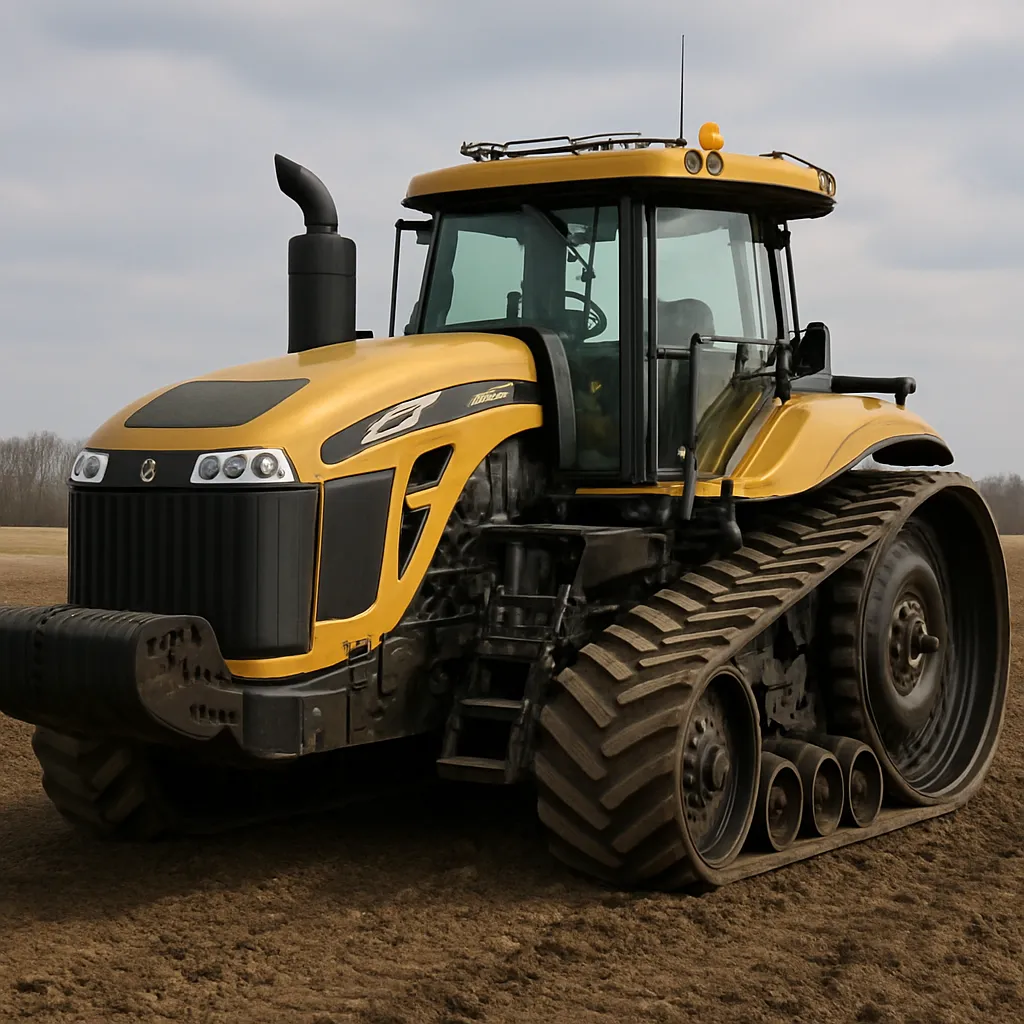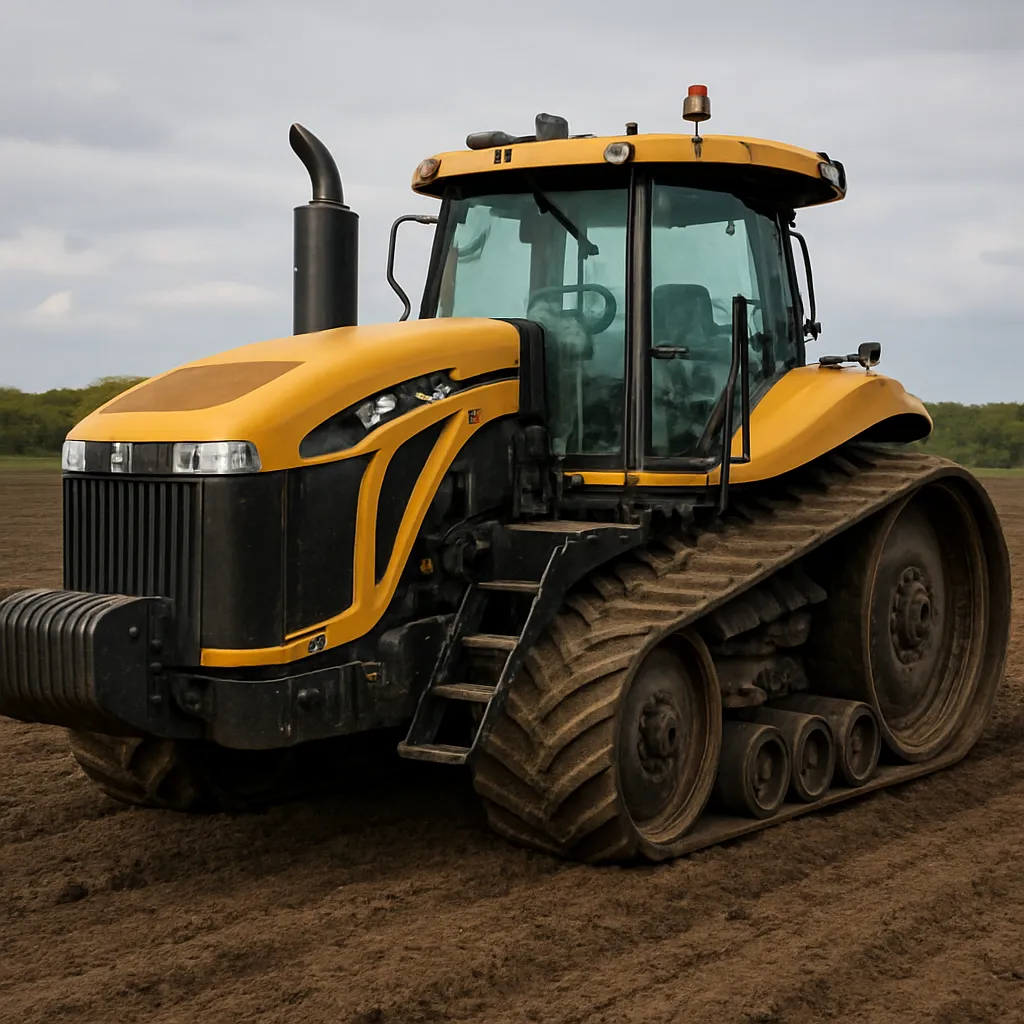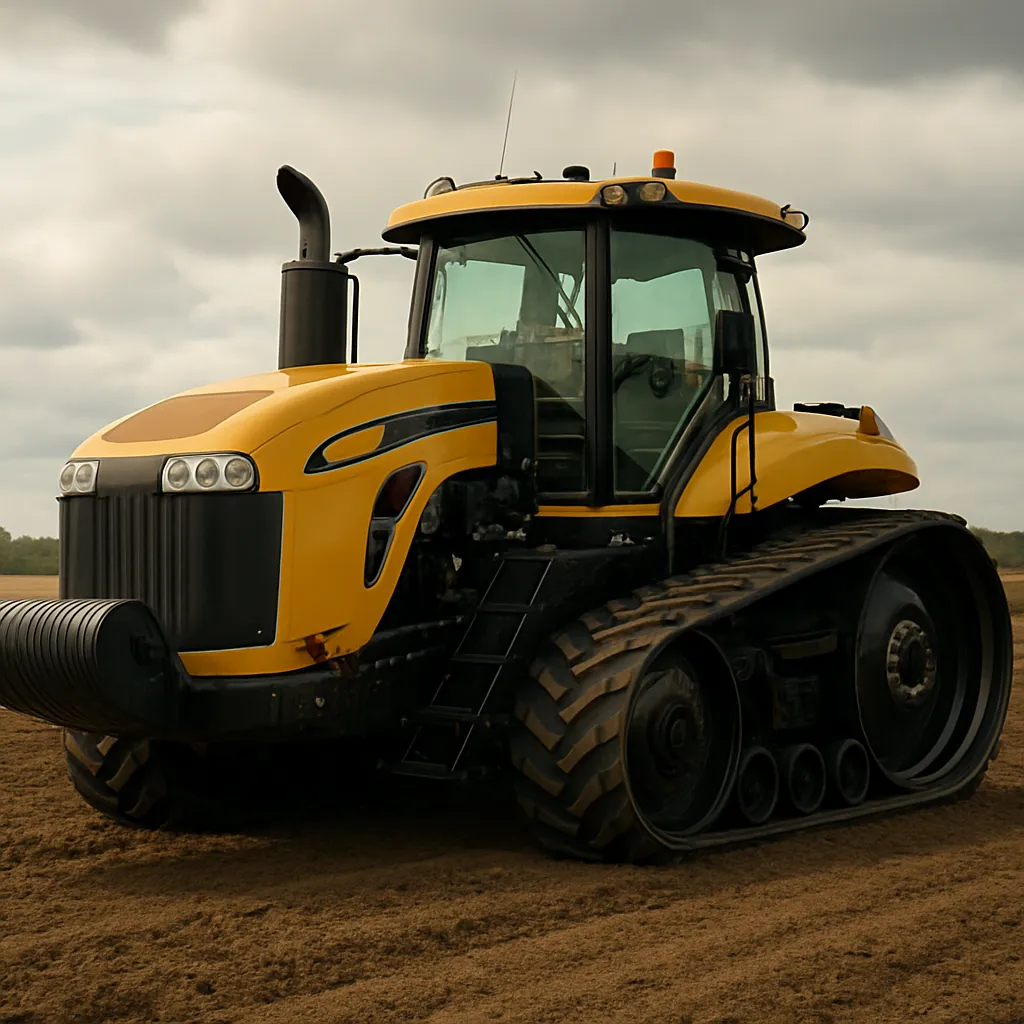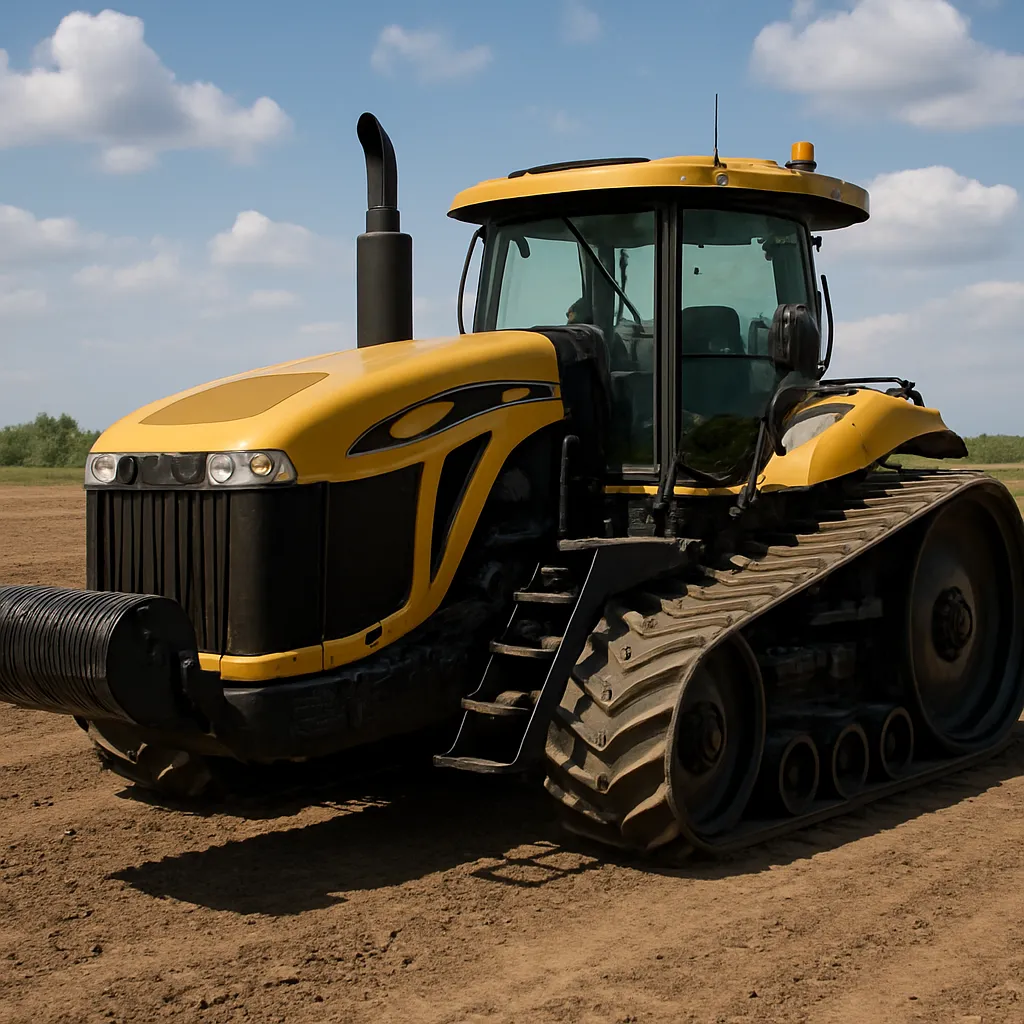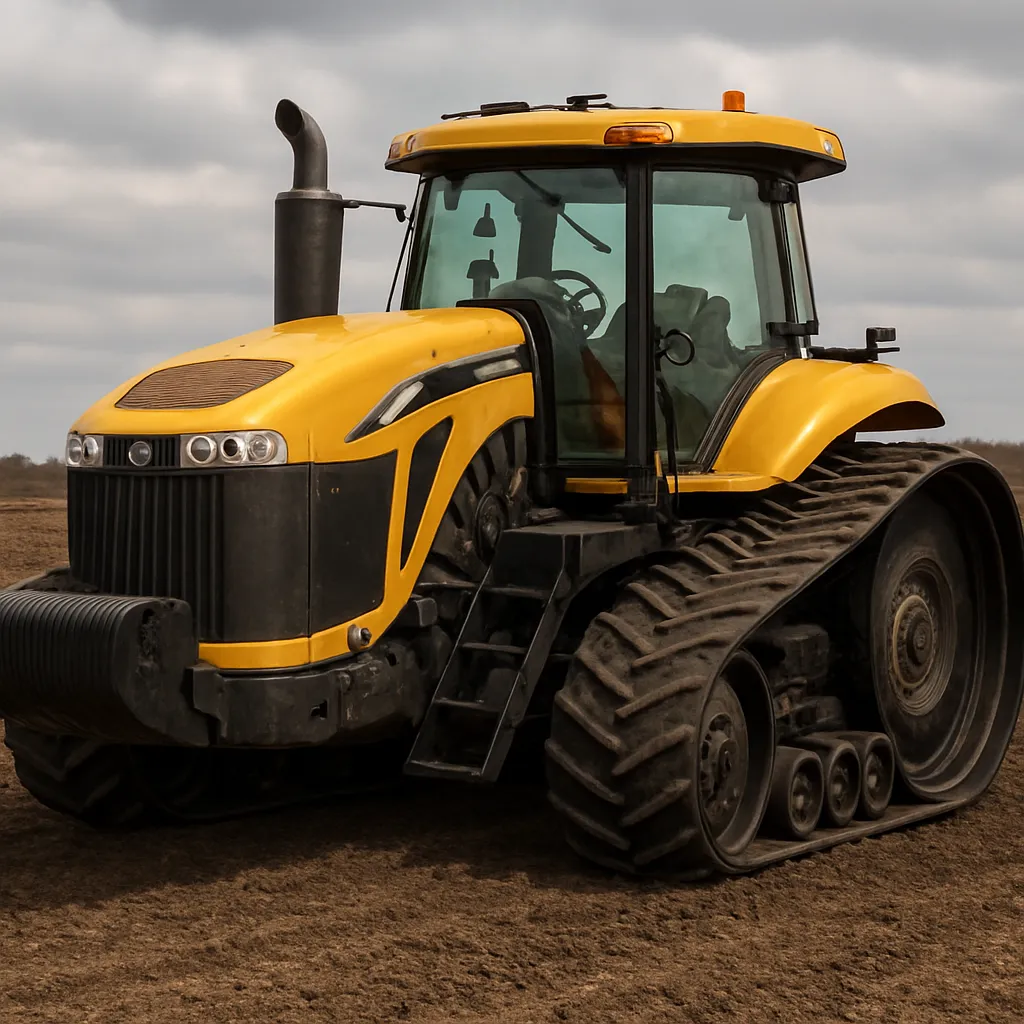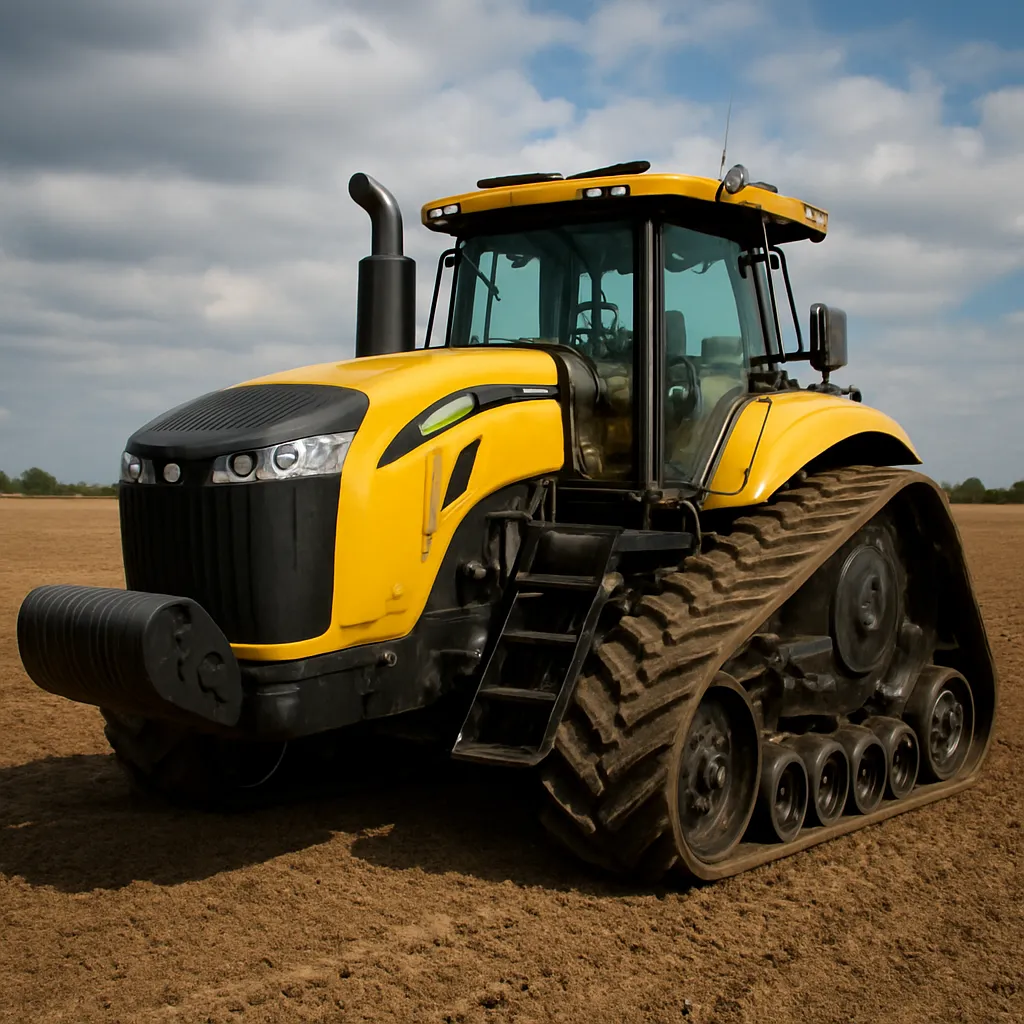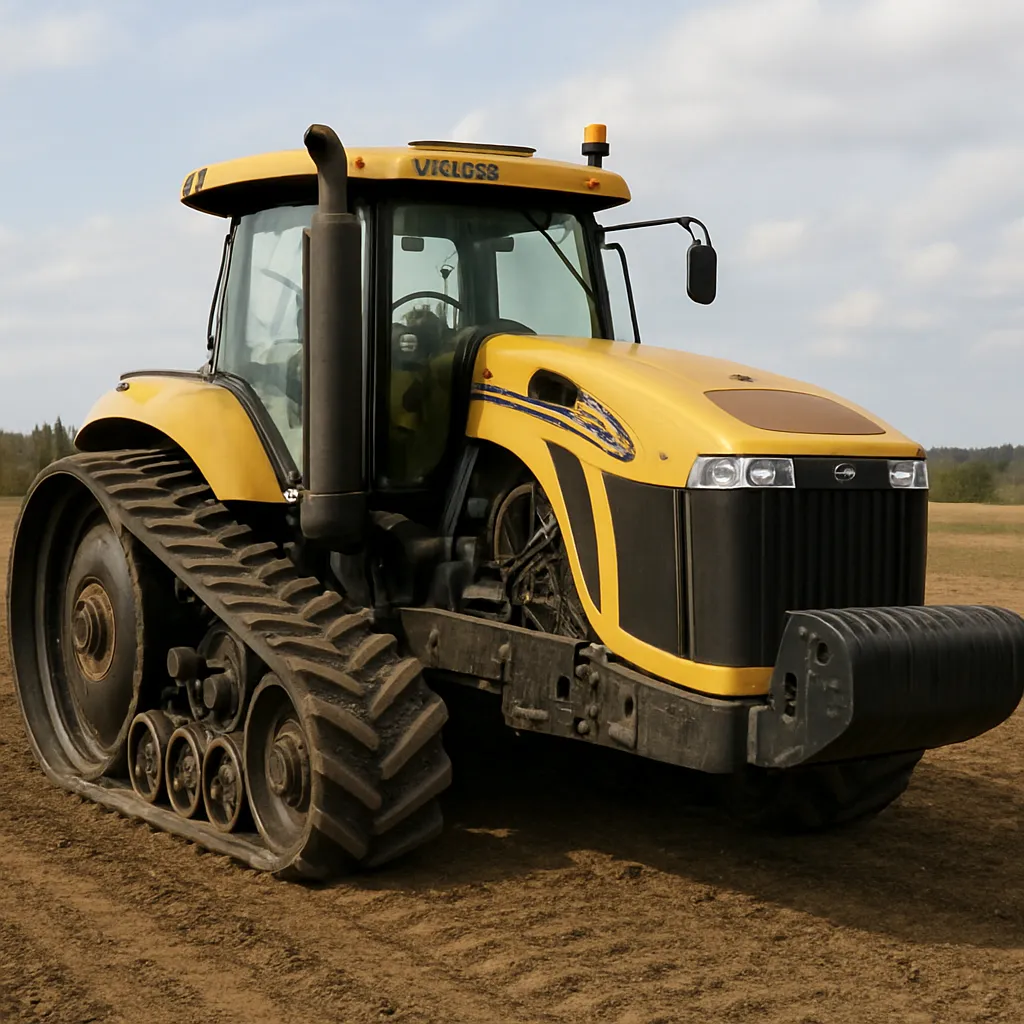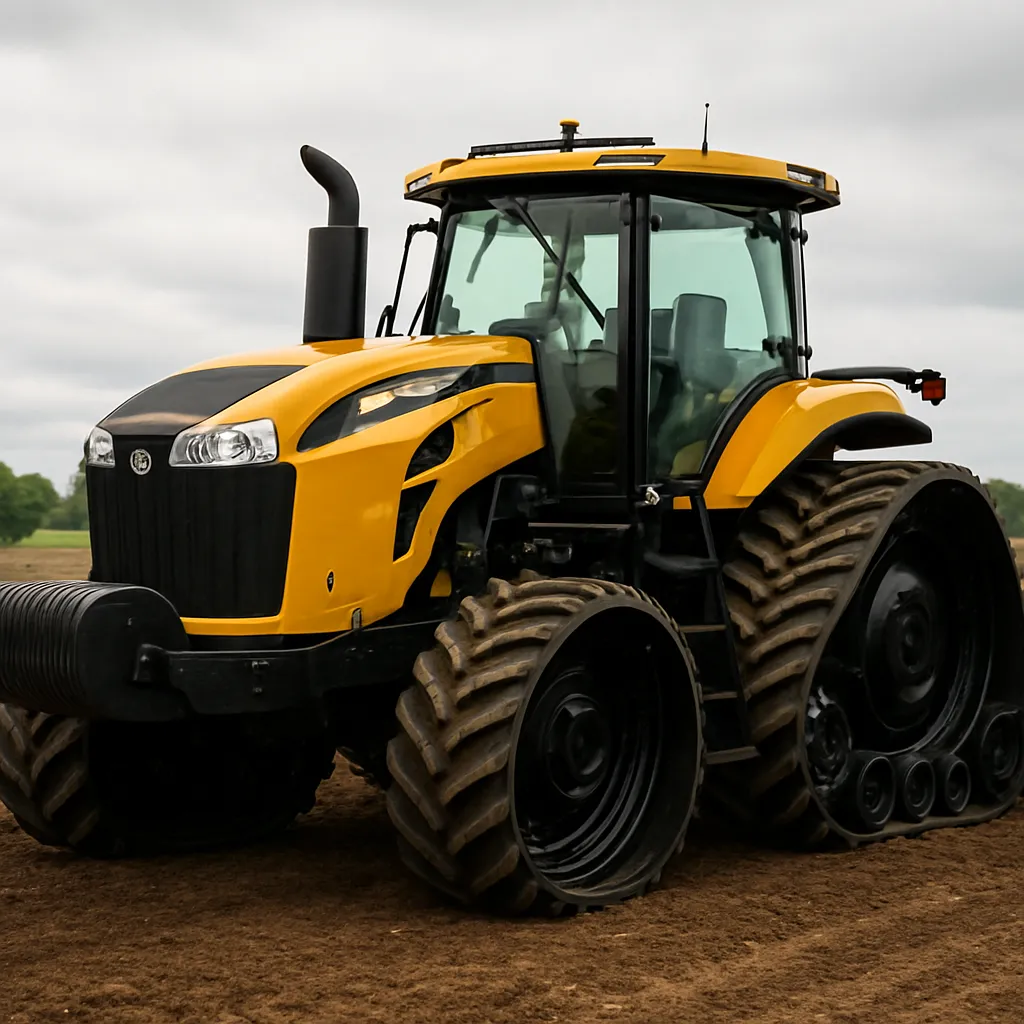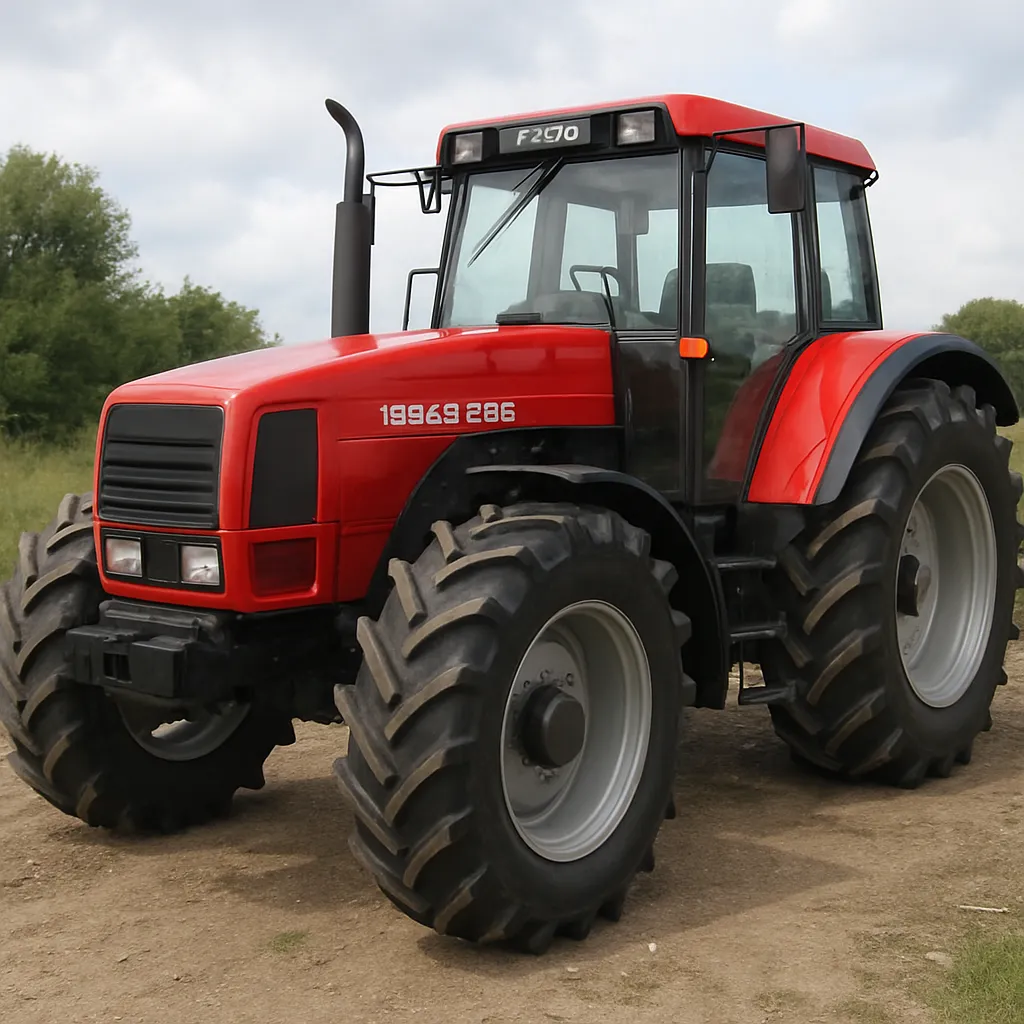
The Zetor 18345 Proto occupies an interesting niche in the history of Czech tractor development: a model associated with experimental updates and small-series production intended to test new solutions in powertrain, ergonomics and implement compatibility. This article examines its design, typical applications, technical and operational characteristics, and the practical considerations for owners and buyers. Where official figures are scarce or vary between sources, estimated ranges and community-reported data are presented and clearly identified as such.
Background and design philosophy
Zetor is a long-established manufacturer with roots in Czechoslovakia and a reputation for building robust, no-nonsense agricultural machinery. The designation Zetor and the model number 18345 combined with the name Proto suggest a machine that bridges conventional production models and developmental prototypes. In many cases the “Proto” suffix denotes either a limited pre-production batch or a platform used to validate new components before wider release.
The design philosophy behind the 18345 Proto emphasizes practicality. The tractor aims to deliver a balance between sufficient pulling power for medium-to-heavy field tasks and simplicity that facilitates maintenance in rural settings. The cab and controls were conceived to provide improved operator comfort and clearer ergonomics compared with earlier Zetor workhorses, while keeping electronics and complex systems to a manageable level.
Core features and construction
The Zetor 18345 Proto typically features a rugged chassis, a conventional front axle, and a reinforced three-point hitch suitable for a wide range of implements. The overall layout is conventional for agricultural tractors: front-mounted engine, driver cab or platform in the center, and rear linkage and PTO for implements.
- Engine and powertrain: community sources and owner reports indicate a four-cylinder diesel unit with turbocharged options in some builds. As a Proto variant, multiple engine calibrations were tested, so the exact configuration may differ between individual tractors.
- Transmission: mechanical gearbox with synchromesh on main ranges is common, with some units featuring range-splitters or optional powershift segments for smoother operation under load.
- Hydraulics and linkage: robust closed-center or open-center hydraulic systems (depending on build) with lifting capacities suitable for medium-heavy implements and front loader compatibility in many configurations.
- PTO and implement compatibility: a rear PTO (and optional front PTO on some units) supporting standard speeds and a variety of mounted and trailed implements.
- Cab and ergonomics: simple, functional cab options with improved seating, visibility and basic instrumentation compared to earlier decades.
Typical applications and use cases
The Zetor 18345 Proto is most commonly used in the following roles:
- Agricultural tillage and field work — ploughing, harrowing, seedbed preparation and cultivation where the tractor’s torque and drawbar strength are required.
- Crop care and harvesting support — powering mower-conditioners, balers and forage wagons via the PTO and hydraulics.
- Loader work — front loader tasks such as material handling, manure and silage management, and farmyard duties.
- Transport — hauling trailers for grain, fertilizer and other materials within the farmstead or over short distances on roads.
- Municipal and utility tasks — snow clearing, road maintenance attachments and small-scale forestry tasks when fitted with appropriate implements.
The tractor’s combination of simplicity and customizable options makes it attractive for mixed farms where a single machine must carry out many roles. The versatility of the platform is often cited by owners: with a loader fitted, the same tractor can switch between field and yard work with minimal configuration changes.
Performance and technical data (reported and estimated)
Complete factory specifications for the Zetor 18345 Proto are not widely published, particularly because the “Proto” variant includes several experimental or limited-run configurations. The figures below combine manufacturer-adjacent data, service manuals for related Zetor models, and owner-reported measurements. Treat these as typical ranges rather than absolutes; exact numbers for a given unit should be verified from the vehicle’s documentation or by inspection.
- Reported engine type: 4-cylinder turbocharged diesel, indirect or direct injection depending on configuration.
- Approximate displacement: commonly cited in the 3.3–4.7 L range (reported values vary).
- Nominal power output: commonly reported between ~80 and ~110 metric horsepower (hp). Some sources place typical service power around horsepower values of 85–95 hp for standard builds; boosted or tuned Proto variants may reach higher figures.
- Torque: moderate to strong low-end torque suitable for pull-type implements — owners report satisfactory performance on heavy draft work.
- Transmission options: manual H-pattern transmissions with 8–24 forward gear ratios found across similar Zetor lines; some Proto units were tested with more advanced split-range gearboxes.
- PTO speeds: standard 540 rpm with optional 1000 rpm on some tractors; front PTO available as an option on certain builds. The PTO is a core interface for agricultural implements and is engineered to sustain prolonged loads.
- Hydraulic capacity: pump flows in the range typical for medium tractors (community reports indicate workable flow rates around 40–60 L/min on heavier configurations).
- Fuel capacity and range: typical tank volumes reported between 80 and 150 liters depending on configuration and auxiliary tanks.
- Operating weight: rough estimates place fully equipped units in the 3,000–4,200 kg range, depending on whether front loader or ballast packages are fitted.
Because the 18345 Proto was used experimentally, specific numbers such as emissions calibration, turbocharger size and ECU configuration vary. When buying or evaluating one of these tractors, request the exact engine identification plate and service history to confirm build details.
Reliability, common issues and maintenance
Zetor tractors have a reputation for mechanical reliability and straightforward serviceability, and the 18345 Proto generally follows this pattern. That said, prototype and pre-production components can present unique challenges. Owners and mechanics should be aware of several recurring themes:
- Fuel system sensitivity: as with many modernized tractors, fuel injector wear or small leaks can lead to hard starting or rough running. Use of clean fuel and regular filter changes mitigates many problems.
- Turbocharger wear: turbo failures are not widespread but can occur on high-hour machines or those subjected to heavy, continuous loads without adequate warm-up/cool-down practices.
- Hydraulic leaks and seal wear: seals and hoses are wear items; regular inspection avoids progressive loss of hydraulic performance.
- Electrical and sensor issues: Proto units that incorporated newer electronics for testing occasionally show intermittent sensor faults; thorough wiring checks and use of proper diagnostic tools are advisable.
- Clutch and transmission wear: heavy PTO and draft operations shorten clutch life; correct use (e.g., avoiding slipping under load) extends service intervals.
Maintenance best practices include regular oil and filter changes, monitoring hydraulic oil condition and level, checking cooling system integrity, and following a preventive schedule for belts and air filters. For machines with experimental parts or non-standard components, keeping spare parts sourced or adapted from similar Zetor models is a prudent approach.
Market presence, production and statistical notes
Official production volumes for a Proto-labeled model are frequently limited or absorbed into broader manufacturing records, which is why reliable mass-production statistics for the 18345 Proto are hard to locate. In many cases the Proto designation indicates that the machine was produced in small numbers for field trials or as a transitional model between major series.
Community-based databases and agricultural auction records suggest that several dozen to a few hundred units may exist in working condition across Central and Eastern Europe, with scattered examples elsewhere in Europe and occasionally in export markets. Pricing on the used market varies dramatically because of the Proto nature: well-maintained examples with clear service histories can command premiums, whereas units requiring parts that were unique to prototype batches may be priced lower due to anticipated repair costs.
- Estimated surviving units: likely in the low hundreds worldwide (estimate based on auction records and owner community counts).
- Geographic concentration: strong presence in the Czech Republic, Slovakia, Poland and neighboring countries, with occasional units in Western Europe.
- Typical used prices (estimate): depending on condition and attachments, prices reported in various listings range from modest farm-equipment values to higher sums for low-hour, well-kept tractors. Example range reported in regional classifieds: €6,000–€20,000 (condition-dependent).
Comparisons and positioning among similar machines
Within the marketplace the Zetor 18345 Proto sits between lower-powered compact tractors and larger utility machines. When comparing it to contemporaries, consider these points:
- Against small utility tractors: the 18345 Proto offers more torque and lifting capacity, making it better suited for heavy tillage and loader work.
- Against larger tractors: it remains more economical to operate and cheaper to maintain, but with lower maximum PTO power and smaller hydraulic flow than specialist large-field tractors.
- Against modern tractors with advanced electronics: the Proto’s simpler systems are easier to repair in the field but may lack some automatic transmission and precision-farming features.
For many farms the best fit is determined by the blend of working horsepower needed and the desire for low-complexity maintenance. The 18345 Proto appeals to owners who value hands-on servicing and dependable mechanical systems over cutting-edge automation.
Buying checklist and inspection tips
If you are considering purchasing a Zetor 18345 Proto, use the following checklist during inspection and negotiation:
- Verify engine and chassis numbers against any available documentation; confirm whether the unit is an official production model or a Proto/test unit with unique parts.
- Inspect service history for regular oil changes, injection pump servicing, and hydraulic system maintenance.
- Run the machine and listen for unusual knocks or turbocharger whine; check for smoke patterns on start-up (blue or black smoke may indicate oil burning or fuel issues).
- Check PTO and linkage operation under load; verify that lift arms and hydraulic outputs maintain pressure without significant drift or leaks.
- Inspect tires, front axle play and steering responsiveness; look underneath for structural cracks or excessive corrosion in mounting points.
- Ask about spare parts availability and whether the seller has adapters or commonly replaced Proto-specific components.
Practical tips for operation and longevity
Operators of the 18345 Proto should adopt a few straightforward practices to maximize service life:
- Warm up the engine properly before engaging high-load PTO or draft activities; allow a modest cooldown after long heavy operations to prolong turbo life.
- Change fuel and oil filters at conservative intervals, particularly when operating in dusty or wet farm environments.
- Use good quality lubricants compatible with diesel engines and check compatibility if the engine was reconfigured from its original spec.
- Keep a basic toolkit and spares for common wear items (belts, filters, hose clamps, electrical fuses) on the farm for rapid repairs.
- Maintain clear records of any modifications or retrofits performed; Proto tractors often receive owner-led upgrades that should be documented for resale and servicing.
Historical and practical significance
While not always a headline-making model, the Zetor 18345 Proto stands as a useful example of incremental evolution in tractor design. It demonstrated how established manufacturers could introduce refinements—improved ergonomics, tuned engines and flexible hydraulic options—without sacrificing the rugged simplicity that operators expect. For small and medium-sized farms it offered a flexible tool that could adapt to seasonal demands and long-term ownership.
Because Proto versions historically serve as testbeds, elements first seen on the 18345 Proto often informed subsequent production models, contributing to refinements in cab comfort, emissions handling and implement interfaces across later Zetor lines.
Summary
The Zetor 18345 Proto is best understood as a versatile medium-duty tractor that blends traditional Zetor durability with selective modernizations. While exact factory statistics vary or are not fully public, community-sourced data indicate a power band and feature set suitable for mixed farms, loader duties and municipal tasks. Owners praise the machine for straightforward servicing and practical design—especially where simplicity and field-repairability are priorities. Prospective buyers should verify individual unit specifications, particularly with Proto variants that may include unique components, and follow basic maintenance practices to ensure long-term, reliable operation.