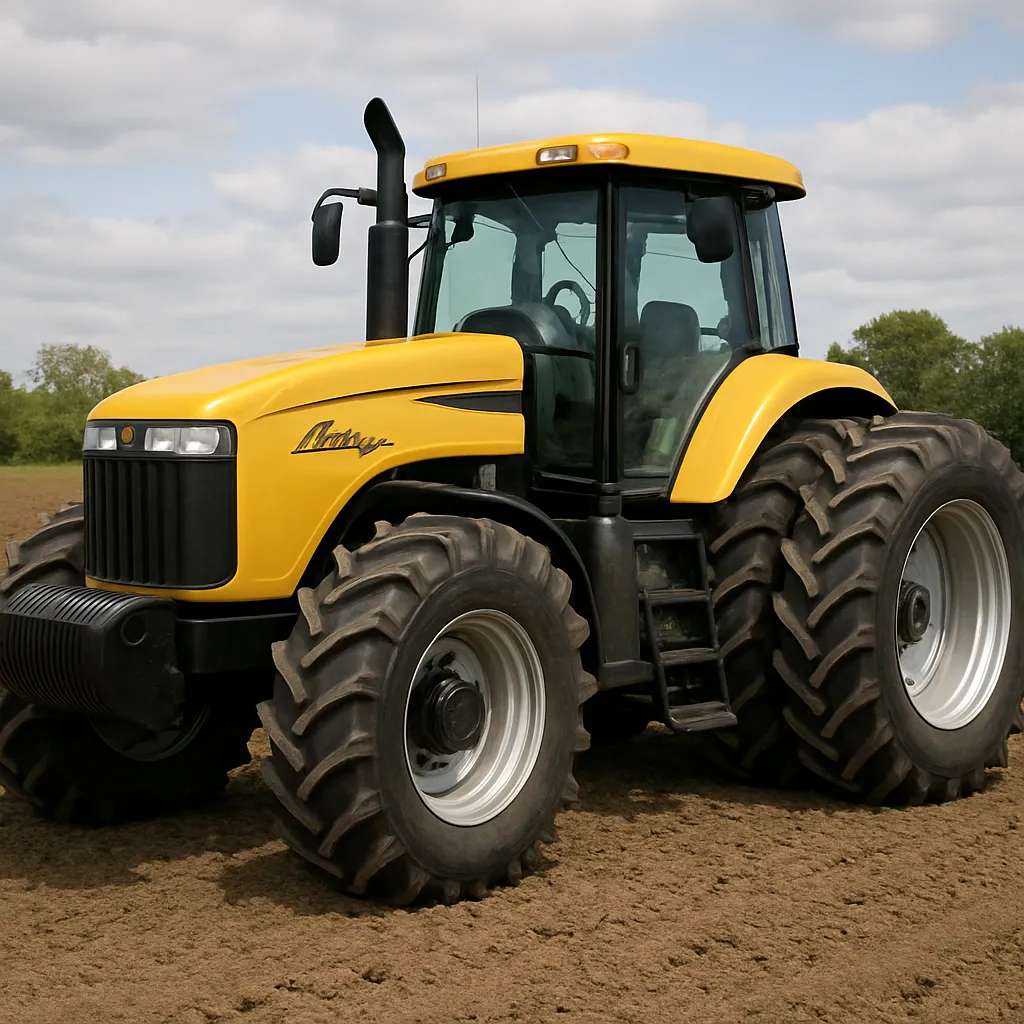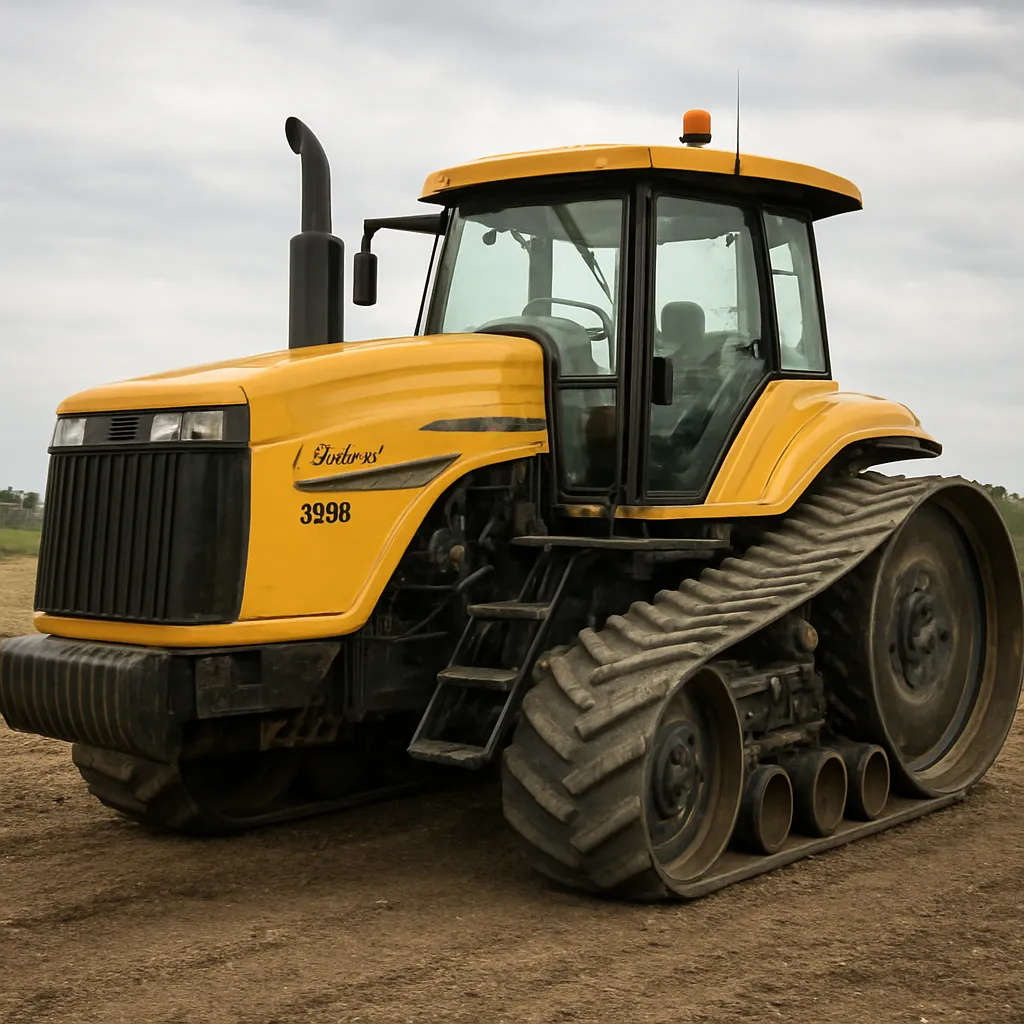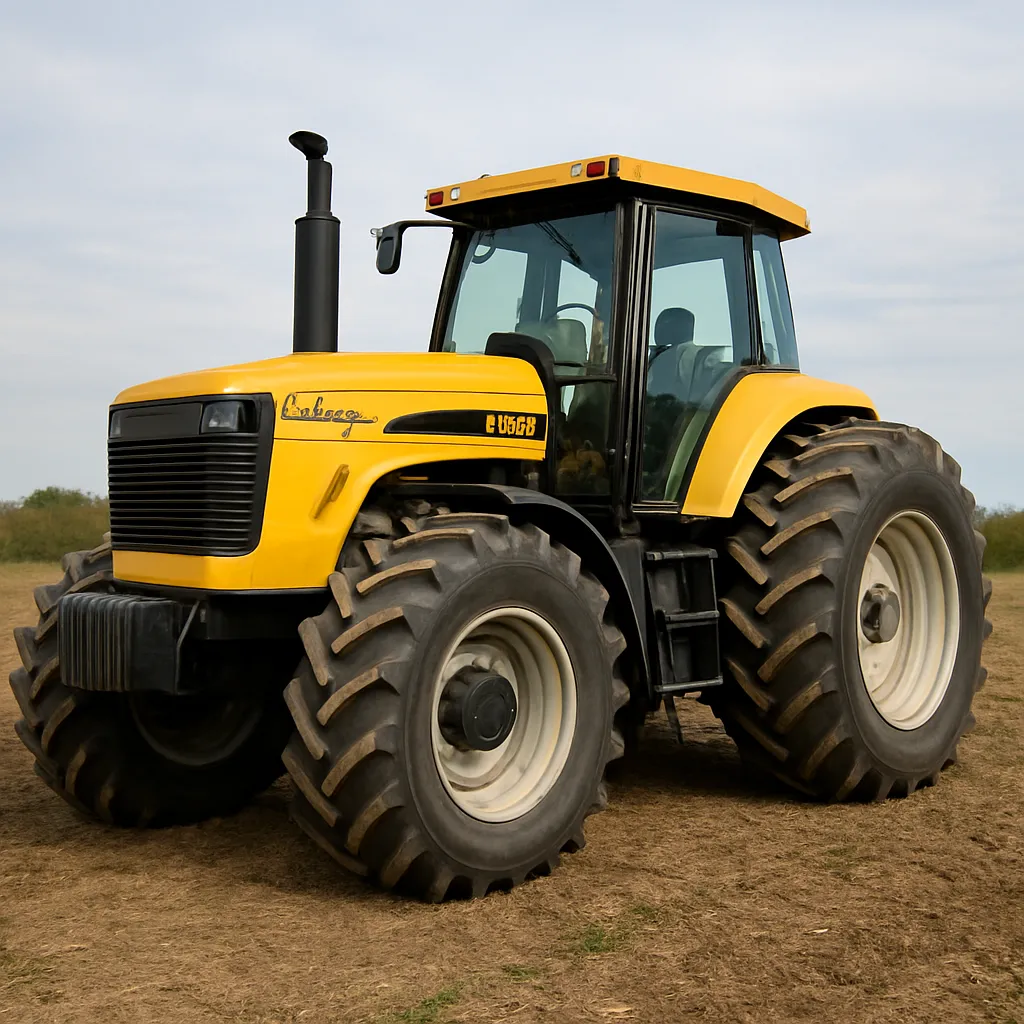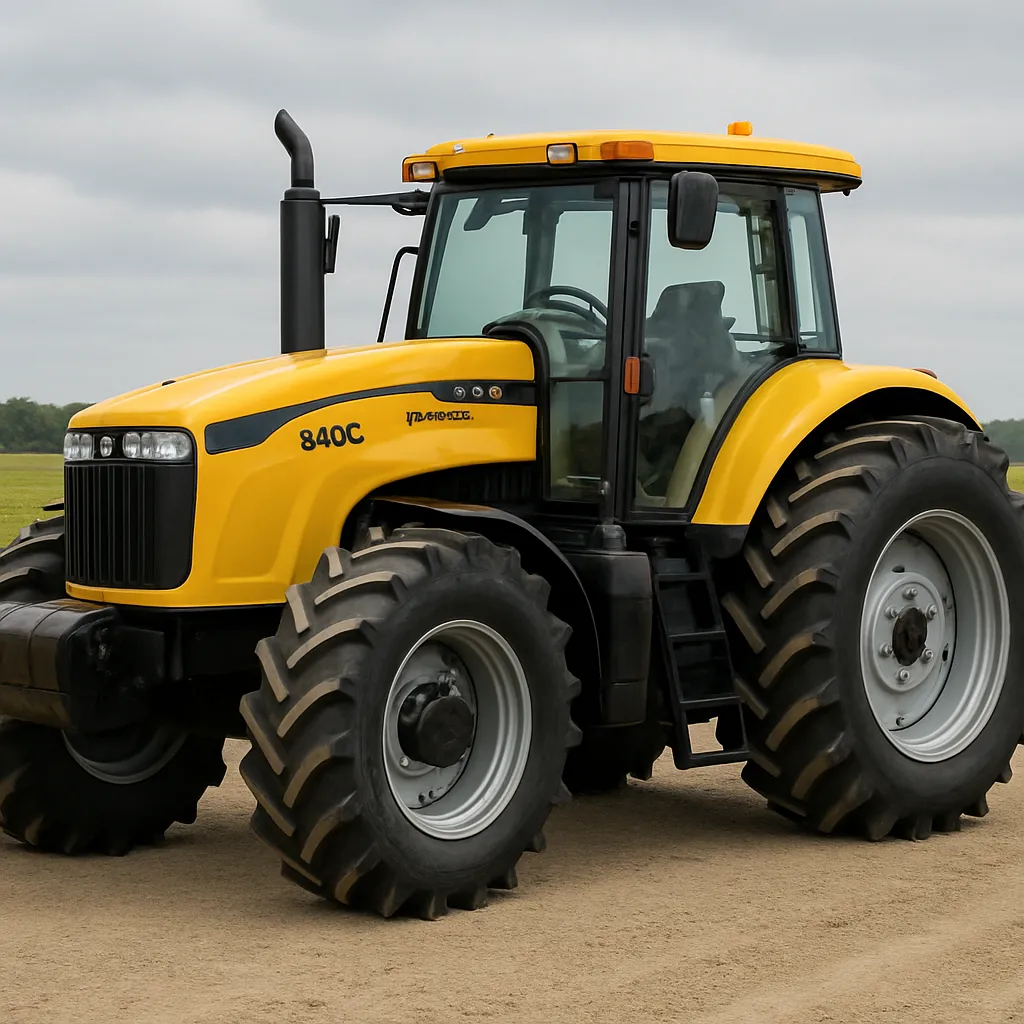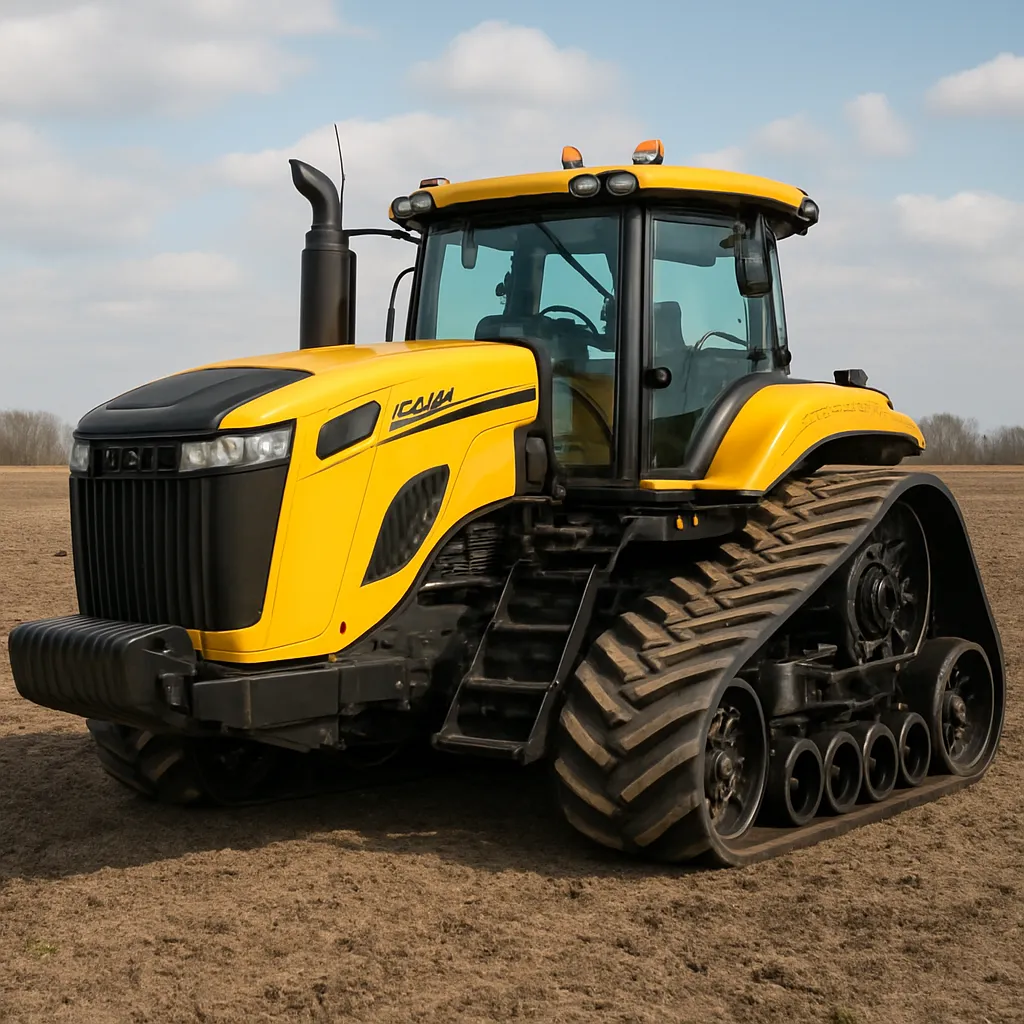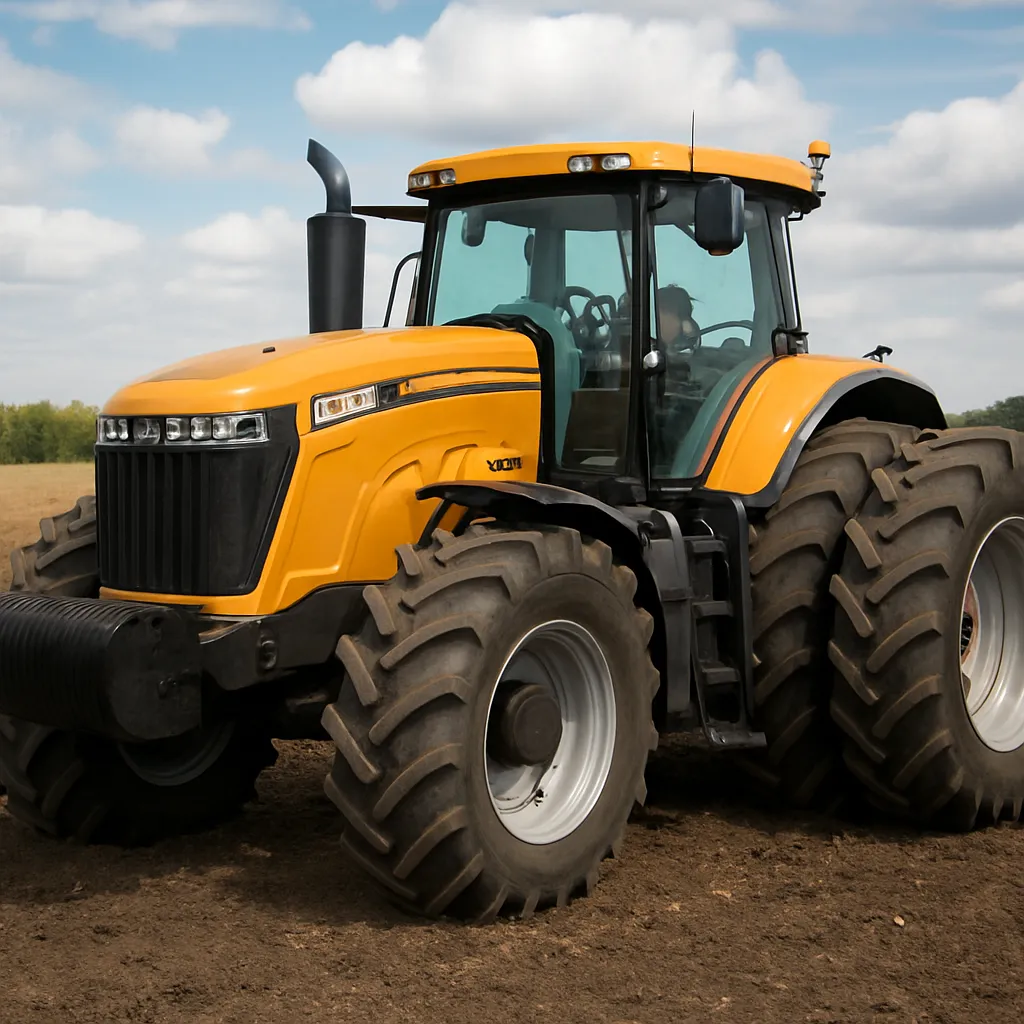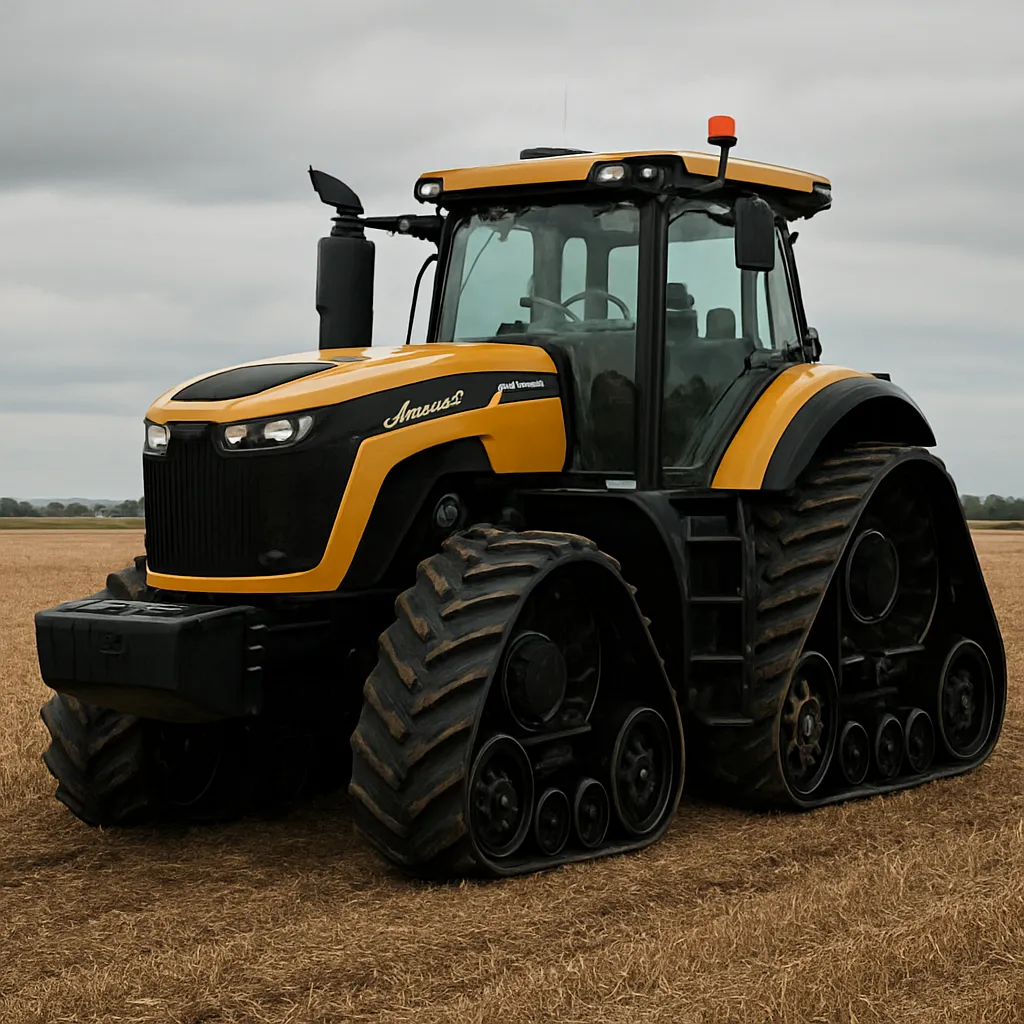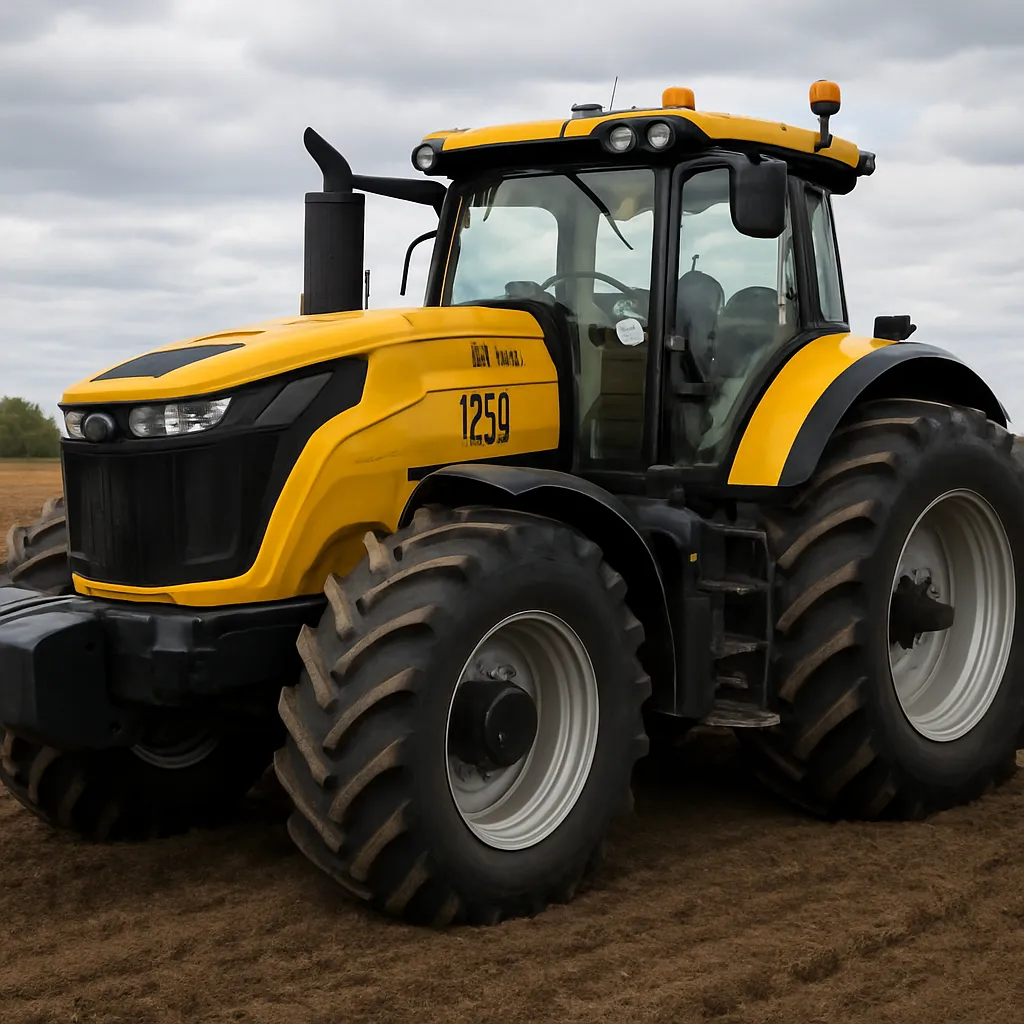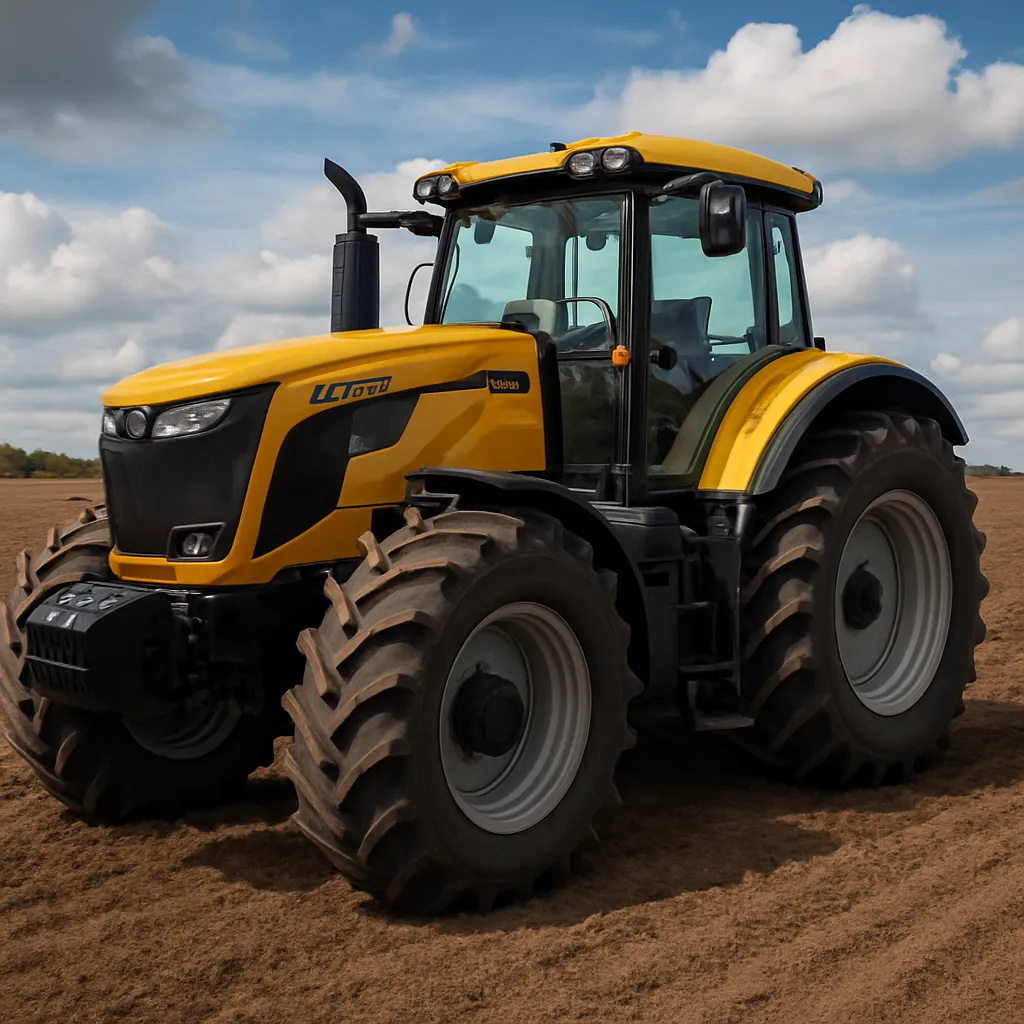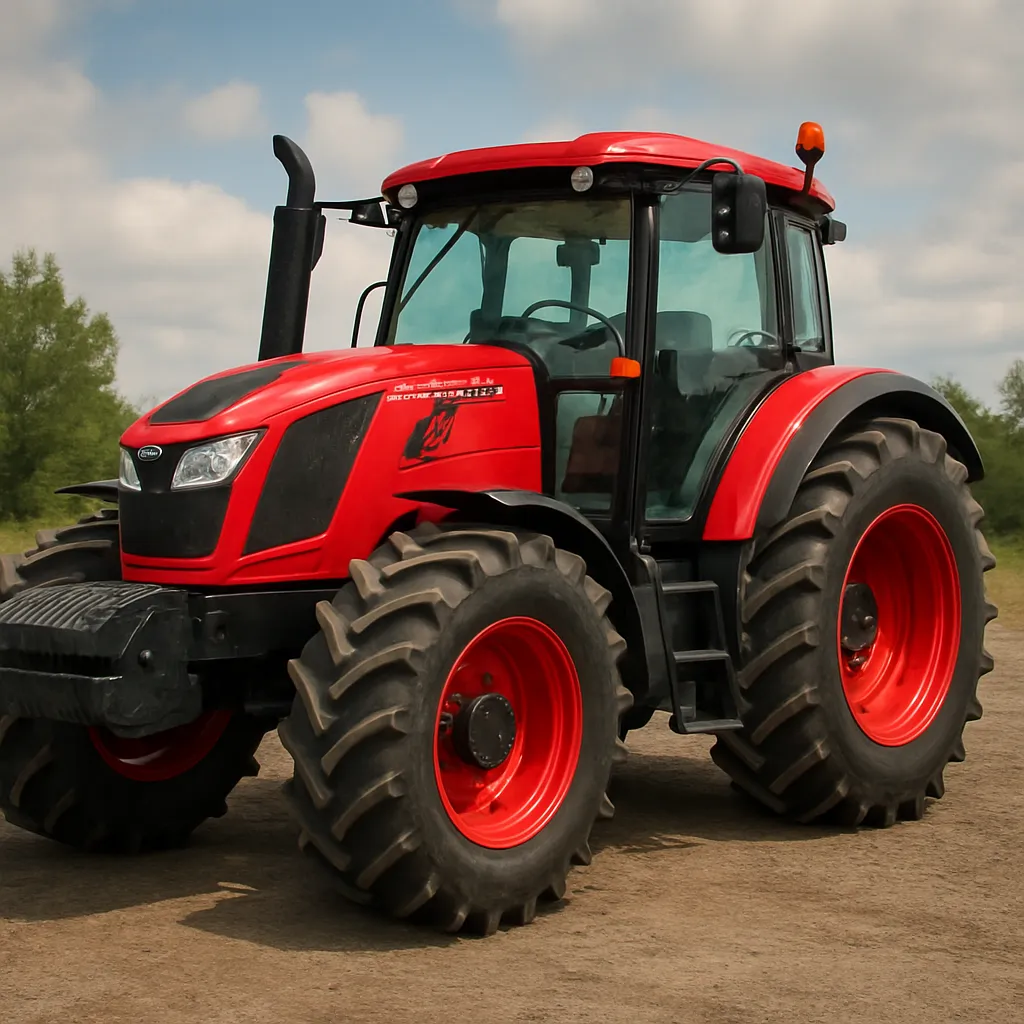
The Zetor Forterra HD 150 is a robust agricultural machine designed to meet the demands of modern farms and contracting operations. Combining straightforward Czech engineering with practical features, this model aims to deliver dependable performance across a wide range of tasks. In the following sections you will find an overview of its main characteristics, typical applications, operational and maintenance advice, and context on its place in the market. Technical details given below may vary with year, market, and specific configuration.
Design and core features
The Forterra HD 150 is built around simplicity, durability, and utility. At its heart is a compact yet powerful diesel engine designed for continuous heavy-duty operation. The machine balances the need for strong pulling force with good fuel economy and serviceability. Zetor positions the Forterra line as a no-nonsense workhorse, emphasizing straightforward mechanics that are easier and cheaper to maintain than some highly electronic competitors.
- Zetor engineering focuses on ruggedness and long service intervals.
- The tractor typically offers 150 horsepower (rated), placing it in the medium-high power segment suitable for larger arable farms and contractors.
- 4-wheel drive (4WD) is standard on the HD variant, improving traction in difficult field conditions.
- Various transmission options are available, from simple synchronized gearboxes to more advanced power-shuttle or multi-range systems depending on market and build.
- Hydraulic systems are designed to support heavy implements; front loader compatibility is a common configuration.
- The cab is engineered for long days: ergonomic controls, good visibility and basic climate control are typical, with optional upgrades available.
- Reliability and ease of maintenance are prioritized in the chassis and service layout.
Technical specifications and typical figures
Exact specifications for the Forterra HD 150 can vary by model year and regional configuration, but the following figures represent typical or commonly offered values. Where specific numbers differ between markets, ranges are given.
- Engine: 4-cylinder turbocharged diesel with intercooler. Rated power around 150 hp (ISO) for the HD 150 designation.
- Displacement: commonly in the range of 4.2–4.8 liters for engines in this class (model-dependent).
- Transmission: multiple options such as 12F/12R or 24F/24R ranges, often with synchronized shuttle or creep-speed options; top road speed typically up to 40 km/h in higher-speed variants.
- PTO: rear PTO with selectable speeds (540 / 540 Economy / 1000 rpm in many configurations); front PTO optional on loader-equipped versions.
- Hydraulics: rear lift capacity commonly between 5,000 and 7,500 kg depending on linkage rating and equipment.
- Fuel tank: capacity typically between 140 and 200 liters, giving good operating range for long field days.
- Weights: operating weight generally in the 6,000–7,500 kg range depending on options, ballast and tires.
- Turning radius: competitive for its class, enabling efficient headland turns in tight fields when combined with wide-angled front axle and 4WD.
These figures should be treated as indicative. For purchase decisions, confirm the precise specification sheet for the specific serial/model year and equipment package.
Primary applications and working roles
The Forterra HD 150 is versatile and suited to a broad variety of tasks across agriculture and contracting thanks to its power and hydraulic capability. Typical applications include:
- Primary and secondary tillage on medium-to-large arable farms — ploughing, discing, tillage combinations and seedbed preparation.
- Seeding and planting operations with mounted or pull-type equipment.
- Transport and logistics on the farm — trailers, slurry tankers and bulk transport where 150 hp provides efficient road and field speed.
- Loader work — front loaders for bale handling, material handling, and general utility tasks. Many owners equip the Forterra HD 150 with a robust front loader package.
- Hay and forage work — mowers, tedders, rakes and balers with sufficient PTO power.
- Contracting — hedge cutting, forestry mulching (with protective options), and heavier towing tasks for contractors who require a reliable, strong tractor.
Its combination of lifting capacity, PTO power and traction makes it attractive where a single tractor must handle multiple roles during the year.
Cab comfort, ergonomics and operator experience
Zetor’s approach with the Forterra HD 150 emphasizes a comfortable but practical environment. The cab aims to reduce operator fatigue and improve productivity:
- Visibility: wide windows and a sloped bonnet for improved sightlines to implements and the work area.
- Controls: logically placed levers and switches that follow conventional layouts to shorten the learning curve for operators moving from other brands.
- Seating and ergonomics: adjustable air or mechanical seats are commonly offered, helping reduce vibration and fatigue during long shifts.
- Climate control: heating and air-conditioning may be standard or optional depending on market; effective ventilation is an important comfort feature for extended use.
- Noise insulation and cab suspension options are available on higher-spec variants to improve operator comfort further.
Overall, the cab balances practical features with the durability expectations of professional users, without extensive complexity that would increase maintenance demands.
Maintenance, serviceability and durability
One of the Forterra HD 150’s selling points is the relative ease of serviceability. The design follows a philosophy that favors mechanical simplicity:
- Accessible service points — filters, oil drains and routine maintenance items are placed for straightforward access.
- Durable components — robust axles, transmissions and chassis parts designed to withstand heavy use.
- Parts availability — Zetor maintains spare parts networks in many regions, and the simpler mechanical systems tend to reduce downtime and repair costs.
- Planned maintenance intervals that are competitive for the class help lower total operating cost over the machine’s life.
Operators often report that the Forterra range is designed to be repaired by skilled local mechanics using commonly available tools, which is an advantage in remote areas or where dealer density is lower.
Economic considerations and total cost of ownership
When evaluating a Forterra HD 150, buyers should consider not only purchase price but also operating costs, fuel consumption, maintenance and residual value.
- Fuel economy: While fuel consumption varies with load and implement, tractors in this power class often average approximately 8–15 liters per hour under working conditions; efficient PTO and transmission management can reduce consumption.
- Depreciation and resale: Zetor models typically retain reasonable resale value due to their reputation for simplicity and robustness; however, exact resale performance depends on local demand and condition.
- Insurance and financing: Financing packages are often available through dealers; consider warranty extensions and service contracts where offered.
- Attachments and options: Loader kits, front PTOs, specialized hydraulics or electronic packages will add to initial cost but can increase productivity and versatility.
For many farms, the Forterra HD 150 represents a balanced investment: enough power for demanding tasks while keeping maintenance and repair costs manageable compared with more electronics-heavy competitors.
Comparisons and market positioning
In the 130–160 hp sector, the Forterra HD 150 competes on reliability and straightforward performance rather than on offering the most advanced electronic features. Competing models from other manufacturers may emphasize automation, precision agriculture integration and higher-spec cabs; Zetor’s differentiation is its focus on value, mechanical simplicity, and low operating costs.
- Compared to premium brands, the Forterra may cost less to purchase and maintain, though it may lack some advanced automation and luxury cab options.
- Against budget competitors, Zetor often provides a stronger dealer network in Europe and a longer heritage in tractor design.
- For contractors, the Forterra’s proven chassis durability and serviceability are attractive for daily, heavy-use scenarios.
Safety and regulatory considerations
Modern Forterra variants comply with relevant emissions and safety standards for the markets they’re sold in. Safety features commonly include roll-over protection integrated into the cab, effective lighting packages for road travel and night work, and braking systems meeting regional requirements.
Purchasers should verify the emissions level (e.g., Stage III, IV, etc.) for the specific model year to ensure compliance with local environmental regulations, especially in jurisdictions with strict farm equipment emissions rules.
Operational tips and best practices
To get the most from a Forterra HD 150, users commonly adopt the following practices:
- Follow manufacturer service intervals closely — regular oil, filter and hydraulic checks extend component life.
- Match implements and gearing to the tractor’s powerband to avoid overloading the engine and reduce fuel consumption.
- Use proper ballast and tire selection to maximize traction while minimizing soil compaction.
- Keep software and if applicable ECU updates current (for models with electronic controls) to ensure optimal engine and transmission performance.
- Train operators on correct shuttle and PTO use to minimize wear on transmission synchronizers and clutches.
Market reception and real-world performance
Owners and independent reviewers often praise the Forterra HD 150 for:
- Practical reliability in daily field tasks.
- Low-cost, straightforward maintenance compared with highly computerized machines.
- Good balance of power, hydraulics and PTO capability for mixed farms and contracting work.
Criticisms are usually aimed at the relative lack of high-end electronics and the simpler cab interior compared with premium competitors; for many buyers these trade-offs are acceptable given lower acquisition and operating costs.
Conclusion
The Zetor Forterra HD 150 is a capable, pragmatic choice for farmers and contractors who need a dependable, powerful machine without the complexity and cost of the newest high-tech tractors. With roughly 150 horsepower, versatile hydraulic and PTO configurations, and an emphasis on reliability, the Forterra HD 150 fits a wide range of agricultural roles from heavy tillage to loader work. Buyers should check the exact specification sheet for the model year and region they are considering in order to confirm features such as transmission type, PTO options and emissions compliance, but overall the Forterra HD 150 stands out as a work-focused tractor that balances performance with manageable operating costs.