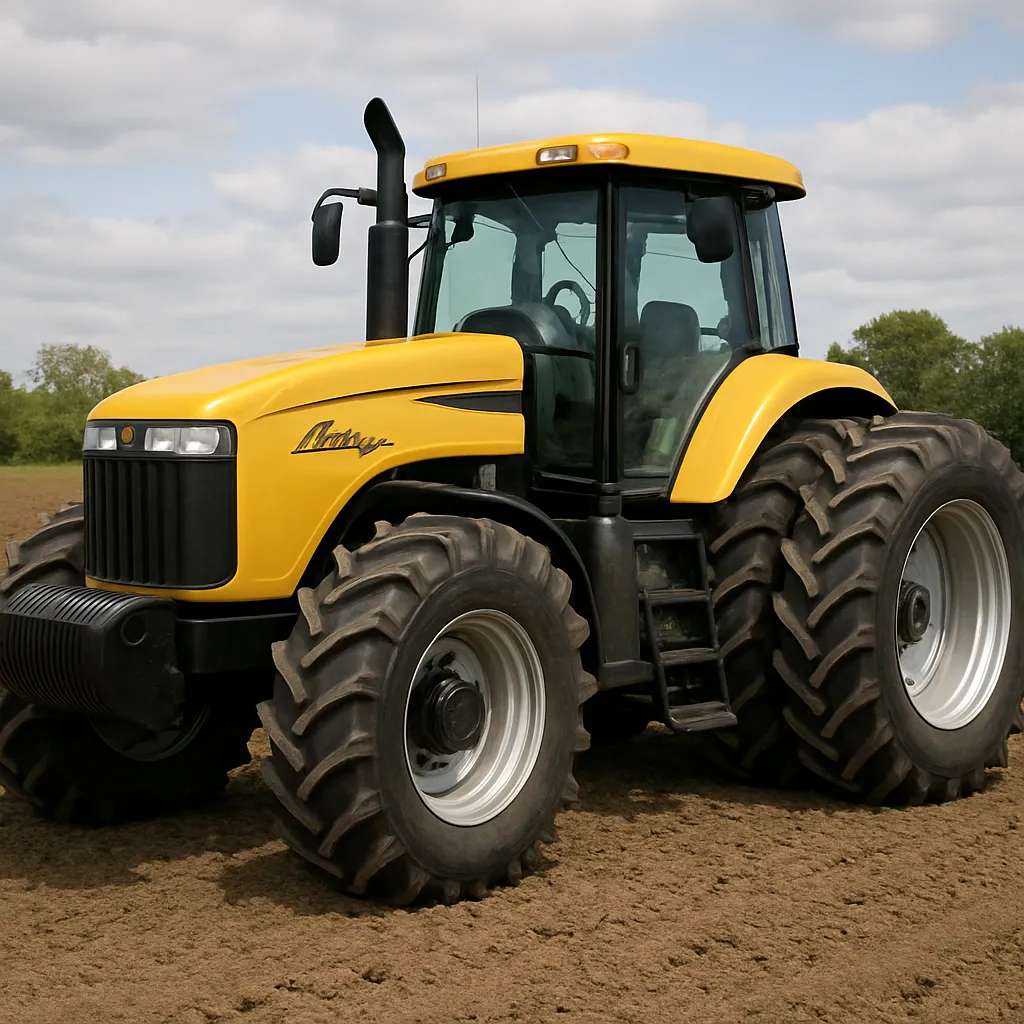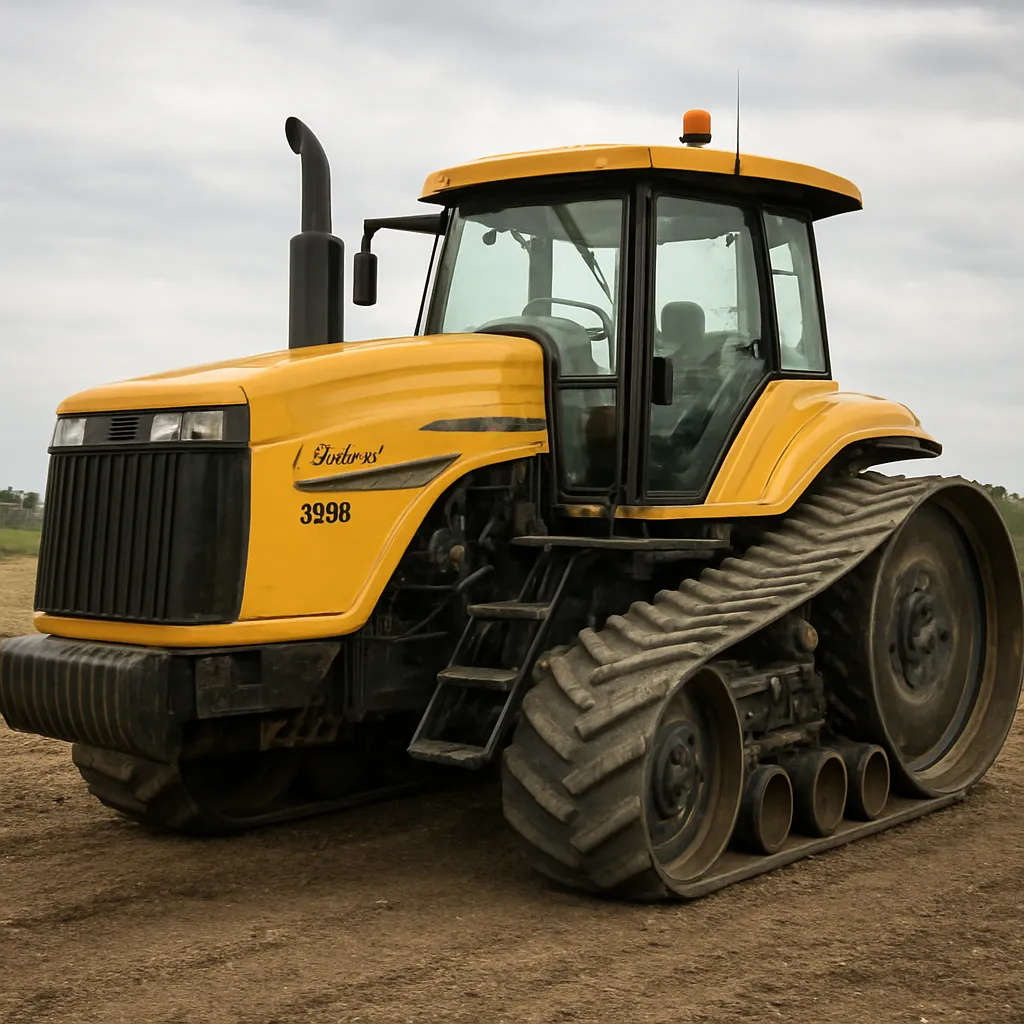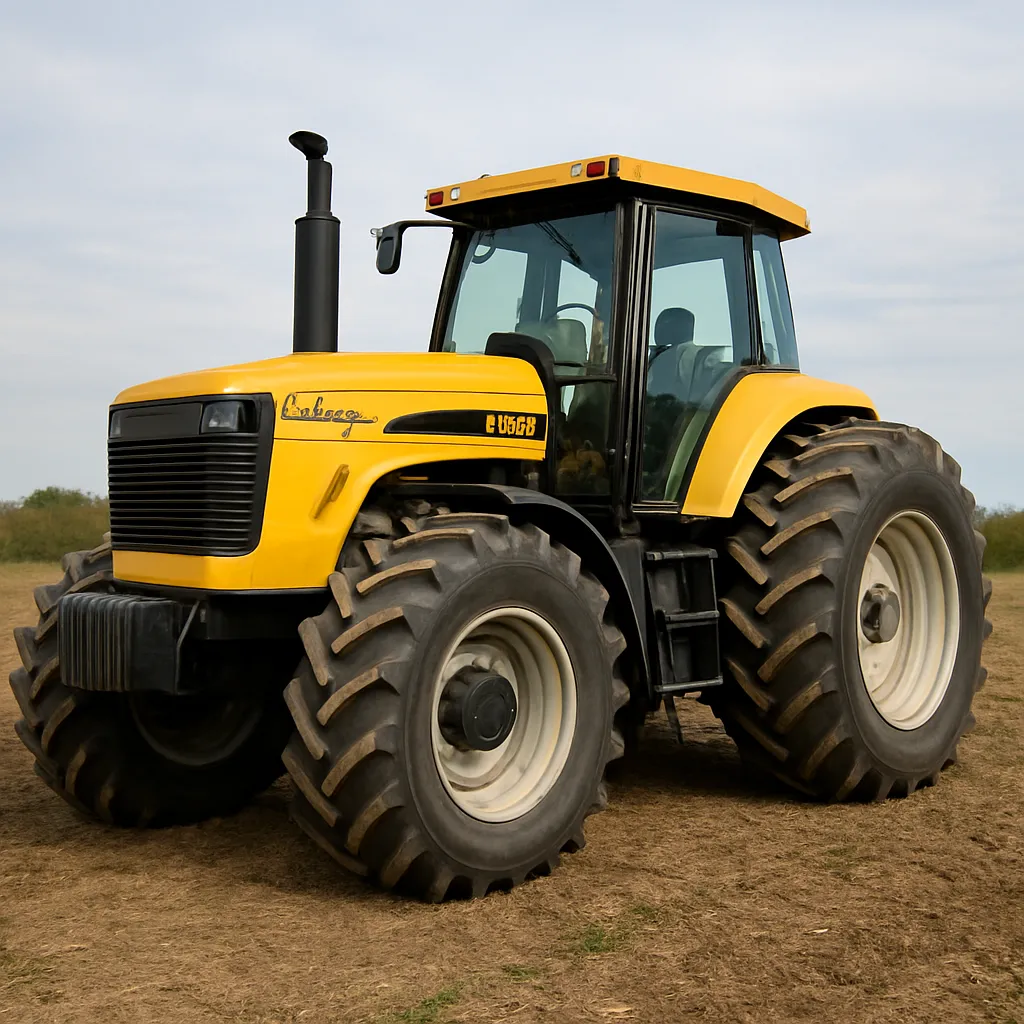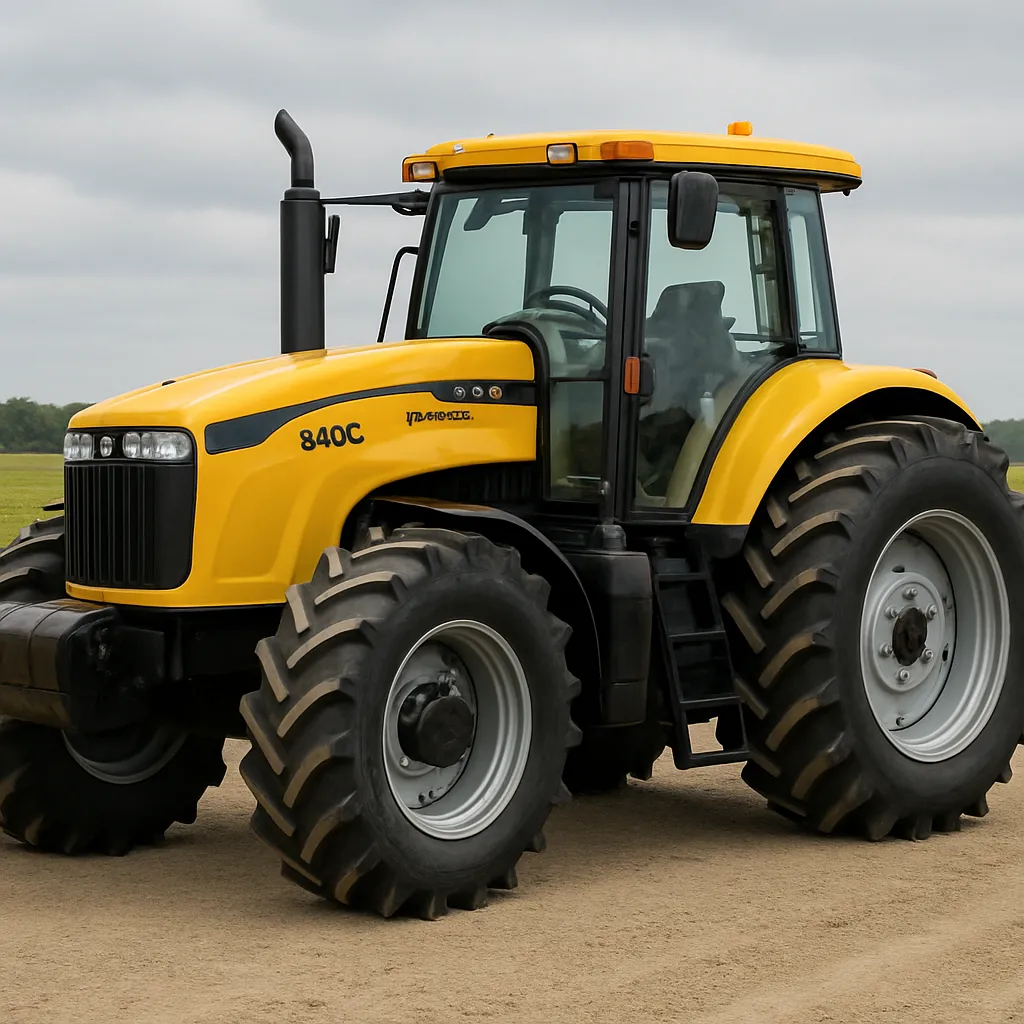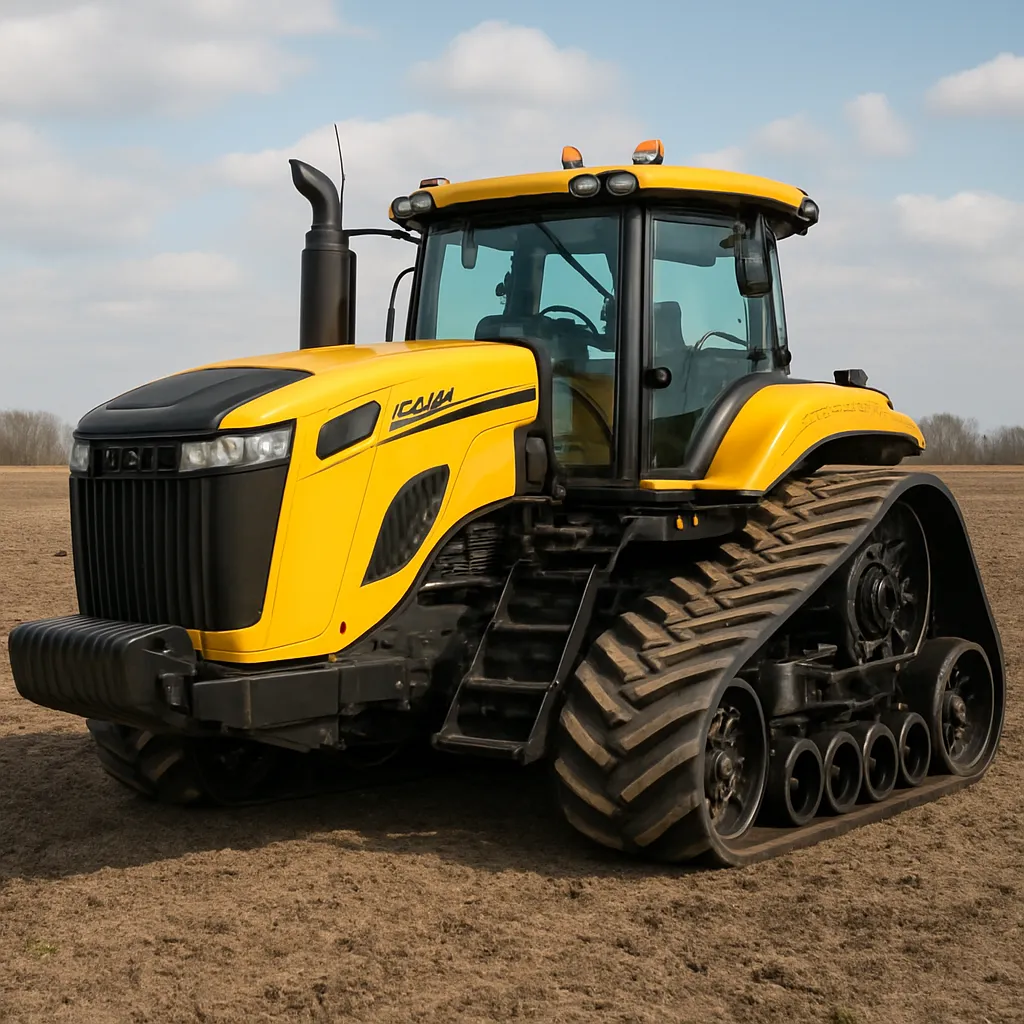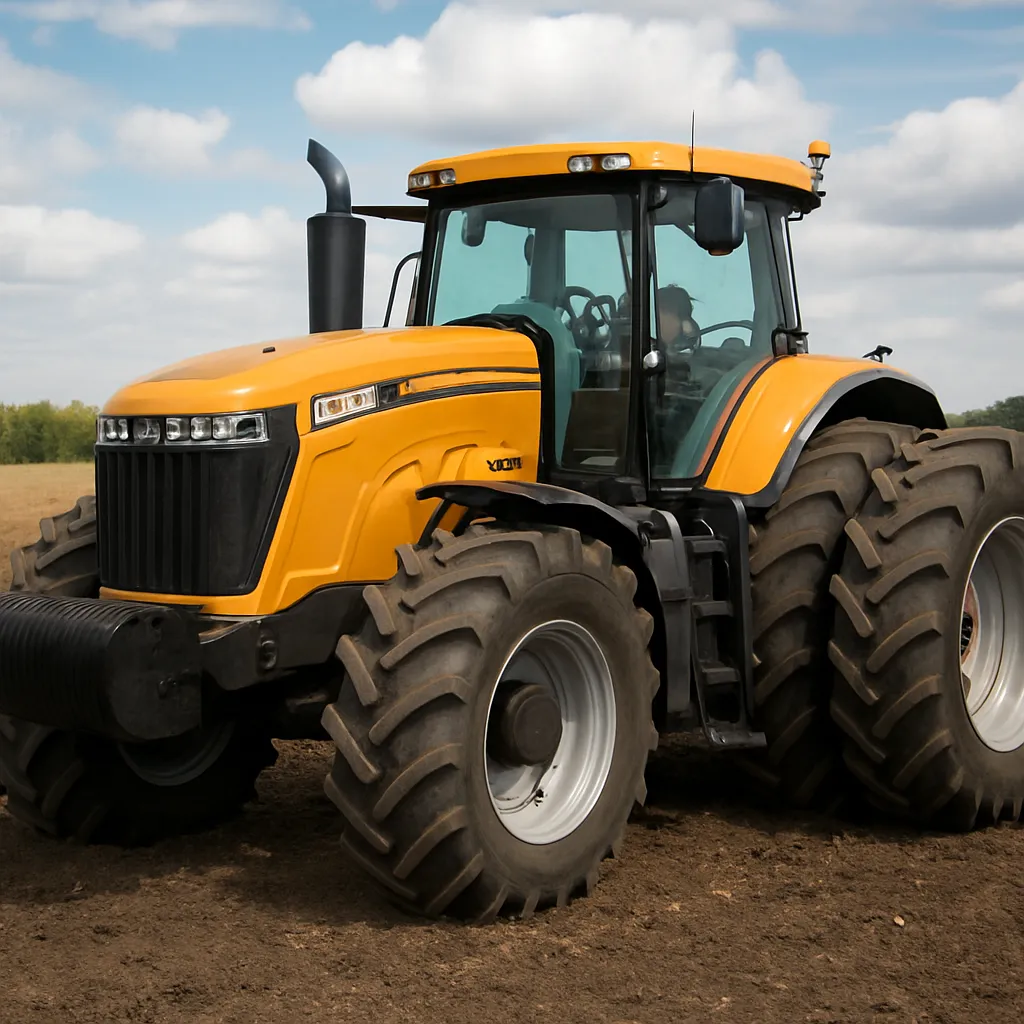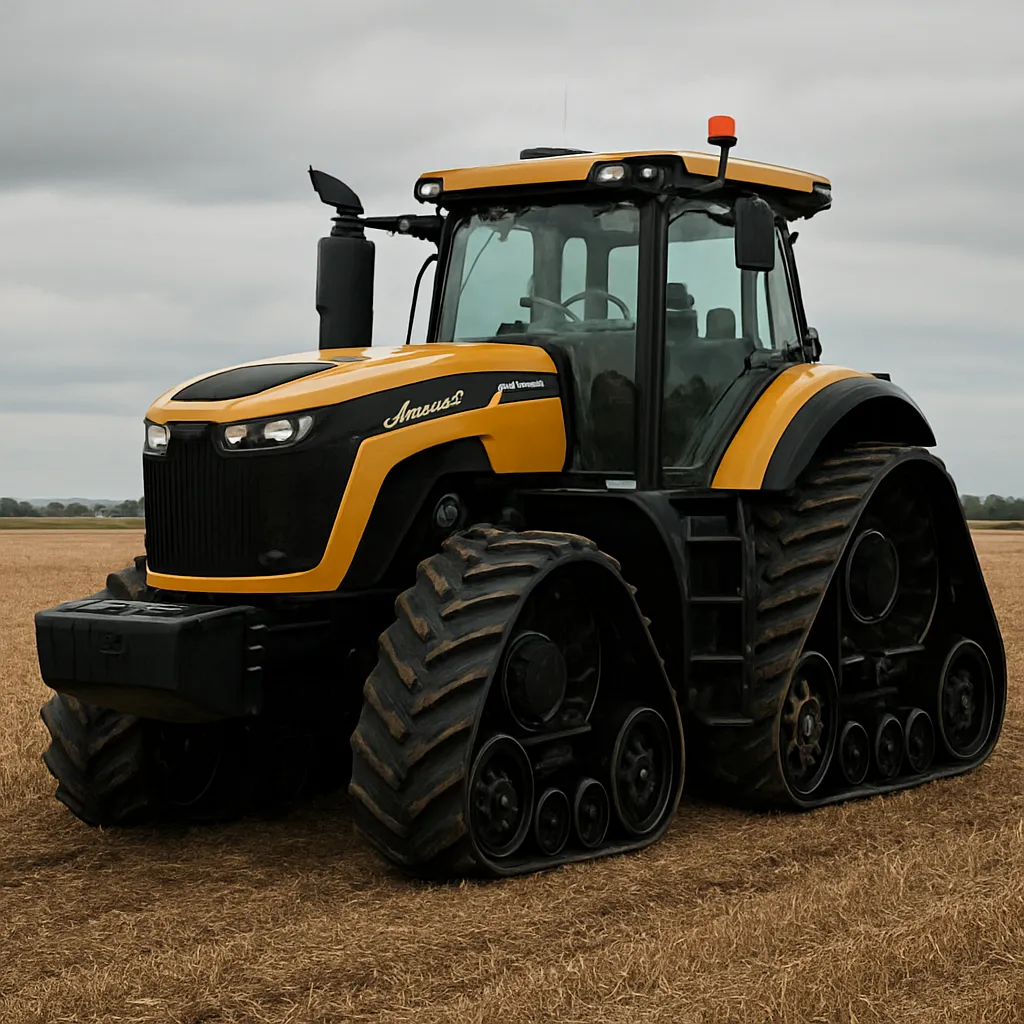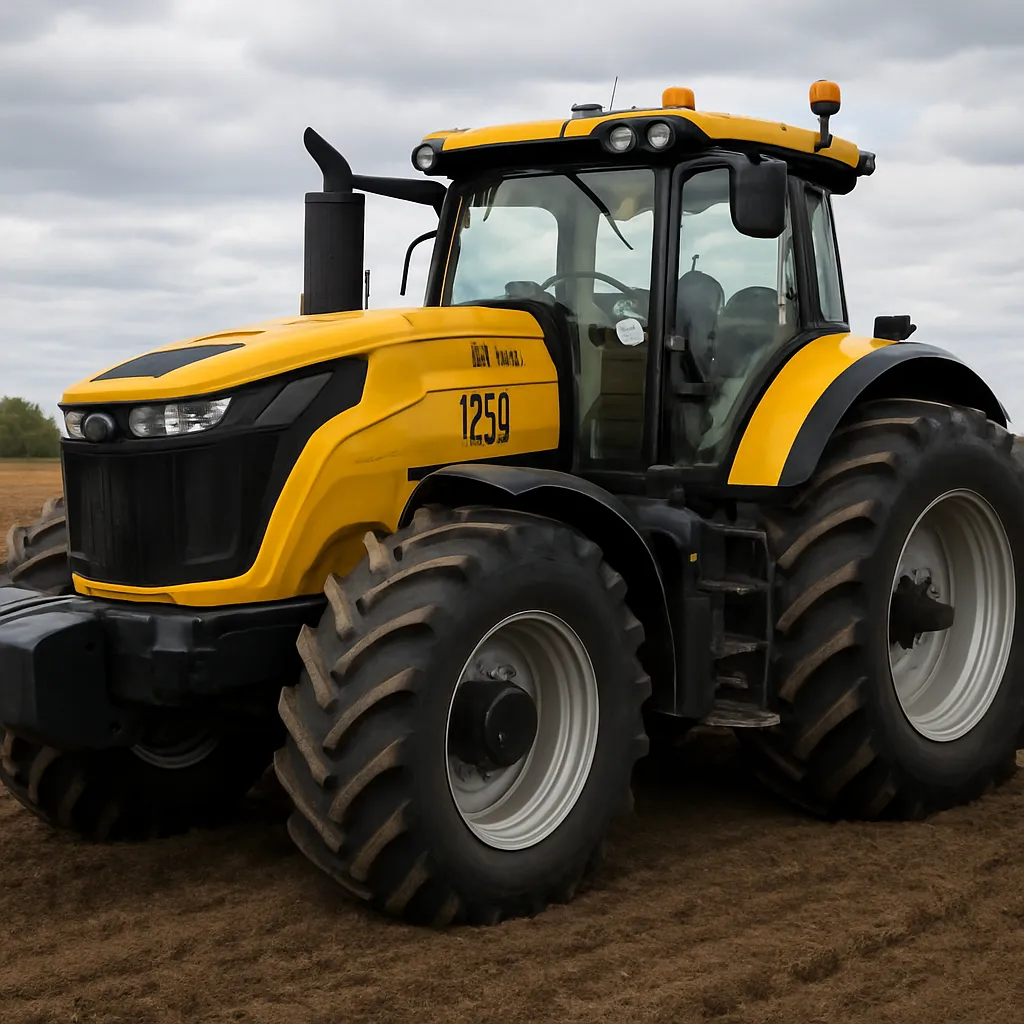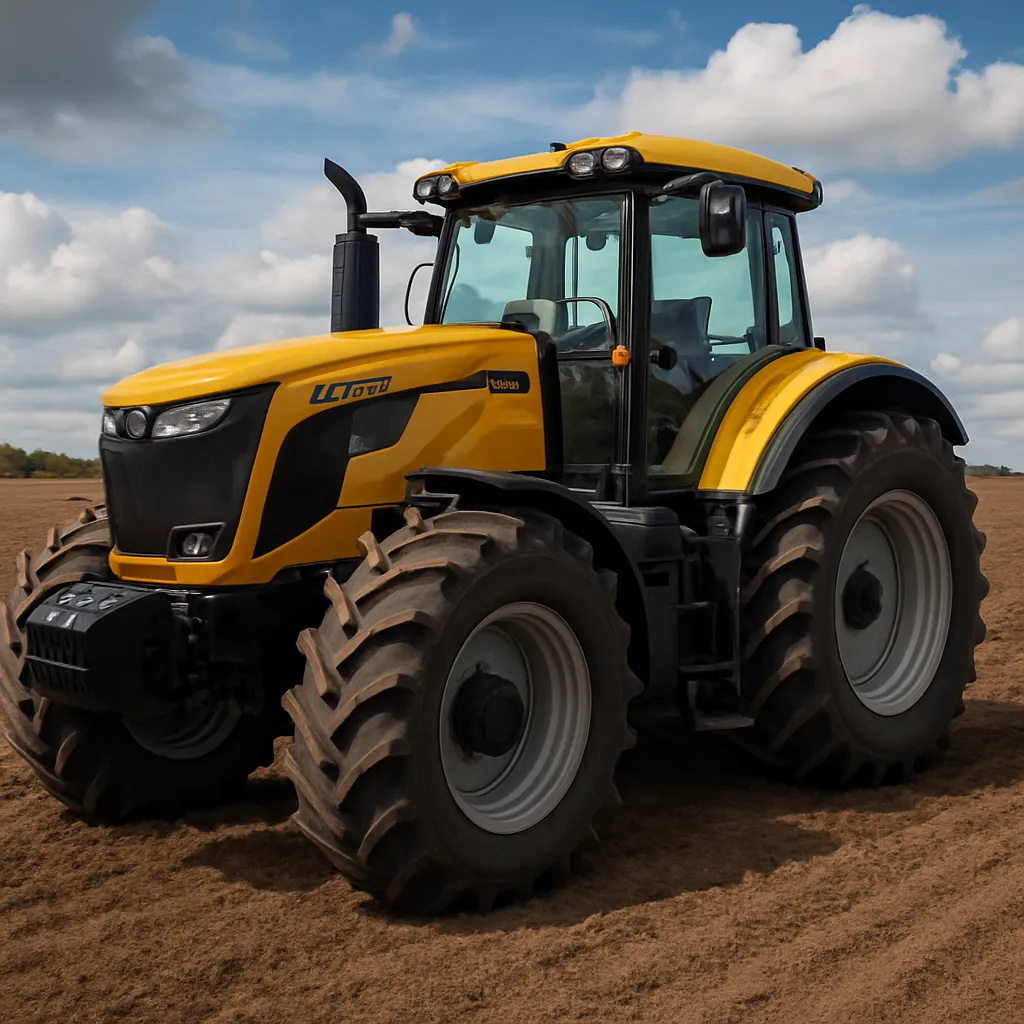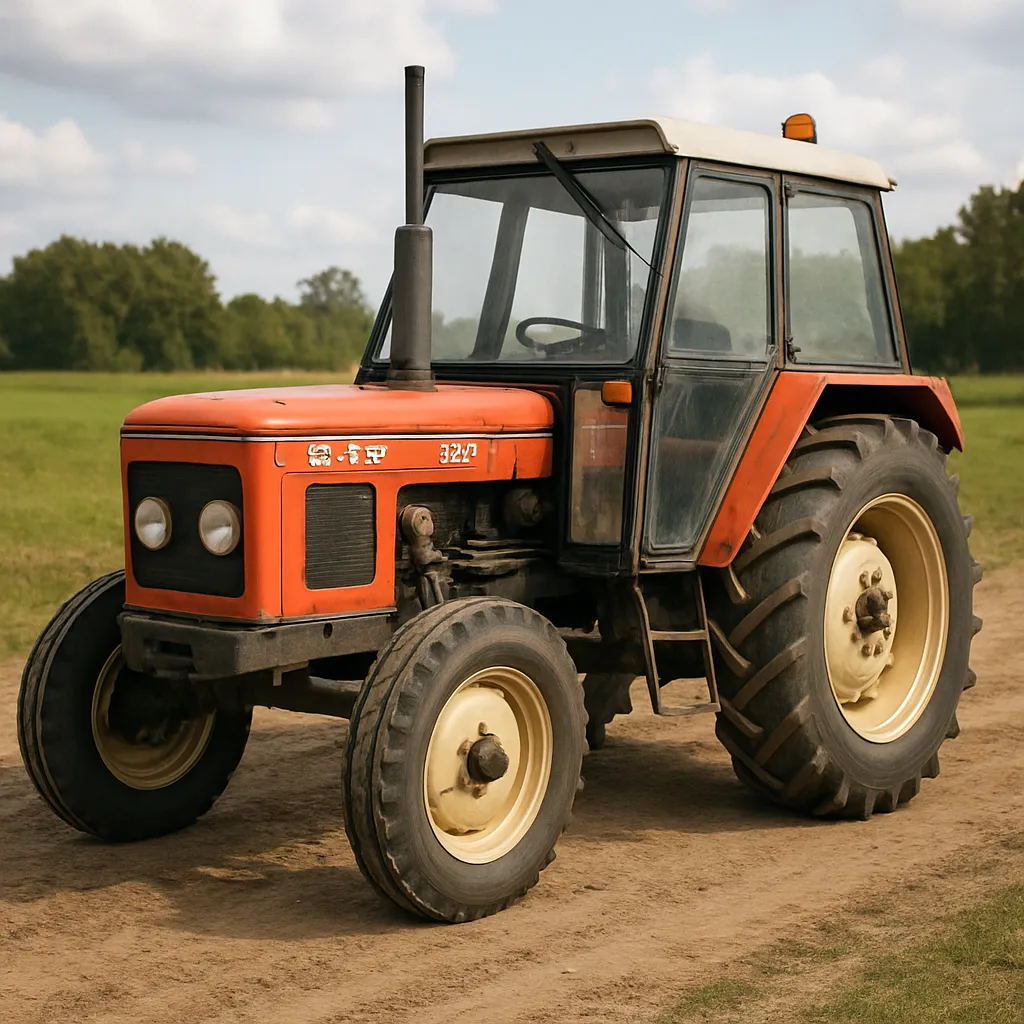
The Zetor 2040 is a compact, workhorse tractor popular in small and medium-sized farms and for municipal uses across Europe and beyond. Combining a modest but dependable engine, simple mechanical systems, and a design aimed at long-term serviceability, the 2040 model has earned a reputation as a practical, cost-effective machine. This article reviews its technical characteristics, typical applications, economic considerations, maintenance tips, and broader market and historical context, providing both general guidance and specific information that may be useful to prospective buyers or users.
Design and technical characteristics
Basic architecture
The Zetor 2040 is built as a compact utility tractor with a front-engine, rear-wheel-drive or four-wheel-drive layout depending on the variant. Its overall design emphasizes accessibility and ease of repair: major components such as the engine, transmission, and hydraulics are arranged to facilitate routine service. Typical models are equipped with a robust three-cylinder diesel engine tuned to deliver economy and durability rather than extreme power.
Engine and performance
Although exact figures can vary by production year and regional configuration, the 2040 class is commonly associated with around 40 horsepower (roughly 29–40 hp depending on rating conventions and model updates). The diesel powerplant is usually turbocharged on later variants or naturally aspirated on earlier/simple versions. Displacement is commonly in the 2.5–3.0 liter range for similarly sized three-cylinder diesels, optimized for low-end torque important in fieldwork and PTO-driven tasks.
- Power: approx. 35–45 HP (nominal)
- Engine type: 3-cylinder diesel, mechanical or indirect injection on older versions
- Cooling: liquid-cooled
Transmission, PTO and hydromechanics
Transmissions on the 2040 family typically prioritize ruggedness and operator simplicity. Options often include a synchronized gearbox with several forward gears and a few reverse gears (common configurations include 8F/2R or 12F/4R), with some versions offering additional ranges or a partial powershift. A standard PTO (power take-off) delivering 540 rpm is a staple, and some variations include a 540/1000 rpm selectable PTO for more flexibility with implements.
- Transmission: synchronized manual gearbox, multi-range
- PTO: standard 540 rpm; some variants with 540/1000 rpm
- Hydraulics: open-center pump supplying steering, hitch, and auxiliary outlets
- Lift capacity: typically in the 1,200–1,800 kg range at the three-point hitch (approximate)
Dimensions, weight and fuel
Compact tractors like the 2040 are built to balance maneuverability and stability. Typical curb weight varies from around 1,700 kg to 2,300 kg depending on the presence of four-wheel drive, cab, and attachments. Fuel tanks commonly hold between 45 and 70 liters, providing several hours of continuous operation under normal loads.
Applications and typical uses
The Zetor 2040 is particularly well suited for a variety of light-to-medium agricultural tasks, municipal work, and general utility duties. Its combination of compact size and adequate power makes it a versatile choice for operations that require maneuverability in tighter spaces as well as the capacity to handle standard implements.
Farm and agricultural uses
- General tillage on small plots: light plowing, harrowing, and seedbed preparation using single- or two-furrow plows and rotavators.
- Crop care: cultivating, inter-row weeding, and spraying when equipped with a suitable boom or sprayer.
- Hay and forage operations: cutting with mowers, raking, and baling with compatible PTO-driven implements.
- Transport: moving trailers loaded with produce, feed, or materials around a farm.
- Orchards and vineyards: compact dimensions and lower horsepower make it suitable for many fruit-growing operations where larger tractors would be impractical.
Non-agricultural and municipal roles
- Municipal maintenance: mowing public green areas, plowing snow with front or rear-mounted blades, and street sweeping with attachments.
- Construction and landscaping: light loader work, grading small areas, and material handling.
- Small enterprise support: use on estates, nurseries, golf courses, and for light industrial towing.
The tractor’s adaptability depends largely on the range of attachments and implements available. With a front loader, the 2040 becomes suitable for bucket work, pallet handling, and light excavation. With rear-mounted implements it can operate mowers, seeders, sprayers and small balers, making it a multipurpose machine for mixed-use operators.
Advantages, strengths and practical considerations
Reliability and simplicity
One of the most frequently cited strengths of the 2040 and similar Zetor models is their mechanical simplicity. The absence of overly complex electronics in many versions contributes to a lower cost of ownership and easier troubleshooting. This mechanical straightforwardness supports field reliability and makes the tractor attractive to users in regions where access to dealer-level diagnostics may be limited. The 2040’s reputation for reliability and long service life under proper maintenance is a key selling point.
Cost-effectiveness
Purchase price, running costs, and resale value all tend to favor compact, well-proven tractors such as the 2040. Fuel consumption is reasonable for the horsepower class, and spare parts tend to be affordable due to commonality of components across the Zetor range and aftermarket support in many countries.
Operator comfort and ergonomics
Basic models aim at function-first ergonomics: clear controls, simple instrumentation, and good visibility. Higher-spec variants and later production models may include a cab with heating, ventilation, and optional sound insulation. Still, operator comfort is typically mid-range compared to modern premium tractors, so extended hours of operation might be more comfortable in upgraded cabs or with after-market seats and suspension upgrades.
Maintenance, operation and longevity
Routine maintenance schedule
- Daily/weekly: visual inspection, check fluid levels (engine oil, coolant, hydraulic oil), tire pressure, and visible leaks.
- Every 50–200 hours: engine oil and filter changes depending on usage; fuel filter replacement as recommended; air filter inspection and cleaning.
- Seasonal or every 500 hours: hydraulic oil and filter checks, gearbox oil inspection, PTO and clutch adjustment checks, and battery maintenance.
- Major service 1,000–2,000 hours: valve clearance checks, injector servicing where applicable, and overhaul items if signs of wear appear.
Adherence to a regular maintenance program extends the service life significantly. Given the tractor’s straightforward layout, many routine tasks can be performed by competent local mechanics, reducing downtime and cost.
Common issues and troubleshooting
Common wear points include clutch wear (depending on heavy PTO usage), hydraulic seals subject to aging, and general wear on transmission synchromesh if frequently mis-shifted. Cooling system maintenance is important to avoid overheating during heavy drawbar or loader work. Ensuring clean fuel and good-quality oil will prevent premature injector or turbocharger wear in turbocharged variants.
Attachments, implements and modularity
One of the 2040’s strengths is being a platform that supports a wide range of tools. Because it sits in the compact utility segment, it pairs well with implements designed for small- to medium-scale farming and municipal service.
- Front loaders and pallet forks — for materials handling and light earthmoving.
- Rear three-point implements — plows, harrows, seeders, mowers, and rotary tillers.
- PTO-driven equipment — balers, mowers, post-hole augers, and wood chippers.
- Backhoes and diggers — for landscaping and occasional excavation work.
- Snow blowers, front blades and salt spreaders — for winter municipal duties.
Choosing the correct category of implements expands the tractor’s versatility and overall value to the owner. Many aftermarket suppliers and local implement manufacturers produce compatible equipment, allowing operators to tailor the 2040 to their specific workload.
Historical context and market position
Zetor is a Czech tractor manufacturer with roots dating back to the mid-20th century. The company built a reputation for making durable, no-nonsense agricultural machines for domestic and international markets. The 2040 belongs to a family of compact utility tractors intended to fill the needs of smaller farms and municipal fleets. Its market position competes with other compact tractors from brands such as New Holland, Massey Ferguson, John Deere (smaller series), and local manufacturers who aim at affordability and robustness.
Used market and resale considerations
On the used market, the 2040 is often sought by buyers looking for an inexpensive and dependable work tractor. Prices vary by condition, hours of operation, and included attachments; well-maintained examples with low hours and a cab fetch higher prices. The availability of spare parts from Zetor and independent suppliers tends to support reasonably stable resale values in regions where the brand is established.
Environmental, safety and modernization trends
Emissions and modern regulations
Older 2040 units may not meet the latest emissions standards in some jurisdictions without retrofitting. Operators in areas with strict environmental regulations should consider emission upgrades or seek later-model tractors that comply with current Stage/ Tier emission rules. Retrofits can include improved exhaust after-treatment or replacing open-system engines with more modern powerplants in refurbishment programs.
Safety features and operator protection
Basic safety features include rollover protection structures (ROPS), seat belts, lighting for road transport, and clear sightlines. For tasks requiring more operator protection, factory or aftermarket cabs with heating and climate control are available on some units. Maintaining working brakes, proper lighting, and functional PTO shields is essential for safe operation.
Electrification and future upgrades
The tractor industry is exploring hybrid and electric solutions, especially for low-speed, high-torque applications typical of agricultural use. While the 2040 itself is a legacy mechanical design, owners and small fabricators have adapted similar compact tractors with electric-assist systems or auxiliary electric drives for specialized uses. These modifications are not standard and require careful engineering review.
Conclusion
The Zetor 2040 is a pragmatic choice for users who need a compact, sturdy, and adaptable tractor without paying for advanced electronics or premium features. It thrives in small farms, orchards, landscaping businesses, and municipal maintenance roles thanks to its combination of moderate horsepower, solid mechanical systems, and broad support for attachments. The model’s long-term appeal derives from reliability, easy serviceability, and an economical ownership profile when properly maintained. Prospective buyers should assess individual machine condition, service history, and local parts availability, and consider potential upgrades to meet current emissions or comfort expectations. For many users, the Zetor 2040 remains a highly functional machine that balances cost, performance, and durability effectively.