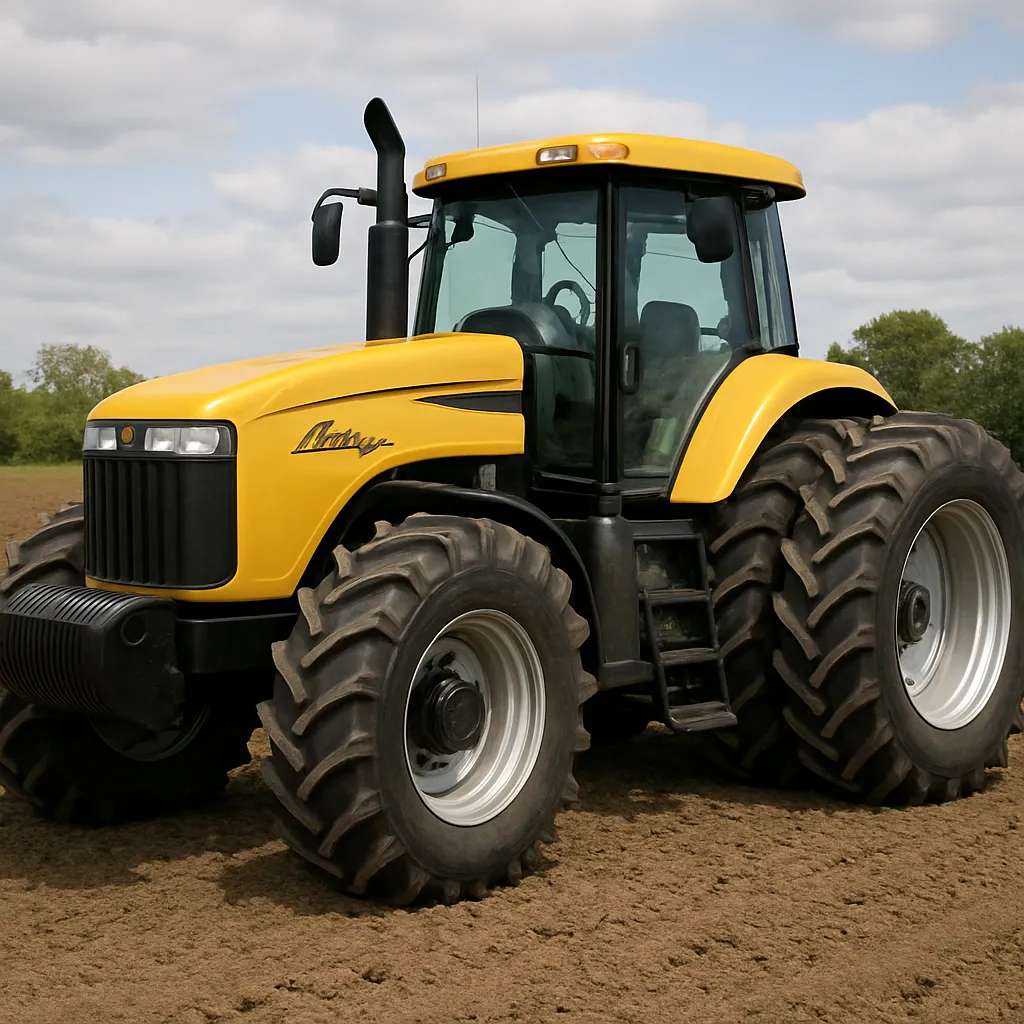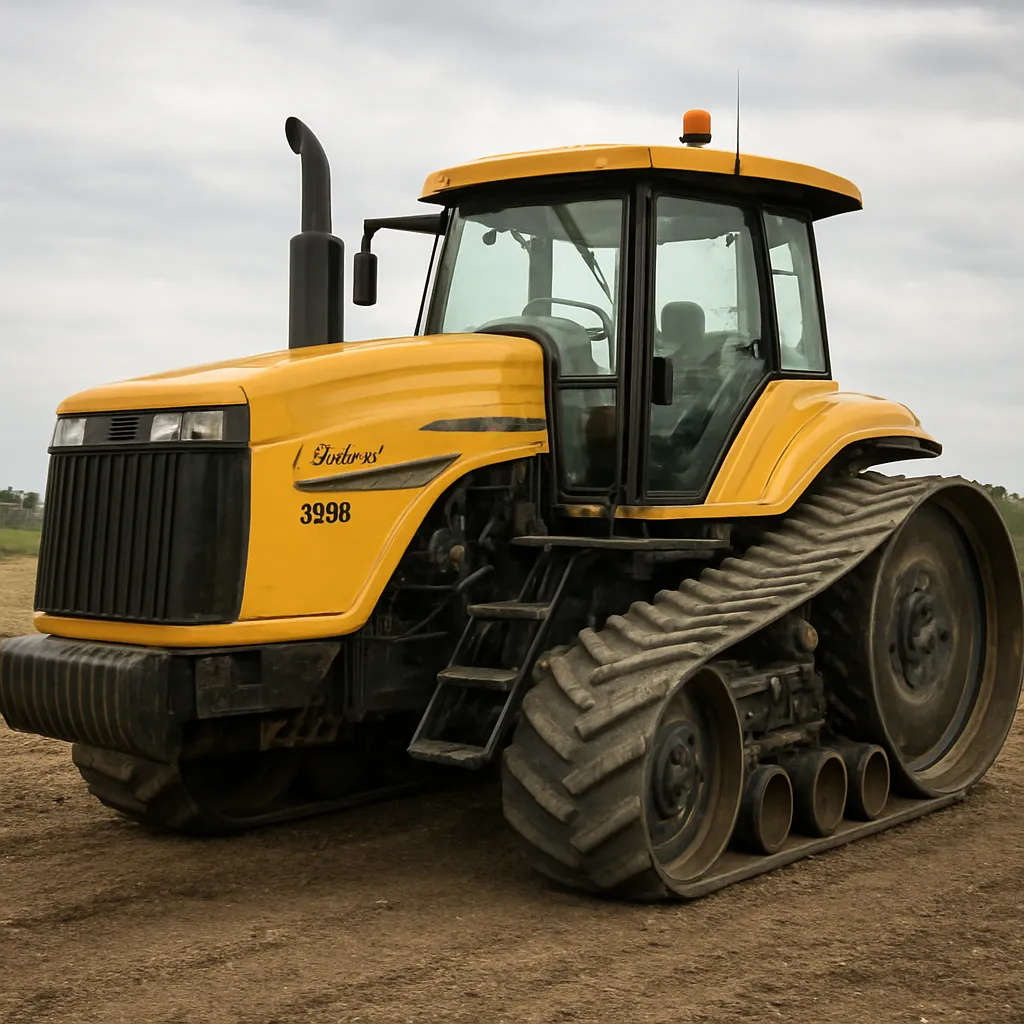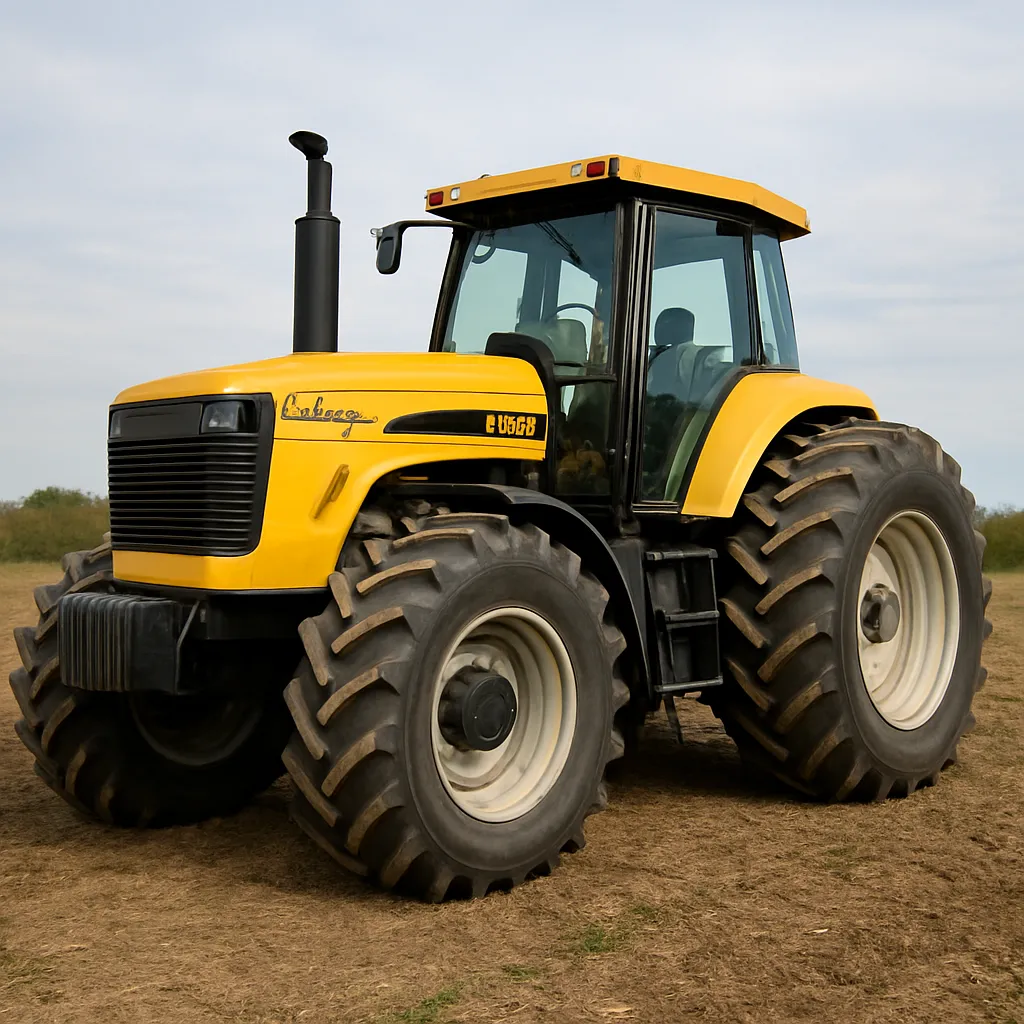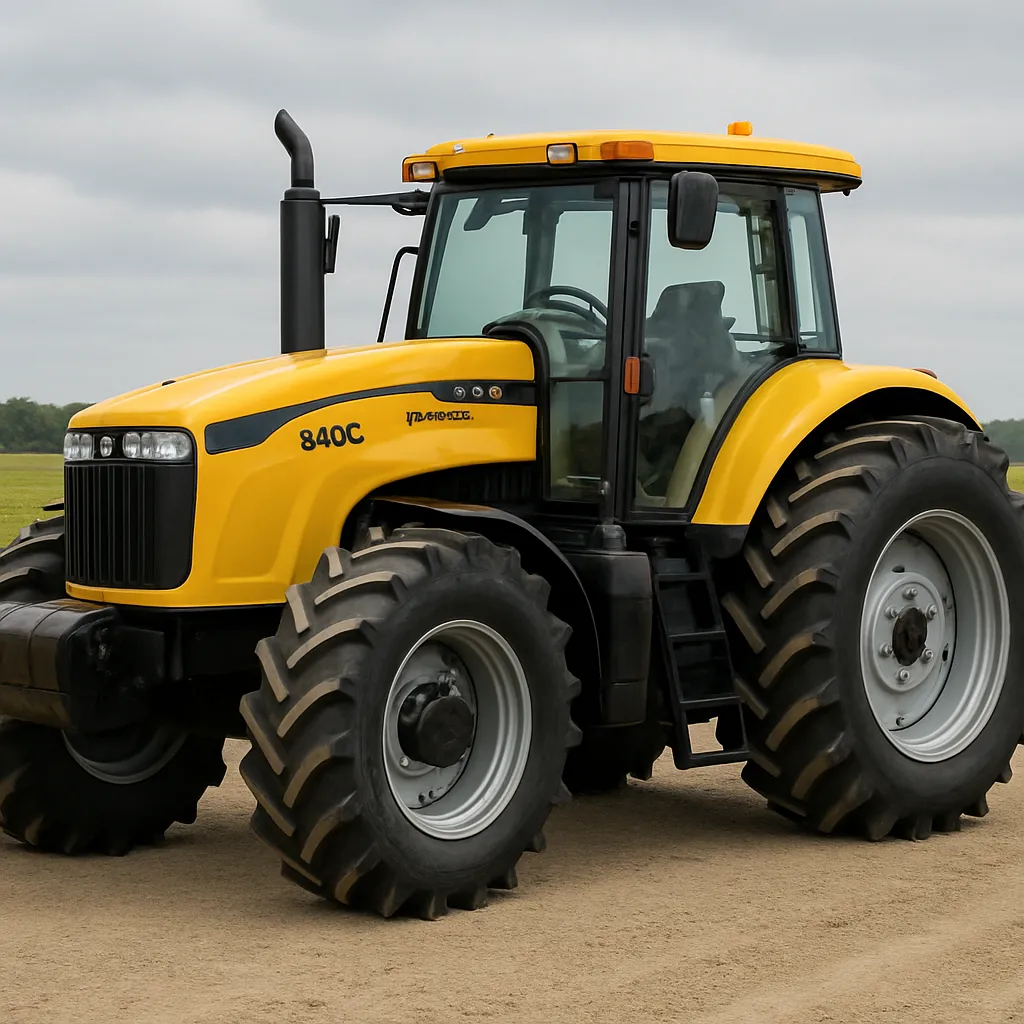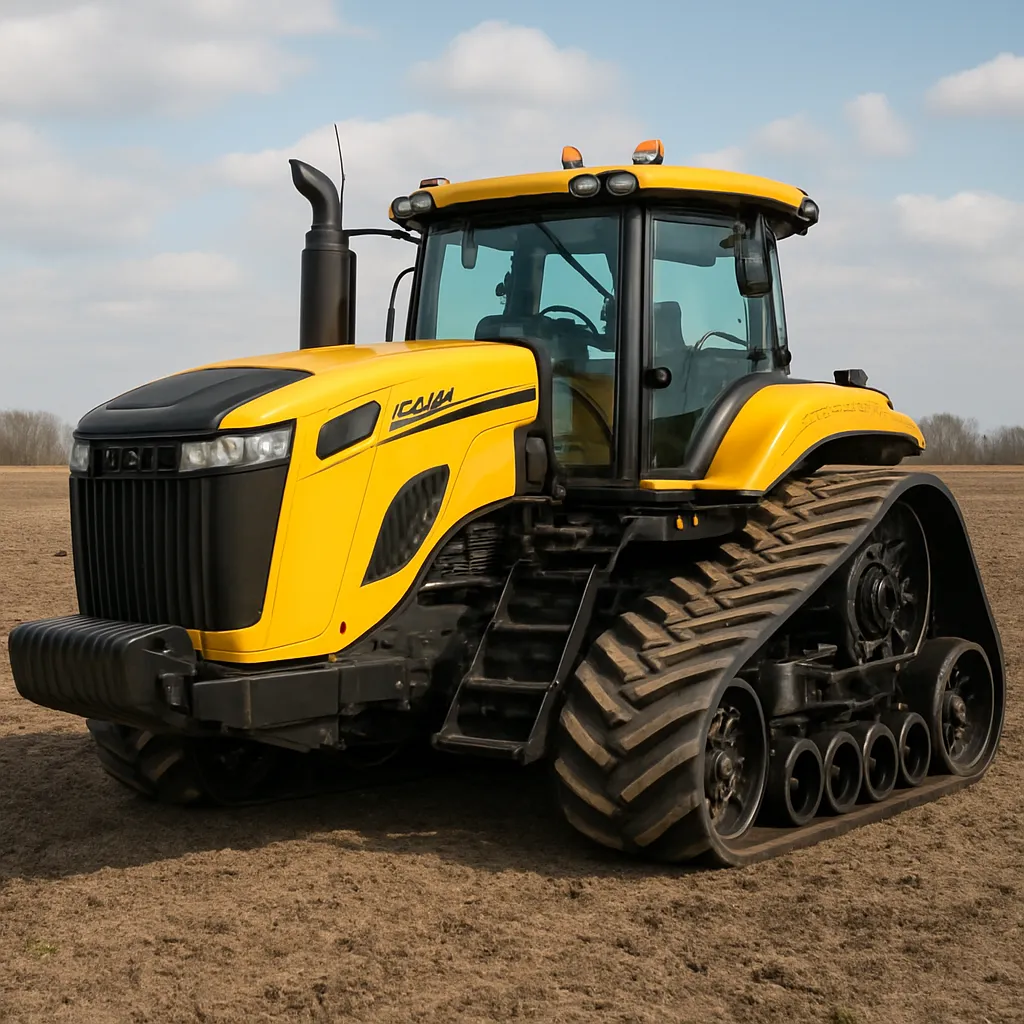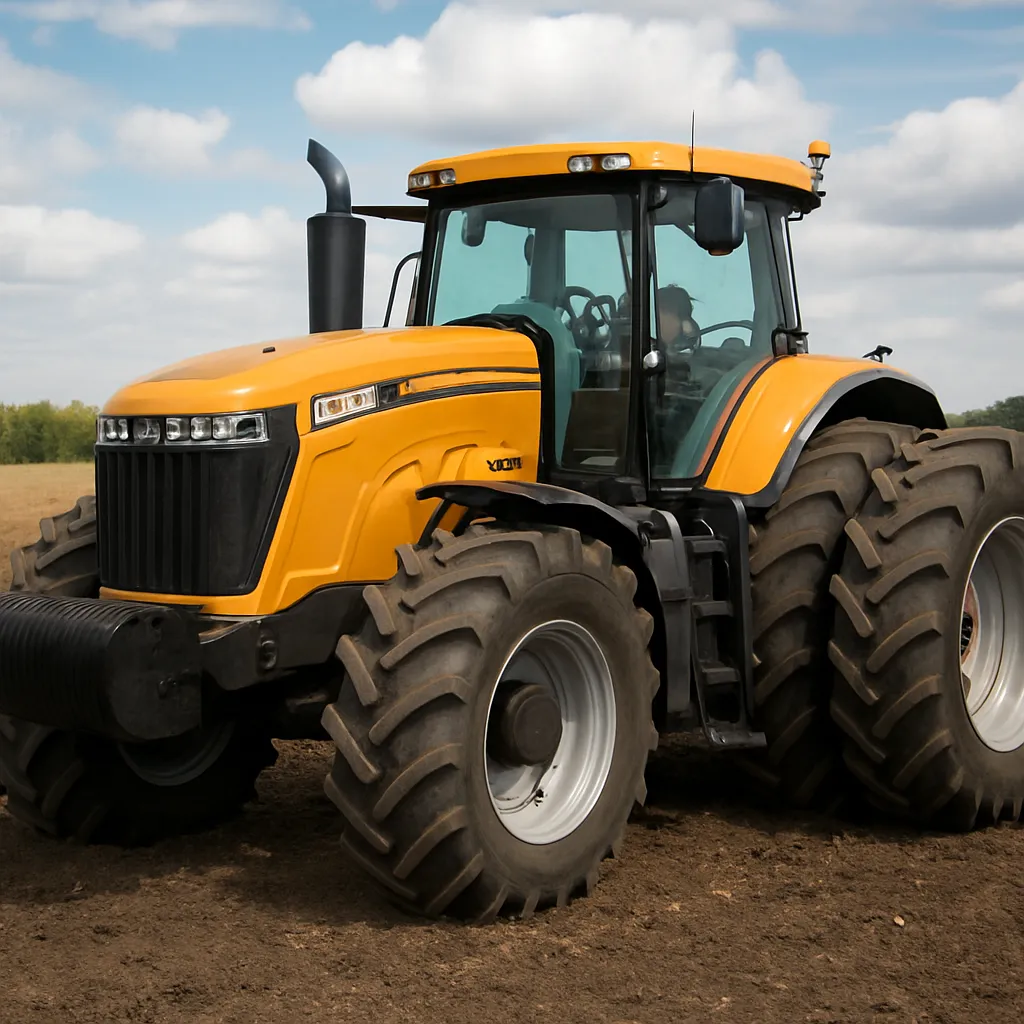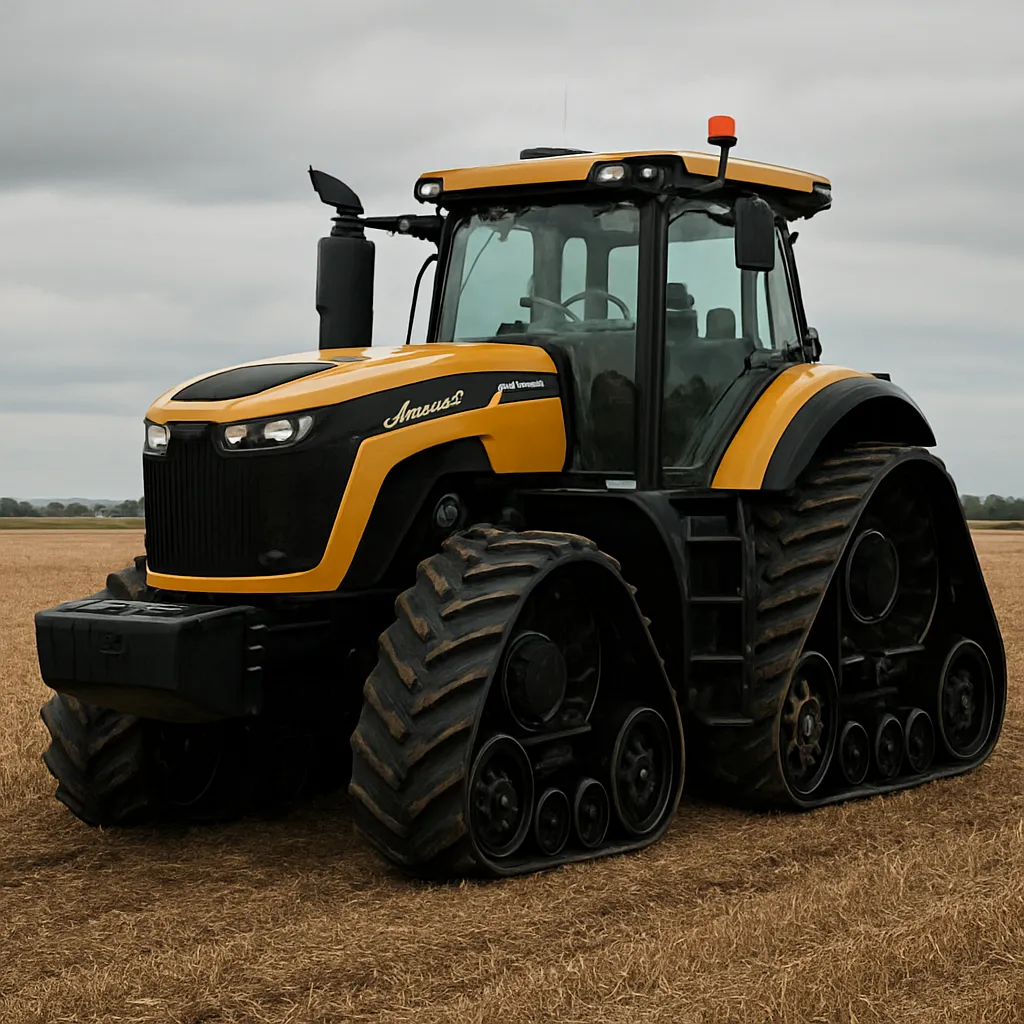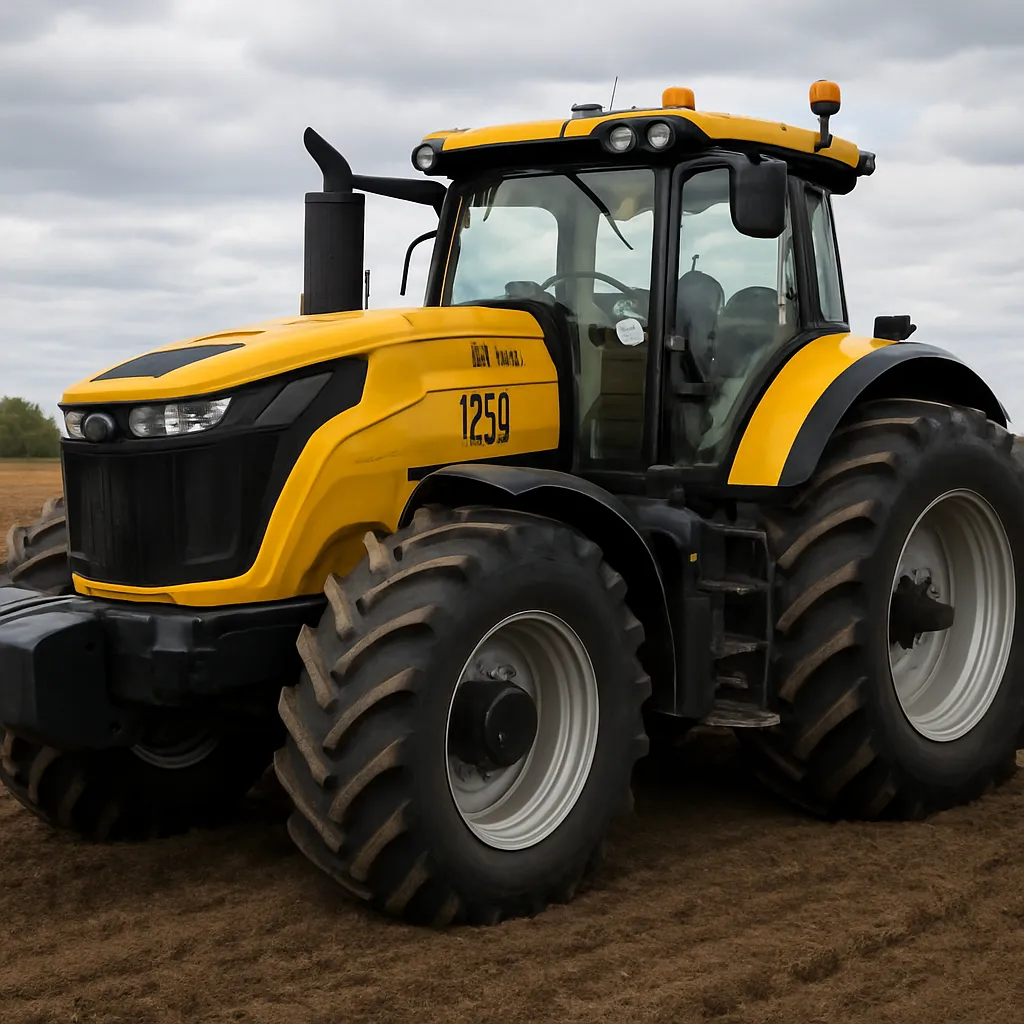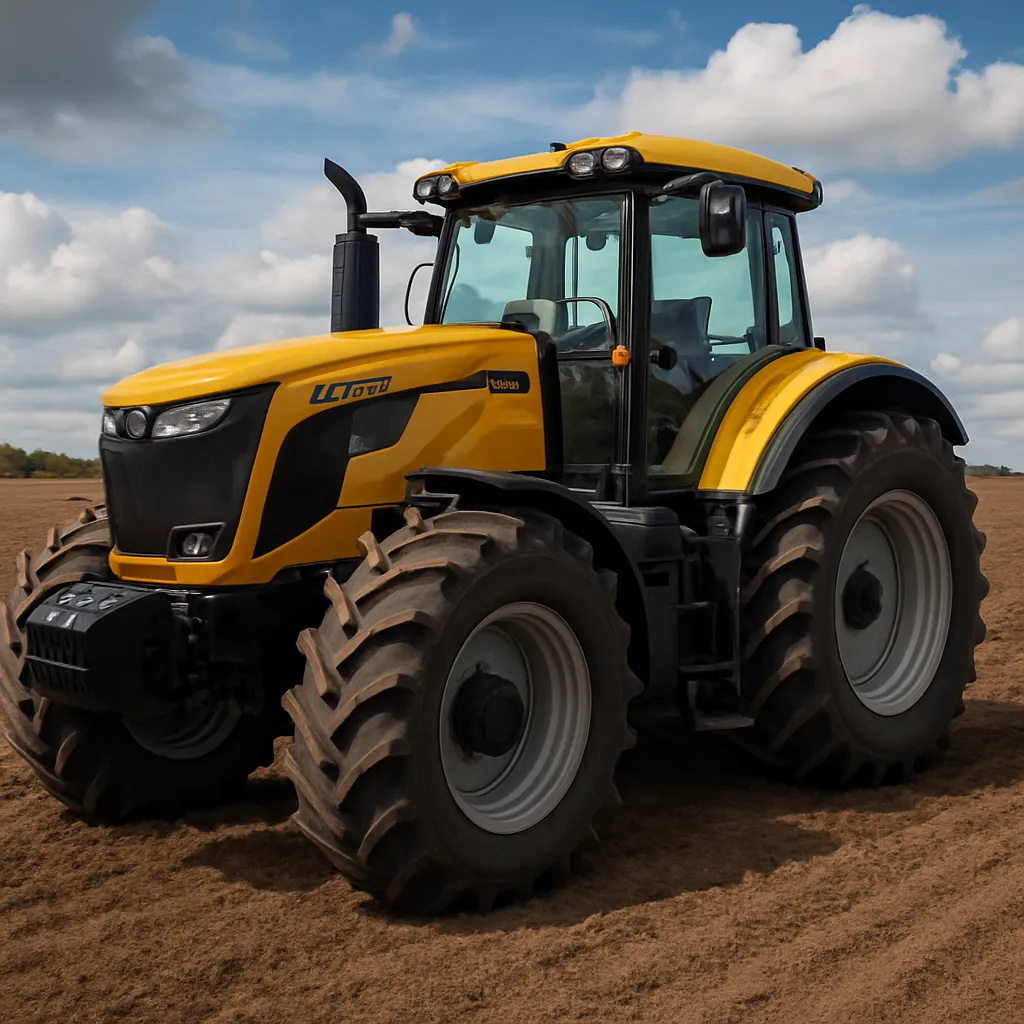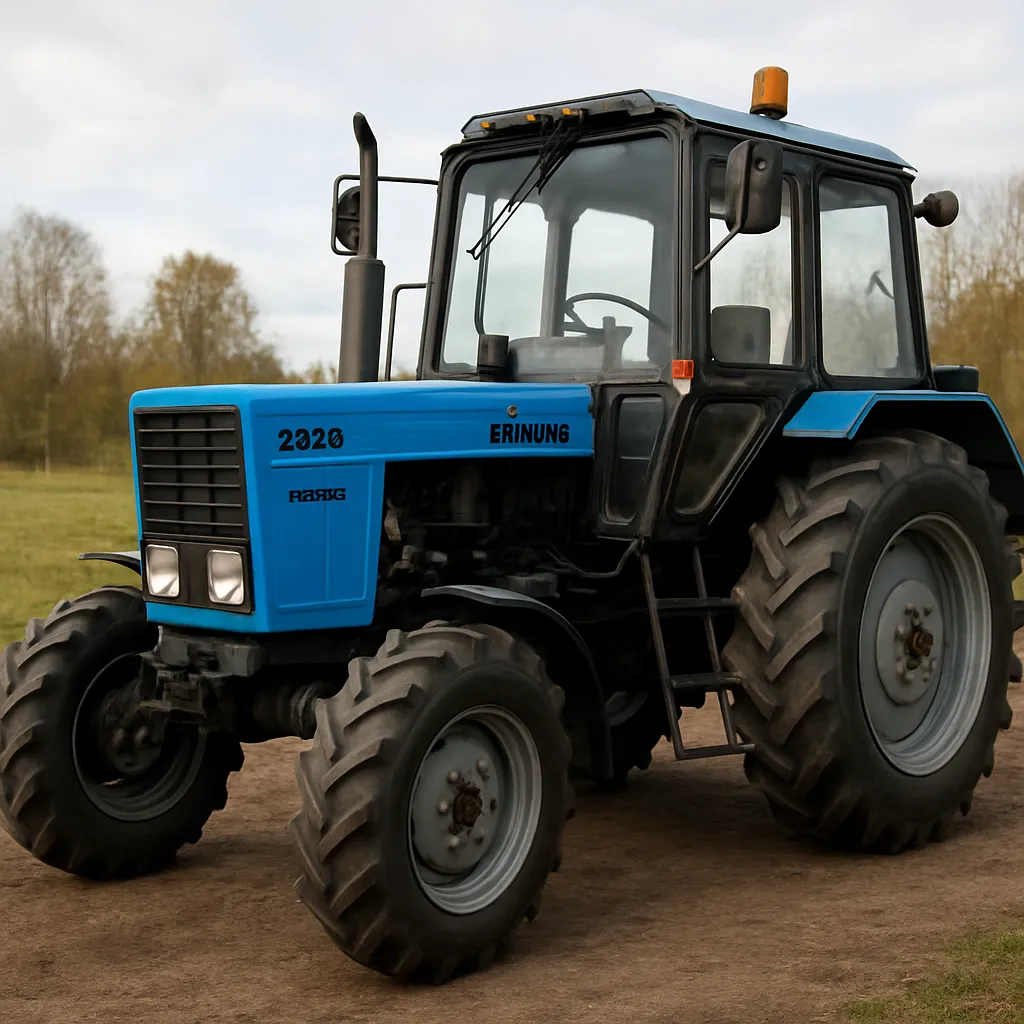
The Belarus 2020 Turbo is a compact-to-medium utility tractor produced by Minsk Tractor Works (MTZ), designed to bridge everyday agricultural tasks and specialized fieldwork with a focus on robustness and simple serviceability. As a turbocharged variant in the Belarus family, the model emphasizes increased low-end torque and improved performance under load, making it a popular choice for small farms, contractors, and municipal services. The following article explores the tractor’s design, typical specifications, practical applications, market presence, and operational considerations, providing useful insights for farmers, fleet managers, and equipment enthusiasts.
Design and technical specifications
The Belarus 2020 Turbo is engineered to balance functionality, durability, and affordability. Its architecture follows MTZ’s longstanding design philosophy: a strong mechanical backbone, easily accessible service points, and compatibility with a wide range of implements. While configurations vary with market and year of production, some recurring technical themes and values distinguish this model.
Engine and drivetrain
- Engine type: Four-cylinder diesel with direct injection and turbocharging. The turbocharger enhances air charge density to increase power and improve combustion efficiency under load.
- Typical rated power: Depending on tuning and regulatory variants, the rated engine output commonly falls in the range of about 80–110 hp (60–82 kW). These values depend on the specific version and certification for local markets.
- Torque characteristics: The turbocharged design delivers improved low-end torque, which helps during heavy draft operations (plowing, harrowing) and when driving accessory pumps or high-draw implements.
- Transmission: Manual synchromesh (multi-range) and optional powershift or crawler variants in some markets. The gearbox is usually rugged with multiple forward and reverse speeds for versatility in field and road work.
- PTO options: Standard 540 and optional 1000 rpm PTO speeds are often available, allowing operation of a broad array of implements. The hood and rear structure accommodate both independent and transmission-driven PTO layouts across different variants.
Hydraulics, hitching and chassis
- Hydraulic system: Open-center systems with a main gear pump and spool valves; lifting capacity at the hitch generally ranges from 1,600 kg to 2,500 kg depending on configuration and installed lift rams.
- Three-point hitch: Category II or mixed-category designs are common, with standard lower link spacing to match commonly used implements in small and medium farms.
- Brakes and steering: Mechanical or hydromechanical systems designed for reliability in rough conditions. Power steering is typical on turbo variants to reduce operator fatigue.
- Chassis and weight: Kerb weight typically falls between 3,200 kg and 4,200 kg, which provides a stable platform and traction while remaining transportable on trailers and farm roads.
Note: exact numbers depend on the production year, emission controls, and customer-selected options. Always check the manufacturer’s specification sheet for the particular serial number or variant before procurement or major repairs.
Applications and typical use cases
The Belarus 2020 Turbo is a multipurpose workhorse. Its combination of moderate power, sturdy build and manageable dimensions make it suitable for a wide range of tasks across different agricultural and non-agricultural settings.
Agricultural applications
- Tillage: Suitable for light to medium plows, cultivators and harrows on small to medium-sized fields. The boosted torque from the turbo helps in maintaining consistent pull in varying soil conditions.
- Sowing and planting: Compatible with seed drills, planters and precision seeders commonly used on family farms and cooperatives.
- Crop care: Used for spraying, fertilization and mechanical weed control when fitted with appropriate boom sprayers and tanks or mounted tools.
- Transport and haulage: Front loader and trailer combination for moving crops, feed, or farm inputs around the yard and to market.
Non-agricultural and municipal uses
- Construction and landscaping: Loader buckets, dump trailers and compact excavator attachments allow the 2020 Turbo to perform earthmoving, grading and material handling.
- Municipal maintenance: Street sweeping, snow clearing (with blades and blowers), and roadside mowing are common uses for municipalities that require reliable equipment year-round.
- Specialist attachments: Post-hole diggers, wood chippers, and salt spreaders expand the utility beyond standard farm chores.
Across these applications, the tractor’s strong points are its mechanical simplicity, ease of service, and the broad range of compatible implements available from both MTZ and aftermarket suppliers.
Performance, fuel consumption and emissions
The Turbo version of the Belarus 2020 aims to balance fuel efficiency with usable power under load. Turbocharging improves air delivery to the cylinders, permitting better fuel combustion and increased torque without significantly raising displacement.
- Fuel consumption: Typical in-field specific fuel consumption can vary widely by duty cycle, but representative values under mixed field tasks often lie in the neighborhood of 210–260 g/kWh. Transport and light-duty tasks will often be significantly lower on a per-hour basis.
- Top speed and economy: Road speeds depend on gearbox ratios; many utility tractors in this class can achieve road speeds of 25–40 km/h in higher ranges, with fuel economy optimized by selecting appropriate gears and maintaining correct tire pressure.
- Emissions: Older production models may not meet the latest emission standards (Stage V / Tier 4 Final) without aftertreatment. Newer variants sold in regulated markets often include diesel oxidation catalysts (DOC) or selective catalytic reduction (SCR) to comply with local norms.
For fleet managers, it’s important to match tractor spec to task to avoid operating a tractor at suboptimal loads (too light or too heavy) which can degrade fuel economy and component life.
Maintenance, servicing and reliability
One of the long-standing advantages of MTZ machines is a pragmatic approach to serviceability. The Belarus 2020 Turbo emphasizes ease of maintenance so that small-scale farmers and local mechanics can perform routine work without specialized equipment.
- Service intervals: Oil and filter change intervals typically follow hours-of-operation schedules (e.g., oil every 200–400 hours), while air filter and fuel system checks are recommended more frequently in dusty conditions.
- Common weak points and solutions: Turbocharged engines require attention to the intake and intercooler system—keeping them clean and free from oil contamination will preserve performance. Regular lubrication of transmission and PTO components helps avoid accelerated wear.
- Availability of parts: MTZ has a broad aftermarket network and parts are generally affordable and widely available in many regions, which contributes to the machine’s reputation for reliability.
- Operator training: Proper use of clutch, PTO engagement and lift controls extends service life—MTZ provides operator manuals and many regional dealers offer practical training sessions.
Routine maintenance and attention to simple details like coolant condition, belt tension and hydraulic fluid level are often enough to keep a 2020 Turbo running reliably for many years.
Market presence, production and statistical perspective
Minsk Tractor Works (MTZ) has been producing tractors for decades and the Belarus line is well-known across Eastern Europe, Central Asia, Africa and parts of Latin America. The 2020 Turbo fills a market niche where low acquisition cost and robust serviceability are more important than cutting-edge electronics or complex emissions aftertreatment systems.
- Production volumes: MTZ produces tens of thousands of tractors annually across its model range. Exact figures for a single variant like the 2020 Turbo depend on annual demand, exports and local assembly programs. Historically, Belarus-branded tractors represent a significant portion of MTZ’s output—especially in the 70–120 hp segment.
- Export and global footprint: Belarus tractors have a strong export orientation. Major markets include Russia, Ukraine, Kazakhstan, several African countries, and growing presence in some South American countries. The tractor’s affordability and simple maintenance make it attractive where technical support infrastructure for more modern machines is limited.
- Resale and lifecycle: Used Belarus tractors hold value reasonably well within their target markets because of durability and the availability of spare parts. Typical lifecycle for utility tractors in this class ranges from 10,000 to 20,000 operating hours if well maintained—actual lifespan depends heavily on duty cycle and maintenance history.
Because official, variant-specific global production statistics fluctuate and sometimes lack centralized reporting, interested buyers should consult regional dealers for the most accurate, current supply and warranty data.
Operator experience and practical tips
Users often praise the Belarus 2020 Turbo for its straightforward mechanical layout and satisfactory performance across a range of tasks. Below are operational tips that frequently surface among experienced owners and service technicians.
- Warm-up practices: Allowing a short warm-up period before heavy PTO usage or high-load fieldwork helps the turbocharger and oil reach operating temperatures, protecting bearings and seals.
- Attachment matching: Choose implements whose hitch class and power demand match the tractor’s rated lifting capacity and PTO power to avoid overloading the drivetrain.
- Tire selection and ballast: Correct tires and ballast arrangements maximize traction and fuel economy—especially critical for tillage and loader operations.
- Spare parts kit: Keeping a basic kit of consumables (filters, belts, seals) and a spare fuel/water separator can greatly reduce downtime in remote areas.
- Seasonal preparations: For snow and municipal work, retrofit with winterized fuel and batteries; for dusty harvest seasons, increase air filter checks and maintenance frequency.
Comparisons and purchasing considerations
When evaluating the Belarus 2020 Turbo against competitors from Western and Asian manufacturers, several themes arise:
- Cost of ownership: Acquisition cost is often lower than similarly powered Western models, and spare part costs remain competitive.
- Technology: Western tractors may offer more advanced electronics, automated guidance, and emissions controls—advantages if precision farming or strict emissions compliance is required.
- Service network: In regions where MTZ dealers are well-established, the Belarus 2020 Turbo can be the most practical choice. Where dealer support is limited, buyers should factor in logistics for parts and specialized service.
For buyers focused on simplicity, robust mechanics and a broad implement ecosystem, the Belarus 2020 Turbo remains a viable and often economical choice.
Summary and final thoughts
The Belarus 2020 Turbo is a pragmatic tractor designed to deliver dependable performance for small and medium-scale agricultural operations, contractor work and municipal services. Its turbocharged engine provides enhanced low-end torque and improved pulling power, while the chassis and hydraulic systems are tuned for versatility. Key selling points include straightforward maintenance, affordability and a widespread aftermarket for parts. Operators value its mechanical simplicity, which translates into long service life and straightforward repairs. When considering a purchase, match the tractor’s rated capabilities—PTO speed, hitch lift capacity and engine output—to the implements and tasks you intend to perform. Regular maintenance, correct ballast and appropriate attachments will help the Belarus 2020 Turbo deliver many years of effective service.