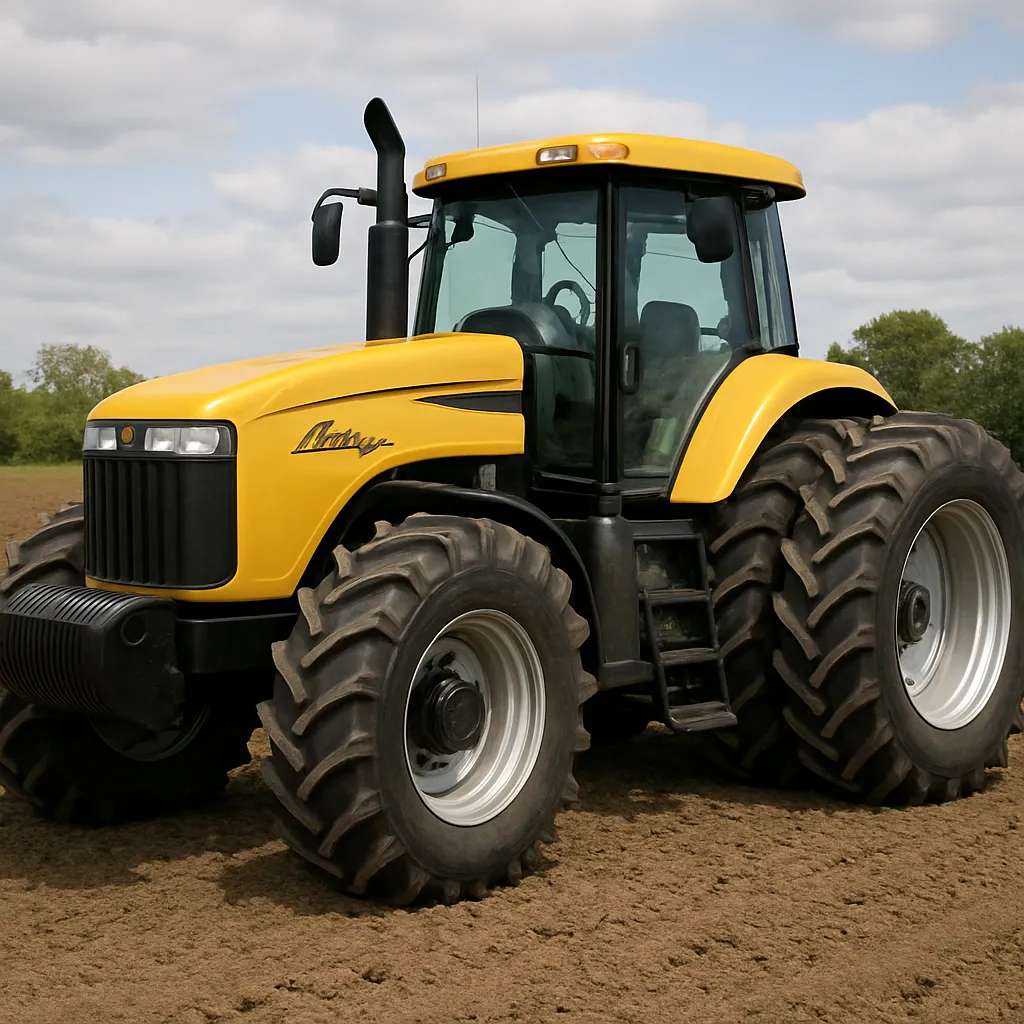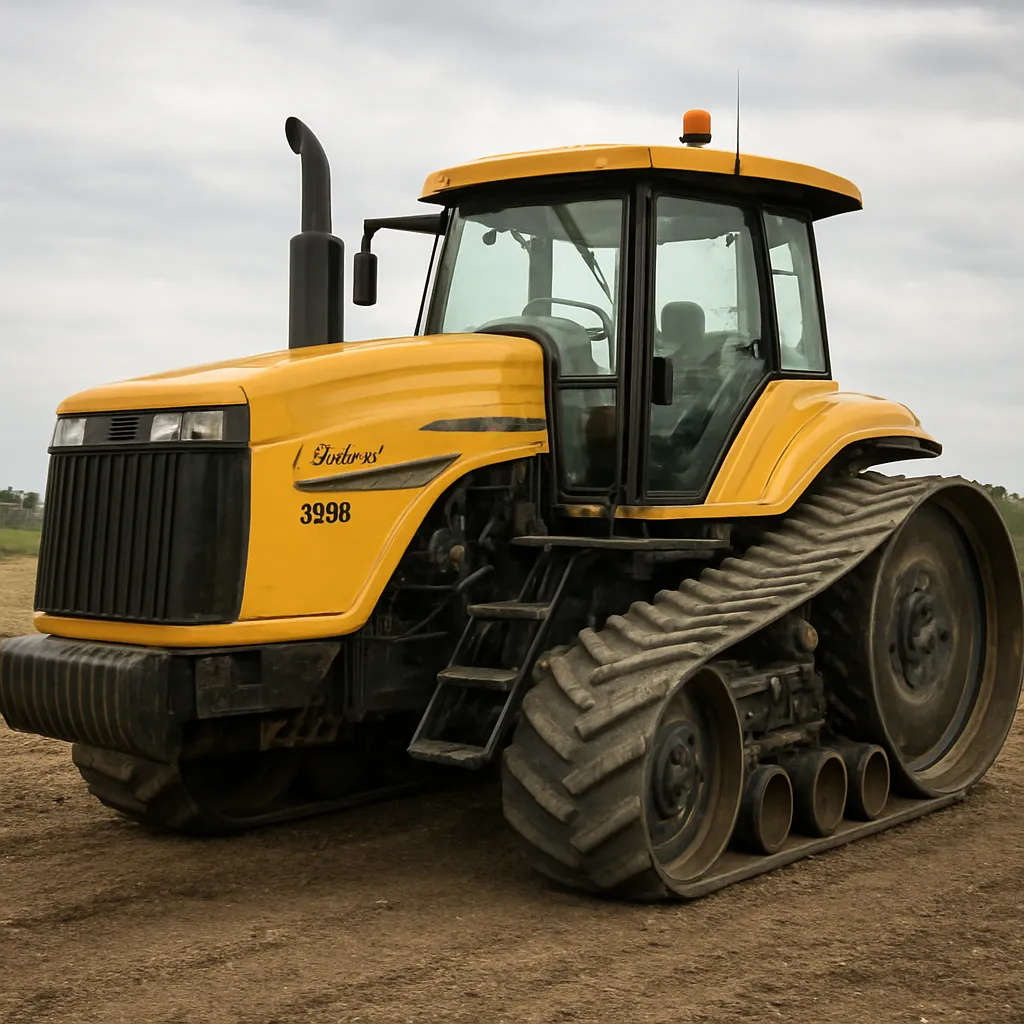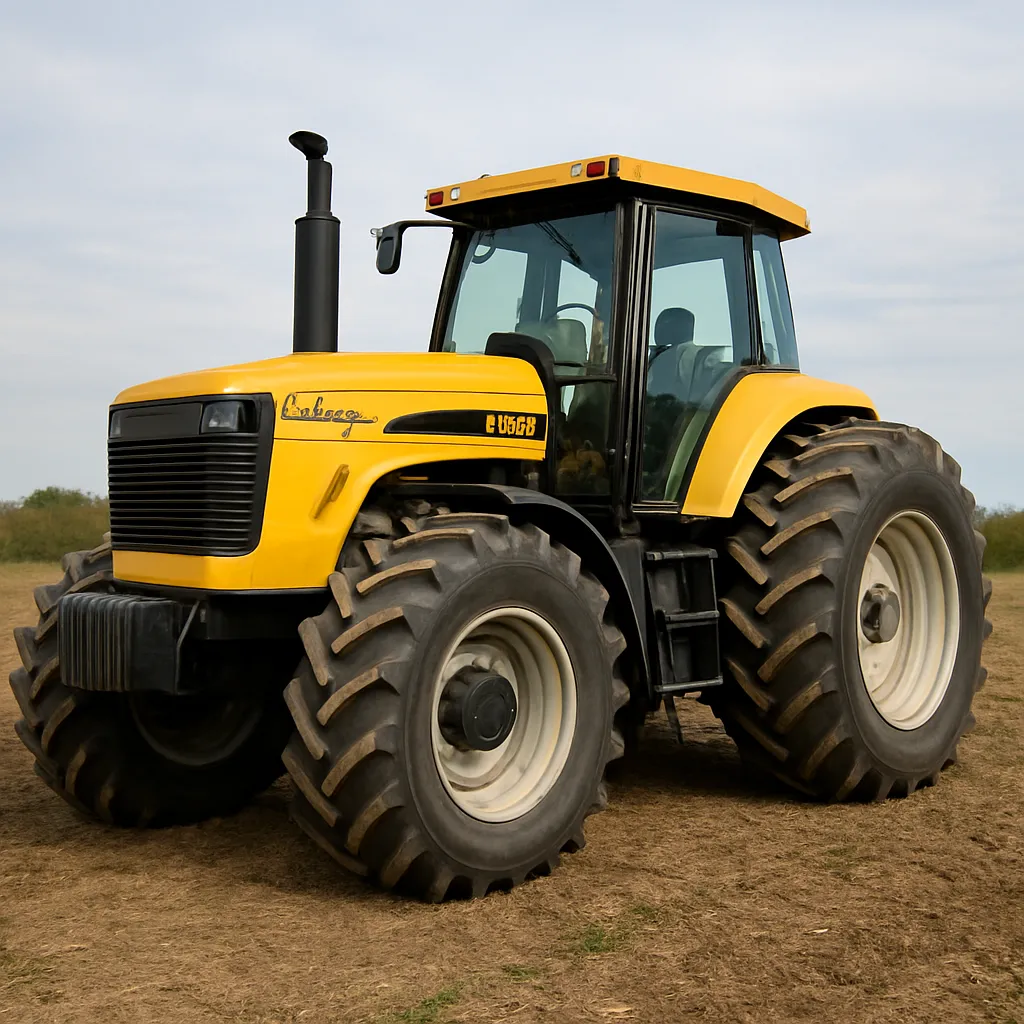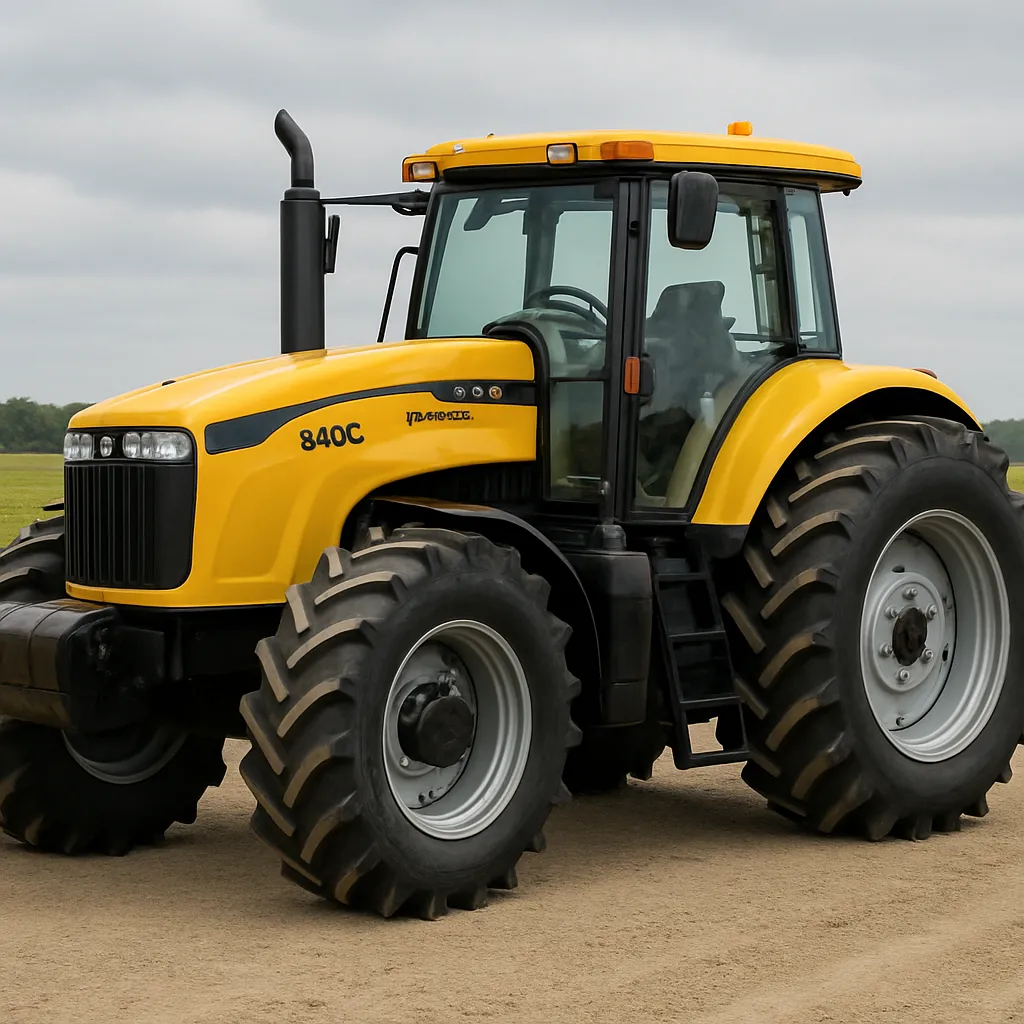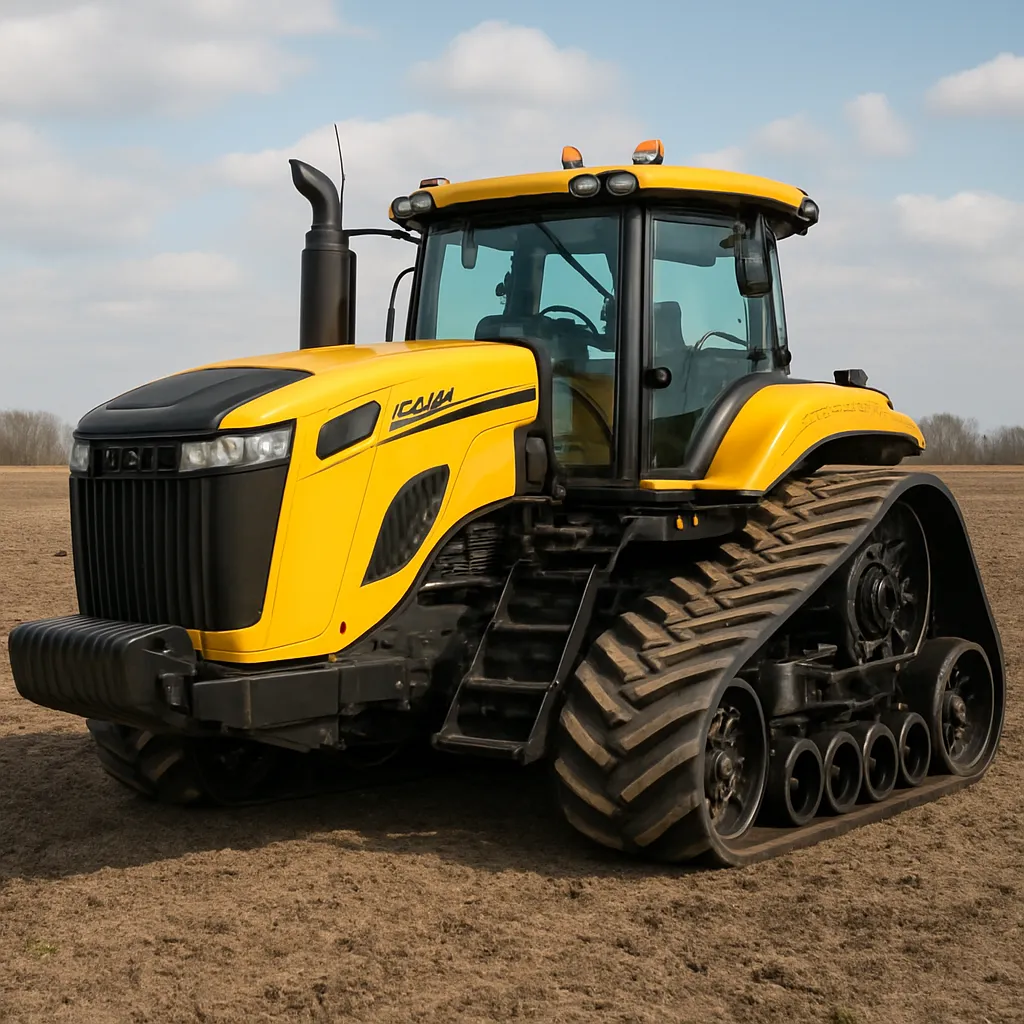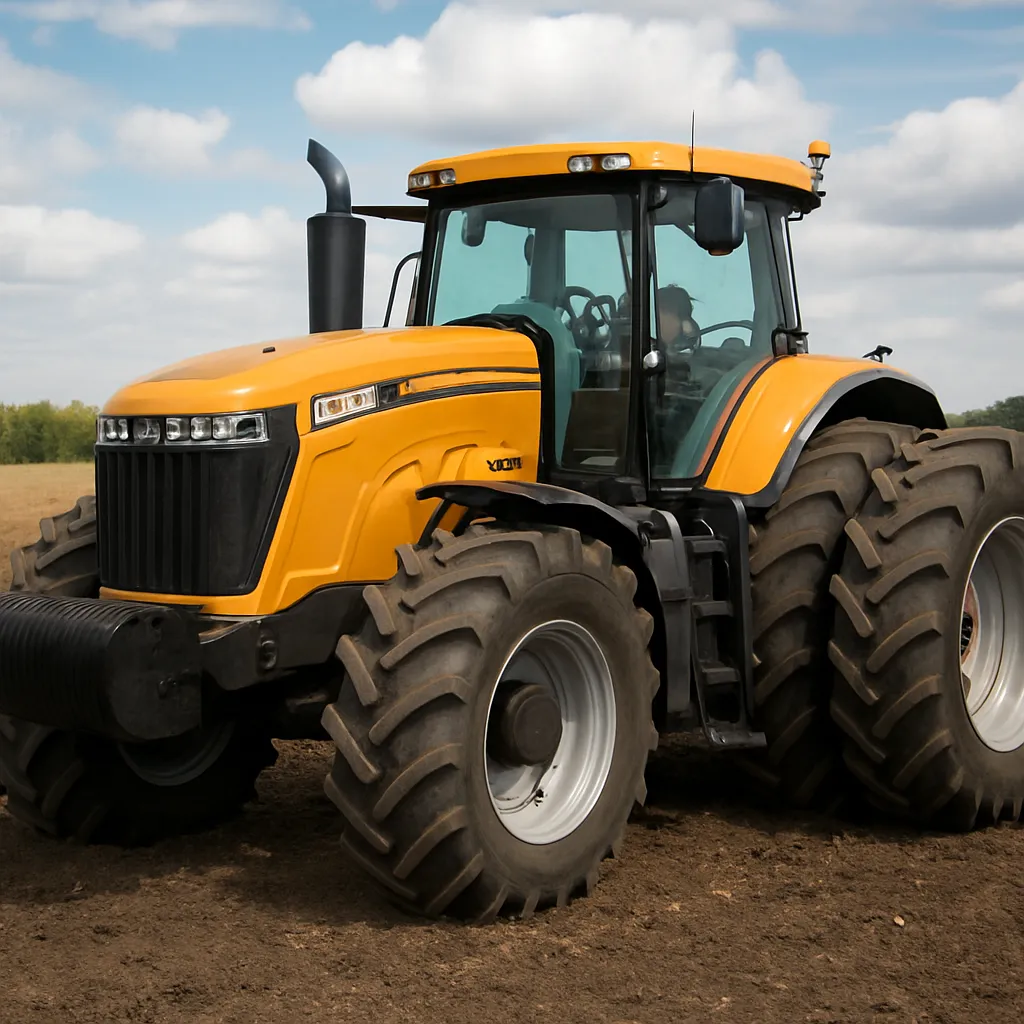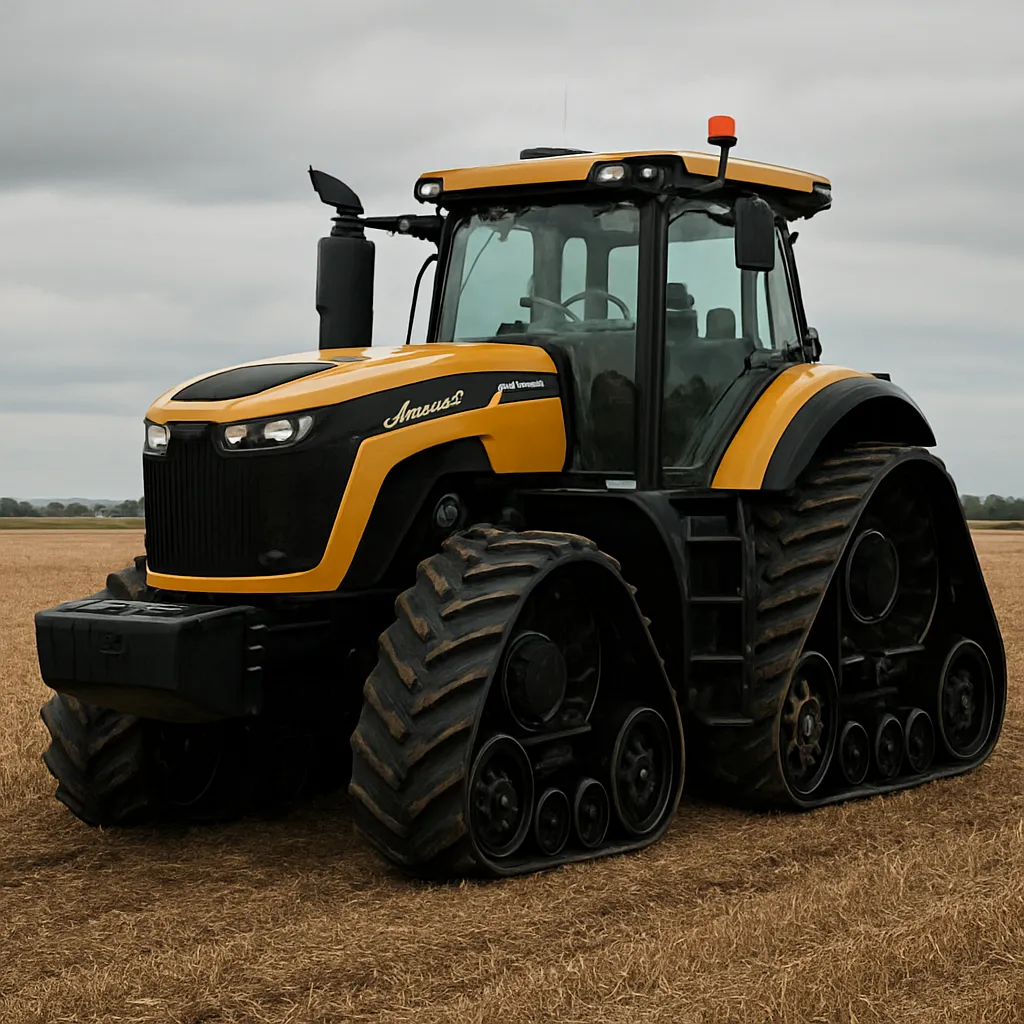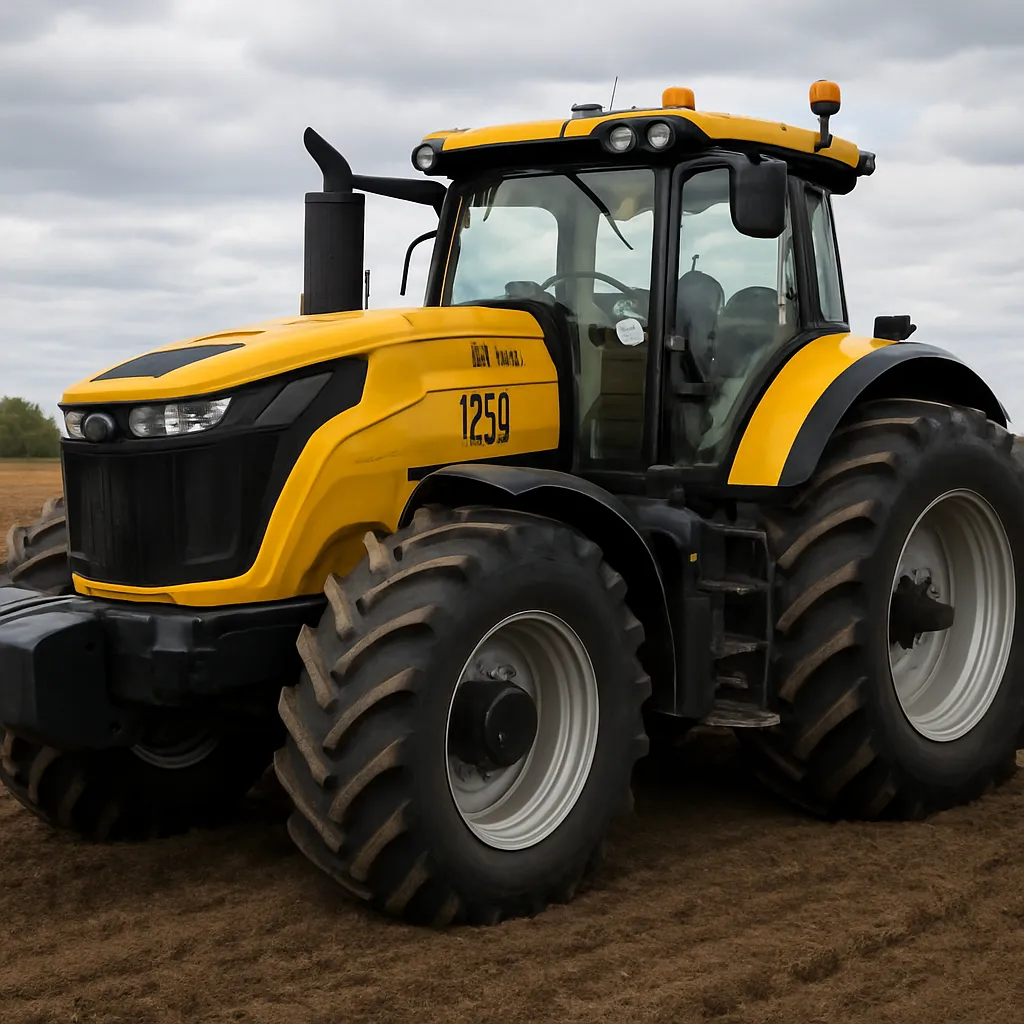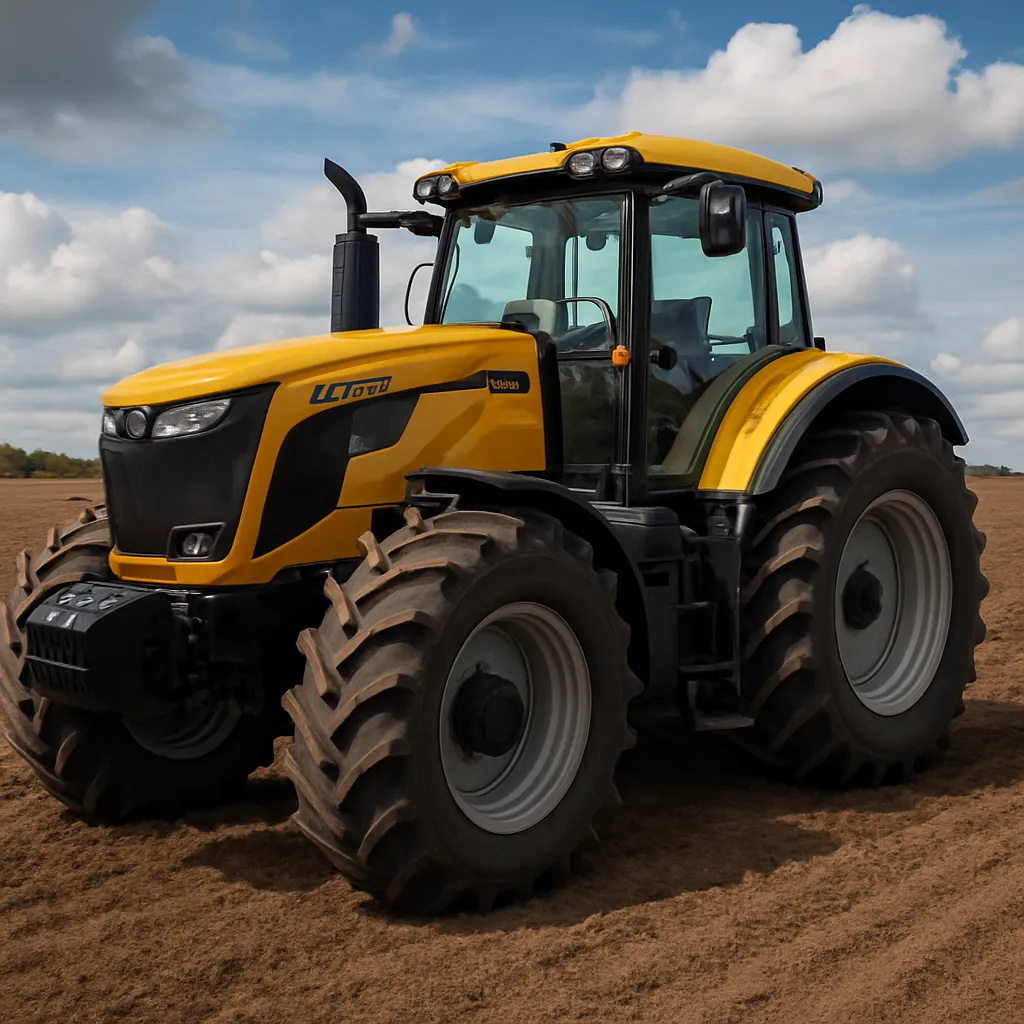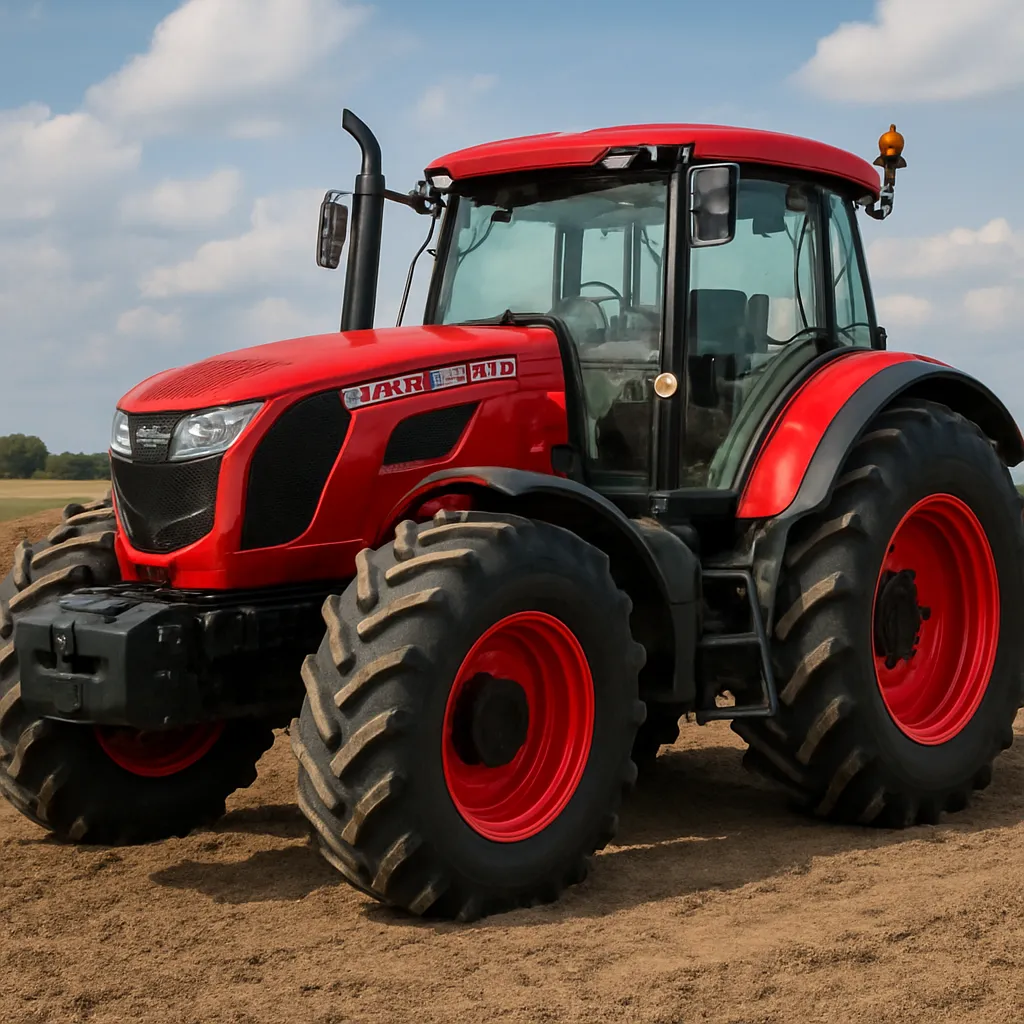
The Zetor Crystal 160 HD occupies a particular niche in the modern agricultural machinery market: a robust, high-capacity field tractor aimed at medium to large farms, contractors and enterprises that need dependable power for a wide range of implements. Combining simple, serviceable engineering with practical comfort and a focus on task flexibility, the model is part of Zetor’s line-up designed to deliver strong performance without unnecessary complexity. Below you will find an in-depth look at its design, typical applications, operational strengths and practical data points that help illustrate where this machine fits in contemporary agriculture.
Design and technical overview
The Zetor brand is well known for producing straightforward and durable machines; the Zetor Crystal 160 HD is no exception. As indicated by its name, the Crystal 160 HD is positioned around the 160 unit mark in rated power, making it a true workhorse in the 150–170 horsepower segment. The machine’s architecture emphasizes a strong chassis, a compact but powerful driveline, and systems intended to minimize downtime.
Engine and powertrain
The heart of the tractor is its engine, designed to supply consistent power and torque for demanding fieldwork. While exact engine displacement and torque figures can vary depending on the market and model year, the class-defining characteristic is sustained output in the approximately 160 horsepower range. Typical traits include turbocharging and intercooling for stable performance under load, combined with injection systems calibrated for fuel efficiency and emission compliance in key markets.
The powertrain options generally aim to balance flexibility and simplicity. Typical configurations that customers choose in this class include synchronized manual transmissions, semi-powershift or powershift variants and often mechanical or electro-hydraulic PTO control. Transmission choices affect available forward/reverse speeds, shuttle operation for front loader work, and fuel economy under different tasks.
Hydraulics, PTO and three-point linkage
Hydraulic capability is a crucial performance area for an agricultural tractor. The Crystal 160 HD is built to support heavy implements: lift capacities at the rear linkage are designed to handle large-mounted plows, seed drills, heavy mowers and other implements reliably. The hydraulic flow and the number of spool valves are chosen to suit multi-function implement control, and powerful lifting cylinders are used to ensure consistent draft control and precise implement positioning.
PTO options typically include a standard 540 rpm outlet and often a 1000 rpm option for implements demanding high shaft speeds. Quick-coupling points and easy-to-access hydraulic controls reduce hookup time, increasing daily operational efficiency.
Applications and operational use
The tractor finds natural applications across a wide spectrum of agricultural and ancillary tasks. Its design philosophy favors multi-role deployment, so the same machine can be used in spring tillage, summer mowing and silage work, and autumn harvest transport or heavy soil preparation. The ability to switch roles quickly is a strong selling point for operations that cannot justify multiple specialized machines.
Field work and tillage
- Power ploughing and primary tillage with multiple furrow ploughs.
- Secondary tillage using cultivators, discs and harrows.
- Seeding runs when combined with large-mounted seed drills.
For heavy tillage tasks the Crystal 160 HD’s stability and lift capacity allow it to tow or lift implements requiring significant draft and hydraulic support. Its weight distribution and traction systems (including selectable four-wheel drive and differential lock options where fitted) help maintain ground contact and pull-through performance in variable soil conditions.
Specialized tasks: mowing, baling and loader work
- Mowing and forage harvesting: powerful PTO and robust hydraulics enable running large mower conditioners and forage harvesters.
- Baling and silage operations: consistent PTO speeds and reliable drawbar/hitch arrangements allow continuous baler and wrapper operation.
- Front loader duties: if equipped, a loader performs material handling, feed distribution and other yard tasks.
The machine’s strength makes it suitable for contractors who must complete tight schedules and for mixed farms that demand reliable multi-function capability.
Cabin, ergonomics and operator environment
Modern tractors are judged as much by operator comfort as by mechanical capability. The Crystal 160 HD typically features a functional cab layout that stresses visibility, ease of control and fatigue reduction for long shifts in the field. The cab provides good all-around sightlines for front loader work and when monitoring trailing implements.
Controls and instrumentation
Control placement tends to favor intuitive operation: gear and range levers are reachable, hydraulic joystick options are available for loader control, and PTO engagement is simple. Instrument clusters give the operator clear readouts of engine RPM, coolant temperature, fuel level and hydraulic status — vital for preserving efficiency and avoiding damage during intensive work.
Comfort features
Typical comfort features include adjustable seating, heating and air circulation, and sound dampening to reduce operator fatigue. While the Crystal range aims to avoid overly complex touchscreen electronics, it balances essential modern conveniences with mechanical simplicity for easier servicing.
Maintenance, durability and lifecycle costs
One of the strongest selling points of the Crystal 160 HD is its focus on practical serviceability and long-term ownership economics. Zetor’s design philosophy tends to minimize overly complex electronic systems, helping technicians perform routine maintenance and repairs quickly in the field or at a local dealer.
Service intervals and ease of access
- Engine access panels and routine check points are positioned for rapid oil and filter checks.
- Cooling system, battery, and air filters are placed for straightforward replacement.
- Hydraulic components and linkage points are robust and designed for high duty cycles.
Running costs are influenced by fuel efficiency, the cost and frequency of consumables, and ease of obtaining replacement parts. Owners often cite the simplicity of the drivetrain and the robustness of mechanical systems as advantages when compared to more electronics-heavy competitors, particularly in regions where dealer networks are smaller.
Performance data and statistics
Below are typical technical figures and performance indicators for tractors in this class and for the Crystal 160 HD model range. Exact numbers vary by year, market and optional equipment, but these figures provide a realistic expectation of its capabilities:
- Rated power: approximately 160 horsepower (around 118 kW) — nominal rating dependent on configuration.
- PTO power: usually slightly lower than engine rated power, depending on drivetrain losses; typical usable PTO power in this class is in the 140–155 hp range.
- Transmission options: mechanical synchronized gearboxes, semi-powershift or powershift variants with multiple ranges; commonly offered with 16–24 forward speeds depending on configuration.
- Hydraulic flow: medium to high-flow systems appropriate for large implements, with total flow commonly in the range of 60–110 L/min depending on pump options.
- Rear linkage capacity: designed to handle heavy implements — lift capacity often specified in the range of 4,000–6,000 kg at the hitch point depending on configuration.
- Fuel tank capacity: typically adequate for long working days, often between 150–300 liters depending on model and regional spec.
- Weight: unladen operating weight typically ranges from ~6,000 to 8,500 kg depending on configuration and optional ballast.
These values illustrate why the tractor is chosen for demanding farm and contracting work: it pairs significant pulling power with hydraulic capacity and durable construction.
Market position and competition
The Zetor Crystal 160 HD competes in a crowded segment populated by mid-size tractors from established international manufacturers. Its competitive advantages are often cited as straightforward mechanical design, competitive acquisition cost, and an emphasis on serviceability. Farmers and contractors purchasing this model usually value:
- Reliability in harsh or remote operating environments.
- Lower complexity, which can translate into lower long-term maintenance costs.
- Good power-to-cost ratio compared to higher-end, heavily-electrified models.
Competitors may offer more sophisticated electronics, higher comfort levels, or manufacturer-specific service packages; buyers must weigh these trade-offs against the Crystal 160 HD’s pragmatic strengths.
Accessories, customization and implement compatibility
One reason the Crystal 160 HD is adaptable across diverse operations is its compatibility with a wide range of implements and optional equipment. From heavy ploughs to large seed drills, from front loaders to specialized hydraulic attachments, the tractor supports a broad implement ecosystem. Available options frequently include front linkage and PTO, various tire choices for different traction needs, and optional weights or ballast systems to optimize traction and stability.
Precision farming and electronics
While the Crystal line traditionally emphasizes mechanical simplicity, many units can be specified with modern assistance systems such as GPS guidance readiness, automated flow-control for sprayers and ISOBUS compatibility depending on the regional sales package. These options allow integration with precision agriculture workflows without forcing operators into a fully electronic vehicle environment if they prefer manual systems.
Real-world considerations for buyers
When evaluating the Crystal 160 HD, prospective buyers should consider the following factors:
- Service network and parts availability in their region.
- Required hydraulic and PTO specifications for their implements.
- Transmission preference: whether they need more gear ranges, a powershift for headland work, or a simpler synchronized gearbox.
- Expected daily operation hours and fuel economy requirements.
- Desired cab comfort level for long shifts and potential seasonal conditions (heating, ventilation, air conditioning).
Matching these operational criteria with the correct specification and optional packages will maximize the value realized from the purchase.
Conclusion: strengths and typical users
The Zetor Crystal 160 HD is primarily aimed at commercial farmers, contractors and large mixed farms that require a reliable, powerful and serviceable machine. Its design leans toward robust mechanical systems, strong hydraulics and lift capacity, and practical operator ergonomics rather than extravagant electronic features. Buyers who prioritize straightforward maintenance, good power-to-cost balance and the ability to handle a wide variety of implements will find the Crystal 160 HD an attractive choice.
Across ploughing, seeding, forage harvesting, loader work and transport tasks, the tractor’s balance of power, durability and usability helps it remain a relevant option in its class. With careful specification to the operation’s needs — particularly in hydraulic flow, PTO configuration and transmission choice — the Crystal 160 HD can serve as a versatile backbone machine for many agricultural enterprises.