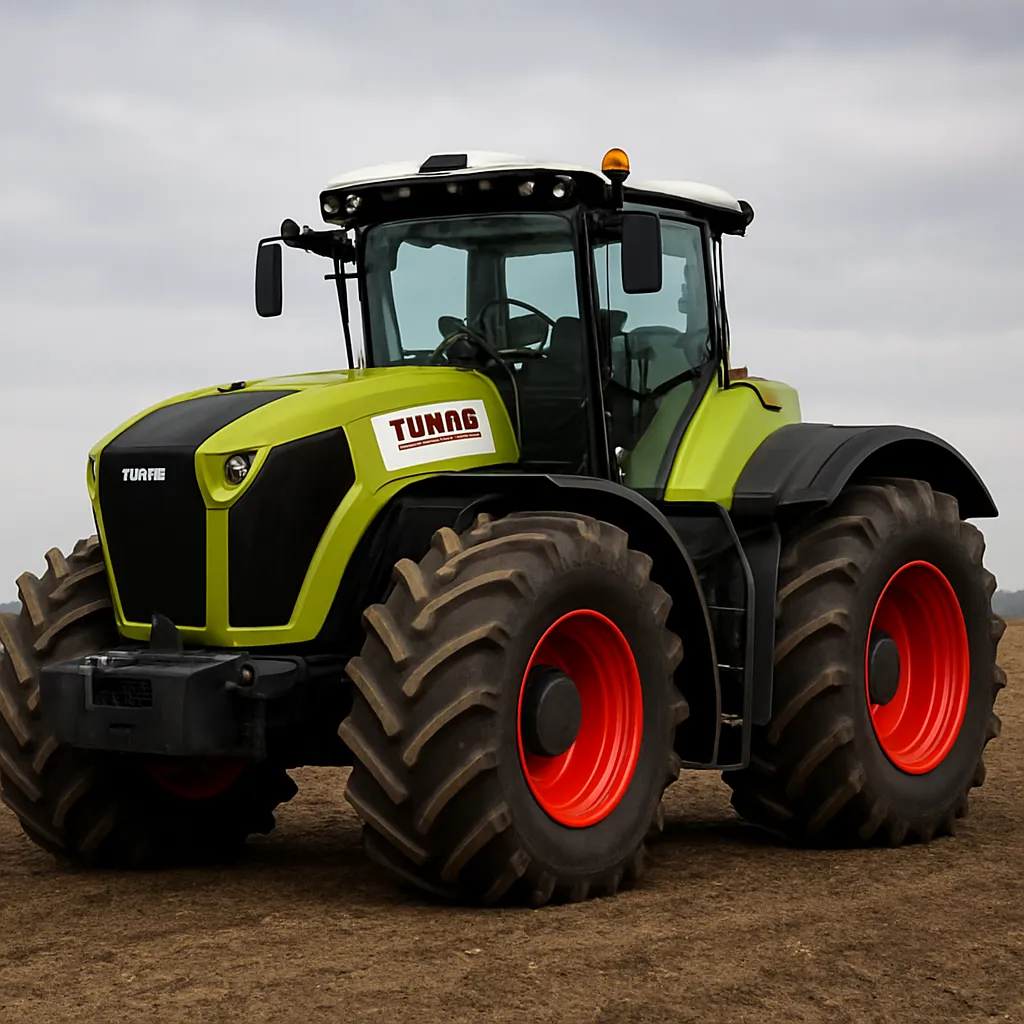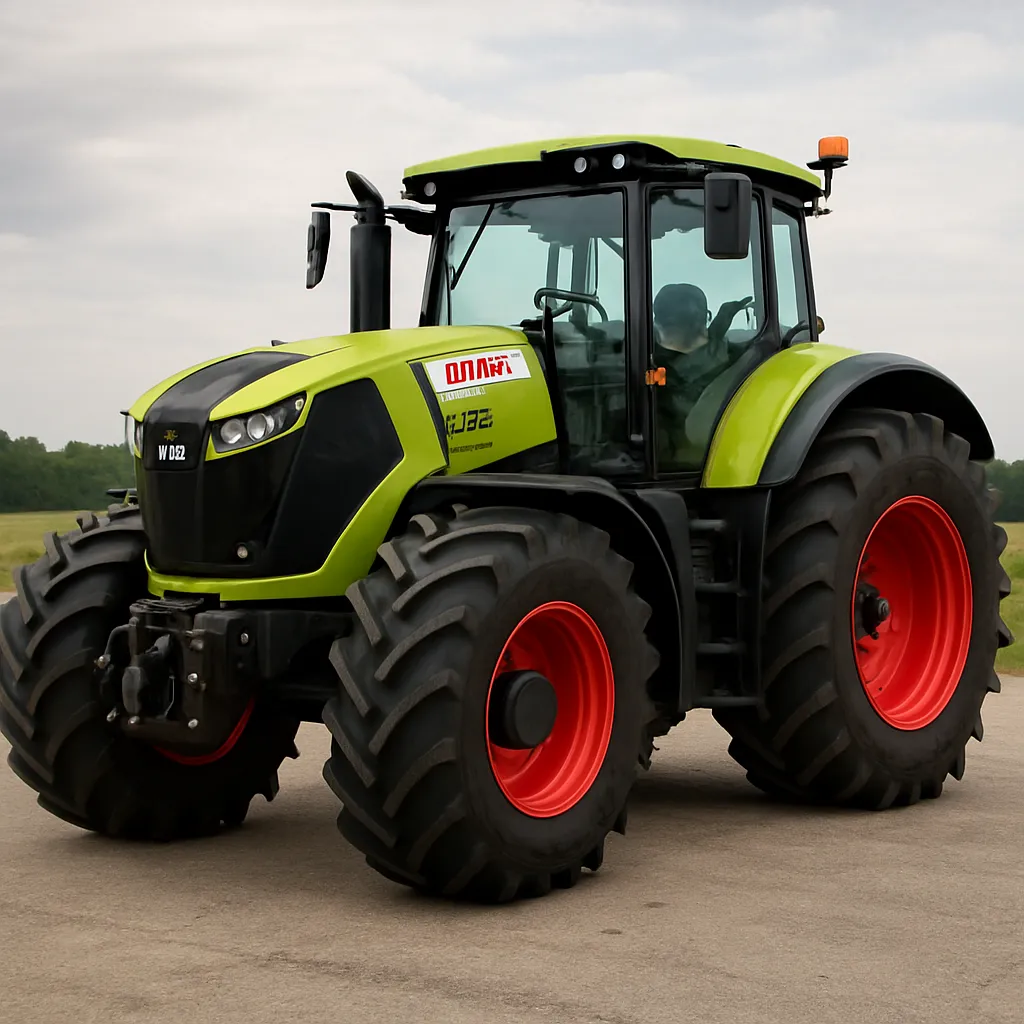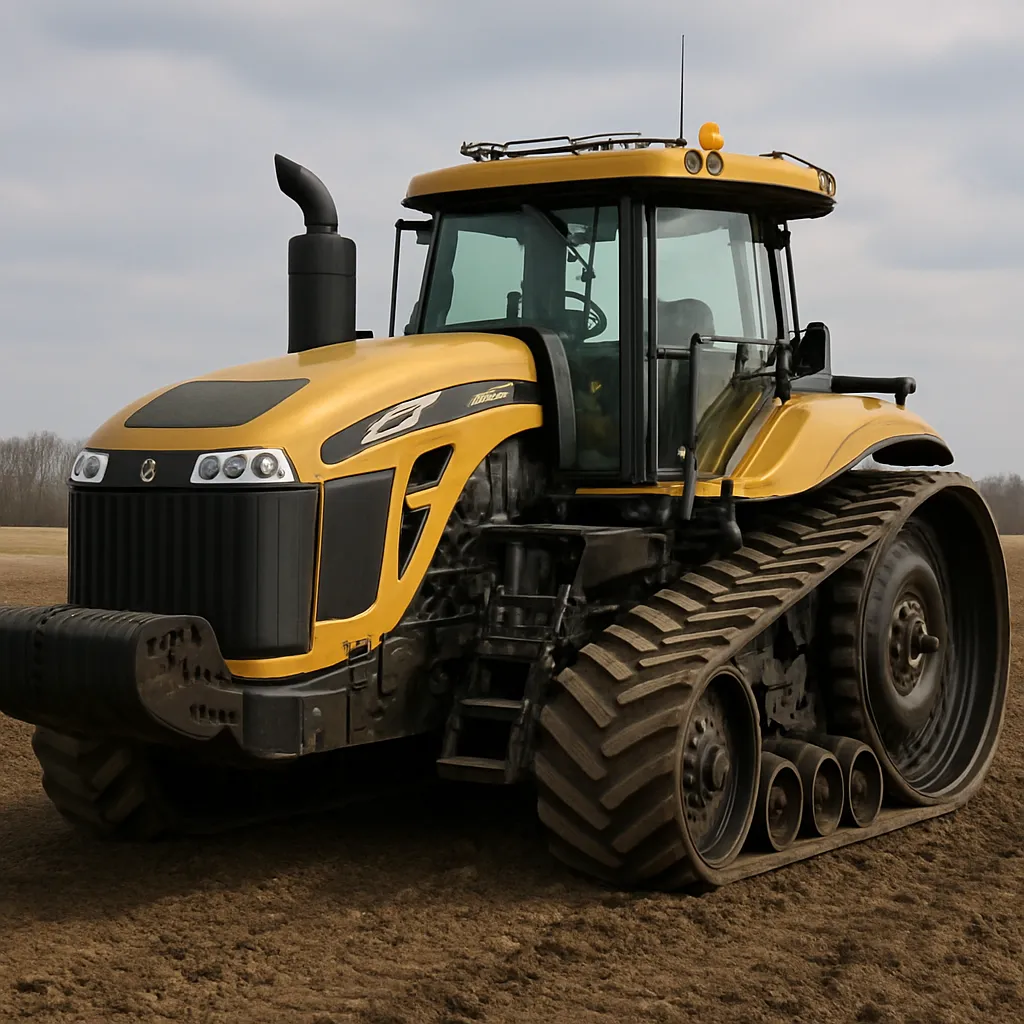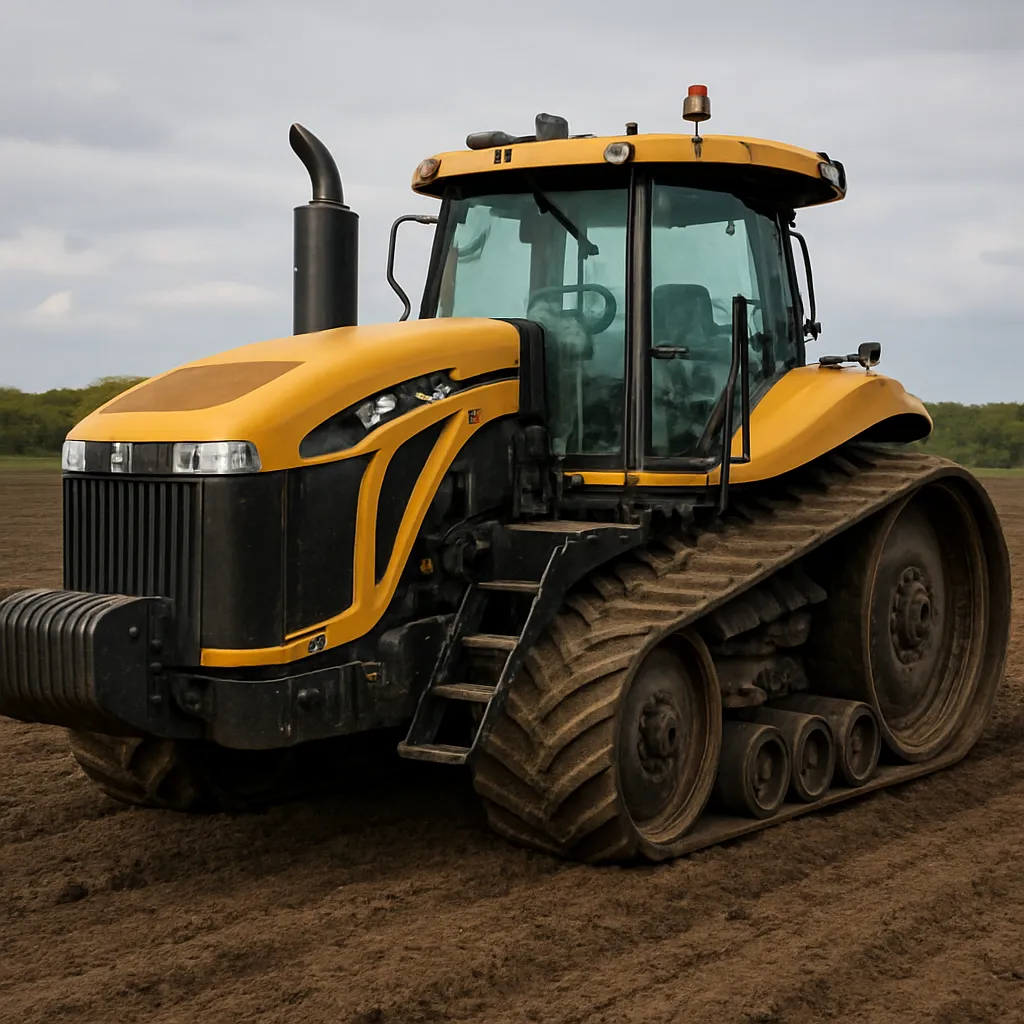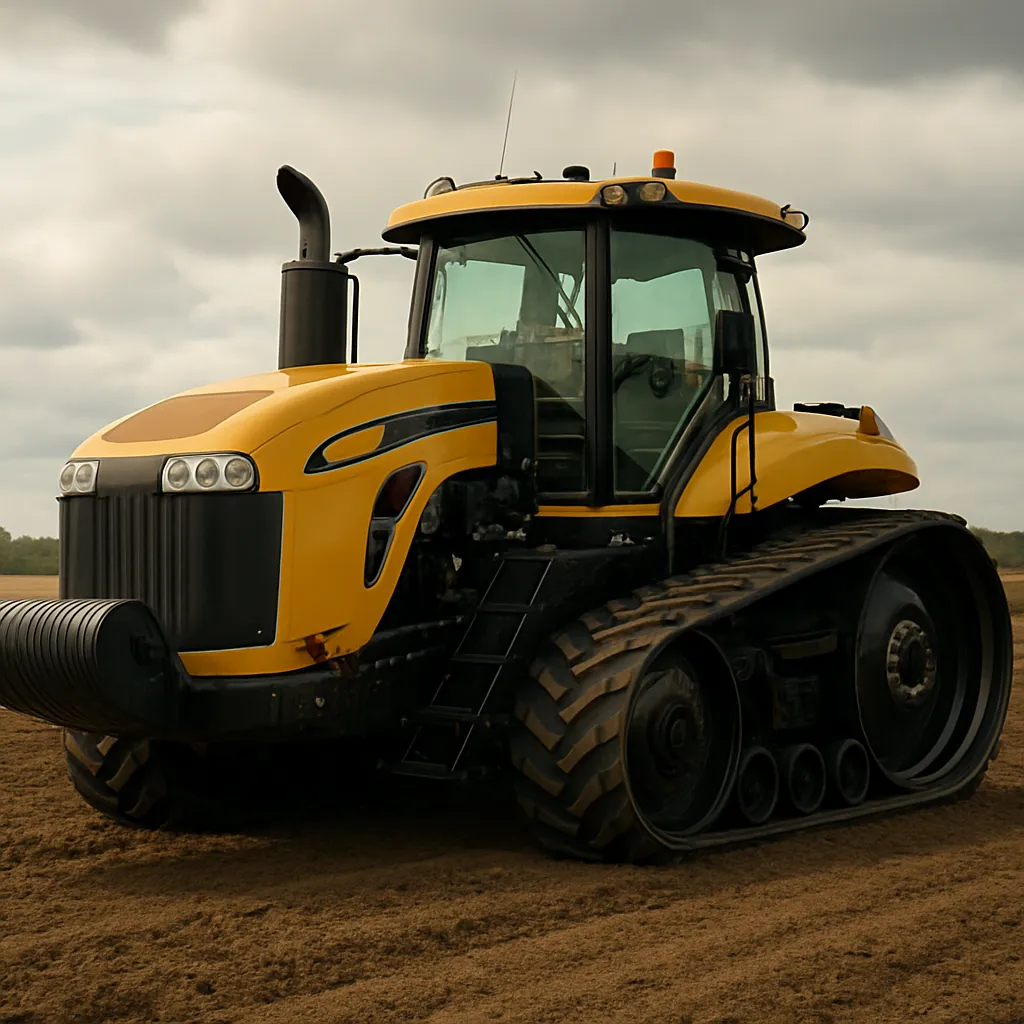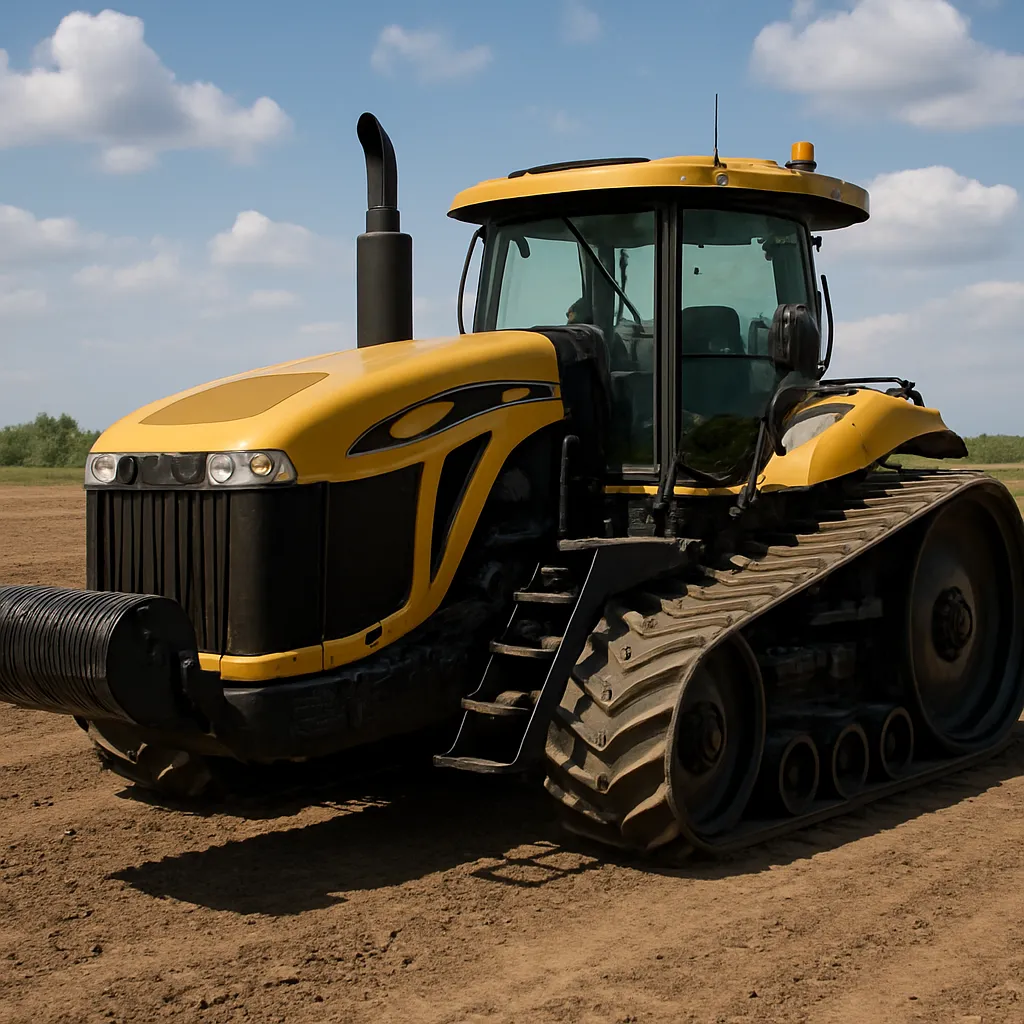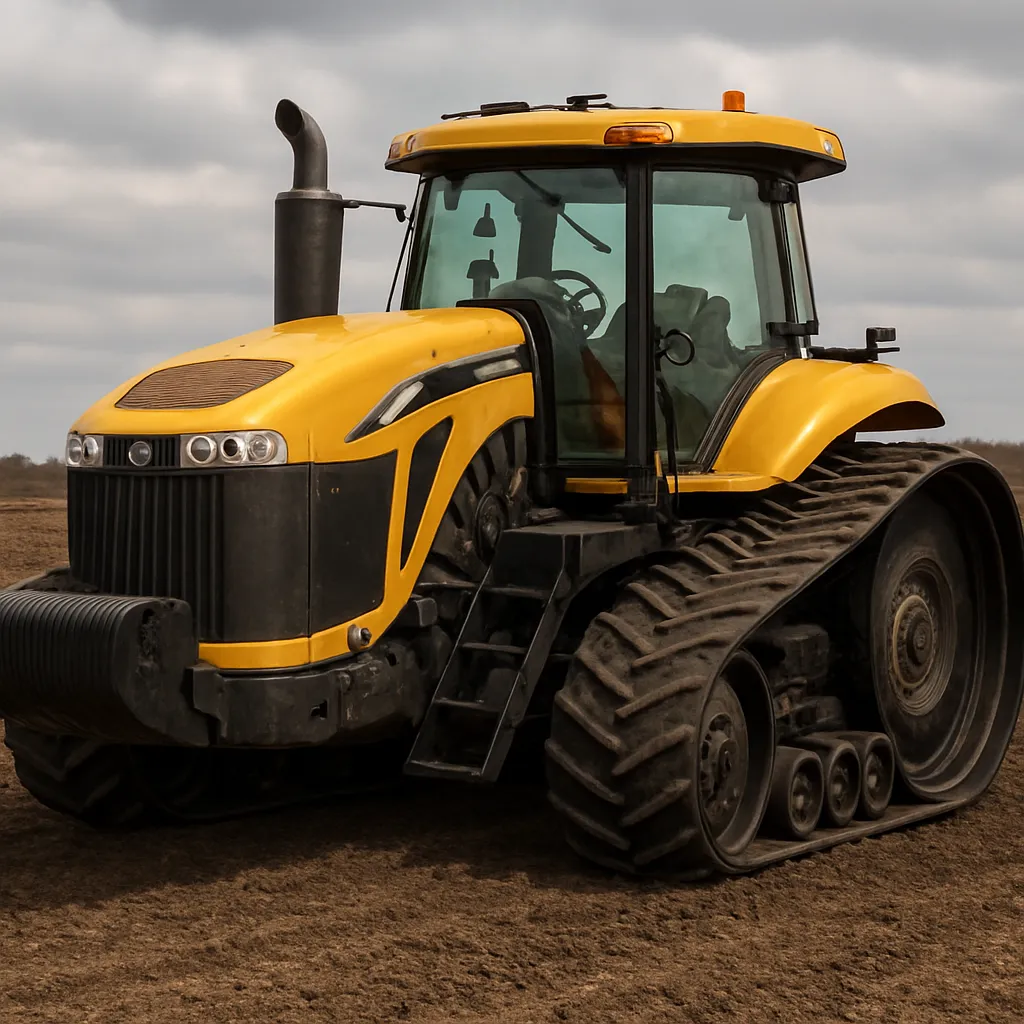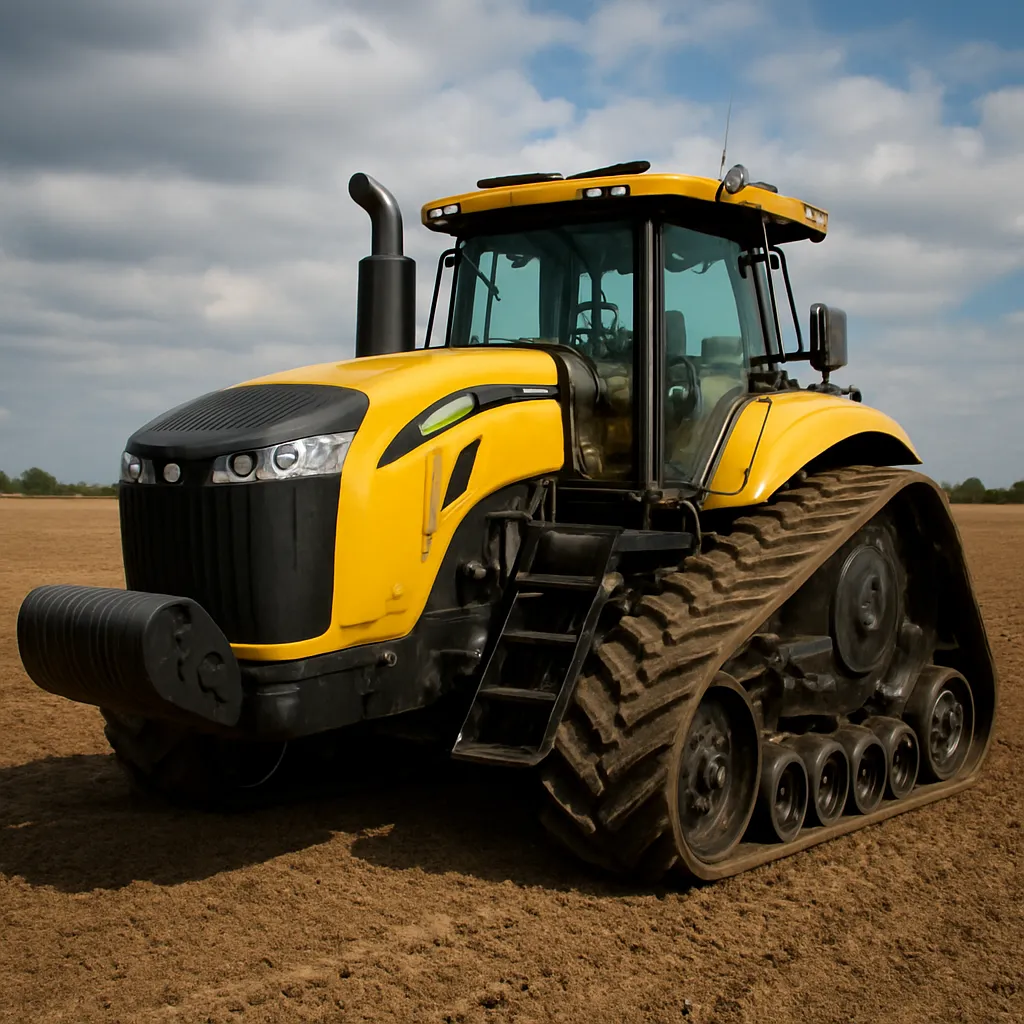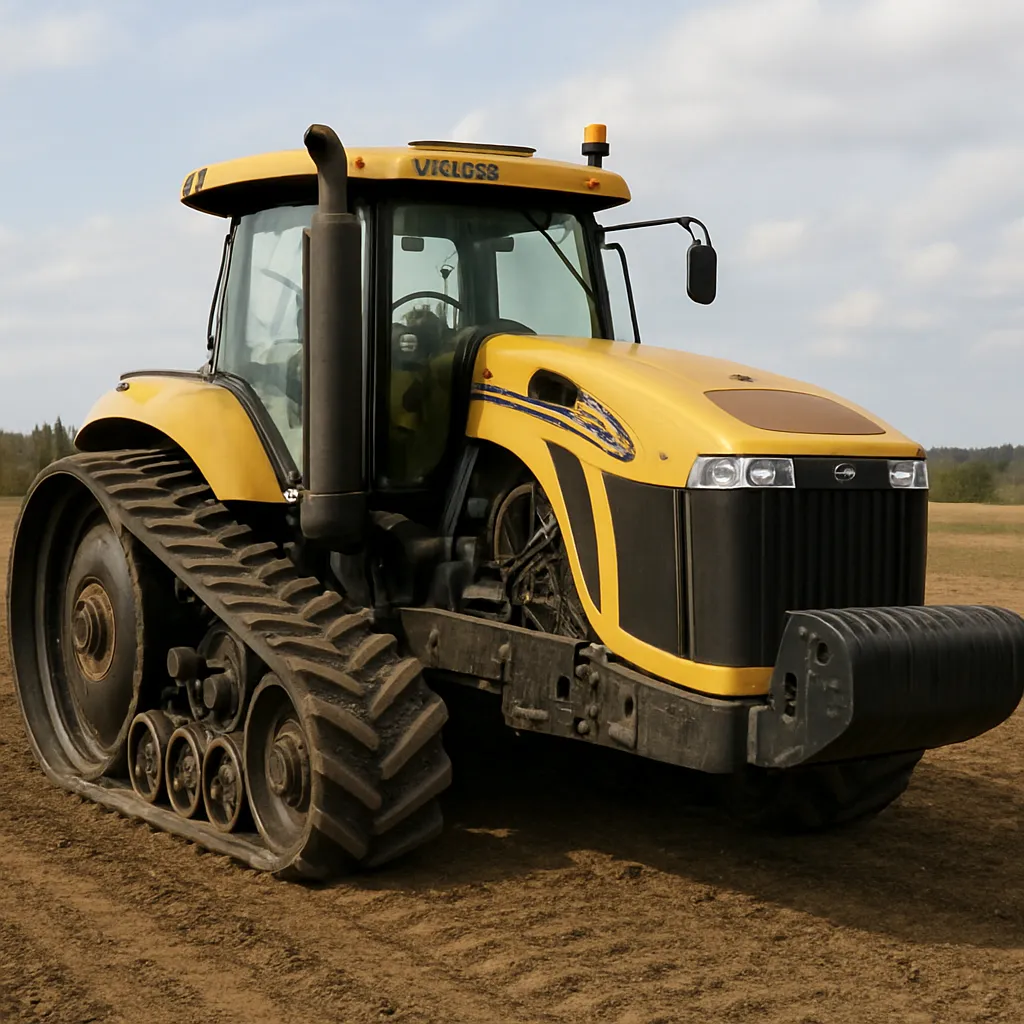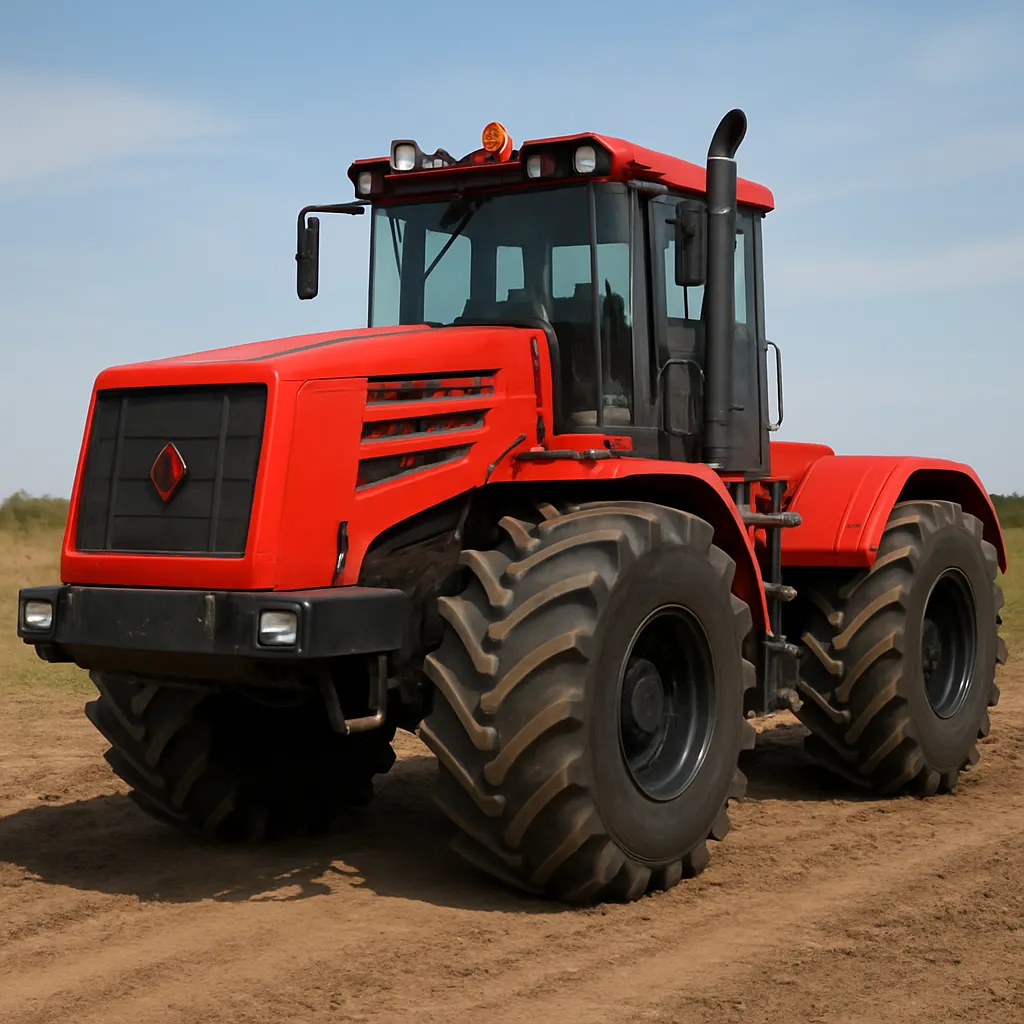
The Kirovets K-703MA is a heavy-duty agricultural and industrial tractor belonging to the long-lived family of Kirovets articulated machines developed at the Kirov Plant (now part of a Russian manufacturing group). Built for demanding fieldwork, large-scale tillage and heavy draft tasks, the K-703MA represents a modernized interpretation of the classic K-700 lineage, combining robust mechanical architecture with upgrades in comfort, hydraulics and implement compatibility. This article outlines the design, typical specifications, areas of application, operational characteristics, maintenance considerations and other interesting facts about the K-703MA.
Design and technical characteristics
The K-703MA preserves the basic layout that made the Kirovets series recognizable: an articulated chassis with high ground clearance, powerful drive system and a focus on torque delivery for heavy-draft implements. The platform is engineered to work with very large ploughs, cultivators, subsoilers and traction implements used on expansive arable farms and in industrial settings.
Powertrain and drivetrain
- Engine: The K-703MA is typically fitted with a high-displacement diesel engine tuned for continuous high torque at low rpm. Depending on the production batch and customer configuration, engines in this class normally produce in the range of approximately 300–450 hp (220–335 kW). The engine is built to prioritize torque over peak rpm to suit deep ploughing and heavy draft work.
- Transmission: Robust multi-range gearbox designs—often synchronized with a stepped range-and-gear arrangement or powershift options—provide a wide spread of speeds for field work and transport. Typical top road speeds for tractors of this category are about 30–40 km/h, with low-speed creep gears for high-traction operations.
- Drivetrain: The articulated frame and all-wheel drive provide excellent traction and maneuverability in soft or uneven soils. Differential locks, limited-slip features and heavy-duty axles are standard or available options to maintain traction under severe load.
Hydraulics, hitching and PTO
For compatibility with large implements the K-703MA is equipped with high-flow hydraulic pumps and robust three-point hitch systems (or drawbar options for very large towed implements). Hydraulic flow capacity and implement control are optimized so the machine can operate multiple hydraulic motors, folding wings, and auxiliary systems simultaneously. A heavy-duty PTO (where specified) can be available for powered implements, and models intended for pure draught work may emphasize drawbar capacity and hydraulic control instead.
Structure, dimensions and weight
The tractor’s articulated frame reduces soil compaction by distributing weight across multiple axles and provides a tight turning radius for a machine of its size. Typical mass for tractors in this class ranges widely depending on options and ballast: from roughly 12,000 to 20,000 kg. Ground clearance, tire sizes and ballast are chosen to match soil conditions and implement requirements.
Cabin and operator environment
Modernized K-703MA variants emphasize ergonomic improvements: a raised, insulated cabin offering improved visibility, climate control for long shifts, noise reduction features and more comfortable seating. Instrumentation often includes engine/implement monitoring and basic electronic controls for gearbox, hydraulics and PTO, increasing operator efficiency and reducing fatigue.
Applications and practical uses
The K-703MA is purpose-built for heavy-duty operations where power, traction and implement compatibility are critical. Typical applications include:
- Deep primary tillage — large moldboard ploughs, heavy subsoilers, and multi-share ploughing on broadacre fields;
- Large cultivations and seedbed preparation — pulling wide cultivators, disk harrows and rollers to cover many hectares per hour;
- Transport and heavy haulage — pulling large trailers and semi-trailers inside farms and industrial complexes;
- Land reclamation and earthmoving — with specialized implements, the K-703MA can be deployed for drainage works, embankment building and site preparation;
- Forestry and snow removal — with appropriate attachments and protection, the tractor can be adapted for forestry skidding and winter operations such as large-scale snow clearing;
- Specialized industrial tasks — in mining, pipeline construction or other sectors that need high-drawbar pull and robust mobility over rough terrain.
Because of its size and power, the K-703MA is best suited to consolidated farms, contractor fleets and industrial users who can justify the machine’s operational costs through scale and intensive use.
Performance, fuel economy and productivity
Performance of a K-703MA under field conditions depends on soil type, implement width and setup, operator skill and local climate. General observations about machines in this category include:
- High draft capability — the K-703MA can pull very wide implements, enabling high hectares-per-hour productivity on suitable soils; this is particularly valuable during short planting or harvest windows.
- Fuel consumption — large diesel engines consume significant fuel under heavy load. Typical specific fuel consumption for heavy tractors is in the range of 200–280 g/kWh for modern diesel units; in field operation this translates into several dozen liters per hour depending on load (approx. 40–90 L/h under heavy draft in many cases). Actual consumption may vary widely.
- Field efficiency — when paired with very wide implements (8–14 m and up, depending on soil and implement), a K-703MA can dramatically reduce the time needed for primary tillage compared with smaller machines, offsetting higher hourly operating costs.
- Drawbar pull and traction — the articulated design optimizes ground contact and weight distribution, producing strong drawbar performance under difficult conditions while reducing slip and improving fuel efficiency per hectare.
Operators and fleet managers should evaluate operating windows, fuel logistics and implement compatibility to ensure the machine is used cost-effectively. In many cases large tractors like the K-703MA are most economical when operating many hours per season on large farms.
Variants, modernization and adaptations
Over decades the Kirovets product line has seen multiple updates and special versions to meet diverse market needs. The K-703MA designation indicates a modernization (the MA suffix commonly denotes a modernized or upgraded model). Typical modernization items and variants include:
- Different engine options to meet emissions or local fuel quality requirements;
- Transmission upgrades (powershift or hydro-mechanical) for better efficiency and operator comfort;
- Cabin enhancements such as air conditioning, climate control and electronic displays;
- Hydraulic system upgrades to increase flow and add electronic control for modern implements;
- Track conversion kits or dual-wheel setups for extreme flotation needs;
- Custom industrial versions with reinforced cooling, air filtration and protective frames for mining, forestry or construction.
Maintenance, reliability and operating costs
Maintenance requirements for large articulated tractors are significant and must be managed to preserve uptime. Key points for operators:
- Scheduled servicing — periodic oil and filter changes, coolant and fuel system maintenance, transmission checks and hydraulic fluid replacement are essential for longevity;
- Tyres and undercarriage — heavy axles and large tires should be inspected frequently for wear, pressure and damage, especially when operating near stony or abrasive soils;
- Cooling and air systems — heavy-draft work generates sustained high loads; adequate cooling and clean air intake systems prevent overheating and premature engine wear;
- Spare parts and support — owners should ensure access to parts and certified service technicians, particularly in remote agricultural regions. Availability depends on local dealerships and aftermarket suppliers;
- Operational training — effective operator training reduces fuel consumption, wear and accidental damage and improves implement performance.
Reliability of the Kirovets family is generally regarded as robust if maintained properly; these machines were designed for tough environments and heavy cycles. However, operating costs, particularly fuel and maintenance for major components, are higher than for smaller tractors and should be budgeted accordingly.
Production history and market presence
The Kirovets line has a long history beginning with mid-20th-century Soviet industrial design produced at the Kirov Plant. Over time the series evolved from early K-700 models into multiple derivatives and modernized units like the K-703MA. Production volumes and exact statistics for specific variants vary by year, factory output and export agreements. Key market characteristics include:
- Primary markets — large-scale agricultural regions in Russia and neighboring countries, contractors handling large hectares, and certain industrial sectors where heavy-duty tractors are required;
- Export and adaptations — machines were exported to countries with large arable areas where rugged, simple-to-maintain equipment is valued; local dealers often provide adaptations to match fuel, climate and emission regulations;
- Aftermarket and rebuilds — many Kirovets tractors remain in service decades after manufacture thanks to rebuild programs, retrofits and third-party modernization projects.
Precise production numbers for the K-703MA variant are not always publicly published; users considering acquisition should consult factory representatives or authorized dealers for the most recent production and availability figures.
Safety, ergonomics and environmental considerations
Given the size and power of the K-703MA, safety and environmental concerns are important:
- Safety systems — rollover protection, visibility aids, adequate lighting and braking systems are crucial when operating on slopes, roads or near infrastructure;
- Emissions — older engine designs may not meet modern emission standards in some regions; modernized units aim to improve combustion, add aftertreatment systems and reduce smoke and particulate output;
- Noise and operator comfort — upgraded cabins reduce operator fatigue and exposure to noise, improving safety during long operations;
- Soil conservation — despite design efforts to distribute weight, large tractors can contribute to soil compaction; best practices include controlled traffic farming and appropriate tyre/ballast choices to minimize negative soil impacts.
Interesting facts and operational tips
- Legacy design with modern updates — the K-703MA demonstrates how a proven mechanical platform can be modernized incrementally for contemporary requirements without discarding the underlying robustness that made earlier models successful.
- Versatility through modularity — the chassis and powertrain allow many special-purpose conversions, making the machine useful beyond classic agriculture, such as for contractors and industry.
- Economy of scale — a K-703MA becomes most economical when used extensively; for smaller farms the higher fixed and variable costs may not be justified.
- Operator skill matters — matching gear selection, ballast and implement settings to soil and weather conditions significantly affects fuel consumption and productivity.
Summary
The Kirovets K-703MA is a heavy, articulated tractor that fills a niche for large-scale agricultural and industrial users who need exceptional draft power, implement compatibility and long-term durability. While exact statistics for the K-703MA model depend on factory options and regional variants, typical attributes include high horsepower in the 300–450 hp class, robust hydraulics, articulated four-wheel drive, and a design philosophy that balances simplicity with ruggedness. Its strengths lie in productivity for wide implements and demanding tasks; trade-offs include higher fuel use and maintenance demands. For large farms, contractors and industrial operators focused on high-output tasks, the K-703MA remains a relevant and powerful choice when deployed and maintained correctly.