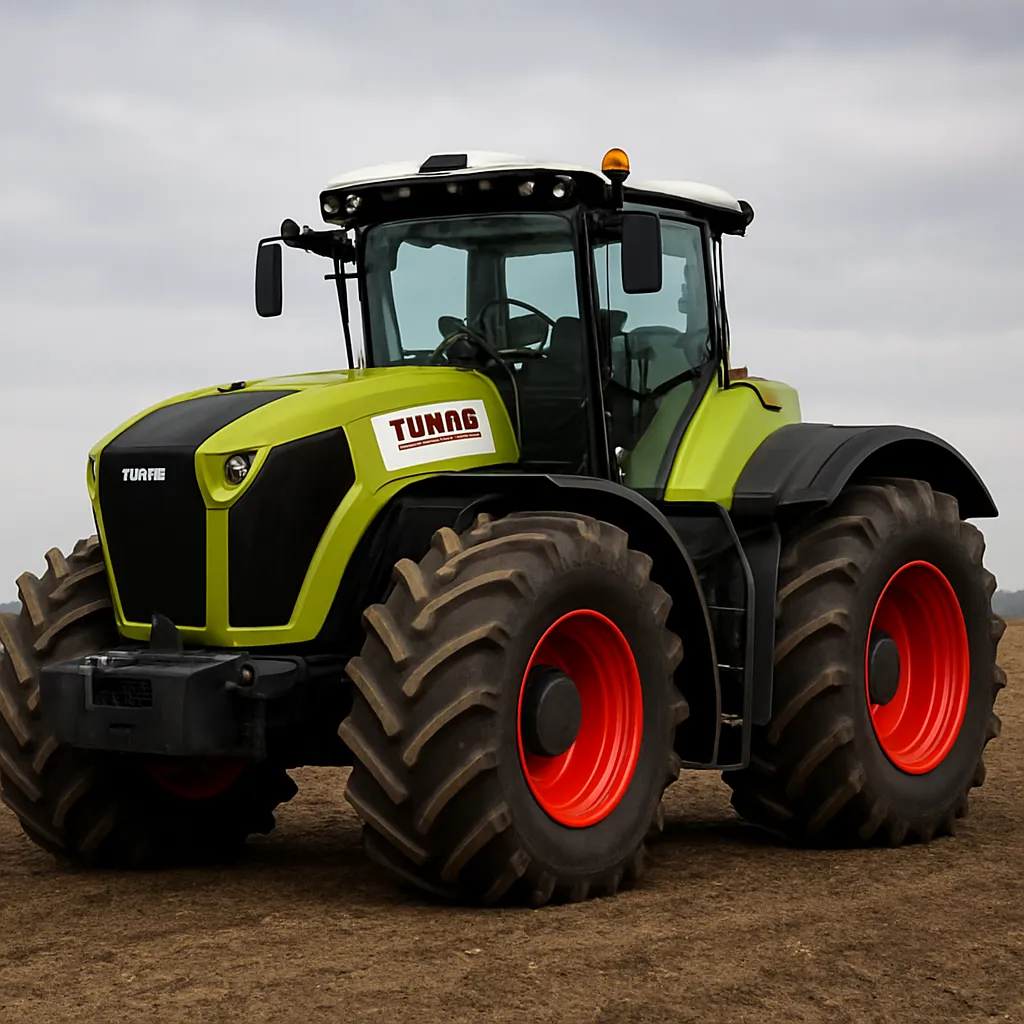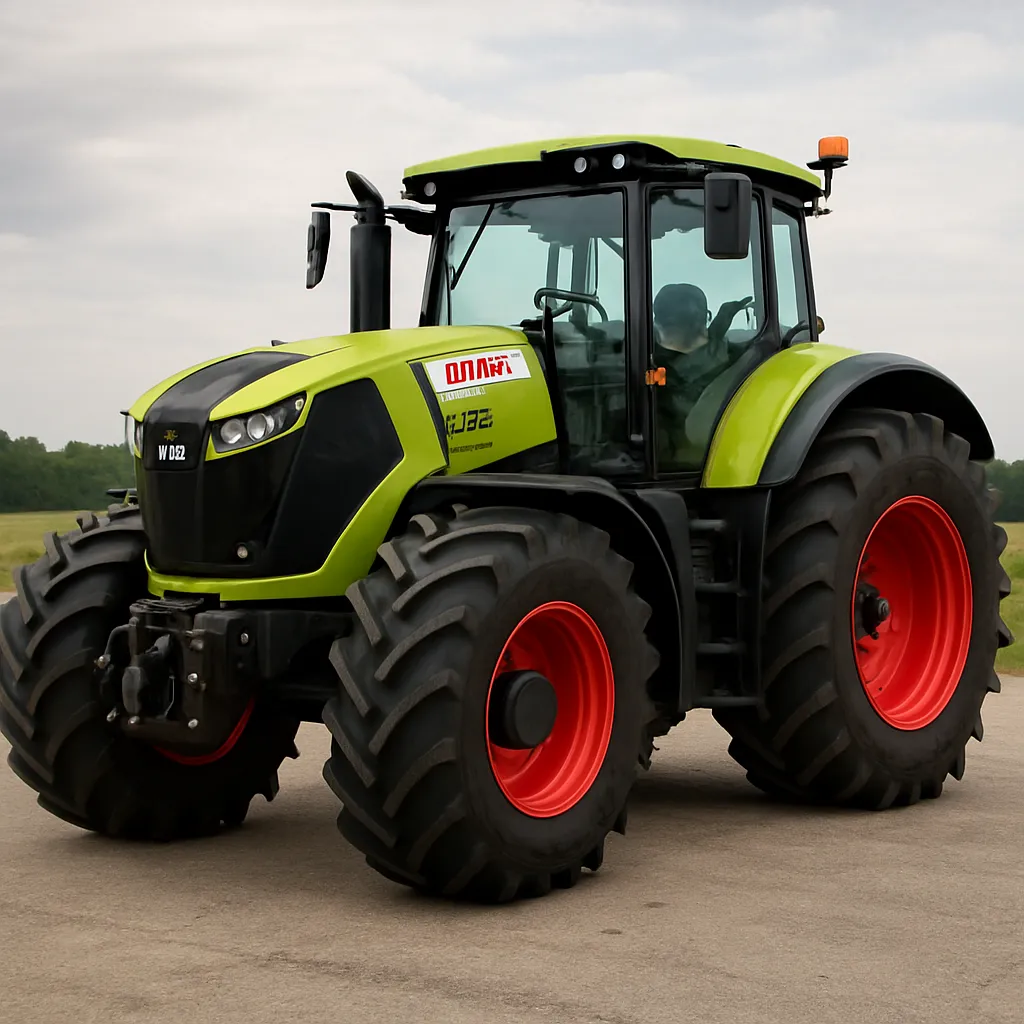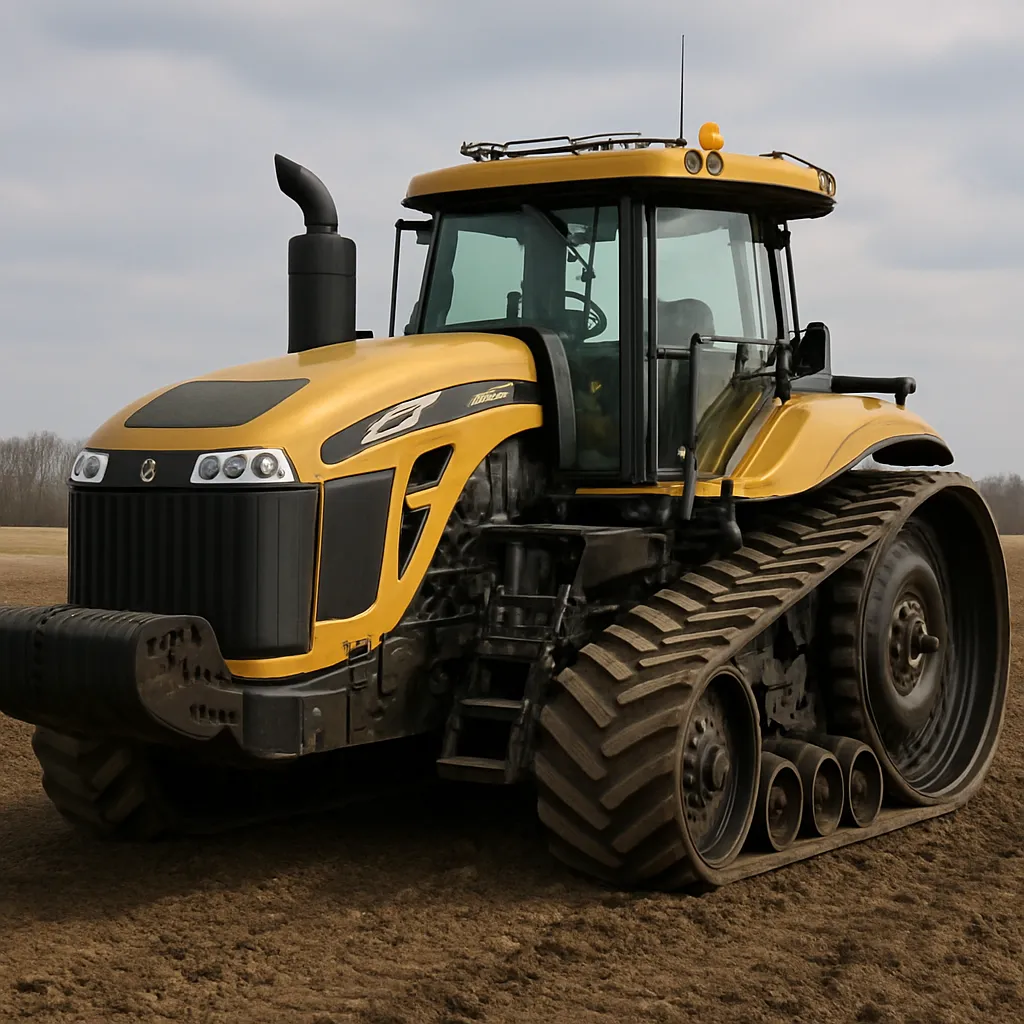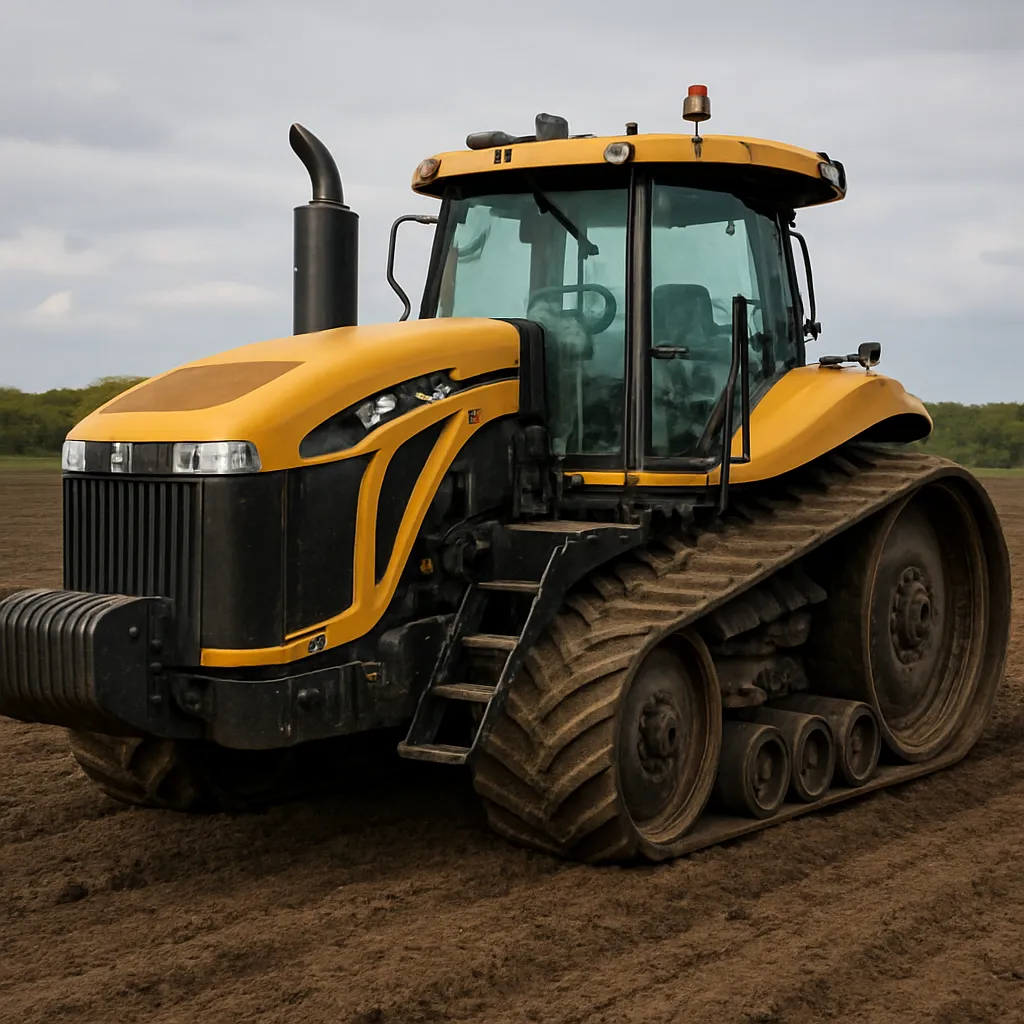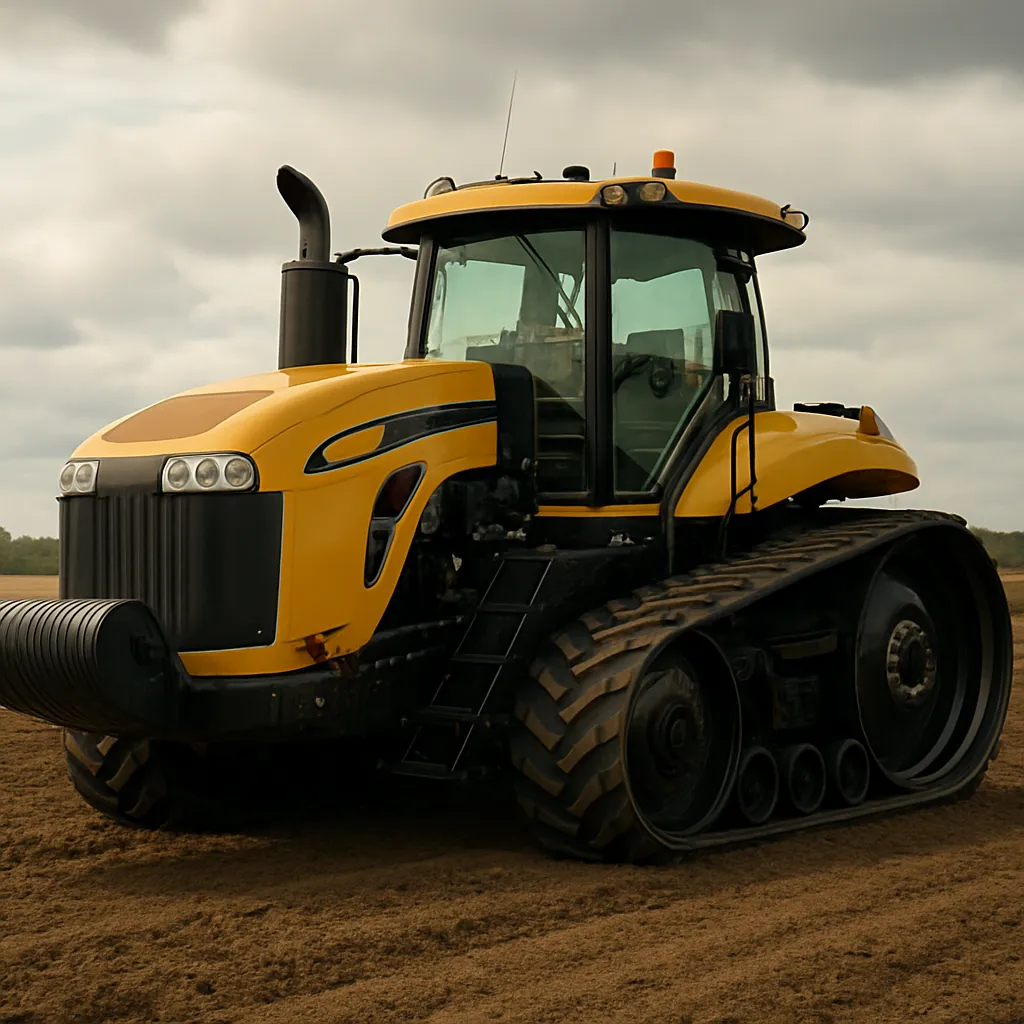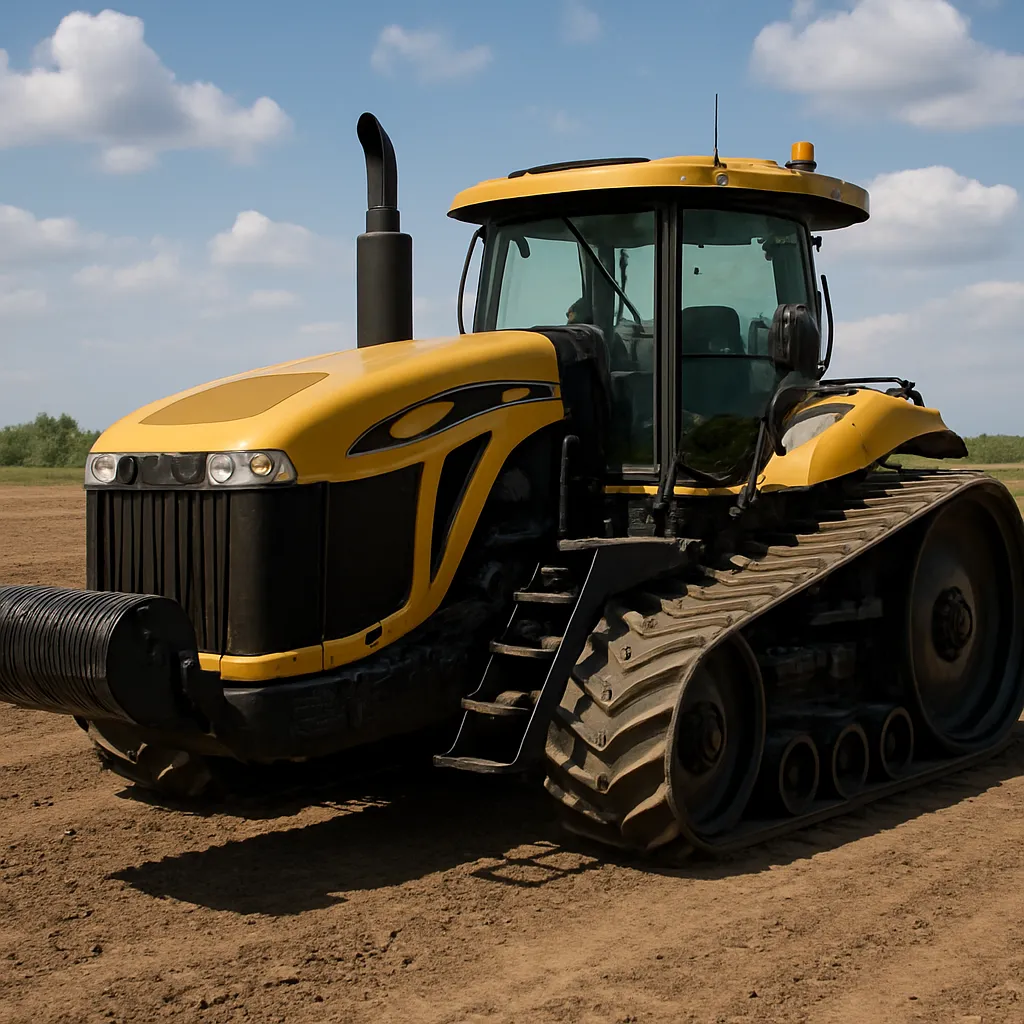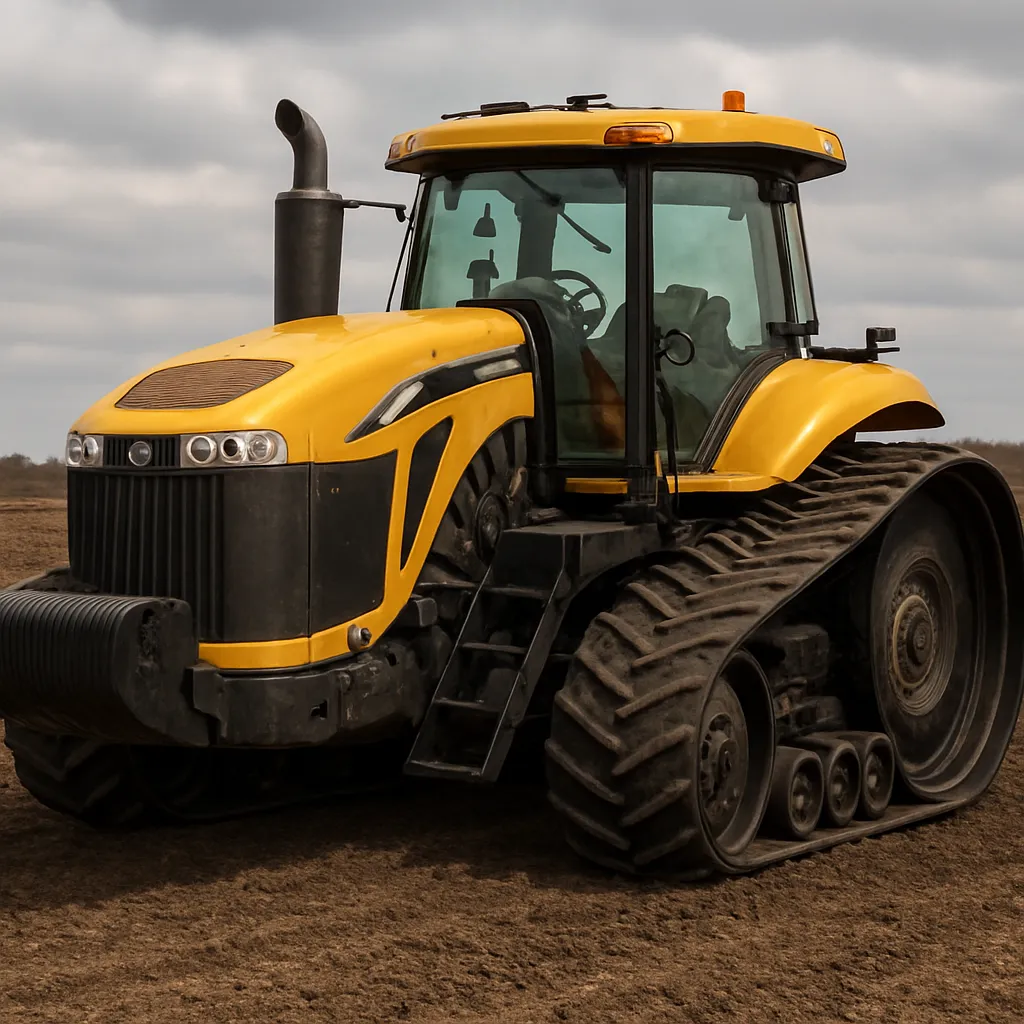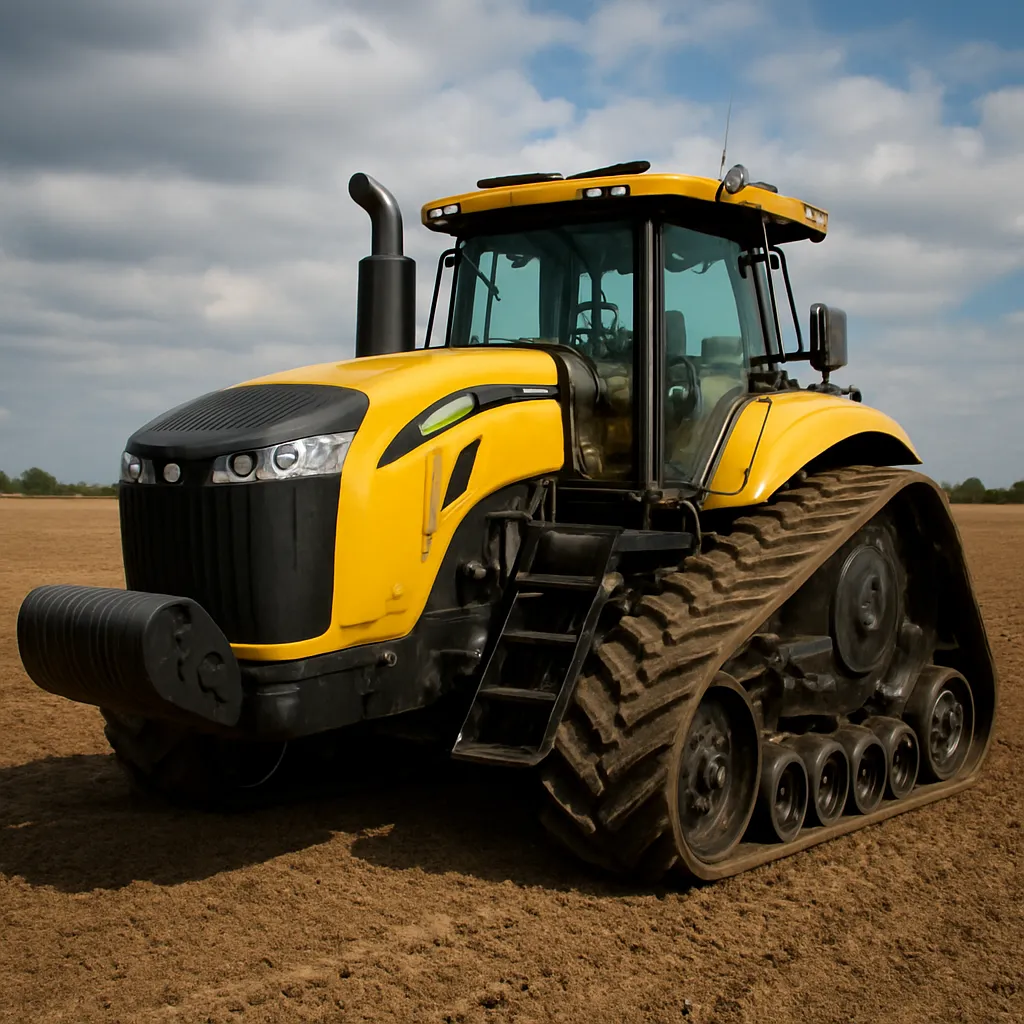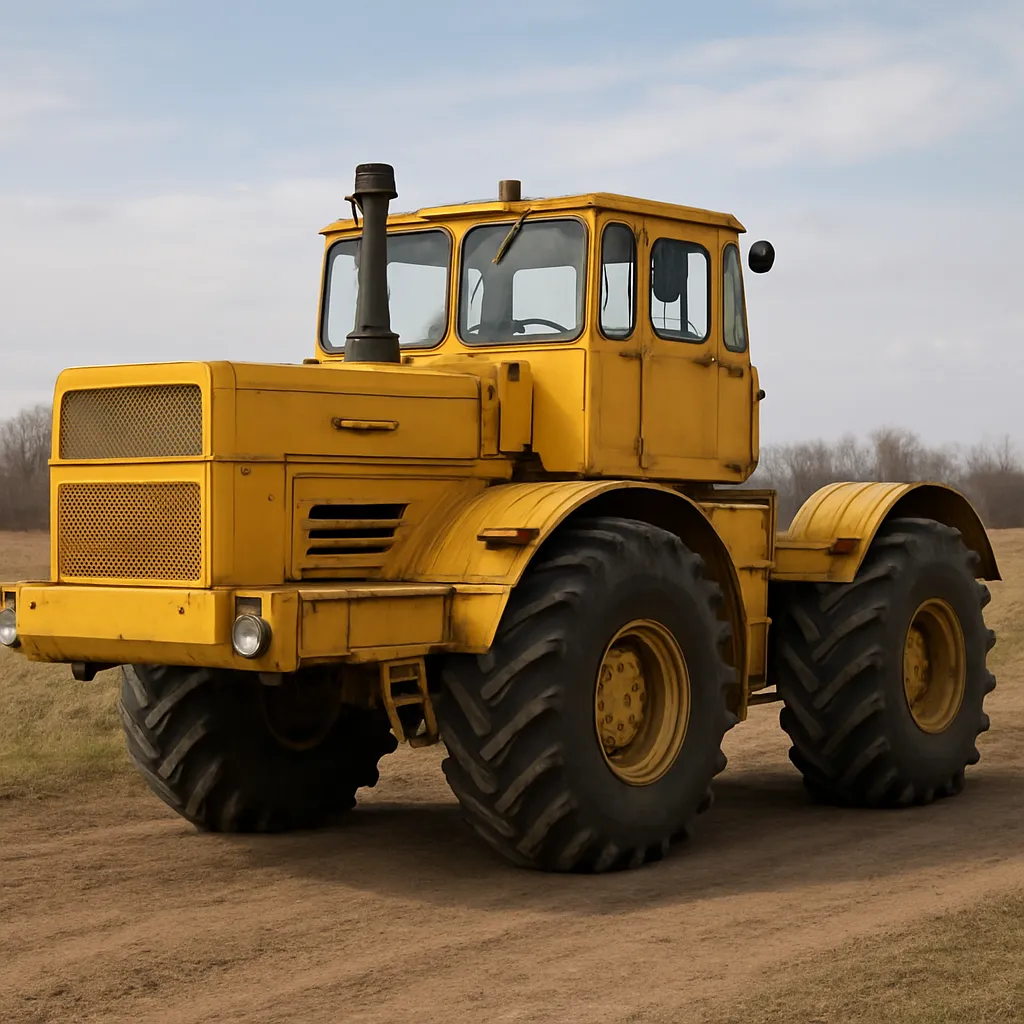
The Kirovets K-700A is one of the most recognizable heavy-duty tractors produced in the Soviet Union and later Russia. Designed for the most demanding agricultural and industrial tasks, it became an icon of large-scale farming and heavy field operations across the Soviet bloc and in many countries beyond. This article explores the history, technical characteristics, typical uses, operational strengths and weaknesses, and the legacy of the K-700A, including commonly cited technical figures and practical information for operators and fleet managers.
History and development
The story of the Kirovets series begins in the 1960s as Soviet agriculture and infrastructure projects required progressively more powerful and robust machinery. The original K-700 was developed to meet the need for a high-powered, articulated, four-wheel drive tractor capable of pulling very large implements, deep ploughs and heavy trailers over difficult terrain. Over time the design evolved into improved variants, among which the K-700A became a widely produced and recognized model.
Origins and design goals
The primary design goal was to create a tractor that combined extremely high drawbar power and reliable off-road capability with relative ease of maintenance and long service life. The articulated frame concept allowed for good maneuverability despite the machine’s large size. From the outset the K-700 line aimed at fields larger than typical smallholdings — collective farms, state farms, and industrial contractors — where a single high-capacity tractor could replace multiple smaller machines.
Evolution to the K-700A
The K-700A emerged as an upgraded variant with refinements in engine performance, operator comfort and auxiliary systems. Improvements typically included enhanced cooling systems, upgraded transmissions or gearbox configurations, standardized hydraulic interfaces for heavy implements, and modest cab upgrades for noise and insulation. As with many Soviet-era machines, the emphasis was on function, robustness and ease of repair rather than on luxury or advanced electronics.
Design, construction and mechanical layout
The K-700A is built around a robust articulated chassis: a front and rear frame connected by a central pivot joint that provides steering and weight transfer while maintaining traction on all wheels. Key features that define the K-700A’s design include its powerful diesel engine, heavy-duty transmission, mechanical and hydraulic power take-offs, and a spacious, utilitarian cab layout.
Engine and powertrain
The K-700A is typically equipped with a large diesel engine designed to deliver continuous high torque at low engine speeds. Typical published figures for the K-700 family and K-700A specifically place engine output in the range of approximately 200 to 220 gross horsepower (roughly 147–163 kW), although some factory modifications and later upgrades increased output beyond that range. The engine is a naturally aspirated or lightly supercharged diesel in earlier series; later versions or conversions sometimes used turbocharged units for improved performance.
Transmissions on the K-700A are heavy-duty mechanical gearboxes offering multiple forward and reverse ratios to match power delivery to tasks. The design favors reliability and ease of maintenance, with modular components that can be repaired or swapped in the field.
Hydraulics, PTO and implement interfaces
Hydraulic systems on the K-700A are sized for large implements: multiple hydraulic circuits deliver high flow rates and pressure for operating foldable ploughs, seeders, and mounted attachments. Power take-off (PTO) shafts and drawbar arrangements are robust and standardized to support everything from rotary cutters and post-hole diggers to large agricultural combines and slurry spreaders. The presence of high-capacity hydraulics and PTO options contributes to the tractor’s versatility in both agricultural and non-agricultural roles.
Cab and operator ergonomics
The cab of the K-700A was designed primarily for utility and durability. While older models featured very basic cabs, the A-series introduced improvements in insulation, seating and layout to reduce operator fatigue during long working days. The cab provides excellent visibility of the front linkage and implements, and controls are arranged for straightforward access, reflecting the machine’s purpose as a long-hour workhorse rather than a luxury vehicle.
Technical specifications and common statistics
Specifications for Soviet-era and post-Soviet tractors may vary by production batch, licensed builds, or aftermarket modifications. The numbers below represent commonly cited and typical values for the K-700A model and its immediate siblings, intended to give a practical sense of scale and capability.
- Engine power: approximately 200–220 hp (147–163 kW) typical; some variants/upgrades up to 240 hp or higher
- Engine type: large-displacement diesel, multi-cylinder (inline or V configurations depending on rebuilds)
- Weight (operational): roughly 10–12 tonnes (10,000–12,000 kg) depending on configuration and ballast
- Maximum speed: in the range of 30–45 km/h depending on gearing and final drive ratio
- Fuel capacity: ranges widely with aftermarket tanks; factory tanks commonly in the several-hundred liter range to allow long operating intervals
- Transmission: multi-speed heavy-duty mechanical gearbox (numerous forward and reverse gears to match field and transport tasks)
- PTO: multiple speed options with heavy-duty output for large implements
- Traction: full-time four-wheel drive with articulated steering for high off-road capability
Production volumes for the entire K-700 family reached into the tens of thousands across decades of manufacturing. Exact production numbers for the K-700A alone are not always clearly separated in public sources, but the family’s widespread use across the USSR and export markets indicates a significant production run. Its long production lifespan and many conversions contribute to a large fleet still in service in many regions.
Applications and typical use cases
The K-700A excels where raw pulling power, ruggedness and long working hours are required. Primary applications include:
- Agricultural heavy-duty tillage: deep ploughing, subsoiling and primary cultivation of large fields where powerful traction and torque are required.
- Seeding and planting operations: pulling very large seeders or combination implements on extensive farmlands.
- Transport and logistics: hauling heavy trailers, bulk materials and farm produce across rough terrain.
- Forestry and land reclamation: operations that require robust traction and the ability to tow heavy machinery.
- Construction and earthmoving: site preparation, grading and other tasks where a powerful tractor can be an economical alternative to specialized equipment.
- Municipal and winter work: snow removal and road clearing when fitted with appropriate front-mounted blades or blowers.
Because of its simplicity and repairability, the K-700A is often favored in remote regions with limited access to specialized service networks. Its ability to run for long hours under heavy load makes it a preferred machine for large-scale farms and contractors who value uptime and predictable maintenance.
Operational strengths and limitations
Strengths
- Durability: heavy components and simple mechanical systems lead to a long operational lifespan when maintained.
- Traction: articulated four-wheel-drive layout provides exceptional traction in wet or uneven soils.
- Power: ample drawbar power for large implements and towing heavy loads.
- Ease of maintenance: mechanical simplicity means repairs can be performed with basic tools and locally available parts in many regions.
- Versatility: adaptability for a wide range of agricultural, industrial and municipal tasks.
Limitations
- Fuel consumption is high compared with modern, more efficient tractors with advanced engines and electronics.
- Cab comfort and safety features are basic by contemporary standards; rollover protection and ergonomic amenities may be lacking compared to modern Western or Japanese tractors.
- Weight and large turning radius can be a disadvantage in smaller fields or orchard operations where maneuverability and turf preservation matter.
- Emissions and noise: older engine designs do not meet modern emissions standards without significant retrofitting.
Maintenance, common repairs and lifecycle management
Maintaining a K-700A focuses on ensuring the longevity of major mechanical systems: engine, transmission, articulation joint, axles and hydraulic systems. Common maintenance tasks include regular oil and filter changes, careful monitoring of cooling systems (radiators and hoses), alignment and lubrication of the articulation pivot, and attention to hydraulic fluid condition and seals.
Common repairs
- Overhauls of the diesel engine after high cumulative hours — piston rings, bearings and valve work are frequently required with intensive use.
- Transmission and clutch wear — replacement or rebuild of heavy-duty clutches and gearbox components is a recurring cost for tractors used in intense fieldwork.
- Hydraulic pump and cylinder replacement — seals and pump internals wear with heavy duty cycles.
- Axle and final drive repairs — heavy loads and abrasive soils can accelerate wear on gears and bearings.
Because spare parts and manuals for the K-700 family are relatively abundant in former Soviet states and many export markets, lifecycle management often emphasizes local refurbishment, reconditioning and engine swaps as economical alternatives to replacement. The abundance of experienced mechanics familiar with the design is a practical advantage in rural or remote operations.
Variants, modernizations and derivatives
Over time, the K-700 chassis and driveline have served as the basis for many specialized and upgraded machines. Manufacturers and operators have created a range of variants including higher-powered derivatives, models fitted with different engines, and machines adapted for construction, forestry and municipal roles. Later Kirovets models (K-701, K-744, etc.) incorporated more powerful engines, improved cabs and modern hydraulics while preserving the original concept of a heavy articulated tractor.
- K-701 and similar models: typically more powerful engines and incremental technological upgrades.
- Custom conversions: turbocharged engines, modernized cabs with heating and air conditioning, and electronic fuel systems where aftermarket budgets allow.
- Export adaptations: models built or modified to meet local operating environments and available service infrastructure in countries outside the former USSR.
Global distribution, economic impact and legacy
The K-700A and its relatives were exported widely across Eastern Europe, Asia, Africa and Latin America. Their presence helped mechanize large tracts of arable land and contributed to economies of scale on state and large private farms. The tractor’s robustness made it invaluable in regions where low-cost, rugged machinery was preferable to high-tech but more delicate modern tractors.
The legacy of the K-700A endures in several ways: a continuing fleet of working tractors in many countries, a spare-parts and refurbishment ecosystem, and a design philosophy that stresses reparability and long-term serviceability. For many operators, the K-700A remains the trusted workhorse for heavy field operations.
Practical advice for potential buyers and operators
When evaluating a used K-700A, pay attention to:
- Engine hours and service history — regular oil changes and timely repairs are crucial indicators of remaining life.
- Condition of the articulation joint — wear here affects steering performance and drivetrain alignment.
- State of the hydraulic system and PTO — leaks, low pressure or erratic operation indicate imminent repair needs.
- Transmission and clutch condition — slipping clutches or noisy gears suggest costly maintenance ahead.
- Availability of spare parts and local technical expertise — this often determines the true cost of ownership in the long run.
Retrofitting options such as engine upgrades, improved lighting, and cab modernization can extend usefulness and comfort, but the cost-benefit balance should be carefully calculated relative to acquiring a modern tractor with factory warranties and lower emissions.
Conclusion
The Kirovets K-700A remains a symbol of heavy-duty agricultural engineering: an articulated, powerful and durable tractor designed for large-scale and demanding tasks. Its combination of robust construction, straightforward mechanical systems and high-drawbar capability made it a backbone of mechanized agriculture and heavy-field operations in numerous countries. While it shows its age in areas like fuel efficiency, emissions and operator comfort compared to modern machines, the K-700A’s practicality, repairability and sheer capability ensure that it still finds a place on fields, construction sites and in specialized roles where power and reliability are paramount.