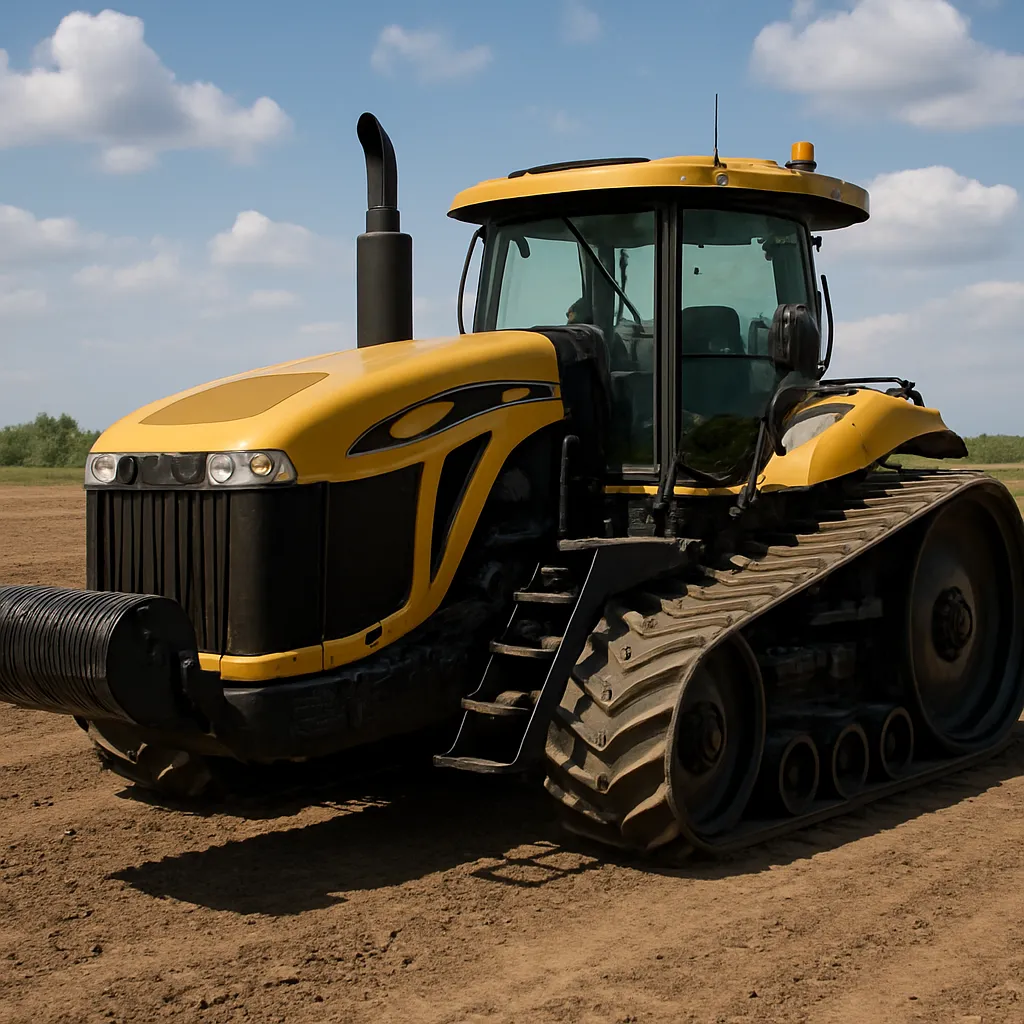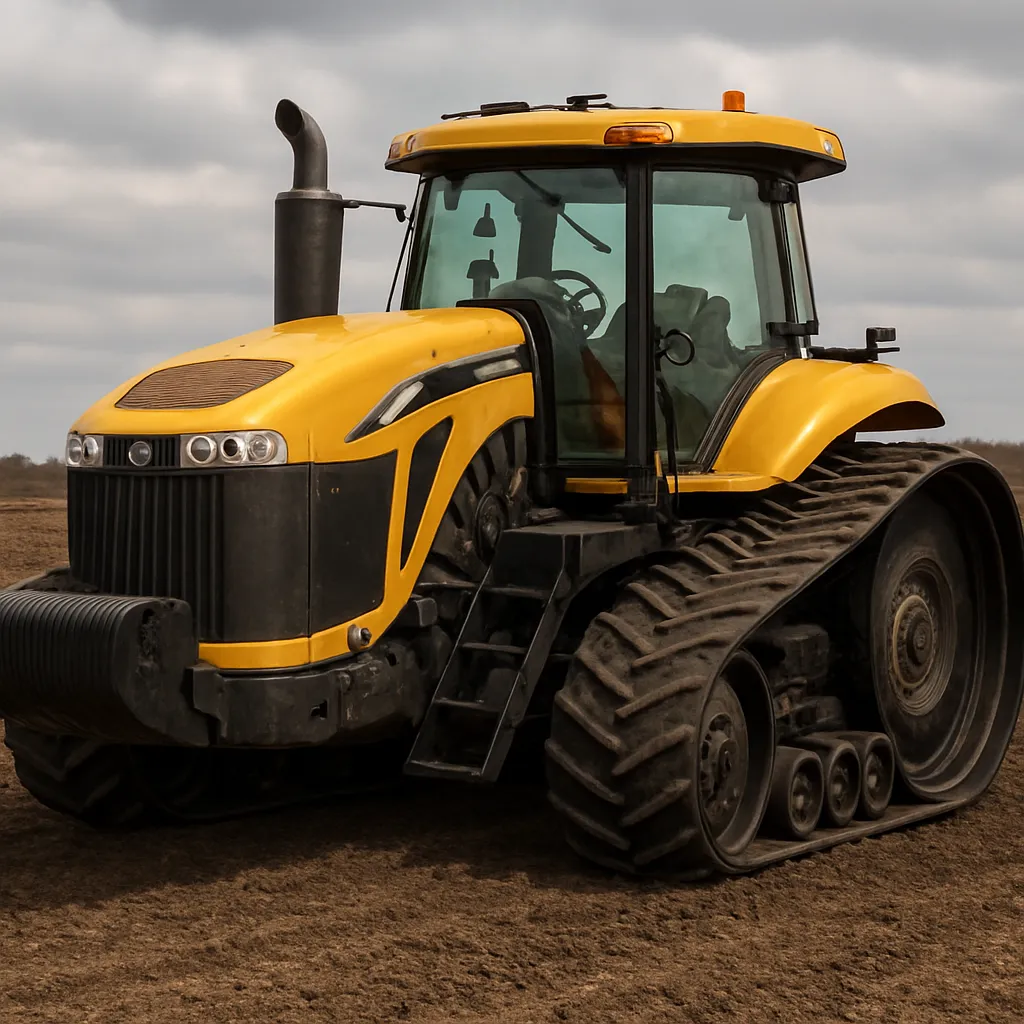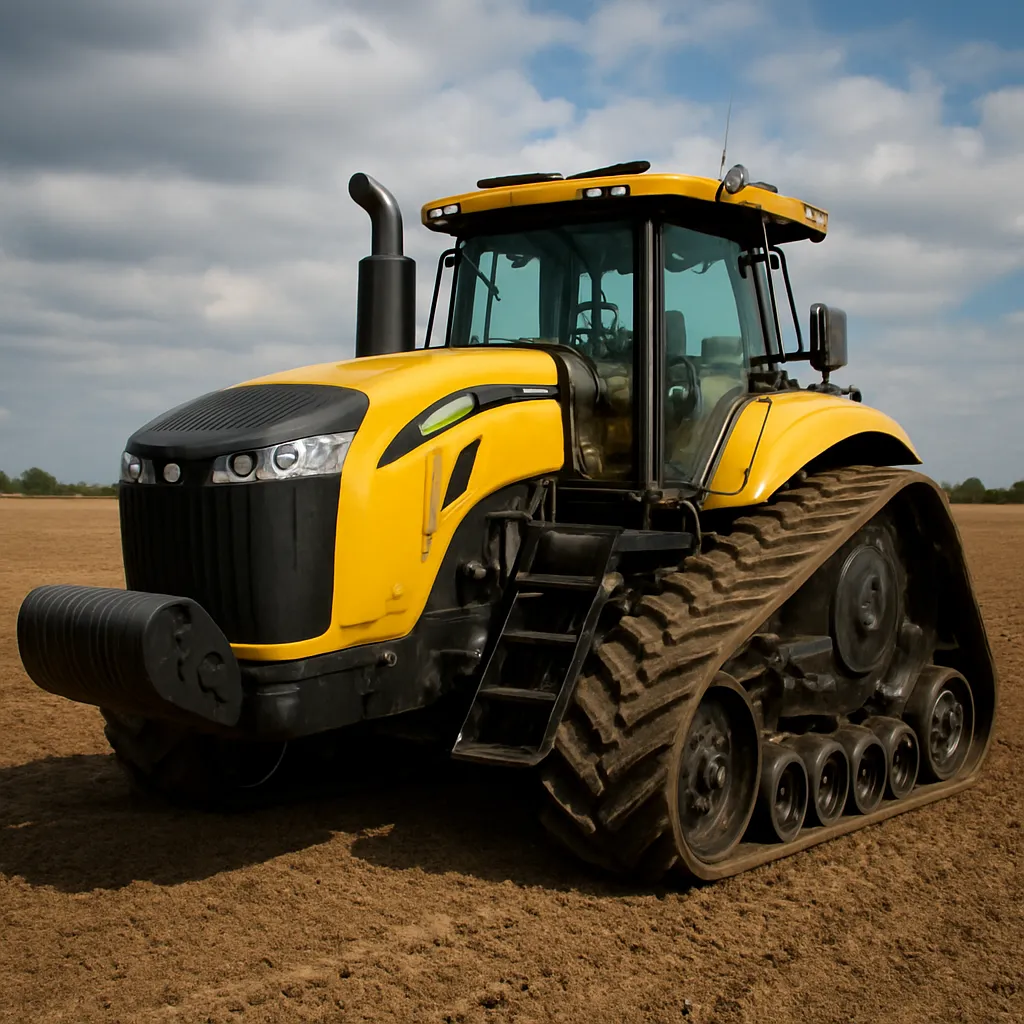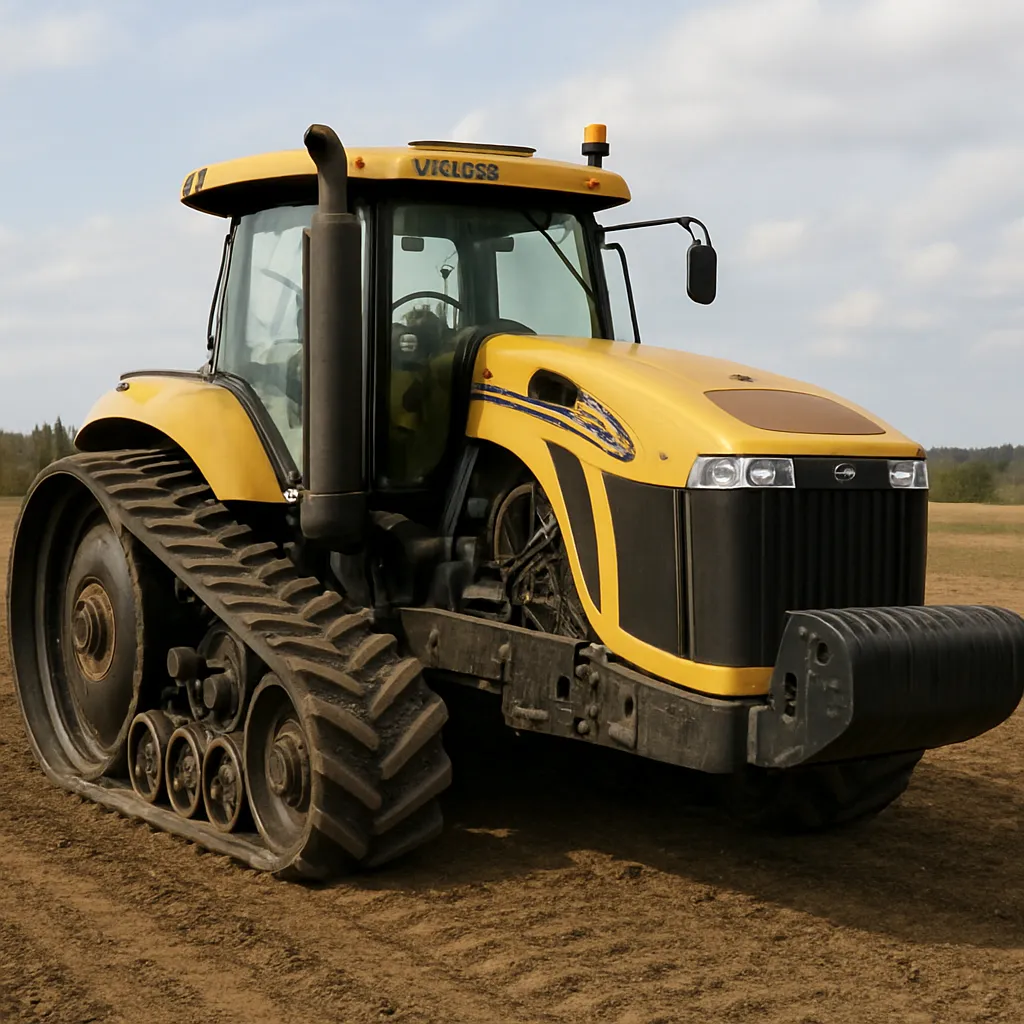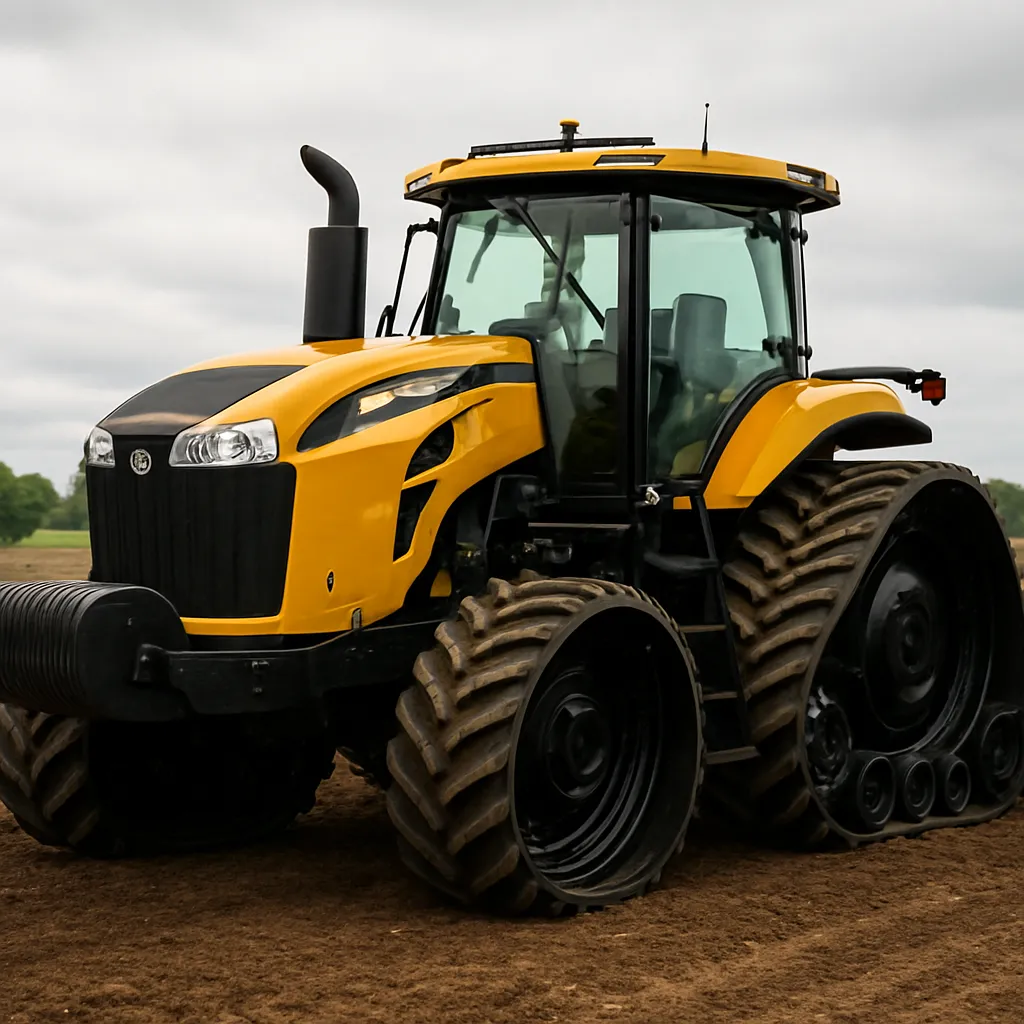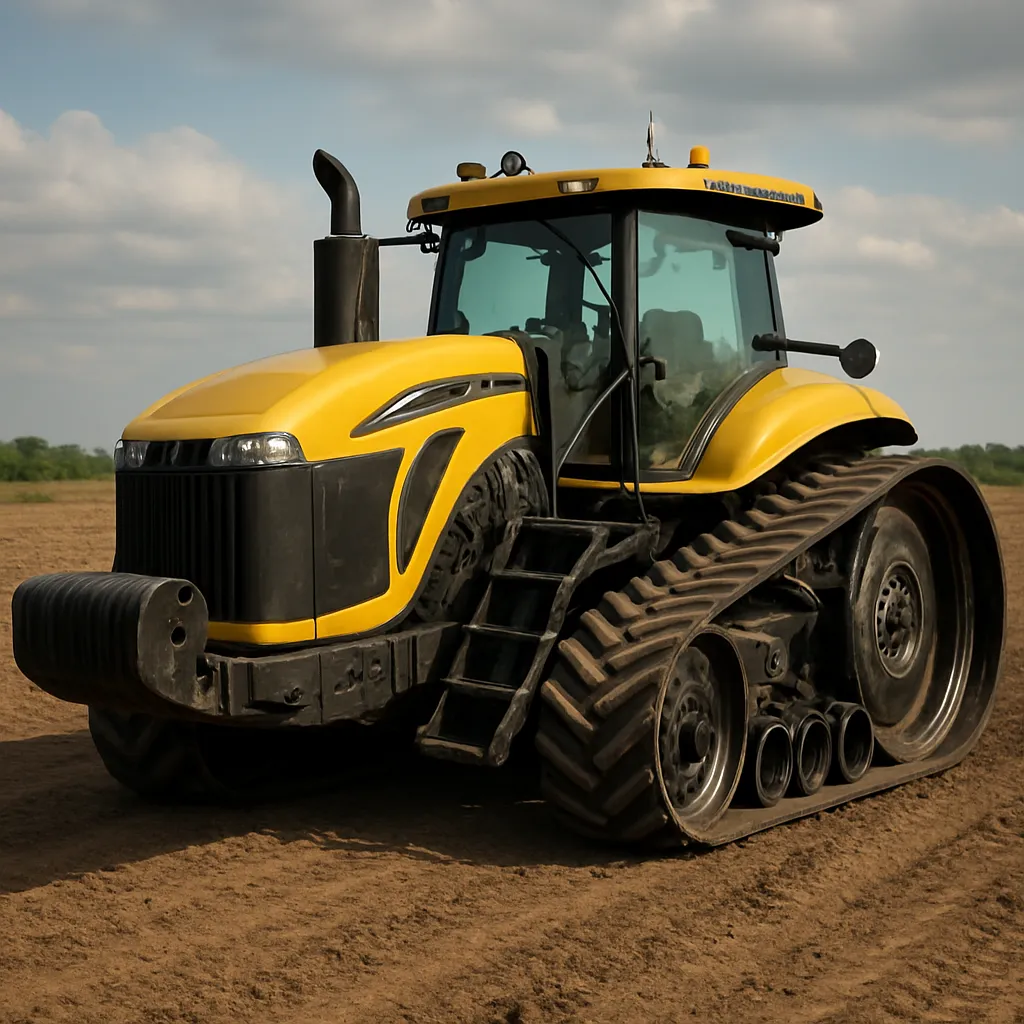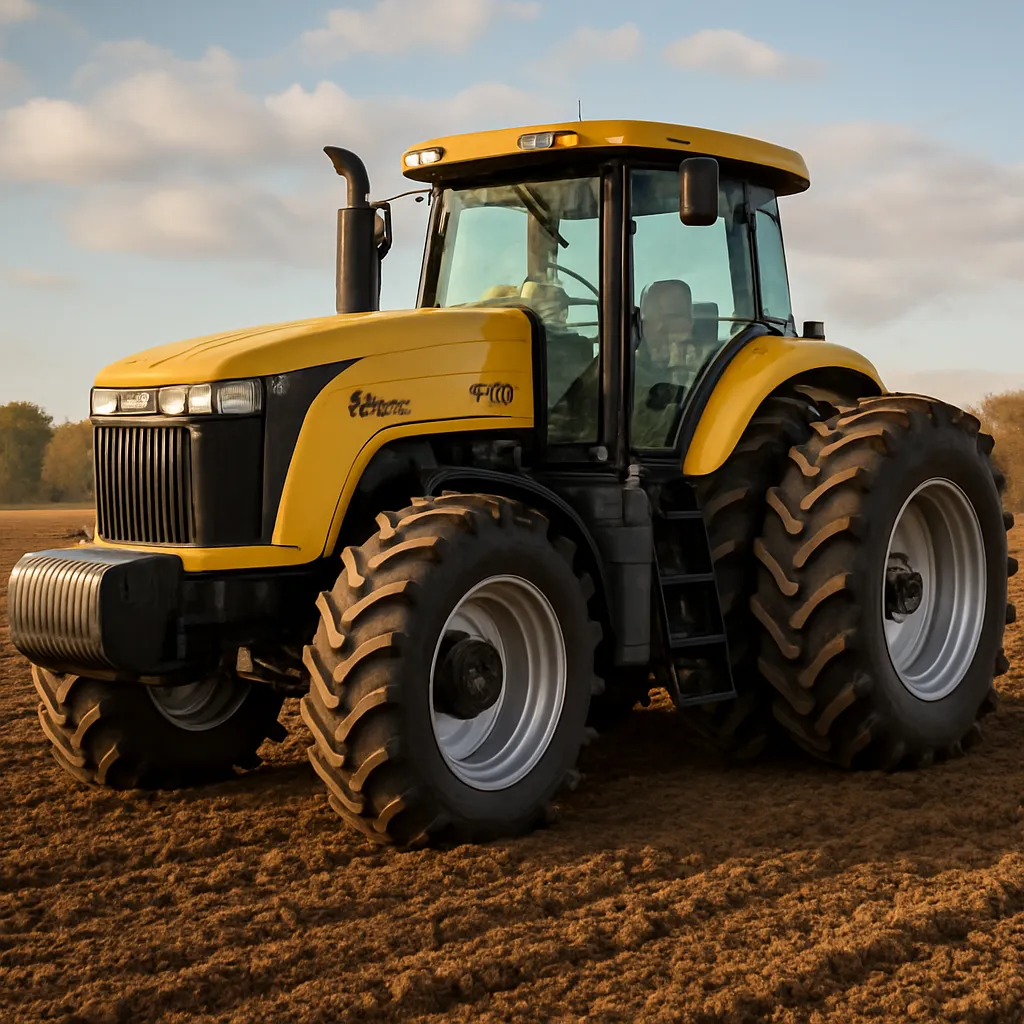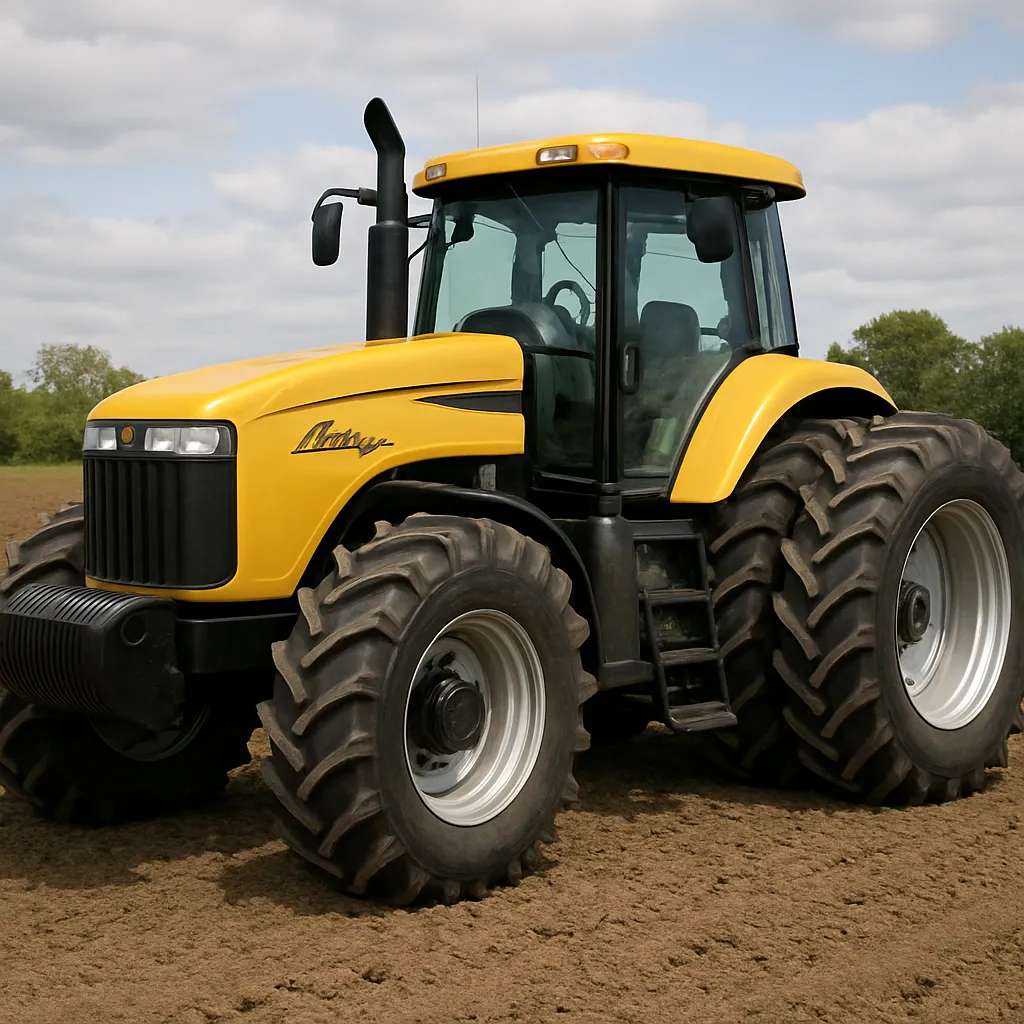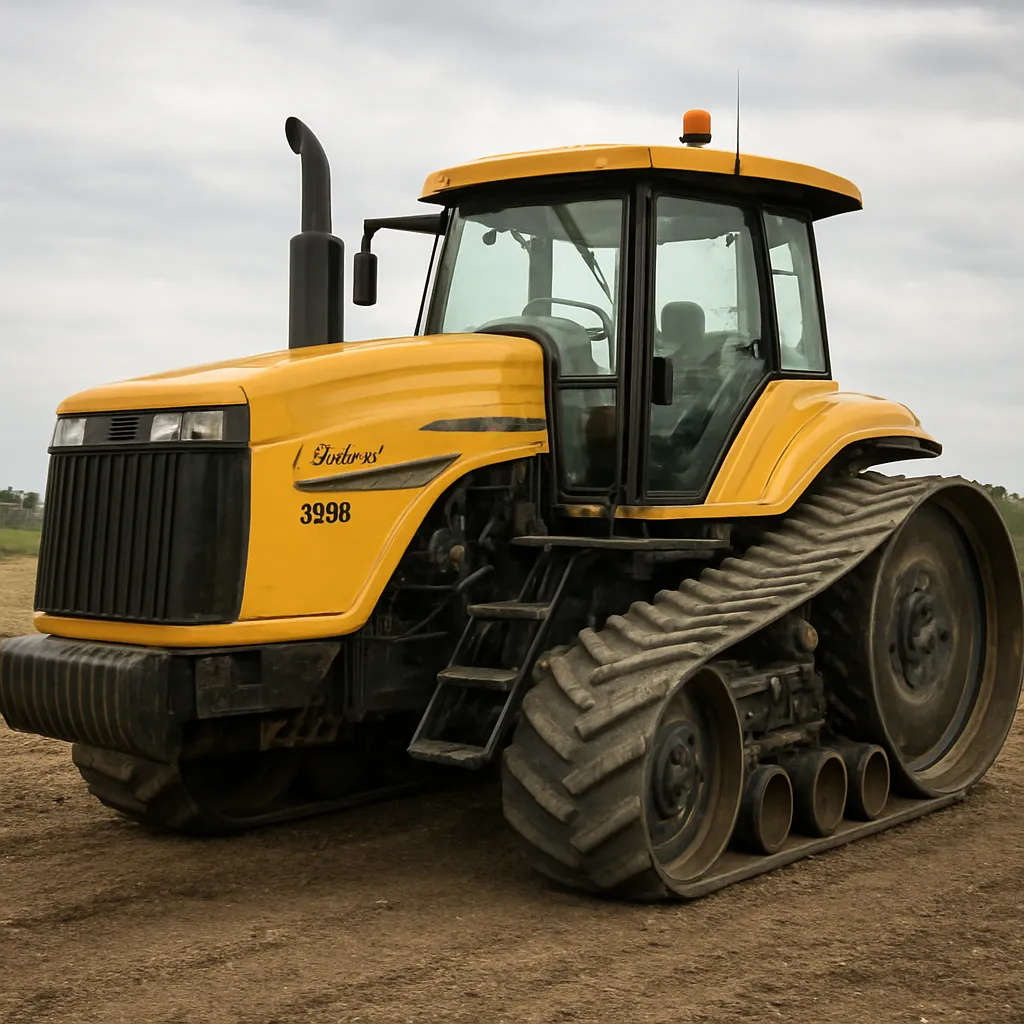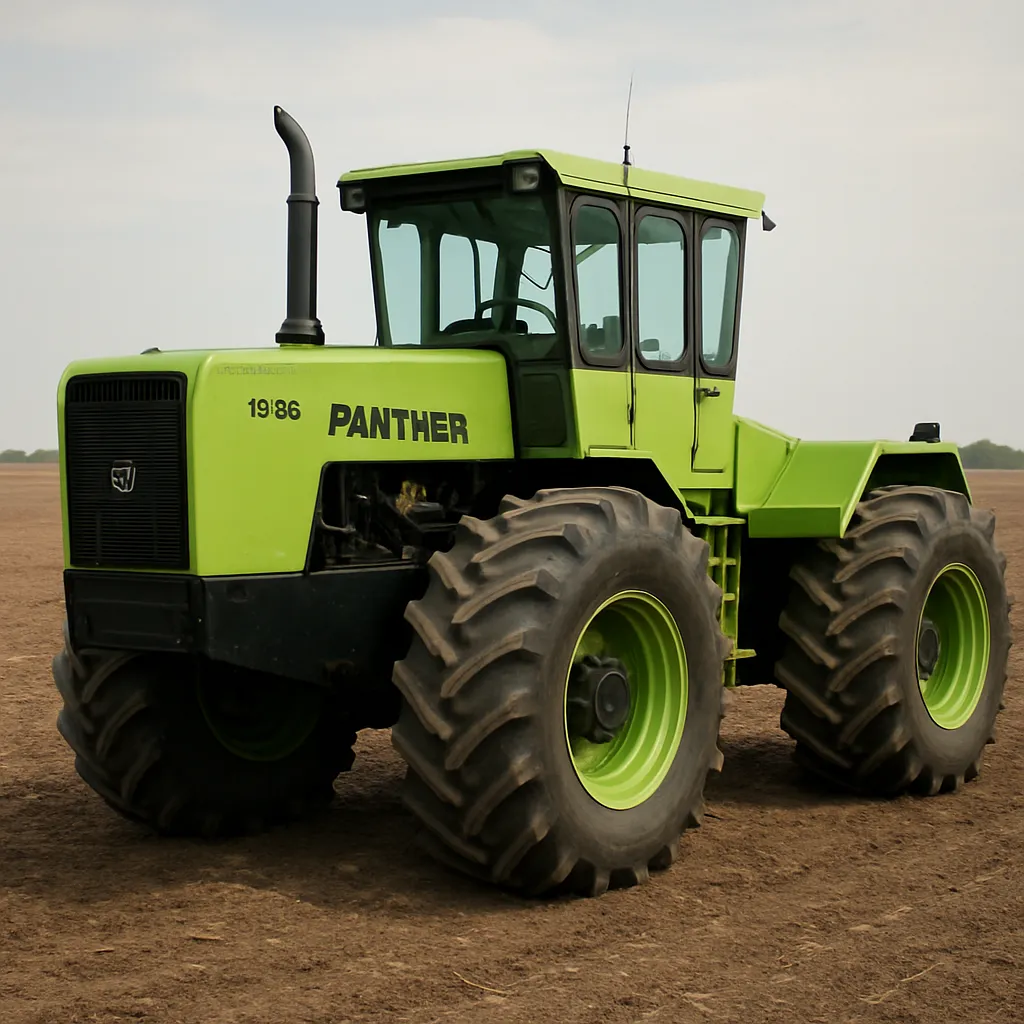
The Steiger Panther KP-525 is a heavy-duty agricultural tractor designed for demanding tasks on large farms, contractors, and specialized applications. Combining high output, robust construction and modern operator comforts, this type of machine is positioned in the segment of high-horsepower four-wheel-drive tractors that serve as a backbone for large-scale tillage, seeding and heavy transport operations. The article below explores its design, typical technical characteristics, practical uses, operational economics and comparisons within the market. Where precise model data is unavailable or varies by configuration, ranges and typical values are presented and clearly identified as approximations.
Design and Technical Characteristics
The Steiger Panther KP-525 is engineered around a few core concepts: power, traction, durability and operator comfort. While specific factory configurations can vary by year and regional specification, typical characteristics of tractors in this class include:
- Engine output: Model designation KP-525 commonly indicates a maximum engine power in the region of 500–550 hp (approximately 370–410 kW) depending on boost levels and legal limits for road use in different markets. This power class allows the machine to pull large tillage implements, heavy planters, and multi-row seeders.
- Drivetrain: An articulated four-wheel-drive chassis is standard, improving maneuverability for such a large machine. Transmission options often include a high-capacity powershift or a fully variable (CVT/IVT-type) transmission, giving a wide range of speeds suitable for both headland turns and transport on public roads.
- Hydraulics and hitch: High-flow hydraulic systems with multiple remote valves (often supporting flow rates in the approximate range of 160–220 L/min depending on pump configuration) are typical. The rear three-point hitch and high-capacity drawbar are rated for the heaviest mounted and trailed implements.
- PTO: Power take-off options usually include a 1000 rpm PTO for high-power driven implements. PTO torque and rating are designed to match the high engine output to ensure efficient implementation.
- Weight and ballast: Operating weight often ranges from roughly 12 to 18 tonnes (unballasted to fully ballasted with dual wheels or tracks installed). Ballast and tire/tracks choices are essential to match soil compaction constraints with traction needs.
- Wheel and track options: The KP-525 can typically be configured with dual rear wheels, dual front and rear wheels, or full tracked undercarriage systems (rubber tracks or tracked modules) to reduce soil pressure while maintaining traction.
- Cab and ergonomics: Modern cabs on tractors of this level emphasize operator comfort for long shifts: climate control, air suspension seat, soundproofing, and intuitive control layouts. Integrated displays for engine, transmission, hydraulics and precision agriculture systems are common.
Because the KP-525 sits in the upper echelon of agricultural tractors, the design uses reinforced components—heavy-duty axles, large hydraulic cylinders, high-capacity cooling systems and robust frames—engineered to sustain prolonged high-load operations in arduous conditions.
Approximate performance statistics
- Rated power: ~500–525 hp (approx. 370–390 kW)
- Peak torque: variable by engine, typical heavy-duty diesel torque peaks could be in the 2,000–2,500 Nm range for this power class (approximation)
- Fuel tank capacity: commonly between 800–1,200 liters depending on optional tanks and long-range configurations
- Hydraulic flow: 160–220 L/min (depending on single or dual-pump setups)
- Operating weight: 12,000–18,000 kg depending on track/wheel and ballast configuration
Note: The numbers above are representative of tractors in the 500–550 hp category. Exact factory specifications for the KP-525 can vary; consult the manufacturer’s technical sheet for precise figures for a specific machine.
Applications and Field Performance
Tractors like the Steiger Panther KP-525 are purpose-built for large-scale and high-power tasks. Their role on modern farms and in contracting outfits includes an array of operations where high horsepower and sustained torque are essential.
- Tillage: Primary tillage tools such as deep ploughs, disc harrows and heavy cultivators often require significant draft force. The KP-525 can operate large implements in a single pass, reducing the number of field passes and saving time during narrow weather windows.
- Seeding and planting: Large planters and air seeders benefit from stable ground speed and consistent power delivery; the KP-525 supports wide working widths and simultaneous fertilizer or seed application, facilitating rapid field coverage during planting seasons.
- Transport and heavy haul: On-farm transport of grain trailers, heavy loads of manure, beet or forestry products is feasible due to strong drawbar pull and good road speed with proper gearing.
- Specialized cropping systems: Sugarcane, rice (in appropriate configurations), and industrial crops that use large harvesting or field preparation equipment often utilize tractors in this power class for towing and powering machinery.
- Land reclamation and contractor work: Contractors performing land leveling, road base preparation, or earthmoving tasks pair heavy tractors with high-capacity attachments, benefiting from the tractor’s structural robustness and hydraulic capacity.
Field performance metrics depend on many factors: soil type, moisture, implement design, tire/track selection and operator skill. Typical operational advantages of a machine like the KP-525 include reduced field days for a given task, ability to pull wider implements without sacrificing speed, and improved overall productivity per hour under heavy loads.
Productivity examples (illustrative)
- A 6–8 meter primary tillage pass with a heavy disc or chisel plough can often be completed at 6–9 km/h depending on soil conditions; at that speed, a single machine covers many hectares per hour compared with smaller tractors requiring multiple passes.
- When paired with a 12–18 meter air seeder, the KP-525 enables rapid planting windows, often crucial in temperate climates where seeding time is limited by weather.
These productivity gains are a major reason large operations invest in high-horsepower tractors: the cost per hectare can drop when the machine is well matched to the implements and the agronomic schedule.
Operational Economics and Maintenance
High-horsepower tractors bring both benefits and responsibilities. The Steiger Panther KP-525 offers economies of scale but requires careful attention to operating costs, maintenance planning and lifecycle management.
Fuel consumption and running costs
Fuel consumption for machines in this category varies strongly with workload. Typical ranges under working load are:
- Light transport or idle: 15–30 L/h
- Moderate load (seeding, light tillage): 25–40 L/h
- Heavy draft (deep tillage, full-width cultivation): 35–60+ L/h
Fuel efficiency can be improved by matching the implement size and operating speed to the tractor’s most efficient power band, using engine management systems and implementing precision agriculture tools to avoid unnecessary overlaps in field passes.
Maintenance intervals and typical service items
- Engine oil and filter: often serviced every 250–500 hours depending on oil type and operating conditions.
- Hydraulic oil and filter: inspection at 500 hours, with full replacement intervals often at 1,000 hours or according to manufacturer guidance.
- Transmission and final drives: fluid and filter change intervals vary; many high-capacity transmissions have service intervals of 1,000 hours or more, but frequent inspection is advised under heavy use.
- Cooling system: regular cleaning and coolant checks; heavy soils and dusty conditions can require more frequent cleaning of radiators and air intakes.
- Undercarriage (if tracked) and axles: inspection after heavy use; track tension and wear checks are essential to avoid downtime.
Scheduled preventive maintenance is crucial to preserve the machine’s value and limit unplanned downtimes. High-capacity tractors often have modular components to facilitate major overhauls, but labor and parts costs for large engines and drivetrain components are significant.
Depreciation and total cost of ownership
Initial purchase price for a new KP-525 class tractor can be substantial—depending on options and local taxes, a general price range for a new high-horsepower articulated tractor is often in the hundreds of thousands of euros/dollars. Used prices depend on hours, service history and condition.
- New purchase price (indicative): €250,000–€500,000+ depending on options, tracks vs wheels and precision agriculture packages.
- Used market: prices can vary dramatically; a well-maintained machine with moderate hours retains more value than one heavily used without documented servicing.
The real economic benefit comes when high initial capital is offset by labor savings and higher throughput at critical times in the season. Operations must model cost per hectare including fuel, maintenance, operator costs and financing to determine return on investment.
Safety, Ergonomics and Technology
Modern tractors in the KP-525 power class incorporate numerous safety and assistance systems to protect the operator and optimize performance:
- Cab safety: ROPS-certified designs, seat belts, and extensive visibility from the cab help reduce accident risk. High-mounted work lights and cameras are common for night work and precise implement alignment.
- Operator comfort: Air-suspended seats, low-noise cabs, climate control and ergonomic control layouts reduce fatigue across long shifts.
- Electronic controls: Engine management systems, transmission control units, and programmable hydraulic settings allow operators to match machine behavior to implements. Many units include headland management systems enabling automated sequences for lifting implements, adjusting PTO and altering speed.
- Precision agriculture: Guidance systems (RTK GPS or comparable GNSS solutions) and auto-steer are often integrated. Variable-rate application, section control and telematics improve input efficiency and record-keeping.
Telematic monitoring of engine hours, fuel consumption, fault codes and location supports fleet management for large operations and contractors. Many manufacturers provide optional subscription-based services for remote diagnostics and predictive maintenance alerts.
Market Position, Availability and Comparisons
The Steiger line and comparable 4WD articulated tractors occupy a niche where reliability under sustained high loads is the primary requirement. Competitors in this segment include models from several major manufacturers that also focus on high-horsepower, high-traction solutions.
- Competition: Other manufacturers offer tractors in the 400–600 hp range with similar capability; buyers weigh factors such as dealer network, parts availability, comfort features and precision agriculture integration.
- Availability: New units are typically sold through authorized dealer networks, with regional variations in configuration to meet local road regulations and tax regimes. The used market can supply machines at lower capital cost, but careful inspection and service history review are essential.
- Resale value: Machines with comprehensive service records and minimal hours typically retain higher resale value. Models with widely available parts and dealer support tend to command better second-hand prices.
For large-scale farmers and contractors, fleet diversity and application match are key. The KP-525 is most compelling when a single high-horsepower tractor can replace multiples of smaller tractors or allow wider implements that reduce total working hours.
Operational Tips, Upgrades and Best Practices
To get the most from a high-horsepower tractor such as the KP-525, consider the following best practices and upgrades:
- Implement matching: Select implements designed to operate efficiently at the tractor’s horsepower and required ground speeds. Oversized implements can create soil compaction or exceed the machine’s drawbar limits; undersized implements waste potential.
- Precision farming: Invest in RTK or comparable guidance systems to maximize field efficiency and reduce overlaps. Section control and variable-rate technology improve input use and crop uniformity.
- Tire and track strategy: Choose tire sizes, duals or tracked undercarriages based on soil type and compaction management plans. Track systems reduce surface compaction but can increase complexity and cost.
- Operator training: Properly trained operators get better fuel efficiency, reduced wear and safer operation. Headland management and automated sequences can standardize tasks and lower operator variability.
- Preventive maintenance: Follow manufacturer service intervals, maintain fluid cleanliness and keep a documented service log. Early detection of hydraulic or drivetrain issues prevents more costly repairs.
Concluding Observations
The Steiger Panther KP-525 represents the class of powerful, heavy-duty agricultural tractors built for large-scale farming, contracting and specialized heavy-duty tasks. Its value proposition lies in its ability to deliver sustained high power and traction, reduce the number of field passes, and support very wide implements and high-capacity operations. While operating and ownership costs are significant—fuel, maintenance and acquisition are higher than in smaller tractors—the productivity gains and schedule flexibility often justify the investment for large farms and contractors.
For operators considering a KP-525 or similar tractor, the decision should be driven by careful matching of implement size and field conditions, evaluation of total cost of ownership, access to reliable after-sales support and a plan for soil compaction management. When deployed appropriately, a tractor of this caliber becomes a central asset that boosts seasonal efficiency and enables large-scale agronomic strategies.