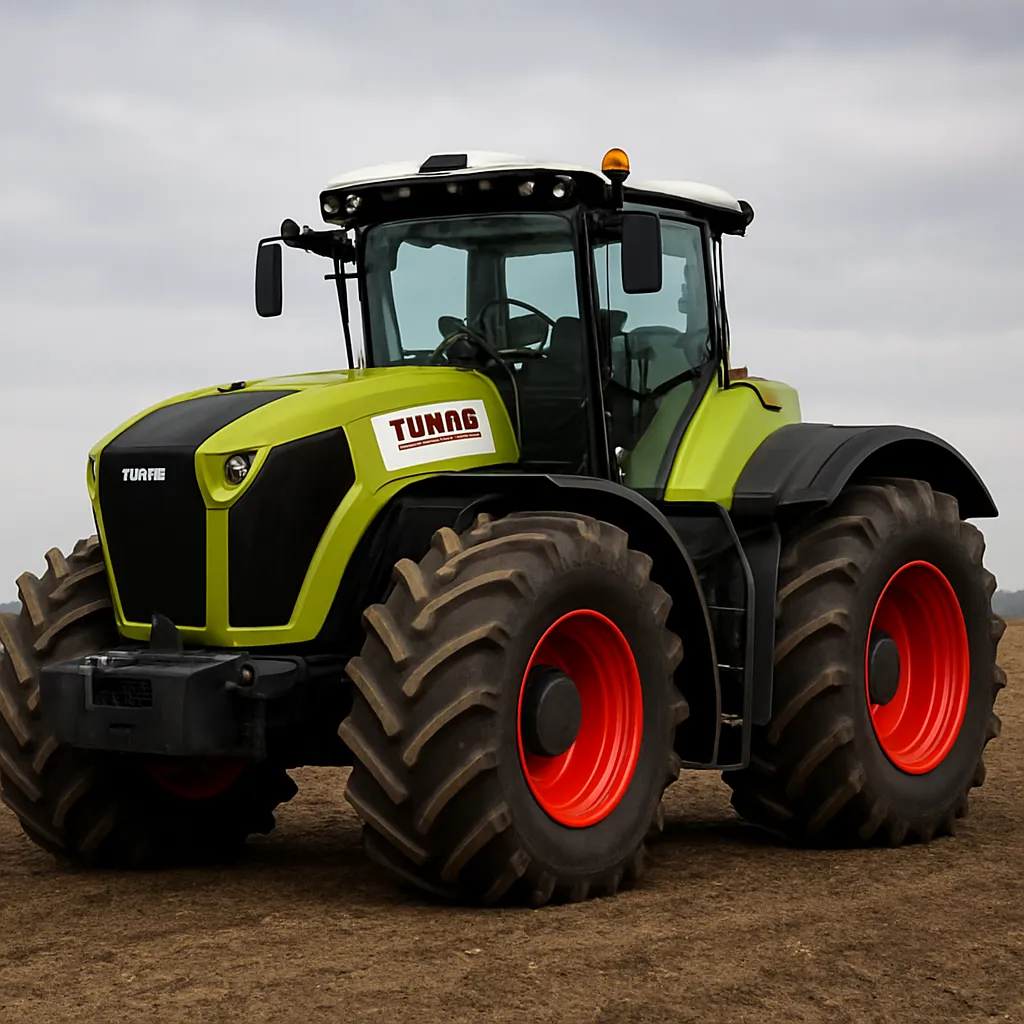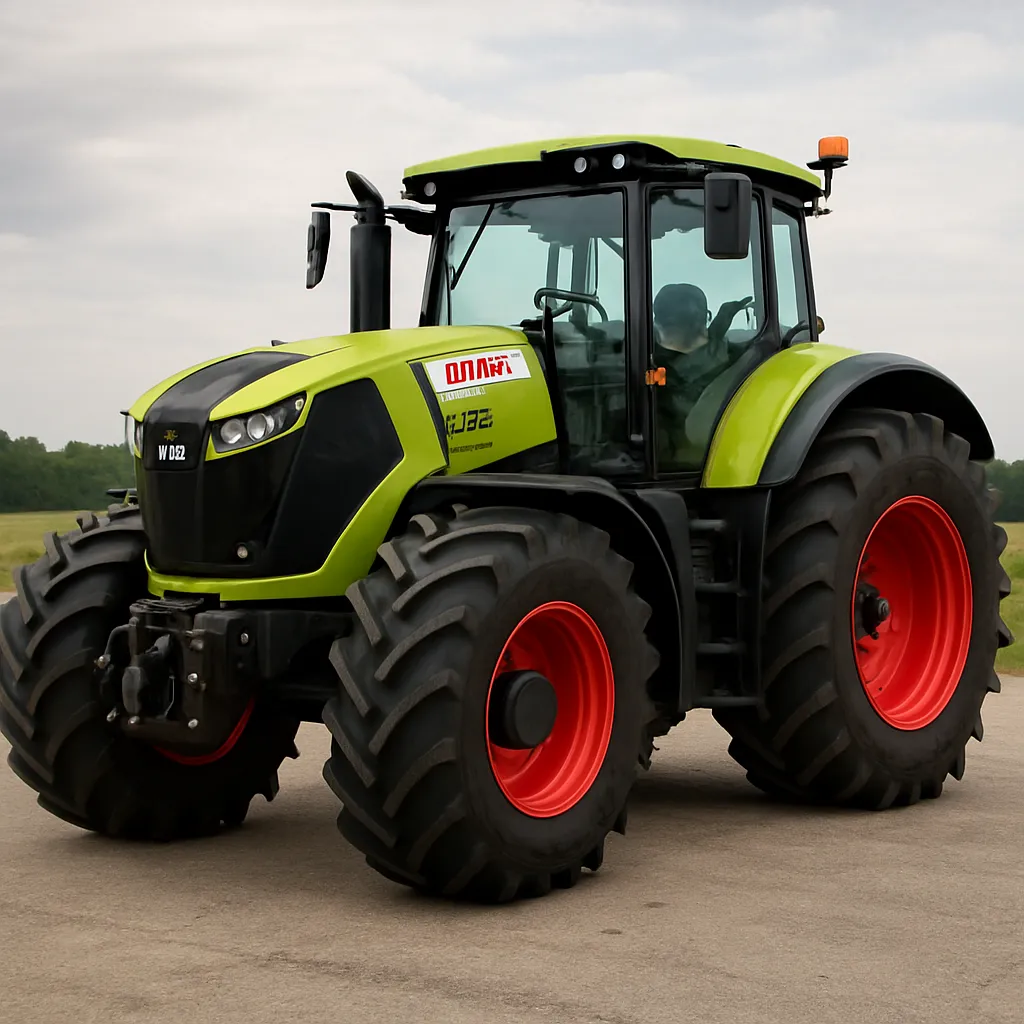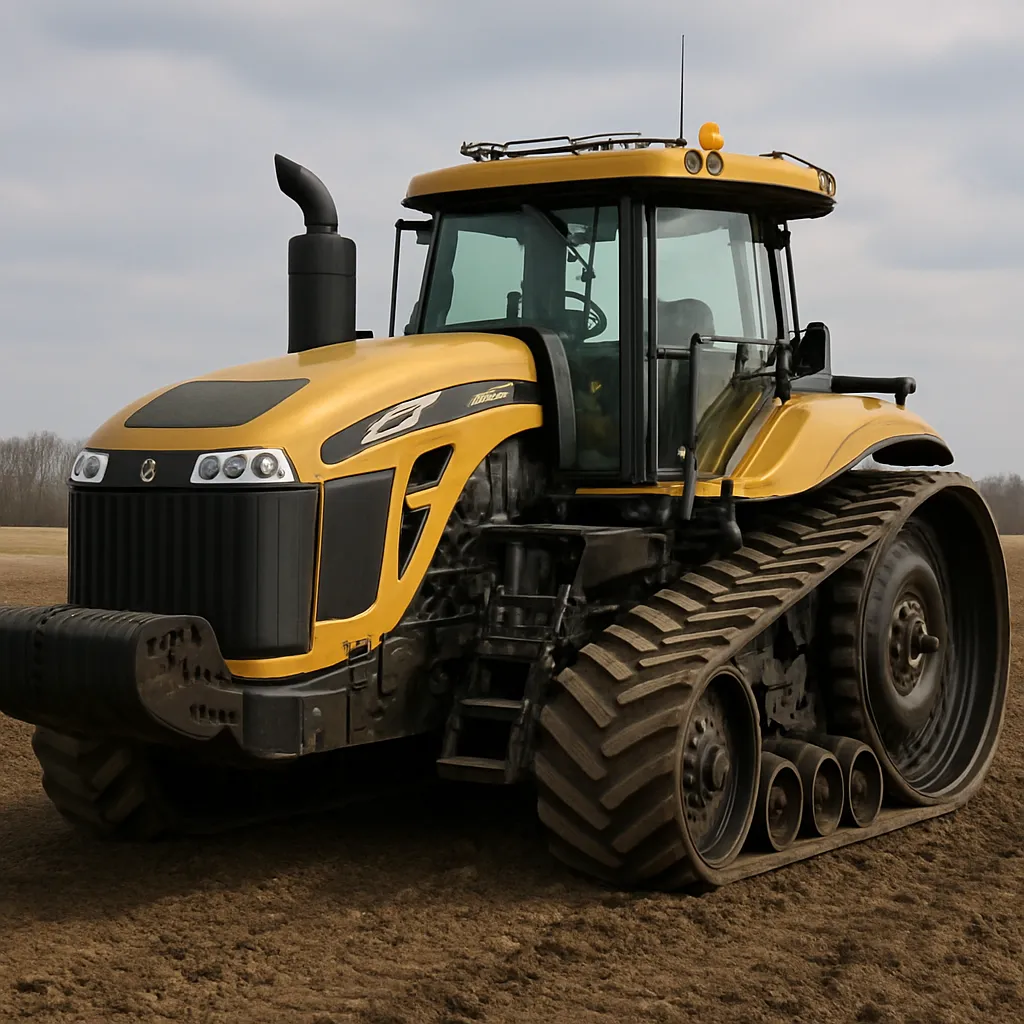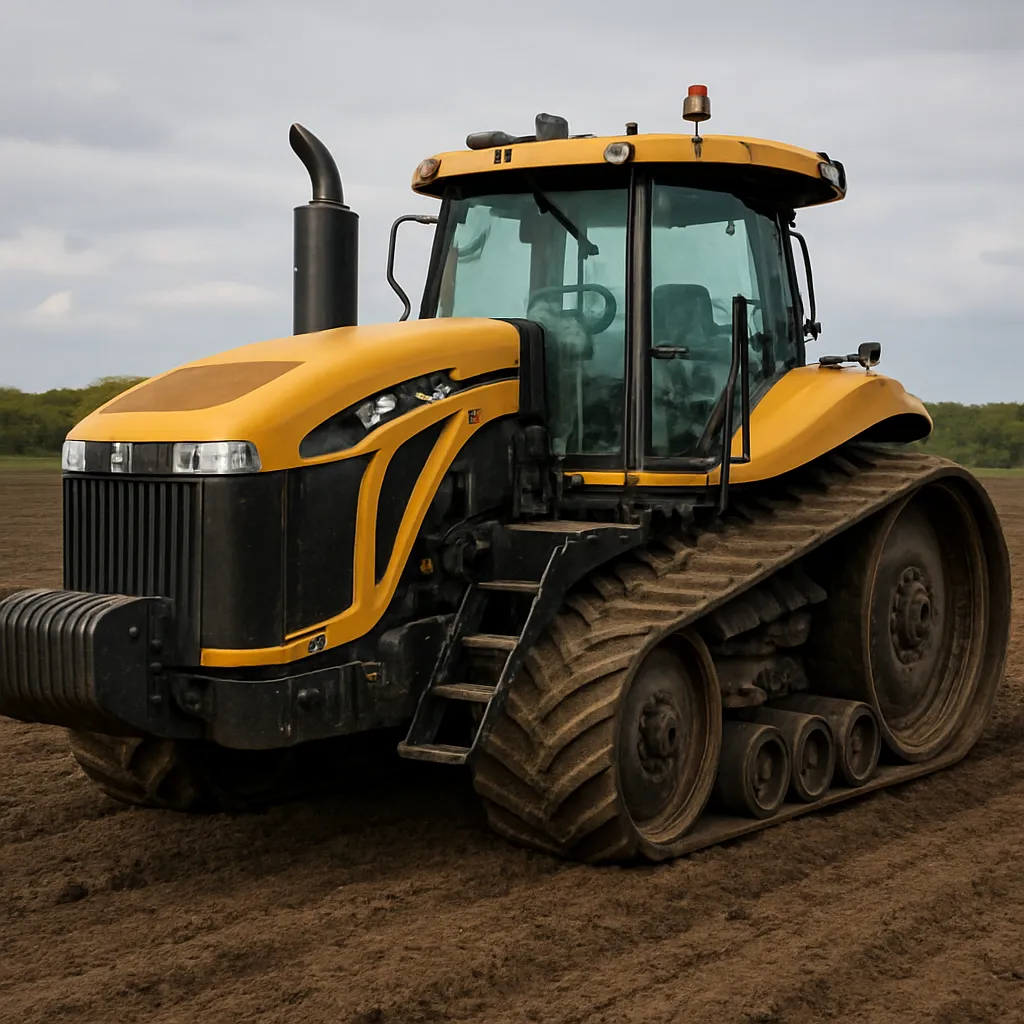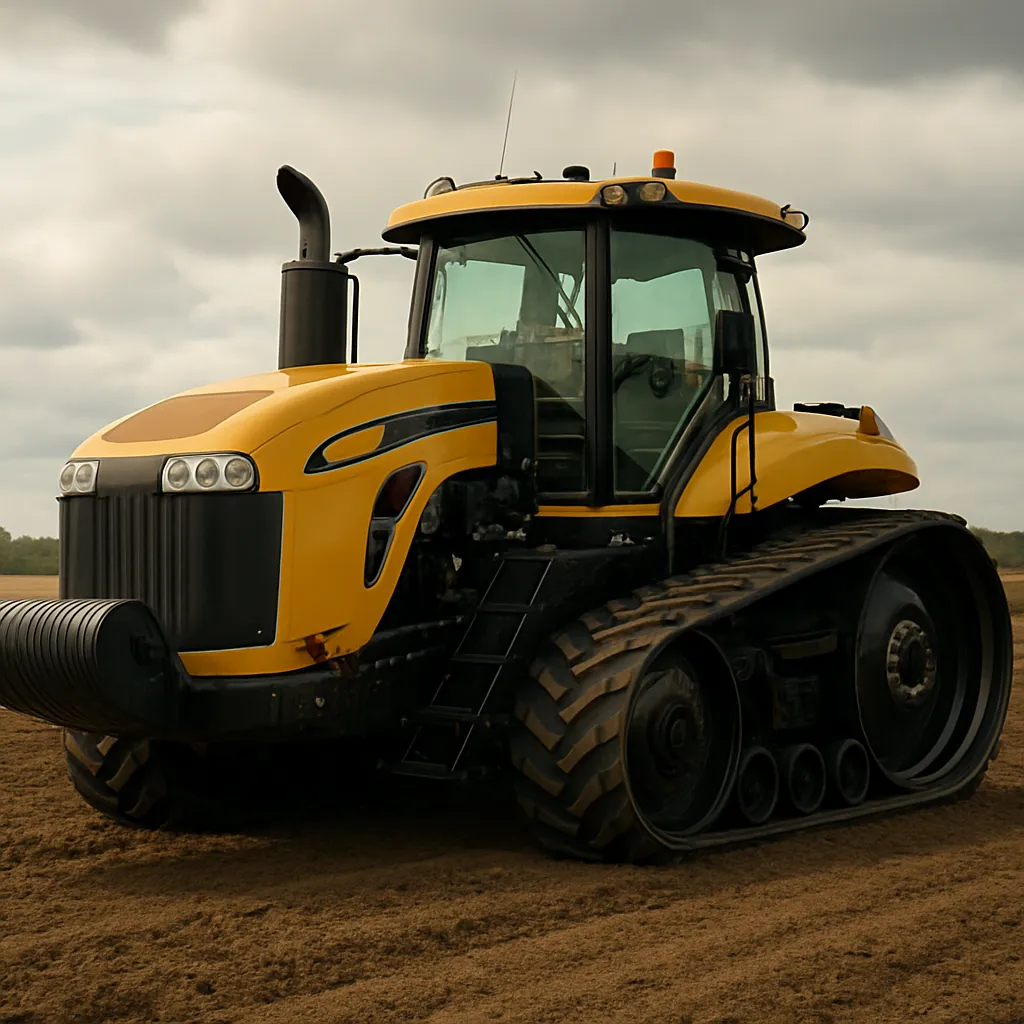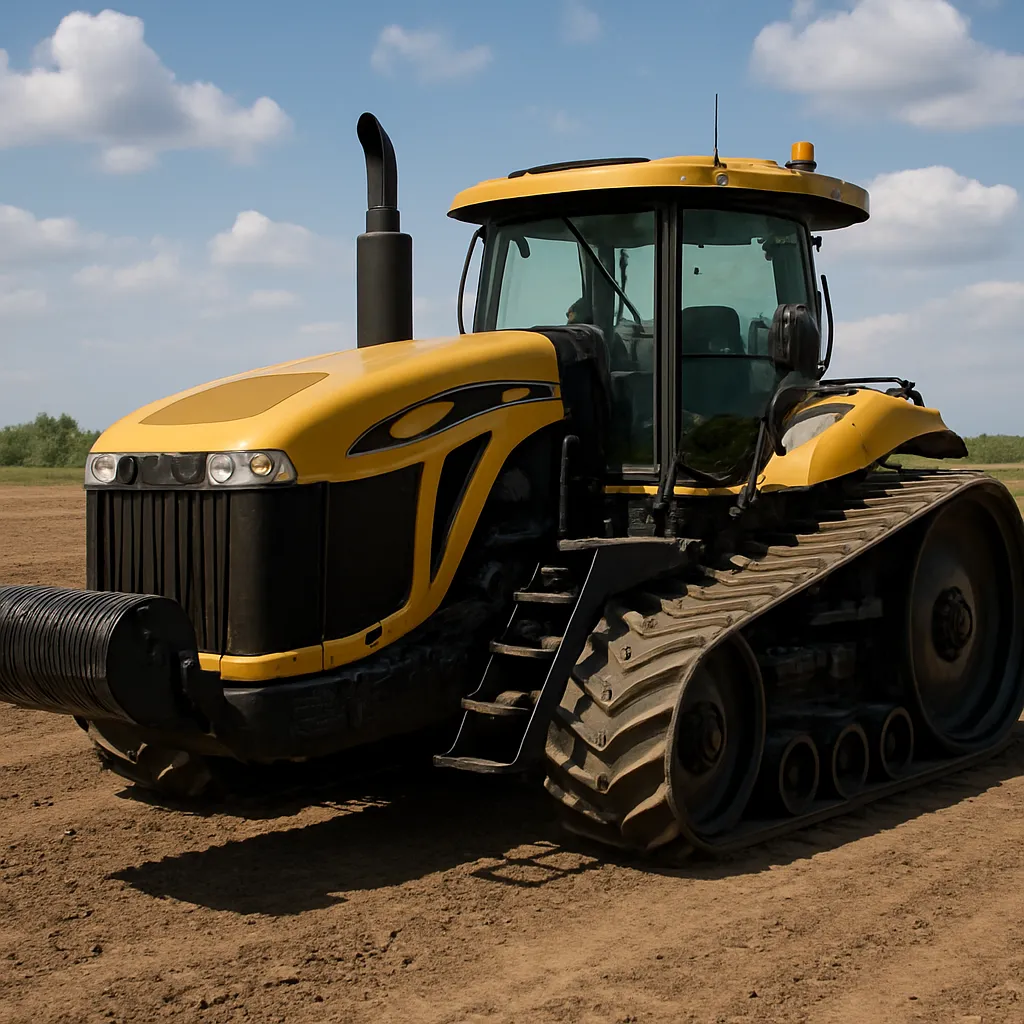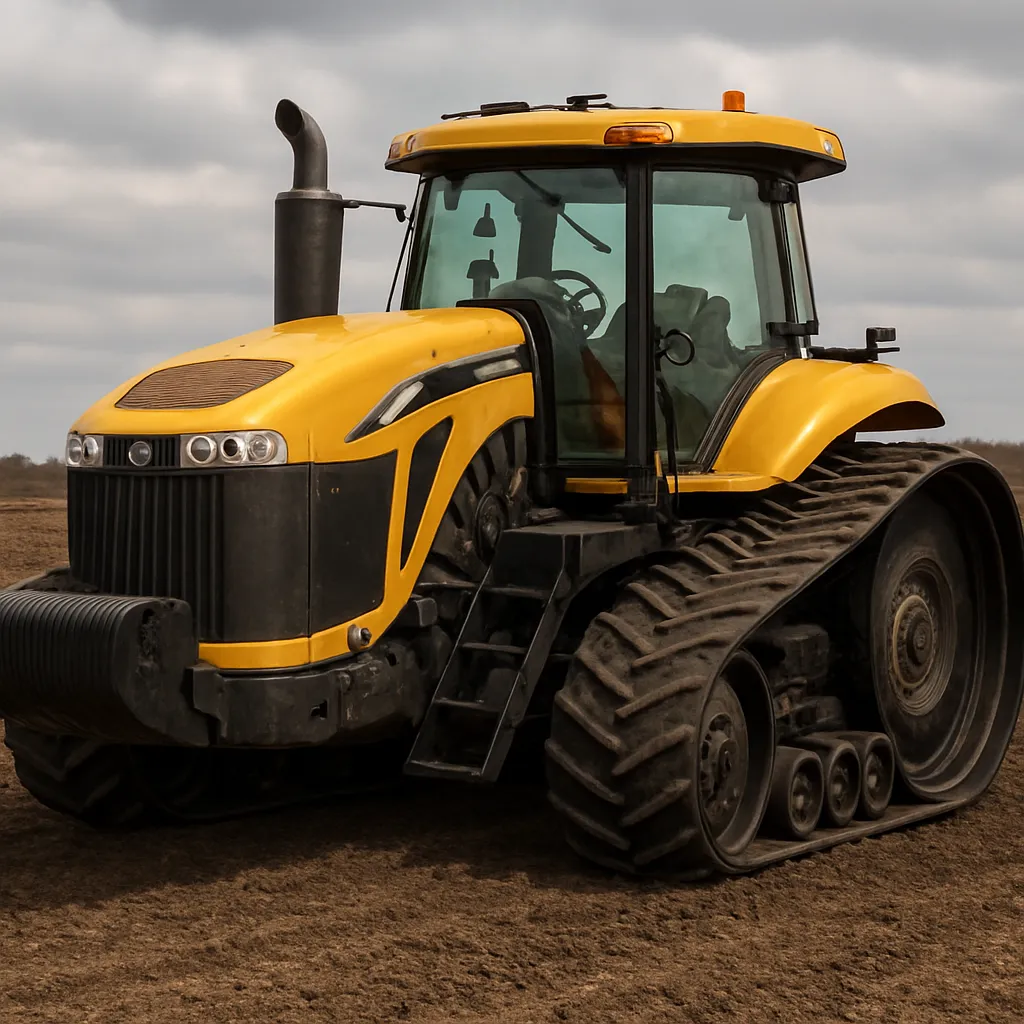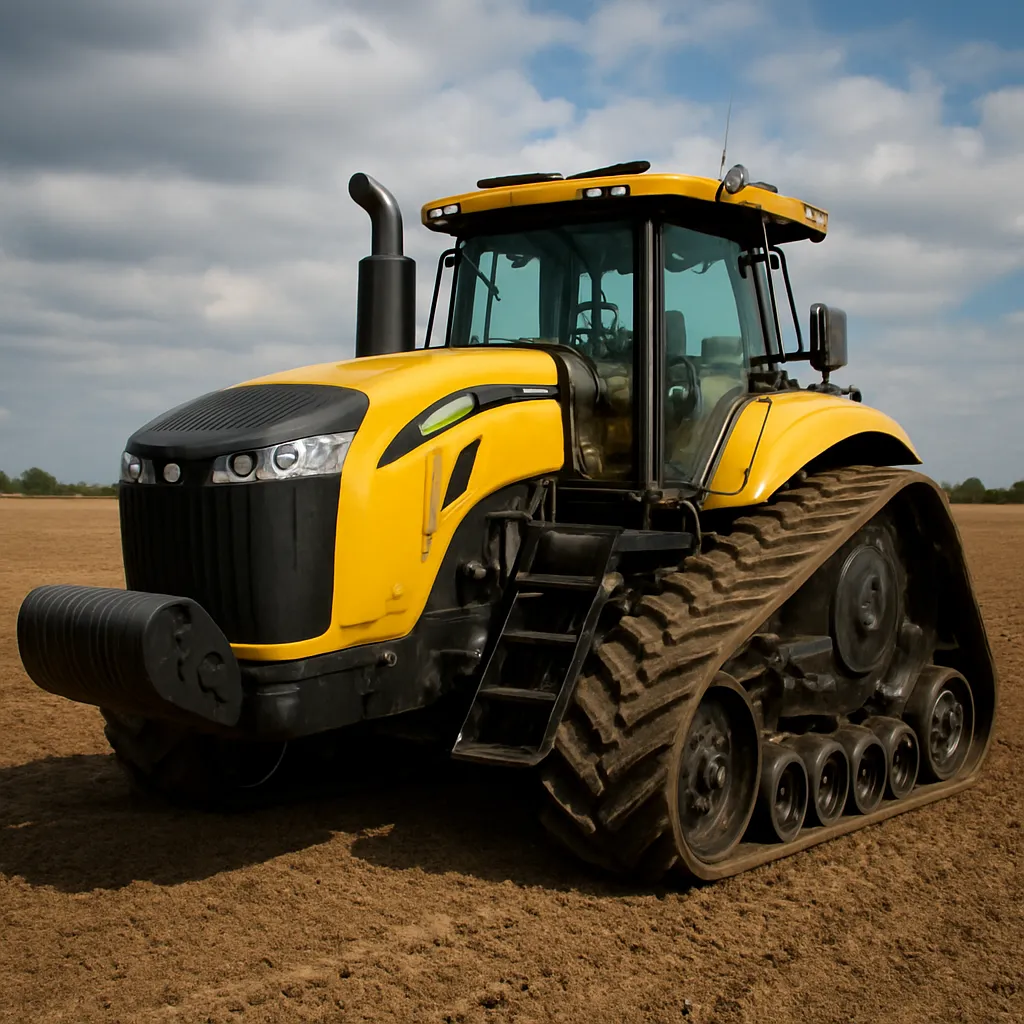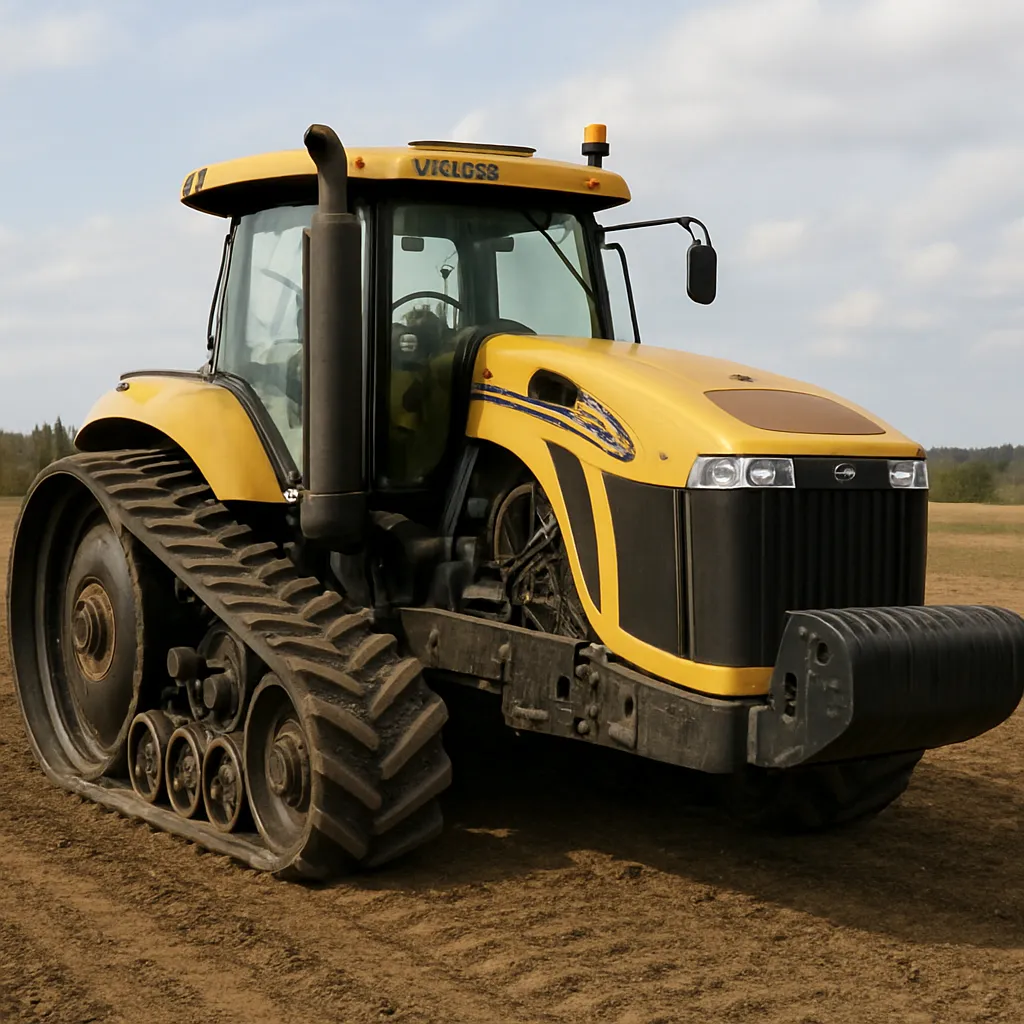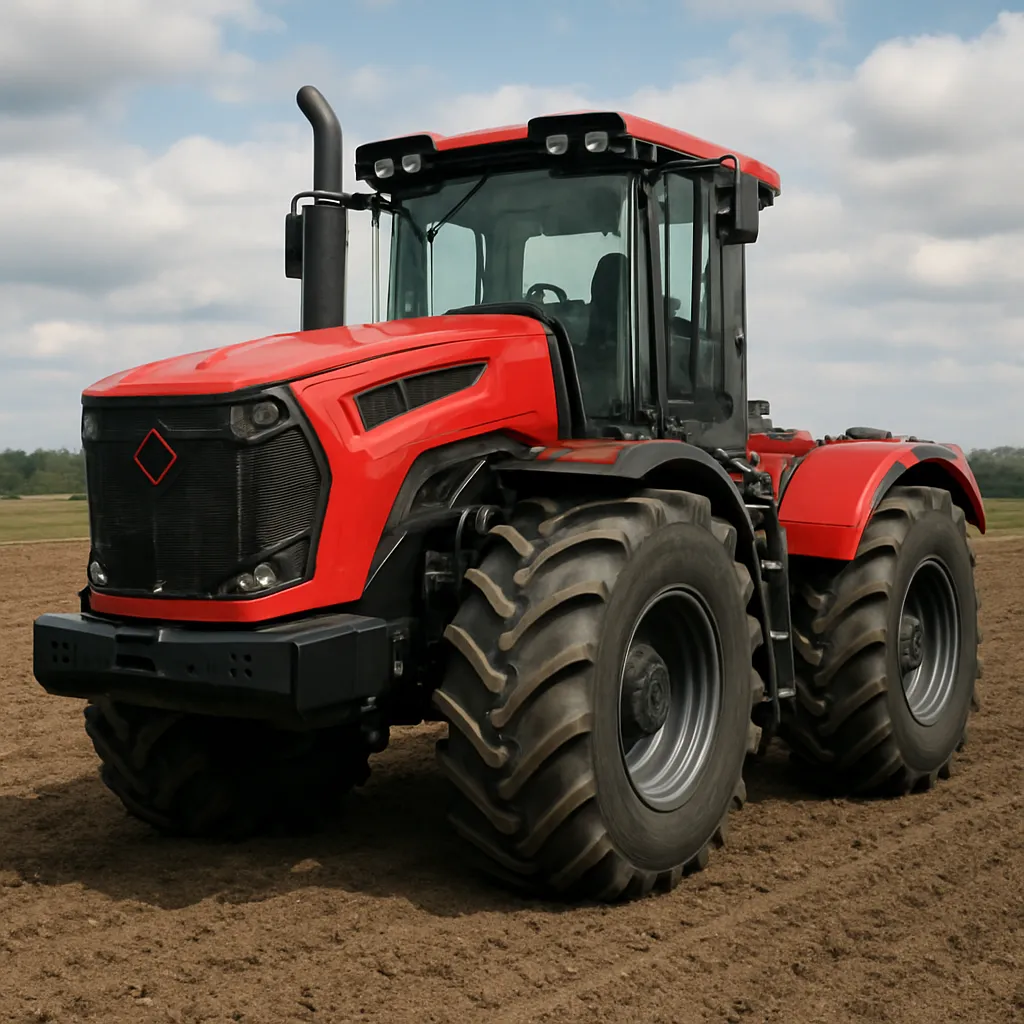
The Kirovets K-525 is a heavy-duty agricultural and industrial tractor designed to meet the demands of large-scale farming, construction tasks and specialized municipal work. Produced under the historic Kirovets brand, the K-525 combines robust mechanical design, high pulling power and versatile attachment options to serve as a platform for a wide range of tasks. This article examines the K-525’s design, technical characteristics, areas of application, operational performance, maintenance considerations and its place in modern mechanized agriculture and heavy-duty operations.
Design and technical specifications
The Kirovets K-525 is built on a rugged chassis and integrates mechanical systems intended for long service life in demanding environments. Emphasis in the design is placed on durability, straightforward maintainability and the capability to connect and operate heavy implements. The structural layout typically includes a high-strength frame, powertrain oriented toward torque delivery at low engine speeds and a heavy-duty three-point hitch and drawbar for traction and implement handling.
Engine and drivetrain
The K-525 is powered by a turbocharged diesel engine engineered to provide sustained torque for pulling heavy loads and driving hydraulic systems. Reported engine output for machines marketed in this class commonly falls in the mid-to-high power band: typical figures for comparable Kirovets models range from approximately 200 to 300 horsepower, with torque curves tuned for fieldwork at lower engine RPM. The engine is usually coupled to a robust transmission—options often include synchronized mechanical gearboxes with multiple ranges or power shift/hydro-mechanical units—designed to offer a broad set of speeds for field, transport and implement operation.
Many K-525 configurations are offered with all-wheel drive, lockable differentials and planetary final drives to optimize traction. The driveline and axles are sized to withstand high shock loads and repeated heavy draft, making the tractor suitable for deep plowing and heavy tillage implements.
PTO, hydraulics and hitch
The K-525 typically features one or more PTO speeds to match a variety of implements—common PTO speeds for this class include 540 and 1000 rpm—and a high-capacity hydraulic system capable of driving multiple remote functions simultaneously. The three-point hitch is rated for heavy implements, with lift capacities that can often exceed several metric tonnes at the hitch point, depending on the specific configuration and hydraulic equipment fitted. High-flow hydraulic pumps, multiple spool valves and optional electronic controls improve implement responsiveness and precision.
Cab, controls and ergonomics
Operator environment varies by specification, but mid-to-high trim levels usually include an enclosed cabin with climate control, suspended seating, and ergonomic controls arranged to reduce operator fatigue during long shifts. Visibility from the cab is typically prioritized to aid implement alignment and safe transport on roads. Instrumentation may combine analog gauges with digital readouts to monitor engine parameters, fuel consumption and system warnings.
Applications and typical uses
The K-525 is designed as a multi-role machine. Its combination of power and heavy-duty systems makes it suited to a wide array of tasks across agriculture, industry and municipal services. Because of its adaptability, the K-525 often becomes a workhorse on farms, estates and enterprises that require a single reliable platform for many jobs.
- Agricultural plowing and primary tillage: The tractor’s high draft capacity makes it suitable for large plows, heavy subsoilers and compactors employed in traditional and conservation tillage systems.
- Seeding, fertilizing and crop care: When paired with large seeders and fertilizer applicators, the K-525 enables efficient coverage of extensive fields with consistent implement control and power delivery.
- Traction for trailers and wagons: The heavy-duty drawbar and linkage systems allow the K-525 to move substantial loads, including bulk grain wagons, slurry tankers and transport trailers in off-road conditions.
- Construction and earthmoving: With front loaders, dozer blades or rear-mounted scarifiers, the tractor can perform basic earthworks, road maintenance and site-preparation tasks.
- Forestry and land reclamation: Fitted with protective guards and specialized attachments, the K-525 serves in forestry hauling, hauling timber and clearing operations.
- Municipal services and winter maintenance: Snow plows, sweepers and salt spreaders can be mounted for municipal winter operations in regions with severe winters.
Because the K-525 is built to interface with a broad range of implements, customization for regionally specific tasks is common. This adaptability increases the tractor’s utility across different climates and farming systems.
Performance, efficiency and operational characteristics
In real-world operation, the K-525 is valued for steady pulling power, good stability under load and the capacity to maintain low-end torque—important for attached implements that demand consistent force at low ground speeds. Performance details depend heavily on the installed engine and transmission choices, but some general observations apply.
- Fuel economy: Fuel consumption varies with task and load. For heavy draft work, tractors in this class commonly use a higher rate of fuel; however, modern tuning of turbocharged diesel engines and efficient transmissions improve specific fuel consumption compared with older generation machines. Typical working consumption can range significantly depending on operating conditions, the load of implements and operator technique.
- Field productivity: The K-525’s effective field speed combined with implement width determines the hectare-per-hour output. When matched to appropriate implements, the machine is capable of covering large areas rapidly while maintaining consistent implement action.
- Transport and road speed: Road speeds depend on gearing and regulatory limits, but many tractors in this category include transport gearboxes or creeper ranges that allow safe and efficient on-road movement between sites.
- Traction control and soil compaction: With ballast options, dual wheels or tracks where applicable, the K-525 can be configured to balance traction demands against the need to minimize soil compaction. Proper tire choice, inflation control and ballast management are key to optimizing both traction and soil health.
Operational strengths
Prominent strengths of the K-525 are its reliability in continuous operations, straightforward mechanical systems that simplify troubleshooting and repair, and a chassis designed to withstand high-stress cycles. The design typically prioritizes long service intervals and ease of access to common wear components.
Maintenance, servicing and lifecycle considerations
Maintaining a heavy tractor such as the K-525 requires a planned approach to servicing, including regular oil and filter changes, inspection of driveline components, hydraulic system maintenance and attention to cooling systems. The Kirovets design philosophy traditionally emphasizes accessibility—service panels and routine-check points are arranged to permit work by field mechanics with basic tools.
- Spare parts and aftermarket support: Availability of parts can vary by market. In regions where Kirovets has a strong commercial presence, spare parts and service networks are well-established. In export markets, aftermarket suppliers and independent workshops often provide replacement parts and conversion kits.
- Common wear items: Tires, axles, clutch assemblies and hydraulic seals are typical replacement items over the life cycle of the tractor. Proactive replacement and inspection extend service life and reduce downtime.
- Lifecycle and resale: When maintained properly, tractors of this class can be productive for many years. Resale value is influenced by service history, condition, hours of operation and regional demand for heavy tractors.
Variants, customization and attachments
The K-525 platform is commonly offered in multiple variants to match different industries and preferences. These variants may include changes to the cab specification, engine tuning, transmission type and hydraulic option packages. In addition, a broad range of attachments and implements are supported:
- Plows, cultivators and disk harrows
- Seeders and planters
- Trailers, slurry tanks and bulk wagons
- Front loaders and pallet forks
- Snowplows, sweepers and municipal implements
- Forestry winches and protective guards
Customization is also common in areas such as emissions control, with some machines fitted with additional exhaust treatment or tuned to meet regional emissions standards where required.
Distribution, markets and regional use
Kirovets tractors have historically been popular in the former Soviet Union and surrounding countries because they were developed to meet the large-scale agricultural practices and extreme climate conditions of that region. K-525 models and similar machines are found across Eastern Europe, Central Asia and in some export markets globally where heavy-duty capability and simple robust design are valued.
In many of these regions, the K-525 is used on large state farms, cooperatives and private commercial farms that require a small fleet of powerful tractors. The tractor’s ability to operate in low temperature climates and to accept heavy implements makes it particularly useful in continental climates with extended field seasons and heavy soils.
Historical context and legacy
The Kirovets brand has roots stretching back many decades, with its tractors playing a pivotal role in mechanizing large agricultural enterprises. Models in the Kirovets lineup have often been designed as modular platforms: strong mechanical bases that can be updated, adapted and fitted with a variety of equipment as agricultural and industrial needs change. The K-525 continues this tradition by offering a balance of power, simplicity and versatility.
Over time, the focus on improving operator comfort, fuel efficiency and implement compatibility has allowed Kirovets tractors to remain competitive with other large tractor manufacturers. The continued use of these machines in demanding roles testifies to their design emphasis on longevity and reparability.
Safety, environmental and regulatory aspects
Modern versions of heavy tractors, including late-model Kirovets units, incorporate safety features such as rollover protective structures, improved lighting, mirrors and sometimes camera systems to assist maneuvering. Emissions compliance is achieved through engine tuning and, where required by regulation, the inclusion of exhaust after-treatment. Operators are advised to follow manufacturer recommendations for service intervals and safety checks to reduce the risk of incidents.
Summary of key features and quick reference
- Brand: Kirovets
- Model: K-525
- Type: Heavy-duty agricultural/industrial tractor
- Engine: Turbocharged diesel (high torque at low rpm)
- Drive: Typically 4WD with heavy final drives
- PTO: Multiple speeds (commonly 540/1000 rpm)
- Hydraulics: High-flow systems with multiple remote valves
- Applications: Primary tillage, transport, construction, forestry, municipal
- Strengths: Durability, versatility, serviceability
Concluding remarks
The Kirovets K-525 is a capable and adaptable heavy tractor designed to meet the needs of large-scale agriculture and demanding industrial or municipal tasks. Its design emphasizes sustained torque, mechanical robustness and the ability to accept a wide range of implements—attributes that have made Kirovets tractors a familiar sight across regions where heavy-duty performance and simple, dependable engineering are required. Whether used for deep plowing, heavy hauling or specialized attachments, the K-525 remains an example of a platform built to prioritize longevity and practical utility.