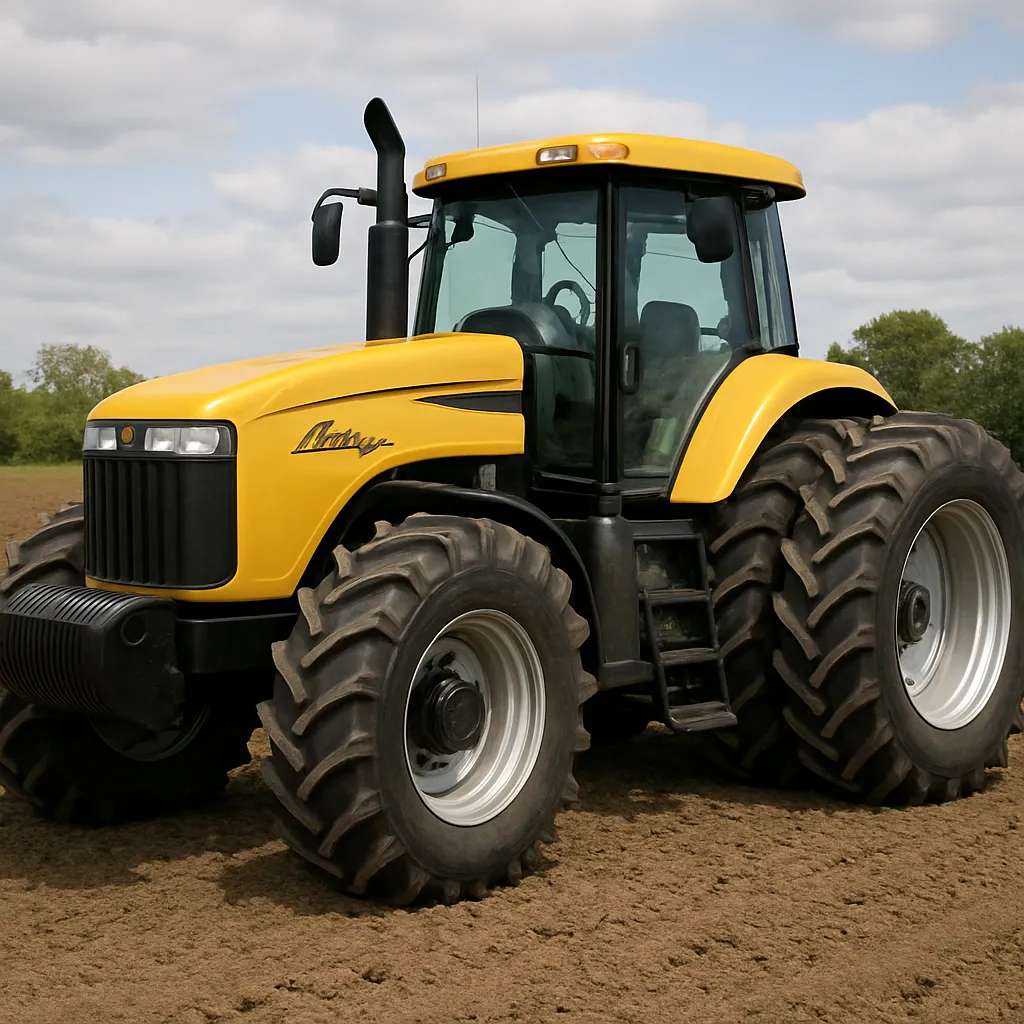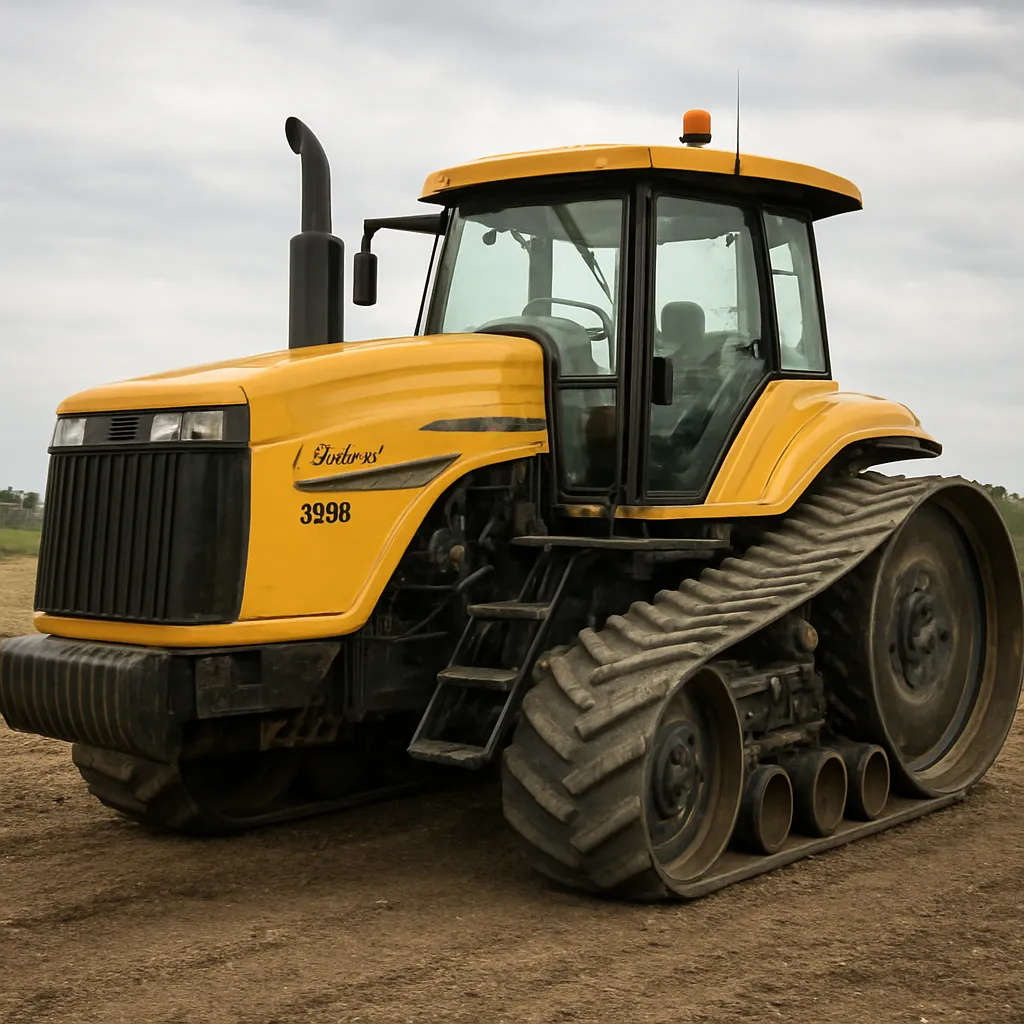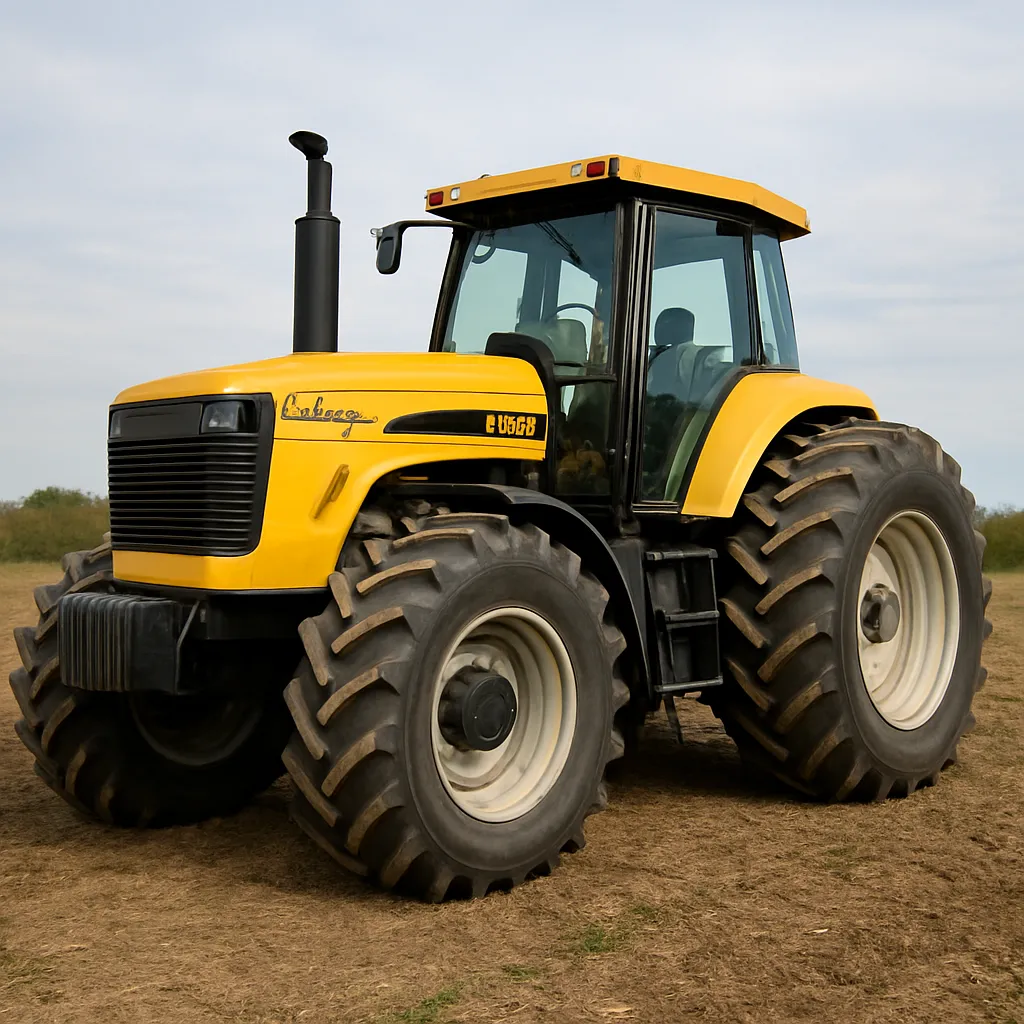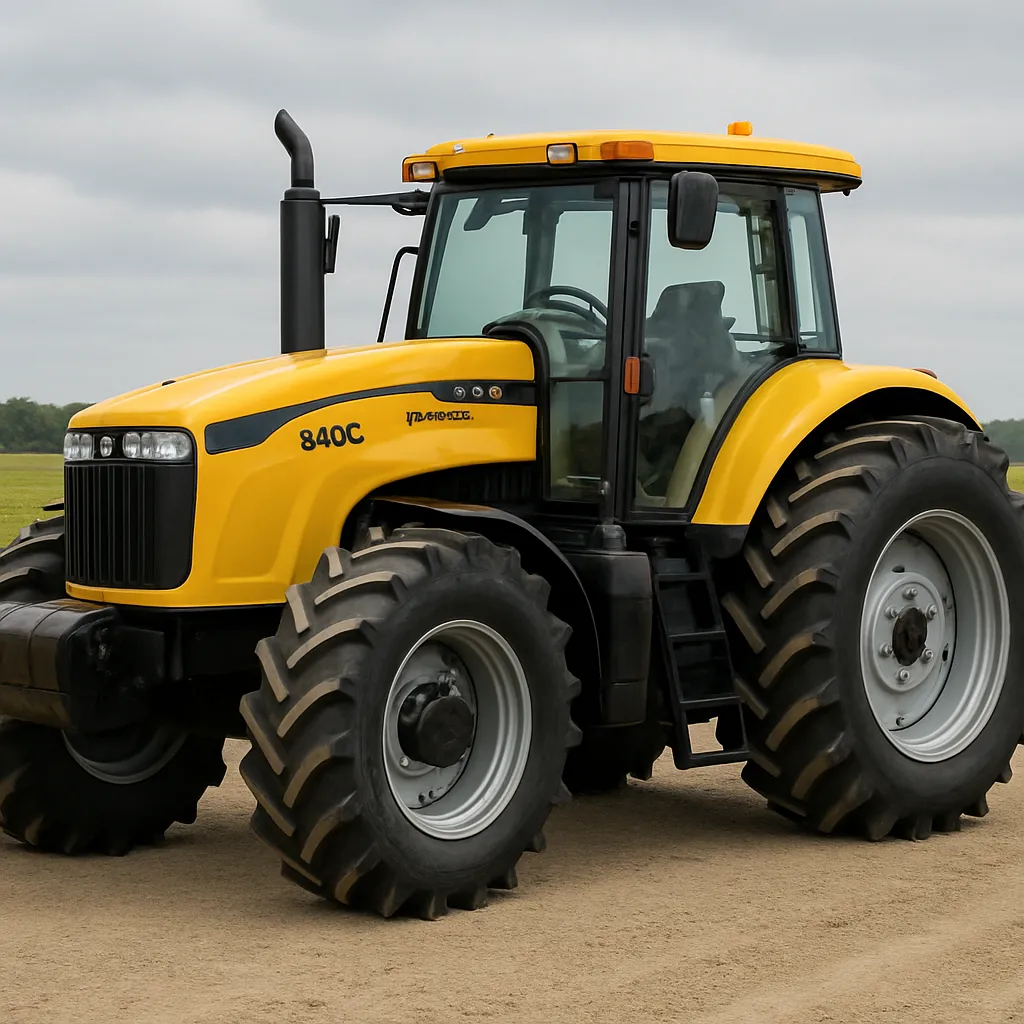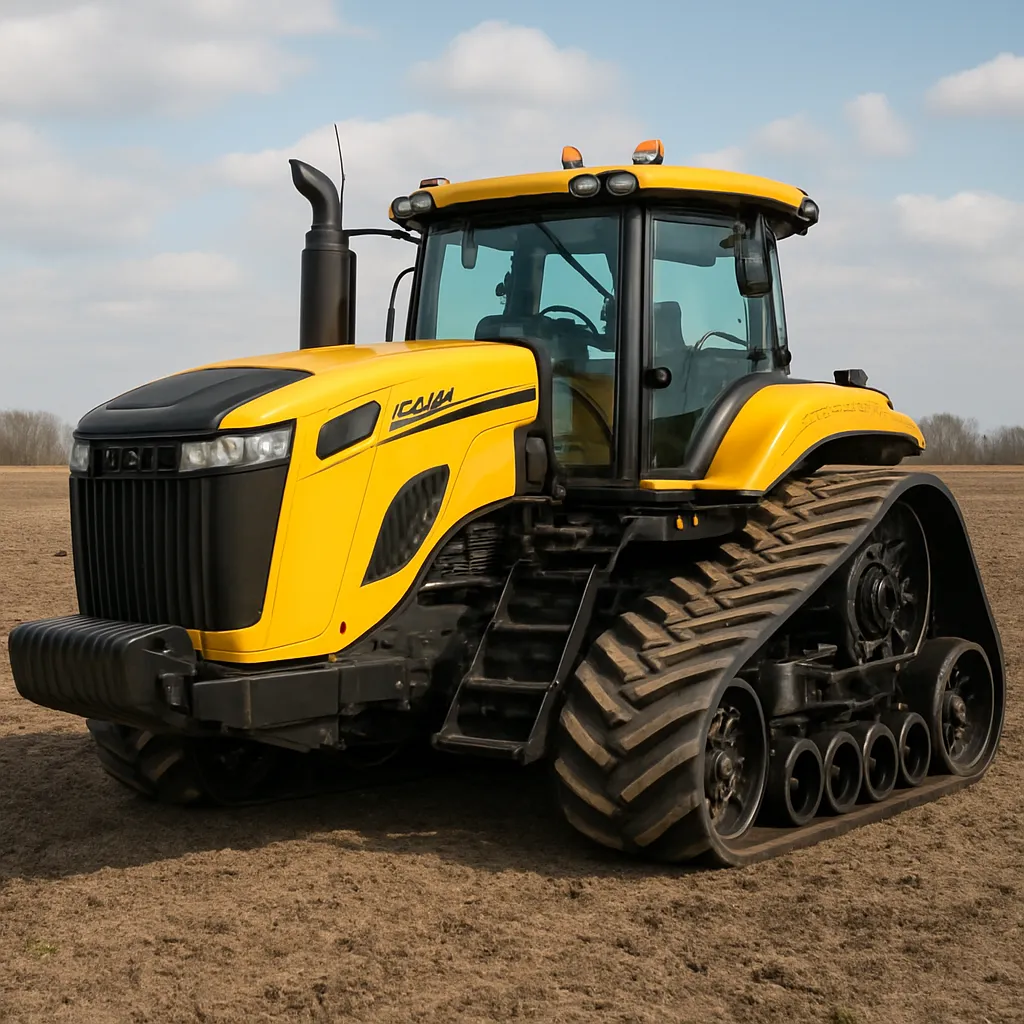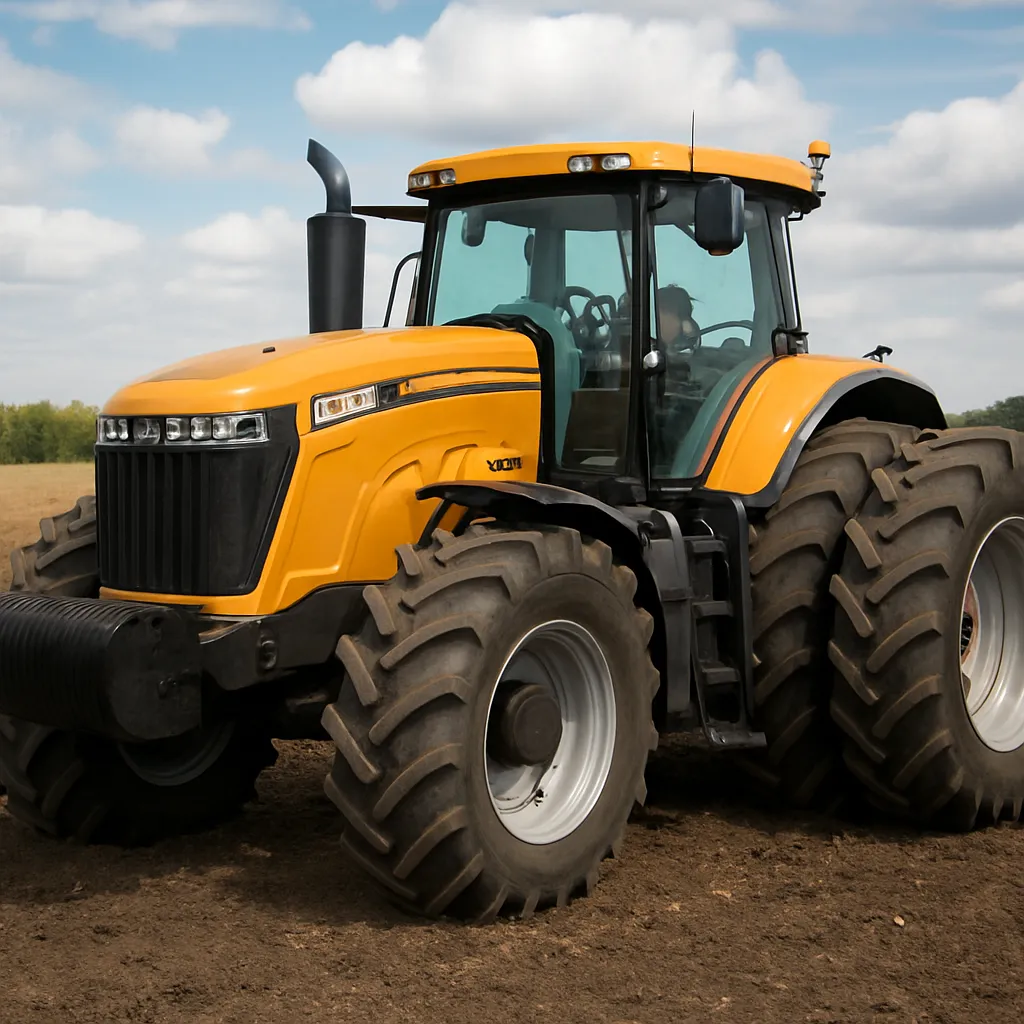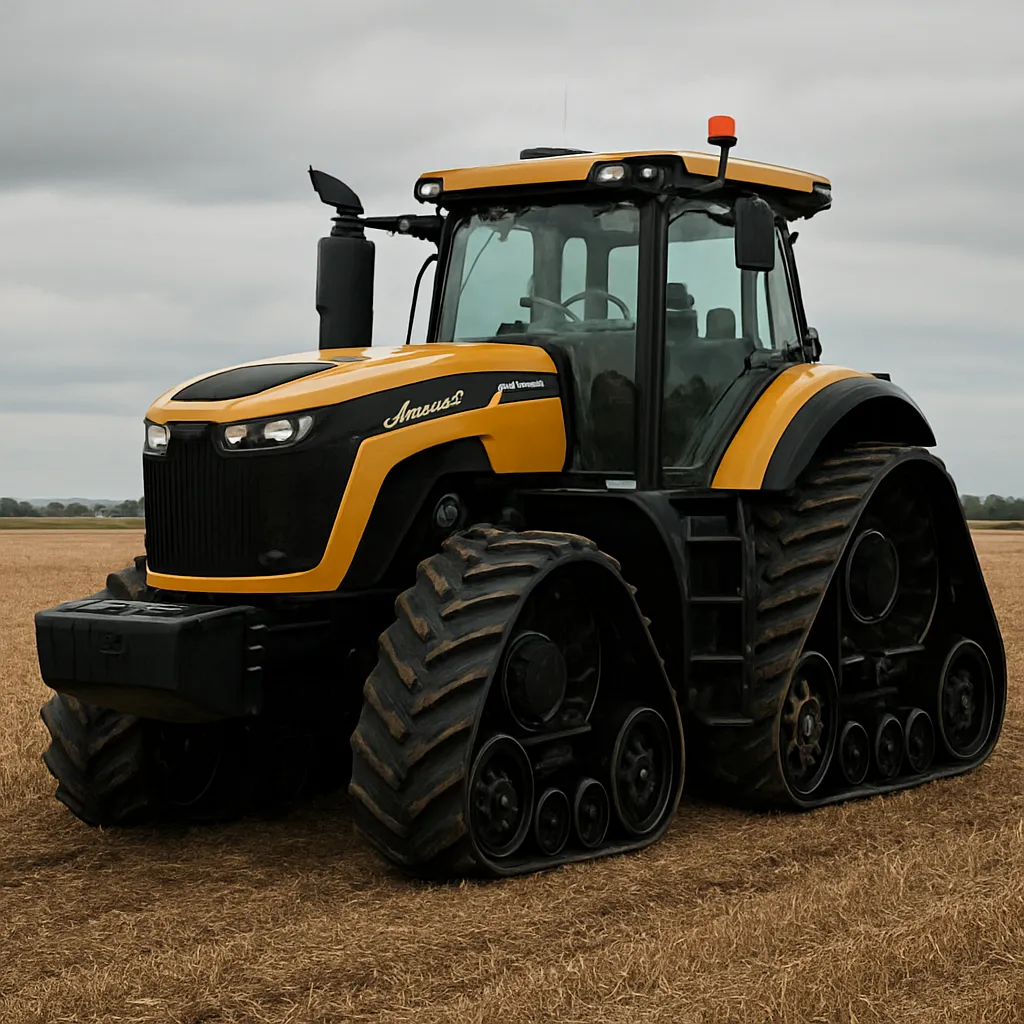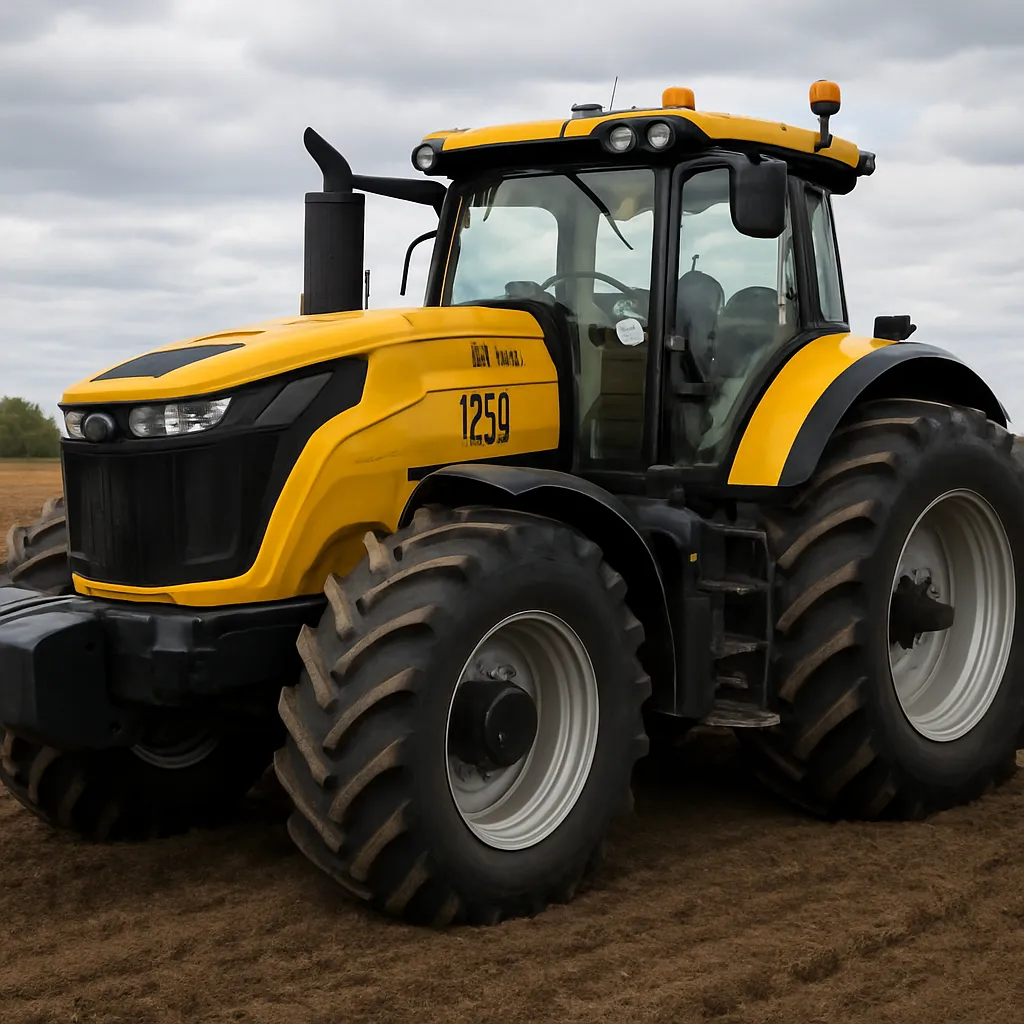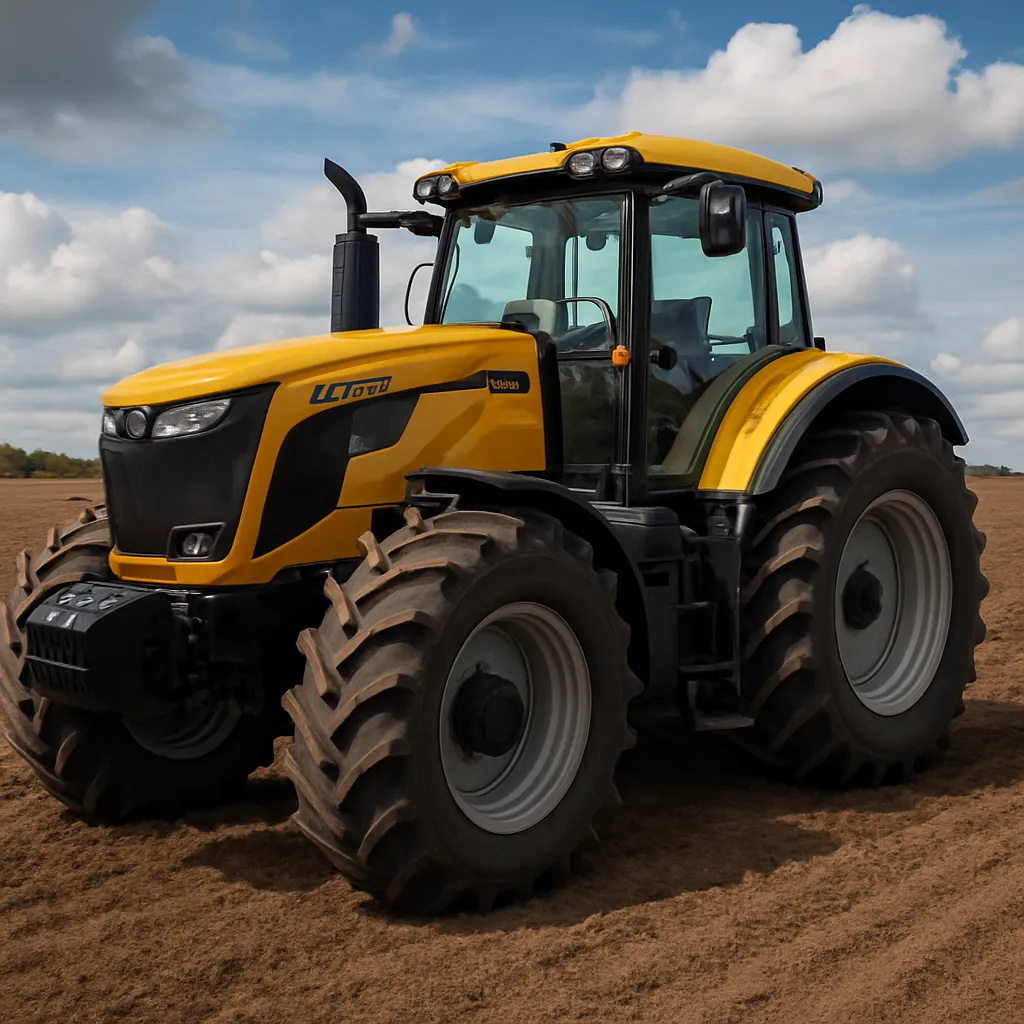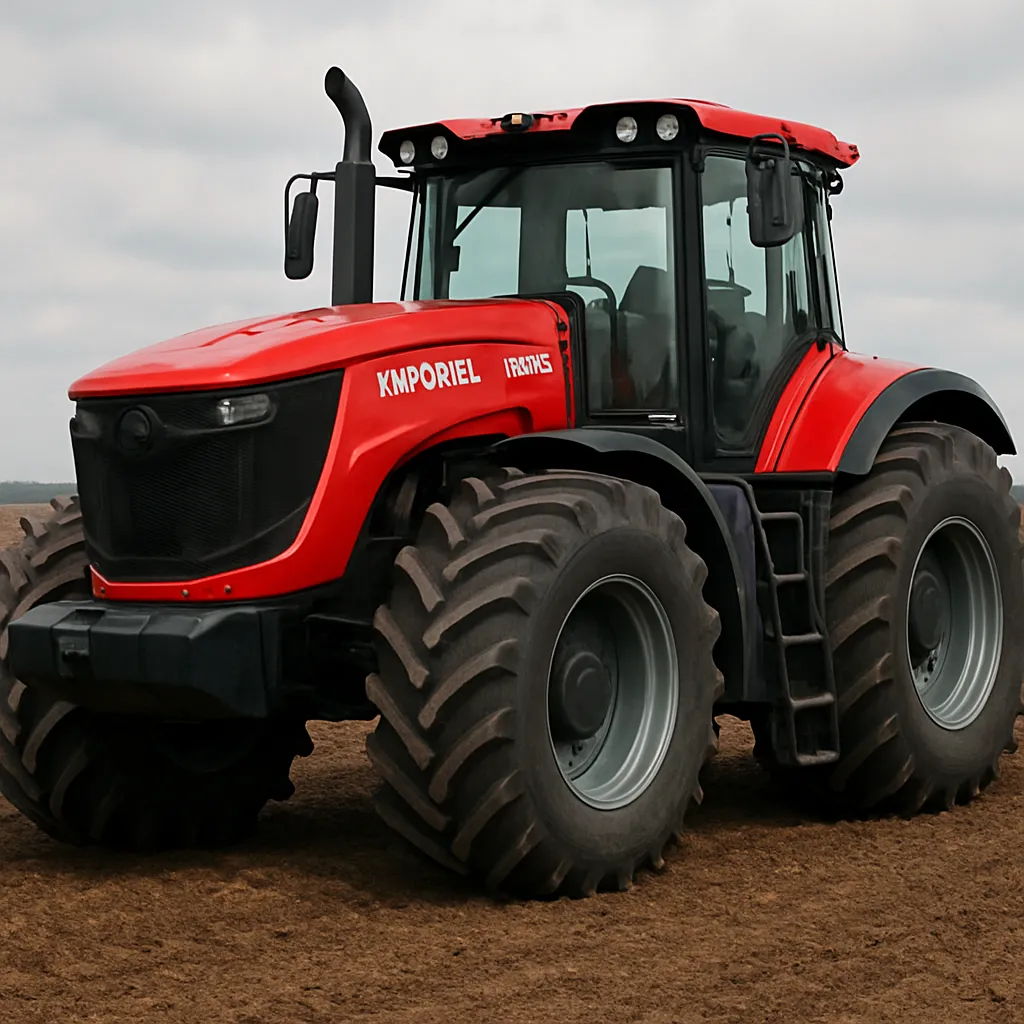
The Kirovets K-9000 is a modern, heavy-duty agricultural tractor from the Kirovets family, designed for demanding fieldwork, large-scale farming operations, and specialized industrial tasks. Combining robust mechanical systems with a spacious operator environment, the K-9000 targets customers who need high tractive power, versatility in implement compatibility, and long-term durability in harsh working conditions. This article provides an in-depth look at the tractor’s design philosophy, typical technical characteristics, practical applications, operational performance, and maintenance considerations, with illustrative statistics and practical notes where available.
Background and development context
Kirovets tractors are produced by the Saint Petersburg Tractor Plant (formerly known as the Kirov Plant), a manufacturer with a long history of building heavy agricultural and industrial machines. The brand has been associated with powerful, reliable tractors capable of operating in severe climates and under heavy workload conditions. The K-9000 represents a step toward higher horsepower, improved operator comfort, and greater implement versatility while retaining the ruggedness the brand is known for.
The development of a model like the K-9000 responds to trends in modern agriculture: consolidation into larger farms, the need to operate wide and heavy implements, and a push toward higher hourly productivity. These trends drive demand for tractors with high drawbar pull, multi-speed power take-off options, advanced hydraulics, and operator amenities that reduce fatigue during long shifts.
Design and technical characteristics
While specific factory specifications can vary by market, trim level, and optional equipment, the Kirovets K-9000 can be described by several recurring themes in its design: a high-displacement diesel engine, a sturdy chassis with an all-wheel-drive layout, a heavy-duty transmission capable of handling high torque, and a hydraulic/PTO package that accommodates a wide range of implements. Below are typical characteristics and representative figures often found in tractors of the same class.
Engine and powertrain
- Engine type: turbocharged diesel engine with intercooling, designed for high torque at low RPM to maximize tractive capability and fuel efficiency under load.
- Power (approximate range): many heavy Kirovets-class tractors in this generation offer between 300 and 500 horsepower depending on configuration. For the K-9000, a realistic ballpark is often cited as around 350–450 hp in base configurations.
- Torque: high peak torque available in a broad RPM band to facilitate pulling heavy implements and maintaining speed on slopes and rough ground.
- Fuel system: direct injection or common-rail injection, tuned for reliability and serviceability in variable fuel quality environments.
Transmission and driveline
- Transmission: mechanical gearboxes with synchronized ranges, power-shift modules, or fully electronically controlled transmissions are often offered as options. Multi-range transmissions (e.g., 16/16, 24/8, or stepped powershift) provide flexibility between road travel and fieldwork.
- Drive: permanent four-wheel drive with robust front and rear axles; differential locks and limited-slip options improve traction in challenging conditions.
- Top speed: typical road speeds for tractors in this class are up to 40 km/h (approx. 25 mph) with gearbox and tire options oriented for transport as well as fieldwork.
PTO, hydraulics and implement support
- PTO: multiple PTO speed options are common (540/1000 rpm and possibly 1000 eco rpm), allowing the K-9000 to operate a wide range of implements from heavy rotary tillers to large balers and windrowers.
- Hydraulic system: high-flow, high-pressure hydraulics with multiple remotes (commonly three or more spool valves) to control large seeders, planters, sprayers, and heavy lifting equipment. Flow rates for tractors in this class often exceed 150–200 L/min for primary implement circuits.
- 3-point hitch: Category II/III drawn or fixed hitch arrangement with significant lift capacity, enabling operation of heavy mounted and semi-mounted implements.
Chassis, tires and weight
- Operating weight: heavy-duty tractors in the same category as the K-9000 typically weigh between 8 and 15 tonnes depending on ballast, tires, and attachments. The K-9000 is generally toward the heavier end to ensure traction and implement stability.
- Tire options: large radial agricultural tires for field work and transport tires for road transit. Duals and triple configurations or wide flotation tires are available to reduce soil compaction and increase traction.
- Brakes: service and park brakes sized for heavy loads; hydraulic or pneumatic-assisted options may be available for certain markets.
Cab, ergonomics and safety
- Cab: a weather-sealed, sound-insulated cabin with climate control, ergonomic seat, and an instrument cluster designed for long shifts. Visibility and lighting packages are designed for 24/7 operation in low-light conditions common in northern latitudes.
- Operator aids: steering assist systems, cruise control, headland management, and basic telematics or engine-management systems can be fitted to enhance efficiency and reduce operator fatigue.
- Safety: rollover protection, seat belts, and heavy-duty guarding for powertrain components suited for industrial environments.
Applications and practical uses
The Kirovets K-9000 is intended for operations where high power and robust construction provide clear advantages. Below are the main sectors and tasks where such a machine is typically used.
Agriculture
Large-scale cropping systems that rely on wide implements and high field speed benefit most from the K-9000. Typical agricultural applications include:
- Pulling large ploughs and disc harrows for primary tillage on expansive fields.
- Operating wide seed drills and air-seeders for high-efficiency planting.
- Powering heavy cultivators and deep-rippers for soil conditioning and drainage.
- Driving large sprayers and fertilizer spreaders over extensive areas.
- Working with baling and forage equipment in mixed livestock-crop operations.
Forestry, construction and industrial roles
Beyond traditional farming, the K-9000 can be adapted for non-agricultural heavy tasks:
- Forestry skid or forwarder duties when fitted with specialized winches and protective guarding.
- Snow removal and road maintenance with front-mounted blades, rotary snow blowers, or heavy sweepers in municipal fleets.
- Site preparation and haulage in light construction when equipped with tow hitches or heavy-duty drawbars.
- Specialized roles such as pipeline corridor maintenance, land reclamation, and airport runway snow clearance.
Contract farming and rental fleets
Contractors and rental companies value tractors like the K-9000 for their flexibility across multiple tasks and durability under heavy use. High utilization rates and the ability to operate a wide range of implements make the machine effective for contract work where downtime must be minimized.
Operational performance, efficiency and statistics
Performance metrics for tractors like the K-9000 are often assessed by fuel efficiency, field capacity, reliability (mean time between failures), and maintenance costs per hour. Exact figures depend heavily on the engine tuning, implement type, field conditions, and operator skill. The following figures are illustrative and representative for a high-power tractor class; they should be considered as indicative rather than definitive.
Fuel consumption and field efficiency
- Typical fuel consumption under heavy load: roughly 18–35 liters per hour depending on task intensity and engine output. Higher-end operations with sustained heavy draft implements tend toward the upper end of the range.
- Field capacity: when paired with wide implements (for example, large cultivators or seeders), hourly covered hectares can be substantial — in some setups, 30–70 ha/day is realistic depending on soil type and travel time.
- Specific fuel consumption and cost-per-hectare vary by region due to fuel prices, but high-horsepower tractors often deliver lower labor and machine-hour costs on large farms because they reduce the number of tractor passes required.
Reliability and maintenance metrics
Manufacturers and fleet operators typically evaluate reliability in terms of mean time between maintenance (MTBM) and downtime per 1,000 operating hours. For a well-maintained heavy-duty tractor:
- Scheduled service intervals may fall between 250 and 500 operating hours for basic checks, with major services at 1,000 hours or more depending on the engine and filtration technology.
- Expected useful life: with proper maintenance, these tractors are built to operate reliably for tens of thousands of hours over multiple decades. Body and driveline life can be extended through component replacement and rebuilds.
- Consumables and wear items: tires, brake components, hydraulic seals, and PTO drive components are regular maintenance items and should be budgeted in fleet operating costs.
Market and adoption statistics
Precise sales figures for a specific model like the K-9000 depend on the manufacturer’s disclosures and regional registrations. In general:
- Kirovets tractors have been widely used across Eastern Europe, Russia, Central Asia, and countries with similar farm structures, where high-horsepower, heavy-duty tractors are preferred.
- Models in the K-700/K-9000 class are typically more common in large commercial and state farms or among contractors, where the initial investment is justified by high utilization rates and operational efficiency.
- Export markets occasionally include Africa and South America when dealers support parts and service networks; success in these markets depends on establishing local service capacity and spare parts supply.
Maintenance, servicing and operator training
Long-term value from a K-9000 depends heavily on proper maintenance and skilled operation. High-power engines and heavy drivetrains require scheduled attention and sometimes specialized diagnostic tools. Effective asset management includes preventive maintenance, operator training for fuel-efficient and implement-friendly driving, and a parts inventory strategy.
Routine maintenance checklist
- Engine oil and filter changes at manufacturer-recommended intervals; monitor oil quality and top up between intervals as needed.
- Fuel filter replacements and water separation checks; diesel fuel quality may vary by market and requires filtration vigilance.
- Cooling system inspection: radiator cleaning, coolant level checks, and belt condition monitoring to avoid overheating under sustained load.
- Hydraulic system: filter changes, hose inspections, and seal replacement to prevent leaks and loss of hydraulic performance.
- Tire and axle checks: maintain recommended tire pressures, inspect for damage, and monitor wheel bearings and axle housings for abnormal wear or leaks.
- PTO and hitch inspection: verify coupling points, check for wear in driveline telescopes, and lubricate moving components regularly.
Operator skills and training
Training for operators increases productivity and reduces wear. Important skills include:
- Selecting appropriate gear ratios and engine RPM to match the implement and task, minimizing fuel consumption and driveline stress.
- Managing front and rear ballast to optimize traction and reduce soil compaction while ensuring safe handling characteristics.
- Using electronic assists (cruise control, headland management) correctly to reduce operator error during repetitive tasks.
- Performing basic daily inspections to identify problems before they become costly repairs.
Variants, options and aftermarket adaptations
Tractors in this class are usually offered in multiple configurations to suit regional markets and tasks. Optional equipment and aftermarket adaptations extend usefulness across disciplines.
Common factory options
- Different tire and track options to prioritize traction, flotation, or transport speed.
- Enhanced hydraulic pumps and additional remote outlets for multi-functional implements.
- Climate-controlled cabs with advanced audio/visual displays and telematics for remote diagnostics and fleet management.
- Heavy-duty front weights, ballast blocks, and hitch reinforcements for particularly demanding draft applications.
Aftermarket and specialized builds
Contractors and industrial users sometimes retrofit tractors like the K-9000 with:
- Front-mounted cranes or winches for forestry and infrastructure work.
- Custom-mounted snow blowers and multi-purpose front implements for municipal fleets.
- Telematics upgrades and GPS-guidance systems for precision agriculture and automated headland management to increase field efficiency.
Environmental considerations and modern trends
High-horsepower diesel tractors face growing environmental scrutiny. Manufacturers and operators are responding through improved engine efficiency, exhaust after-treatment systems (e.g., SCR, DPF), and optimized implement matching to reduce fuel use per hectare.
- Emission controls: modern heavy-duty diesel engines often incorporate selective catalytic reduction (SCR) and particulate filters to meet emissions regulations in major markets.
- Fuel efficiency measures: variable engine mapping, automatic engine idle reduction, and transmission management systems help reduce overall fuel consumption when properly applied.
- Alternative fuels and electrification: while full electrification of tractors in this horsepower class is not yet mainstream, hybrid assist systems, biofuel compatibility, and research into electrified implements are emerging trends.
Summary and conclusions
The Kirovets K-9000 embodies the characteristics expected of a modern, high-horsepower agricultural and industrial tractor: robust construction, versatile implement compatibility, advanced hydraulics and PTO options, and operator-focused cab features. It is particularly well suited for large-scale farming, contract work, and specialized industrial applications requiring high tractive effort and long-term durability.
Key strengths include strong diesel powerplants, flexible hydraulics, durable drivetrains, and a cab designed for long shifts. Typical class statistics—such as engine output in the 350–450 hp range, operating weights near 8–15 tonnes, and fuel consumption that varies between 18 and 35 L/h under load—illustrate the scale of machine and running costs. Exact numbers depend on configuration and operating conditions; purchasers should refer to manufacturer documentation and local dealer support for precise specifications and service arrangements.
Whether used in expansive cereal farms, large-scale forage operations, forestry, or municipal fleets tackling seasonal extremes, the K-9000 is designed to deliver heavy-duty performance with an emphasis on reliability and long service intervals when properly maintained.