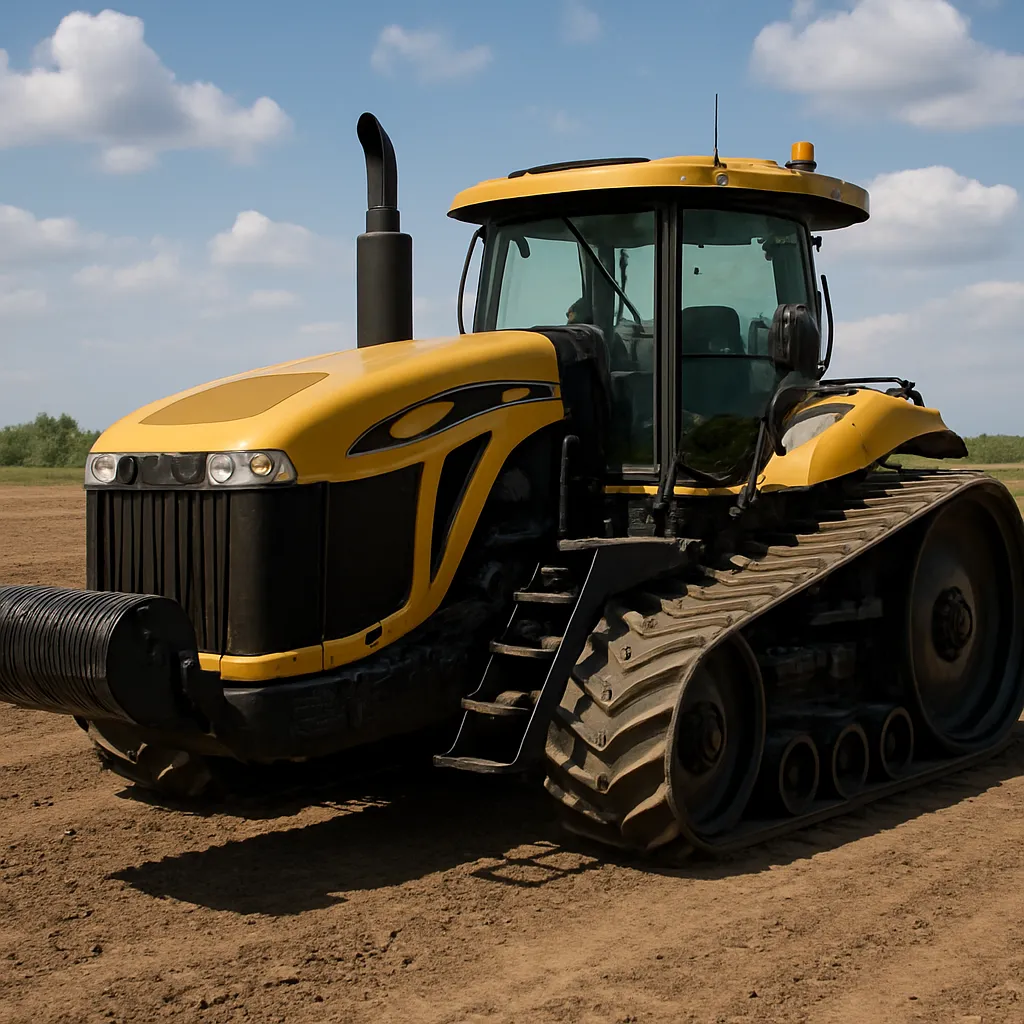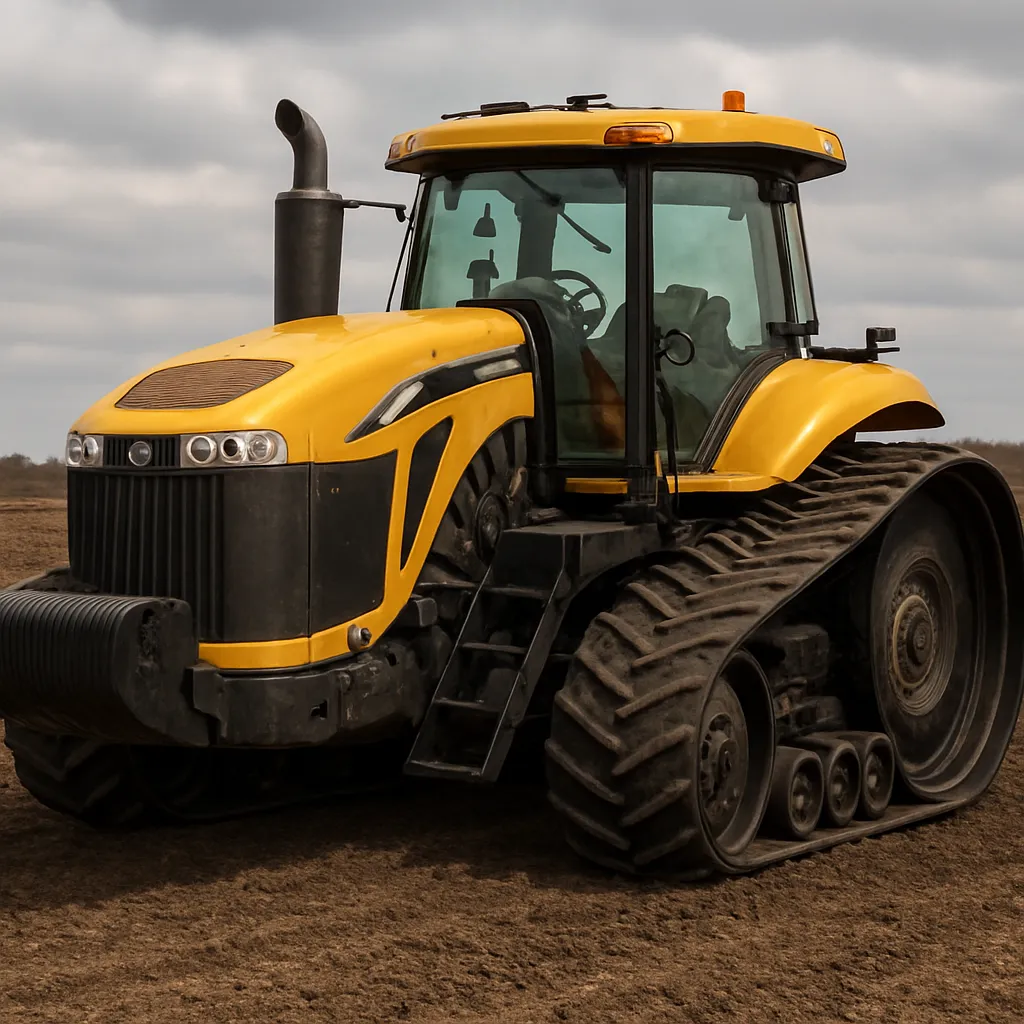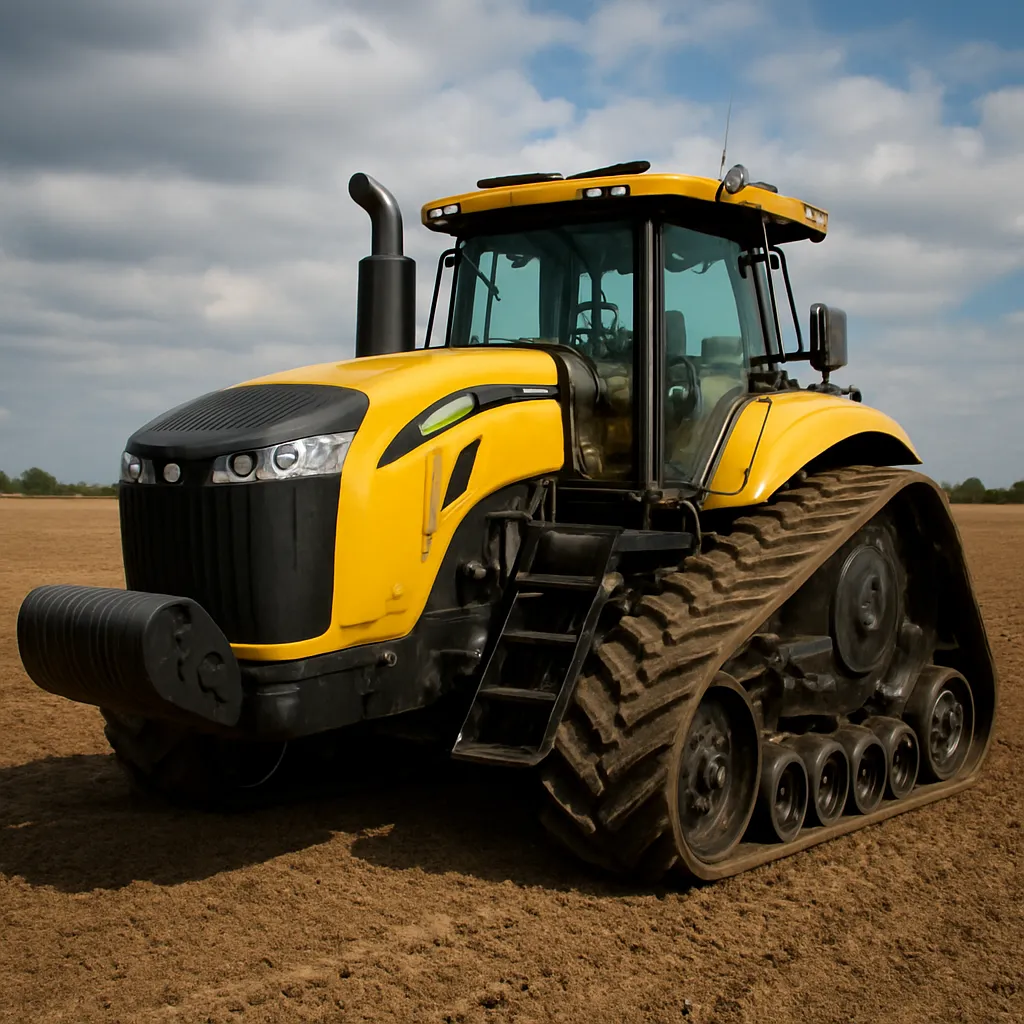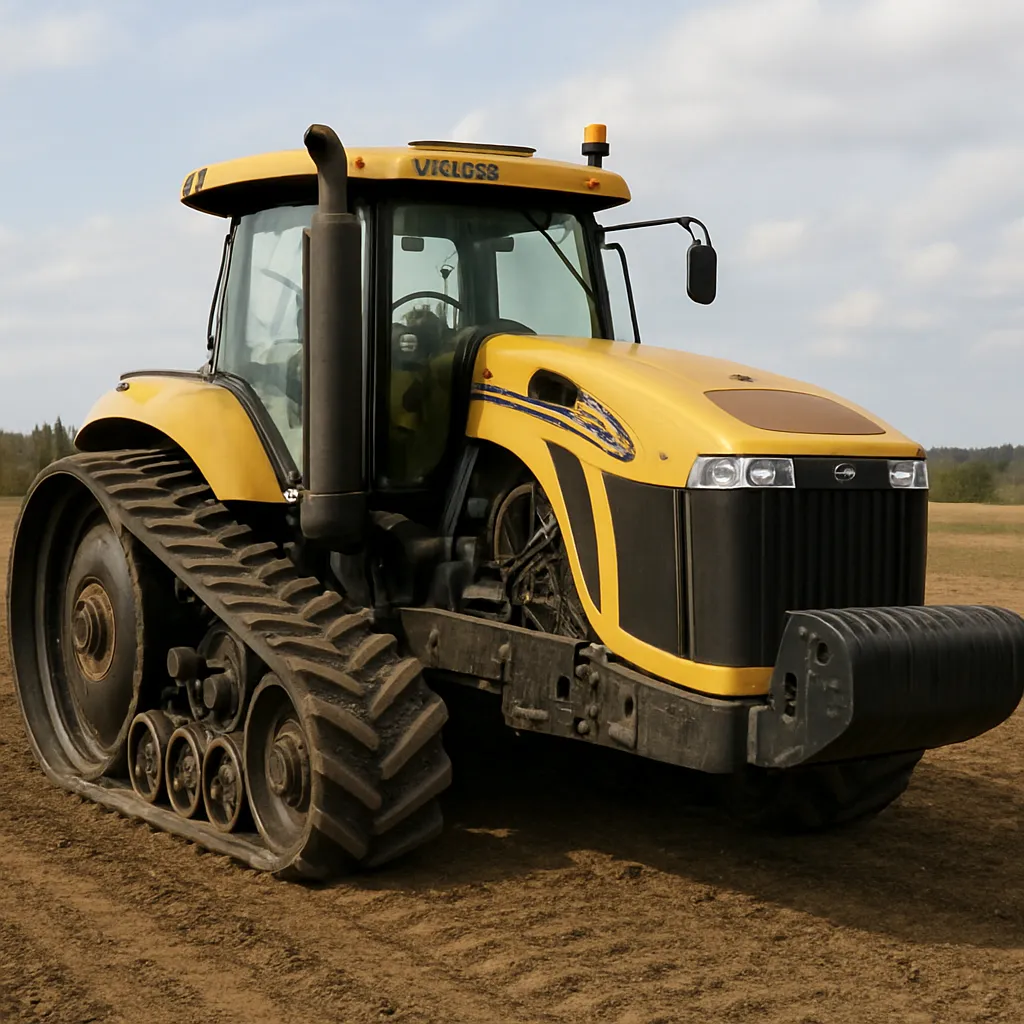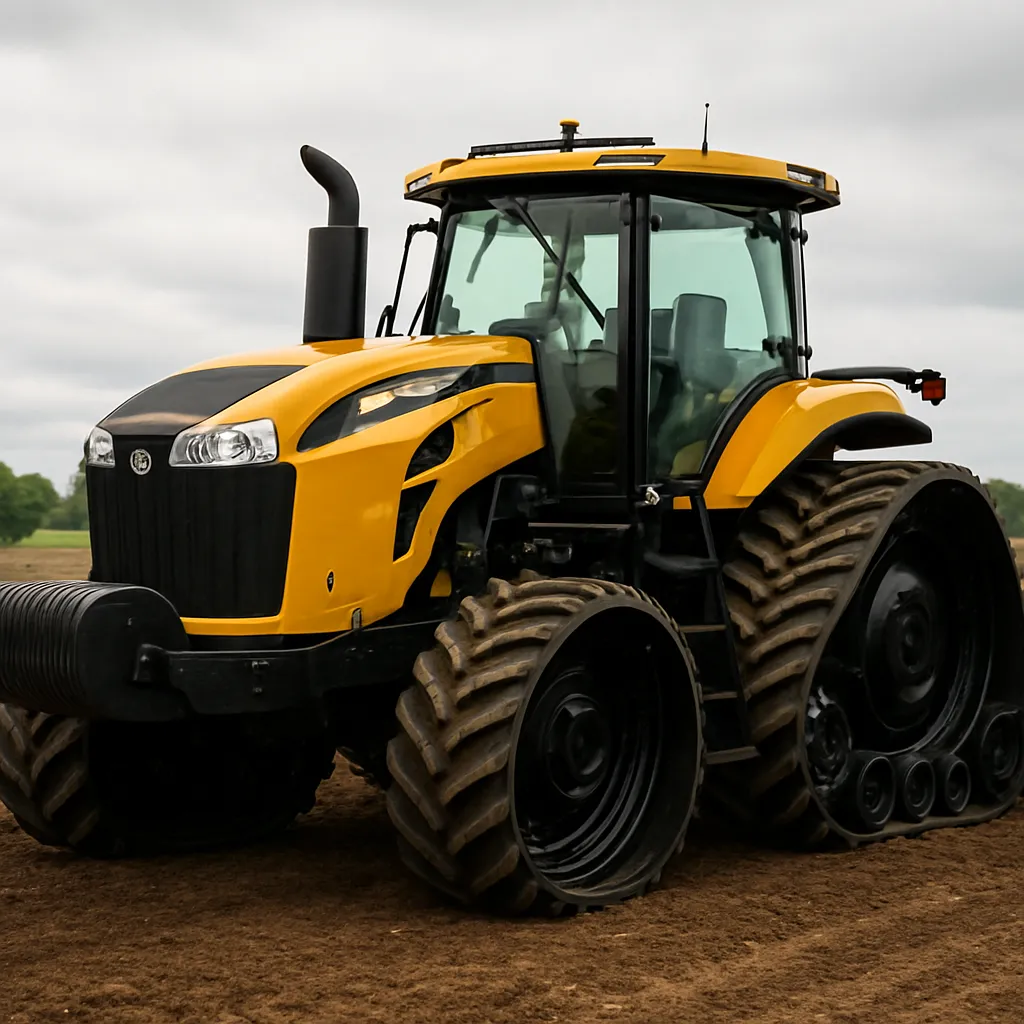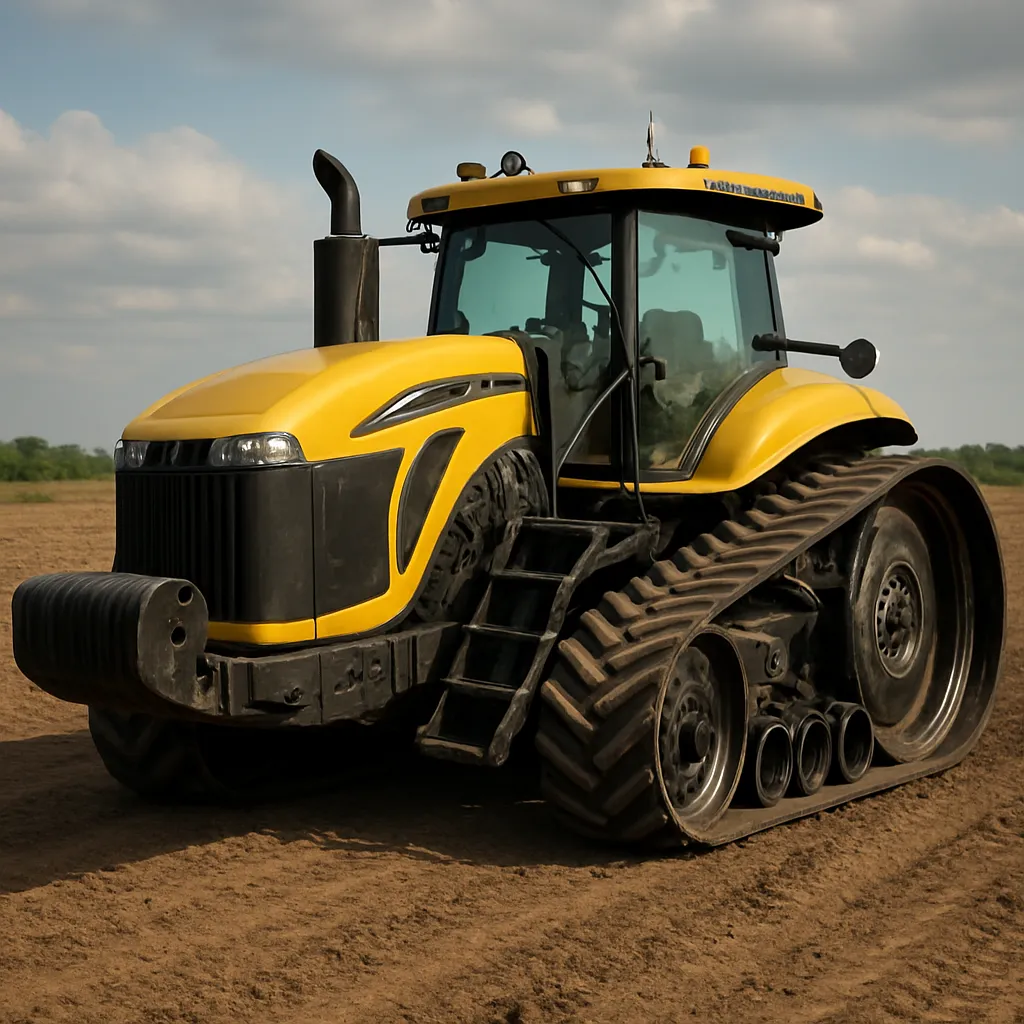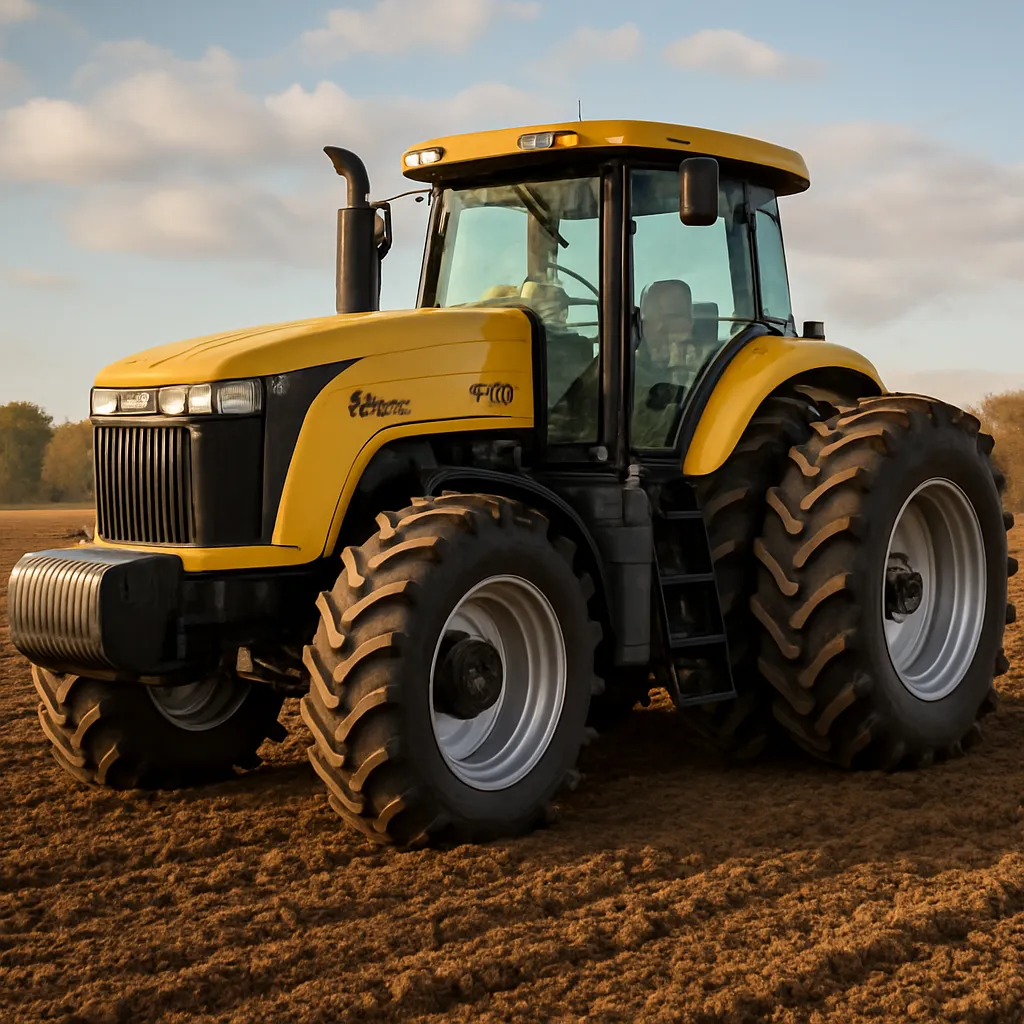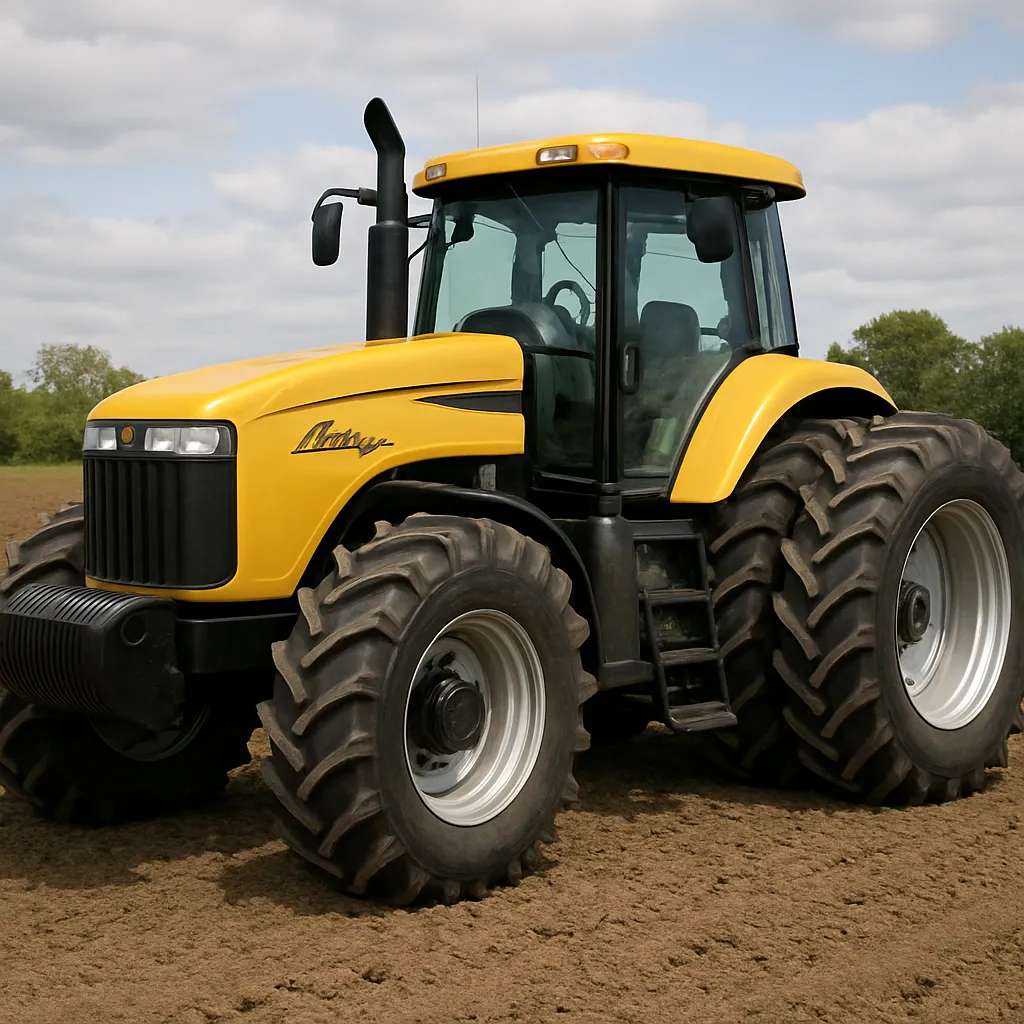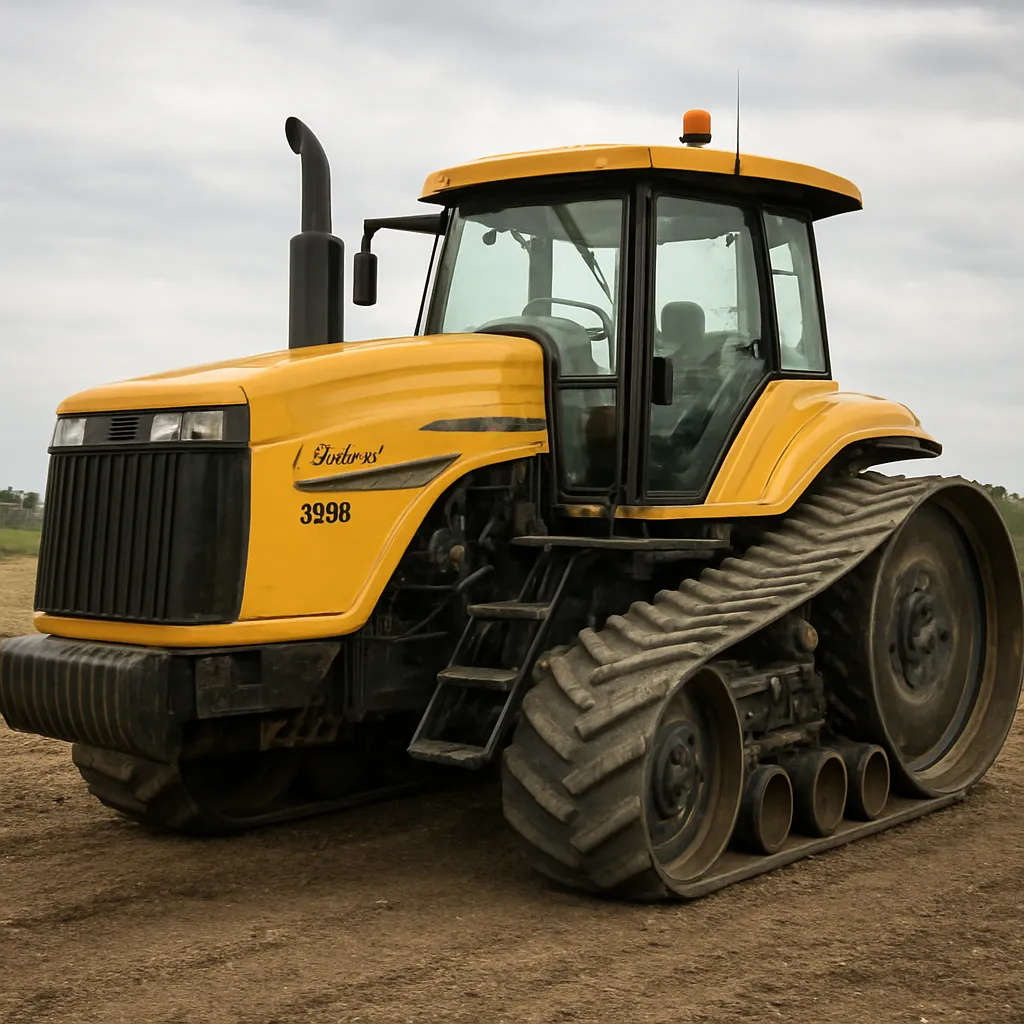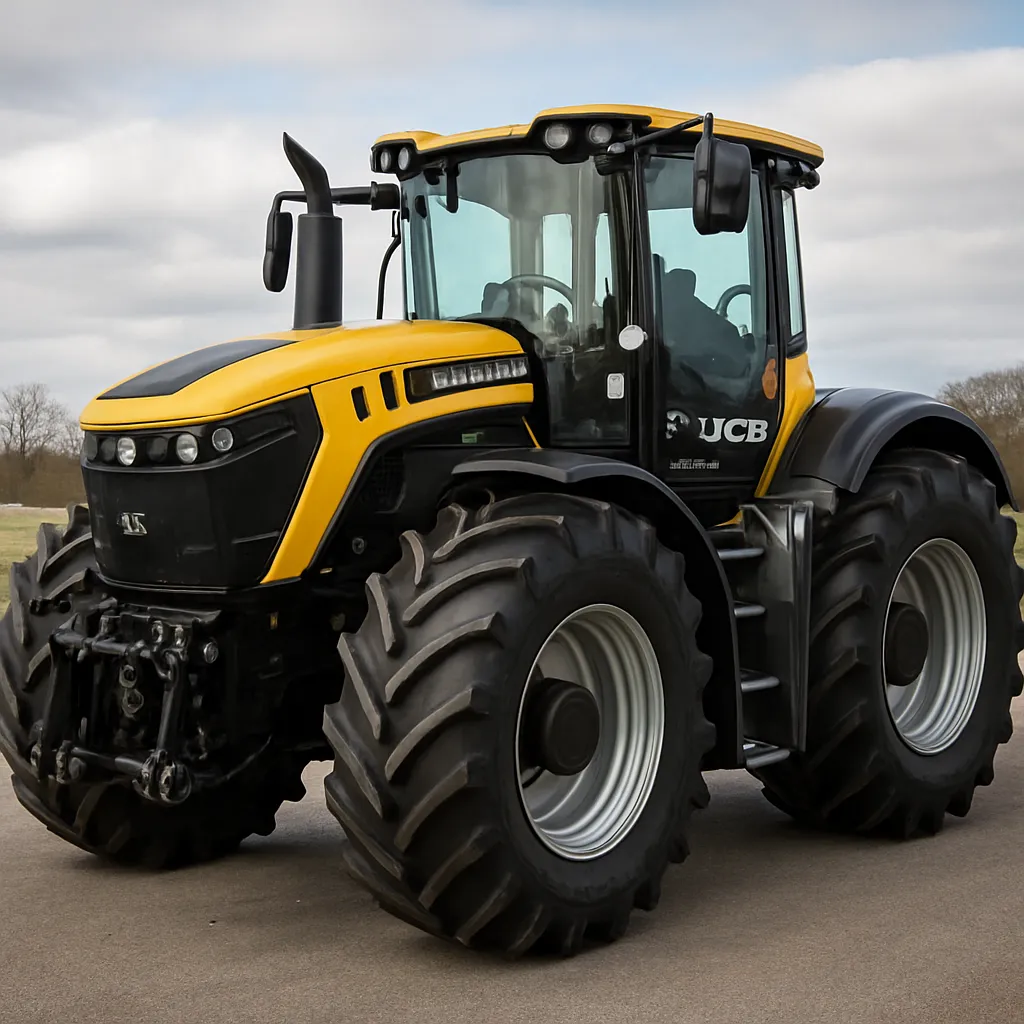
The JCB 4350 Proto represents an intriguing entry in the ongoing evolution of modern agricultural machinery. Presented as a prototype concept from one of the world’s most recognized construction and agricultural equipment manufacturers, the 4350 Proto blends traditional tractor functionality with experimental technologies intended to improve productivity, operator comfort, and environmental performance. This article explores the tractor’s intended uses, design highlights, estimated technical data where available, and broader implications for farming and industrial operations.
Overview and Purpose
The JCB 4350 Proto is conceived as a versatile, high-capability machine aimed at medium-to-large scale agricultural and industrial tasks. As a prototype, it is intended to showcase potential directions for JCB’s future tractor lineup, integrating advanced drivetrain concepts, modular attachments, and enhanced operator systems. The project prioritizes a balance between everyday durability and forward-looking innovations that could be incorporated into production models.
JCB’s design philosophy typically emphasizes robust construction, ease of service, and adaptability across different tasks. The 4350 Proto follows this pattern but also experiments with new technologies such as improved hydraulics control, operator assistance systems, and more compact yet powerful powertrain layouts. In practice, its target applications include field work (ploughing, harrowing, sowing, and hauling), forage and harvesting support, heavy towing, and specialized tasks in construction or forestry when fitted with appropriate attachments.
Design and Engineering Highlights
From the prototype renders and concept notes associated with the 4350 Proto, several engineering themes stand out. JCB appears to have focused on three core areas: powertrain efficiency, operator ergonomics, and modular versatility.
Powertrain and Driveline
The powertrain is the heart of any tractor. For the 4350 Proto, JCB explores configurations that optimize fuel efficiency while delivering robust torque for demanding implements. The prototype reportedly investigates hybridization pathways and advanced transmission systems to reduce fuel consumption and expand operating range under variable loads.
- Drivetrain: Emphasis on responsive torque delivery and smooth shifting, likely through a modern hydrostatic or powershift transmission with electronic control.
- Hybrid potential: Concept work points to integrating electric assist for load smoothing and peak-power support during heavy draft operations.
- Four-wheel drive: Expected full-time or selectable 4WD to maximize traction across varied soils and slopes.
Hydraulics and PTO
Hydraulics and power take-off (PTO) systems are critical for compatibility with a wide range of implements. The 4350 Proto concept aims to offer high-flow hydraulic circuits with intelligent flow-sharing features, allowing simultaneous operation of multiple attachments with minimal performance loss.
- High-flow hydraulics for large planters and high-capacity loaders.
- Multiple PTO speeds and electronically controlled engagement for smoother operation and fuel savings.
- Modular auxiliary circuits for third-party implements and OEM specialty tools.
Operator Environment and Controls
Operator comfort and usability are key to productivity. The 4350 Proto emphasizes a modern cab layout incorporating improved visibility, climate control, and digital interfaces that centralize machine control.
- Ergonomically arranged controls, multifunction joysticks, and customizable display screens.
- Advanced telematics and precision farming integration for field mapping and implement guidance.
- Noise and vibration damping to reduce fatigue during long shifts.
Applications and Use Cases
Given its design aims, the JCB 4350 Proto would suit a wide variety of operations. Below are typical scenarios where such a tractor would add value:
Agricultural Field Operations
The primary role remains work in the fields. The 4350 Proto is designed to excel in:
- Primary tillage: Pulling large ploughs and subsoilers where high drawbar power is necessary.
- Soil cultivation and seedbed preparation: Running disc harrows and cultivators with consistent ground speed control.
- Sowing and planting: Coupling with high-capacity seed drills and planters requiring stable hydraulic support.
- Spraying and fertilization: Carrying booms and tanker equipment, benefiting from precise speed and flow control.
Harvest Support and Forage
During harvest windows, the 4350 Proto could be configured for:
- Towing grain carts and trailers at sustained road and field speeds.
- Running high-flow hydraulic systems for forage harvesters and balers.
- Operating front-end loaders for material handling and stacking.
Construction, Forestry, and Municipal Tasks
With appropriate attachments, the 4350 Proto’s strength and modular hydraulics make it compatible with smaller-scale construction tasks, forestry winches, or municipal duties such as snow clearing and road maintenance.
Estimated Technical Specifications and Performance
Because the 4350 Proto is a prototype concept, exact published specifications are limited and subject to change. The figures below are estimated ranges based on JCB’s product positioning and typical class capabilities. They should be treated as indicative rather than final.
Power and Engine
- Estimated engine power: 220–350 horsepower (hp) range depending on configuration; prototype variants might target the mid-200s hp to serve a broad market segment.
- Engine technology: Turbocharged diesel with after-treatment systems to meet modern emissions standards (Stage V / Tier 4 final equivalents in many markets).
- Estimated torque: Peak torque in the range of 900–1,500 Nm for strong draft performance.
Transmission and Speeds
- Transmission types under consideration: advanced hydrostatic, continuously variable transmission (CVT), or multi-range powershift with electronic management.
- Operating speeds: Designed for a wide range from slow-field crawl to road speeds suitable for transport between sites.
Hydraulics, PTO, and Lift Capacity
- Hydraulic flow: High-flow systems possibly exceeding 120–180 liters per minute (l/min) for demanding implements.
- PTO options: 540 / 540E / 1000 rpm variants with electronic engagement.
- Rear lift capacity: Estimated between 6,000–9,000 kg depending on tractor configuration and linkage design.
Dimensions and Weight
- Operating weight: Prototype variants might weigh in the 6,000–9,000 kg bracket depending on equipment fitted.
- Wheelbase and overall dimensions: Designed to balance stability with maneuverability for diverse field conditions.
Note: These specifications are approximate and based on expected design targets for tractors of this class. Official production models, if released, would feature finalized, published data from JCB.
Innovations and Notable Features
The prototype condition allows JCB to trial features that could later influence production tractors. Key innovations associated with the 4350 Proto concept include:
- Precision Farming Integration — Advanced GNSS guidance, ISOBUS compatibility, and telematics for fleet management and yield optimization.
- Modular Attachment Architecture — Quick-change interfaces to speed transitions between roles such as loader work, transport, and tillage.
- Adaptive Control Systems — Engine and hydraulic management that adapt to load and ground conditions to preserve fuel and reduce wear.
- Hybrid Assistance — Electric motor assist for peak loads or to recover braking energy during road transport (prototype exploration rather than guaranteed production feature).
- Enhanced Safety Systems — Automated stability aids, rollover protection integration, and improved lighting packages for low-light and night operations.
Operational Considerations and Maintenance
Operational efficiency and lifecycle costs are primary concerns for farmers and contractors. The 4350 Proto concept incorporates several features to address these:
Serviceability
- Engine bays and routine service points are designed for easy access to filters, fluids, and belts.
- Diagnostic interfaces and remote telemetry help technicians troubleshoot issues before extensive downtime.
Fuel and Emissions
New emissions regulations shape modern tractor design. The 4350 Proto concept is developed to meet stringent standards while minimizing fuel consumption through electronic engine management and possible hybrid support. Real-world fuel consumption will depend on duty cycles, but targeted improvements aim to reduce liters-per-hour compared with previous-generation tractors of similar power.
Tires, Tracks, and Traction Options
Recognizing varied ground conditions, the prototype contemplates multiple traction approaches: wide flotation tires for soft soils, dual-wheel options for heavy draft, and even track systems for low-compaction needs in specialized operations.
Market Position, Competitors, and Potential Customers
Should JCB move the 4350 Proto into production, it would likely compete in the mid- to upper-power segment against established manufacturers offering similar tractors. Potential customers include:
- Large arable farms requiring high drawbar power and reliability.
- Contractors who need versatile machines for multi-shift operations and quick implement changes.
- Commercial operations in construction, municipal services, and forestry seeking adaptable platforms.
Competitors in this space typically include brands that offer tractors with comparable horsepower and modular attachment ecosystems. JCB’s distinctive history with backhoe loaders and compact construction equipment could provide cross-sector advantages, especially with heavy-duty front linkage and loader options.
Safety and Environmental Impact
Safety and sustainability are central to modern tractor design. The 4350 Proto concept integrates features to improve operator safety and reduce the environmental footprint:
- Operator protection through improved cab structure and ergonomic seating to limit long-term fatigue.
- Emission reduction through modern after-treatment systems and potential hybridization to cut fuel use during peak loads.
- Improved soil conservation options by offering low-compaction tire/track choices and precision guidance to reduce overlapping passes.
Real-World Performance and Case Scenarios
While prototype machines are often evaluated in controlled tests and limited field trials, observers and potential customers look for practical performance indicators. In hypothetical case scenarios, a tractor like the 4350 Proto could deliver:
- Reduced turnaround times between tasks due to quick-attach systems and efficient hydraulic flow-sharing.
- Improved field efficiency via precision farming tools that cut overlap and optimize pass planning.
- Lower operating costs over time if hybrid assist and intelligent management reduce fuel consumption and wear.
Evaluation metrics during trials typically include fuel consumption per hectare, average implement drawbar efficiency, hydraulic responsiveness under load, and uptime (percentage of scheduled operating hours without breakdown). Where data exists for similar-class tractors, improvements of several percent in fuel economy and productivity are credible goals with new technologies—though exact gains depend heavily on real-world conditions and operator behavior.
Potential Drawbacks and Challenges
Prototype concepts must address a number of hurdles before entering broad production:
- Cost: Advanced systems such as hybrid components, high-flow hydraulics, and extensive electronics can raise purchase and maintenance costs.
- Complexity: More sophisticated controls require training and may increase dependency on specialist service technicians and diagnostic tools.
- Market acceptance: Farmers and contractors often favor proven simplicity; balancing innovation with reliability is crucial for adoption.
Conclusion
The JCB 4350 Proto, as a prototype concept, embodies a pragmatic vision of where tractors can evolve: more efficient powertrains, smarter hydraulics, improved operator comfort, and broader multifunctional capability. Although precise production specifications are not finalized for a prototype, the concept points toward tractors that prioritize fuel economy, modularity, and digital integration to support precision agriculture and demanding commercial tasks. For operators seeking a combination of strength, versatility, and forward-looking technology, the 4350 Proto represents a compelling glimpse into the future of farm and industrial machinery.