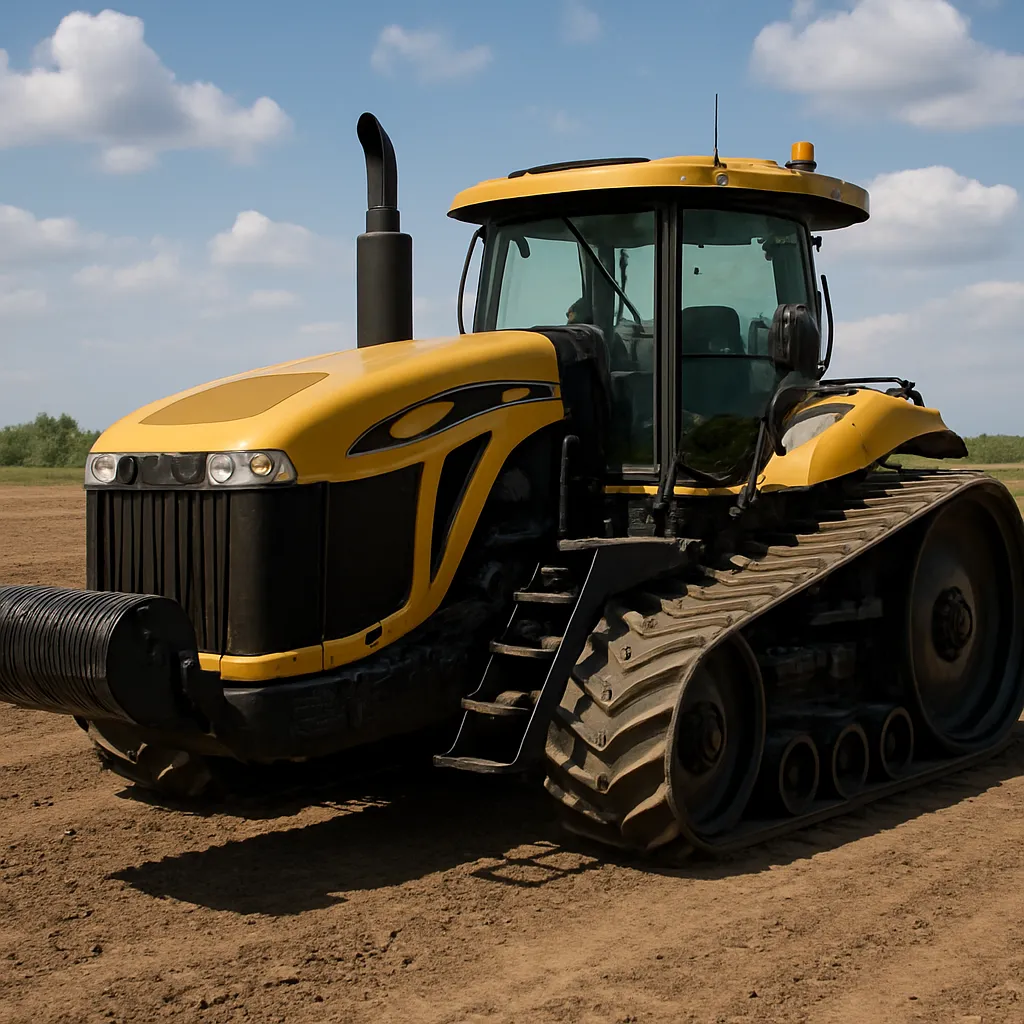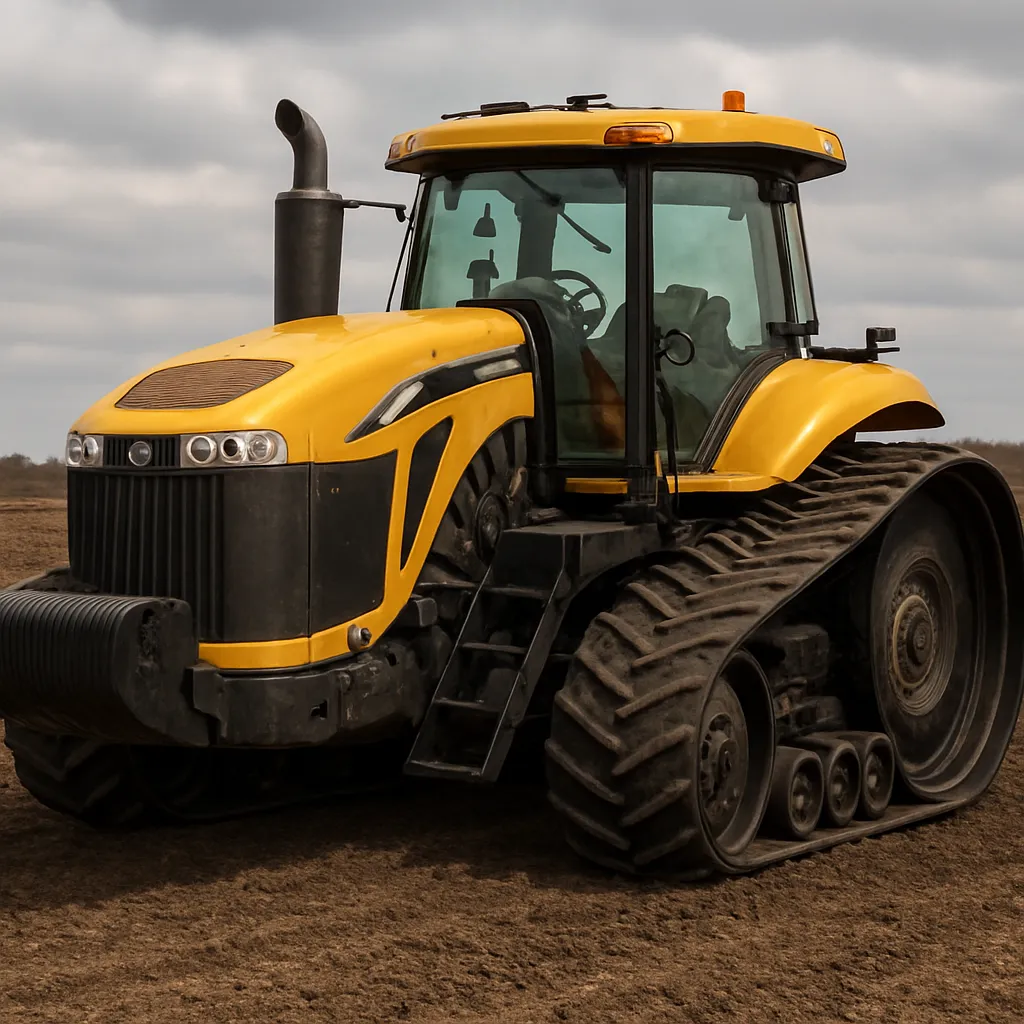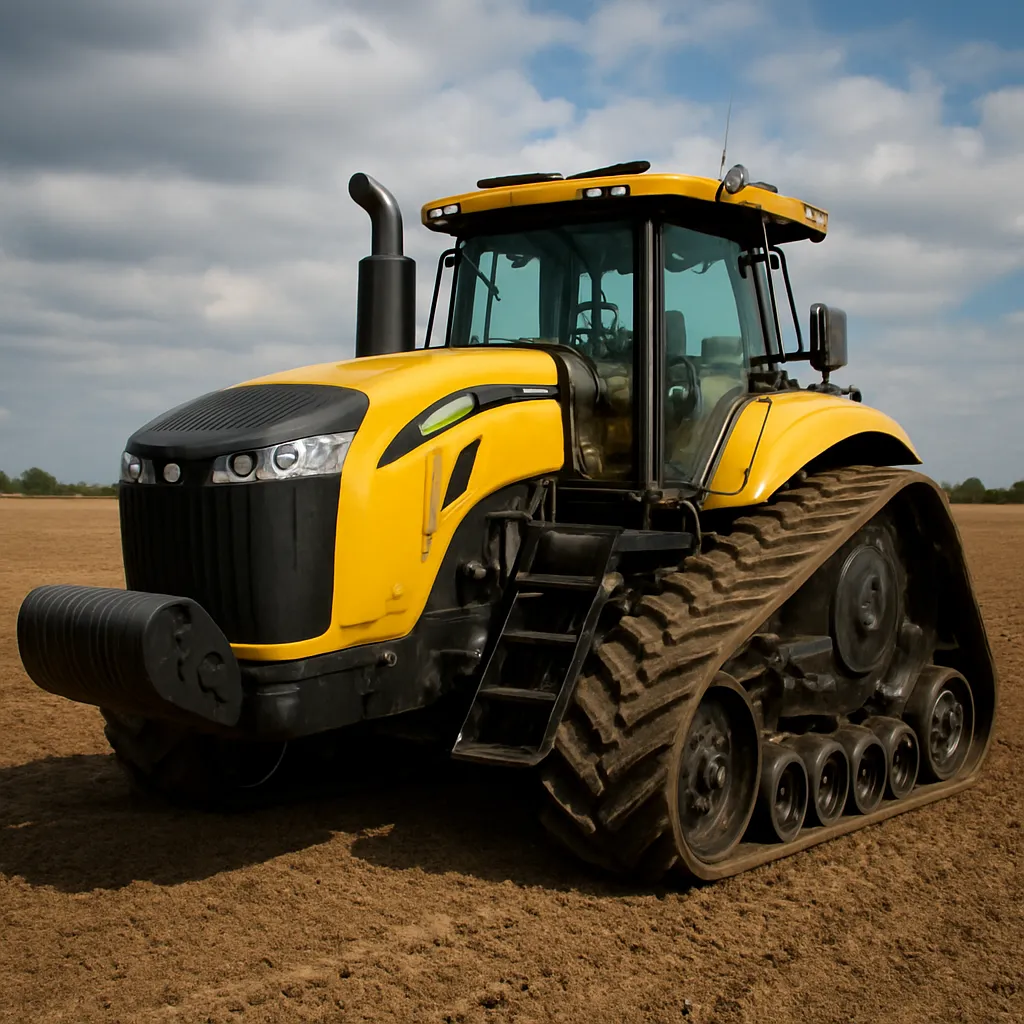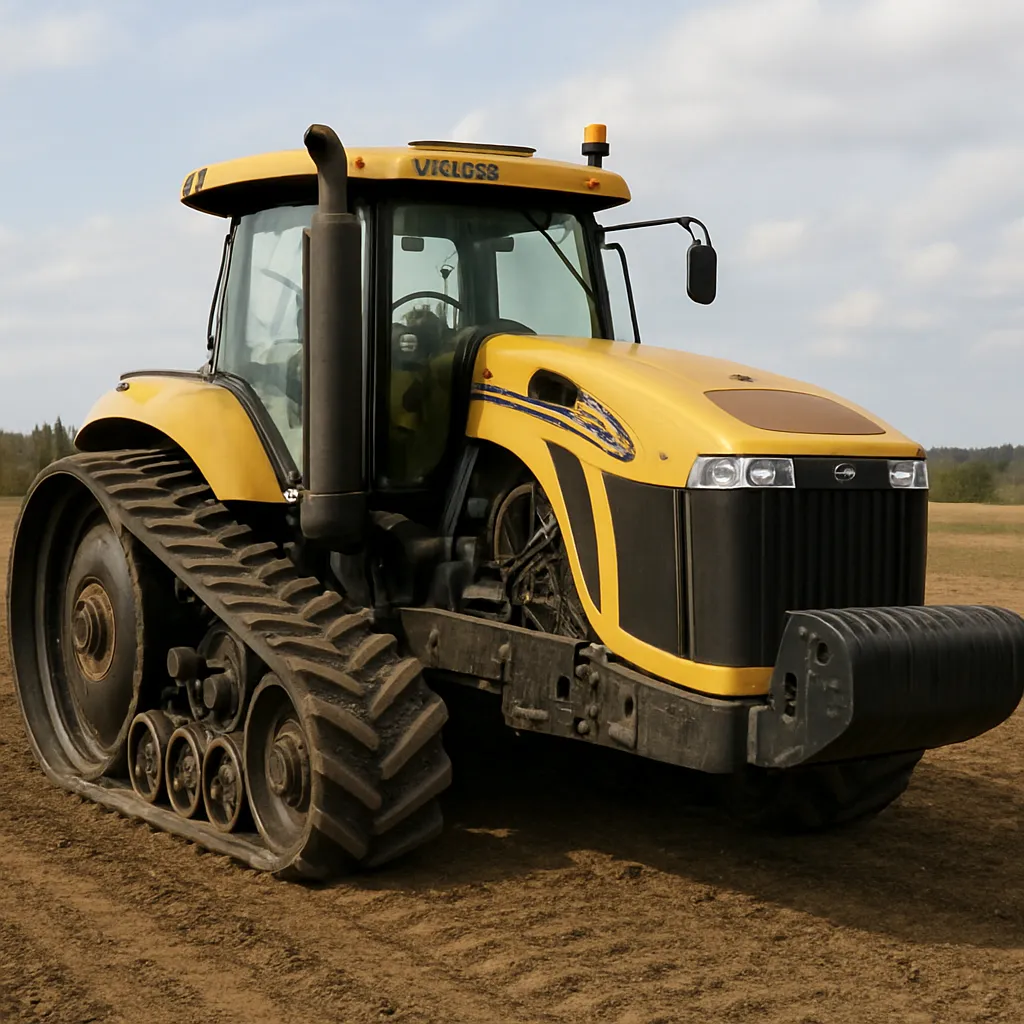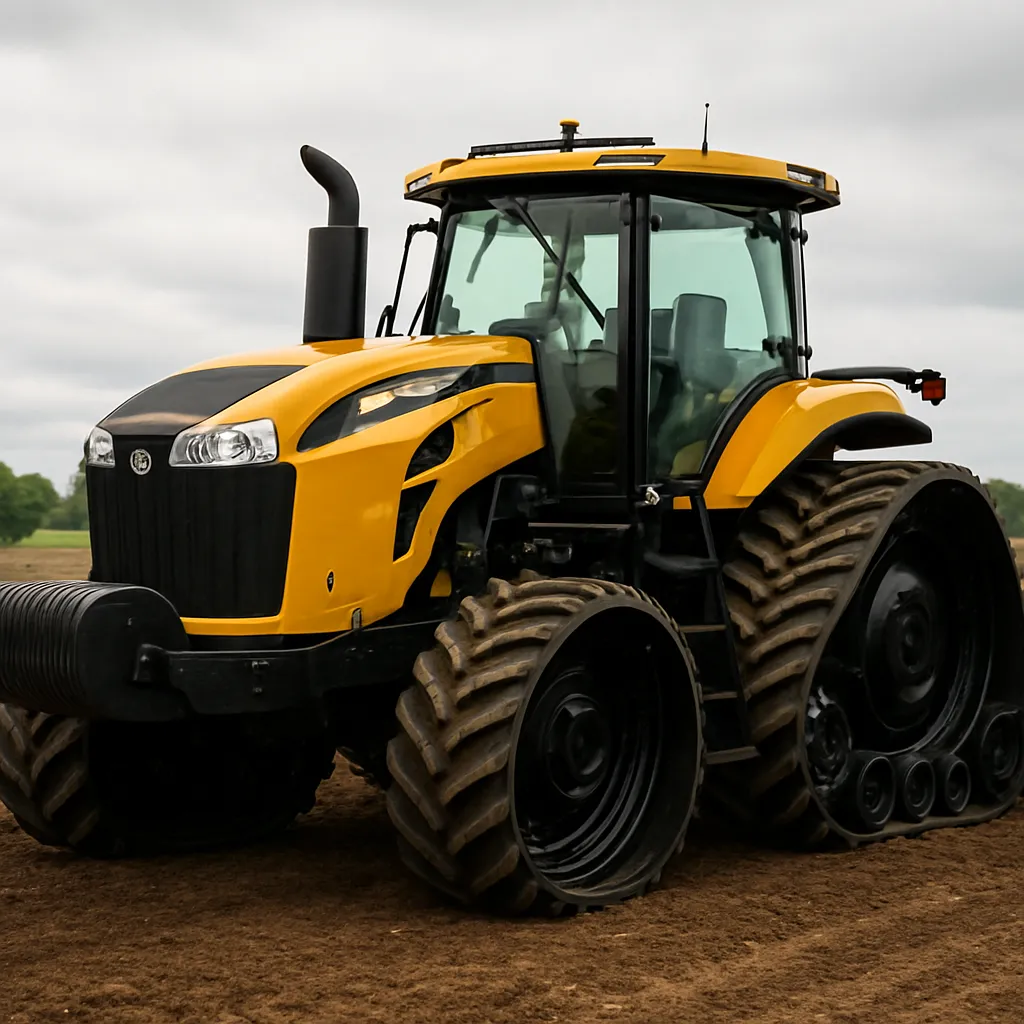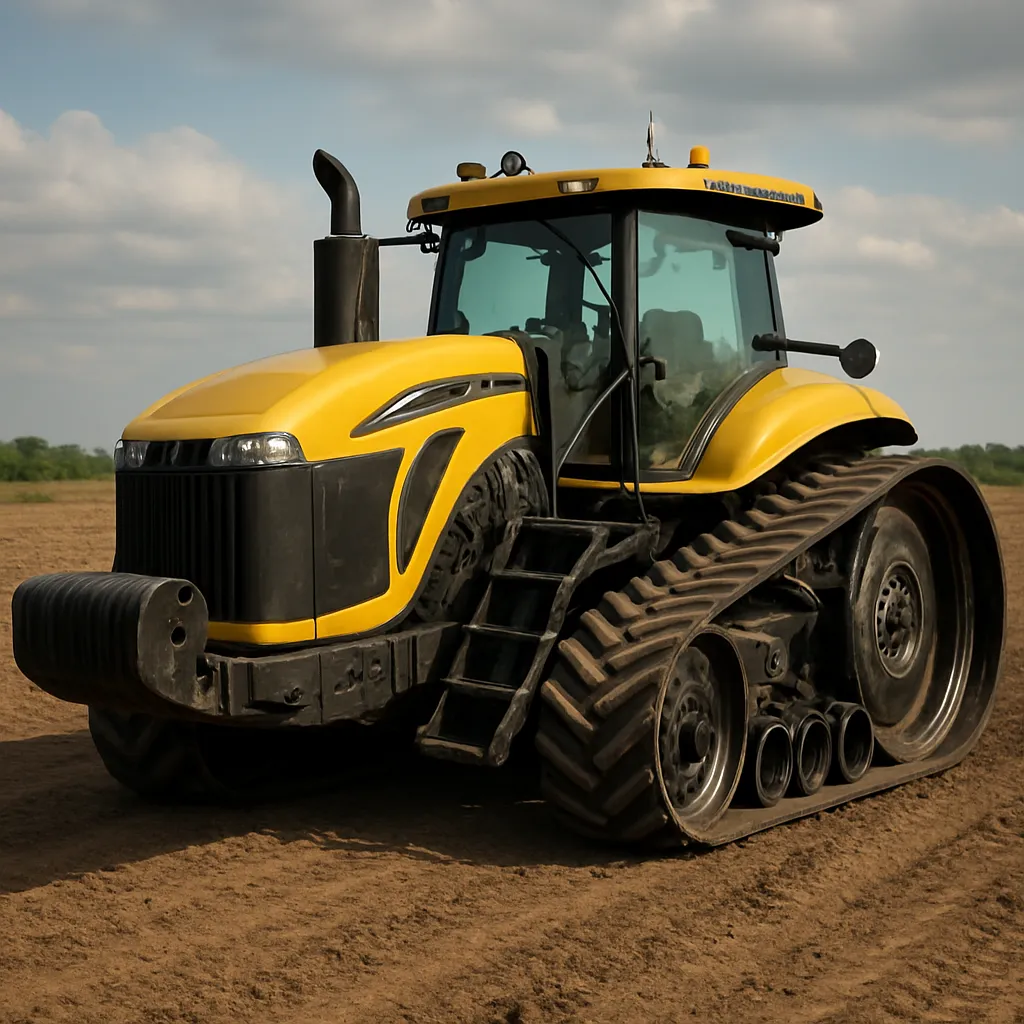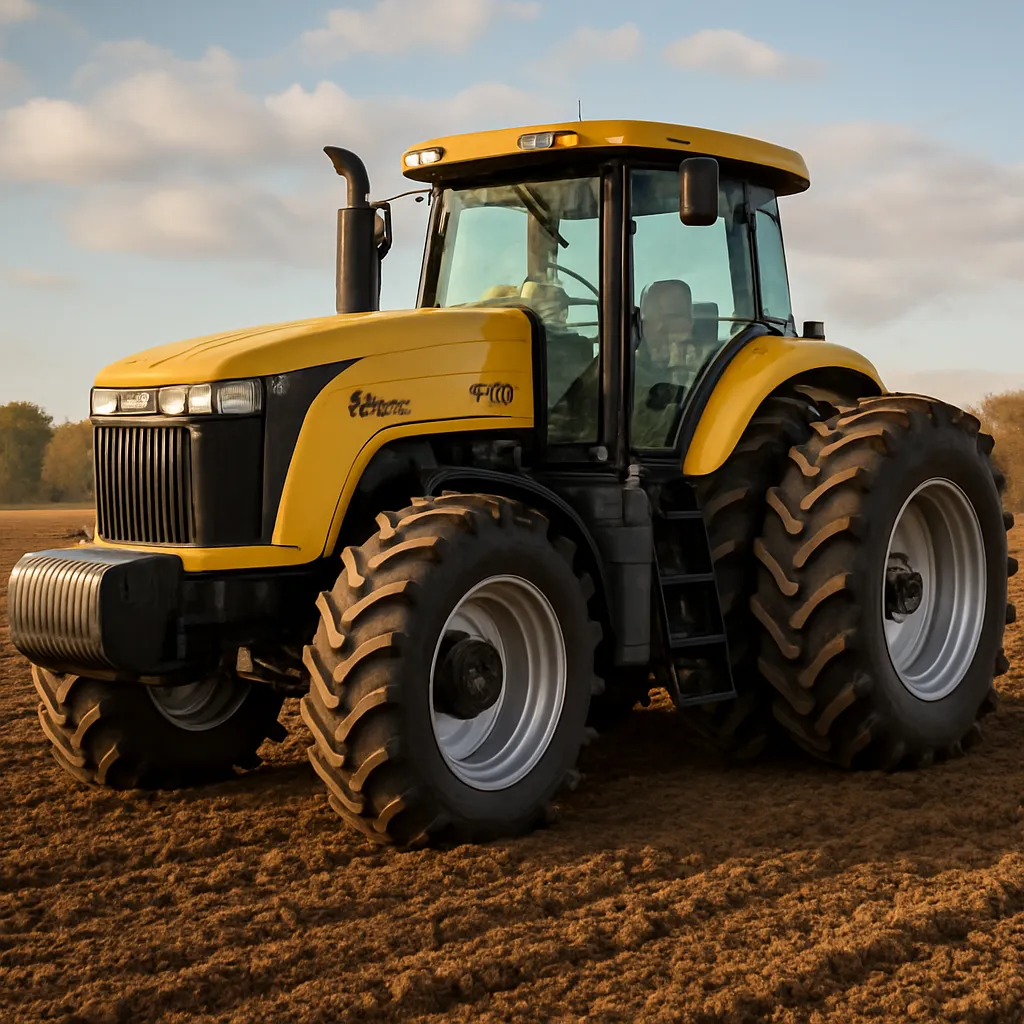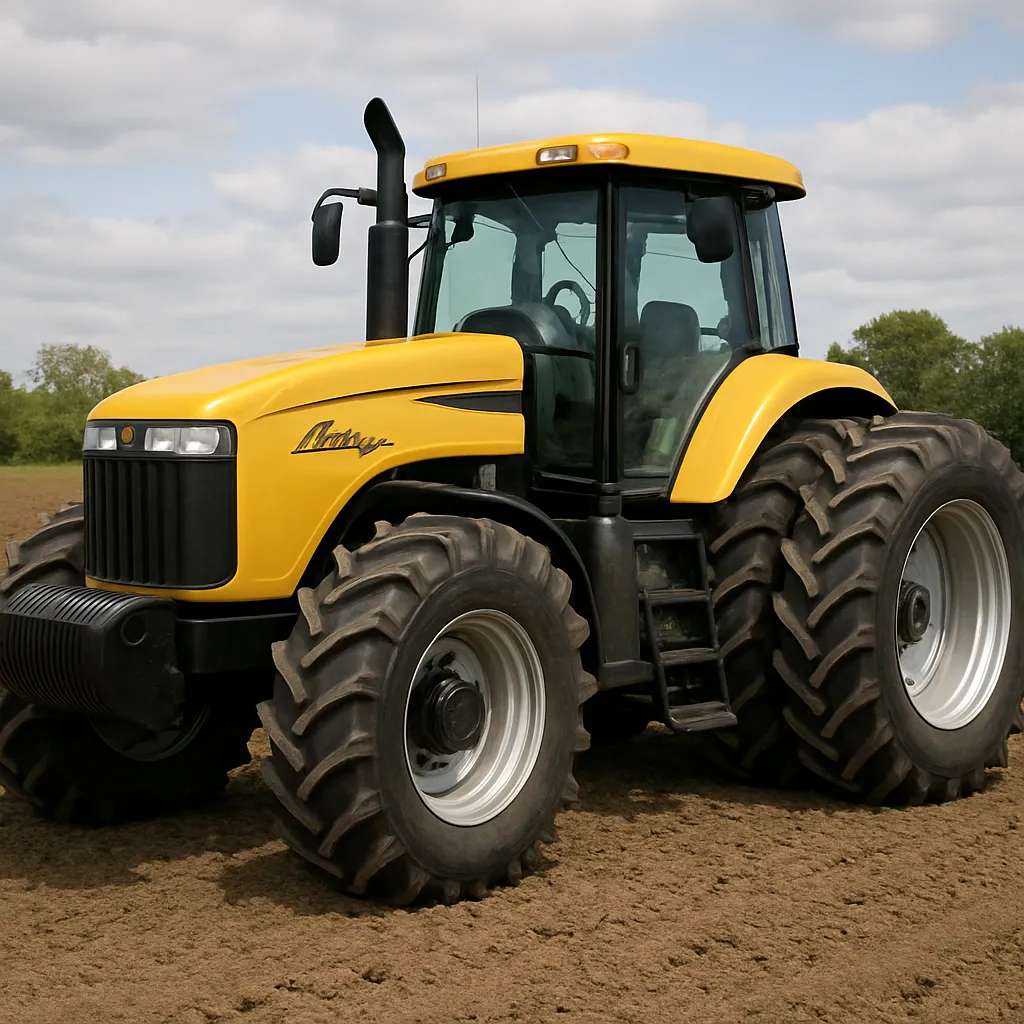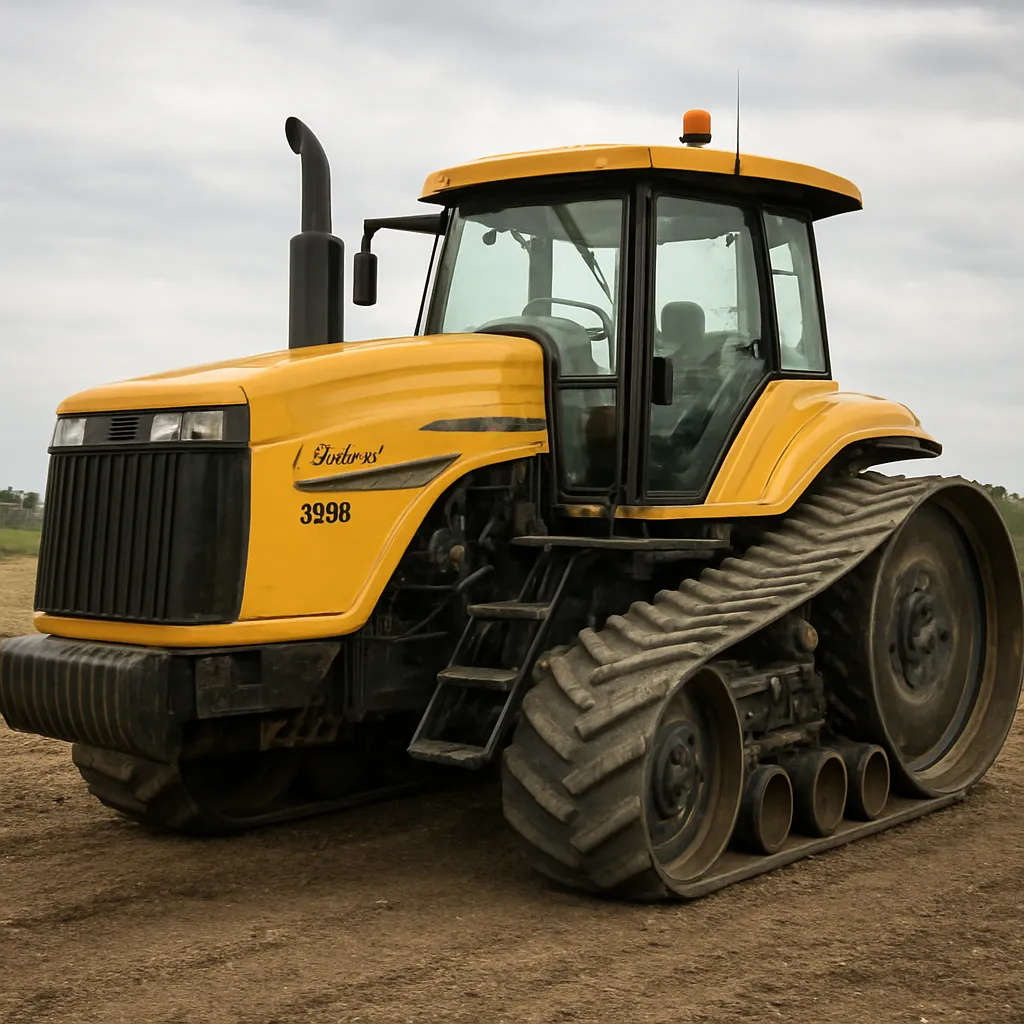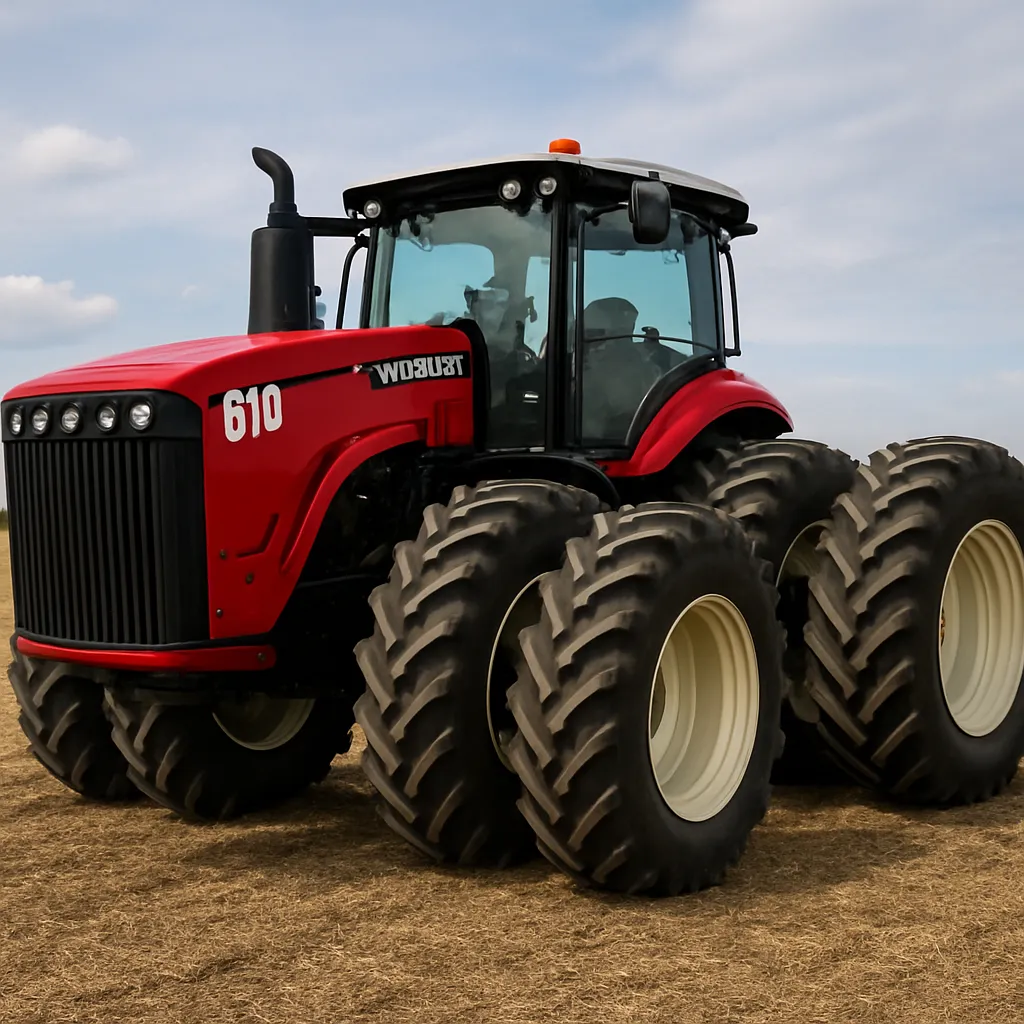
The Versatile 610 is a workhorse in the mid-size agricultural tractor segment, appreciated by farmers and contractors for its balanced mix of power, durability and adaptability. This article examines the machine’s design philosophy, practical applications and operational characteristics, as well as considerations for ownership, maintenance and field performance. Wherever possible the discussion highlights common specifications and real-world performance patterns; note that exact technical data can vary by model year and market configuration.
Design and technical characteristics
The Versatile 610 was engineered to satisfy the needs of medium-scale farming operations that require a tractor capable of handling a wide range of tasks without compromising on durability. At its core, the design emphasizes robust construction, straightforward serviceability and a chassis capable of integrating multiple types of implements.
- Engine: The heart of the Versatile 610 is a diesel powerplant tuned for consistent torque delivery at working rpm. Depending on production year and regional configuration, the 610 typically features a turbocharged inline engine with electronic or mechanical fuel management. Consumer reports and dealer literature commonly place the engine’s rated output in a mid-range bracket; depending on spec, expect a rated engine power in the neighborhood of 110–140 hp. Peak torque is delivered in the low-to-mid rpm range to prioritize pulling power and implement control.
- Horsepower and PTO: PTO (Power Take-Off) ratings are slightly lower than engine gross ratings, and the Versatile 610’s PTO power is typically specified to meet common field tasks such as baling, mowing and tillage. A realistic working PTO range for the 610 family of machines is approximately 90–115 hp, again depending on options and model year.
- Transmission and driveline: The 610 is offered with transmission options suited to varied operator preferences—ranging from mechanical gearboxes to synchronized or semi-powershift units in later configurations. Four-wheel-drive and articulated or rigid-frame layouts are used to provide consistent traction. The driveline is engineered to tolerate heavy draft loads while remaining serviceable in the field.
- Weight and dimensions: A medium-tracked weight class gives the 610 good ballast for tillage and seedbed preparation. Typical operating weight is commonly reported in the range of 4.5–6.5 tonnes depending on ballast, tires/tracks and added equipment. Ground clearance, wheelbase and hitch geometry are balanced to allow a variety of mounted and trailed implements.
- Hydraulics and three-point hitch: The hydraulic system is designed for agricultural implements requiring steady flow and pressure. Standard hydraulic flow and control options accommodate loaders, planters and sprayers. The three-point hitch meets common category specifications found in its market class, providing a stable interface for plows, cultivators and mowers.
- Cab and ergonomics: Operator comfort is emphasized through a practical cab layout, good visibility and controls oriented for long workdays. Later variants often include adjustable seats, improved sound insulation and ergonomic controls. Cab options may include heating/air conditioning and enhanced instrumentation.
Applications and field performance
The Versatile 610 is a true generalist: it finds its place on mixed farms, cash-crop operations and in specialized contract work where a dependable mid-sized tractor is required. Its design allows it to handle seasonal cycles efficiently and switch between tasks with minimal downtime.
Primary agricultural uses
- Seedbed preparation and tillage: With adequate ballast and a reliable transmission, the 610 performs well pulling plows, discs and cultivators across typical European and North American soil types.
- Seeding and planting: Paired with planters or seed drills, the tractor’s hydraulic and PTO capabilities support precise depth control and consistent forward speed.
- Mowing, baling and forage: The mid-range PTO capacity suits mower conditioners, balers and forage wagons used on medium-sized farms.
- Loading and material handling: With a front loader attachment, the 610 serves in yard work, feed handling and light-to-moderate loader tasks.
- Specialty implements: Depending on market, the tractor can be equipped for sprayers, spreaders, and other mounted or trailed implements for nutrient and pest management.
Work-rate and efficiency
Field efficiency is influenced by several interacting factors: implement choice, soil conditions, operator technique and local climate. Users commonly report that the 610 achieves a favorable balance between fuel consumption and task output. Typical fuel consumption under practical working loads varies significantly with task intensity and terrain, but ranges in real-world testing often fall between 8 and 20 liters per hour; lighter PTO work and road travel reduce that figure, while heavy draft tillage pushes it toward the higher end.
Because the Versatile 610 is tuned for torque at working rpm, users benefit from stable ground speed under load, which improves seeding uniformity and reduces the number of passes needed in some operations. The machine’s traction systems—four-wheel drive and adequate ballast—reduce slippage in challenging soils, contributing to lower fuel and time costs per hectare.
Operation, maintenance and longevity
Longevity is a frequent selling point for Versatile machines when properly maintained. The 610’s straightforward mechanical layout—especially in earlier model years—makes it accessible for farm-based servicing and field repairs.
Routine maintenance
- Engine service: Regular oil, filter and coolant checks are standard. The use of high-quality diesel and scheduled fuel-filter changes reduces the risk of injector and fuel-pump issues.
- Transmission and driveline: Gearbox oil and final-drive fluids should be checked at manufacturer-recommended intervals. Operators must monitor clutch engagement and gearshift smoothness to detect wear early.
- Hydraulics: Filter and fluid replacement intervals are crucial for maintaining responsive lift and auxiliary functions. Contamination can quickly degrade performance, so care is advised when changing attachments or bleeding systems.
- Tires and ballast: Correct tire pressure and ballast distribution help preserve fuel economy and extend tire life. Periodic inspection of rims and wheel studs is recommended, especially when switching between heavy implements.
- Electrical and cab systems: Battery maintenance, alternator checks and wiring inspections reduce downtime. Cab seals and ventilation systems should be maintained for operator comfort and dust control.
Repairability and parts availability
One advantage of the Versatile 610 is the relative simplicity of its mechanical components in many years of production; that simplicity translates into easier diagnostics and in-field repairs. Parts availability varies by region and vintage—authorized dealers provide parts for more recent models, while aftermarket suppliers and salvage networks often support older units. Owners typically recommend establishing a relationship with a local dealer or an experienced technician to expedite parts sourcing and major repairs.
Comparative advantages and market position
In a crowded market, the Versatile 610 competes based on a mix of economy, adaptability and build quality. It often appeals to buyers who need reliable mid-range capability without the cost or complexity of high-horsepower implements.
- Versatility: As its name implies, the tractor is designed to fulfill a wide range of tasks. Farms with mixed operations value one machine that can perform seeding, tillage and livestock-related chores without retooling for every job.
- Reliability: Robust components and a conservative engineering approach mean that many 610s have long service lives when maintained properly. This reputation makes the model attractive on the used market.
- Cost of ownership: Purchase price, fuel consumption and maintenance costs are competitive in the mid-range class. The balance of upfront cost and lifetime serviceability helps control total cost of ownership.
- Resale and market demand: Because of its broad utility, the Versatile 610 holds steady demand among buyers looking for dependable medium-power tractors on the secondary market.
Attachments, configurations and customization
Part of the 610’s appeal is the ease with which it integrates with a variety of implements. Dealers and third-party equipment suppliers often offer customized packages to match local farming systems.
- Front loaders and skid-steer style attachments for material handling.
- Wide variety of three-point mounted tools—mowers, plows, cultivators and seeders.
- Hydraulic remotes and electronic control upgrades to support precision agriculture implements and auto-steering systems.
- Optional ballast kits and tire choices to optimize flotation, traction or transport speed depending on the operation.
Modernization packages—such as GPS guidance, telematics and upgraded cabs—are often retrofittable to extend the machine’s effective lifespan and improve operator efficiency.
Ownership considerations, economics and statistics
Potential buyers should evaluate the Versatile 610 not only on advertised horsepower but also on effective torque delivery, implement compatibility and local dealer support. Key factors influencing ownership economics include downtime, fuel efficiency, and the ability to perform multiple tasks without adding specialized tractors.
- Acquisition cost: Newer or well-equipped 610 variants command higher initial prices; used units are widely available at lower cost, with price reflecting hours, condition and any recent overhauls.
- Operating hours and lifespan: With typical maintenance, many mid-range tractors including the 610 can achieve several thousand hours of service. Owners commonly report tractors in this class lasting 8,000–10,000 hours or more when major components are rebuilt or replaced on schedule.
- Fuel economy benchmarks: For planning purposes, assume mid-range field tasks will result in hourly fuel consumption broadly between 8 and 20 liters per hour. For enterprise budgeting, convert that to liters per hectare using realistic working widths and travel speeds for your implements.
- Resale value: The 610 tends to retain reasonable resale value especially in markets where mid-sized utility tractors are in steady demand.
Safety, operator training and regulatory notes
Safety is a priority for any agricultural equipment. The Versatile 610 is typically equipped with standard tractor safety features—ROPS or enclosed cab, seatbelt anchorage, lighting and signaling, and hitch safeguards. Operators should be trained on proper hitching, ballast management and PTO safety procedures.
- Always ensure PTO shields are intact and operational before use.
- Use rated hitch pins and check linkage before towing heavy implements.
- Follow local emissions and noise regulations; some model-year variants may require retrofits to meet stricter environmental rules in certain jurisdictions.
Real-world user impressions and tips
Farmers who have used the Versatile 610 tend to praise its durability, simple mechanical layout and versatility. Common practical tips from experienced operators include:
- Invest in a solid set of tires suited to your most frequent field conditions rather than trying to optimize for every scenario.
- Keep a maintenance log and replace consumables on schedule—consistent oil and filter changes extend engine life significantly.
- Consider modest modernizations—such as GPS guidance or a more comfortable seat—to improve operator productivity without altering the tractor’s proven mechanical base.
- For heavy draft work, verify that ballast and hitch geometry are optimized to prevent wheel slip and minimize fuel consumption.
Concluding remarks
The Versatile 610 represents a pragmatic choice for farmers and contractors who need a dependable mid-size tractor that balances power, economy and serviceability. While exact specifications differ by year and market, the machine’s strengths lie in its engine durability, effective horsepower delivery, solid traction and broad versatility for multiple implements. With sensible maintenance, attentive operation and the right attachments, the 610 can serve as a central piece of equipment for a variety of agricultural enterprises.
When considering a purchase or preparing for operations, verify the specific model-year specifications with a local dealer or trusted service provider to match machine capabilities to your farm’s needs and to ensure compliance with regional regulations and emissions standards.