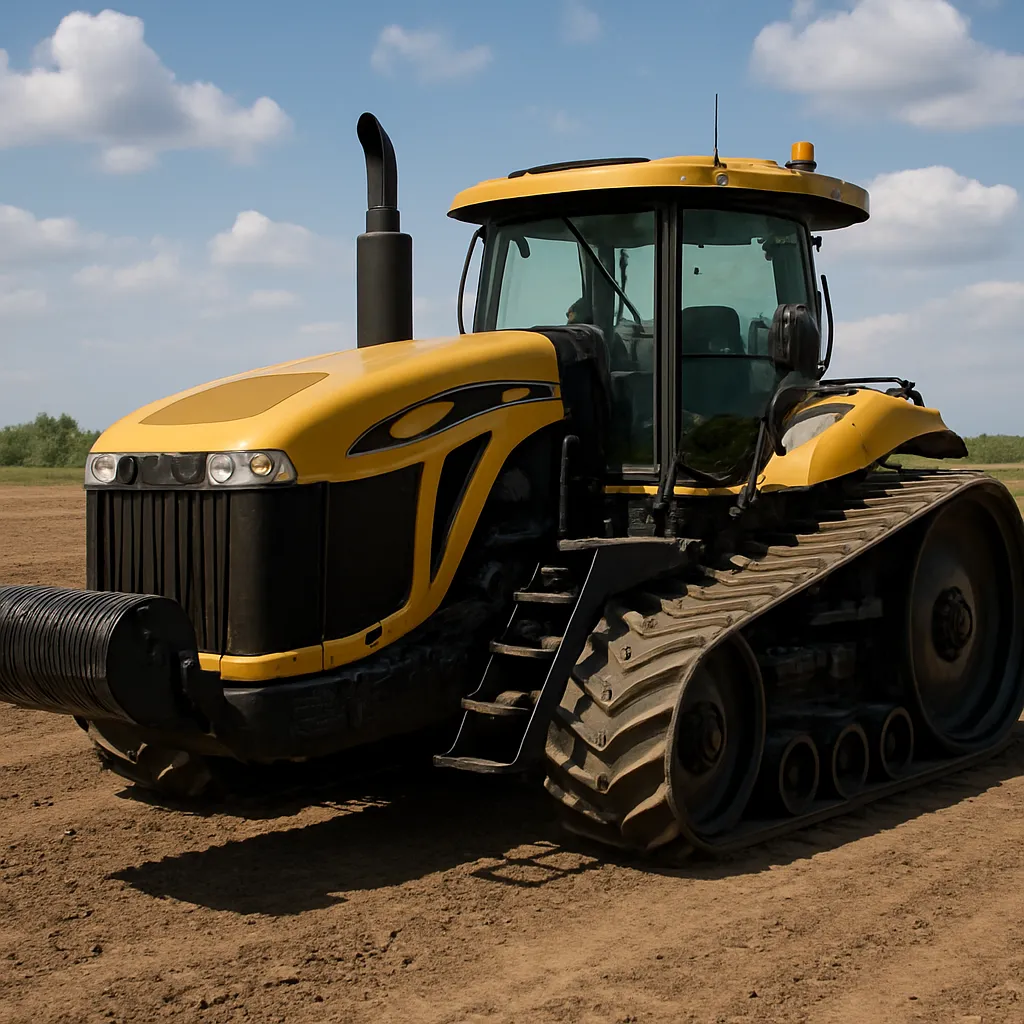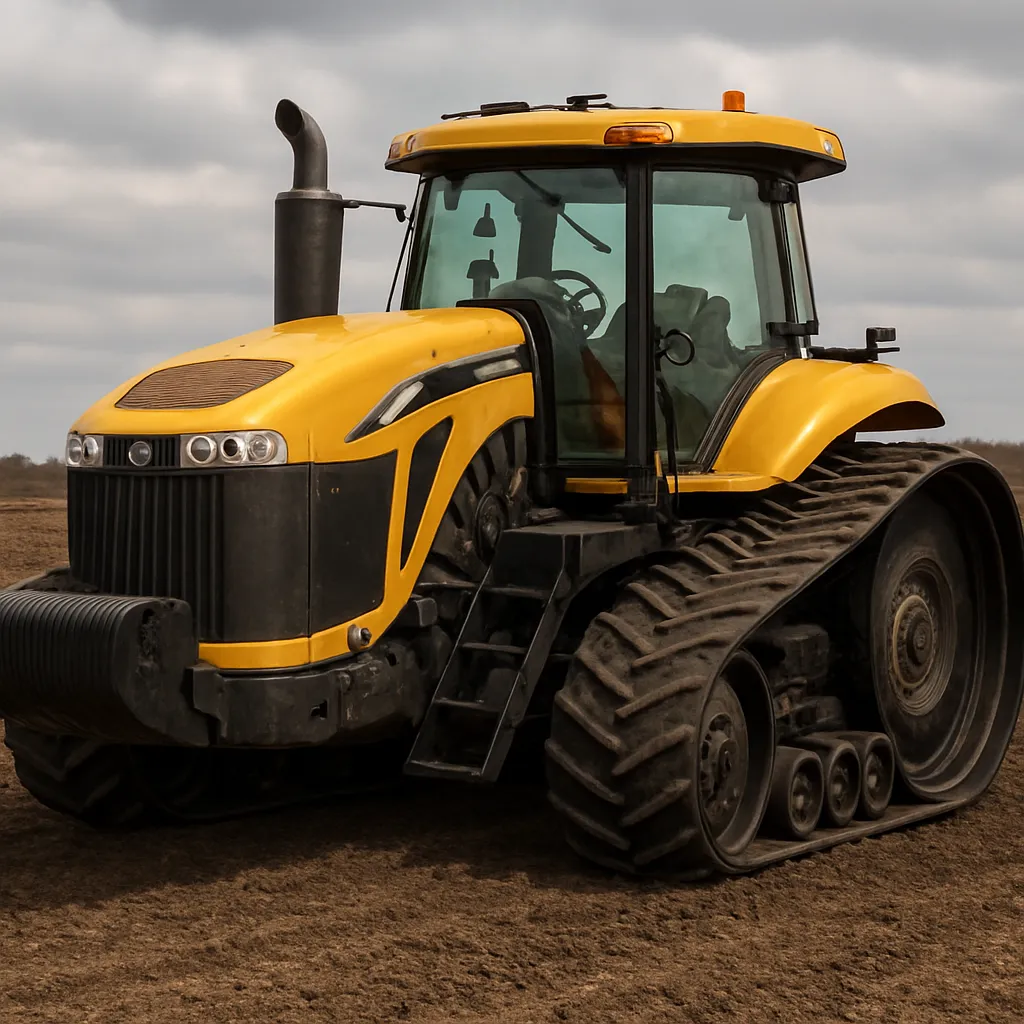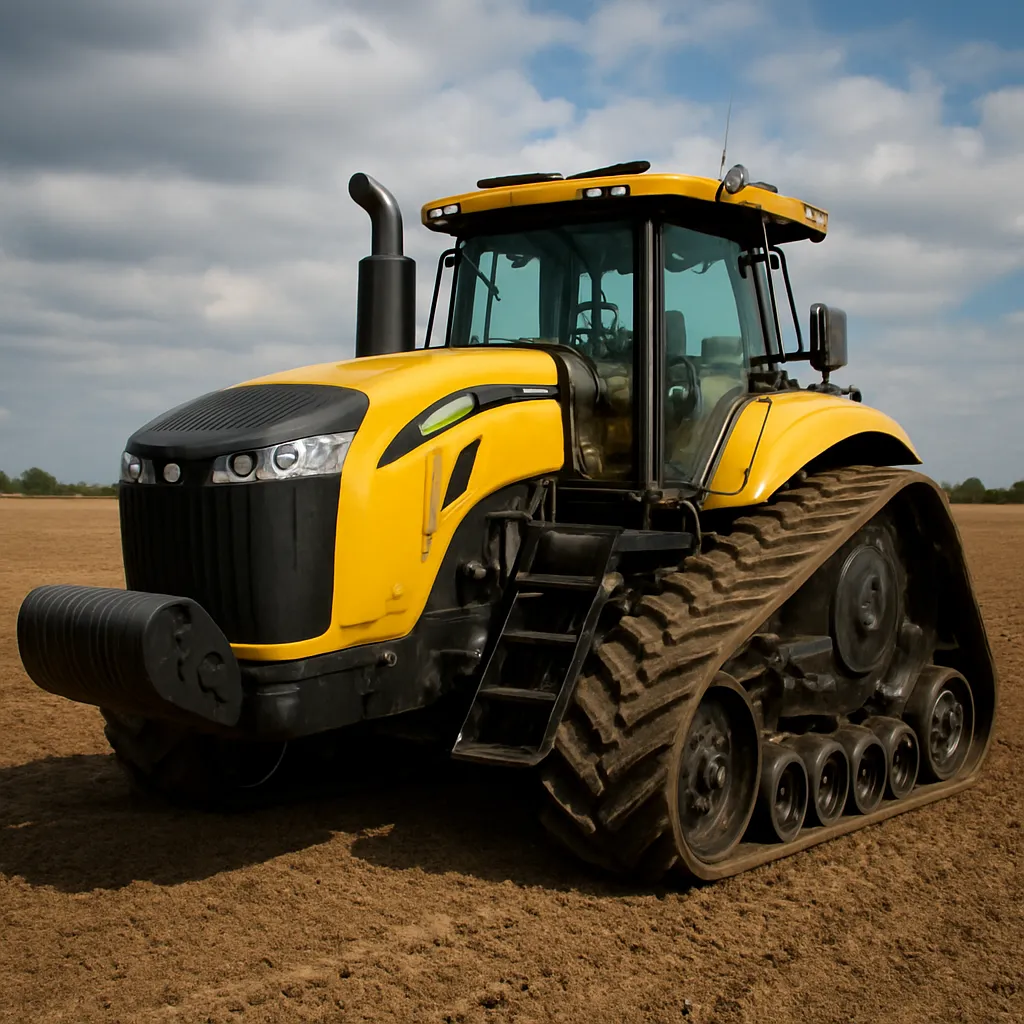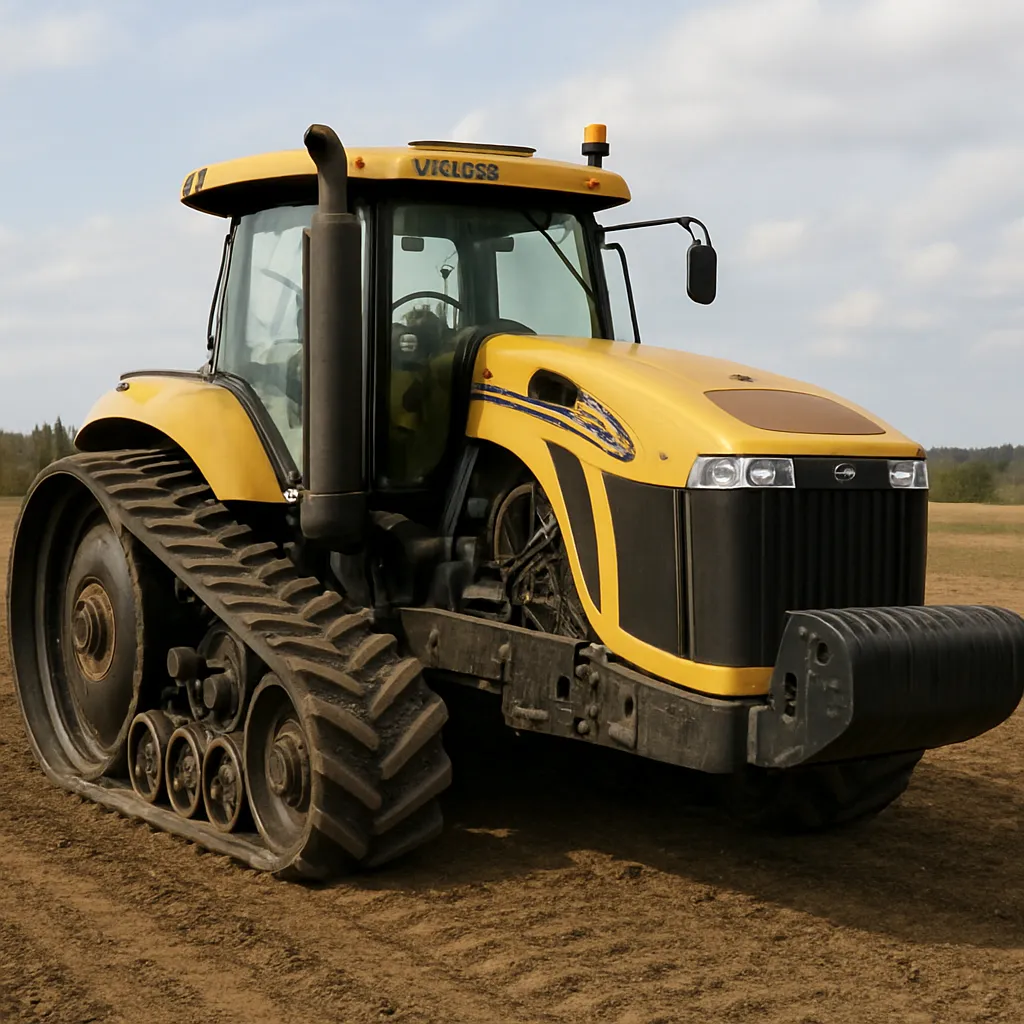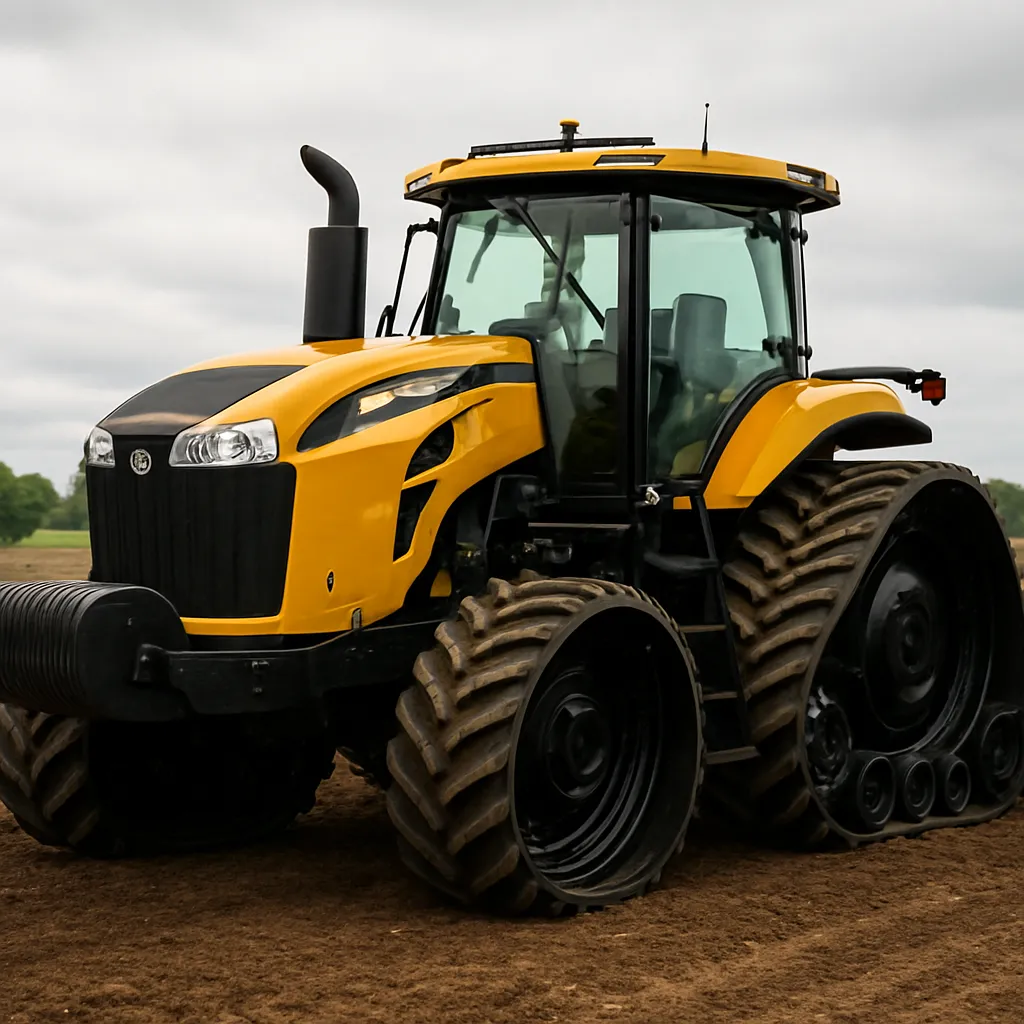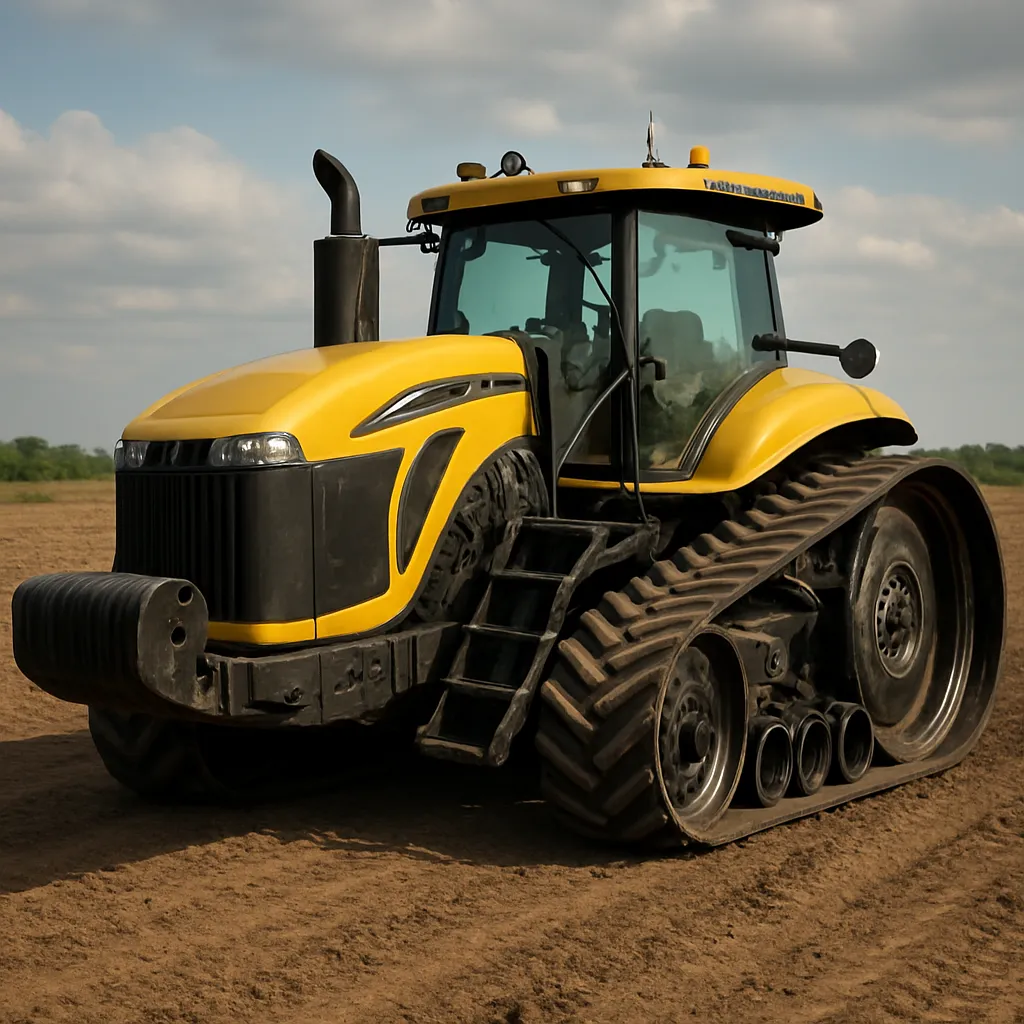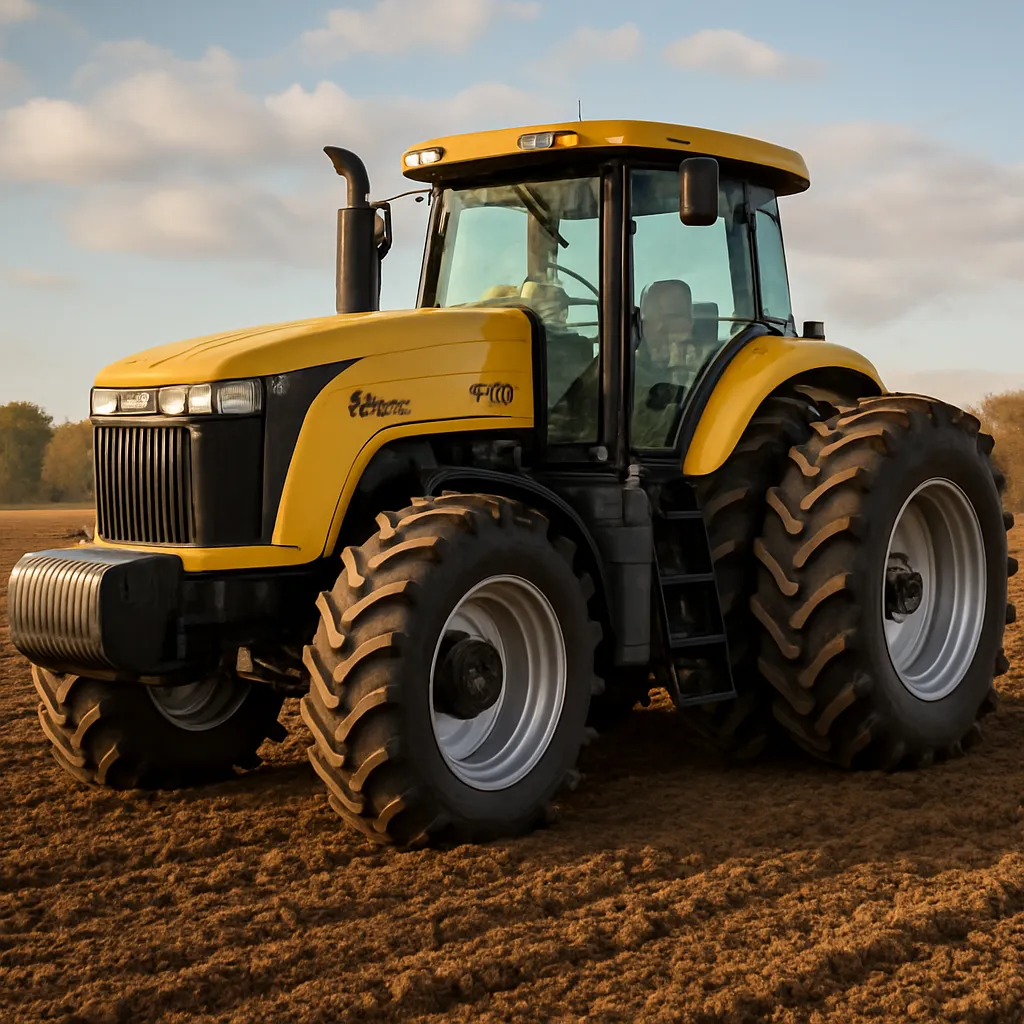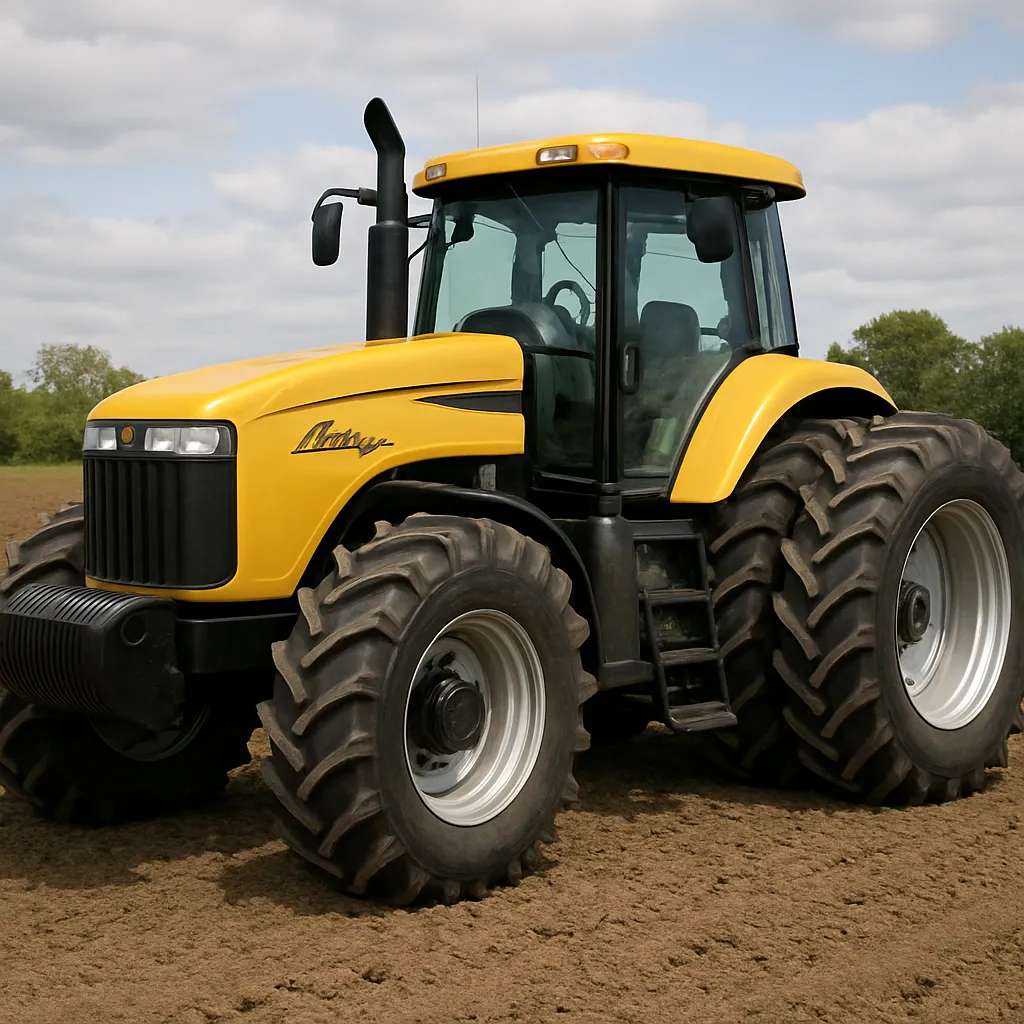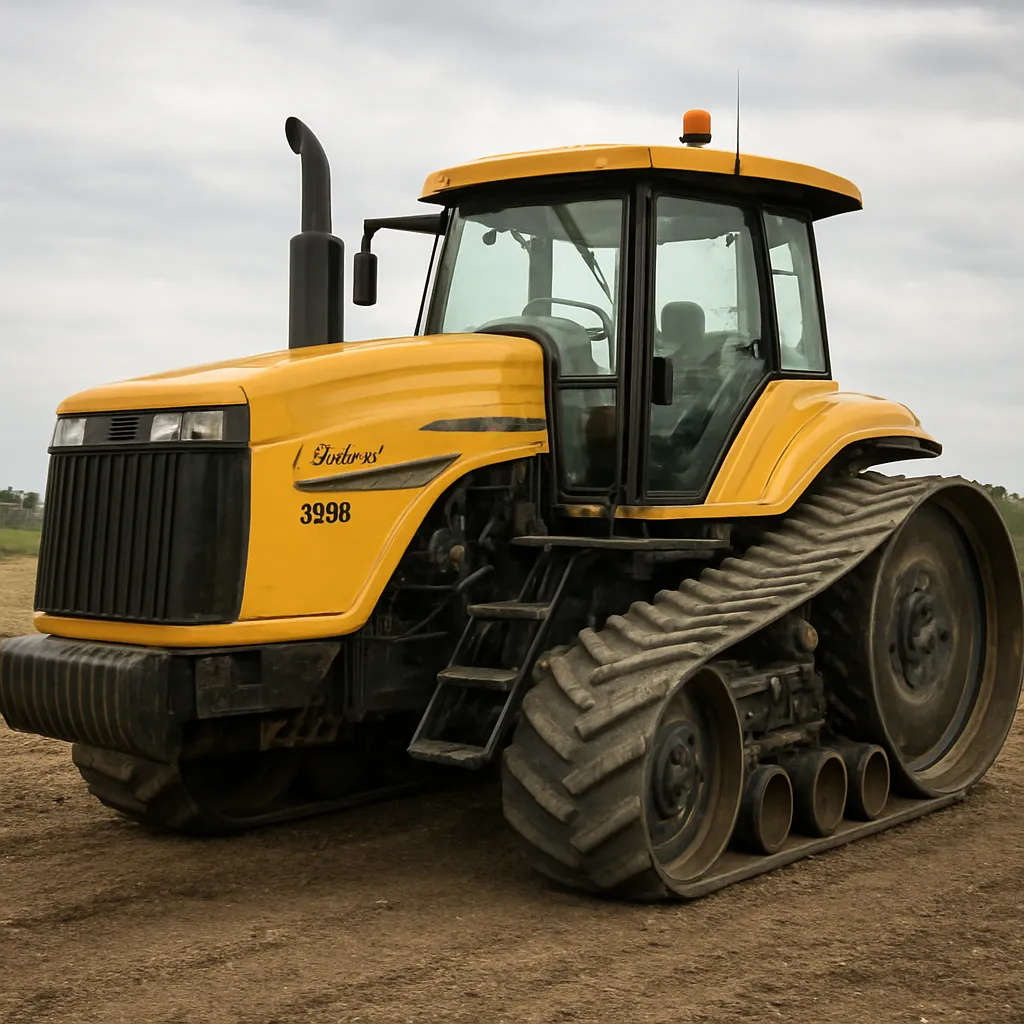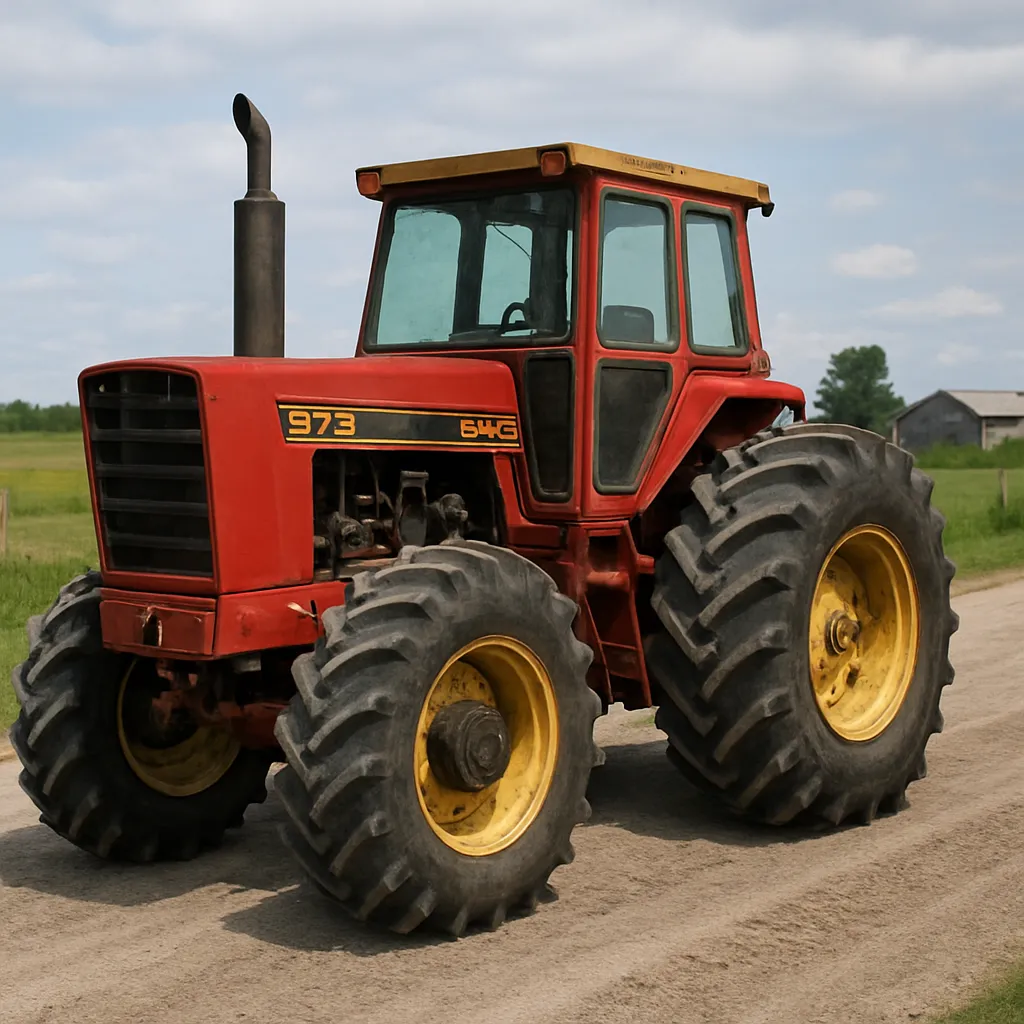
The Versatile 875 is a workhorse in the medium-to-heavy agricultural tractor class, valued for its combination of rugged construction, straightforward mechanics, and broad applicability on farms and contractors’ operations. In this article we will explore the machine’s design philosophy, typical technical characteristics, common uses, maintenance considerations and how it fits within the modern market. Where precise numbers vary by year and configuration, approximate ranges are provided to give a realistic picture of performance and operating expectations.
Design and technical overview
The Versatile 875 reflects a design approach that prioritizes durability, simple serviceability and robust power delivery. Built as an articulated four-wheel-drive or two-wheel-drive tractor (depending on version), the 875 is often fitted with a mid-size diesel engine, heavy-duty drivetrain and a frame capable of supporting large tillage implements and wide planters. Its engineering emphasizes long-term field operation, low maintenance complexity and the ability to work in demanding soil conditions.
Engine and powertrain
- Engine type: Typically a turbocharged six-cylinder diesel engine, designed for continuous field work and high torque at low rpm.
- Power output: Depending on model year and factory tuning, the rated power normally falls within an approximate range of 200 to 300 horsepower at the flywheel. Peak drawbar and PTO power are subject to drivetrain losses and specific configurations.
- Torque characteristics: The engine is tuned to deliver strong low-end torque, useful for heavy tillage and pulling large implements through resistance.
- Transmission: The Versatile 875 was offered with robust mechanical gearboxes or powershift-type options in many markets, designed to give straightforward gear selection and reliable power transfer. Some later or rebuild variants may have more modern transmissions retrofitted.
Hydraulics, hitch and PTO
- Hydraulic flow: The 875 typically features a high-capacity hydraulic system to operate modern implements—this can range from moderate to high flow depending on the pump specification fitted. Exact flow rates vary by year and options but are sized for implements such as large seeders, sprayer booms and sizeable cultivators.
- Three-point hitch: Built to handle significant rear-mounted implements, the hitch is robust and often includes mechanical or electronic draft control depending on the version and aftermarket updates.
- PTO options: Most 875 tractors are available with a standard PTO arrangement to run rotary tillers, mowers and other PTO-driven gear; the PTO speeds and capacities correspond to engine power and gearbox options.
Chassis, wheels and traction
Traction and weight distribution are key attributes of the 875. The tractor’s design allows for various tire configurations and ballast setups to match field tasks. Many machines are articulated, allowing tighter turning radii and improved mobility with heavy implements. The strong frame and axle design enable it to carry the loads imposed by modern wide-width implements.
Applications and field uses
The true strength of the Versatile 875 lies in its adaptability. Farmers and contractors use this tractor in a variety of roles across cropping systems, seasonal tasks and mixed-farm operations. Below are the most common applications where the 875 typically excels.
Tillage and primary cultivation
- Plowing and deep tillage: With its torque-rich engine and sturdy hitch, the 875 is well-suited to pulling large moldboard plows and subsoilers, especially in heavier soils.
- Disc harrows and cultivators: The machine’s weight and traction make it effective at pulling wide disc gangs and heavy cultivator frames, enabling efficient coverage of large acreages.
Seeding, planting and fertilizer application
- Planters and seeders: Paired with medium-to-large seed drills or planters, the 875 provides consistent draft and hydraulic capacity for accurate seeding operations.
- Spreaders and applicators: It is commonly used with fertilizer spreaders, tank sprayers and air-seeders—particularly where reliable hydraulic and PTO performance are required.
Hay and forage operations
- From mowing and raking to bale handling and towing large balers, the 875’s stable platform and PTO capability make it a solid choice for considerable hay acreage.
Transport and heavy-duty contractor tasks
- Field transport: The tractor is frequently used to tow heavy equipment or transport loads between fields and storage areas, taking advantage of its drawbar capacity.
- Specialty implements: Contractors may outfit the 875 for road maintenance, forestry work, or as a prime mover for earthmoving attachments where its ruggedness is an advantage.
Operator environment and ergonomics
While the Versatile 875 emphasizes functional durability, it also offers features to keep operators comfortable during long field days. Cab layouts commonly include straightforward instrumentation, direct control levers and seating arrangements focused on visibility and control. Depending on the year and trim, options such as climate control, upgraded seating and sound insulation are available or added by aftermarket suppliers.
Visibility and controls
- Large glazed areas and elevated cab placement provide good visibility to the front and rear implements, which is important for precision work during planting and tillage.
- Control ergonomics are usually simple and intuitive; many users appreciate the low-tech controls for their reliability and ease of repair.
Comfort and safety
- Basic safety equipment—such as rollover protection and lighting packages—are typically standard. Cab comfort features include adjustable seats and basic HVAC systems in many models.
Maintenance, reliability and operational costs
One of the major selling points of the Versatile 875 is its reputation for straightforward maintenance and dependable operation. The mechanical simplicity compared with highly electronic modern tractors often means lower long-term service costs and easier field repairs.
Routine maintenance
- Regular oil and filter changes, fuel system maintenance and cooling system checks are essential to keep the engine performing efficiently. Because the 875 is often used in heavy-duty tasks, more frequent fluid checks under prolonged high-load conditions are common practice.
- Hydraulic fluid and filter maintenance ensures consistent implement performance; worn or contaminated fluid can reduce hydraulic responsiveness and capacity.
- Final drives, axles and transmission systems should be inspected per manufacturer intervals; heavy soil work and high-torque usage accelerate wear if not monitored.
Reliability factors
- Durability: The robust frame, simple electronics and serviceable components contribute to long service life.
- Parts availability: Availability varies by region and model year; many parts are straightforward and can be sourced through dealers or aftermarket suppliers, but older or region-specific variants may require more effort to source components.
- Resale and longevity: Properly maintained examples often retain value because of their practical usefulness on mixed farms and for contractors who prefer reliable, easy-to-repair machines.
Performance statistics and operating figures
Because the Versatile 875 has been produced in multiple configurations and has seen different engines and options across production runs, the following figures are presented as typical ranges or approximate values rather than absolute certainties. If you are evaluating a specific year or serial number, consult the machine’s plate, user manual or dealer for exact specifications.
- Rated engine power: Approximately 200–300 hp (150–225 kW), depending on year and options.
- Fuel consumption: Under heavy field load, typical fuel use can range from roughly 20 to 35 liters per hour (5–9 gallons per hour), influenced strongly by implement load, ground speed and engine tuning.
- Hydraulic flow: Designed to support large implements; usable flow rates commonly fall within a moderate-to-high range suited to planters, sprayers and hydraulic gangs (exact L/min depend on pump size).
- Ballast and operating weight: Ballast and tire choices mean operating weights vary; many units operate in the mid-tonnage range adequate for traction but not so heavy as to compact light soils excessively when fitted with wide duals or flotation tires.
- Speed and transport: Road transport speeds are typical for agricultural tractors of this class, with gearboxes enabling both low-speed precision fieldwork and higher-speed transport between sites.
Market position and comparisons
In the marketplace, the Versatile 875 occupies a niche for buyers seeking a balance of power, simplicity and value. It competes with mid-range machines from major manufacturers—those who choose Versatile cite the brand’s reputation for practical engineering and durability, while larger global brands often offer more advanced electronics, dealer networks and a wider range of modern options.
Who chooses the Versatile 875?
- Farmers and contractors who require a dependable tractor for heavy tillage and seeding but prefer lower-complexity mechanical systems.
- Operations in regions where basic robustness and ease of repair matter more than the latest electronic controls.
- Buyers seeking a cost-effective tractor platform that can be rebuilt or upgraded with aftermarket components.
Competition and alternatives
Comparable machines in the same power class are made by manufacturers such as John Deere, Case IH, New Holland and others. These competitors often emphasize advanced transmissions (e.g., continuously variable transmissions), integrated GPS/autosteering and sophisticated telematics. The Versatile 875 is typically chosen when buyers value ruggedness and simplicity over integrated high-tech features.
Practical tips for prospective buyers
If you are evaluating a used Versatile 875 or considering one for your fleet, a careful inspection and operational check will help ensure you get a tractor suited to your needs. Below are practical tips collectors and buyers commonly find useful.
- Inspect engine and transmission history: Look for regular service records, signs of oil leaks, and any history of major repairs. Pay particular attention to the condition of seals, hoses and the radiator.
- Check hydraulic performance: Test implement lift and hydraulic responsiveness under load, and inspect for leaks or degraded hoses and couplers.
- Review the electrical system: Although simpler than modern tractors, electrical faults can still cause downtime—verify lights, instrument cluster and starter performance.
- Tires and ballast: Determine whether the tractor has tyres and ballast suited to your soil type and intended implements; replacement tyres for large agricultural tractors represent a significant expense.
- Evaluate cab and controls: Confirm that the controls suit your operating style and that visibility and comfort meet your expectations for long workdays.
Environmental and efficiency considerations
Like all diesel-powered agricultural equipment, the Versatile 875 must be managed with environmental stewardship in mind. Careful operation and maintenance can reduce fuel consumption, emissions and soil compaction impacts.
- Adopt fuel-efficient operating practices: match engine rpm to load, avoid unnecessary idling and plan field passes to minimize overlaps.
- Use proper ballast and wide tires to reduce soil compaction while maintaining traction.
- Keep emissions systems and engine tuning within recommended settings—where systems have been modified, be aware of regulatory implications in your region.
Conclusion
The Versatile 875 is a practical, capable tractor that continues to serve farms and contractors who value straightforward mechanical design, strong low-end torque and the ability to handle a wide variety of implements. Whether used for primary tillage, seeding, heavy transport or specialty tasks, its reputation for reliability and ease of maintenance keeps it relevant, particularly in markets that prioritize durability over the latest electronics. When evaluating any specific machine, confirm the exact specifications and maintenance history, and consider how the tractor’s strengths align with your operational needs.