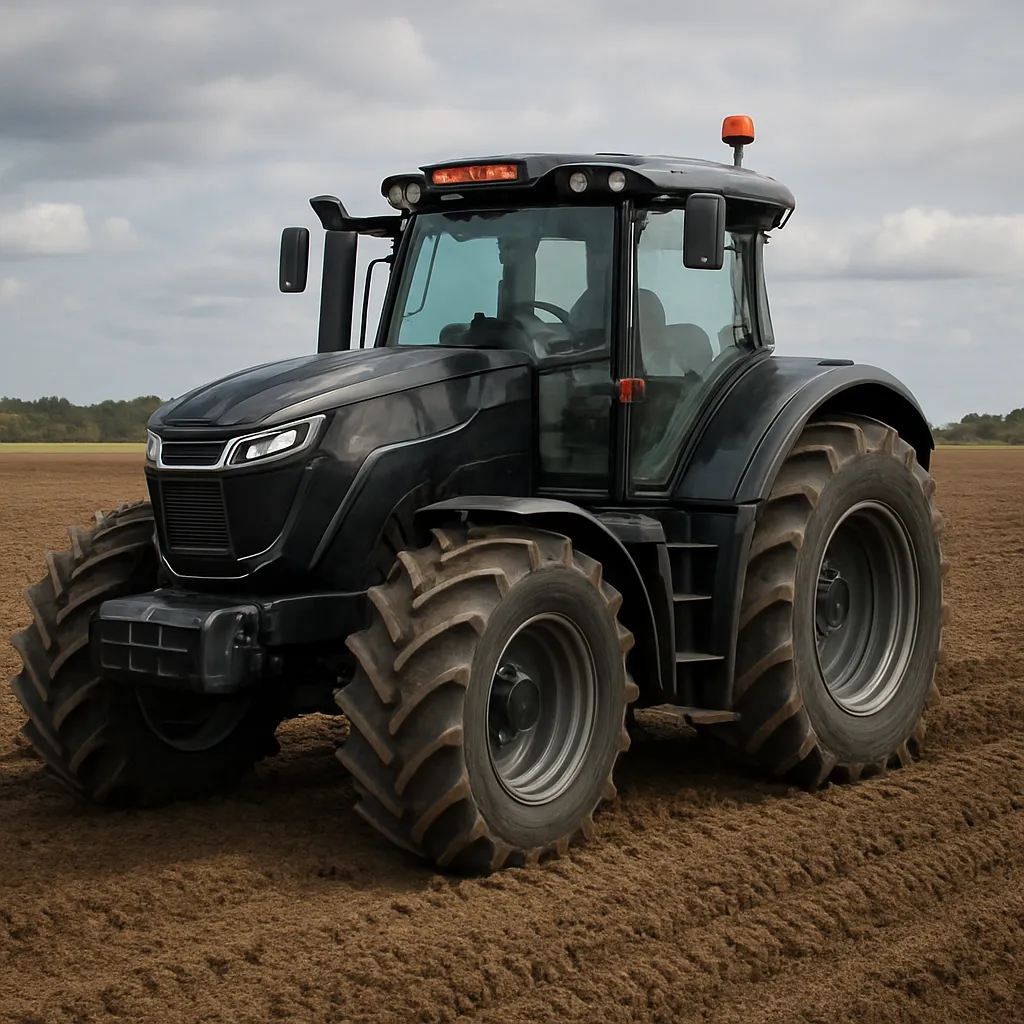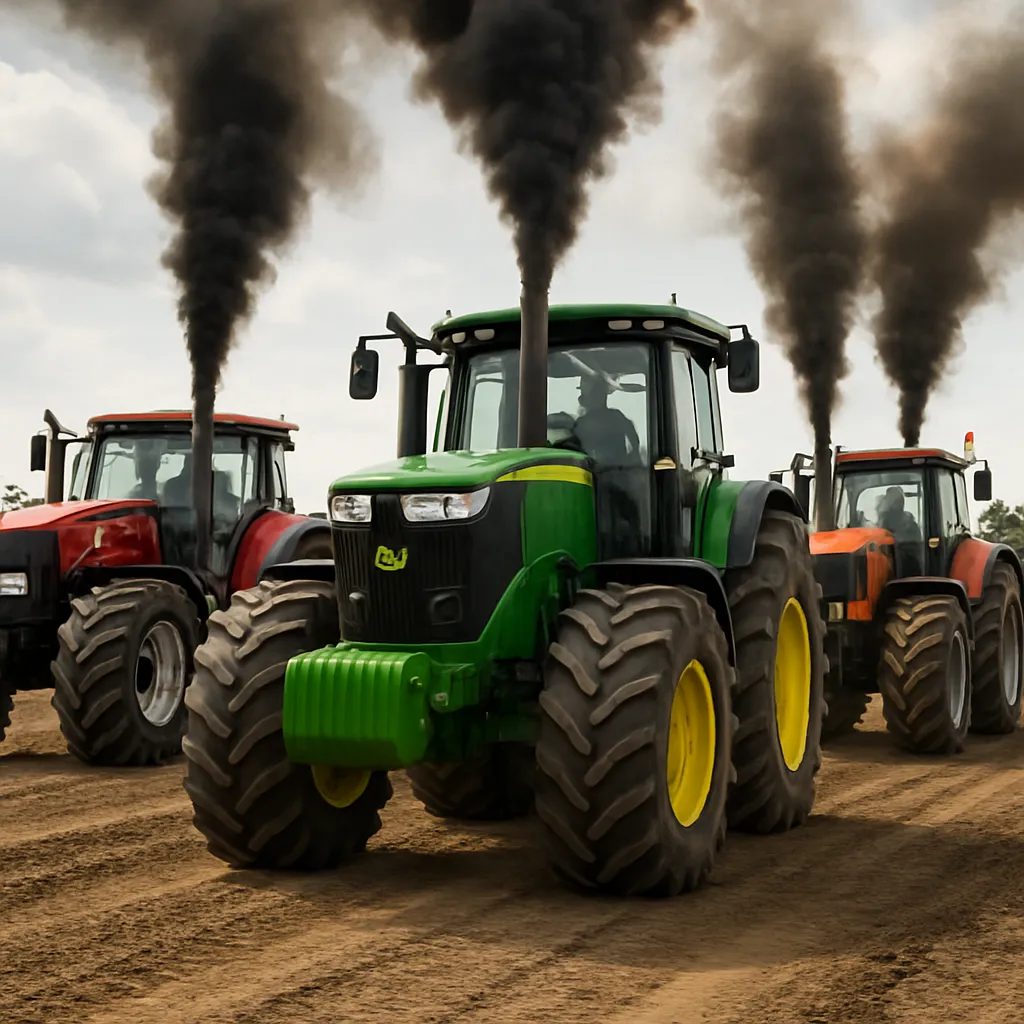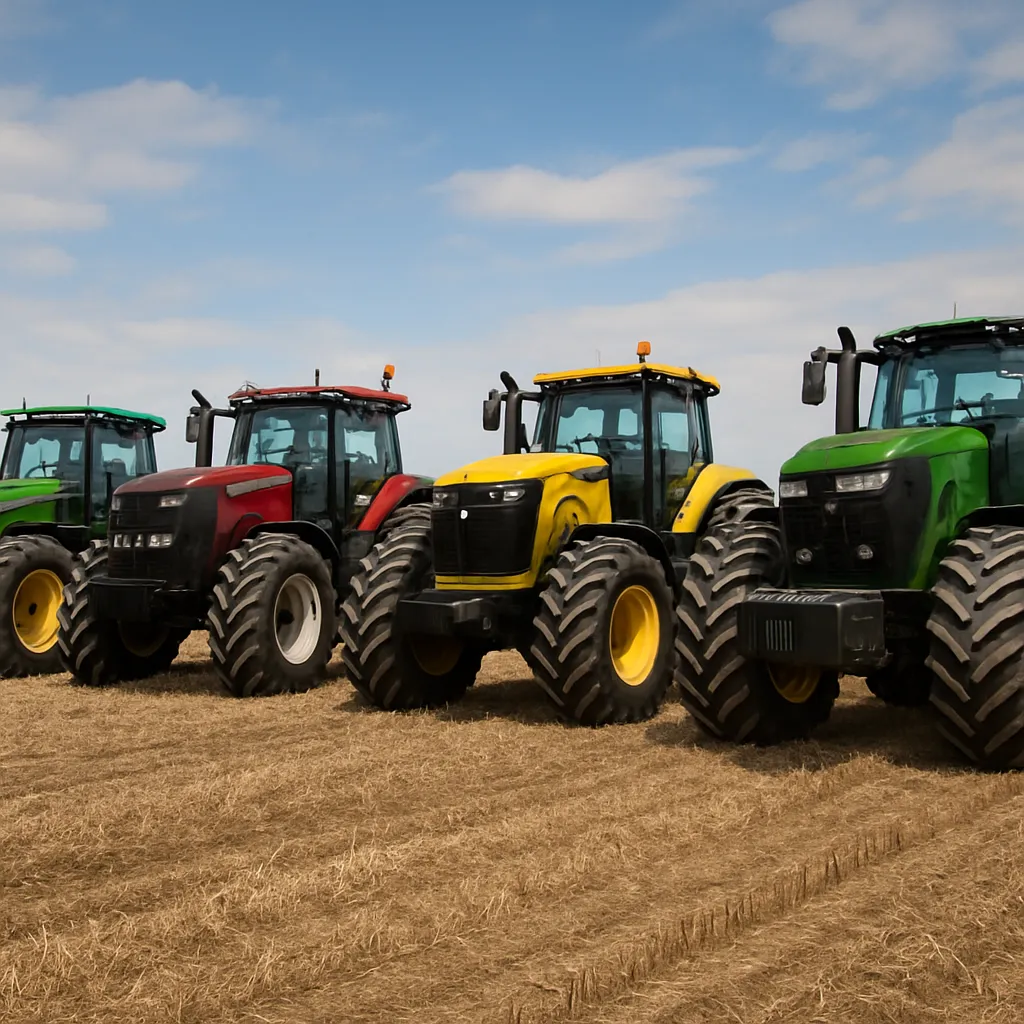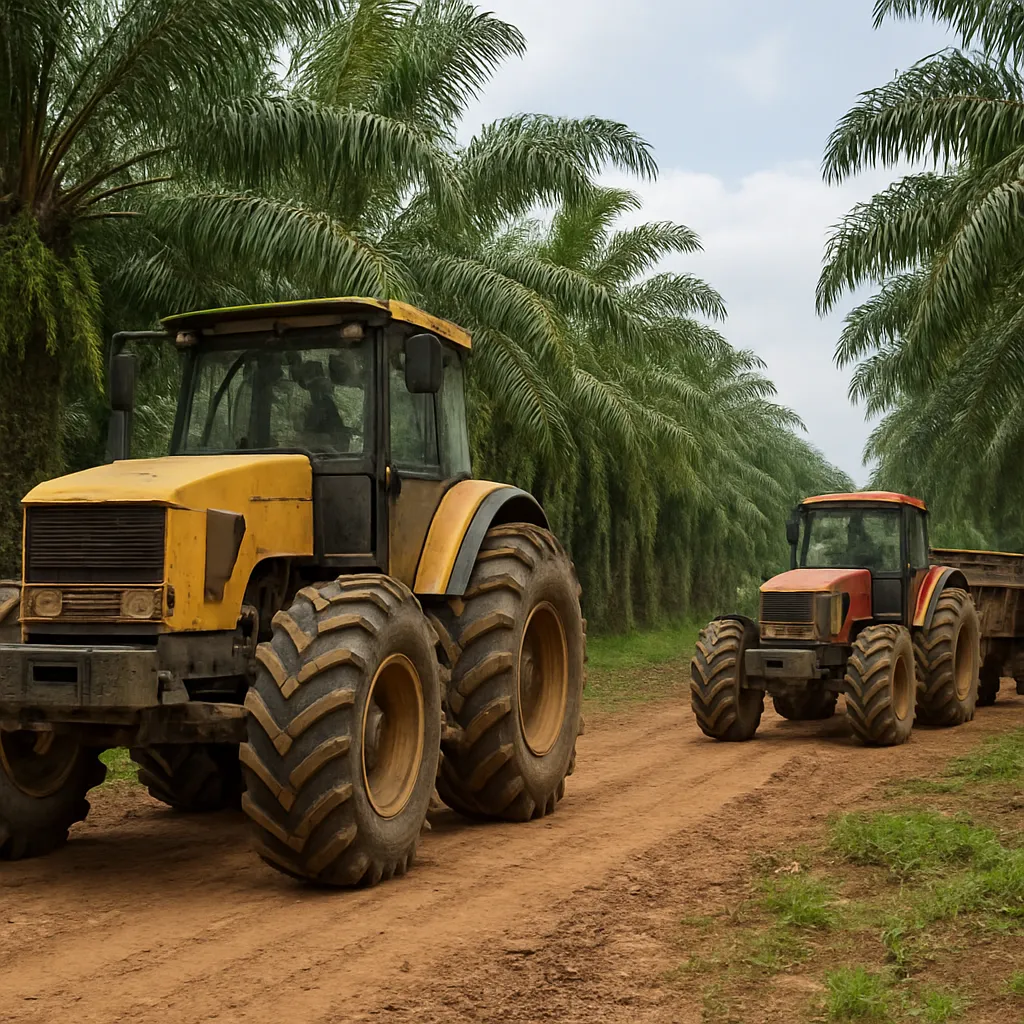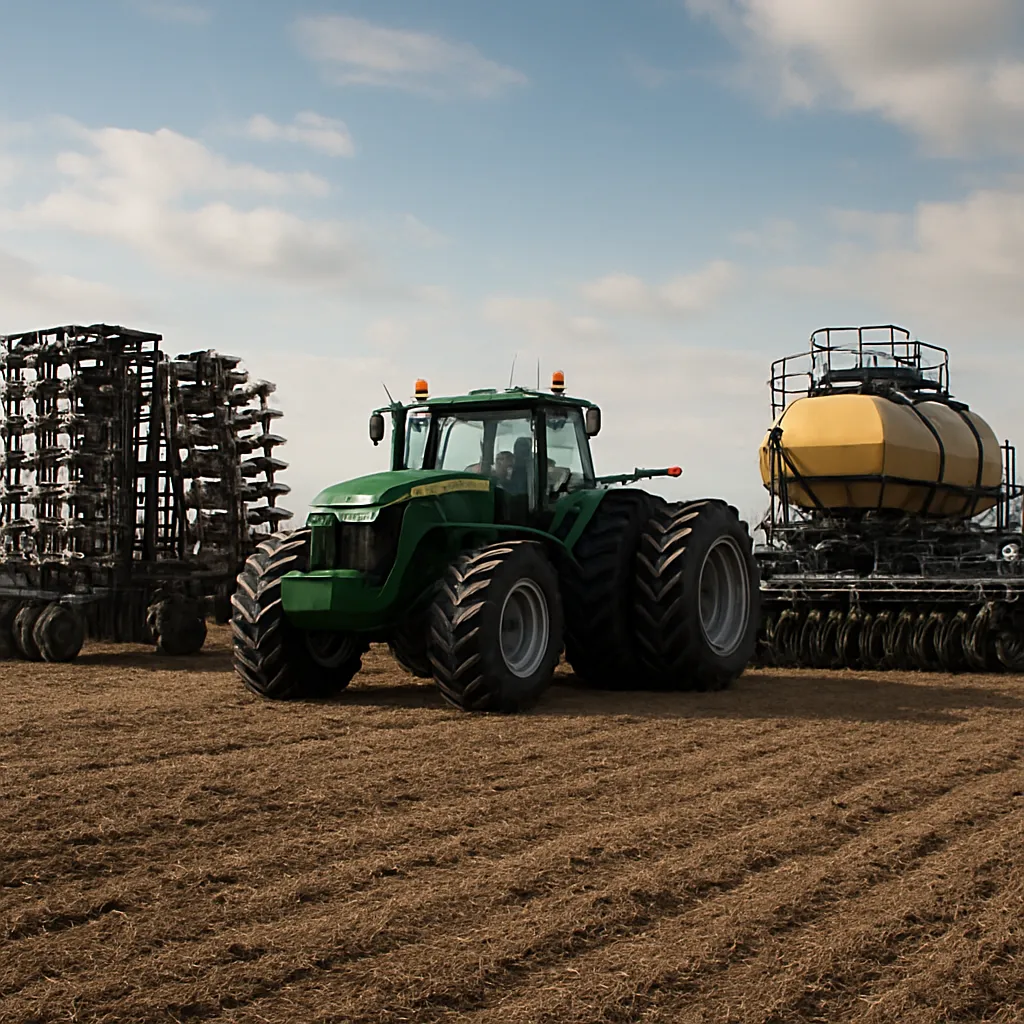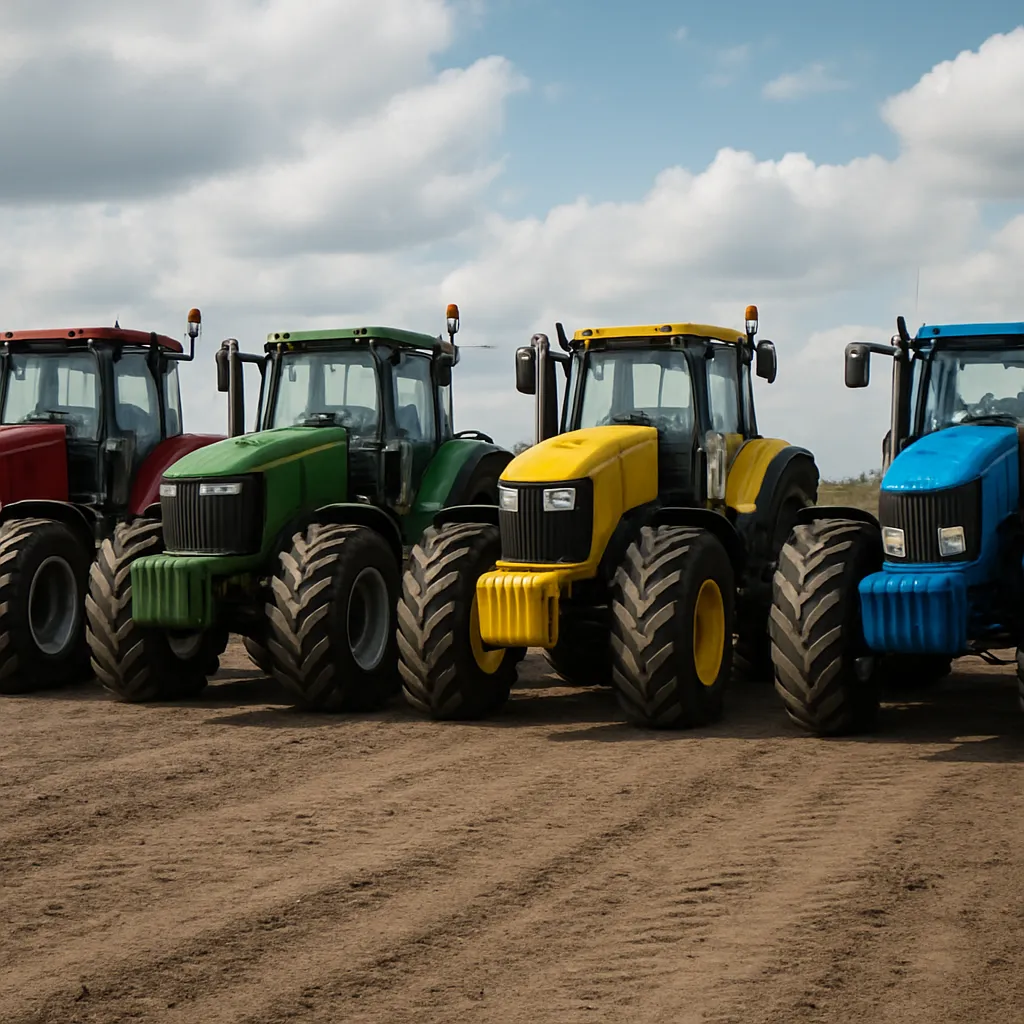
Giant tractors have become an indispensable presence on modern farms, revolutionizing the scale and efficiency of agricultural work. Their towering frames and powerful engines allow farmers to cultivate thousands of acres with unprecedented speed. Beyond sheer performance, the choice of exterior hue plays a crucial role in functionality and perception. This article explores why certain colors dominate the fields, examining both practical factors and industry trends that shape the palette of today’s most massive farm machines.
Market Trends in Tractor Colors
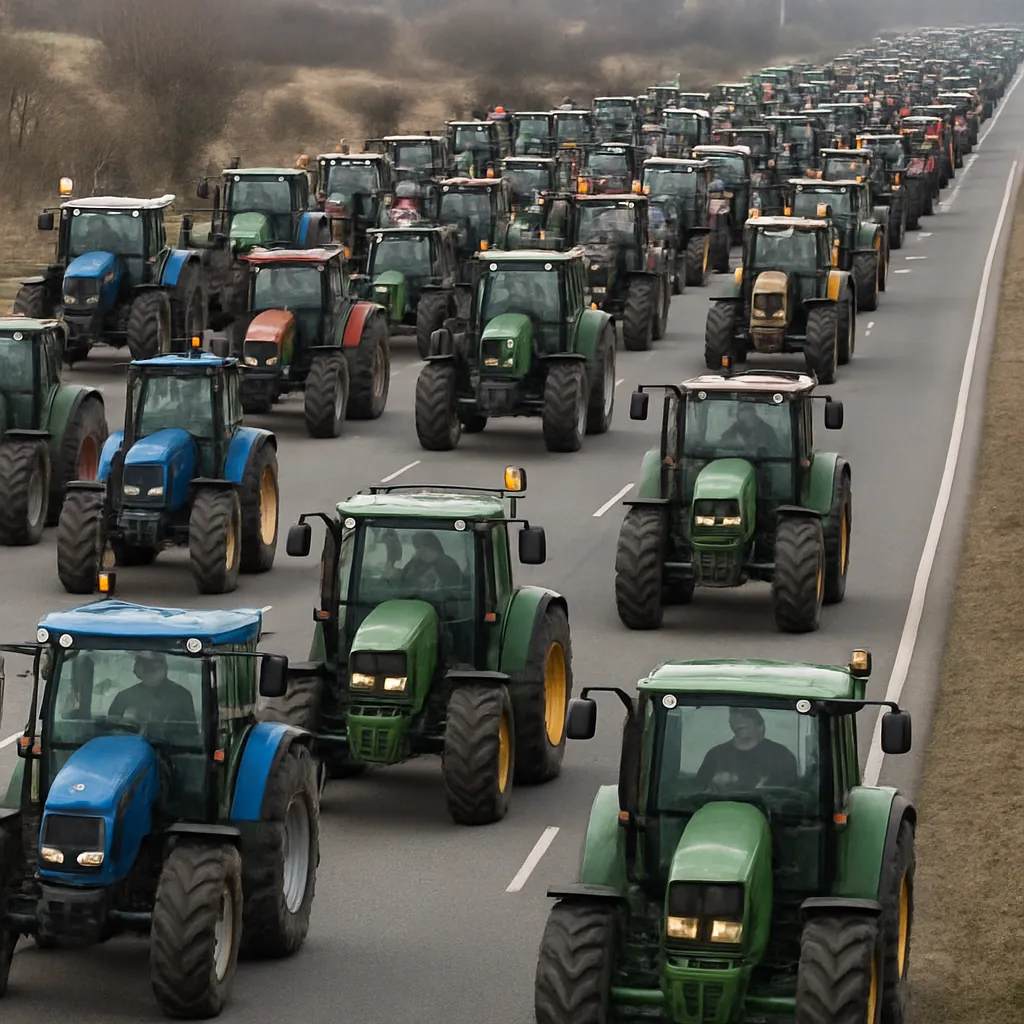
Over the past decade, tractor manufacturers have observed shifting preferences in color adoption. Where once muted earth tones prevailed, bold shades are now capturing buyer attention. Brands continue to leverage signature appearances—green for one long-standing manufacturer, red for another—yet new entrants tempt consumers with vibrant alternatives like deep blue or bright yellow. Data from recent trade shows reveals that nearly 60% of orders for equipment above 300 horsepower specify one of the top three colors: green, red, and blue, underscoring the enduring power of brand identity in purchase decisions.
Surveys among large-scale farmers indicate growing interest in personalization. While legacy firms maintain their classic offerings, independent dealers and smaller OEMs present bespoke palettes that allow end users to stand out in the field. This drive toward individuality reflects a larger shift in the agricultural sector, where machinery is not merely utilitarian but also a reflection of pride and heritage. As a result, the color market for giant tractors has expanded by nearly 15% in variety over five years, highlighting a vibrant future for tractor aesthetics.
Practical Reasons Behind Color Choices
Functionality remains at the forefront of color selection. In vast farmland settings, high-visibility hues enhance safety by making equipment easier to spot from a distance or in low-light conditions. For instance, yellow and orange varieties frequently appear on harvesters and sprayers, but some tractor variants now adopt similar bright shades to improve on-farm safety. In contrast, darker or earth-like colors tend to mask dust and grime, reducing the apparent frequency of cleaning.
Heat management also influences color decisions. Light-reflective paints help prevent excessive heat absorption, protecting vital engine components and ensuring operator comfort in sweltering temperatures. Conversely, darker shades can be preferred in cooler climates, where they absorb more solar warmth. This interplay between environmental conditions and functionality underscores the importance of color beyond mere looks—it’s a component of operational efficiency.
Brand Strategies and Consumer Psychology
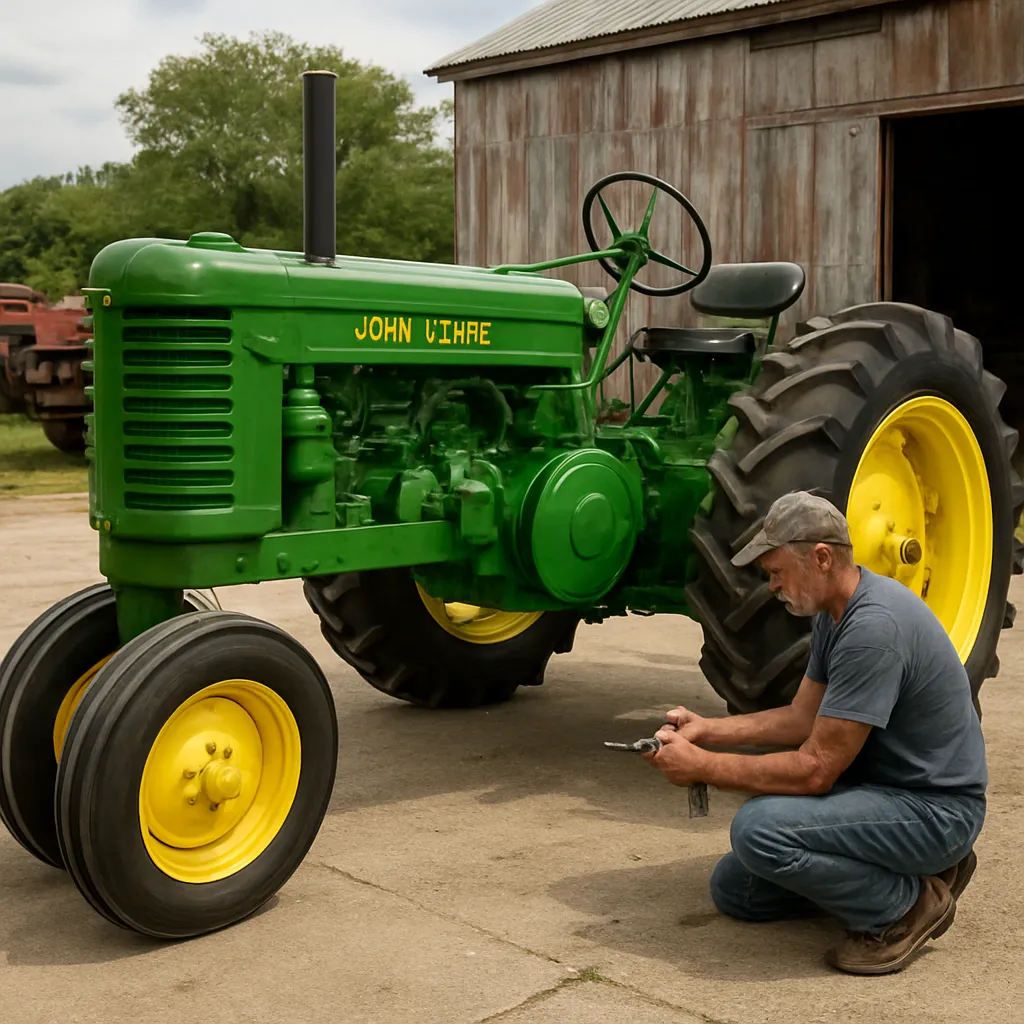
Many leading tractor brands invest heavily in the psychology of color. The iconic green of one manufacturer evokes associations with growth, tradition, and sustainability, while the signature red of another brand conveys power, reliability, and energy. These consistent visual cues build immediate recognition across global markets, reinforcing trust and loyalty. Research indicates that color consistency leads to a 60% increase in brand recall among farmers, who often rely on brand heritage when making costly equipment purchases.
Marketing teams also tap into cultural symbolism to appeal to different regions. For example, blue tractors resonate strongly in parts of Europe, where the shade is associated with precision engineering, while bright red remains a staple in North America. This strategic deployment of color showcases how companies tailor their offerings to local sensibilities, leveraging both emotional and practical factors to guide farmers toward their products.
Customization and Personalization Options
The rise of modular designs has opened new avenues for customization. Customers now choose from a wide array of factory-installed color packages, ranging from metallic finishes to multi-hue schemes. Wrap kits and decals add further flair, allowing farmers to integrate logos, patterns, or even personalized imagery. The aftermarket scene complements this trend, offering professional repaint services that transform standard models into unique masterpieces tailored to individual tastes.
Some forward-thinking manufacturers even provide digital configurators that let buyers preview color combinations in virtual reality. By experimenting with different shades and finishes online, customers gain confidence in their selections before finalizing orders. This immersive approach reduces the risk of dissatisfaction and fosters greater engagement, turning what was once a simple color choice into a fully interactive experience.
Impact on Resale Value and Durability
When considering long-term investments, farmers must weigh the effect of paint selection on resale value. Neutral tones such as gray or black often retain broader appeal, making it easier to find secondary buyers. Conversely, highly personalized or uncommon hues may necessitate repainting before resale, incurring additional cost and labor. Understanding market demand for specific colors is therefore crucial for maximizing return on investment.
Durable coatings and advanced lacquers also factor into maintenance cycles. High-quality finishes resist fading from UV exposure and repel chemical residues, safeguarding both the paint and the underlying metal. Innovative powder-coating techniques further extend service life, reducing the frequency of touch-ups. By combining robust protective layers with striking colors, manufacturers deliver machines that remain vibrant and corrosion-free throughout arduous field seasons.
Future Innovations in Tractor Aesthetics
Looking ahead, the tractor industry is exploring cutting-edge paint technologies that go beyond static color. Micro-encapsulated pigments capable of shifting hue under different lighting conditions could soon allow equipment to adapt to varying environments. Smart coatings embedded with sensors might change color to signal maintenance needs or operating temperatures, enhancing both function and safety.
Advancements in material science and innovation promise to revolutionize the interplay between form and function. Reflective and thermochromic layers offer dynamic visual feedback, while biodegradable paint options support sustainable farming practices. As these technologies mature, the color palette for giant tractors will expand in unexpected ways, combining style, utility, and environmental responsibility into the machines that shape the future of agriculture.