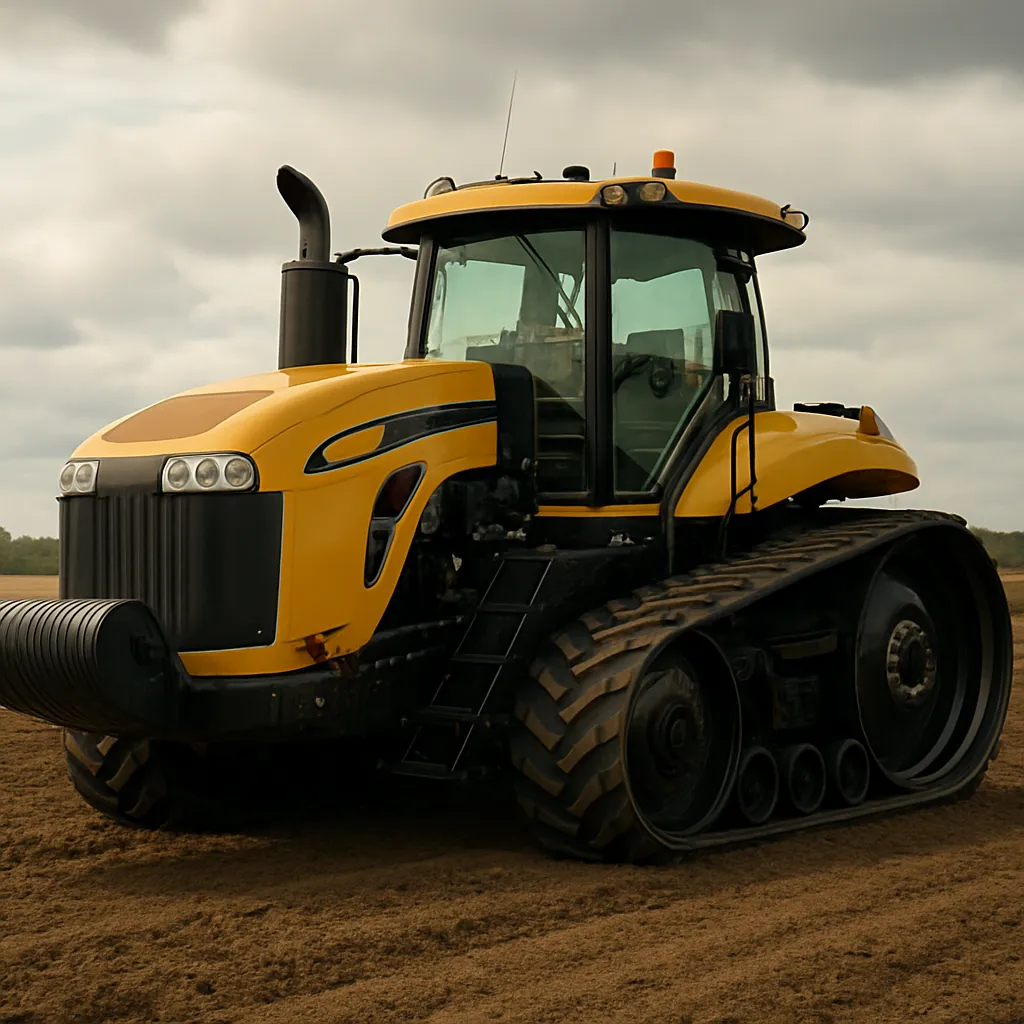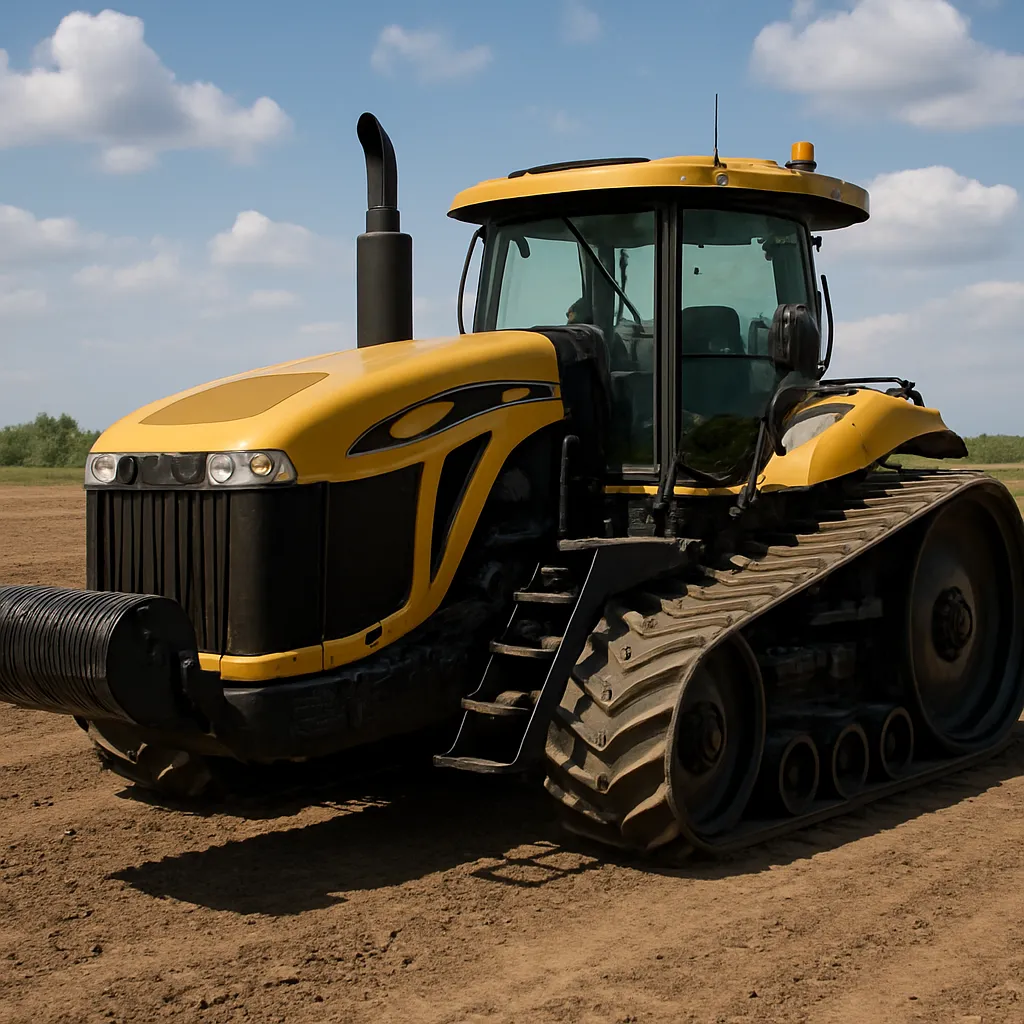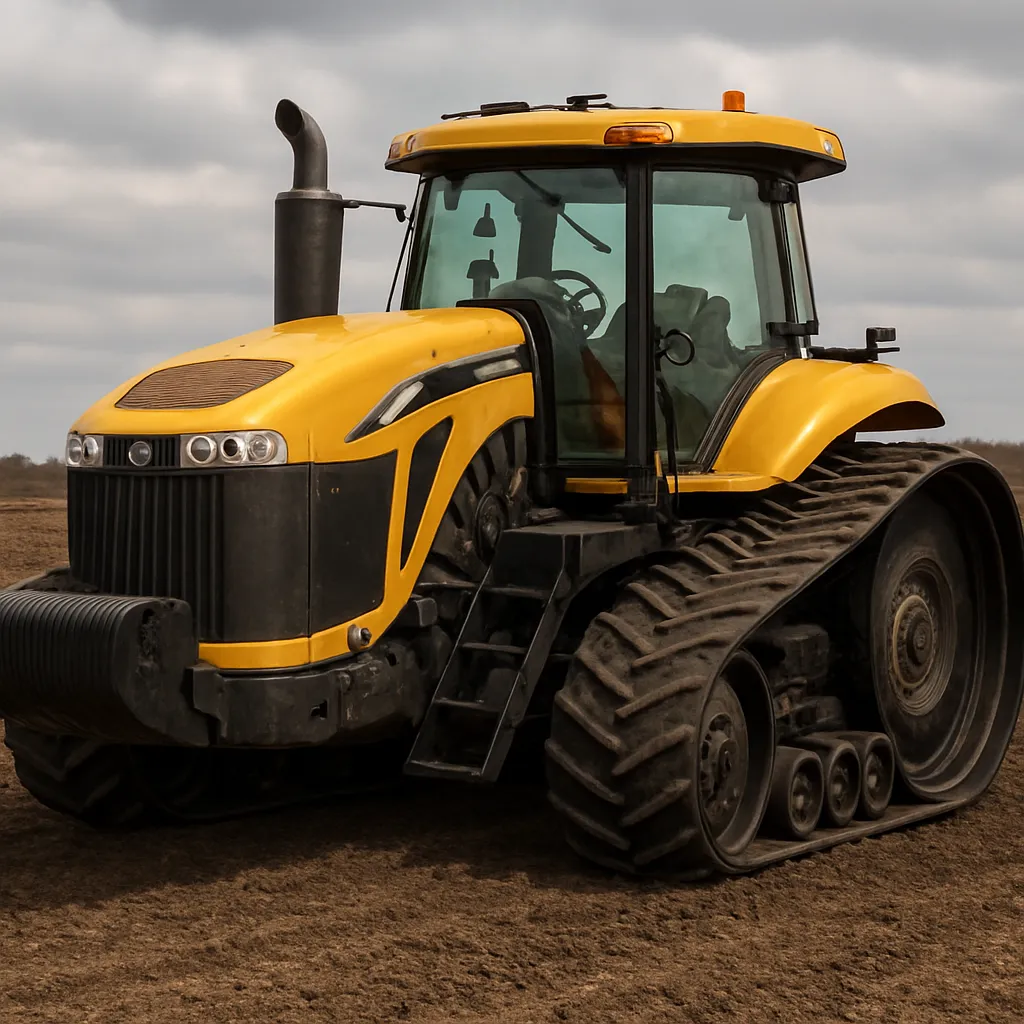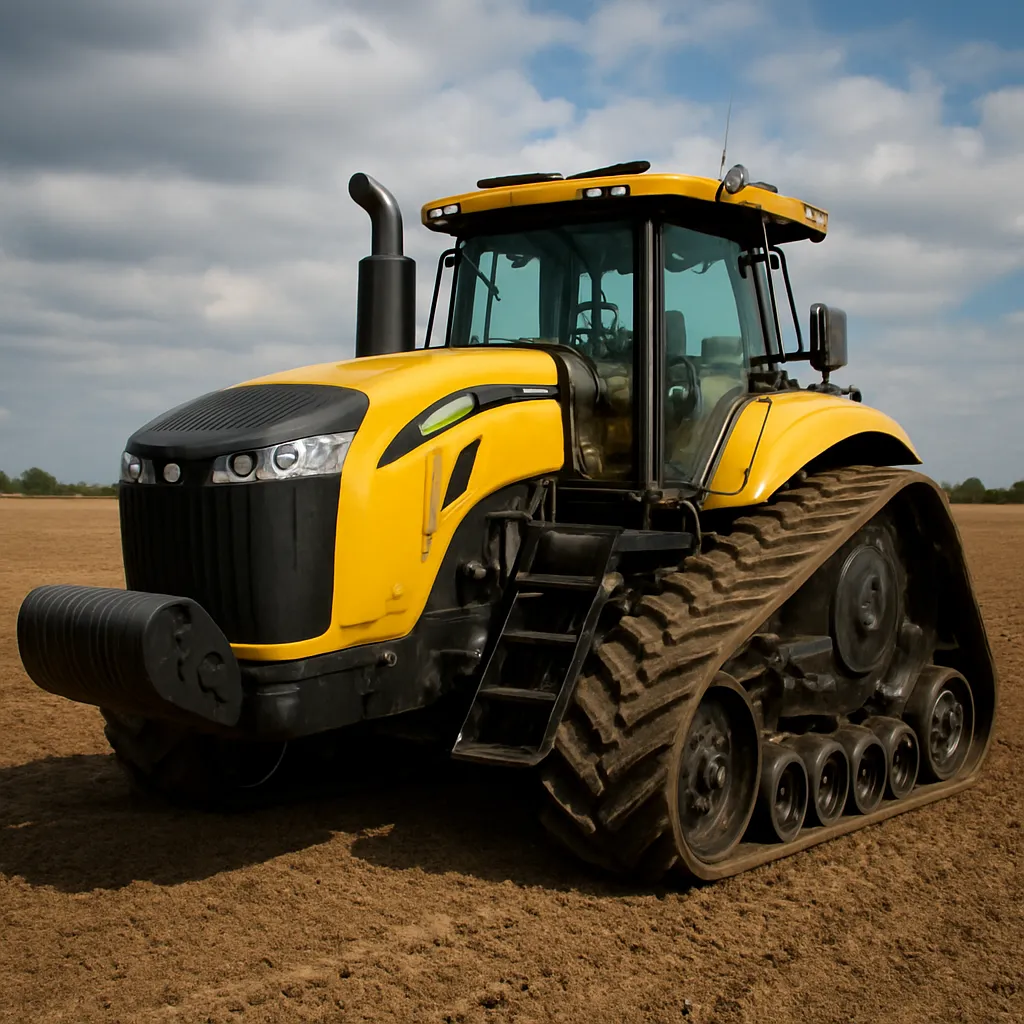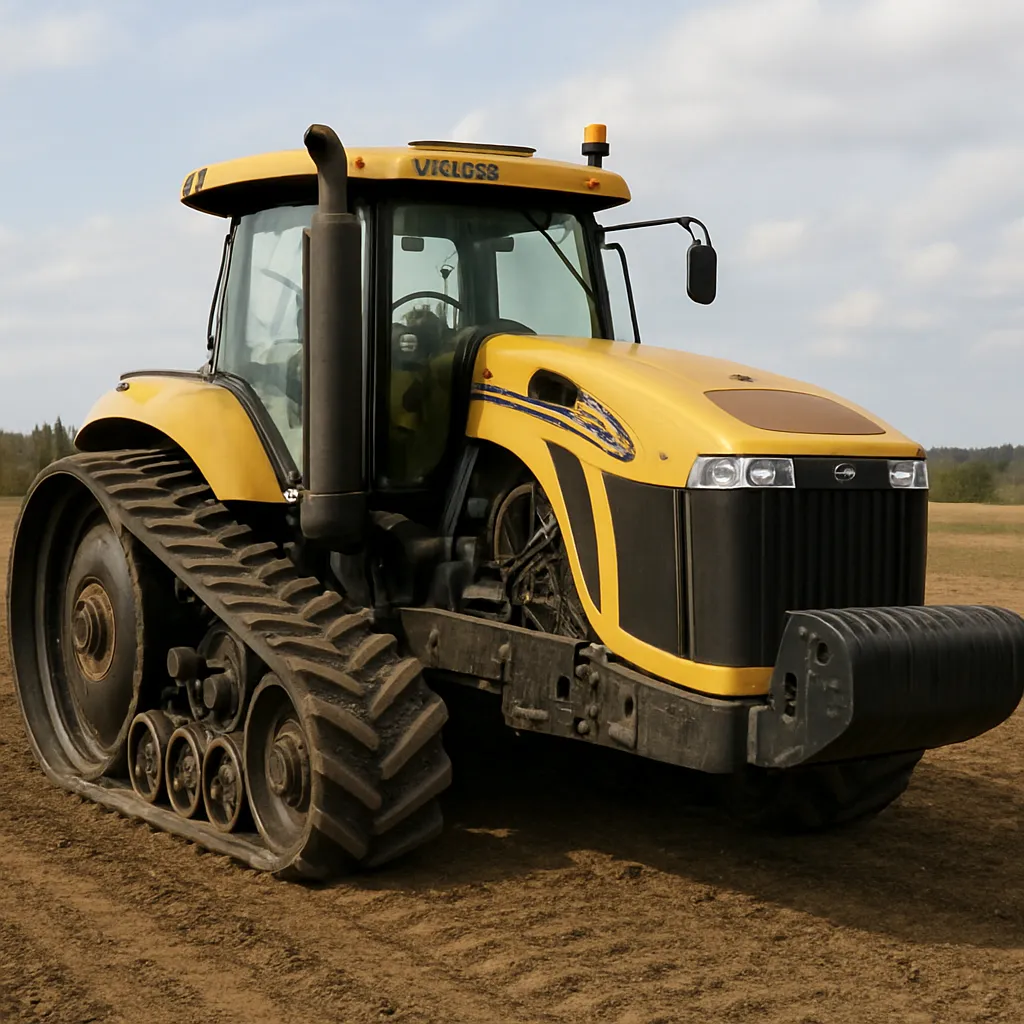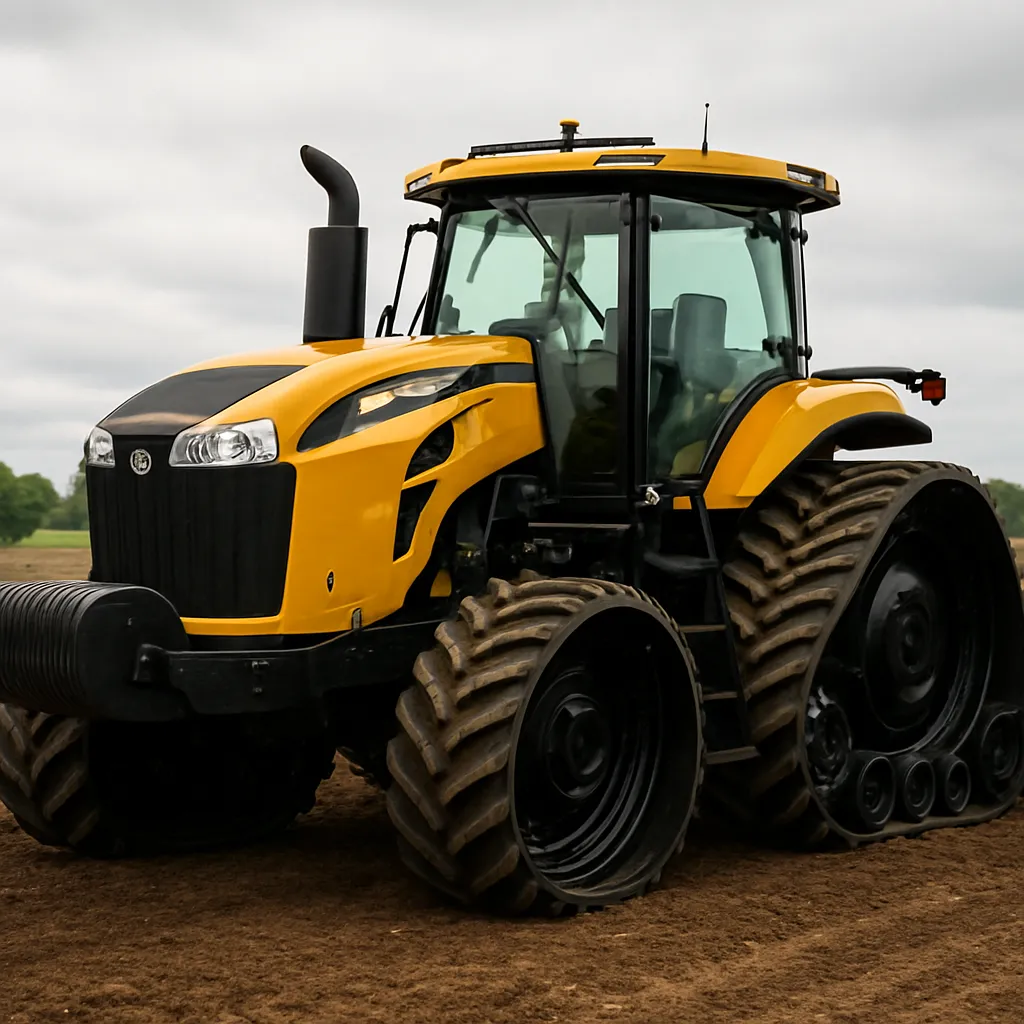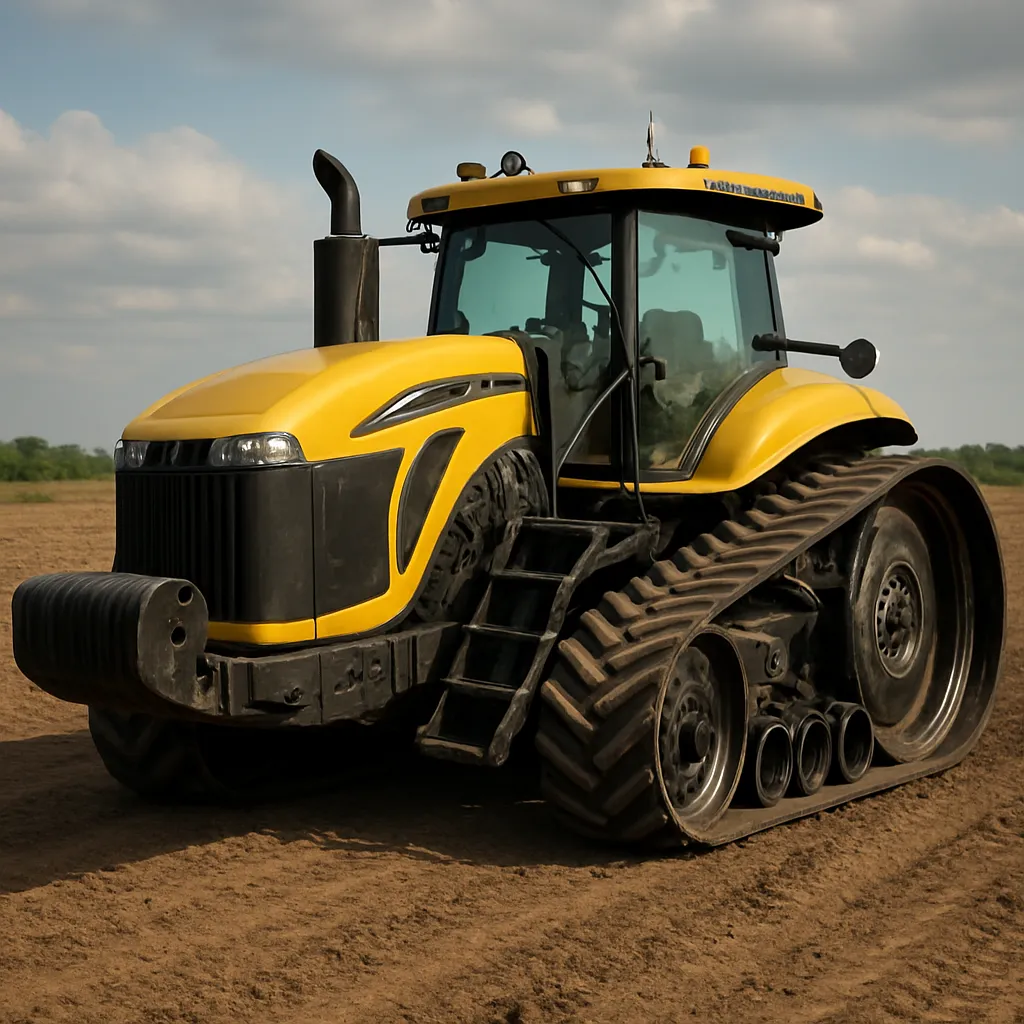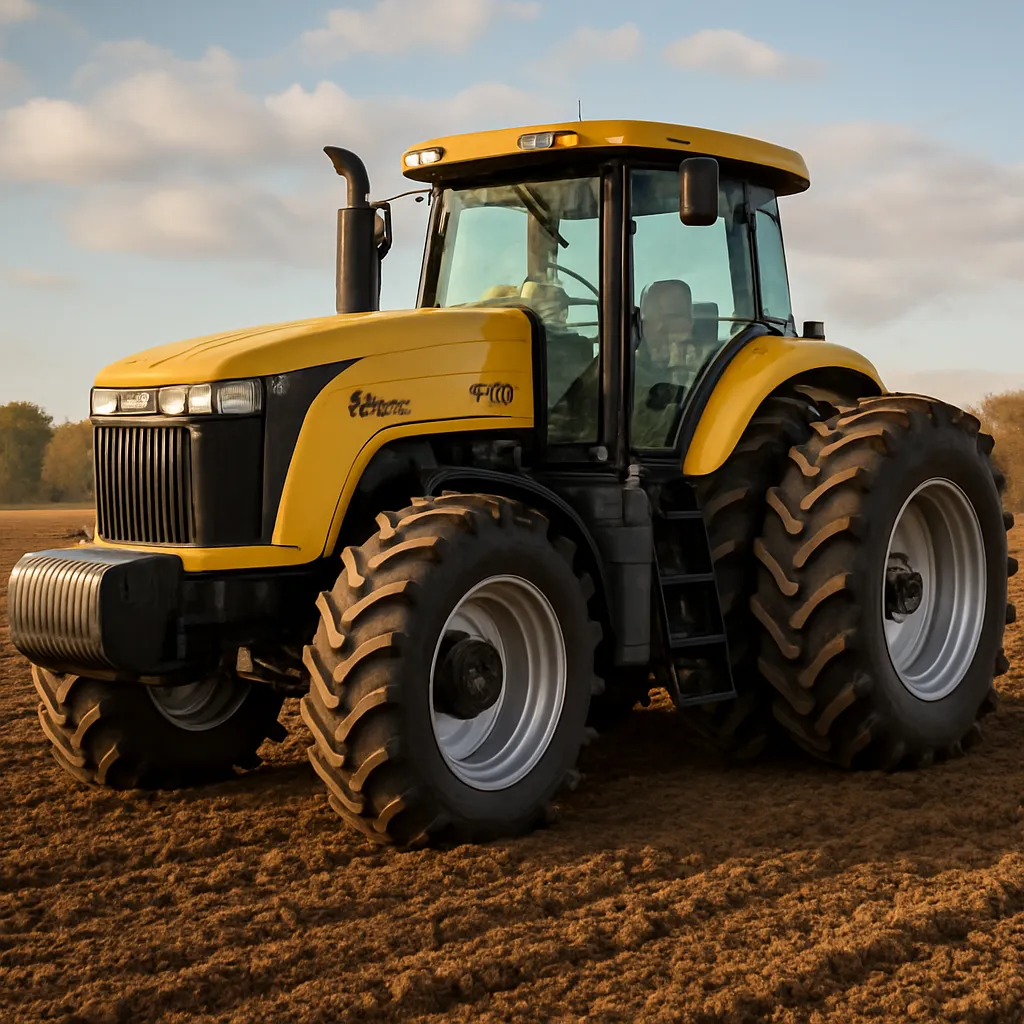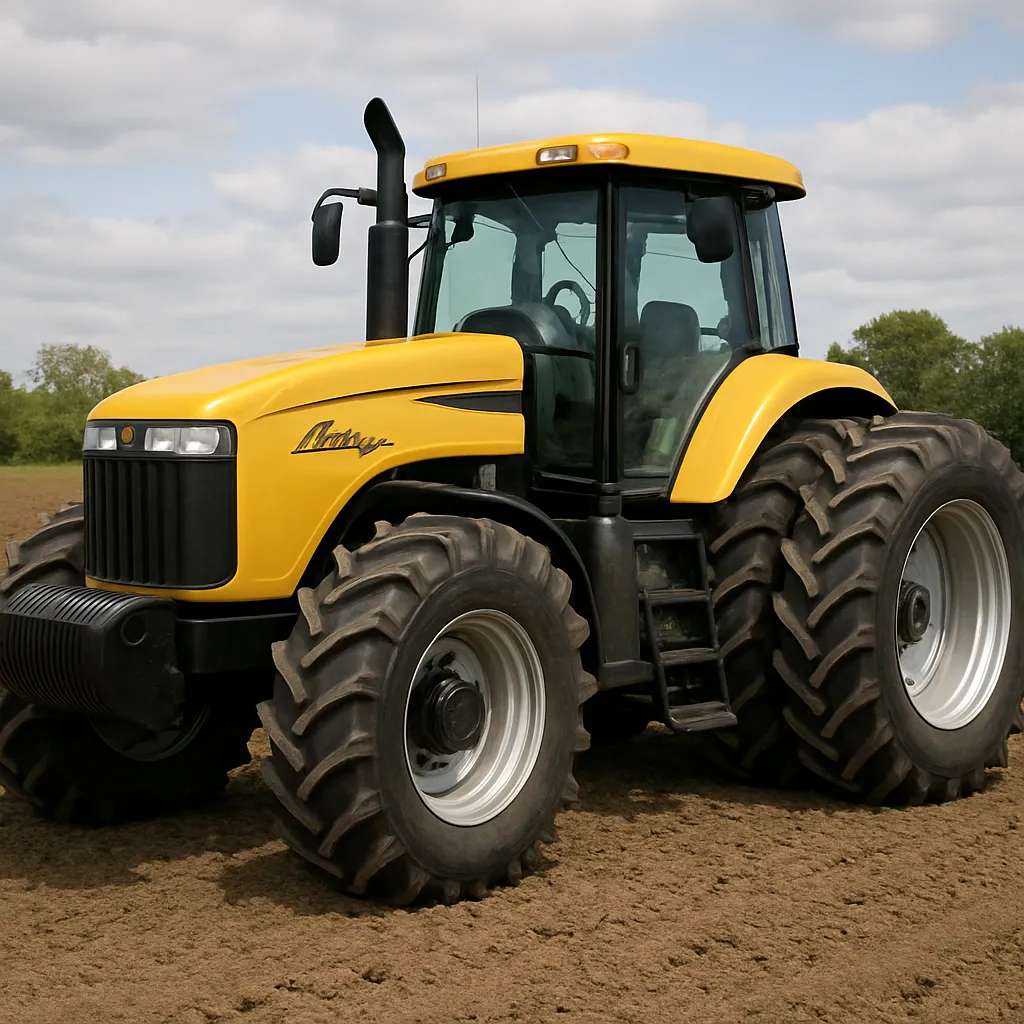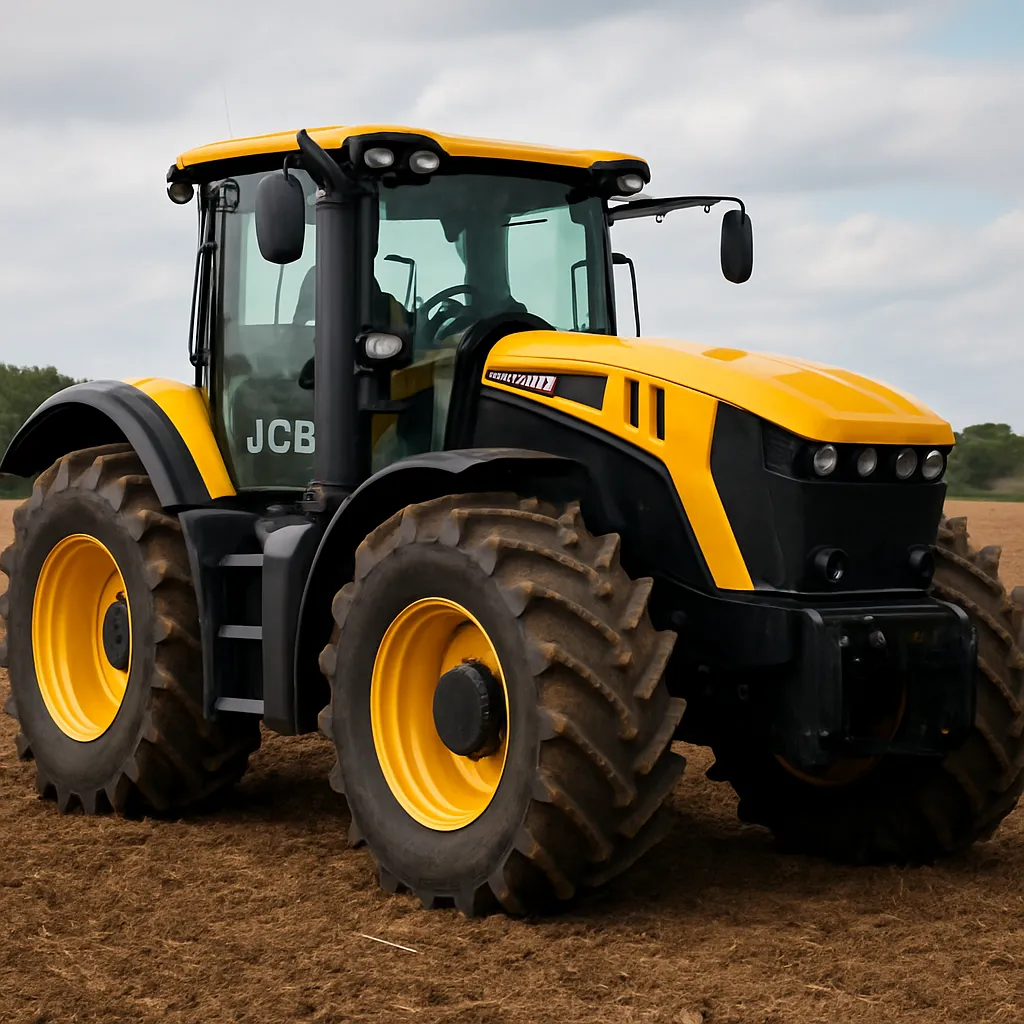
The JCB 4250 is a versatile agricultural tractor produced by JCB, a company renowned for innovation in construction and agricultural machinery. Combining practical engineering with operator comfort and a focus on productivity, this model is positioned to serve a wide range of tasks on modern farms and in specialized operations. The following article explores the design philosophy, typical applications, technical highlights, maintenance considerations and the economic and environmental factors that shape the JCB 4250’s role in contemporary agriculture.
Overview and design philosophy
JCB has a long heritage in heavy equipment manufacturing, starting in the mid-20th century in the United Kingdom. The company’s agricultural machines aim to bring construction-level robustness and innovation to farm use. The JCB 4250 exemplifies this approach with an emphasis on reliability, multifunctionality and operator ergonomics.
Key design goals
- Durability for extended field seasons and heavy-duty tasks.
- Versatility to accept a wide array of attachments and implements.
- Efficiency in fuel use and implement control to lower operating costs.
- Comfort in the cab for long working hours, reducing operator fatigue.
- Compliance with emissions and safety regulations in major markets.
The chassis and drivetrain are typically engineered to withstand repeated agricultural stresses, while hydraulics and PTO systems are sized to handle implements such as mowers, loaders, ploughs and seeders. The JCB 4250’s styling and cab layout reflect modern expectations: clear visibility, intuitive controls and integrated digital displays for monitoring key parameters.
Technical characteristics and performance
Exact technical specifications for the JCB 4250 can vary by year of manufacture and optional packages. Below are the typical technical areas where the model is characterized, with general ranges or features commonly associated with this class of JCB tractors.
Engine and powertrain
- Engine: modern turbocharged diesel engines with electronic management, designed for a balance of torque and fuel economy.
- Power output: varies by configuration; the 4250 designation has been used in contexts that imply a mid-to-high power range suitable for medium to large farms.
- Transmission: options often include synchronized gearboxes, semi-powershift or fully powershift transmissions, and in some JCB lines, advanced continuously variable transmissions (CVT) or hydrostatic components for precise speed control.
- Drive: selectable two- or four-wheel drive with locking differentials for traction in challenging conditions.
PTO (power take-off) systems are available in multiple speed options (e.g., 540/1000 rpm) to match diverse implements. The driveline is designed to deliver steady torque to implements while minimizing losses.
Hydraulics and hitch systems
- Hydraulic flow rates tailored to multiple implement demands—often with optional high-flow circuits for hydraulic loaders, mowers and seeders.
- Rear three-point hitch with category rating compatible with a wide range of agricultural implements.
- Front linkage and loader-ready packages for quick attachment changes, enhancing multipurpose capability.
Cab and operator environment
JCB places emphasis on a well-appointed cab: panoramic visibility, comfortable seating with suspension, ergonomic joysticks and straightforward control layout. Climate control, noise insulation and integrated telematics or display units are common features. Operator comfort directly impacts productivity, particularly during long planting or harvest windows.
Electrical and electronic systems
- On-board electronics for engine management, diagnostics and optionally telematics for remote monitoring.
- Precision farming compatibility in many configurations—GPS-ready hardware, ISOBUS-capable interfaces for implement control and data exchange to support precision planting, application rates and field documentation.
Applications and field use
The JCB 4250 is suited to a broad spectrum of agricultural and related tasks. Its design is intended to be adaptable, allowing a single machine to fulfill multiple roles across seasons.
Primary agricultural uses
- Tillage and soil preparation: pulling ploughs, discs and cultivators for seedbed preparation.
- Seeding and planting: providing consistent power to planters and seed drills while offering accurate speed control.
- Crop protection and fertilization: towing sprayers and spreaders, and enabling precision application when fitted with suitable guidance systems.
- Harvest support: operating trailers, loaders and tow-behind machinery during harvest windows.
- Hay and forage: running mowers, rakes, balers and wrappers.
Secondary and specialized uses
- Loader work: with front loaders and buckets for material handling, feed, silage and manure movement.
- Livestock tasks: bedding, feed distribution and manure handling.
- Grounds management and municipal tasks: mowing, winter maintenance with snowblowers or ploughs, and utility towing.
- Transport: moving trailers and heavy loads on-farm or short road journeys where permitted by local regulations.
Because of its engineering, the JCB 4250 is often chosen by operations that need a single, reliable tractor to cover many tasks rather than maintaining several specialized machines. This flexibility reduces capital costs and simplifies maintenance logistics.
Maintenance, reliability and ownership costs
Owning and operating a tractor like the JCB 4250 requires planning for maintenance cycles, consumables, and potential repairs. JCB’s dealer network and parts availability are important factors in overall ownership experience.
Routine maintenance items
- Engine oil and filter changes at manufacturer-recommended intervals.
- Fuel and air filter replacements.
- Hydraulic oil and filter servicing, and checking hoses and connections for wear.
- Tire pressure and condition checks to preserve traction and reduce soil compaction.
- PTO and hitch lubrication and inspection.
Proactive maintenance supports reliability and minimizes downtime during peak seasons. Many users opt for extended warranty packages and service plans from dealers to manage unexpected costs.
Operating economics
Key factors affecting operating costs include fuel consumption, service intervals, parts prices and resale value. Modern JCB tractors are designed to be fuel-efficient and to meet emissions regulations, which can have an impact on both the initial purchase price and lifetime running costs.
- Fuel efficiency: Engine management and efficient transmissions help lower fuel burn per hectare compared with older machines.
- Resale: Brand reputation and condition influence used values—proper maintenance and documented service history improve resale outcomes.
- Downtime costs: Availability of parts, local service competence and telematics-supported diagnostics reduce the time a machine is out of operation.
Safety, emissions and regulatory considerations
Modern tractors must comply with strict safety and emissions standards in many markets. JCB integrates these requirements while aiming to maintain performance and operator comfort.
Safety features
- ROPS (rollover protective structure) or integrated cab structures designed to protect occupants in the event of rollover.
- Seat belts, safety interlocks for PTO engagement and parking brakes to prevent accidental movement.
- Improved lighting packages and visibility features to meet road transport and night-operation needs.
Emissions and environmental impact
Diesel engines in the JCB 4250 typically meet contemporary emissions tiers (e.g., Stage V in Europe, Tier 4 Final in the U.S.), using technologies such as turbocharging, common-rail fuel systems, exhaust gas recirculation (EGR) and after-treatment systems (DOC/DPF/ SCR as required). These systems reduce particulate matter and NOx emissions but also add to maintenance considerations (e.g., DPF regeneration management).
To further reduce environmental impact, some owners employ precision farming techniques to minimize inputs, and consider alternative fuels or blended fuels where permitted. JCB has also been exploring electrification and hybrid solutions in other product lines; although full electrification for high-power tractors is still an emerging area, improvements in hybrid drivetrain efficiency and electrified implements continue to evolve.
Innovations, optional features and telematics
JCB integrates technology to enhance productivity and fleet management. The JCB 4250 can be equipped with several optional systems to support modern farm management approaches.
Telematics and connectivity
- Remote monitoring: engine hours, service alerts and fuel usage can be reported to fleet managers or owners.
- GPS and guidance integration supports reduced overlap in field operations and more accurate input application.
- Software updates and diagnostic data help dealers resolve issues faster and optimize machine performance.
Comfort and convenience options
- Advanced air suspension seats, climate control and sound insulation for long-day comfort.
- Integrated lighting packages for all-weather and night work.
- Ergonomic joystick controls and multi-function levers for loader and implement management.
Comparisons and market positioning
In its segment, the JCB 4250 competes with tractors from established agricultural manufacturers. Buyers typically evaluate machines based on:
- Reliability and build quality.
- Fuel efficiency and power-to-weight ratios.
- Implementation versatility and available attachments.
- Dealer network, parts availability and after-sales support.
- Initial purchase price versus total cost of ownership.
JCB’s strengths often include strong loader integration (reflecting their telehandler and loader experience), robust hydraulics and a reputation for ruggedness. Buyers who prioritize these attributes, along with integrated technology and a comfortable cab, find the 4250 an attractive option.
Statistical notes and real-world performance
Publicly available statistical data specific to the JCB 4250 can vary by market year and configuration. Below are generalized, experience-based observations rather than model-year-specific manufacturer claims. For precise figures, consult the current JCB specification sheets or an authorized dealer.
- Typical service intervals: engine oil changes often recommended every 250–500 hours depending on duty cycle and oil grade.
- Fuel consumption: medium-duty field operations often show consumption metrics in the range of 8–20 liters per hour depending on load, speed and implement; light transport or idle hours are lower.
- Resale trends: tractors from reputable brands that are well-maintained can retain a substantial fraction of original value after 5–7 years, with variation by region and usage intensity.
These statistics are influenced by multiple variables: operator behavior, soil type, regional climate, the types of implements used and maintenance practices. Telematics-enabled fleets generate more accurate, context-specific KPI data such as hectares covered per hour, fuel per hectare and idle time, which help managers optimize operations.
Buying considerations and recommended configurations
When evaluating a JCB 4250 for purchase, consider the following steps to ensure the machine matches operational needs:
Define primary tasks
- If most work is loader and material handling, prioritize loader packages, hydraulic flow and front linkage options.
- For arable work, consider transmission choices and PTO options that match seeding and cultivation implements.
- For livestock farms, ensure the tractor has sufficient low-speed torque, good visibility and easy-attach hydraulics for frequent implement changes.
Assess optional equipment
- Telematics for fleet management and preventive maintenance.
- Precision farming packages for GPS guidance and ISOBUS compatibility.
- Comfort options to improve operator productivity during long shifts.
Service and support
Confirm local dealer support, parts availability and warranty terms. A strong dealer relationship ensures quicker repairs and better uptime, which is especially important during peak seasons.
Environmental and sustainability outlook
Agriculture is under growing pressure to reduce emissions and environmental impact. Machines like the JCB 4250 can contribute to sustainable practices by enabling more precise input application, reducing fuel waste through efficient drivetrains and supporting conservation tillage systems that lower soil disturbance.
- Precision guidance reduces overlaps and saves fuel and inputs.
- Efficient hydraulic systems and PTO management lower parasitic losses.
- Proper tire selection and ballast management reduce soil compaction and improve traction efficiency.
Manufacturers are also exploring alternative powertrains and hybridization. While fully electric high-horsepower tractors remain technically challenging for widespread adoption today, incremental improvements such as electrified implements, hybrid drives for auxiliary functions and more efficient diesel engines are practical near-term steps.
Conclusion
The JCB 4250 is positioned as a robust, flexible tractor suited to a wide range of agricultural tasks. Its strengths include versatile hydraulics and hitch systems, comfortable operator environments and the option to integrate modern telematics and precision-farming tools. Ownership economics hinge on proper maintenance, usage patterns and the availability of dealer support. For operations that value a well-balanced machine capable of both fieldwork and loader duties, the JCB 4250 offers a compelling combination of power, versatility, durability and modern connectivity. For exact technical specifications and the most current data, prospective buyers should consult JCB’s official materials or an authorized dealer to ensure the selected configuration matches their specific needs.