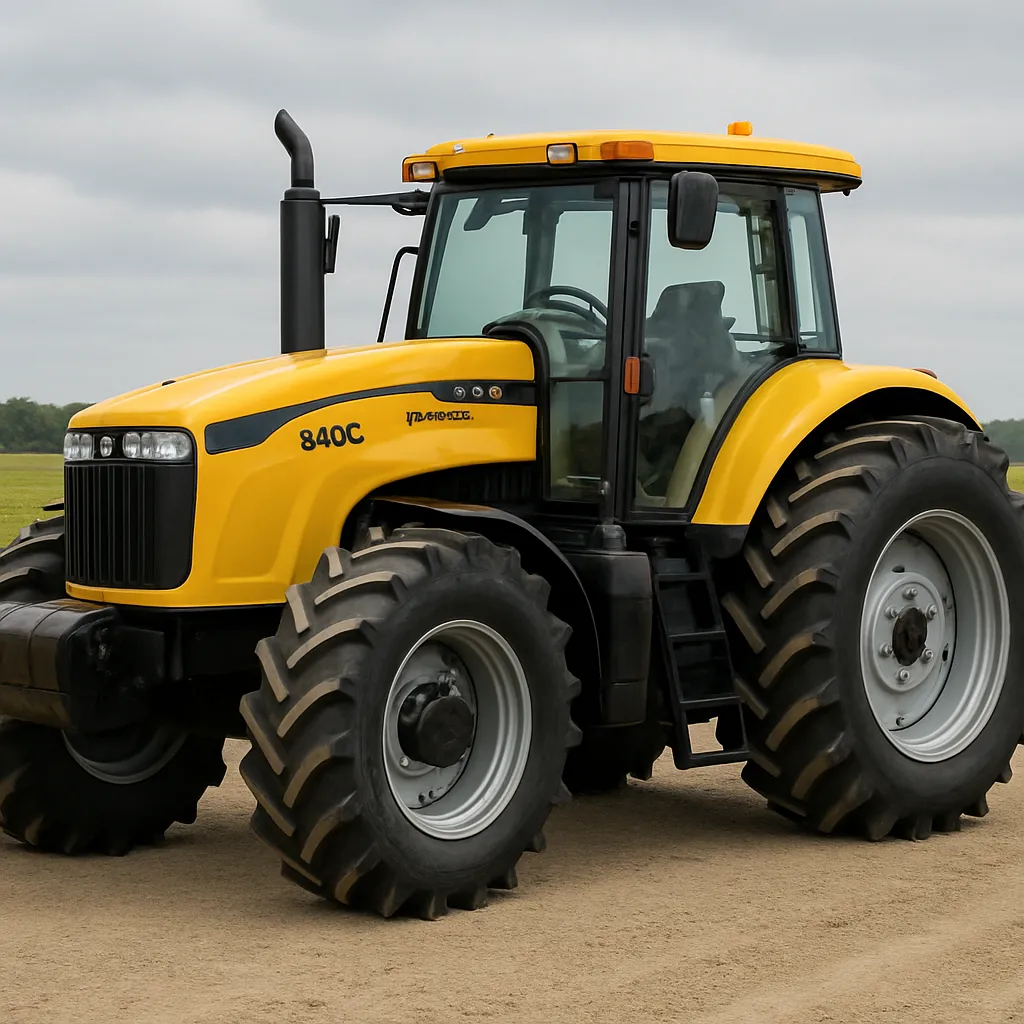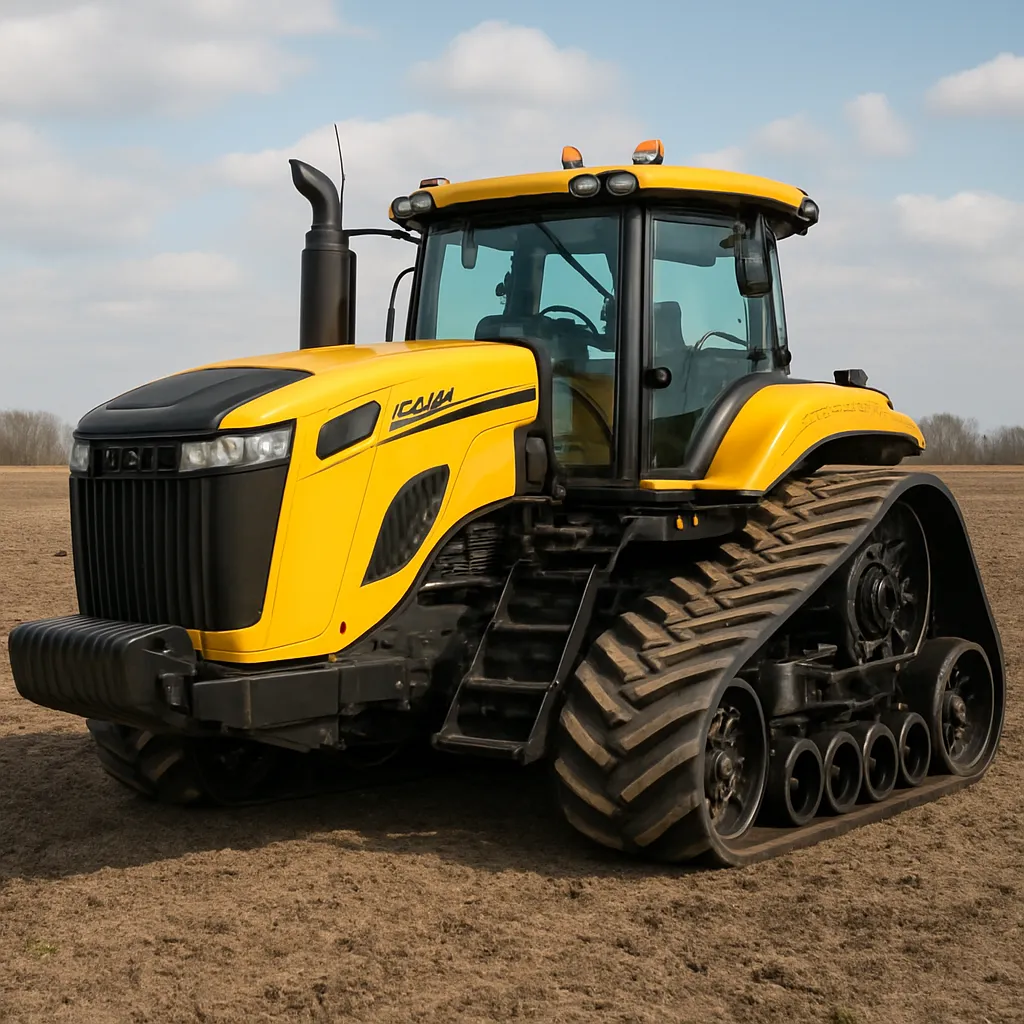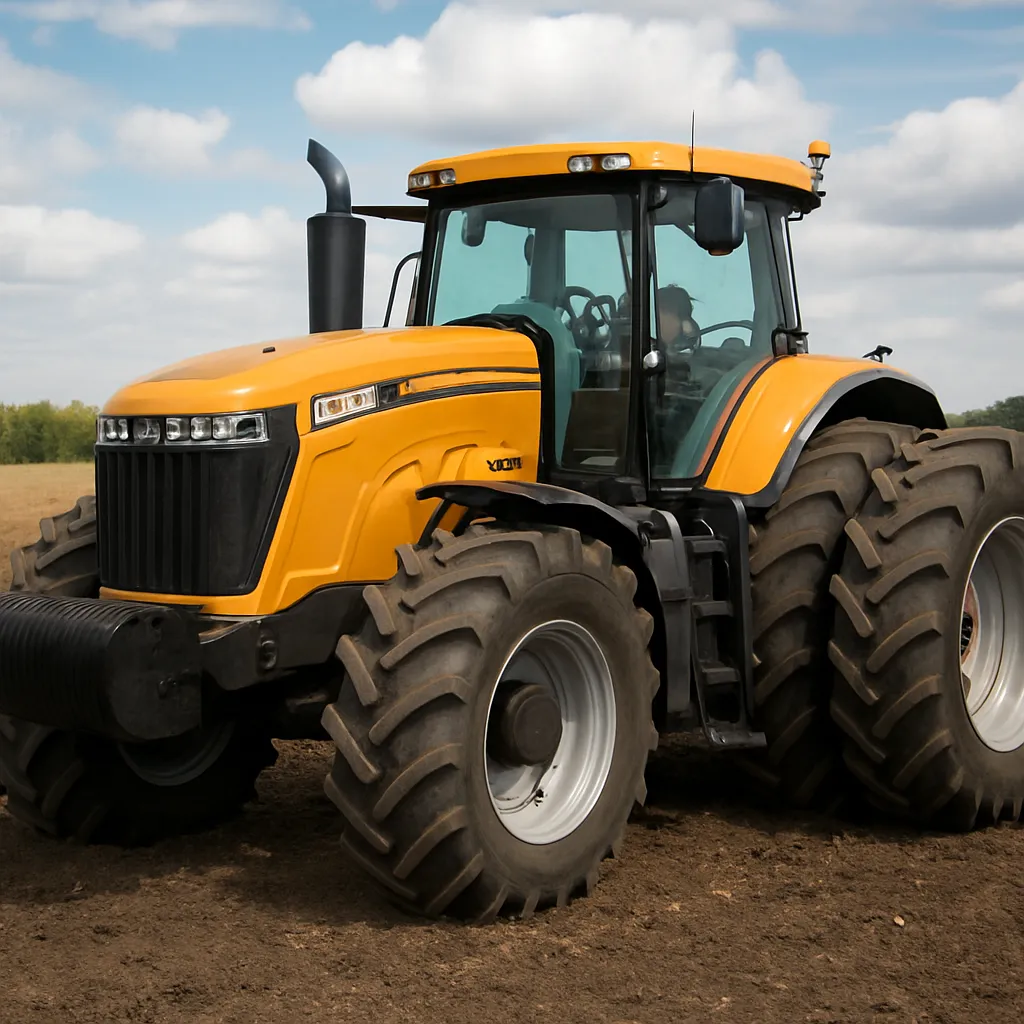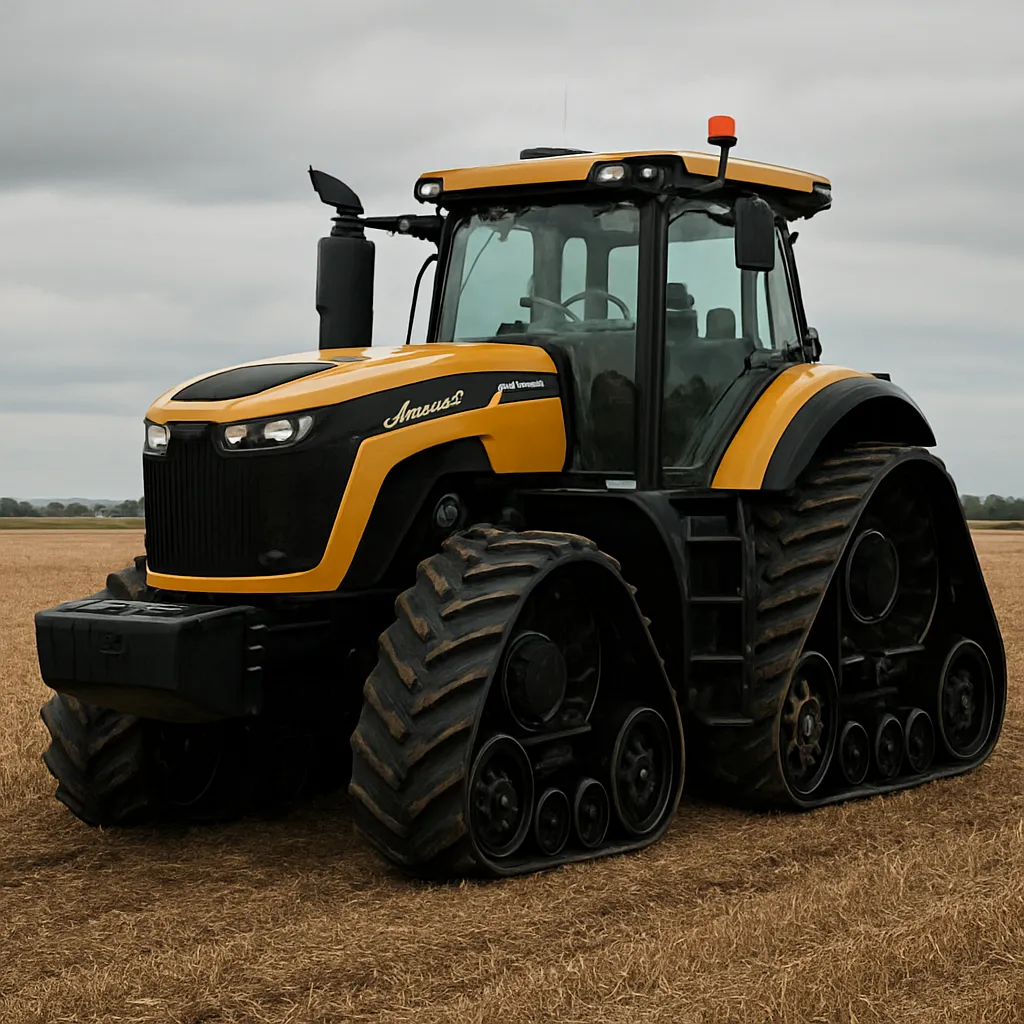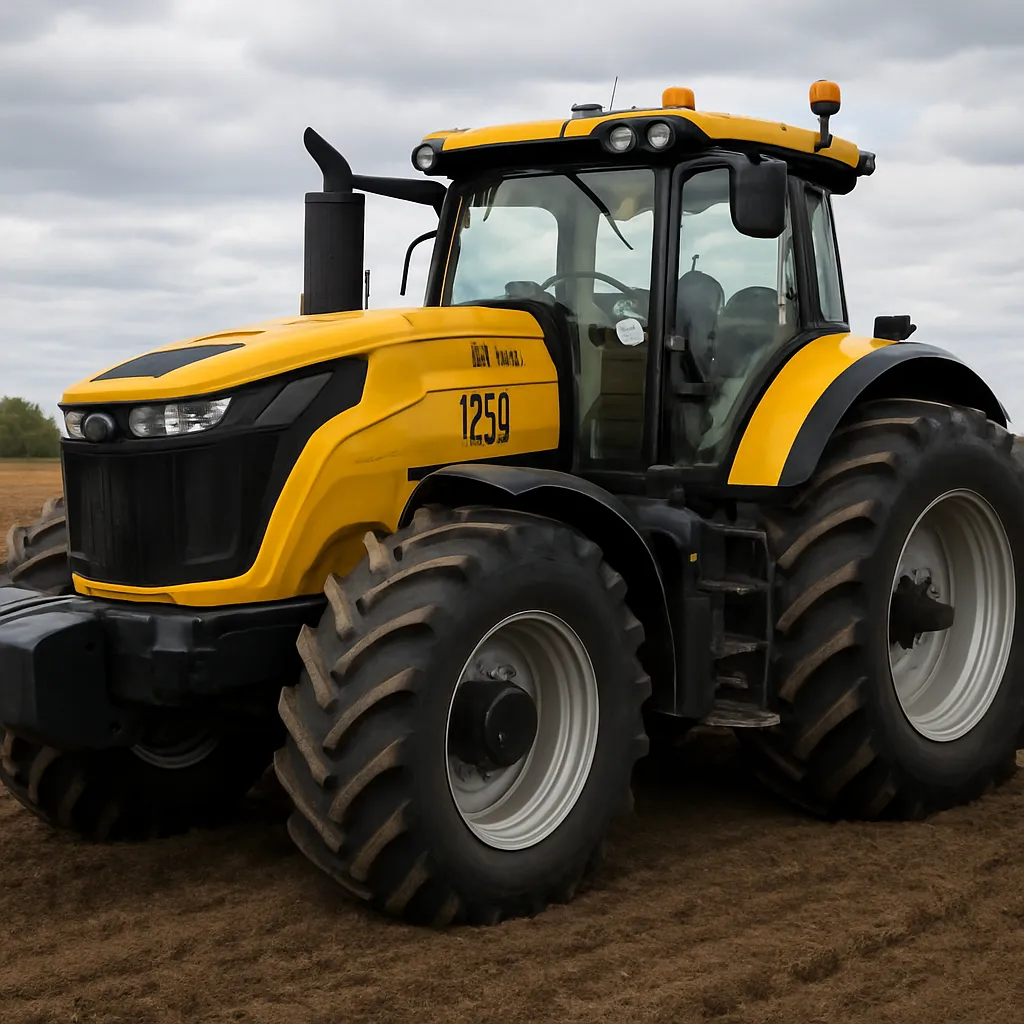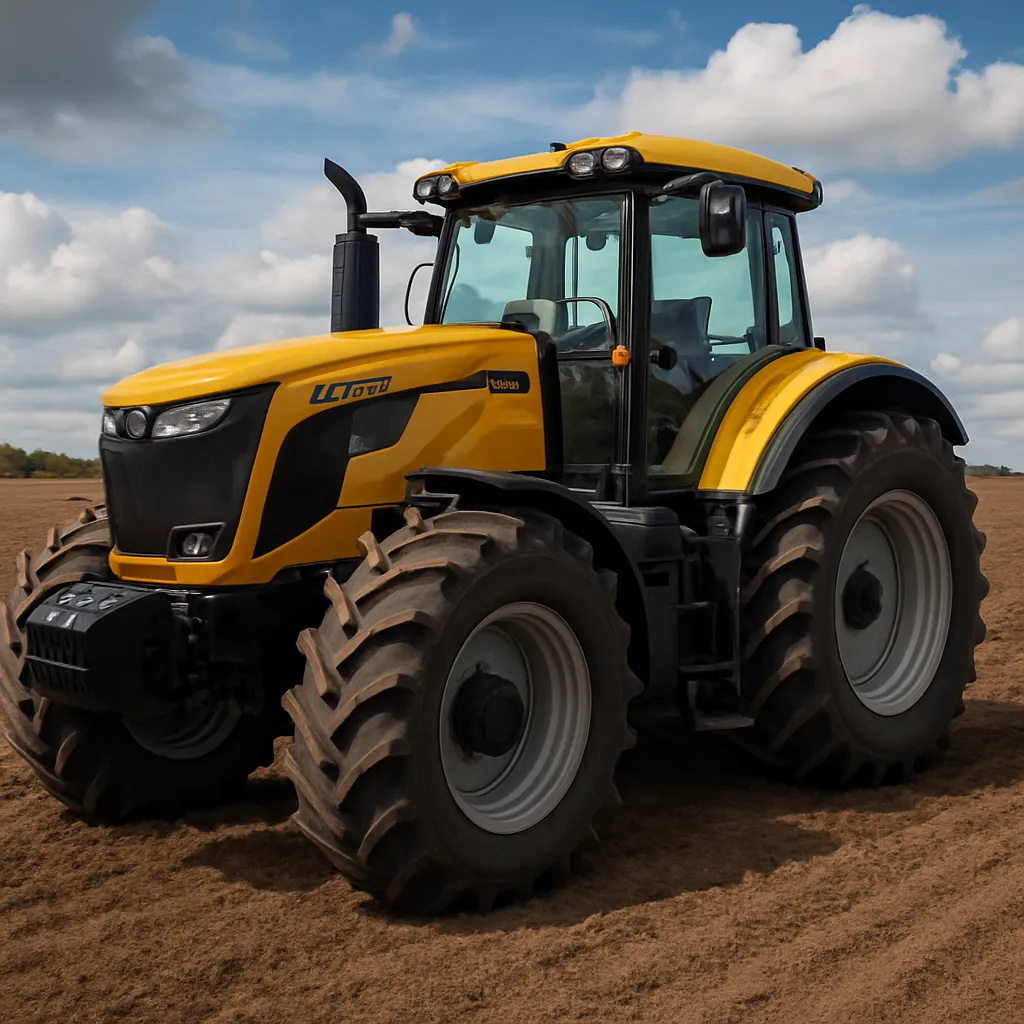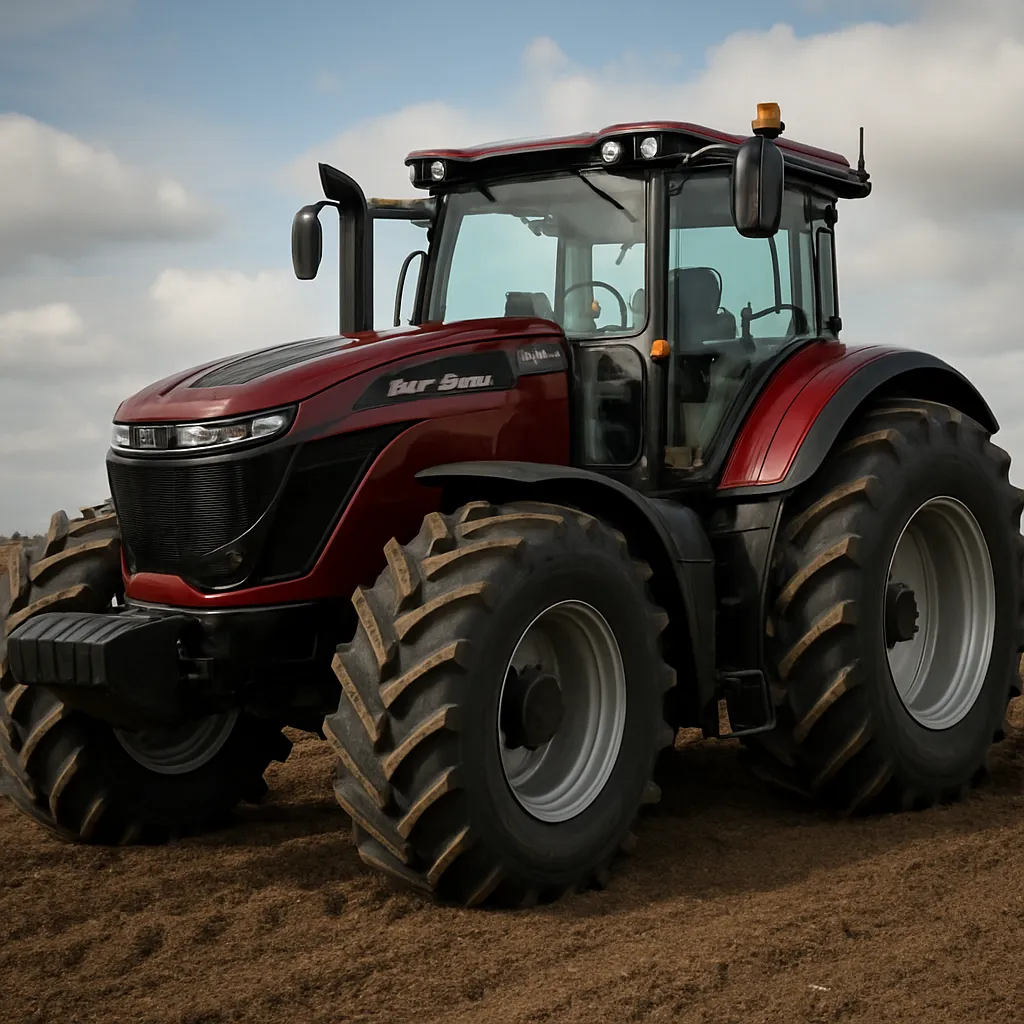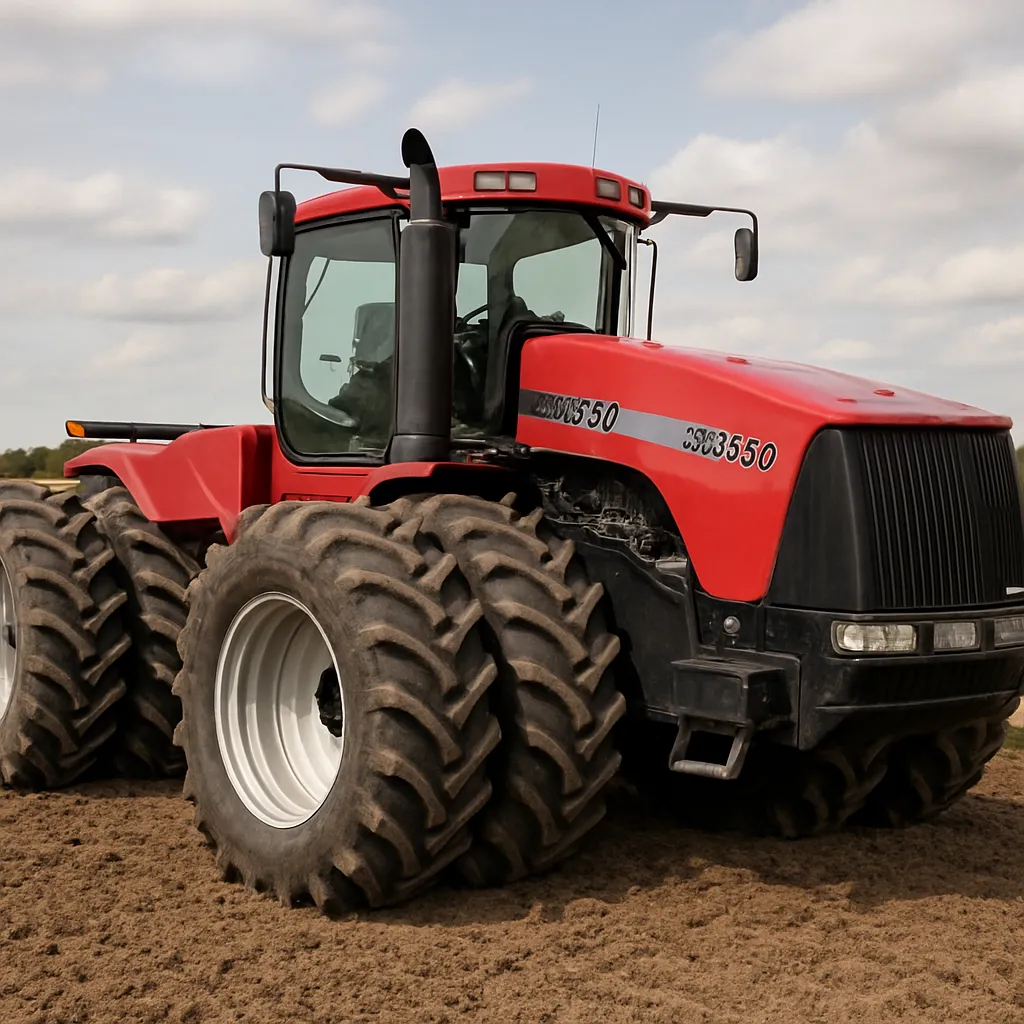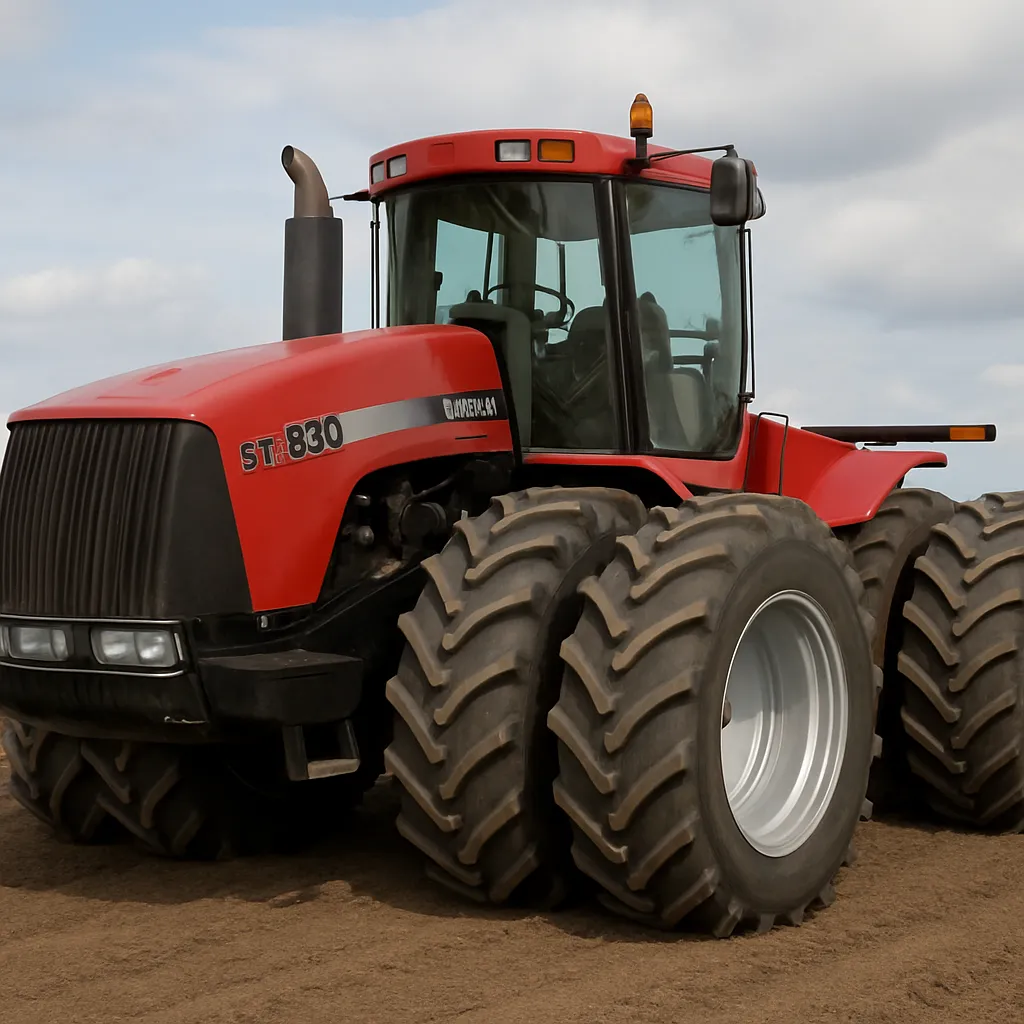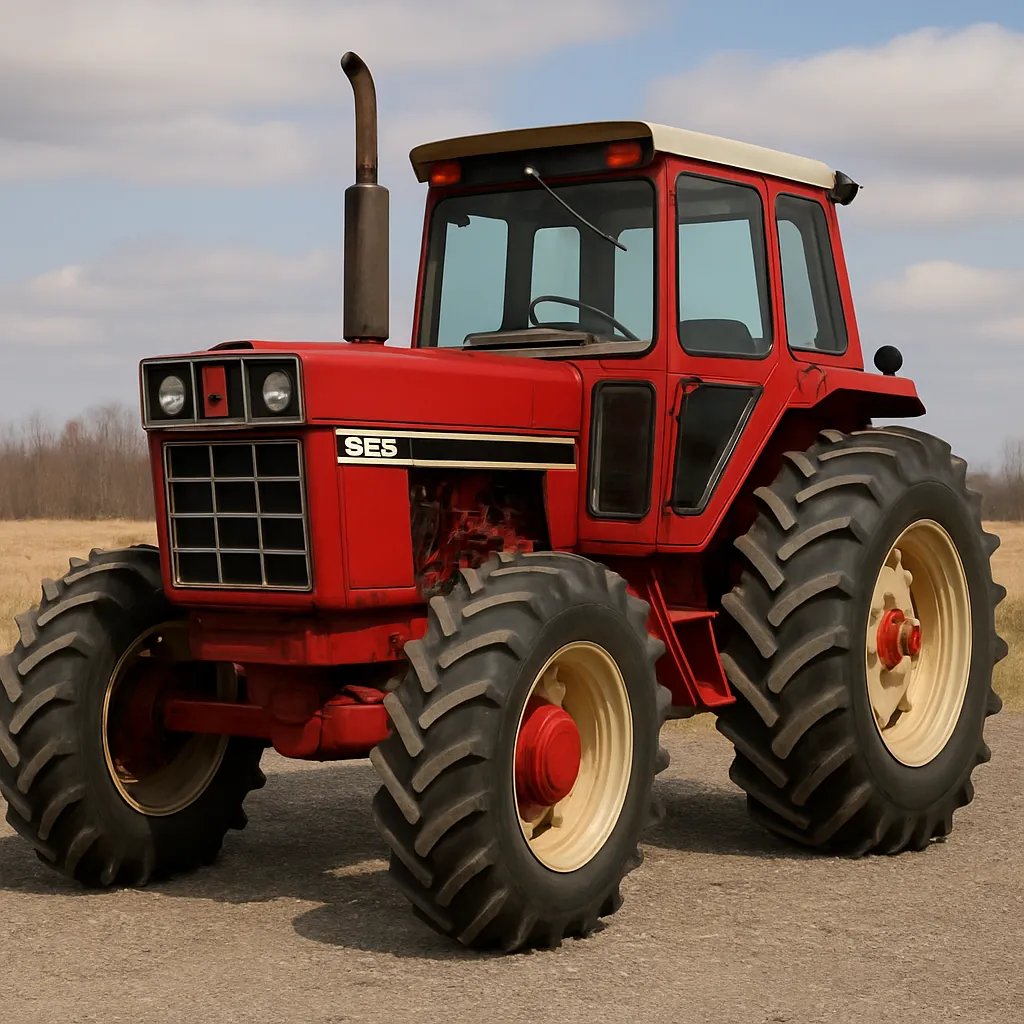
The International Harvester 4386 is a classic example of a heavy-duty agricultural tractor that has earned respect among farmers, contractors and collectors for its robust engineering and practical versatility. Designed to meet the demands of medium-to-large scale farming, the 4386 combines durable construction with straightforward mechanic systems, making it a sought-after machine both in working fields and in restoration circles. The following article explores the model’s background, technical characteristics, typical applications, maintenance aspects and legacy in modern agriculture.
History and Development
The model bearing the designation 4386 was produced by International Harvester during a period when the company focused on offering tractors that balanced power, reliability and operator usability. Although specific production years and full run numbers differ by source and configuration, the 4386 sits within the lineage of IH machines aimed at the intermediate-to-high horsepower market segment. It inherited much of IH’s engineering philosophy: straightforward mechanical systems, serviceability and parts commonality with other models in the same family.
International Harvester, prior to its reorganization and later formation of Case IH in the mid-1980s, developed a range of utility and row-crop tractors. The 4386 was positioned to appeal to large family farms and small contractors who needed a tractor capable of handling demanding tillage implements, heavy baling, transport tasks and PTO-driven equipment. The model was often offered in both two-wheel and four-wheel drive configurations, and in multiple trim levels to serve diverse working conditions.
- Design emphasis: durability and serviceability
- Market position: medium-to-large farms, contractors
- Variants: ROPS, enclosed cab, 2WD/4WD options
Technical specifications and performance
The International Harvester 4386 typically features a robust diesel engine with inline six-cylinder architecture. While exact specifications vary with production year and factory options, common characteristics include mid-to-high-displacement engines with options for turbocharging. Typical published performance metrics for tractors of this class fall into the following approximate ranges:
- Engine type: inline 6-cylinder diesel, naturally aspirated and turbocharged variants
- Displacement: approximately 6.0–7.5 liters (varies by series)
- Horsepower (engine): rated power in the range of roughly 130–180 hp, depending on configuration
- PTO power: commonly in the 110–150 hp range at the PTO shaft
- Transmission: available as synchromesh or multi-range power-shift; typical configurations provided 8–16 forward gears, often including creeper ranges
- PTO speeds: 540/1000 rpm selections common on tractors of this class
- Hydraulics: implement hydraulic flow in the range of roughly 40–75 L/min (10–20 US gal/min), with high-flow auxiliary options on some units
- Fuel capacity: approximately 150–300 liters (40–80 US gallons), depending on tank option
- Operating weight: typically around 6,000–8,000 kg (13,200–17,600 lb) depending on 2WD vs 4WD and equipment
These numbers are provided as indicative ranges because the 4386 was sold in several configurations and in different markets. The presence of a turbocharged engine variant significantly improved high-altitude performance and fuel efficiency under load, which made it more attractive for heavy draft work and long hours on the PTO.
Applications and typical uses
The 4386 was engineered to handle a broad set of agricultural and auxiliary tasks. Its design made it particularly useful in the following applications:
- Tillage: pulling large moldboard plows, disc harrows and cultivators on medium-to-large acreages
- Seeding and planting: supplying steady drawbar power and hydraulic lift capacity for multi-row planters and seeders
- Baling and forage: powering large square and round balers, as well as forage harvesters and wagons
- Livestock farm tasks: feed mixing, manure spreading and handling heavy-load implements
- Transport: towing trailers and grain wagons; highway-speed transport variants used heavier gearing
- Construction and utility: equipped with front loaders, backhoes or used as a tractor for rental and contractor work
The tractor’s combination of hydraulic capacity and PTO strength meant it could serve as a primary power source for both ground-engaging implements and stationary PTO equipment. The option for four-wheel drive and heavier-duty axles increased traction and stability on soft or hilly ground, expanding the operating envelope for demanding soil conditions.
Operator comfort, controls and ergonomics
While built on a platform that emphasized mechanical simplicity, the 4386 also addressed operator needs for longer working days. Many units were available with enclosed cabs, heating and air-conditioning as dealer or factory options. Controls were generally straightforward: mechanical linkages, conventional lever-based control for hydraulics and PTO, and clear instrument clusters.
- Visibility: elevated seating and large glass areas in cabbed models provided good visibility for hitching and implement monitoring
- Controls: intuitive layout with dedicated levers for range selection, forward/reverse and remote hydraulics
- Comfort: seating options ranged from basic vinyl seats to air-suspension seats in higher-spec machines
- Noise and vibration: acceptable for its era; modern comforts are usually retrofitted in restored units
A key selling point for many buyers was the tractor’s straightforward controls, which mechanics and operators found easy to maintain and operate without specialized training. This contributed to the model’s reputation for practical reliability.
Maintenance, common issues and longevity
Part of the 4386’s appeal is the relative simplicity of its mechanical systems. Routine maintenance tasks—oil and filter changes, fuel system servicing, valve adjustments and hydraulic checks—are accessible and well-documented in factory manuals. Typical maintenance considerations include:
- Fuel system cleanliness: use of high-quality diesel and regular filter changes prolong injector life
- Turbocharger care: on turbocharged variants, attention to oil supply and coolant systems prevents premature wear
- Hydraulic system health: regular fluid and filter replacement, as well as attention to seals to avoid leaks
- Transmission service: checking clutch adjustment (where applicable) and fluid levels; power-shift units may need more specialized service
- Electrical system: simple wiring harnesses and mechanical starters make electrical troubleshooting straightforward
Commonly reported wear items are typical for tractors of this era: worn seat cushioning, minor corrosion on body panels, and aging rubber components (hoses, seals, belts). However, many 4386 units have logged tens of thousands of operational hours when maintained properly. The tractor’s mechanical robustness, combined with a widespread network of parts compatibility with other IH models, means longevity often extends well beyond expected service lives for comparable machines.
Market, resale value and restoration
Over the years, the 4386 developed a market among both working farmers and vintage tractor collectors. Factors influencing resale value include condition, hours, maintenance history and presence of original equipment. Enclosed cab, four-wheel drive and power-shift transmission variants typically command higher prices. Popular themes in the collector market include:
- Complete mechanical restorations returning machines to factory condition
- Sympathetic cosmetic restorations maintaining patina while eliminating rust and wear
- Modern upgrades such as improved seating, LED lighting and fuel-system retrofits to improve efficiency
Restorers often praise the 4386 for its parts interchangeability with other IH tractors, which simplifies sourcing. Availability of aftermarket and rebuilt components, along with enthusiast communities, supports restoration projects and helps maintain values. In regions where IH tractors were widely adopted, markets for used parts and trade expertise remain robust.
Comparisons and legacy
Compared to contemporaries from other manufacturers, the 4386’s strengths are its simple, rugged engineering and adaptability. While newer tractors feature advanced electronics, computerized engine management and comfort enhancements, the 4386 remains valued for:
- Reliability in the field because of proven mechanical systems
- Ease of repair without need for specialized diagnostic tools
- Cost-effective operation when maintained properly
Its legacy persists in the many units still in daily use on farms where owners appreciate mechanical transparency and longevity. The 4386 exemplifies a generation of agricultural machinery built to be fixed and maintained on-farm rather than replaced when a component wears out.
Practical tips for prospective buyers
If you are considering purchasing an International Harvester 4386—either for work or restoration—here are practical steps and checks to perform:
- Review maintenance records and inquire about engine rebuilds or major overhauls
- Inspect the hydraulics for leaks and performance under load
- Check transmission and clutch operation for smooth shifting and absence of slipping
- Run the engine at operating temperature and listen for abnormal noises in bearings or the valve train
- Inspect axles, wheel hubs and final drives for wear or metal contamination in fluids
- Confirm availability of critical spare parts for your region or plan for sourcing from specialist suppliers
A thorough pre-purchase inspection, ideally with an experienced technician, will reveal whether a unit is a sound investment for daily agricultural use or a restoration candidate that will require additional work and expense.
Interesting facts and community
The 4386 has inspired an active community of enthusiasts who share advice on parts, restoration techniques and roadworthy modifications. Highlights of the community interest include:
- Swap meets and tractor shows where 4386 examples often appear in working demonstrations
- Online forums and clubs dedicated to International Harvester history and maintenance tips
- Restoration projects documented with before-and-after galleries that guide newcomers
The model’s combination of practical field performance and approachable mechanics makes it a common feature at agricultural heritage events, where it stands as an example of mid-late 20th century tractor design.
Summary
The International Harvester 4386 remains notable for its blend of practical power, mechanical simplicity and adaptability. Whether used for heavy tillage, seeding, baling or as part of a restoration project, the model continues to deliver value for operators who prioritize durability and straightforward serviceability. While precise technical specifications vary across production runs and options, typical characteristics—such as inline six-cylinder diesel engines, moderate-to-high horsepower ratings, and flexible transmission choices—make the 4386 a dependable workhorse. Enthusiasts and farmers alike continue to appreciate the model’s heritage and its role in the evolution of modern agricultural machinery.