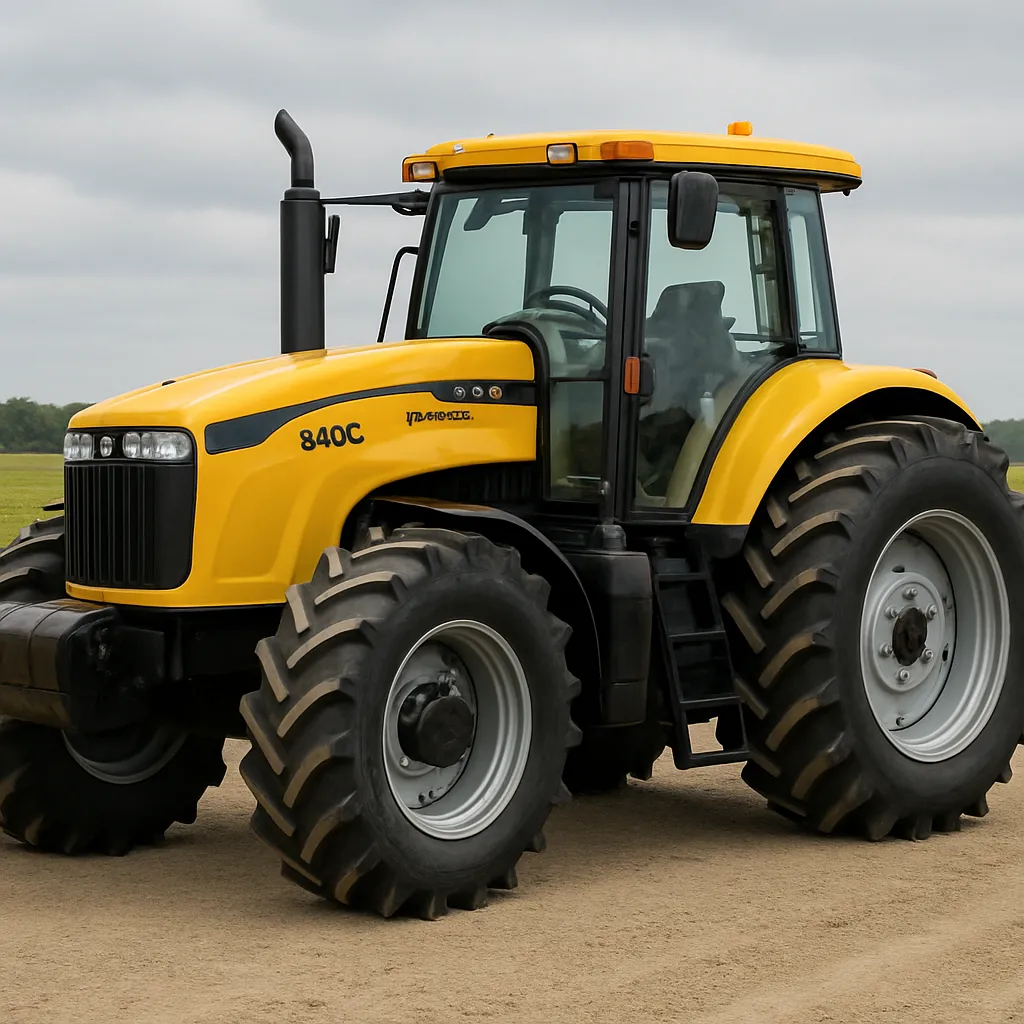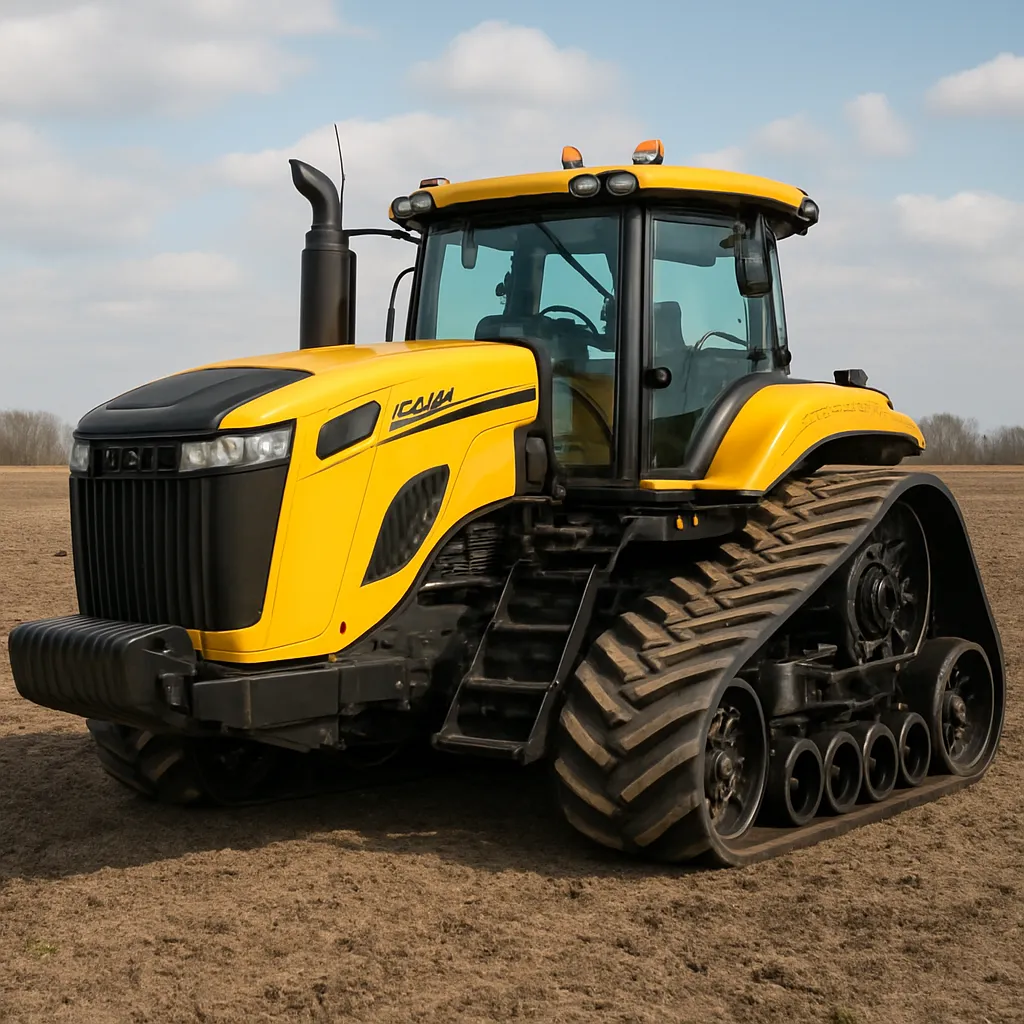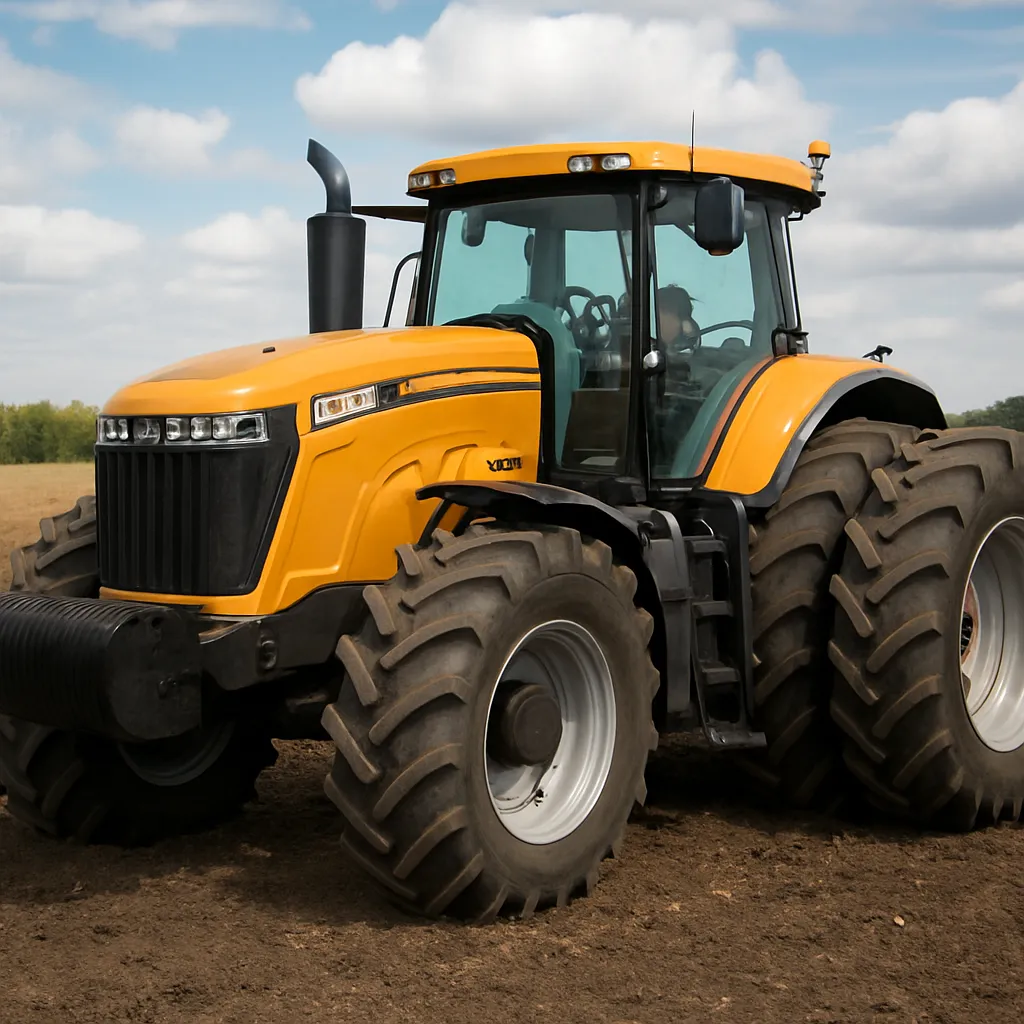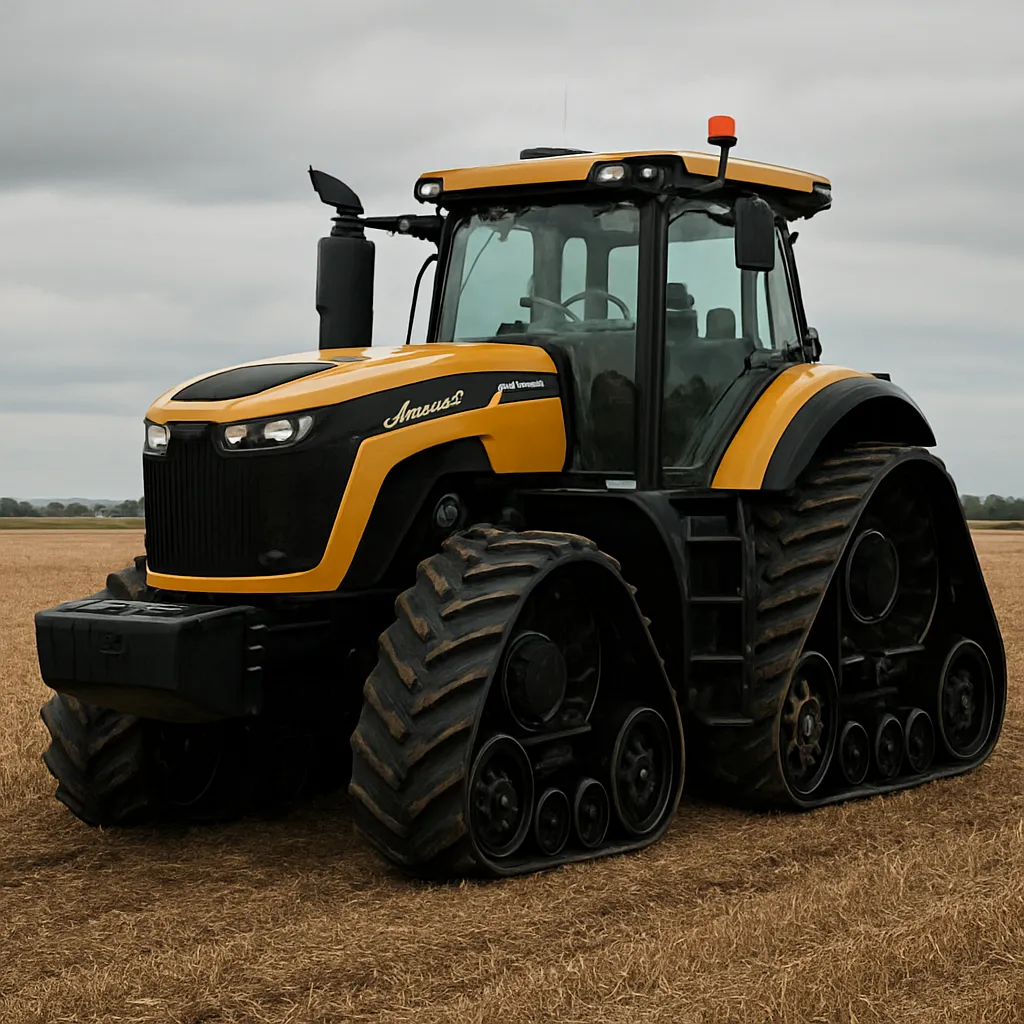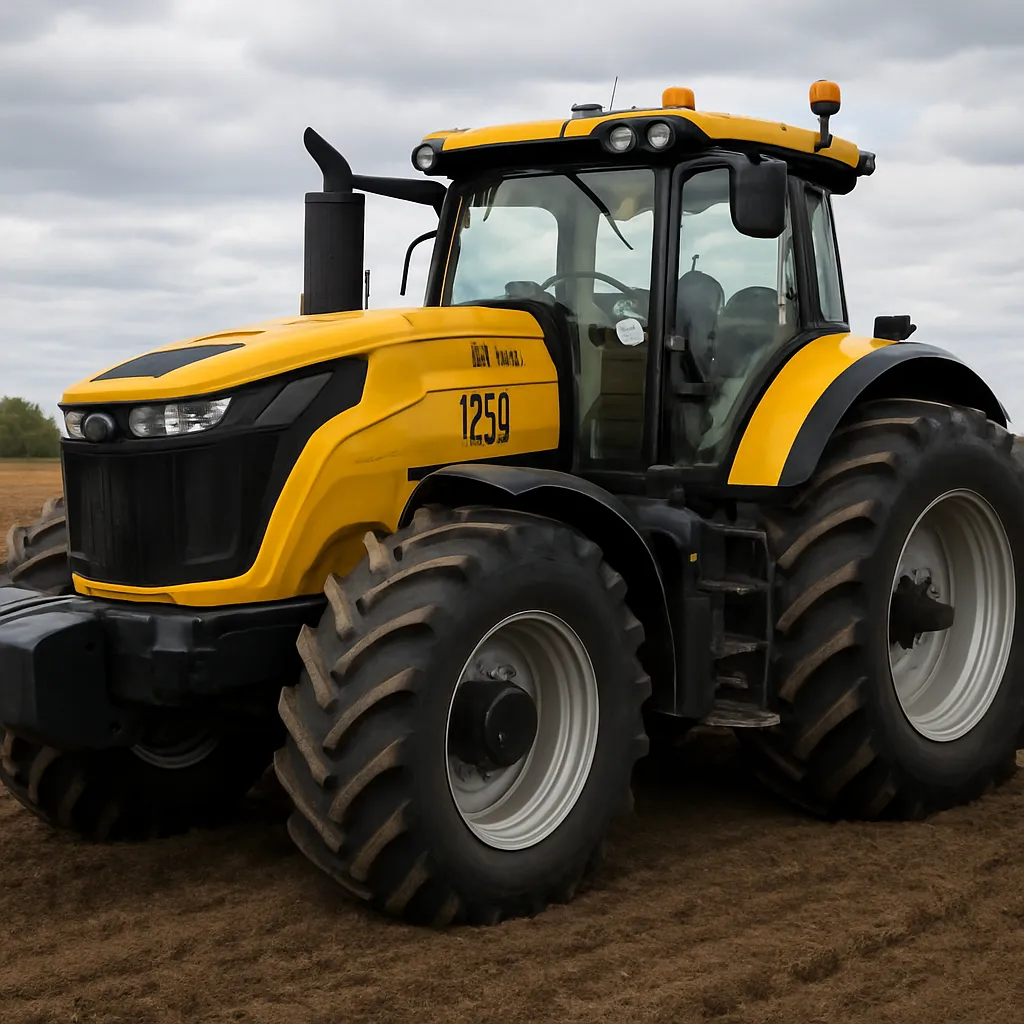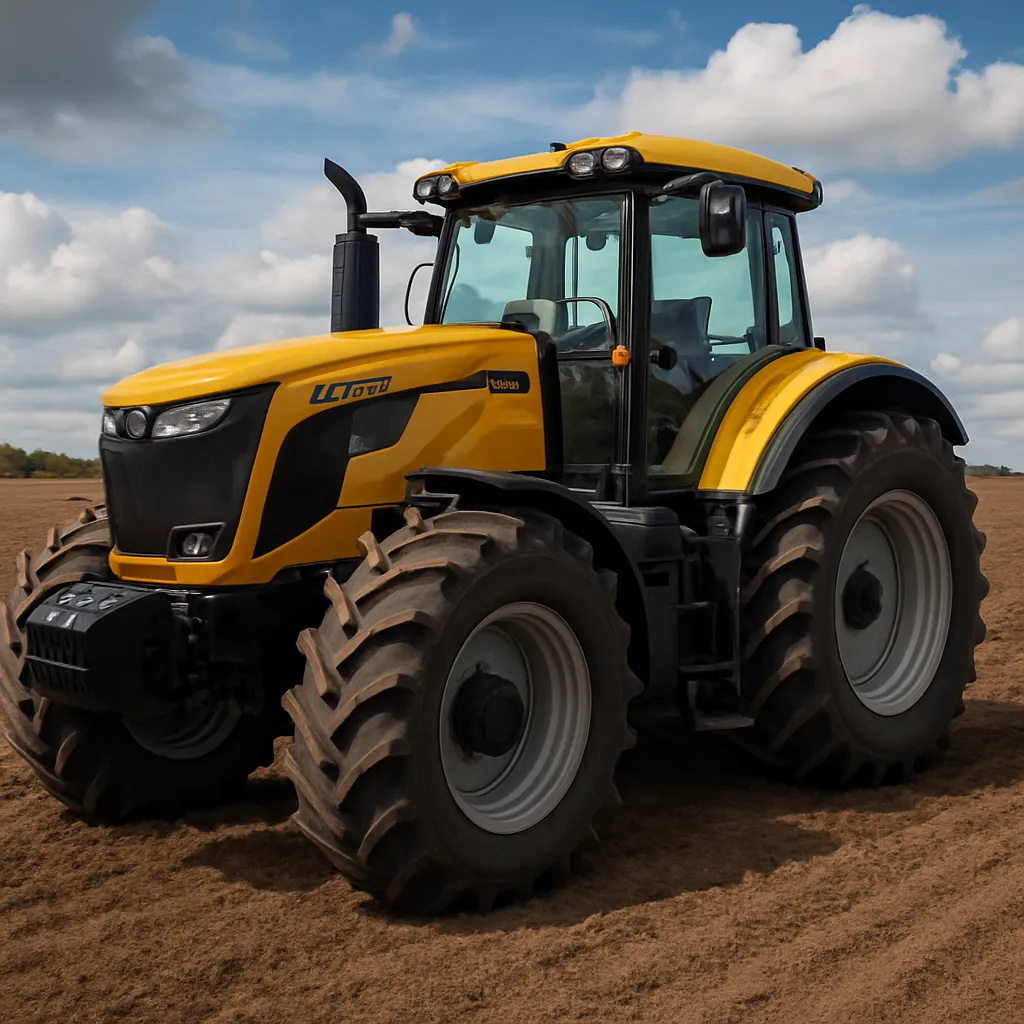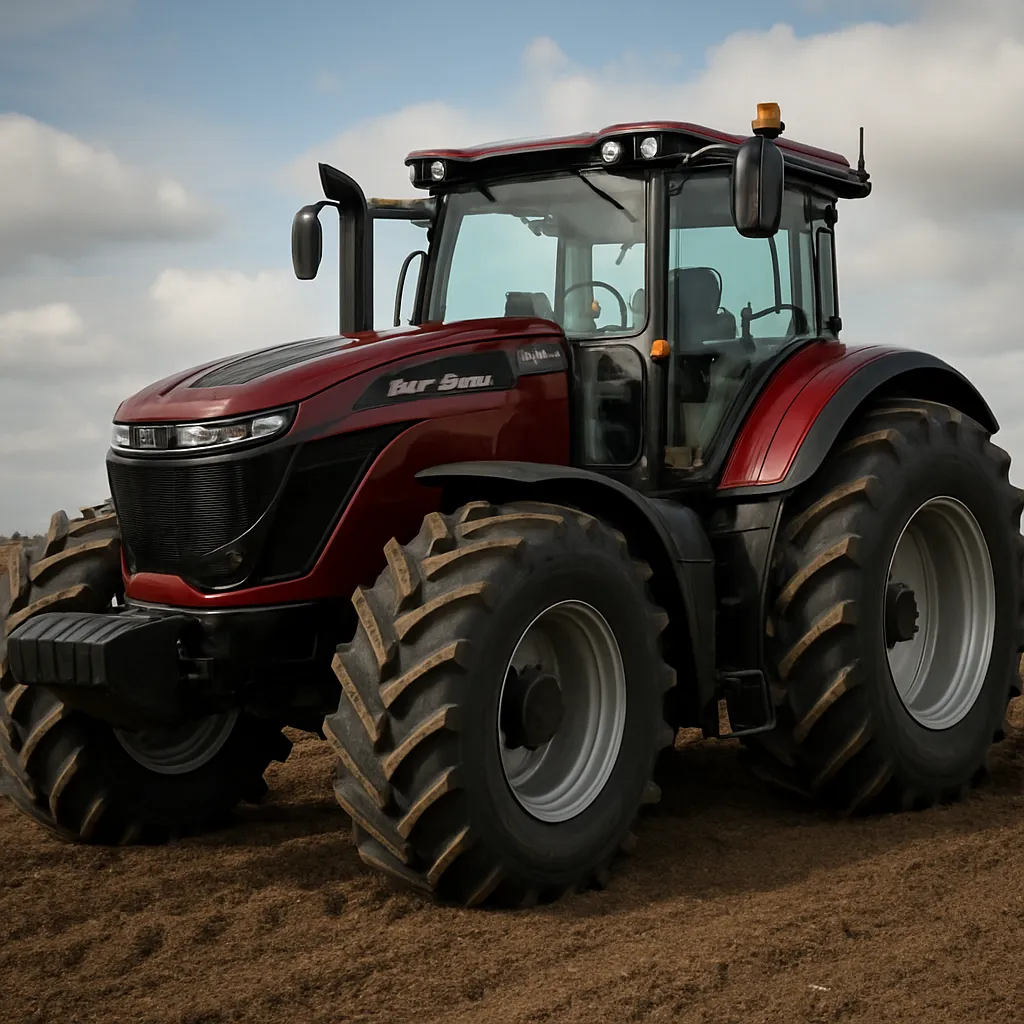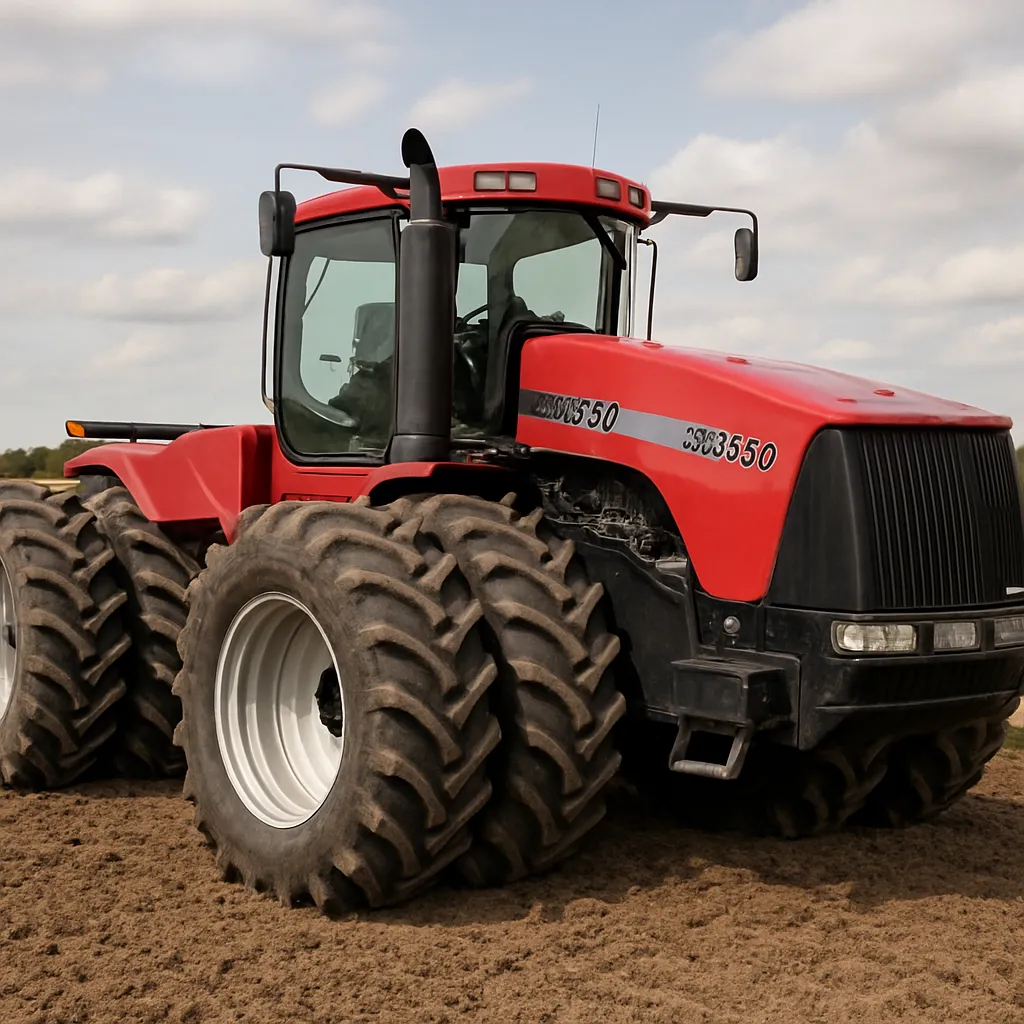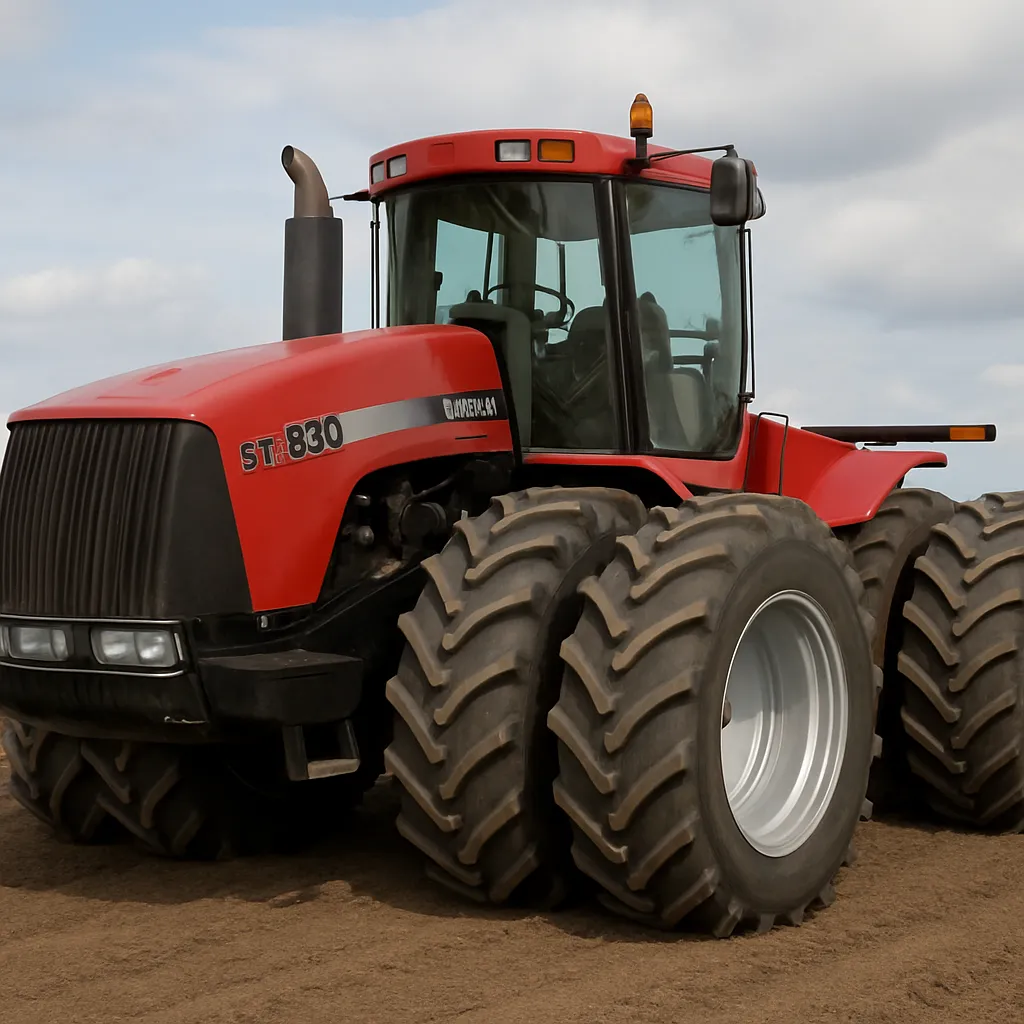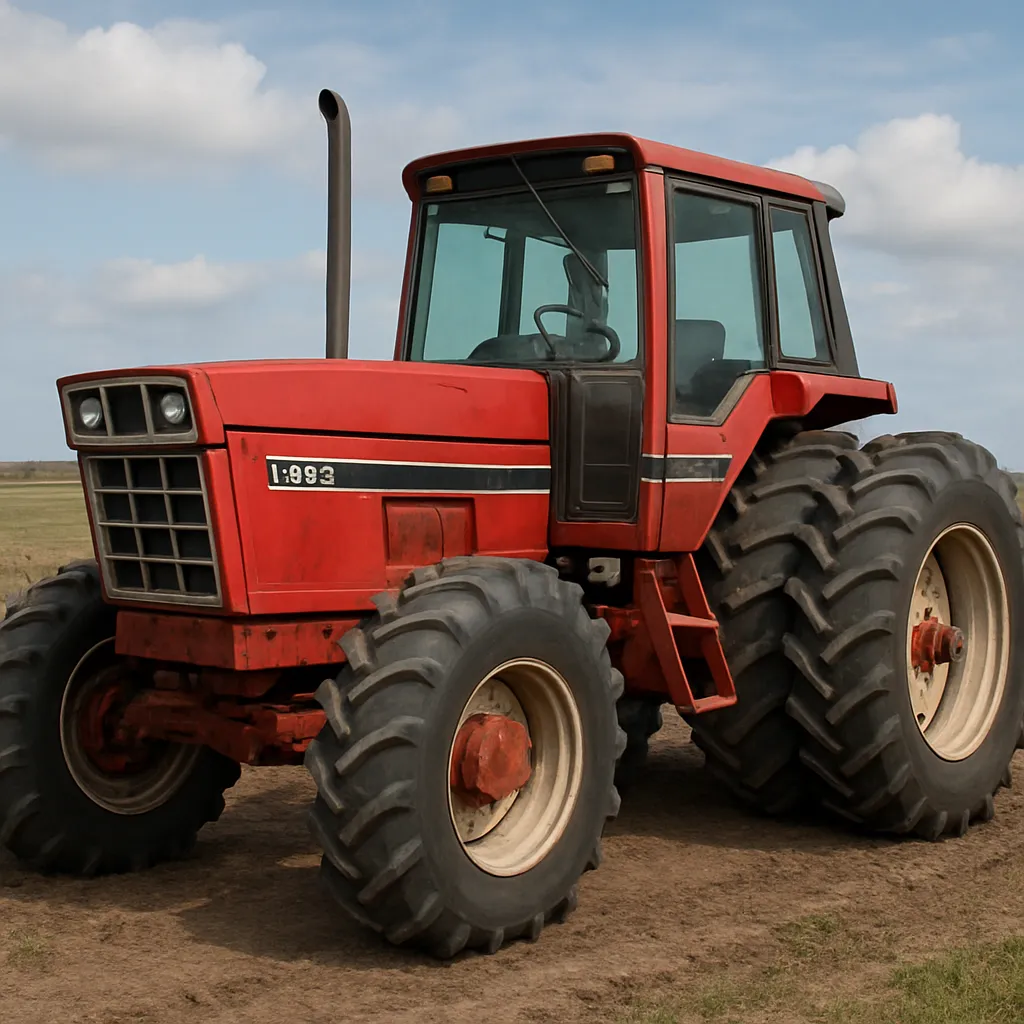
The International Harvester 3588 “2+2” is a machine that occupies a distinctive place in the history of agricultural tractors: designed to handle heavy-duty fieldwork while offering a level of operator comfort and versatility that was notable for its time. In this article I will outline the tractor’s historical context and design, typical applications and working roles on modern and historical farms, key technical and statistical data where available, common maintenance and modification practices, and its legacy among collectors and operators. The text aims to give both a practical overview for users and a technical picture for enthusiasts.
Historical context and design philosophy
The late 1970s and early 1980s were a period of intense competition and innovation in agricultural machinery. Manufacturers strove to produce tractors that combined greater power with improved operator ergonomics and reliability. International Harvester (IH), a major American agricultural equipment maker, responded with a family of tractors intended to fill gaps between row-crop medium machines and the largest four-wheel-drive workhorses. The model 3588, often found with the suffix “2+2” in sales literature and owner conversation, was conceived as part of this drive toward higher power and flexibility.
Rather than being a simple incremental update, the 3588 integrated a number of design choices aimed at balancing power, traction and operator comfort. IH continued its traditional emphasis on robust mechanical systems—heavy-duty axles, durable transmissions and straightforward engine designs—while adding options for improved hydraulics, cab comfort and implement compatibility. The result was a tractor that could be used effectively for the heaviest field jobs on family and contract farms, while still being manageable for transport and secondary tasks.
Typical uses and applications on the farm
The 3588 is a multipurpose heavy row-crop tractor. Its common applications include:
- Tillage: primary and secondary tillage with large ploughs, disk harrows and chisel plows. The power and traction allowed the 3588 to pull wide implements at field depths and speeds that increased daily acre productivity.
- Seeding and planting: as a tractor to operate large planters and air seeders, particularly where higher engine torque was required to maintain planting speed across variable soil conditions.
- Baling and hay operations: powering large balers and rake/windrow equipment; the hydraulic capacity and PTO options made the tractor suitable for heavy haying work.
- Transport and loader work: while not a dedicated loader tractor, the 3588 could be fitted with front loaders or used to haul heavy wagons and grain carts due to its torque and braking systems.
- Specialty tasks: in some regions the tractor was adapted for subsoiling, deep ripping, or even as a puller in competitive events due to its robust drivetrain and weight distribution.
Because of its size and output, the 3588 was popular on medium-to-large grain and mixed farms, on custom hire operations, and with contractors who needed dependable horsepower for long hours. It was less common on small hobby farms where smaller, more economical tractors are preferred, but remained an attractive option where a single tractor needed to cover the heaviest work on the farm.
Technical overview and typical specifications
Exact specifications can vary by market, year and optional equipment, but typical characteristics of the International Harvester 3588 “2+2” include a combination of an inline diesel engine, a heavy-duty transmission and a versatile hydraulic/PTO package. The following figures are representative values commonly cited by owners, service manuals and historical sales material; consult a specific serial-number reference or factory manual for exact numbers for a particular machine.
- Engine type: turbocharged inline six-cylinder diesel (IH-designed or licensed series).
- Rated power (engine): commonly reported in the range of approximately 210–260 horsepower (roughly 157–194 kW), depending on configuration and year.
- PTO power: typical PTO ratings reported around 180–220 horsepower, depending on transmission and PTO options.
- Displacement: approximated in owner sources as in the 8–10 litre class for six-cylinder diesels of the era (figures vary by exact engine variant).
- Transmission: multiple options in the era included synchronized gearboxes, power shift or partial power shift variants with multiple forward and reverse ranges—designed to give flexibility in field and transport work.
- Hydraulics: medium-to-high-flow hydraulic systems with multiple remotes available for operating planters, loaders and wide implements; lift capacity at the drawbar or three-point hitch suited to large implements.
- Weight: operating weight (ballasted) commonly in the range of 7,000–9,000 kg depending on configuration and ballast.
- Fuel capacity: sufficiently large to support long workdays—typical tanks ranged from roughly 250–450 litres based on optional tanks and regional setups.
Note: these numbers are indicative; exact values for a given tractor depend on year, optional equipment, whether it has factory dual wheels, front weights, cab options and regional model differences.
Meaning and significance of the “2+2” label
The “2+2” tag attached to some IH model numbers is a marketing and configuration label rather than a single technical specification. In the context of the International Harvester lineup, it generally signified a specific set of options or a particular trim and weight distribution designed to enhance traction and stability for heavy tasks. This could include combinations of rear dual wheel capability, particular axle ratios, cab trims and sometimes a selected transmission package tailored for a balance of field speed and transport capability.
Because manufacturers used small alphanumeric suffixes differently over time and across markets, exact interpretation depends on the production run and documentation. Prospective buyers and restorers should consult serial-number registries and factory option lists to determine how a specific “2+2” machine differs from similarly numbered models without that suffix.
Strengths, limitations and typical problems
Owners and mechanics who have worked with the 3588 over decades tend to highlight particular strengths:
- Durability: heavy cast components and simple serviceable systems made repairs practical and parts long-lived when maintained.
- Traction and power delivery: the tractor’s weight and torque characteristics made it efficient for deep tillage and heavy draft tasks.
- Versatility: a wide range of implement compatibility and optional hydraulic/PTO setups allowed the 3588 to serve many roles on mixed operations.
At the same time, several limitations or recurring issues appear in owner reports:
- Fuel efficiency: larger diesel engines of this era are not as fuel-efficient as modern common-rail units; high power output comes with notable fuel consumption during heavy work.
- Electrical and comfort features: older cab electronics and heating/air systems can be limited compared to modern tractors; owners often retrofit modern instrumentation or air-conditioning upgrades.
- Parts availability: while many standard parts are still available through aftermarket suppliers and salvage, some IH-specific components may require careful sourcing or refurbishment.
- Weight and soil compaction: the heavy mass that provides traction also increases compaction risk; using duals or flotation tires and careful management helps mitigate this.
Maintenance, common upgrades and restoration
Maintenance on a well-loved 3588 focuses on three pillars: engine health, drivetrain integrity and hydraulic reliability. Regular oil and filter changes, valve adjustments where applicable, fuel system cleanliness and cooling system care are essential. The heavy-duty transmissions benefit from periodic fluid and filter changes and attention to linkage and clutch systems.
Popular upgrades and modifications by owners include:
- Installing modern fuel injection components or improved pumps where compatible to improve reliability and spare part interchangeability.
- Upgrading hydraulic pumps or adding additional remotes to handle modern implements.
- Fitting modern gauges, GPS/precision-farming guidance and aftermarket climate control systems for comfort and productivity.
- Switching to radial flotation tyres or wide dual wheels to reduce soil compaction and improve traction with minimal draft loss.
- Retrofitting better lighting and safety features for transport and contract work.
For restoration projects, the 3588 appeals to enthusiasts who value authenticity. Common restoration tasks include paint and decal restoration to original IH red and white, refurbishing the cab interior, rebuilding the injection pump and restoring the transmission and hydraulics to factory tolerances.
Economic and operational considerations
When evaluating the 3588 for purchase or continued use, several operational factors should be weighed:
- Cost of ownership: while initial acquisition of a used 3588 can be economical compared to newer tractors, fuel and maintenance costs for older diesel engines must be included in lifecycle calculations.
- Implement matching: choose implements that match the tractor’s rated drawbar and PTO capabilities; oversizing implements leads to inefficiency and accelerated wear.
- Resale and collector value: IH machines have a solid following; well-maintained or restored 3588s can hold value or even appreciate among collectors and contracting operators.
- Insurance and safety: due to weight and transport considerations, ensure proper insurance coverage and up-to-date safety lighting and braking systems when hauling on public roads.
Comparisons and market position
In its era, the 3588 competed with similar mid-to-high horsepower tractors from other manufacturers. Compared to contemporaries, the model was often praised for its solid industrial construction and the availability of options that allowed it to be fitted to a range of roles. Over time, newer tractors with electronic engine management, better fuel economy and more advanced transmissions gained popularity, but the 3588 remains appreciated for its mechanical simplicity and robustness.
For modern operations, the 3588 is most attractive when:
- Used in roles where electrical complexity is a liability and straightforward mechanical systems are preferred.
- Operators value cost-effective power and are willing to manage higher fuel consumption in exchange for a lower capital outlay.
- Collectors and restorers seek historically significant models with strong barn-find appeal.
Statistical snapshots and owner-reported figures
Exact production totals and year-by-year statistics for specific IH variants can be difficult to consolidate because of regional production differences, option packages and changes under corporate transitions. However, certain statistical and commonly reported figures provide useful context:
- Production era: the late 1970s through the early 1980s covers the primary production window for the 3500–3800 family of tractors from IH, with the 3588 appearing in sales literature in that period.
- Horsepower band: as noted earlier, owners generally cite a working range of about 210–260 hp depending on PTO/engine configuration.
- Operational weight: typical ballasted weights often cited in owner forums and restoration documentation fall into the 7,000–9,000 kg band based on ballast, tyres and added equipment.
- Common PTO speeds: standard PTO regimes (e.g., 540/1000 rpm or similar) are frequently reported depending on gearbox and PTO options; many machines were equipped for 1000 rpm PTO to drive large implements efficiently.
Because these figures come from a mix of factory literature, service manuals and owner experience, anyone requiring exact numbers for restoration, parts ordering or performance matching should refer to the specific serial number plate and factory documentation for that tractor.
Legacy, collecting and cultural value
The International Harvester 3588 “2+2” holds a place in the hearts of many farmers, mechanics and collectors for several reasons. First, it represents an era where tractors were built with an emphasis on longevity and serviceability. Second, the model’s balance of power and versatility made it a workhorse for many farms, which contributes to its nostalgic value.
Collectors prize well-restored 3588s for authenticity: original IH paint, correct decals and period-correct cab fittings increase desirability. At machinery shows and vintage tractor events, a well-prepared 3588 attracts attention both for its size and for the sound and feel of a large mechanical diesel in work-ready condition.
Practical advice for buyers and owners
For those considering purchasing a used 3588—either to operate or to restore—here are practical checkpoints:
- Verify engine serial number and service history. Regular maintenance and evidence of oil/filter changes are strong indicators of mechanical health.
- Inspect the transmission and clutch operation under load; slipping or unusual noises indicate potentially expensive repairs.
- Check hydraulics for leaks and lift capacity. Worn seals and pump issues are common on high-hour machines.
- Assess frame and axle integrity—look for cracks in welds or stress points especially around hitching and lifting areas.
- Confirm PTO condition and correct shaft engagement; misalignment or wear can be costly if undetected.
- Consider the availability of spare parts in your region and the proximity of experienced mechanics for major repairs.
Conclusion
The International Harvester 3588 “2+2” exemplifies an era of agricultural machinery focused on mechanical robustness, straightforward serviceability and practical adaptability. While not a modern fuel-efficient marvel, it remains a highly capable machine for heavy draft work, planting and haying when matched with appropriate implements and managed with sound maintenance. Its lasting appeal among collectors and operators is rooted in the combination of dependable power, tangible mechanical simplicity and the cultural memory of IH as a brand of American farm equipment. Whether used as a daily work tractor, a specialized machine for contracting or a restoration project, the 3588 continues to demonstrate why durable, well-engineered tractors remain valued long after their production runs end.