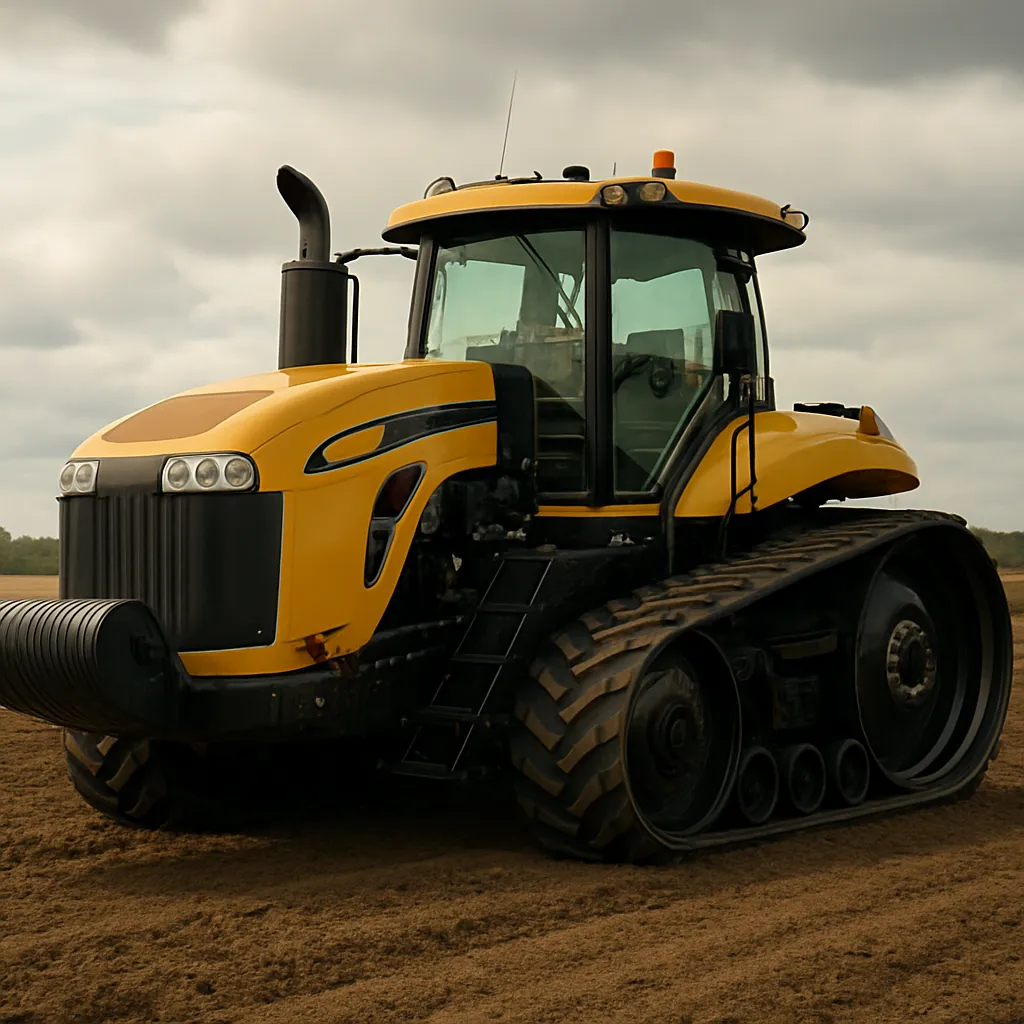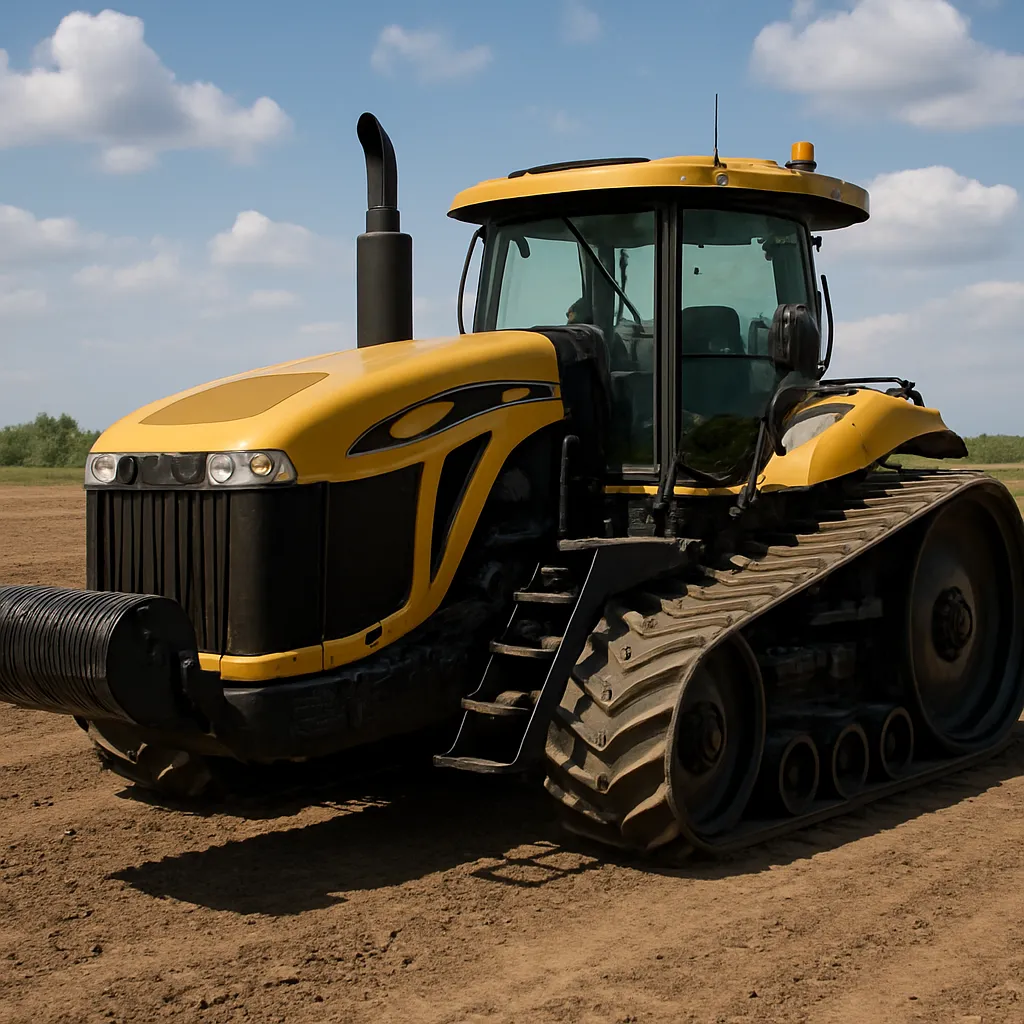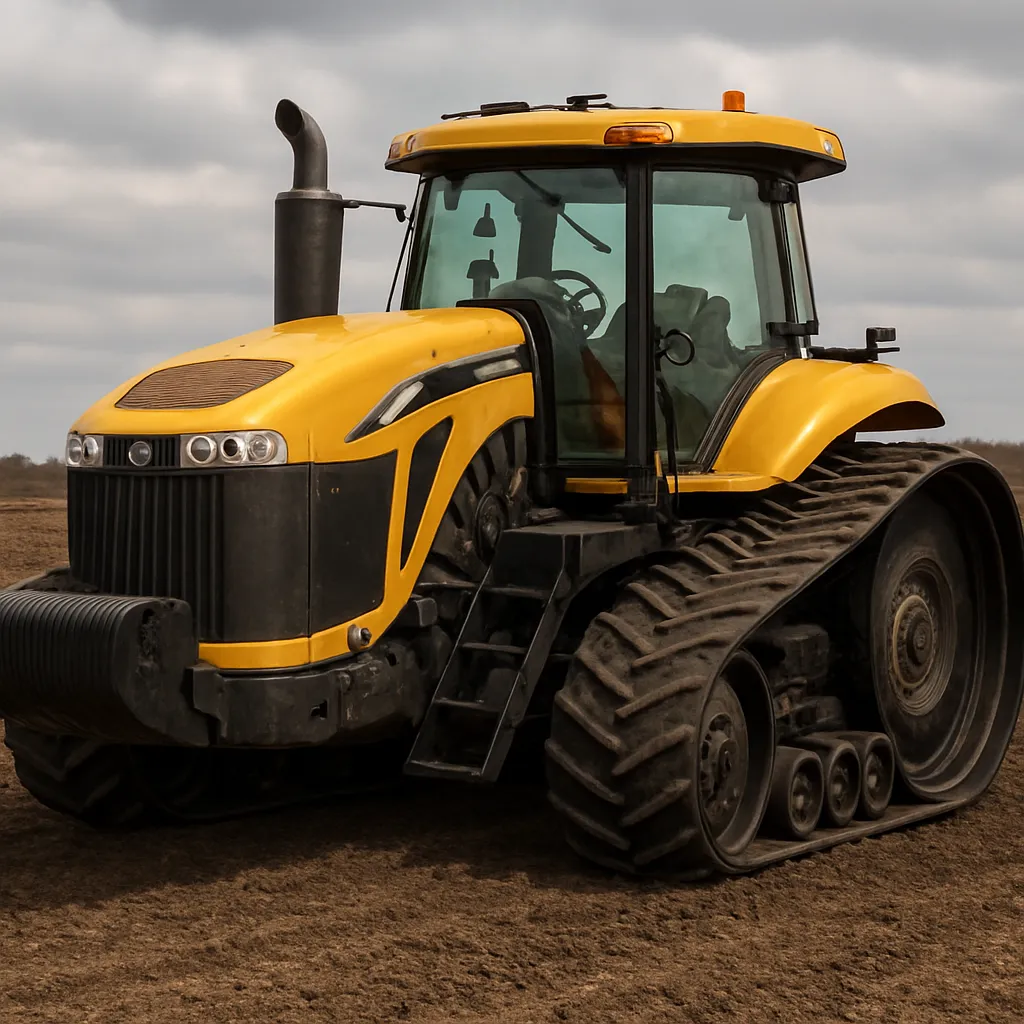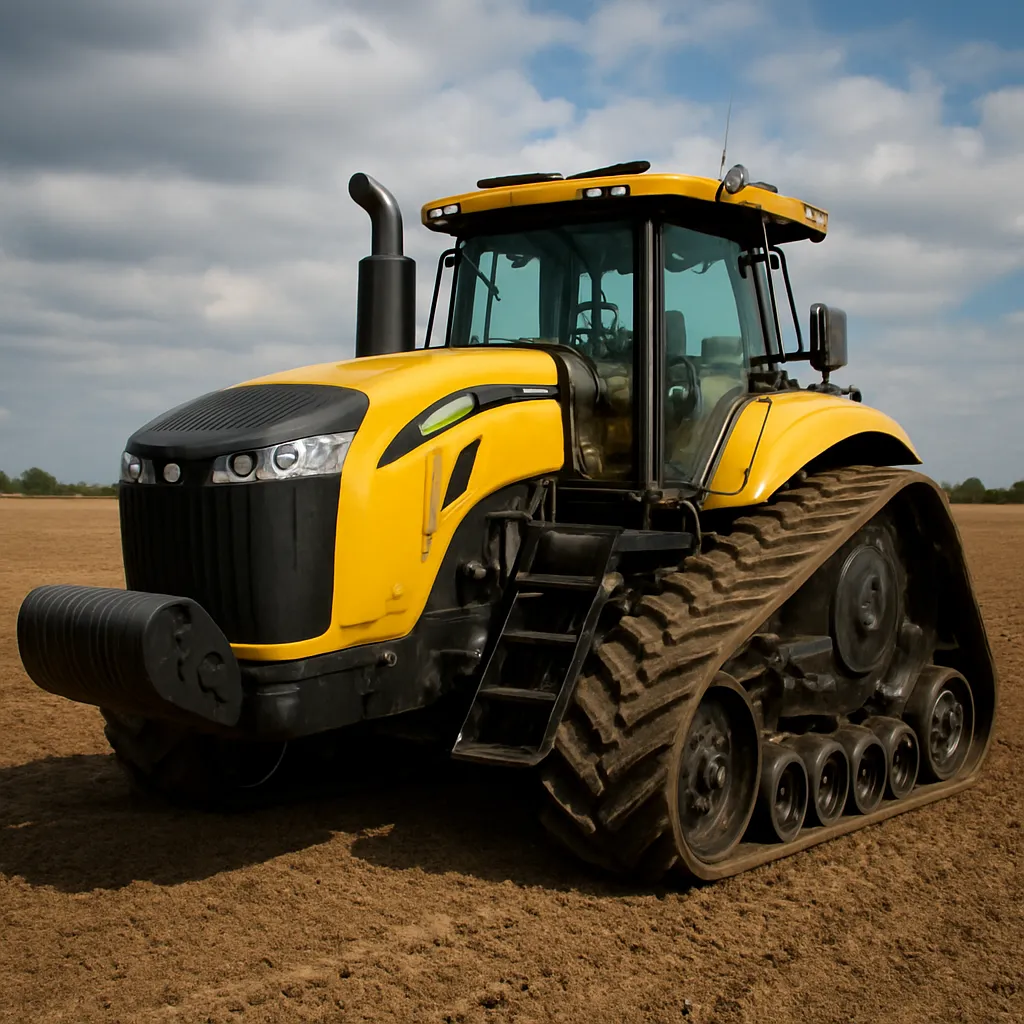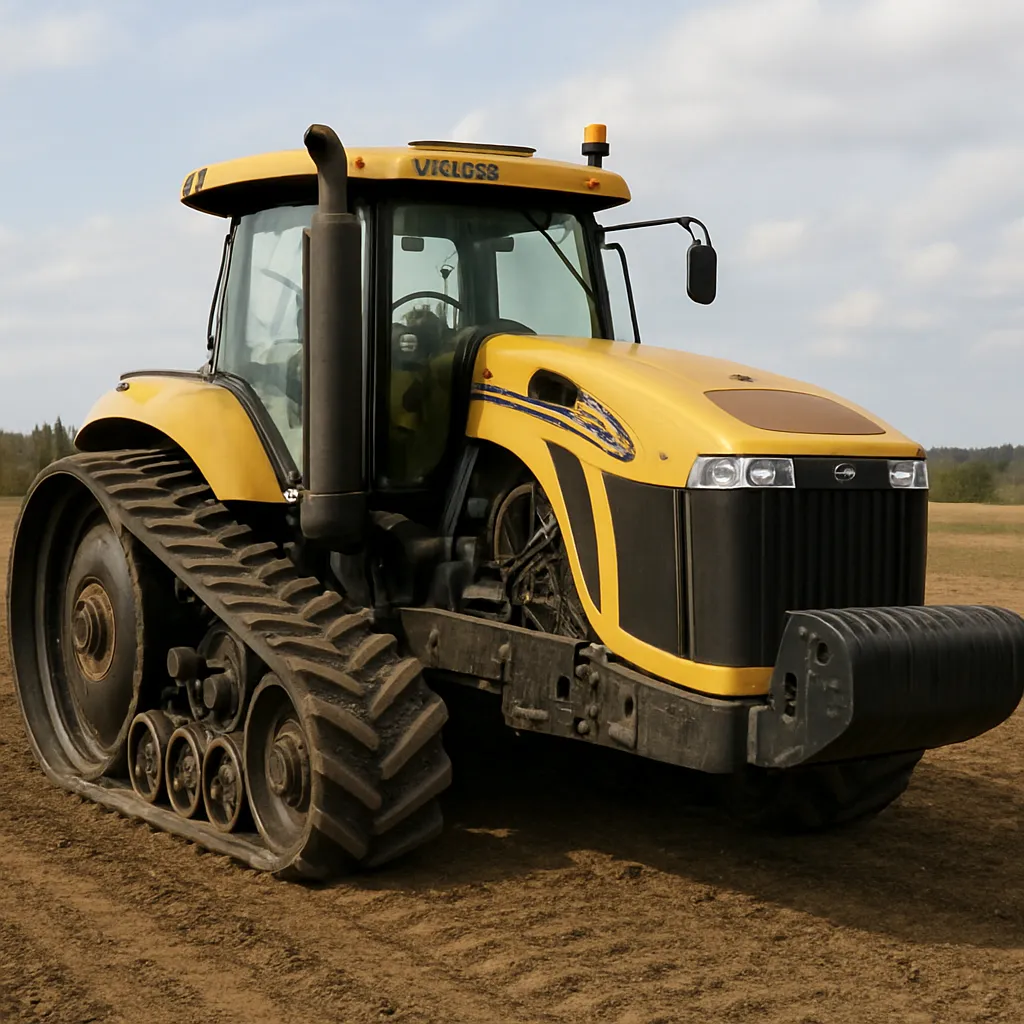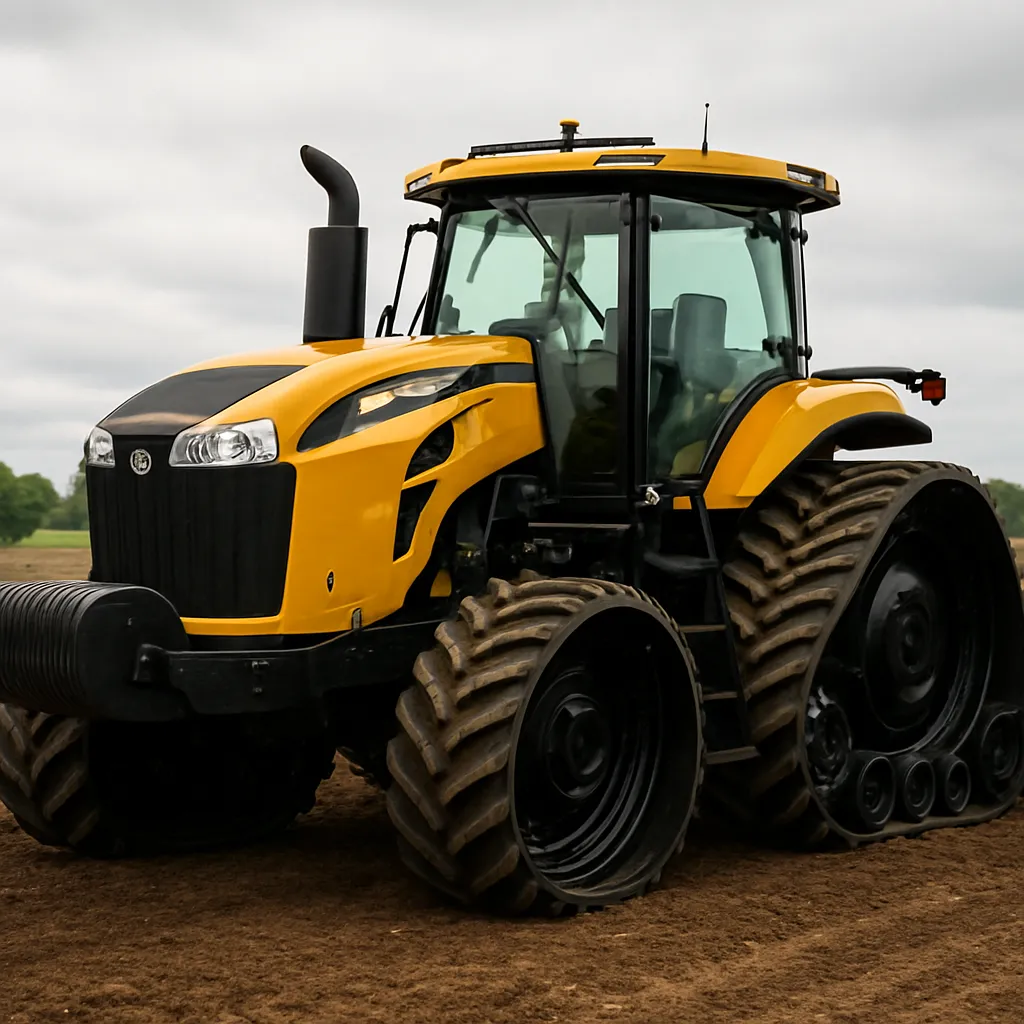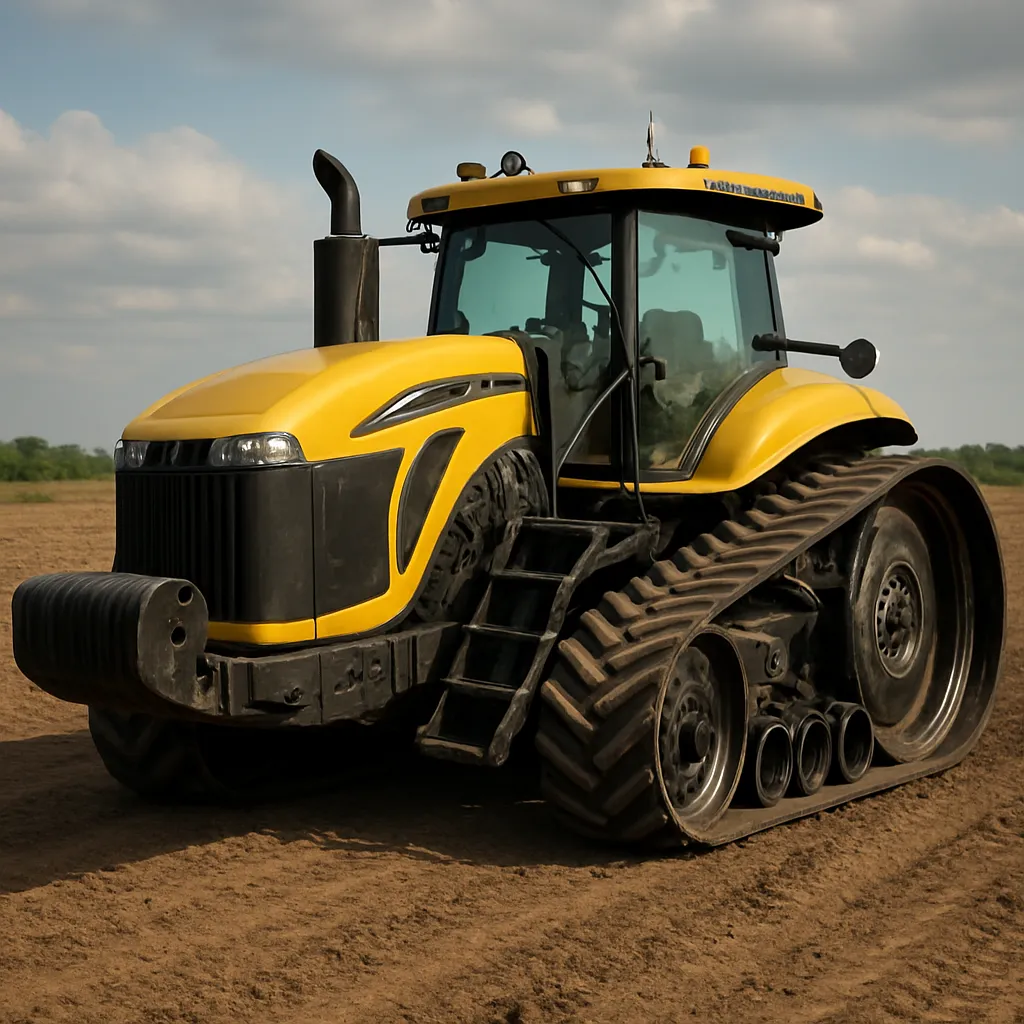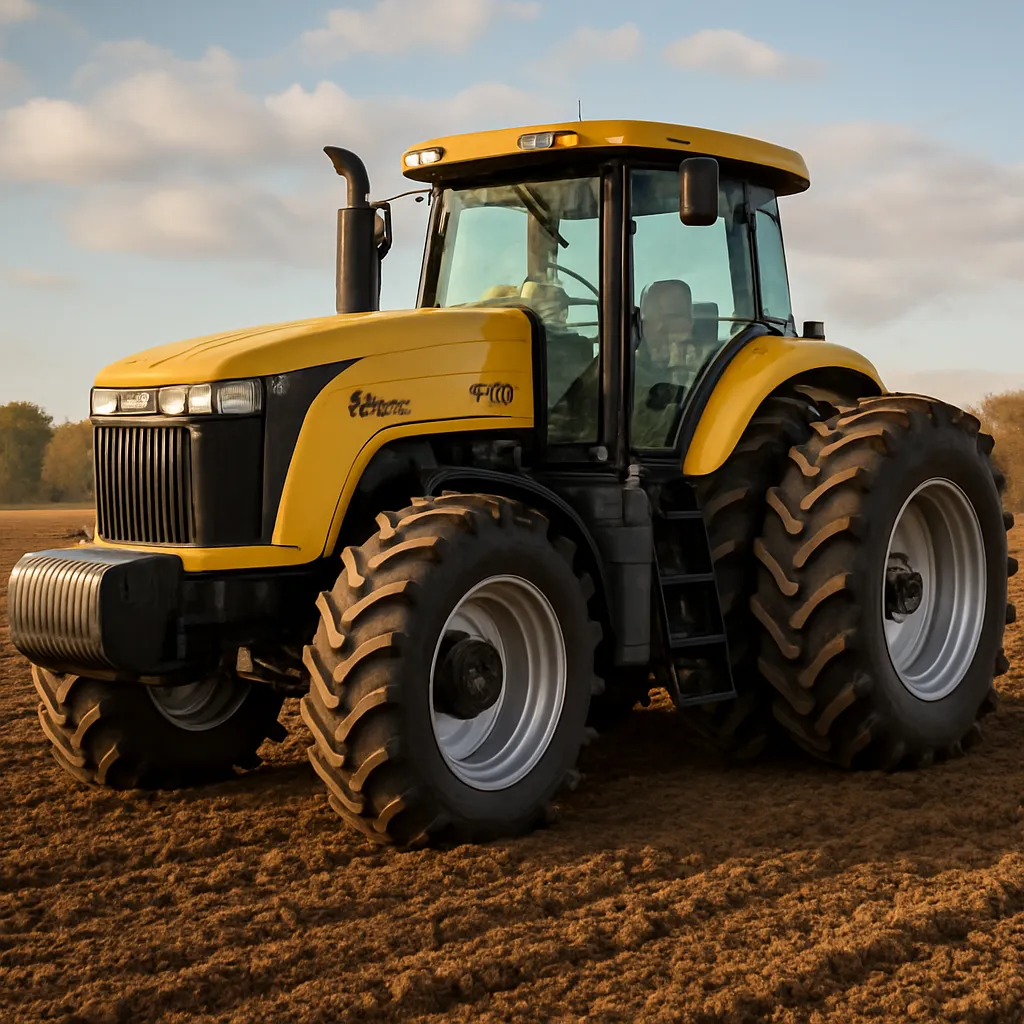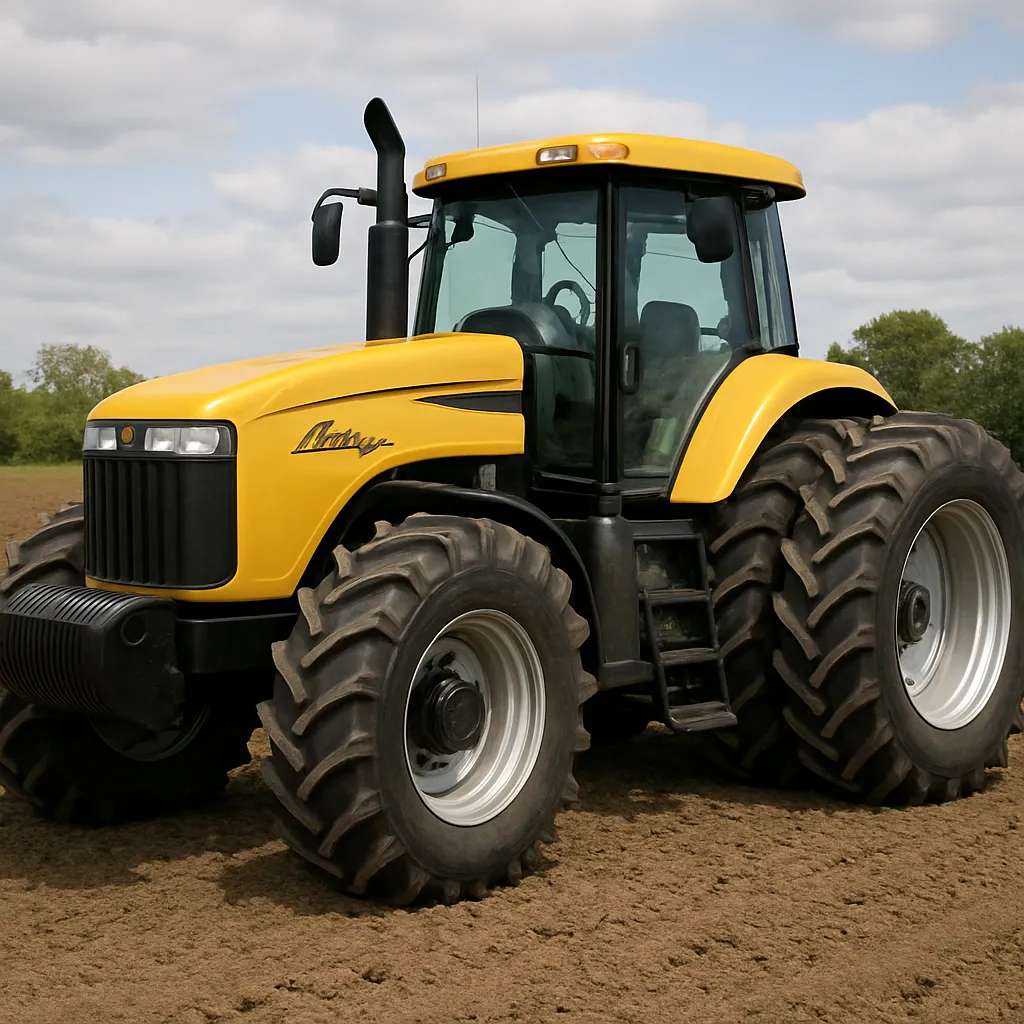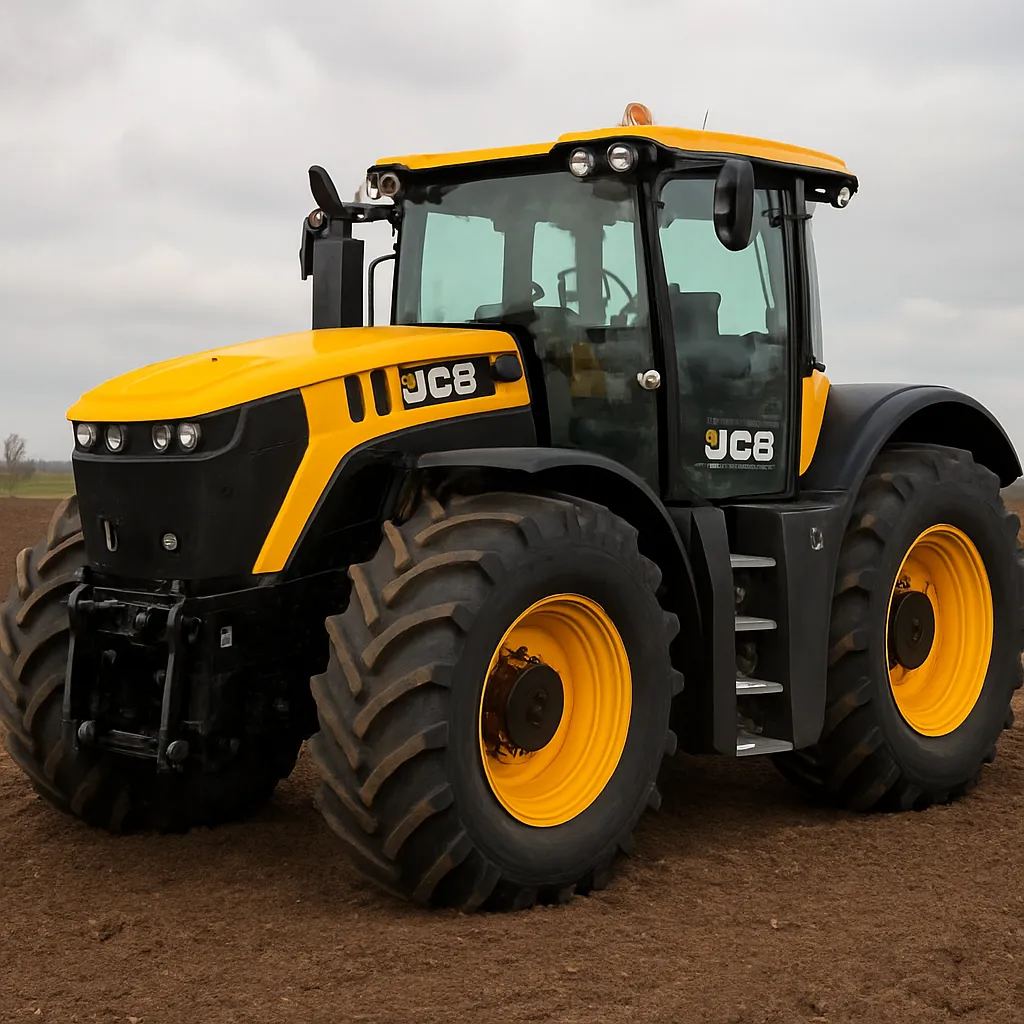
The JCB 8300 V1 is presented here as a representative example of a heavy-duty agricultural and utility tractor often associated with the JCB lineup. This article examines the machine’s likely features, typical applications, maintenance considerations, and market positioning. Where exact numeric data cannot be confirmed for a specific “8300 V1” badge, the text provides plausible ranges and comparisons based on JCB’s family of large tractors and equivalent industry models. The aim is to offer a practical, informative guide that helps operators, fleet managers, and equipment enthusiasts understand what a tractor of this class can deliver in real-world use.
Design and general overview
The JCB 8300 V1 can be characterized by a focus on a balance between field productivity, road travel capability, and operator comfort. As with many modern tractors from well-known manufacturers, design priorities typically include high torque delivery at low engine speeds, robust drivetrain components, efficient hydraulics, and a comfortable cab to support long working days.
- JCB ethos often emphasizes innovation, and tractors in the upper mid-range or heavy class reflect that through integrated systems for fuel efficiency and operator support.
- The “V1” suffix is commonly used in equipment model naming to denote a first version or a specific configuration; actual feature sets can therefore vary by market or year.
- Typical design elements include a reinforced chassis, heavy-duty three-point linkage, PTO options (540 / 1000 rpm), and a selection of front axle options for improved stability.
Typical technical specifications and performance
Exact factory specifications for a labeled JCB 8300 V1 may vary; below are realistic, conservative estimates based on comparable tractors in the same class. These should be taken as indicative ranges rather than definitive figures for a single serial-numbered machine.
Engine and powertrain
- Engine type: turbocharged diesel, common-customer options include emissions-compliant variants (Stage IIIA/IIIB/IV depending on market and production year).
- Power output: approximately 160 to 300 horsepower at the flywheel, depending on configuration and tuning.
- Torque characteristics: designed for high low-end torque to pull heavy implements and maintain steady speeds across varying loads.
- Transmission: options typically include synchronized mechanical, semi-powershift, or continuously variable transmission (CVT) in modern JCB tractors to deliver a wide range of working speeds and efficient road travel.
- Top road speed: many machines in this class can travel at speeds from 40 to 60 km/h when fitted with appropriate gearing—advantageous for farm-to-field transfers and contracting work.
Hydraulics, PTO and implement support
- Hydraulic flow: main hydraulic systems typically deliver between 90 and 200 liters per minute of flow, often with load-sensing pumps for efficiency.
- Auxiliary valves: multiple remotes (2–6) enable operation of complex implements such as seed drills, front loaders, and specialist attachments.
- PTO options: commonly available 540, 540E, and 1000 rpm PTO speeds, sometimes with electro-hydraulic engagement for operator convenience.
- Lift capacity: rear hitch lifting capacity in the range of 5,000–9,000 kg, allowing use of large tillage and planting implements.
Dimensions, weight and capacities
- Operating weight: likely between 6,000 and 10,000 kg, depending on configuration, ballast and cab options.
- Fuel capacity: tanks in this class often hold between 200 and 600 liters to support extended workdays without frequent refueling.
- Tyre and track options: wide range of tyre sizes, duals or triple-boggie options, and selectable front and rear axle widths to match soil and transport requirements.
Applications and common use cases
A tractor like the JCB 8300 V1 is built to serve multiple roles on modern farms and in contracting operations. Its combination of horsepower, hydraulic capacity and stability make it a versatile asset across seasons.
Primary agricultural tasks
- Tillage and primary cultivation: pulling large ploughs and cultivators during spring and fall field work.
- Seeding and planting: driving air seeders, planter units and drills—speed consistency and hydraulic control contribute to accurate seed placement.
- Spraying and fertiliser application: supporting mounted or trailed sprayers, often benefitting from high-capacity hydraulic systems to handle pumps and boom controls.
- Harvest support: towing grain carts, header trailers, or powering harvest-related machinery via PTO.
Other commercial and utility roles
- Transport and haulage: faster road speeds make machines of this type suitable for moving loads between fields and yards, or for contracted transport services.
- Loader work and material handling: when fitted with a front loader or telehandler-like attachment, capable of heavy pallet or feed handling.
- Specialist contracting: land reclamation, earthmoving with rear-mounted implements, and forestry attachments in some configurations.
Operator environment and controls
Comfort and ergonomic controls play a large role in productivity. JCB-style cab design generally focuses on reducing operator fatigue and increasing situational awareness through visibility and layout.
- Cab comfort: climate control, adjustable seating, and low interior noise levels contribute to prolonged operator endurance during long shifts.
- Control layout: intuitive joystick or lever controls for loader and implement management, plus centralized switches for hydraulic and PTO functions.
- Visibility: sloped bonnet design and large glazing areas are common to improve visibility to the front linkage and implements.
- Telematics and electronic aids: optional systems for remote diagnostics, GPS integration and ISOBUS compatibility for advanced implement control and precision farming.
Maintenance, reliability and lifecycle economics
Cost of ownership is a decisive factor for many purchasers. Tractors of the JCB 8300 V1’s caliber are engineered to balance initial purchase price with reliability and serviceability.
Routine maintenance points
- Engine oil and filter changes at manufacturer-specified intervals; use of high-quality lubricants recommended to preserve durability.
- Hydraulic fluid and filter servicing to maintain efficient implement response and avoid system contamination.
- Transmission service: gearboxes and final drives require periodic checks and selective oil changes to extend life under heavy load.
- PTO and linkage inspections to ensure safe and reliable implement attachment and operation.
Reliability and support
- Availability of parts: strong dealer networks reduce downtime—an important factor for contractors who cannot afford extended outages.
- Telematic diagnostics: modern units often include fault logging and remote support, speeding troubleshooting and minimizing repair time.
- Resale value: tractors from recognized brands tend to retain good second-hand value, especially when maintenance records are well-documented.
Safety, regulations and environmental considerations
Operators and fleet managers must adhere to local regulations regarding emissions, noise and on-road transport. The 8300 V1 class machines can commonly be equipped to meet different emissions stages depending on region and production year.
- Emissions: choices of after-treatment (DOC, DPF, SCR) reflect the model year and market-specific certification. These systems serve to reduce NOx and particulate emissions for cleaner operation.
- Operator safety: ROPS and FOPS-compliant cabs, seatbelt reminders, and comprehensive lighting packages for night work are typically offered.
- Fuel efficiency: integrated engine management and optional precision farming systems reduce fuel consumption by optimizing field paths and implement control.
Comparisons and market positioning
Within its class, a tractor labelled 8300 V1 competes with mid-to-high-power tractors from other major manufacturers. The distinguishing features are often the balance of comfort, hydraulics, transmission options, and dealer support.
- Strengths: modern ergonomics, potential for higher road speeds, and flexible hydraulic and PTO configurations make this machine well-suited for mixed farming and contracting roles.
- Considerations: some competitors may offer higher maximum horsepower or specialized transmissions as standard—purchase decisions depend on required feature sets and total cost of ownership.
- Value proposition: for customers prioritizing a blend of field performance and on-road mobility, tractors like the 8300 V1 can offer compelling utility.
Buying advice and what to check on used machines
When considering a purchase—new or used—attention to certain details will help avoid unexpected costs and ensure the machine matches operational needs.
- Service history: verify regular maintenance, especially engine, transmission and hydraulic services.
- Hours and load profile: engine hours alone don’t tell the whole story—ask about typical usage (heavy draft work vs. light transport).
- Inspection points: check for oil leaks, play in steering and final drive components, PTO wear, and overall structural integrity.
- Attachments and options: ensure any included implements or loader packages have matching capacity and no hidden wear issues.
- Warranty and support: evaluate dealer service levels and availability of replacement parts in your region.
Real-world operational tips
- Match tyres and ballast to the task: correct tyre selection and correct ballast reduce slippage and improve fuel economy while protecting soil structure.
- Use economy PTO/engine modes where possible: many operations benefit from electronic modes that maintain task performance while reducing fuel use.
- Monitor hydraulic settings: tune flow rates and pressure to the implement requirements to avoid wasted power and overheating.
- Training: invest in operator training to exploit the tractor’s features safely and efficiently—well-trained drivers extend component life and productivity.
Interesting technical and historical notes
JCB has a history of pushing engineering boundaries, from compact machines to large agricultural units. Tractors in the 8000 series or similarly numbered families often reflect a crossover philosophy—bridging the gap between rigid-field tractors and higher-speed utility machines.
- High-speed capability: one distinguishing trait of some JCB tractors is the focus on higher transport speeds to increase efficiency when moving between jobs.
- Integration of telematics: modern tractors frequently ship with remote monitoring systems—helpful for fleet management and predictive maintenance.
- Modular configurations: manufacturers often build tractors with modular options, so an 8300 V1 might be available with different cab packages, transmissions, or electronic systems depending on buyer needs.
Statistical notes and performance expectations
While I cannot confirm factory statistics for a specific 8300 V1 unit without documentation, the following figures are reasonable expectations for a tractor in its class and should be validated against manufacturer literature or dealer data prior to purchase:
- Engine output: roughly 160–300 hp (120–225 kW).
- Fuel tank: typically 200–600 liters depending on range and engine; a larger tank is common on machines aimed at long working days.
- Hydraulic flow: 90–200 L/min for implement and steering demands.
- Lift capacity: 5,000–9,000 kg at the rear linkage, allowing for heavy mounted implements.
- Operating weight: 6–10 tonnes, depending on ballast and cab fittings.
Summary
The JCB 8300 V1, as represented here, stands as a capable, versatile tractor for commercial farming and contracting, offering a combination of power, hydraulics and on-road speed that suit a wide range of tasks. Attention to maintenance, correct configuration for intended tasks, and dealer support are key to maximizing return on investment and ensuring the machine serves effectively across seasons.