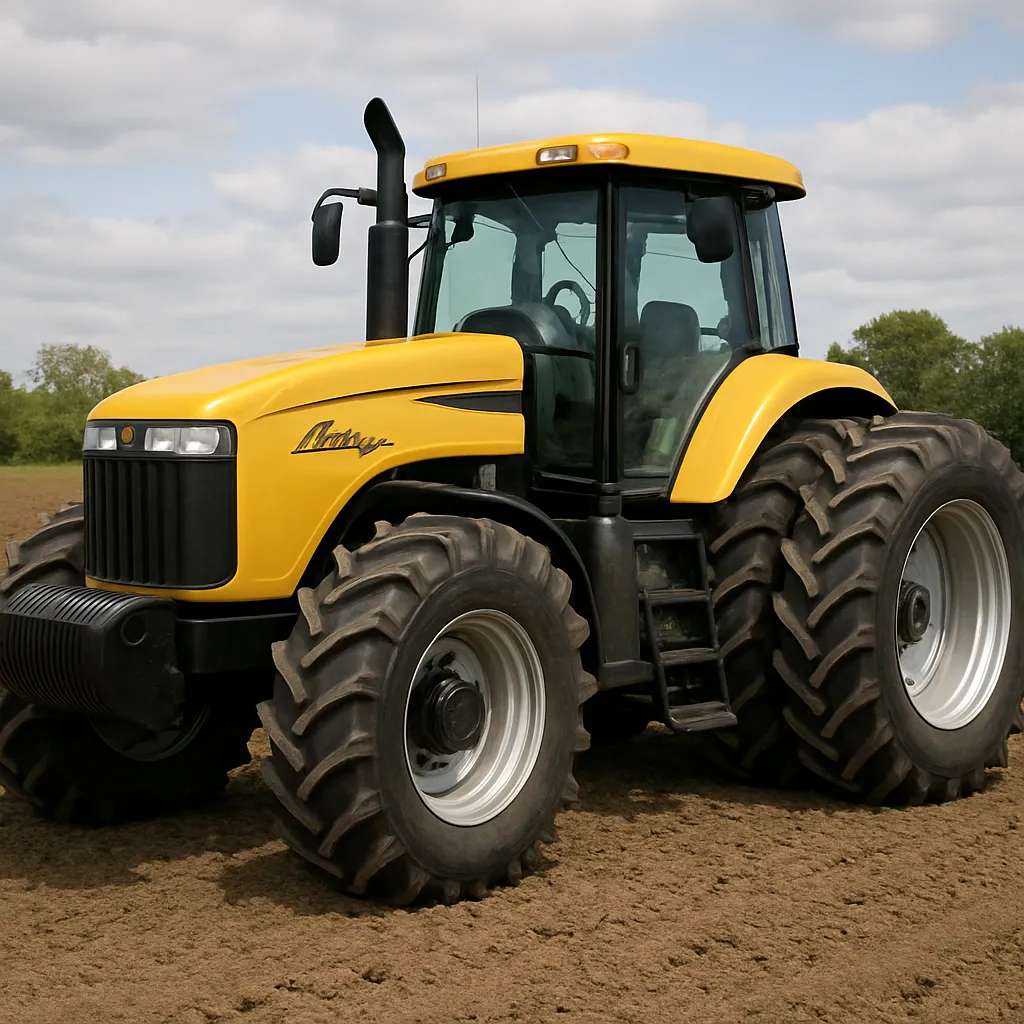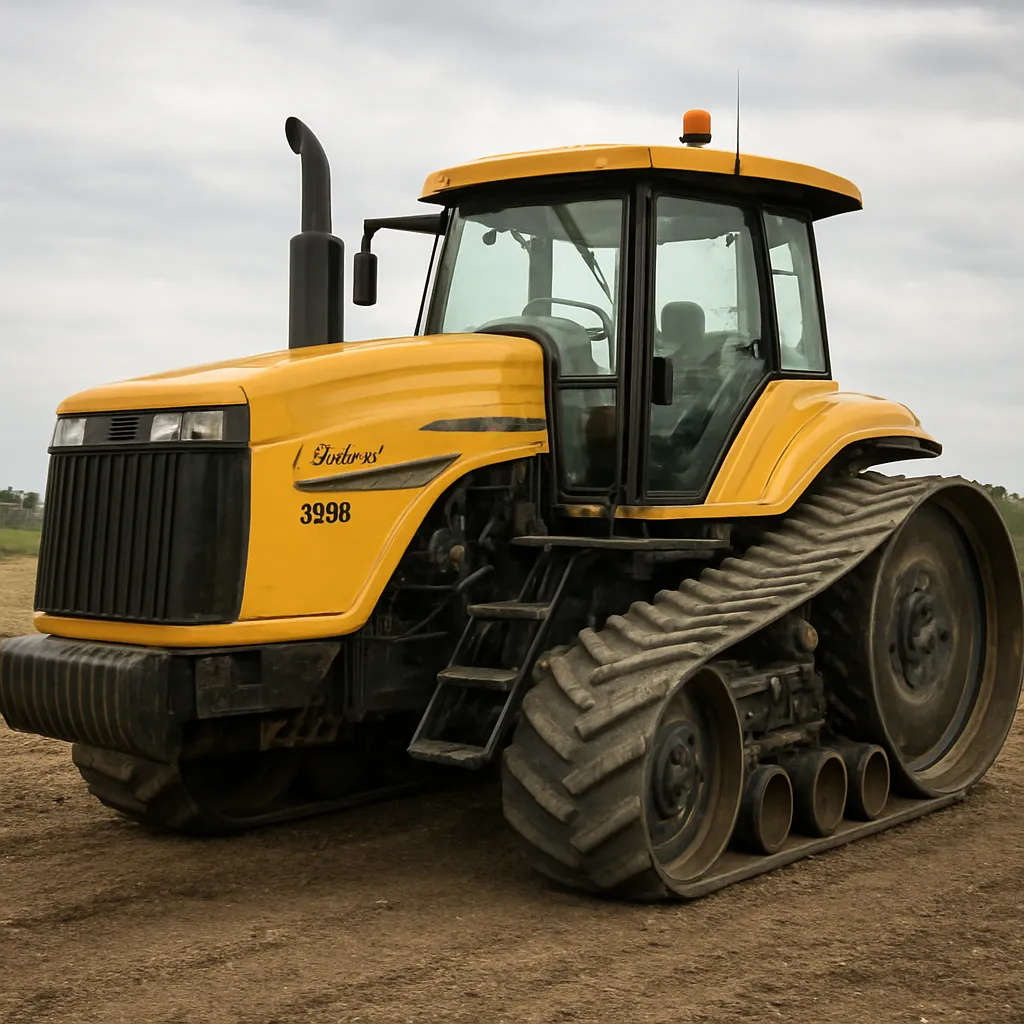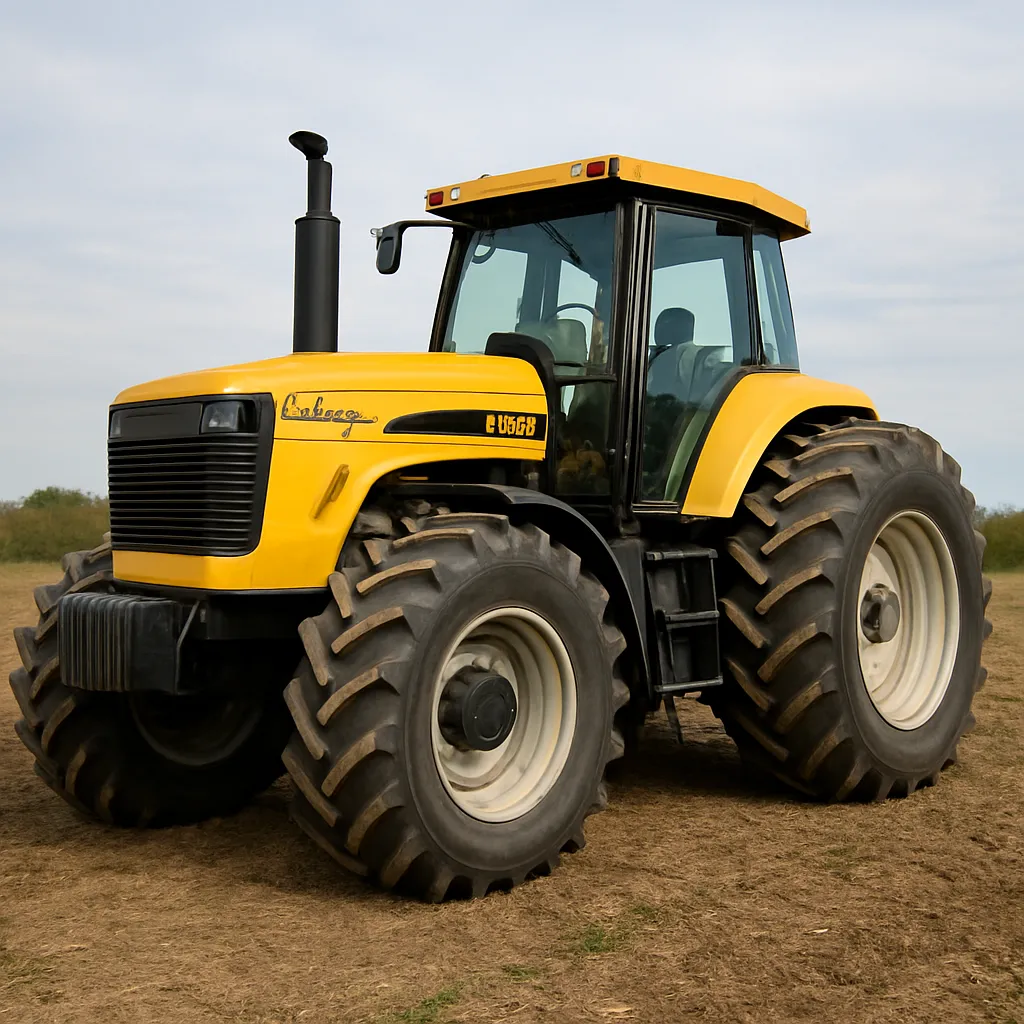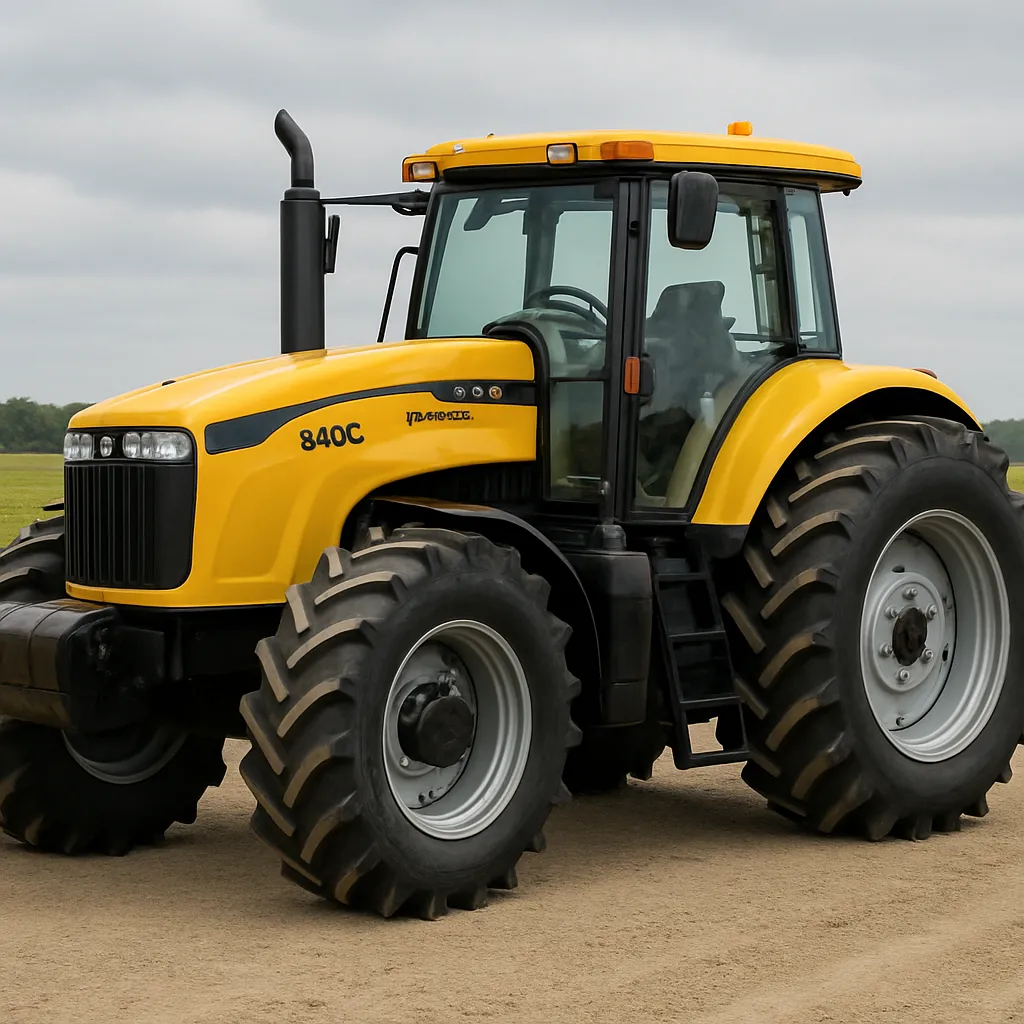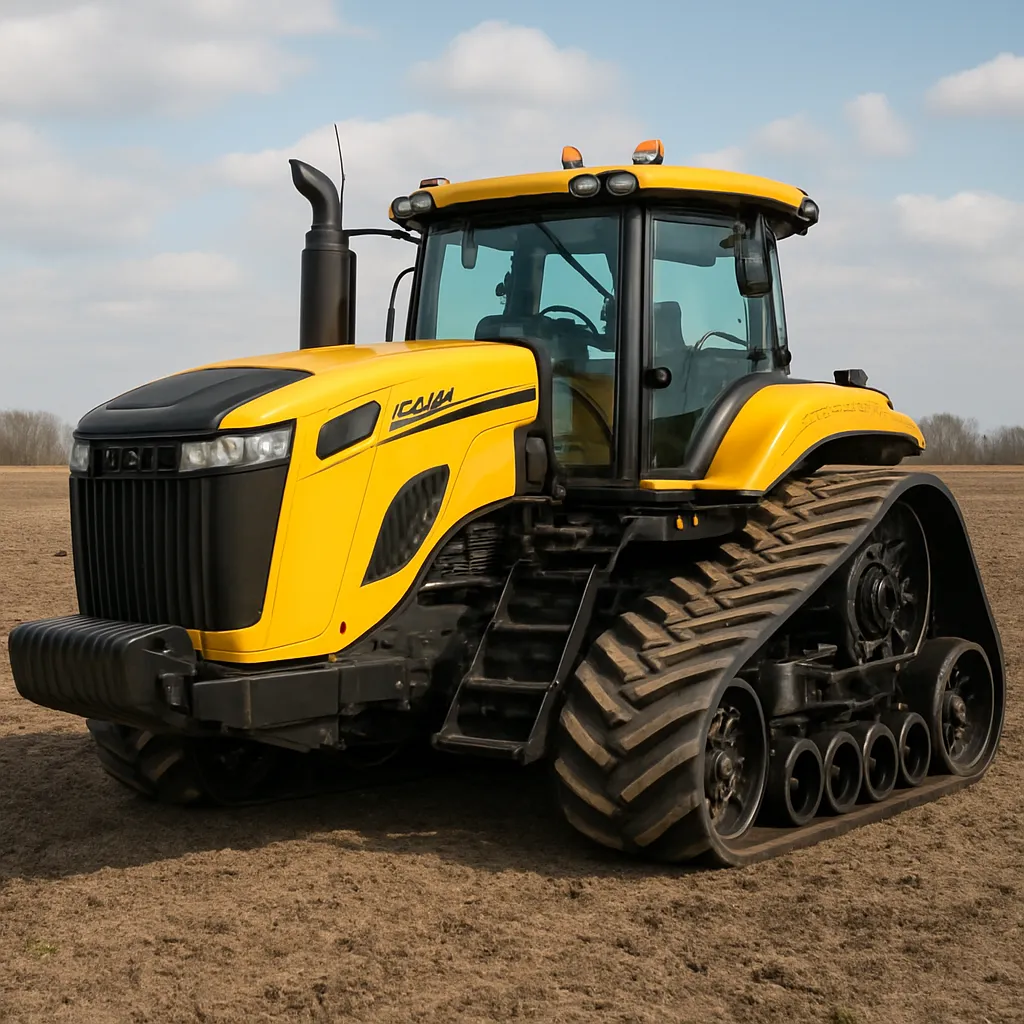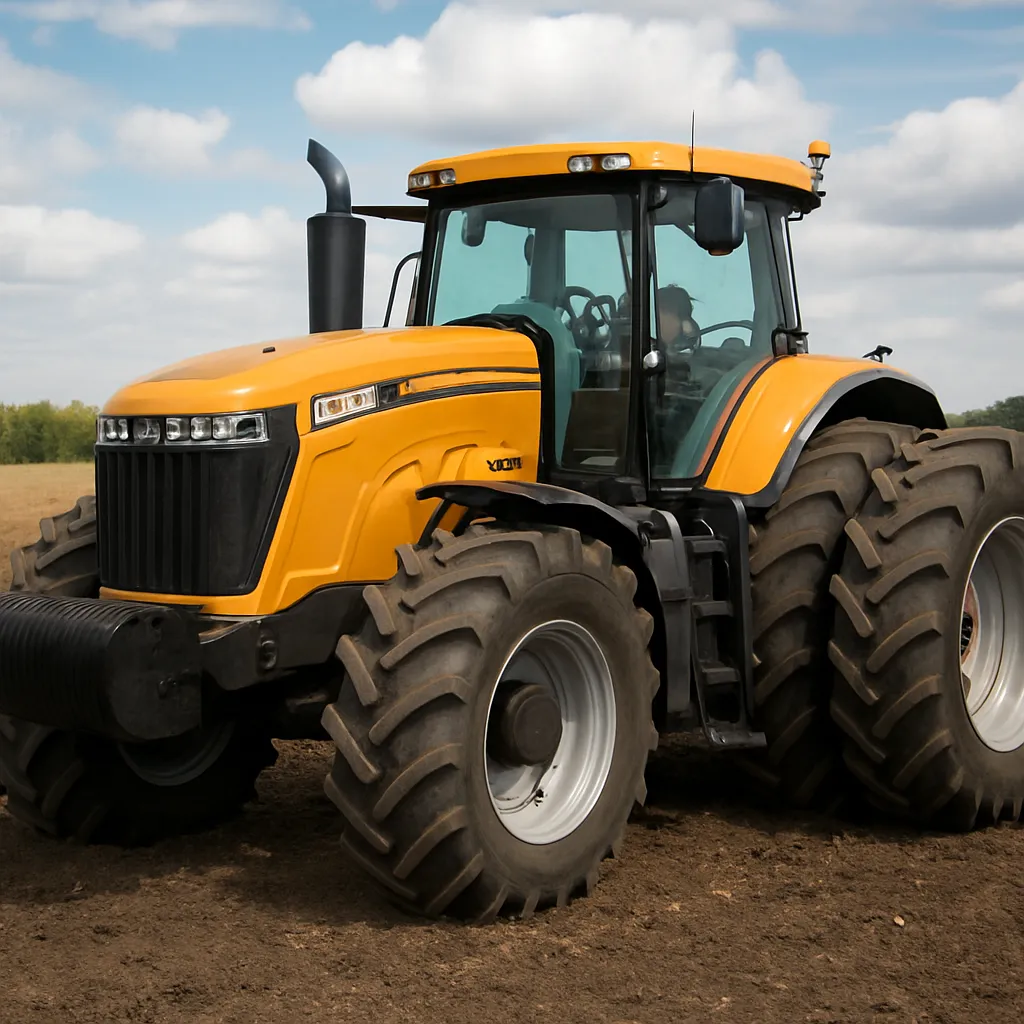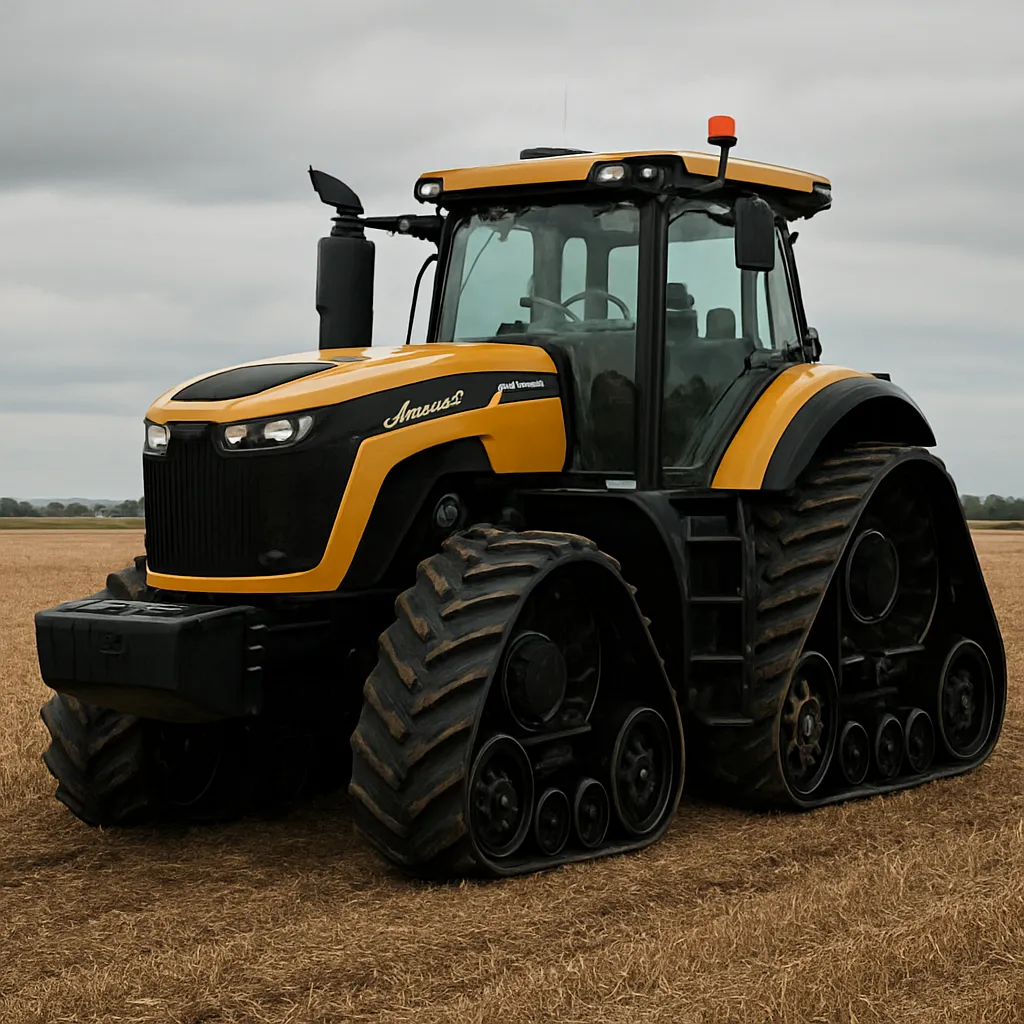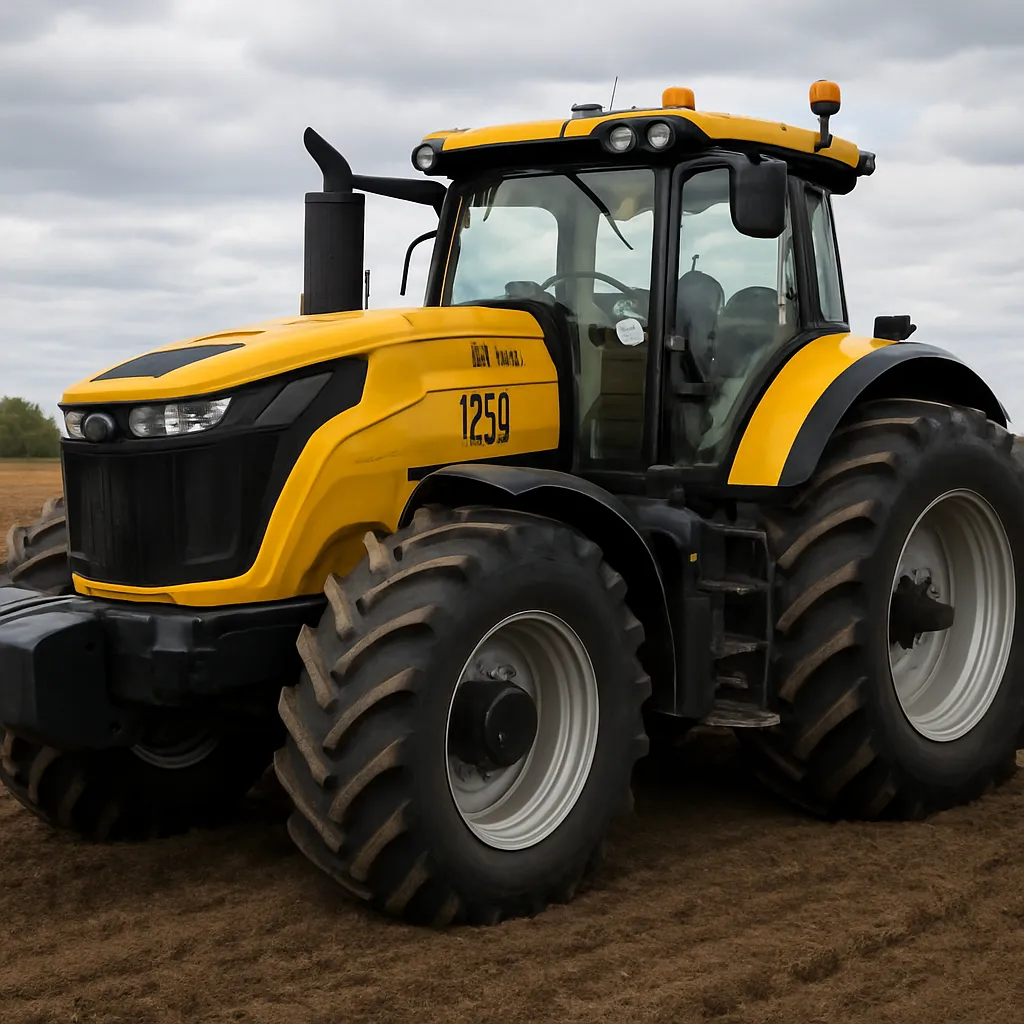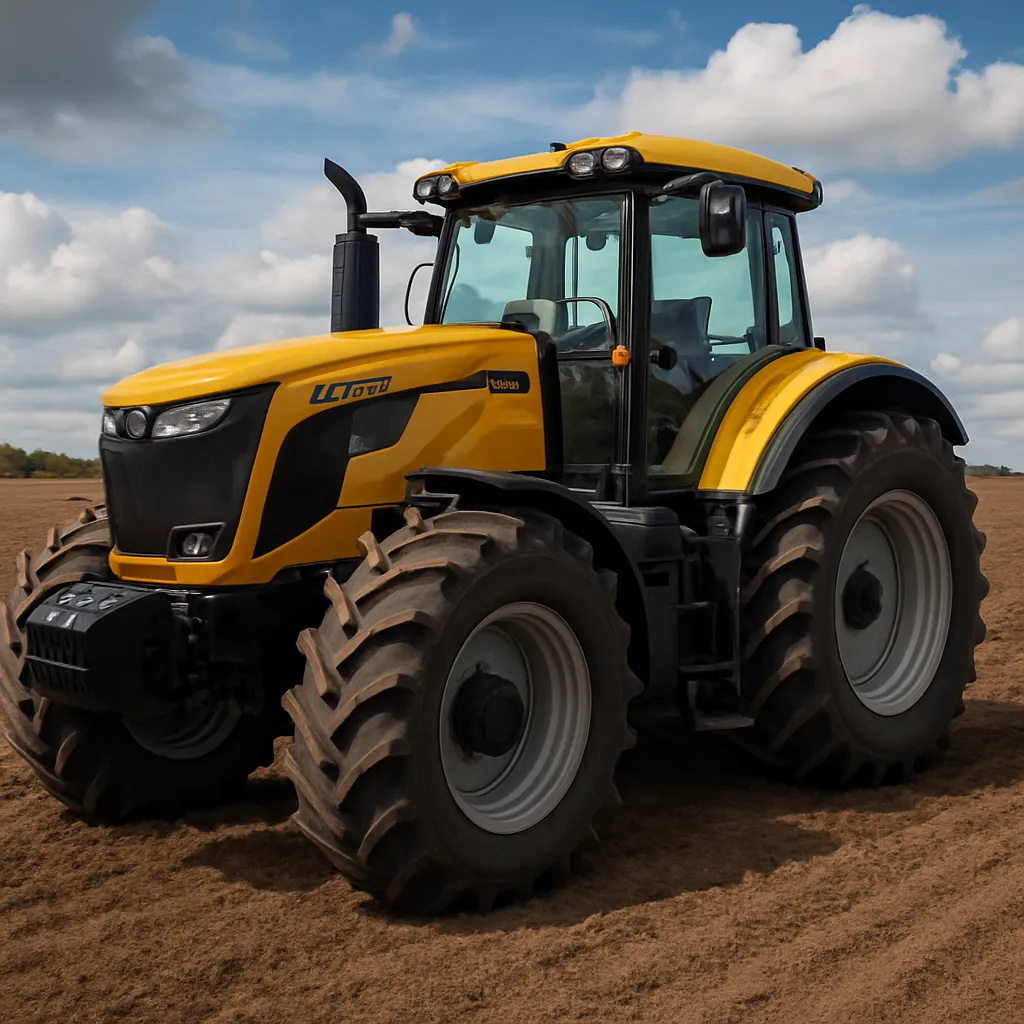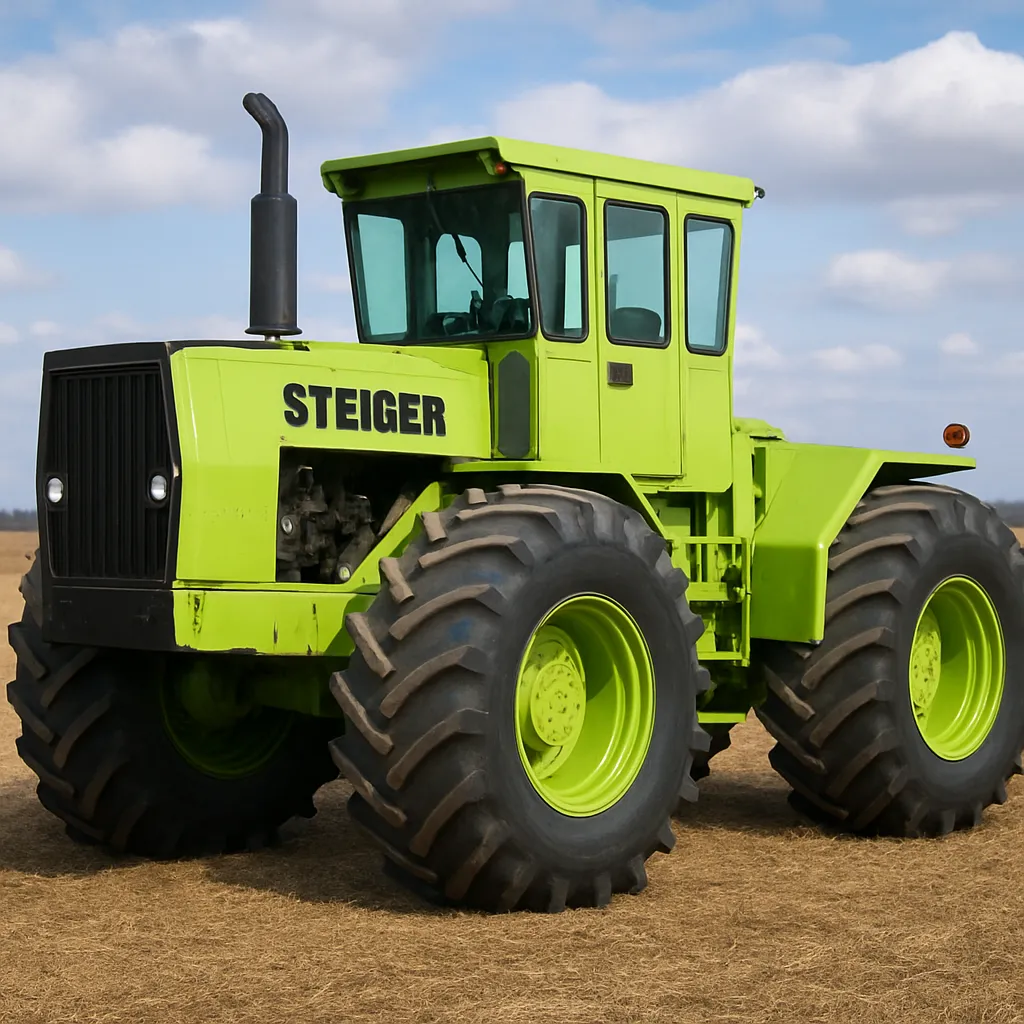
The Steiger Cougar KR-1280 represents a class of heavy-duty agricultural tractors designed for demanding field work, large-scale farming operations, and specialized tasks that require exceptional power, traction, and durability. In this article you will find an overview of the model’s intended applications, its technical and operational characteristics (where publicly available or typical for machines in this class), maintenance and safety considerations, and comparative notes that help place the KR-1280 among its peers in the modern agricultural machinery market.
Design philosophy and key features
The Steiger Cougar KR-1280 is engineered around the needs of high-acreage producers and contractors who run wide implements and perform continuous, heavy-duty tasks. The design prioritizes four core principles: reliability, efficiency, operator comfort, and modularity for multiple attachments.
Articulated chassis and traction
Like many tractors in the Steiger lineage, the KR-1280 typically adopts an articulated or heavy-frame design that optimizes wheel load distribution and steering performance. The articulation (or robust chassis in non-articulated variants) improves maneuverability for a tractor of this size, while optional dual wheels or tracks increase ground contact to minimize compaction and maximize tractive effort. This combination makes the KR-1280 particularly adept at pulling large ploughs, deep rippers, and seedbed preparation tools over variable soil conditions.
Powertrain and transmission
The machine is powered by a high-displacement turbocharged diesel engine designed to deliver continuous torque at low engine speeds—a characteristic that supports fuel-efficient hauling and towing. Transmission options commonly found in this class include multi-range powershift gearboxes and continuously variable transmissions (CVT), both providing smooth speed control and the ability to maintain optimal engine rpm under heavy load. Advanced models often include automated shift management and multiple drive modes to match field conditions.
Hydraulics and PTO
High-flow hydraulic systems and multiple spool valves are standard to operate large implements and hydraulic motors. PTO (power take-off) systems are designed to meet the needs of large rotary mowers, balers, and mounted seeders, frequently offering a 1000 rpm PTO option for high-power attachments. Hydraulic flow rates and hitch lift capacities are scaled for large implements—this class typically supports lift capacities that allow the use of multi-row planters and heavy tillage equipment.
Primary applications and field uses
The Steiger Cougar KR-1280 is targeted at large-scale and industrial applications where tool width, penetration, and continuous power output matter most. Below are the most common uses:
- Tillage and primary soil cultivation: Heavy mouldboard ploughs, large disc harrows, and deep subsoilers can be pulled efficiently due to the tractor’s high tractive effort and stable weight distribution.
- Seeding and planting: When paired with wide planters and air seeders, the KR-1280 supports high-acreage planting windows, enabling growers to cover large areas rapidly while maintaining even seeding depth and placement.
- Seeding and fertilizer application: High-capacity fertilizer spreaders, NH3 applicators, and variable-rate systems are easily supported by the tractor’s hydraulic and electrical outputs.
- Baling and forage: In the forage enterprise, the tractor can tow large balers, mowers, and rakes; its PTO capacity supports high-demand implements.
- Transport and heavy haul: On-farm transport of bulk goods, heavy trailers, and equipment movement benefit from the KR-1280’s draft capacity and braking systems.
- Specialty tasks: Depending on configuration, this tractor can be adapted for forestry work, road maintenance, and even industrial towing roles where agricultural tractors are used as power platforms.
Technical specifications — typical figures and operational metrics
Exact specifications for the KR-1280 can vary by year, market, emissions configuration, and optional equipment. The numbers below reflect typical values for tractors in the high-horsepower Steiger Cougar category and are given as realistic reference points rather than definitive manufacturer data.
- Rated engine power: commonly in the range of 300–420 horsepower (roughly 220–312 kW). This range supports both heavy draft work and high-implement demand at operating speed.
- Maximum torque: designed to peak at low engine speeds to preserve fuel efficiency and traction—typical torque figures might range from 1300 to 2000 Nm, depending on engine tuning and displacement.
- Fuel consumption: dependent on load; field-average consumption can range from approximately 15 to 35 liters per hour. Light transport or economy modes reduce consumption, while deep tillage near full load approaches the upper end of the range.
- PTO output: 540/1000 rpm options are commonly offered, with full power available at working engine speeds in the upper range of rated power.
- Hydraulic flow: standard high-flow systems provide 120–220 liters per minute for multiple functions and implement needs; auxiliary pumps may be fitted for specialty equipment.
- Lift capacity: rear hitch lift capacities in this category often exceed 8,000–11,000 kg (measured at the lift arms), enabling the use of heavy-mounted implements.
- Weight: operating weight can range from 9,000 to 14,000 kg, depending on wheels, ballast, and optional equipment like tracks or cab packages.
- Transmission options: powershift (16-24 speeds), power-shuttle, or CVT variants—each providing smooth load management for field efficiency.
Field performance metrics
When evaluating how quickly a KR-1280-class tractor can cover acreage, two metrics matter: implement width and working speed. With wide implements (8–12 meters or more) and average effective ground speeds of 6–8 km/h in tillage or seeding operations, daily achievable area can exceed 100 hectares under optimal conditions. Productivity varies by soil type, operator expertise, and implement capability.
Cabin ergonomics and operator support systems
Modern tractors in this class emphasize operator productivity through ergonomics and integrated technology. The Cougar KR-1280 offers features that reduce fatigue and improve precision:
- Cab comfort: climate-controlled, suspended seats, low-noise environments, and high-visibility glazing allow long shifts with reduced fatigue.
- Controls and automation: programmable joystick controls, multi-function displays, and automated engine/transmission logic manage load and speed to optimize fuel use.
- Precision agriculture: optional GPS guidance, section control, variable-rate application interfaces, and telematics support provide higher input efficiency and data-driven farm management.
- Sound and vibration dampening: advanced vibration isolation of the engine and cab improves comfort during extended high-load operations.
Maintenance, reliability, and lifecycle considerations
For large-tractors like the KR-1280, total lifecycle cost is as important as purchase price. These machines are built to withstand continuous use but require disciplined maintenance and operation management to achieve low cost-per-acre performance.
Service intervals and routine checks
- Regular oil and filter changes at manufacturer-specified intervals—often every 250–500 hours—are critical for engine longevity.
- Hydraulic and transmission fluid checks, plus periodic replacement, ensure consistent implement performance under pressure.
- Cooling system inspections and radiator cleaning are essential in dusty or high-residue conditions to prevent overheating and maintain efficiency.
- Track or tire inspections—especially for machines running large radial tires or tracks—prevent downtime due to punctures, wear, or misalignment.
Reliability features
Robust components, heavy-duty axles, and serviceable modular assemblies reduce downtime. Telemetry and diagnostic tools increasingly come standard and can transmit fault codes remotely—helpful for preemptive maintenance scheduling and faster repair turnaround.
Safety and regulatory aspects
Operating a high-horsepower tractor like the Cougar KR-1280 requires adherence to safety best practices and local regulations. Safety features typically include rollover protection, improved braking systems for heavy tows, and automatic engine shutdowns in critical fault conditions. Operator training for hitching, load balancing, and road transport is essential to minimize accidents. Emissions equipment (DPF, SCR) is usually fitted in contemporary models to meet regional standards, affecting maintenance practices (e.g., diesel particulate filter regeneration procedures).
Economic considerations and return on investment
Purchasing a high-capacity tractor is a capital-intensive decision. Farmers and contractors evaluate ROI through productivity gains, labor reduction, and the ability to complete time-critical operations within optimal weather windows. Key factors affecting ROI include:
- Implement compatibility: a large tractor makes sense when matched with equally capable implements; under-sizing the implement reduces utilization.
- Fuel efficiency and operational cost: technology that reduces fuel use per hectare improves economic performance over the long term.
- Resale value and brand support: strong dealer networks, warranty programs, and proven reliability improve lifecycle economics.
- Precision agriculture integration: better input management—achieved via GPS and variable-rate technology—lowers seed, fertilizer, and chemical costs, improving margins.
Comparisons and market positioning
The KR-1280 stands in a competitive segment populated by global manufacturers offering tractors with similar capacities. When comparing machines, operators should consider:
- Service network and parts availability: rapid access to replacement parts lowers downtime during busy seasons.
- Customization and options: availability of track systems, different cab levels, and multiple transmission choices can be decisive depending on operation type.
- Technology platforms: ease of integrating third-party precision agriculture systems and telematics for fleet management.
Environmental and sustainability perspectives
Large tractors can be configured to support sustainability goals through reduced passes (wider implements mean fewer passes), precision application of inputs, and improved fuel efficiency per hectare. Additionally, newer engines conform to stringent emissions regulations and are engineered to minimize nitrogen oxides and particulate matter through after-treatment technologies.
Practical tips for prospective buyers and operators
- Match tractor horsepower to implement requirements rather than choosing the highest available power—oversized tractors may be less efficient in specific tasks.
- Consider total cost of ownership, including expected maintenance, fuel, and insurance costs, not just acquisition price.
- Test-drive under realistic field conditions and with the implements you intend to use to assess real-world performance.
- Invest in operator training to fully exploit automation and precision features; properly configured systems reduce overlap and input waste.
- Maintain a service log and use telematics where possible to identify trends in consumption or fault patterns before they become critical issues.
Summary
The Steiger Cougar KR-1280 is a representative of the modern, high-capacity tractor designed for extensive agricultural operations and demanding implement work. It blends high power, advanced hydraulics, robust traction, and operator-focused technology to deliver productivity at scale. While the specific specifications vary by configuration and market, the tractor class offers the capabilities required for heavy tillage, wide seeding operations, and high-demand PTO and hydraulic tasks. Successful deployment of a KR-1280-class machine depends on appropriate implement selection, disciplined maintenance, and effective use of modern precision and telematics systems to maximize both operational and economic returns.