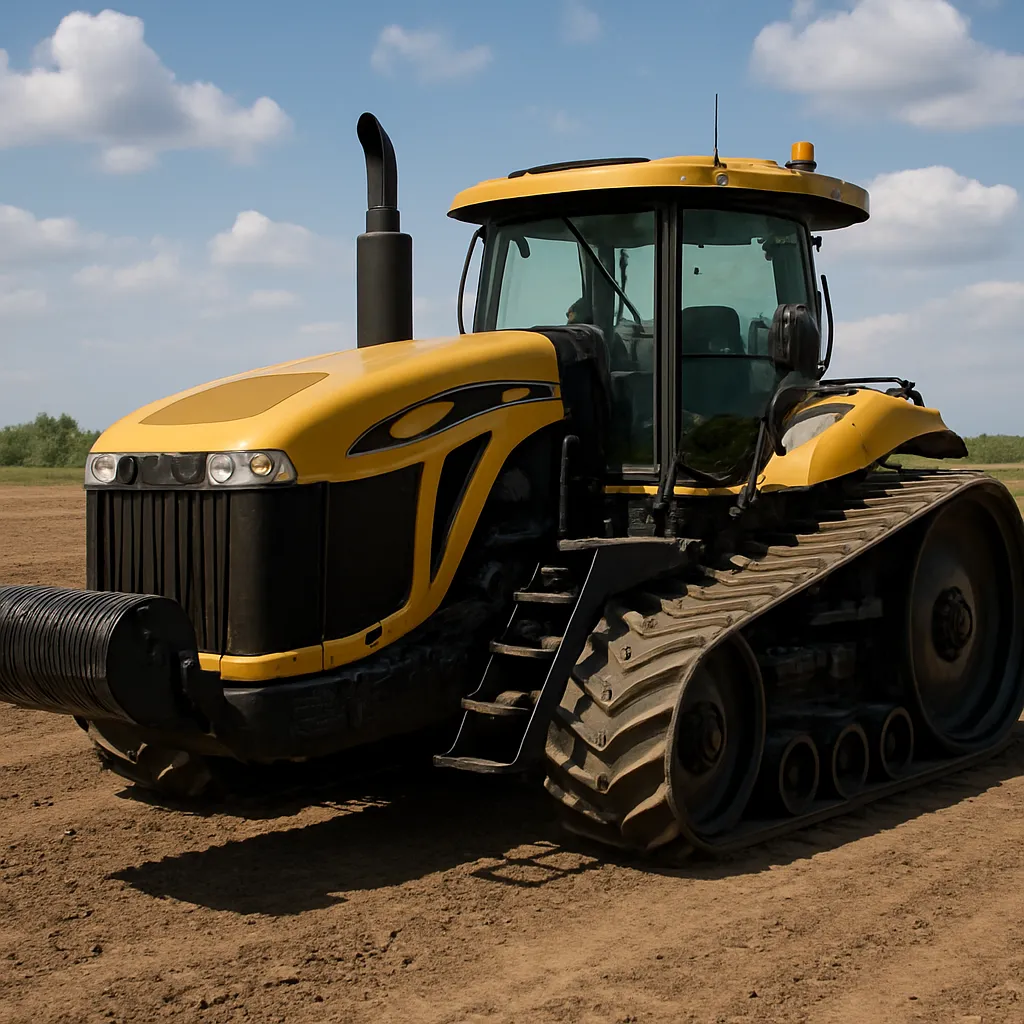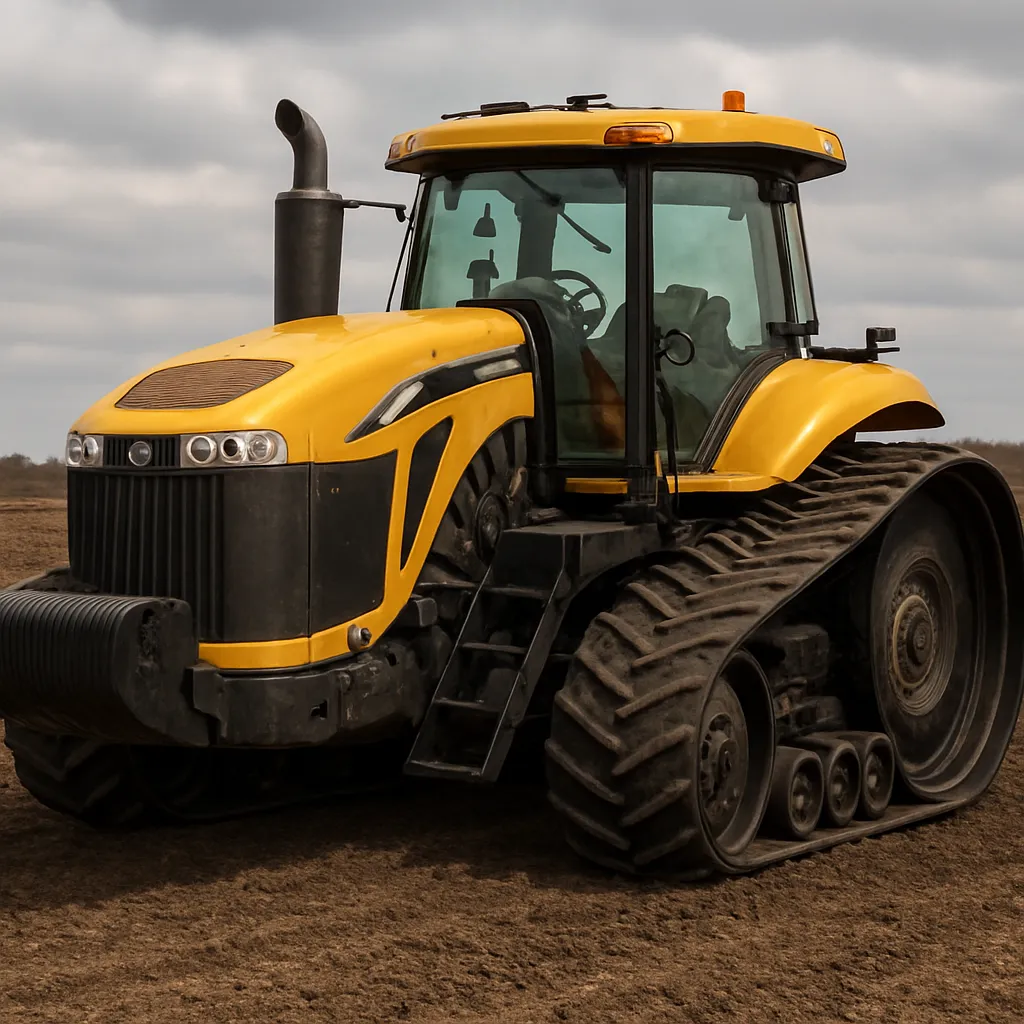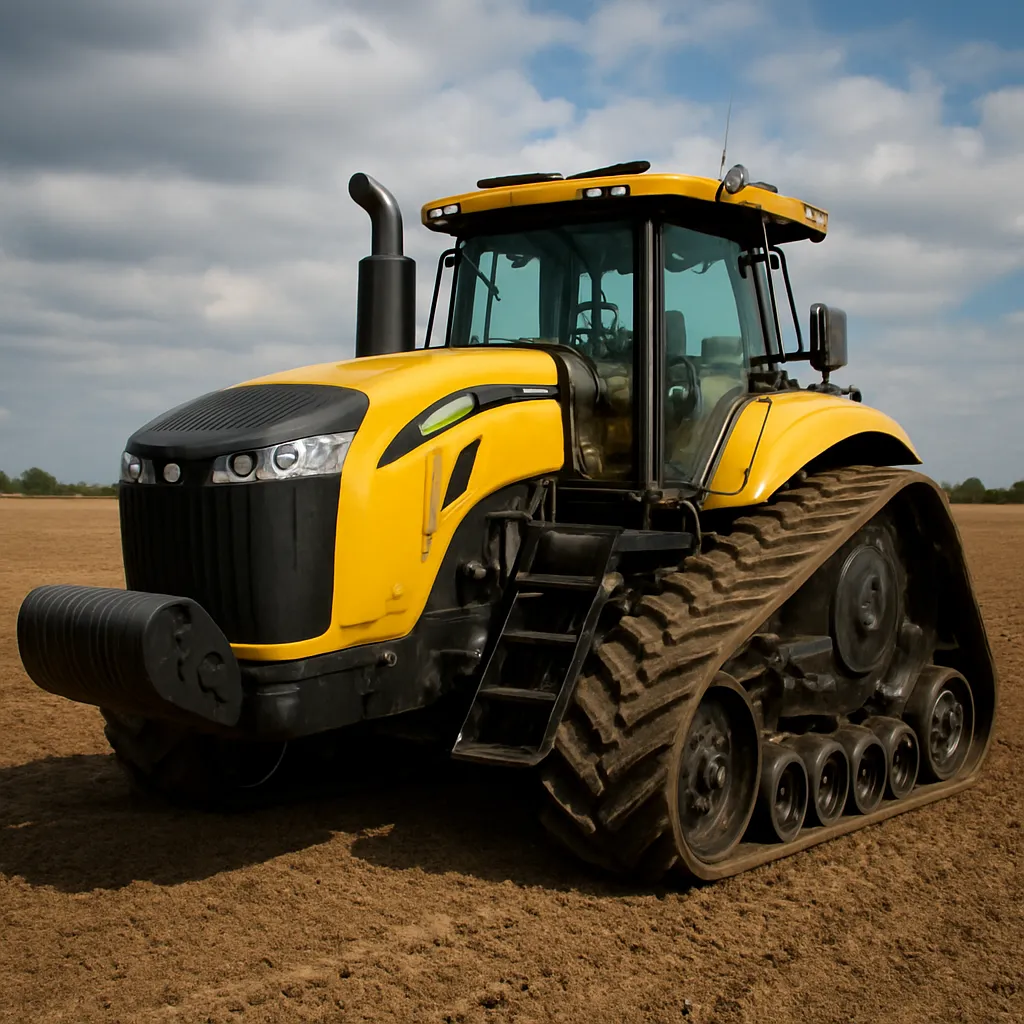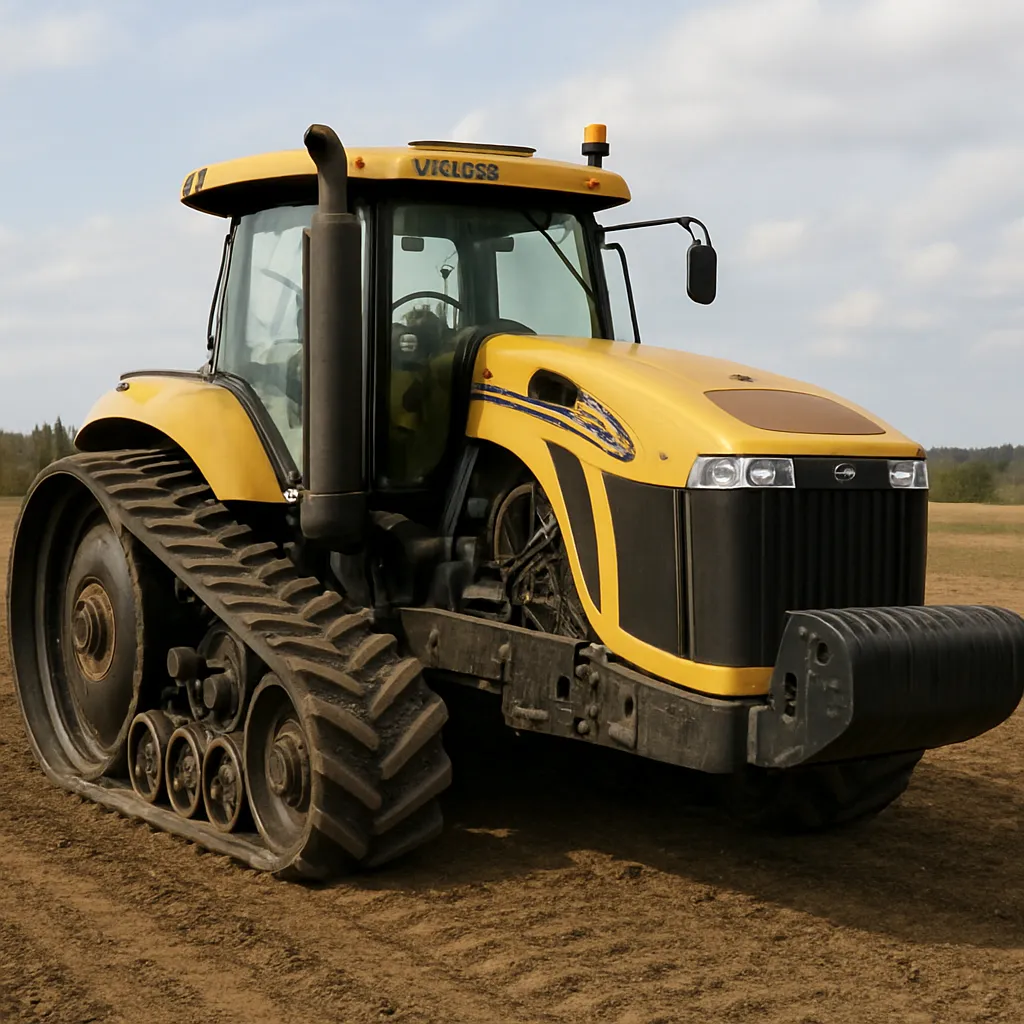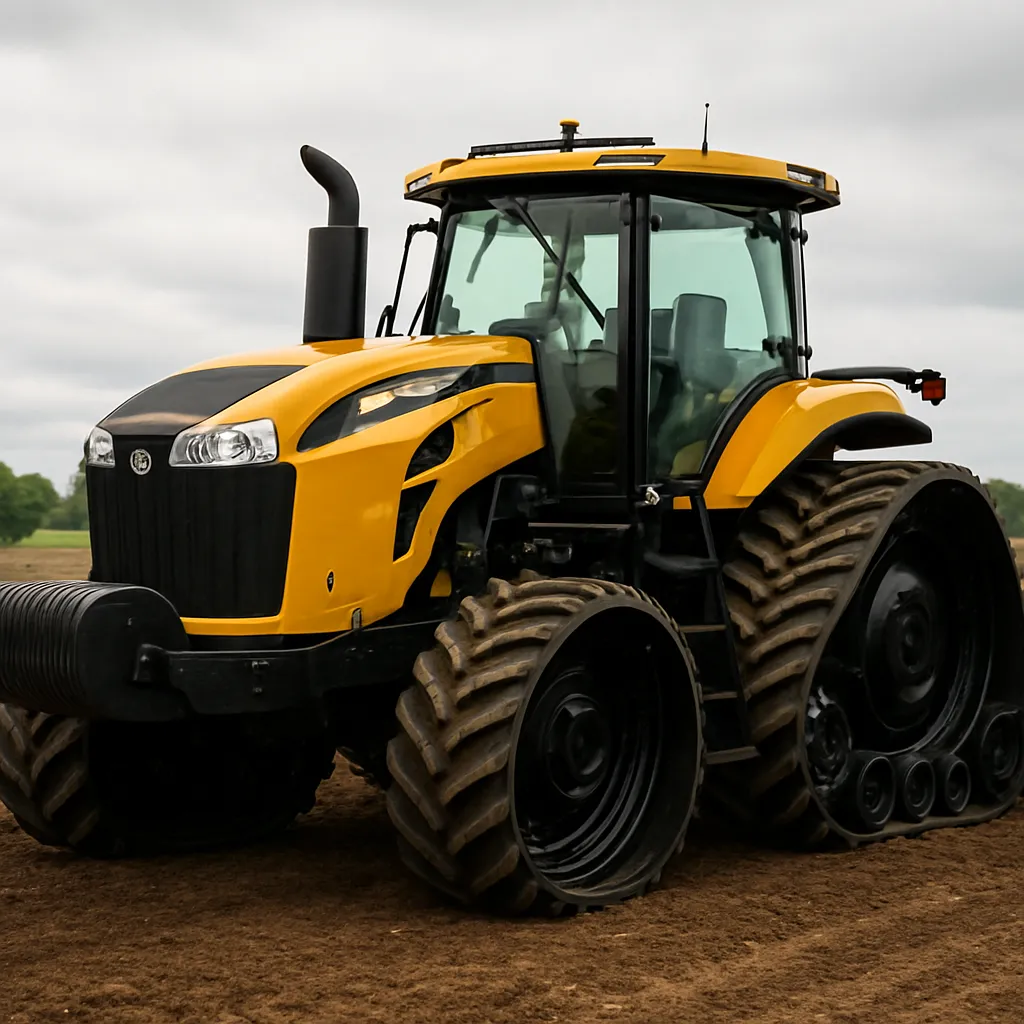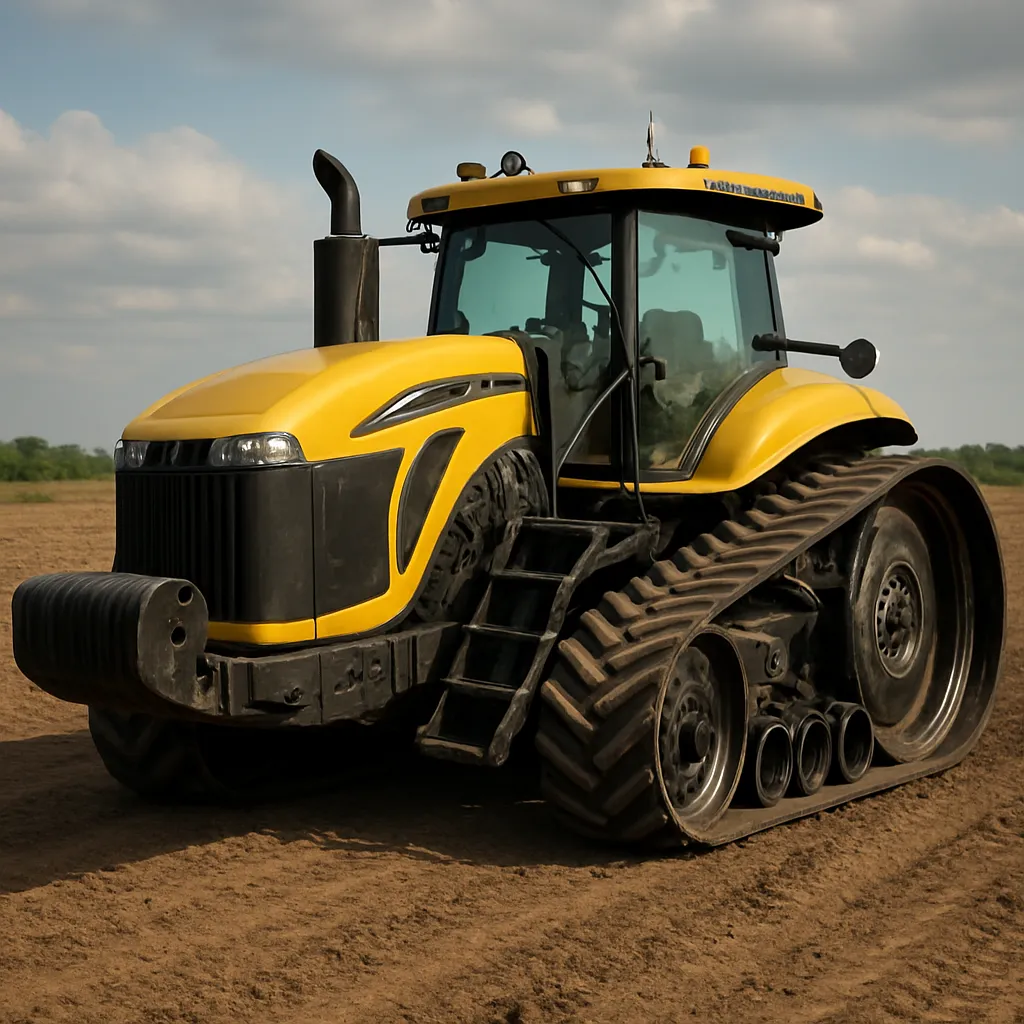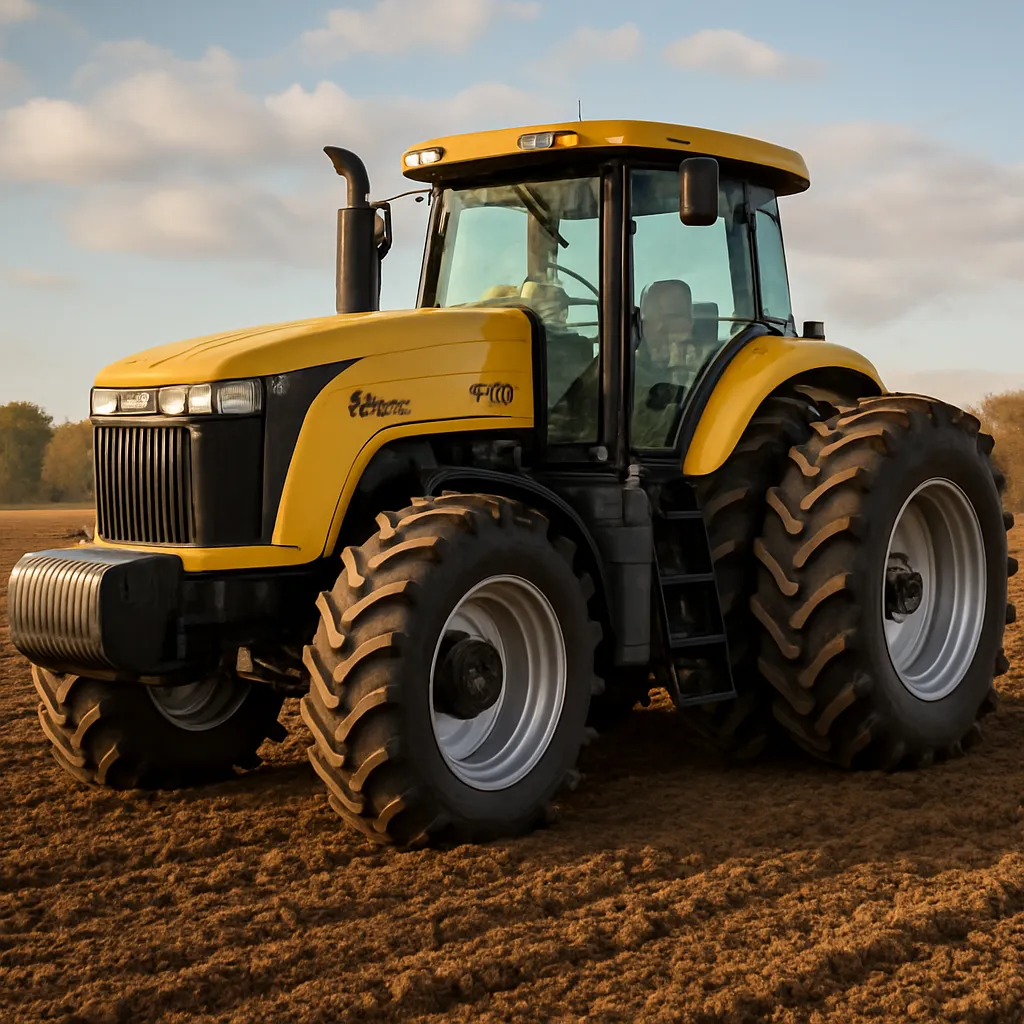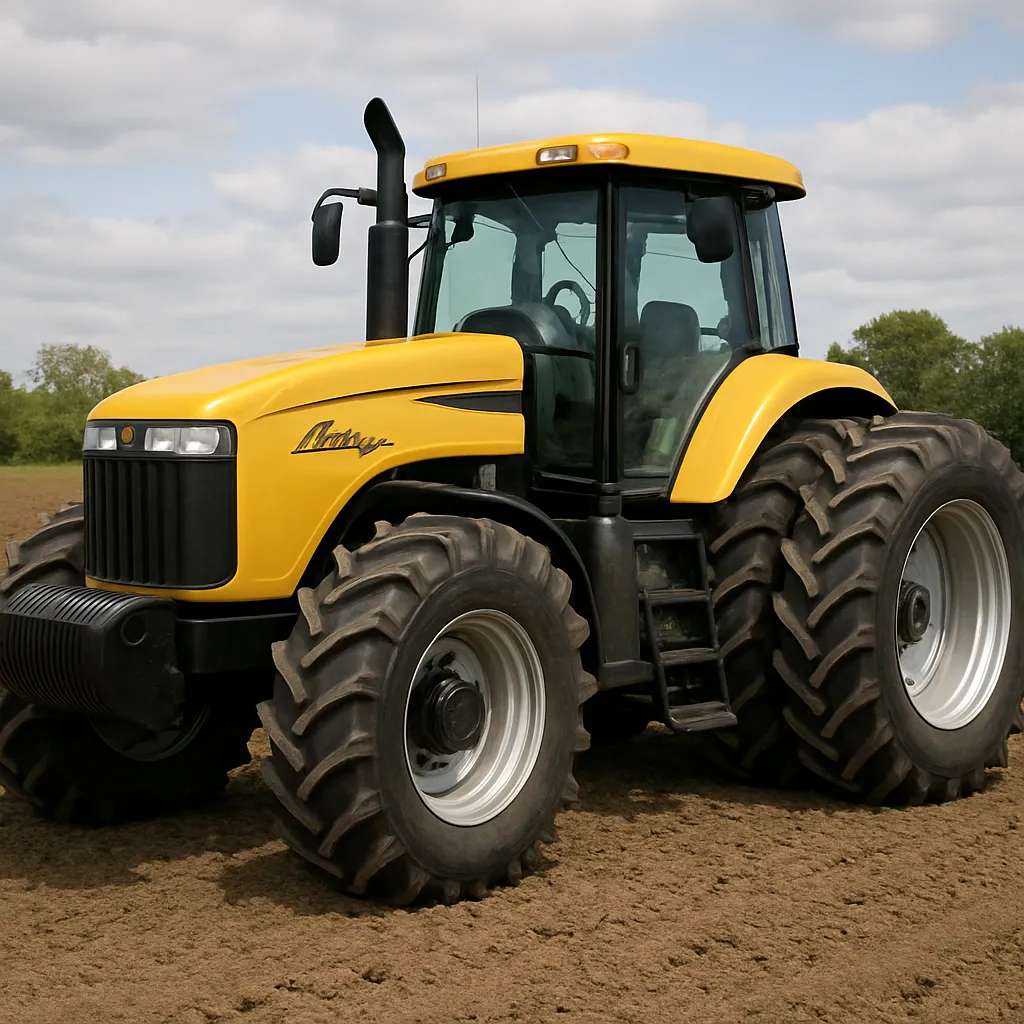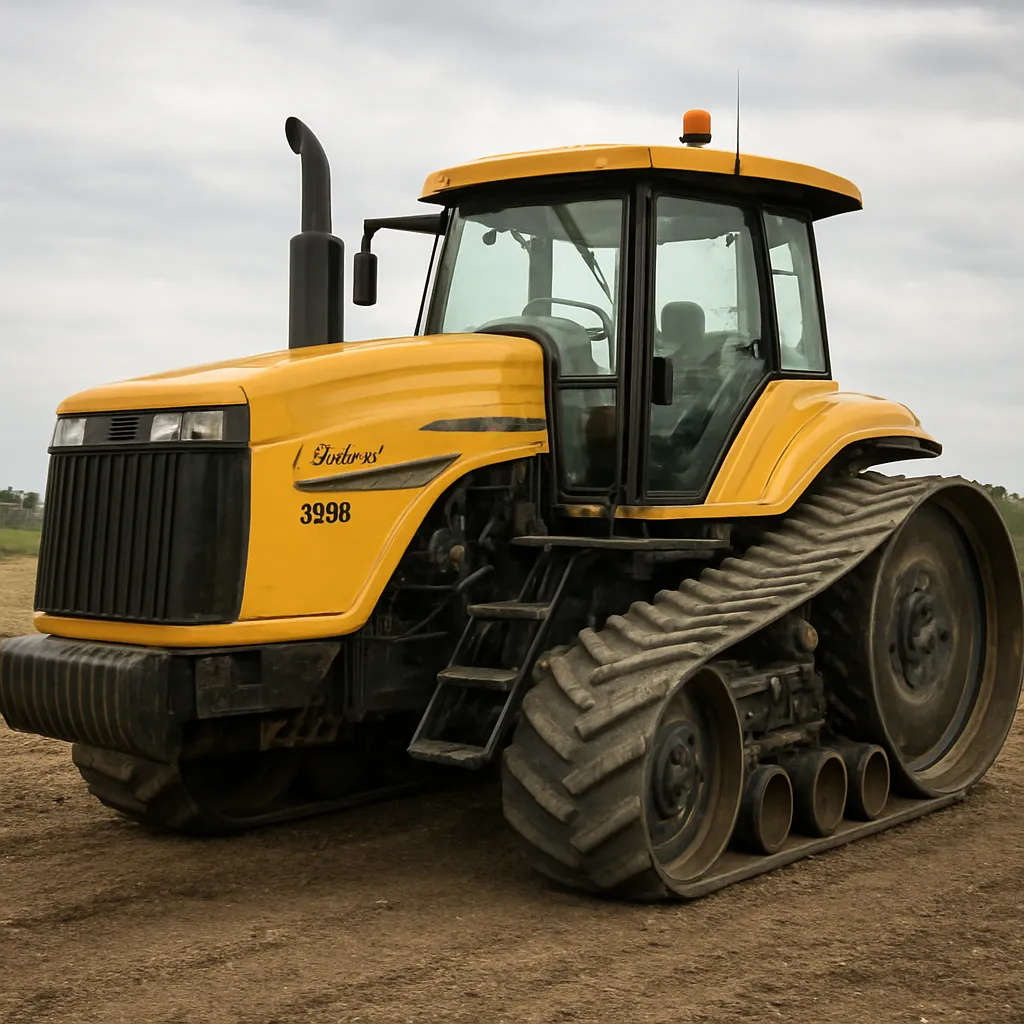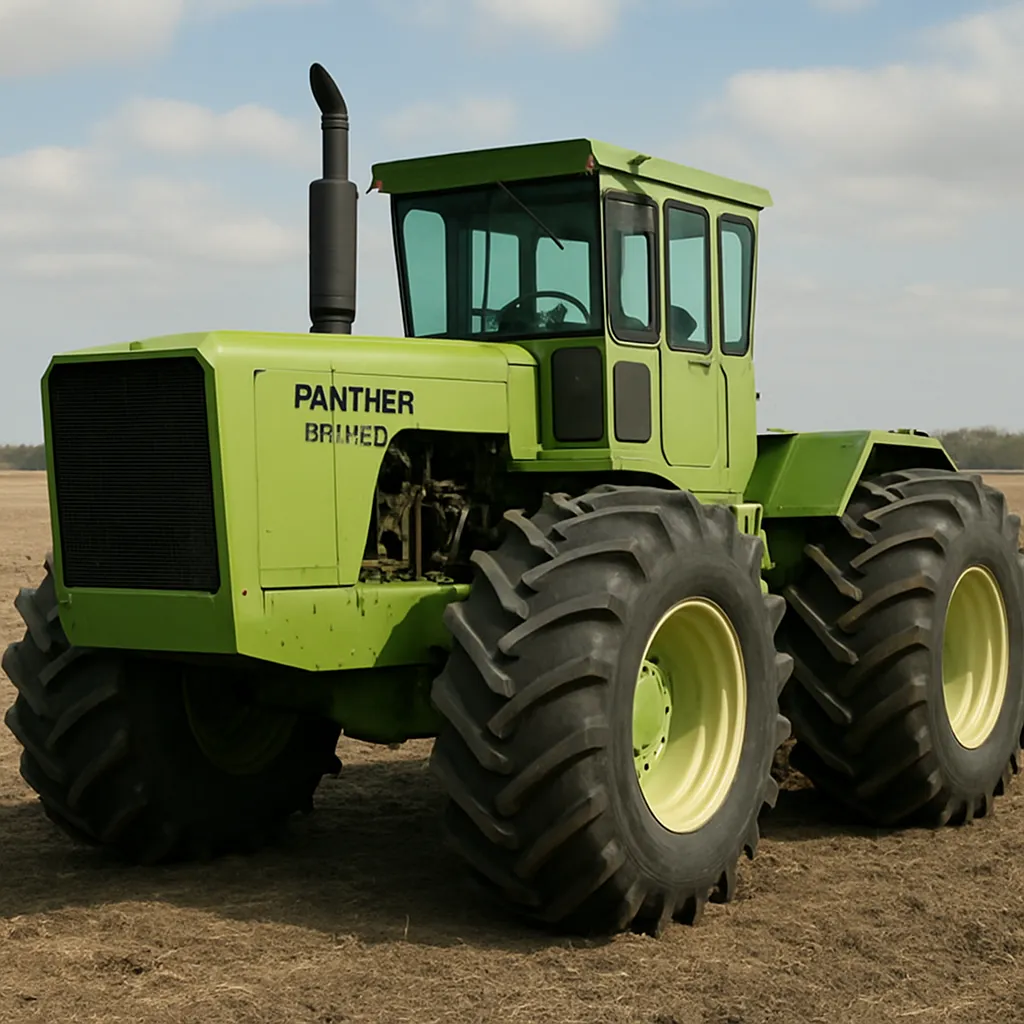
The Steiger Panther KP-1400 is presented as a heavy-duty agricultural and industrial tractor aimed at large-scale operations that require robust performance, versatility and long-term reliability. Built on the legacy of articulated high-horsepower tractors, this machine targets contractors, large arable farms, and specialist applications where ground-engaging power and adaptability are essential. The following article examines the Panther KP-1400 from multiple angles: design and technical concepts, typical applications and field performance, operating economics and maintenance, and safety, environmental and future considerations. Wherever precise manufacturer data is not publicly available, the discussion uses industry-standard reference ranges and operational observations to give a realistic picture of what operators can expect.
Design and technical overview
The Steiger Panther KP-1400 is engineered around the fundamental needs of heavy-field work: sustained high output, robust drivetrain components and a comfortable operator station for long shifts. Key design elements commonly emphasized in tractors of this category include articulated chassis layout, high-capacity diesel engines, advanced transmission systems, strong hydraulic circuits and modular hitch/PTO arrangements. These features together enable the machine to handle large tillage tools, seeding rigs and specialized implements.
- Powertrain: At the heart of the KP-1400 is a heavy-duty diesel engine optimized for continuous load conditions. While exact published horsepower figures for the KP-1400 vary by configuration and source, this model is positioned in the high-horsepower segment designed to deliver sustained output for large implements. Engines in this class prioritize high low-end torque to pull large equipment through heavy soils and long working days without frequent downshifts.
- Transmission: Tractors in this category typically offer robust powershift or continuously variable transmission (CVT) options, providing a wide range of working speeds and the ability to maintain optimal engine rpm under diverse loads. The KP-1400’s transmission architecture is intended to balance fuel efficiency with precise control; operators can select gears or infinitely variable ratios to keep implements at the desired operating speed.
- Hydraulics and implement integration: A high-flow hydraulic system is standard in large articulated tractors to drive remote cylinders, hydraulic motors and electronic implement controls. Multiple remote couplers, high-capacity pumps and optional load-sensing circuits enable simultaneous operation of several hydraulic consumers. This makes the KP-1400 suitable for mounted seeders, large planters, heavy cultivators and specialty attachments such as high-power slurry injectors or forestry winches.
- PTO and hitches: The tractor is designed with a heavy-duty PTO interface and reinforced hitch points to accommodate large rear-mounted implements and to transfer torque efficiently. A stable three-point hitch and optional front linkage expand implement compatibility, increasing machine utility across seasons.
- Chassis and traction: Articulated frames and high-weight design give superior traction and flotation characteristics. Large tires or track options help distribute weight and reduce compaction while maintaining traction in variable soil conditions. The KP-1400’s suspension, ballast and tire/track configurations are chosen to optimize ground contact and reduce slippage, thereby improving overall field productivity.
- Operator environment: For extended operation, the cab is typically ergonomically designed with climate control, low-noise insulation, advanced control interfaces and visibility aids. Integrated telematics and GPS guidance systems are often included or available as options to support precision farming tasks.
Estimated technical ranges and performance characteristics
Because manufacturer specifications for some regional model variants can differ, the following are industry-typical ranges you can reasonably expect for a high-capacity machine like the KP-1400 (presented as indicative, not definitive):
- Engine: high-displacement turbocharged diesel, optimized for long-duration loads.
- Powerband: intended for heavy-duty work; typical high-horsepower tractors operate in a range that may be several hundred horsepower, with a peak torque curve designed for field operations.
- Fuel consumption: varies widely with load, implement and speed — from relatively modest rates during light transport to significantly higher rates under full tillage load. Efficient engines and transmission systems aim to lower consumption per hectare.
- Hydraulic flow: large tractors commonly feature variable-flow pumps with multi-hundred liters-per-minute capacity for multiple simultaneous operations.
- Top road speed: many modern tractors offer travel speeds up to 40 km/h or a bit higher depending on local regulations and gearbox configuration.
- Weight and ballast: heavy tractors often range from several tonnes up to over 10 tonnes in base weight, and can carry additional ballast to improve traction for heavy implements.
These design choices collectively emphasize durability, serviceability and the ability to maintain high output across long operating cycles.
Applications and field performance
The Panther KP-1400 is tailored to operations where scale and power matter. Its typical applications cover a wide array of sectors and seasonal tasks, reflecting the flexibility expected of high-capacity articulated tractors.
- Agriculture — primary tillage: One of the most common uses is pulling large ploughs, cultivators and disc harrows across extensive arable acres. The tractor’s strong traction and sustained torque allow for deep, consistent tillage passes even in heavier soils.
- Seeding and precision agriculture: With appropriate hydraulic and electrical control systems, the machine supports mounted and trailed seed drills, air seeders and planters. Integration with GPS guidance and variable-rate application technologies improves seed placement and overall field efficiency.
- Fertilizer and slurry application: Large spreaders and applicators require steady PTO and hydraulic performance; the KP-1400 can support high-capacity nutrient application systems that minimize passes and reduce per-hectare cost.
- Transport and heavy haul: When configured with transport tires and suitable gearing, articulated tractors like the Panther transit between fields and yards while towing heavy loads or transport trailers.
- Specialty uses — forestry and contractors: With reinforced protection and specialized implements, these tractors are sometimes used for logging skidding, land reclamation, railbed preparation and pipeline right-of-way work.
- Snow removal and municipal services: In colder regions, a high-capacity tractor with front-mounted ploughs or blowers is a cost-effective unit for clearing large paved or unpaved areas.
Field performance depends on matching machine configuration to task: tires or tracks, ballast, hydraulic flow and electronic controls all influence how the KP-1400 behaves in a particular use case. Operators typically report best results when the tractor is spec’d specifically for the intended primary application rather than as a generalist machine.
Work rates and productivity factors
Several variables determine hectare-per-hour productivity for a machine of this size:
- Implement width and efficiency — wider, well-maintained implements reduce passes.
- Soil type and moisture — heavier soils or wet fields slow forward speed and increase fuel use.
- Operator skill and guidance systems — auto-steer and section-control cut overlaps and improve accuracy.
- Ground pressure and traction setup — correct ballast and tire/track choice reduce slippage and improve power transfer.
When properly matched and operated, a high-powered articulated tractor can significantly reduce the time needed for large-scale tasks, increasing seasonal throughput and enabling tighter planting and harvesting windows.
Operational economics and maintenance
Purchasing and operating a machine like the Steiger Panther KP-1400 is a major capital decision. Understanding lifecycle costs, maintenance requirements and resale drivers is essential for farm managers, contractors and fleet owners.
Acquisition and total cost of ownership
- Capital cost: High-horsepower articulated tractors are expensive to acquire, but they can replace multiple smaller machines in large operations, potentially lowering per-hectare costs.
- Fuel and consumables: Fuel is a substantial line item. While modern engines and transmissions aim to improve specific fuel consumption (fuel used per unit of work), fuel costs remain sensitive to operating mode and duty cycle. Using the right gear, maintaining proper tire inflation and employing precision farming methods help manage consumption.
- Maintenance and parts: Heavy-duty components—transmissions, axles, hydraulics—require planned servicing. Regular oil and filter changes, monitoring of hydraulic fluids, and attention to cooling systems are critical to maximize uptime. Access to manufacturer parts and trained technicians significantly affects lifecycle costs.
- Depreciation and resale: Resale values depend on hours, service history, and regional demand for high-capacity equipment. Machines with telematics-enabled service logs and good maintenance records typically fetch higher prices on the secondary market.
Maintenance practices and service intervals
Best practices to keep a KP-1400 reliable:
- Implement a scheduled maintenance program aligned with manufacturer recommendations for oil, filters and hydraulic checks.
- Keep a log of work hours and service actions; telematics can automate much of this recordkeeping.
- Perform preventive checks on cooling systems and belts before high-demand seasons.
- Use OEM or equivalent quality parts for high-stress drivetrain components to avoid premature failures.
Adherence to a disciplined maintenance plan increases machine availability and reduces the likelihood of disruptive downtime during peak seasons.
Safety, environmental considerations and future developments
Working with high-horsepower tractors introduces unique safety and environmental responsibilities. Manufacturers and operators share the obligation to minimize hazards and emissions while maximizing operational sustainability.
- Safety features: Modern tractors include ROPS/FOPS-compliant cabs, seat restraints, emergency shutdowns and advanced lighting for low-visibility work. Visibility aids like cameras and proximity sensors are increasingly common to protect personnel and reduce implement strike risk.
- Operator training: Proper training in machine handling, hitching large implements, weight distribution and slope operation is essential to reduce incidents associated with rollovers, implement loss of control or hydraulic failures.
- Emissions and fuel efficiency: Engines are designed to meet contemporary emissions standards using aftertreatment systems (e.g., SCR, DPF). Efficient operation strategies and periodic engine tuning help reduce fuel use and emissions per hectare.
- Soil health and compaction: Large tractors exert considerable ground pressure. Using controlled traffic farming techniques, duals or tracks, and appropriate ballast strategies help mitigate compaction and preserve long-term soil structure.
- Telematics and precision agriculture: Integration with cloud-based fleet management systems provides remote monitoring of engine hours, service alerts and fuel consumption trends. These tools support predictive maintenance and improve operational planning.
Future trends relevant to machines like the KP-1400
Looking forward, several trends influence the development and operation of high-capacity tractors:
- Electrification and hybrid drives: While full electric propulsion for ultra-large tractors is currently limited by battery energy density, hybrid architectures and electrified accessory systems may appear first to reduce idling emissions and improve efficiency.
- Automation: Increased autonomy for headland turns, seeding passes and implement control could reduce operator fatigue and improve field consistency. Semi-autonomous operation with human oversight is a near-term expectation.
- Improved materials and designs: Advances in high-strength alloys and modular components can reduce weight where beneficial and improve fuel economy without sacrificing durability.
- Sustainability credentials: Consumers and regulators increasingly value environmental performance, driving manufacturers to design machines that achieve lower greenhouse gas emissions per unit of production.
Practical tips for prospective buyers and operators
- Match machine spec to primary use: Avoid over- or under-sizing; a correctly configured KP-1400 for your main implement and soil types yields the best productivity and economy.
- Inspect service history: For used machines, service logs and telematics data reveal maintenance quality and typical duty cycle.
- Consider total operating cost: Factor fuel, maintenance, downtime risk and resale when evaluating purchase options; short-term savings on purchase price can be erased by higher lifecycle costs.
- Plan for ground protection: Use flotation tires or tracks in sensitive fields and adopt controlled-traffic principles when possible to avoid long-term compaction damage.
- Train operators: Invest in operator training for efficient gear selection, implement setup and safe handling during complex maneuvers.
Summary
The Steiger Panther KP-1400 represents a class of heavy, articulated tractors built for demanding tasks across large farms, contracting businesses and specialized industrial applications. Its strengths are concentrated in areas of sustained heavy-duty performance: high-capacity powertrains focused on low-end torque, extensive hydraulic capability, robust hitch and PTO interfaces, and operator-focused cab design. While precise factory specifications and region-specific variants should be checked with dealers and official documentation, the Panther KP-1400 is best understood as a tool for operators who need scale, durability and high field productivity. Sound acquisition decisions hinge on matching the tractor configuration to intended tasks, maintaining a disciplined maintenance regime, and leveraging modern precision and telematics tools to maximize uptime and reduce per-hectare costs. The broader trends of increased automation, emissions regulation and incremental electrification will shape future iterations of machines in this class, but the immediate value of the KP-1400 lies in its capacity to turn power into consistent, reliable field results while emphasizing operator safety and long-term efficiency.