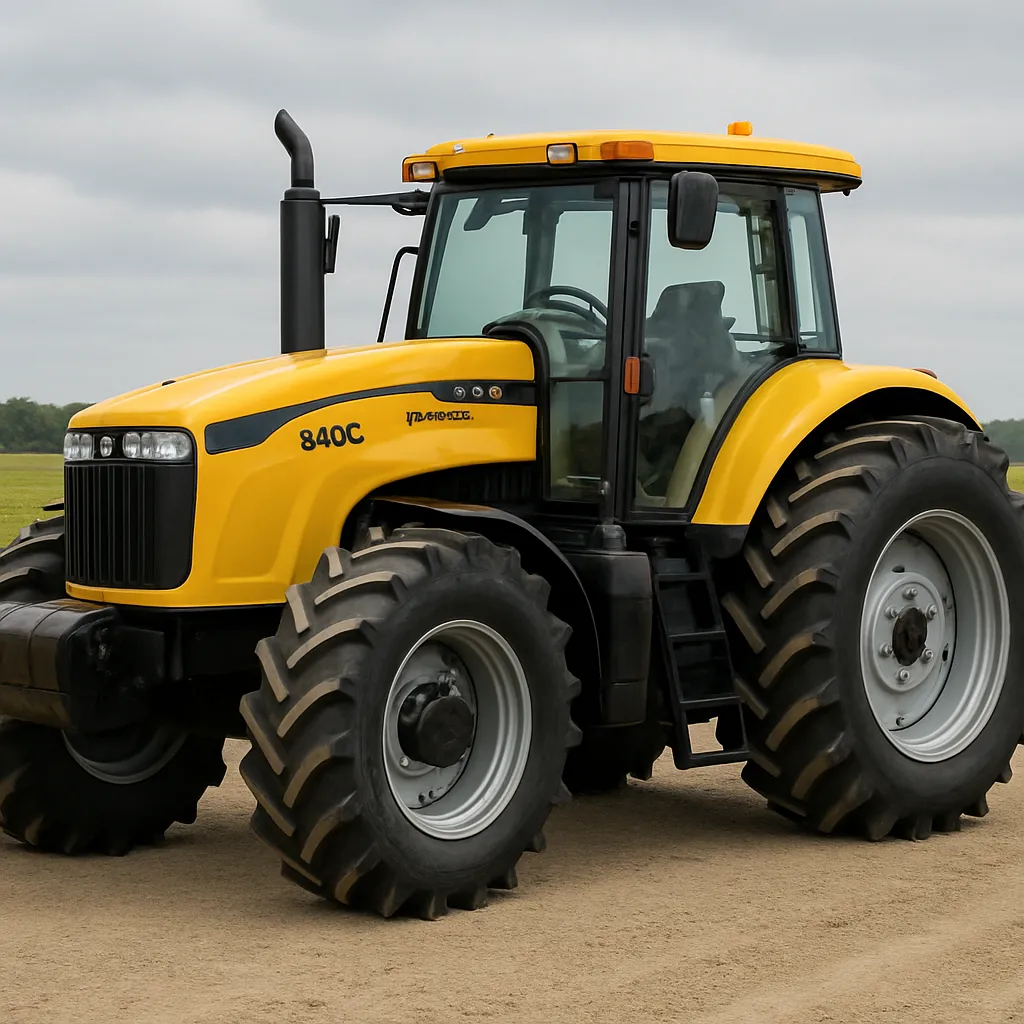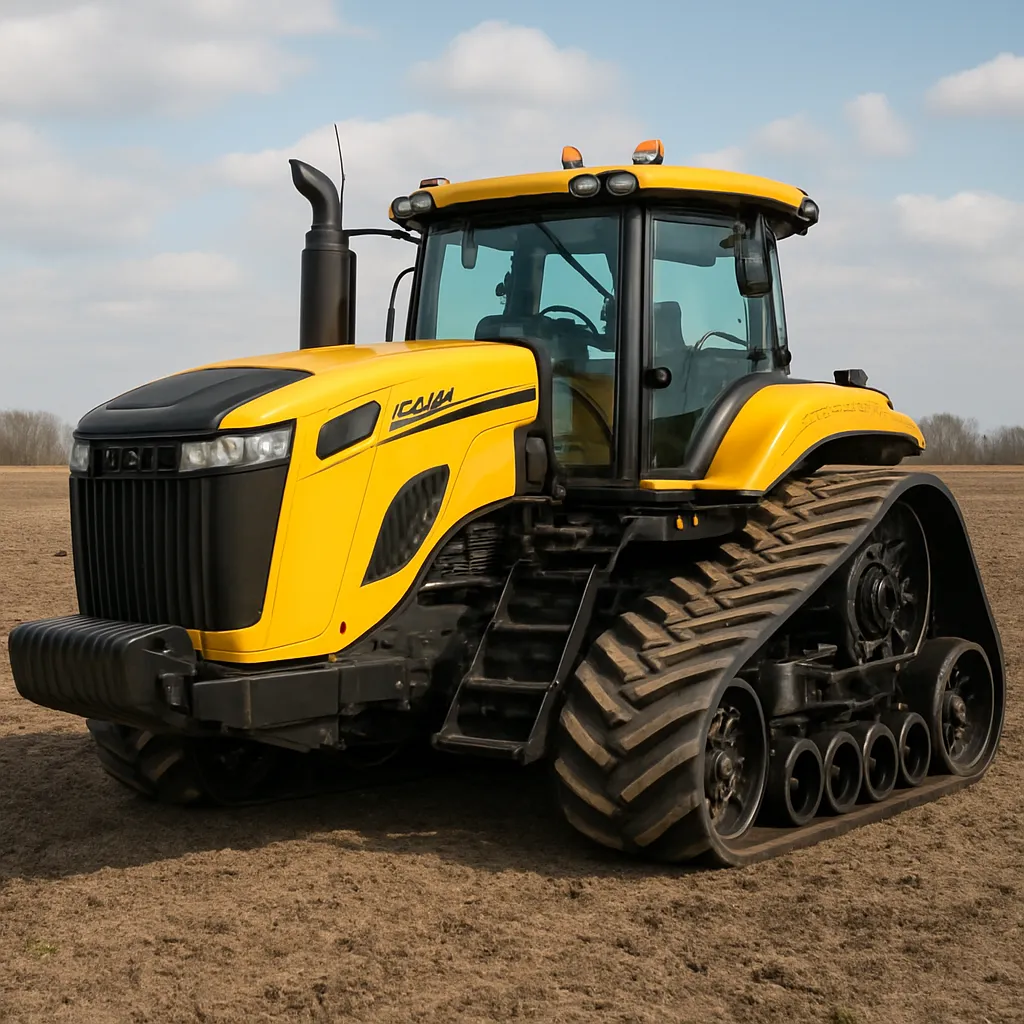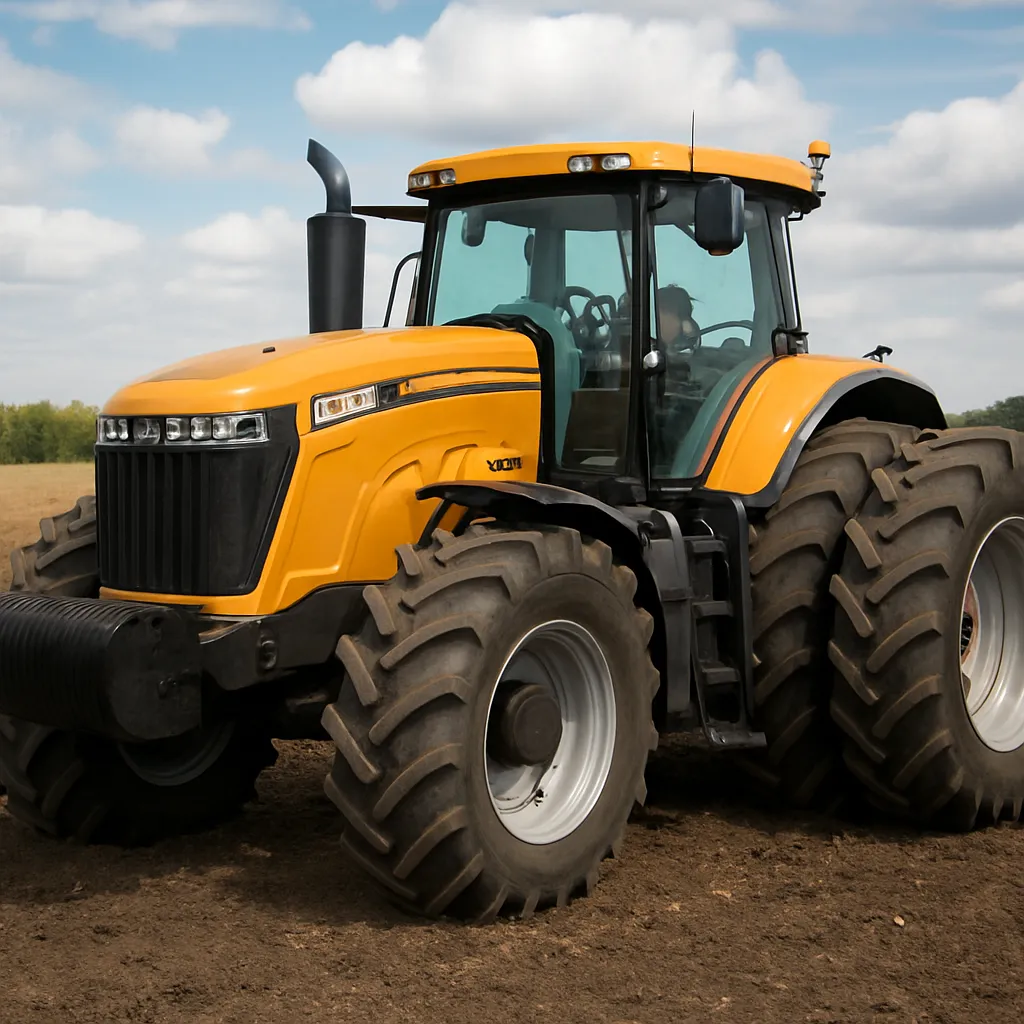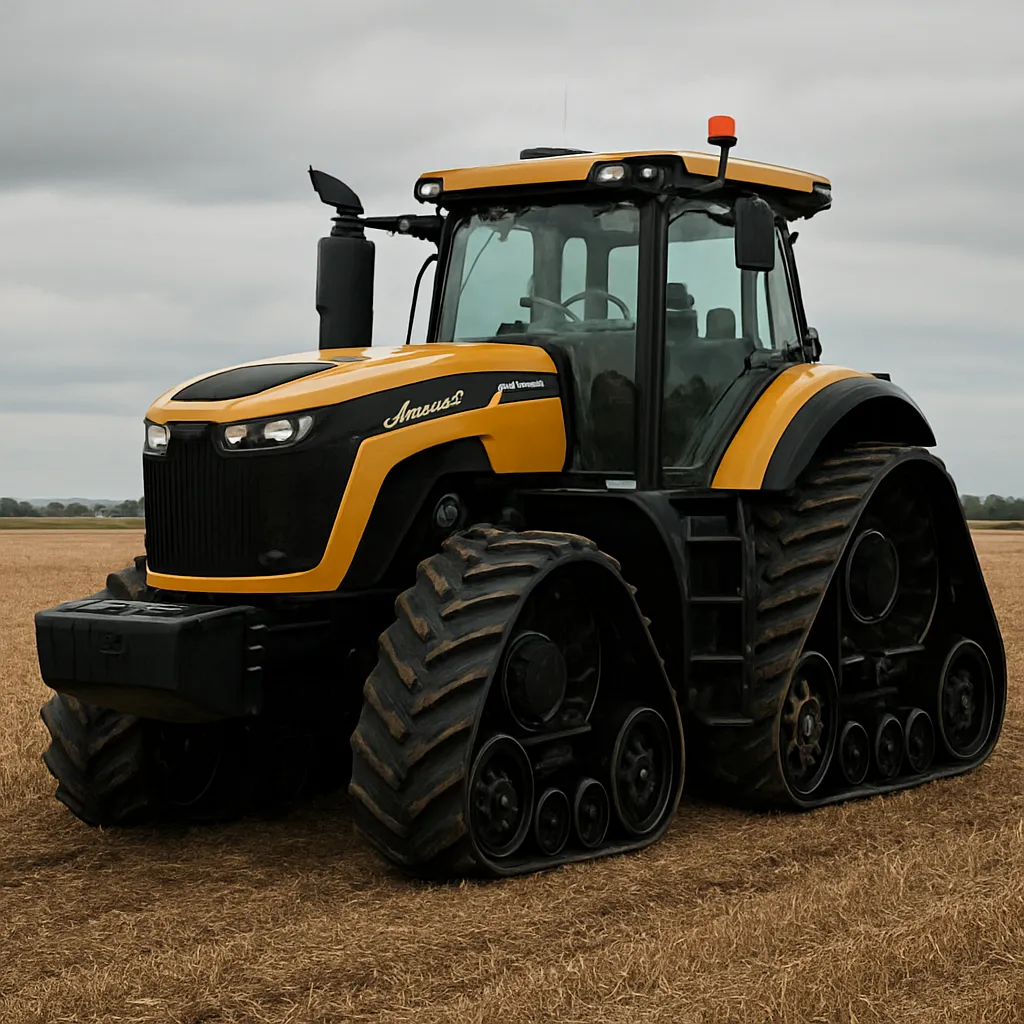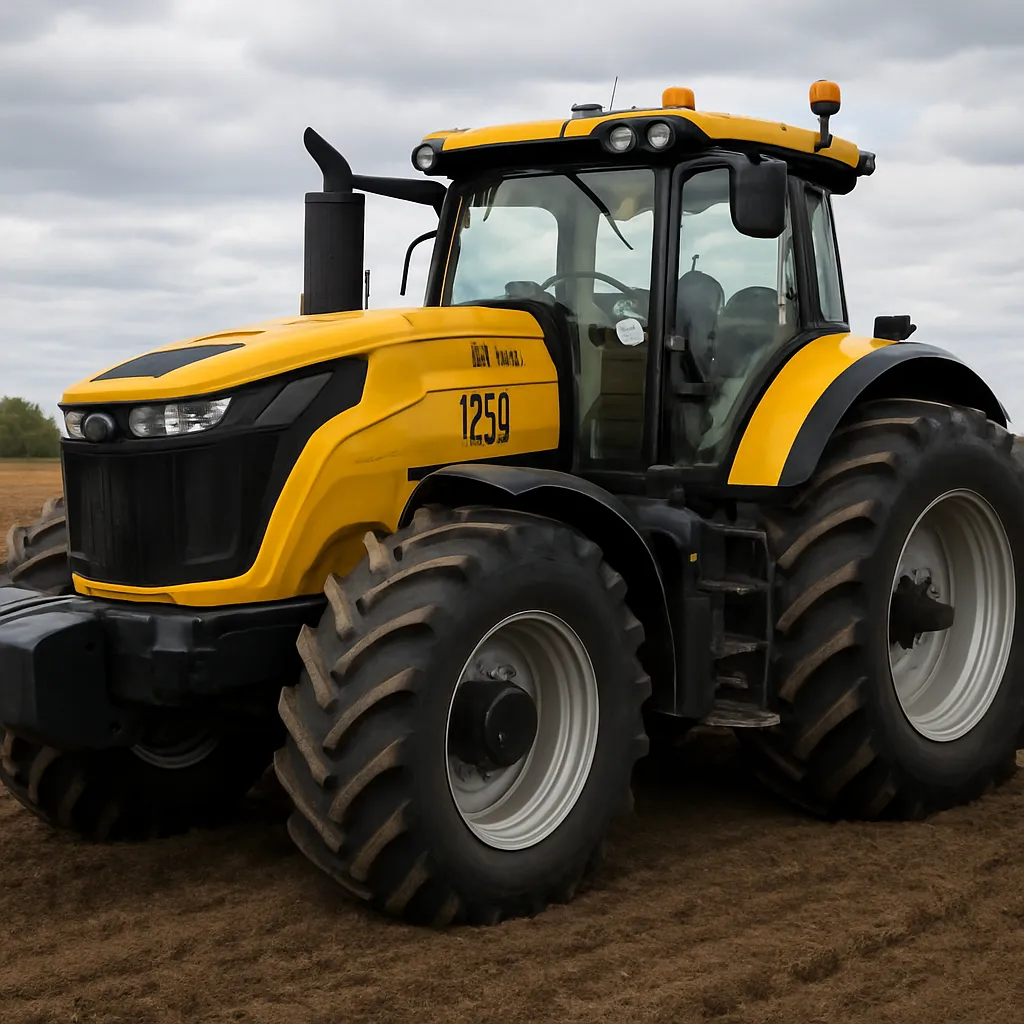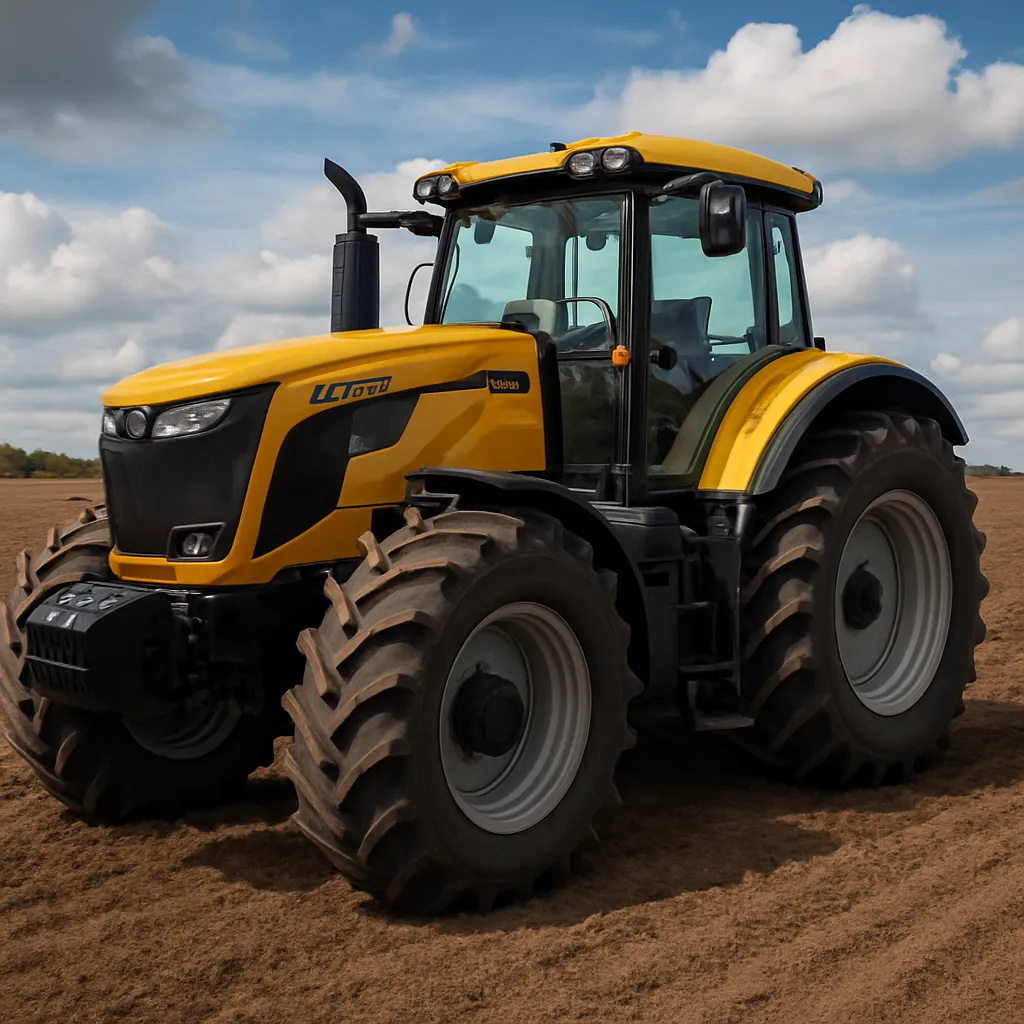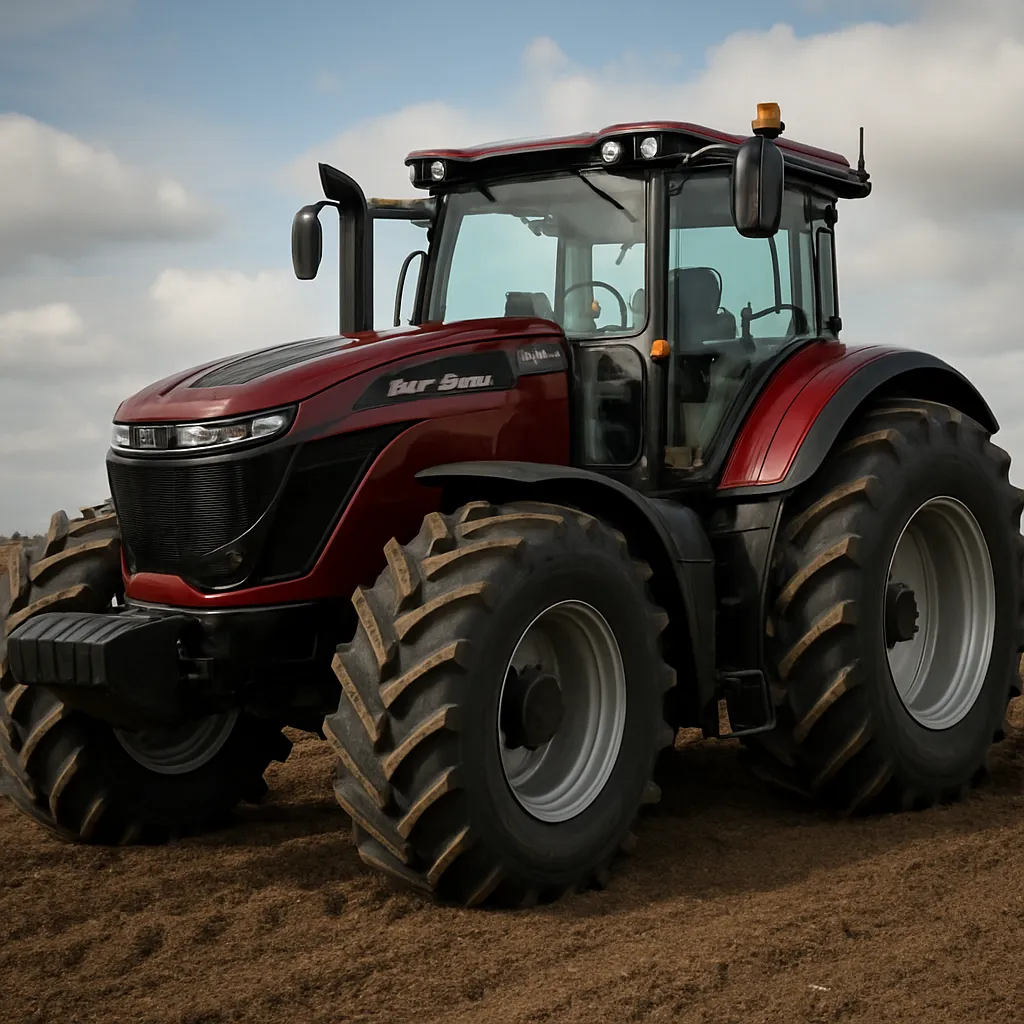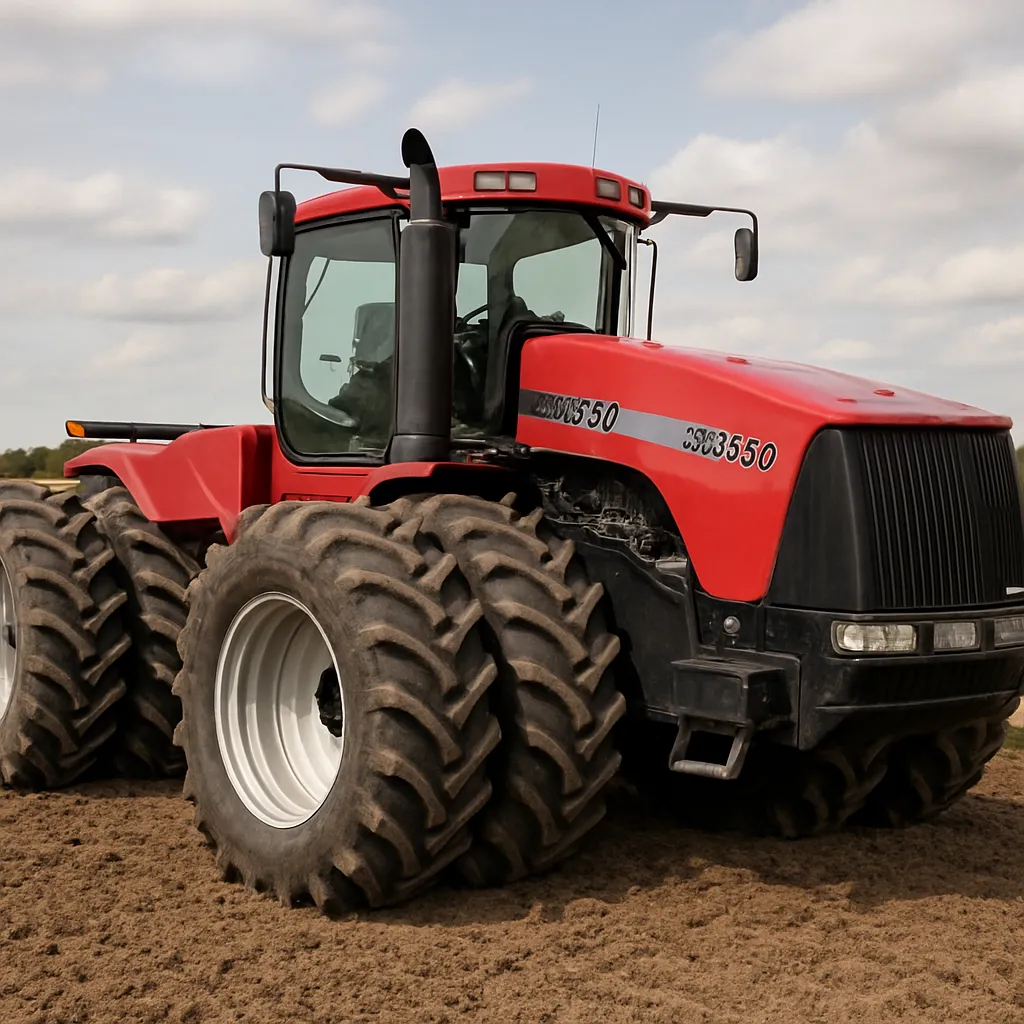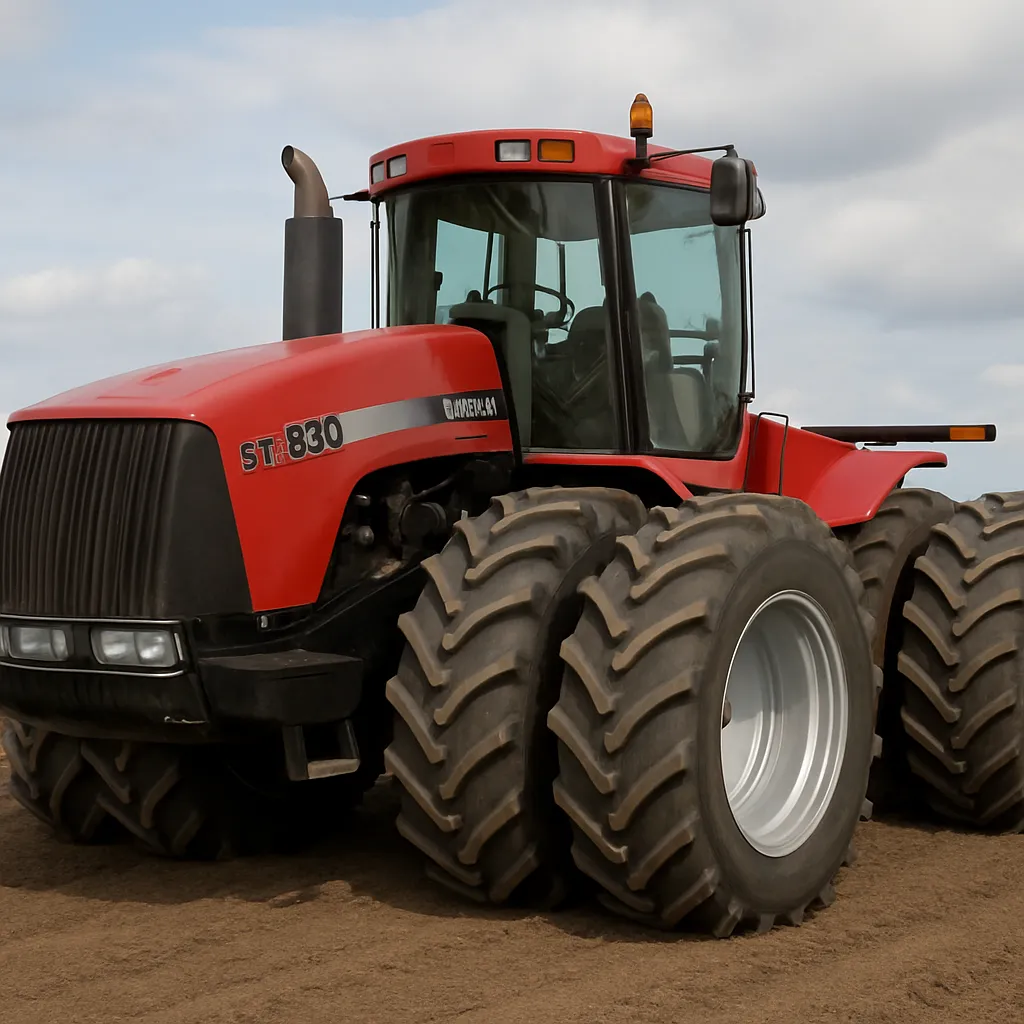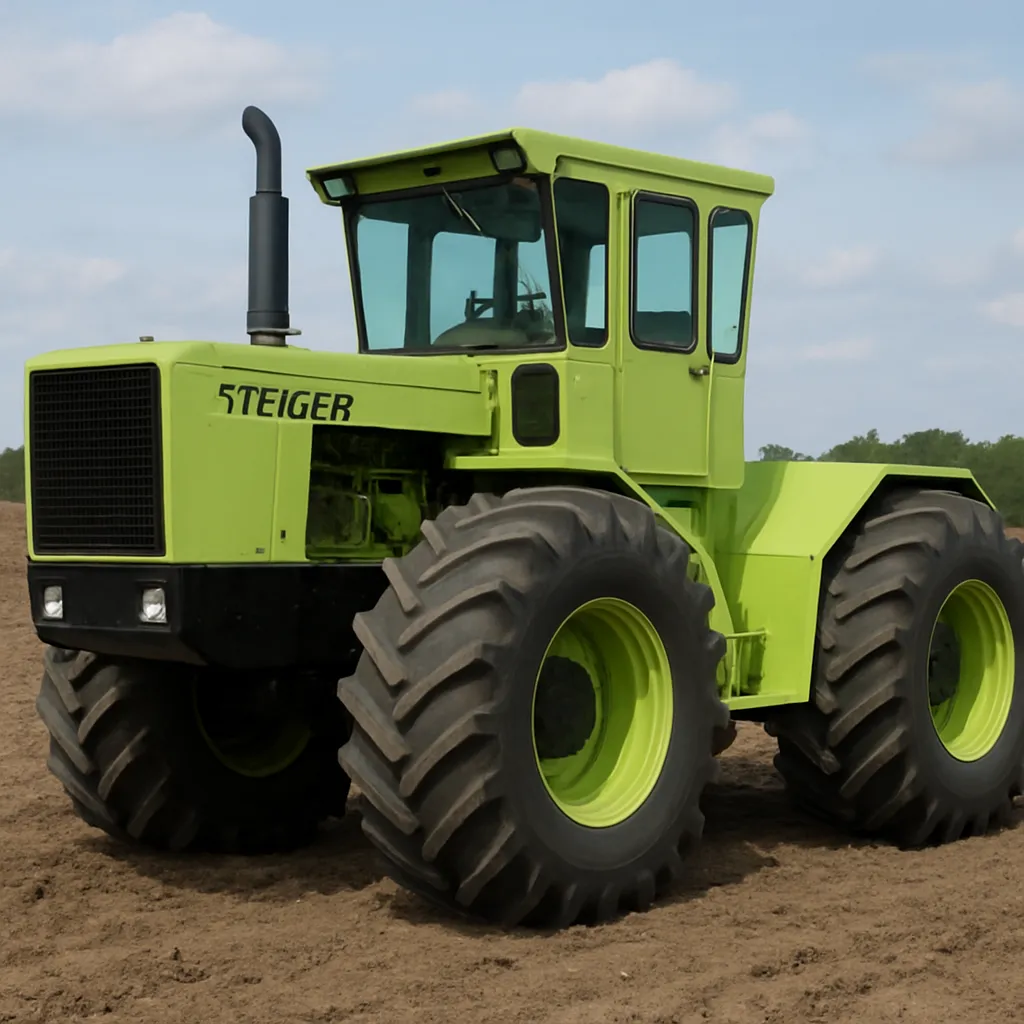
The Steiger KP-1360 tractor represents a class of heavy-duty agricultural machines designed for demanding fieldwork and large-scale farming operations. In this article we explore the design, typical applications, operational characteristics, and maintenance considerations of a high‑power articulated tractor such as the Steiger KP-1360. The following sections discuss its technical features, practical uses, operator environment, and the broader context in which machines of this class operate, including economic and environmental aspects. Throughout, key concepts such as power, durability, and versatility are emphasized to help readers understand why these tractors are chosen for intensive agricultural tasks.
Design and technical characteristics
The Steiger series, historically known for large four-wheel-drive articulated tractors, emphasizes robust construction and high tractive capability. Although manufacturer-specific technical sheets for the KP-1360 may not be widely available in public sources, tractors in this family typically share a set of defining technical characteristics that make them suitable for heavy fieldwork.
Engine and powertrain
A tractor like the Steiger KP-1360 is engineered around a high-displacement diesel engine tuned for sustained torque at low RPM. The model designation (KP-1360) suggests it belongs to the high-power segment; many tractors in this category produce several hundred horsepower and very high peak torque to pull wide tillage implements. Key attributes of the powertrain include:
- High-displacement diesel engine with robust cooling system to withstand prolonged operation.
- Turbocharging and aftercooling for improved power and altitude performance.
- Heavy-duty transmission options: powershift, continuously variable transmission (CVT) or modern stepped transmissions designed to deliver smooth torque transfer under heavy loads.
- Permanent or selectable four-wheel drive and an articulated chassis for improved traction and maneuverability in large fields.
Typical power ratings for large articulated tractors can vary widely; modern machines may range from roughly 250 to more than 600 horsepower depending on model and configuration. If the KP-1360 follows similar naming conventions used in some agricultural manufacturers, the model number can reflect a power class—however, confirm exact ratings with manufacturer documentation to avoid assumptions.
Hydraulics, PTO and implement compatibility
For heavy implements, a high-flow hydraulic system and multiple remote valves are essential. Tractors like the KP-1360 usually offer:
- High-capacity hydraulic pumps with flow rates sufficient to operate large planters, air seeders, hydraulic tillage tools and variable-rate applicators.
- Multiple electronic remotes with proportional control and quick couplers to support complex implement routines.
- Rear and mid PTO options (where applicable) with high torque capacity for driven equipment.
- Integrated electronic control systems to manage hydraulics, PTO and implement functions with precision.
Such features allow the machine to tow and operate implements spanning from deep tillage plows and heavy cultivators to large seeders and air carts. Hydraulics and PTO capability are central to the machine’s versatility.
Chassis, tires and ballast
Articulated tractors provide excellent traction distribution and reduced soil compaction when properly ballasted. Common design elements include:
- Articulated frame with a central pivot enabling steerability and balanced weight transfer.
- Large flotation or dual tires to distribute load and minimize compaction on sensitive soils.
- Options for front and rear ballast as well as liquid ballast systems to optimize traction for specific implements.
- Heavy-duty axles, brakes, and driveline components sized for continuous high-load operation.
Careful selection of tire size, pressure and ballast is critical to maximize traction while minimizing disturbance to soil structure, which is a central concern for large-scale producers.
Applications and typical use cases
The primary role of a machine like the Steiger KP-1360 is to provide the pulling force and hydraulic capacity necessary for large-scale field operations. Its design suits tasks where both sustained torque and high drawbar power are required. Major applications include:
Primary tillage and deep ripping
Large disc harrows, chisel plows and multi-leg rippers used to break virgin ground, incorporate residues or prepare seedbeds require tremendous draft power. The KP-1360-class tractor can pull wide implements, allowing operators to cover more hectares per hour and compress fieldwork windows.
Seeding and planting with large implements
In large-acreage operations, growers use wide air seeders and planters to plant hundreds of hectares quickly. The tractor must maintain steady speed and hydraulic pressure to run metering motors, seed delivery systems and closing devices—tasks that rely on stable engine output and responsive hydraulics.
Chemical application and precision farming
Although sprayers often sit on dedicated chassis, high‑horsepower tractors may tow large booms or power pump systems. When integrated with precision-farming technology—GPS guidance, variable-rate application and section control—such tractors can be central to modern agronomy workflows that optimize input use and improve yields.
Heavy transport and farm logistics
Large tractors are frequently used to haul heavy trailers, grain carts, and bulk materials between fields and storage facilities. Their high drawbar power and robust transmissions make them suitable for off‑road transport over long distances within a farm complex.
Specialized roles: forestry, construction and municipal
With appropriate attachments and modifications, articulated tractors are sometimes repurposed for forestry haulage, land reclamation and even municipal grading tasks. Their durability and high tractive effort make them useful where heavy-duty traction and stability are required.
Operator environment and control systems
Modern large tractors prioritize operator comfort and control to reduce fatigue during long working days. The KP-1360-type cab environments typically feature ergonomic layouts, advanced displays, and climate control to enhance productivity. Important aspects include:
- Spacious, pressurized cabs with filtration to reduce dust and noise.
- Adjustable seats, multi-function armrests and logically arranged controls for easy implement management.
- Integrated touchscreen displays or multifunction monitors that provide telemetry, engine/hydraulic diagnostics, and guidance systems.
- Active suspension or air-ride seats to improve comfort over rough terrain.
These systems collectively improve the operator’s ability to run wide implements with precision, maintain consistent speeds and react to changing field conditions—especially valuable during seeding or harvest support operations where timing is critical.
Maintenance, reliability and lifecycle costs
Due to the high initial investment required for tractors in this power class, total cost of ownership is a key consideration. Proper maintenance extends service life and protects resale value. Typical maintenance points include:
- Regular engine oil and filter changes aligned with operating hours and load cycles.
- Cooling system checks to avoid thermal stress during sustained high-power operation.
- Transmission and hydraulic fluid monitoring; using manufacturer-specified fluids to prolong component life.
- Tire inspection and pressure management to prevent premature wear and uneven compaction.
- Scheduled inspections of axles, differentials, and driveline components for signs of fatigue or wear.
Reliability is often a product of both design and preventive maintenance. Many operators choose to equip their fleets with telemetry and remote diagnostics, which can detect anomalies early, schedule service efficiently, and reduce downtime during critical field periods.
Precision agriculture, connectivity and modern features
Large tractors like the KP-1360 increasingly serve as platforms for advanced precision‑agriculture systems. Integrated technologies commonly found or retrofittable to this class include:
- GNSS-based auto-steer and guidance systems for centimeter-level path accuracy.
- Telematics for remote monitoring of fuel usage, engine hours, location, and maintenance alerts.
- Section control and variable-rate technology to minimize input overlap and optimize fertilizer, seed and chemical applications.
- ISOBUS compatibility to ensure seamless communication with a wide range of implements.
These capabilities increase operational efficiency, lower input costs and help producers meet increasingly strict environmental and traceability requirements.
Economic and environmental considerations
Investing in a high-power tractor requires balancing capital cost with expected productivity gains. For large-scale operations that can fully utilize wide implements and extended field hours, the per-hectare cost of ownership often becomes attractive. Key economic factors include:
- Fuel consumption relative to field output: while these tractors consume significant fuel under heavy load, their ability to cover more hectares per hour can improve overall fuel efficiency per hectare.
- Labor savings and reduced time pressure during tight windows such as planting and harvest.
- Resale value and secondary market demand for well-maintained machines.
On the environmental side, advances in engine technology and emissions control (aftertreatment systems like SCR and DPF) lower particulate and NOx emissions compared with older equipment. Additionally, precise implement control reduces unnecessary passes across fields, which decreases fuel use and soil disturbance—benefits that align with sustainable farming practices.
Brand and historical context
The Steiger name has a long association with powerful articulated tractors originally developed by the Steiger brothers in the United States. Over time the brand became part of larger agricultural manufacturing groups and its design philosophies—heavy-duty construction, articulated steering, and high drawbar power—have persisted. The line of tractors bearing the Steiger designation has been popular in markets where large-scale row-crop and arable farming demand high power and rugged performance.
Practical considerations when evaluating a KP-1360
When a farm or contractor evaluates a tractor such as the KP-1360, they should consider the following practical points:
- Match tractor power and torque curves to the intended implements and typical soil conditions.
- Examine hydraulic flow capacity and remotes to ensure compatibility with current and future implements.
- Consider tire and ballast options for minimizing compaction and maximizing traction.
- Assess cab features and control systems for operator comfort and ease of use, particularly if long shifts are expected.
- Review service intervals, parts availability and dealer support in the region to minimize downtime during critical periods.
Sound decision-making at purchase time reduces the likelihood of capacity mismatches and costly retrofits later.
Safety and regulatory compliance
Safety is paramount when operating large agricultural machines. Key safety considerations include:
- Proper training for operators to manage articulated steering dynamics and heavy implement handling.
- Clear visibility or camera systems to manage blind spots around wide implements.
- Compliance with local transport regulations when moving tractors and implements on public roads (lighting, escort requirements, speed limits).
- Adherence to emissions and environmental regulations; modern tractors often include aftertreatment systems to meet Stage or Tier requirements in different regions.
Regularly reviewing operator manuals and implementing strict maintenance and safety protocols reduces accident risk and ensures legal compliance.
Estimated performance and operational statistics (typical ranges)
Exact published statistics for the Steiger KP-1360 may vary by model year, engine option and regional configuration. Where manufacturer data is not clearly publicized, the following ranges reflect typical performance metrics for large articulated tractors and can be used as preliminary guidance:
- Engine power: commonly between 250 and 600+ horsepower in this class; a model with “1360” in its designation might be positioned toward the mid-to-high power band.
- Operating weight: often ranges from 10,000 to 20,000+ kg depending on ballast, tires and attachments.
- Fuel consumption under heavy load: roughly 10–40 liters per hour depending on power setting and workload; actual fuel use varies strongly with field conditions and implement drag.
- Hydraulic flow: high-capacity systems often provide 100–300 liters per minute or more (combined flow), sufficient for large planter and tillage implement demands.
- Tractive effort: substantial drawbar pull that supports wide tillage implements—specific numbers depend on ballast and traction configuration.
Provide exact model data and configurations are essential for precise planning; consult the manufacturer’s specification sheet for firm numbers relevant to procurement, financing, or operational modeling.
Conclusion
The Steiger KP-1360 belongs to a family of high-capacity articulated tractors engineered for large-scale agricultural operations and heavy-duty field tasks. With a focus on power, torque, robust hydraulics and comfortable operator environments, machines of this class enable efficient soil preparation, planting, and transport across expansive farms. Thoughtful matching of machine capability to implement requirements, disciplined maintenance, and the integration of precision technologies determine the true productivity and cost-effectiveness of the equipment. For anyone considering a KP-1360 or a comparable tractor, verifying exact factory specifications, dealer support options and regional compliance is a necessary step before acquisition.