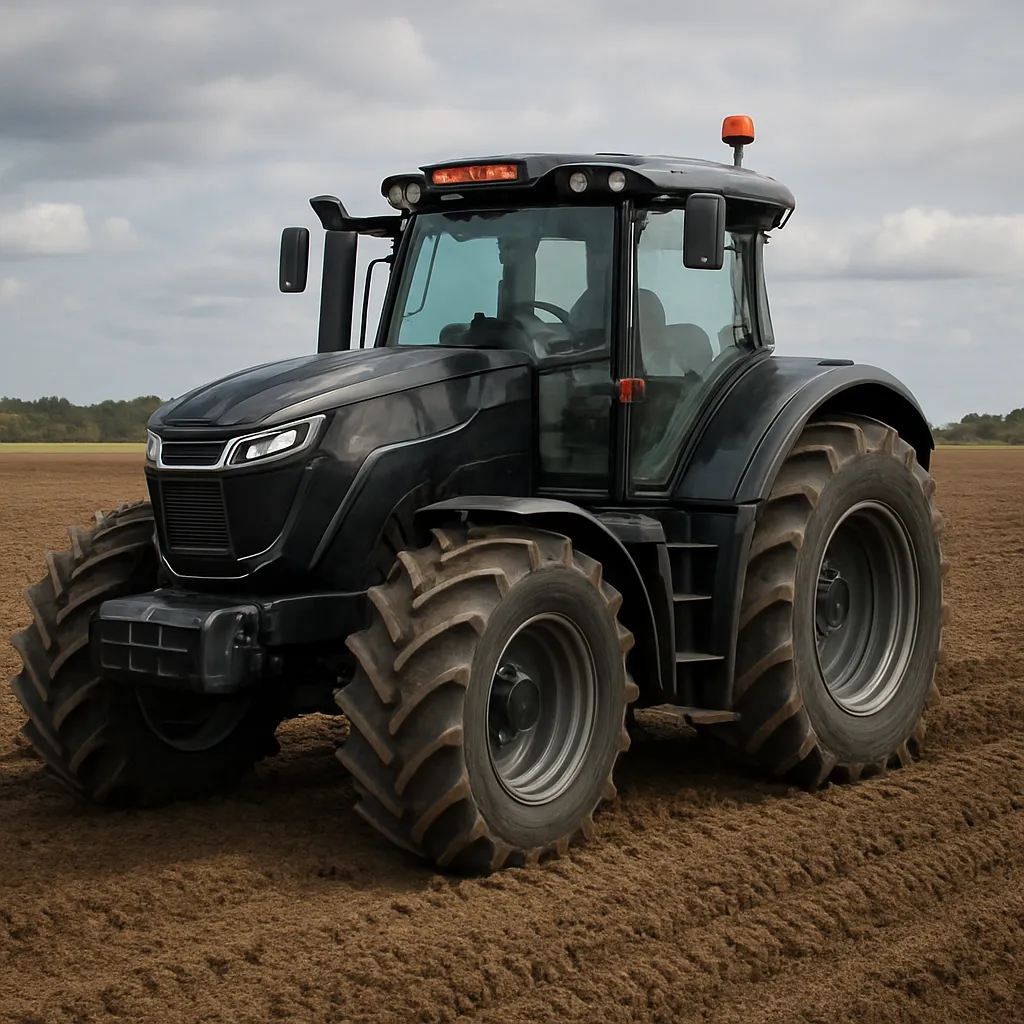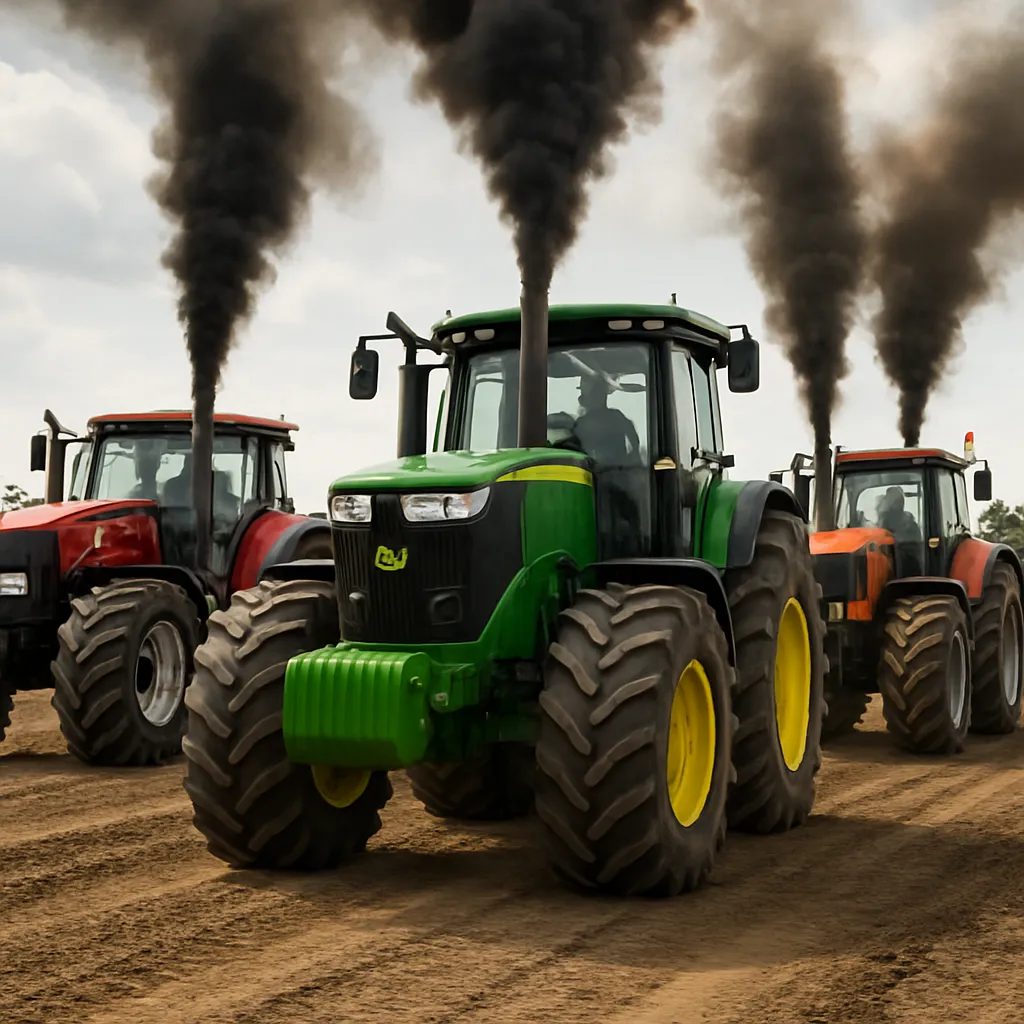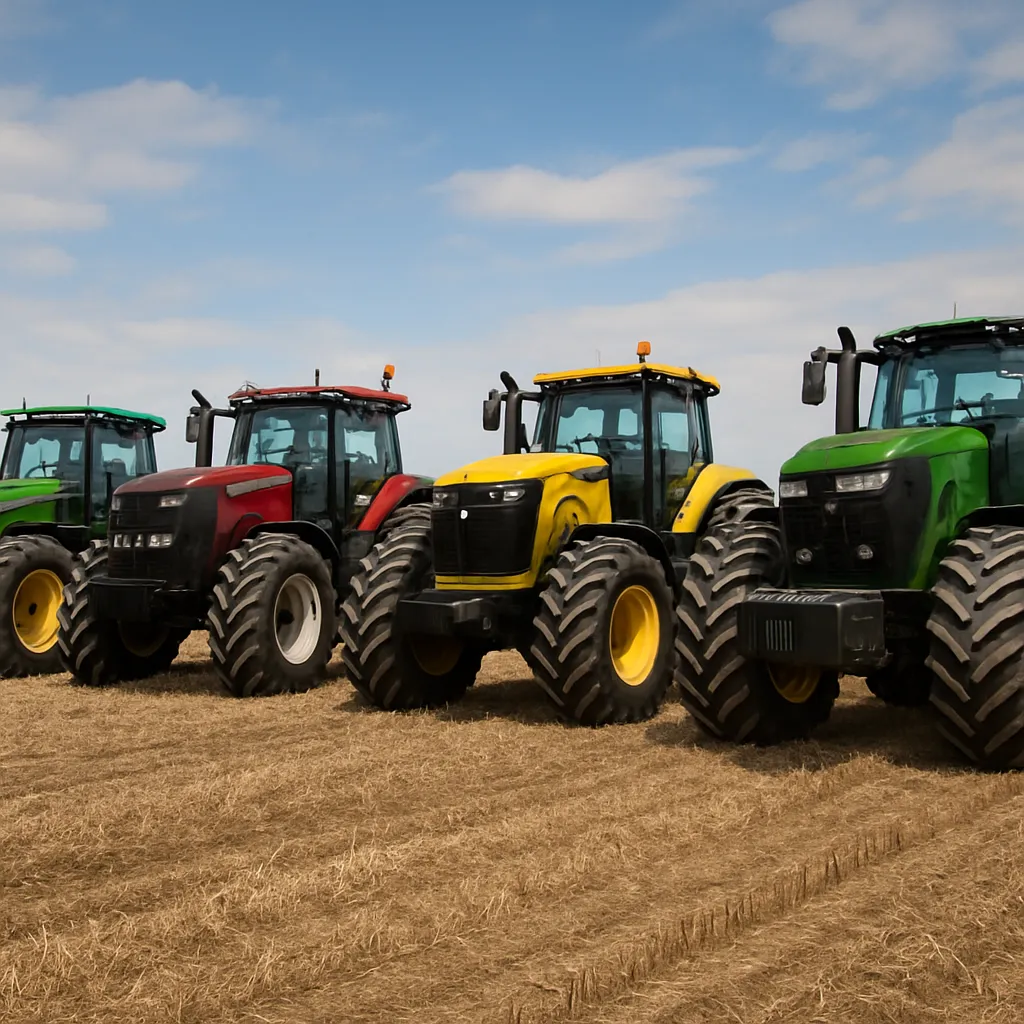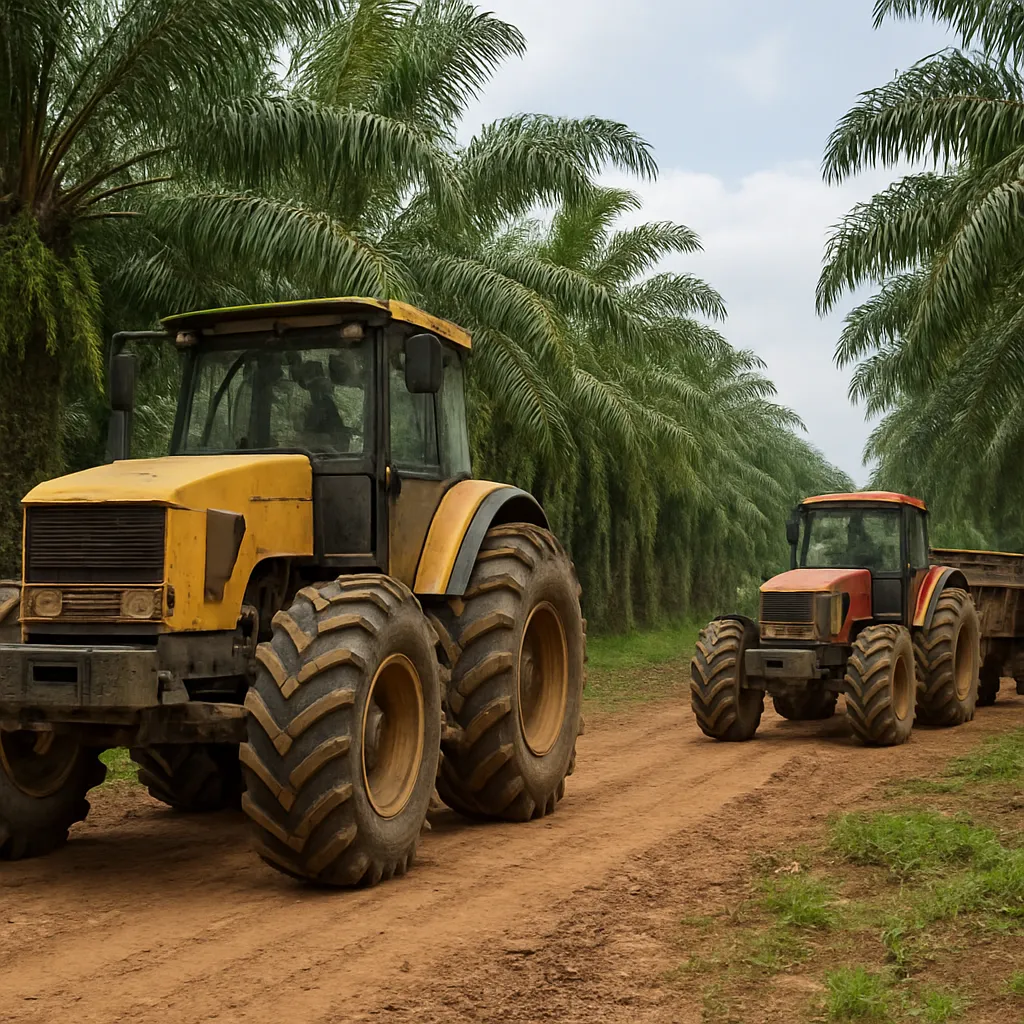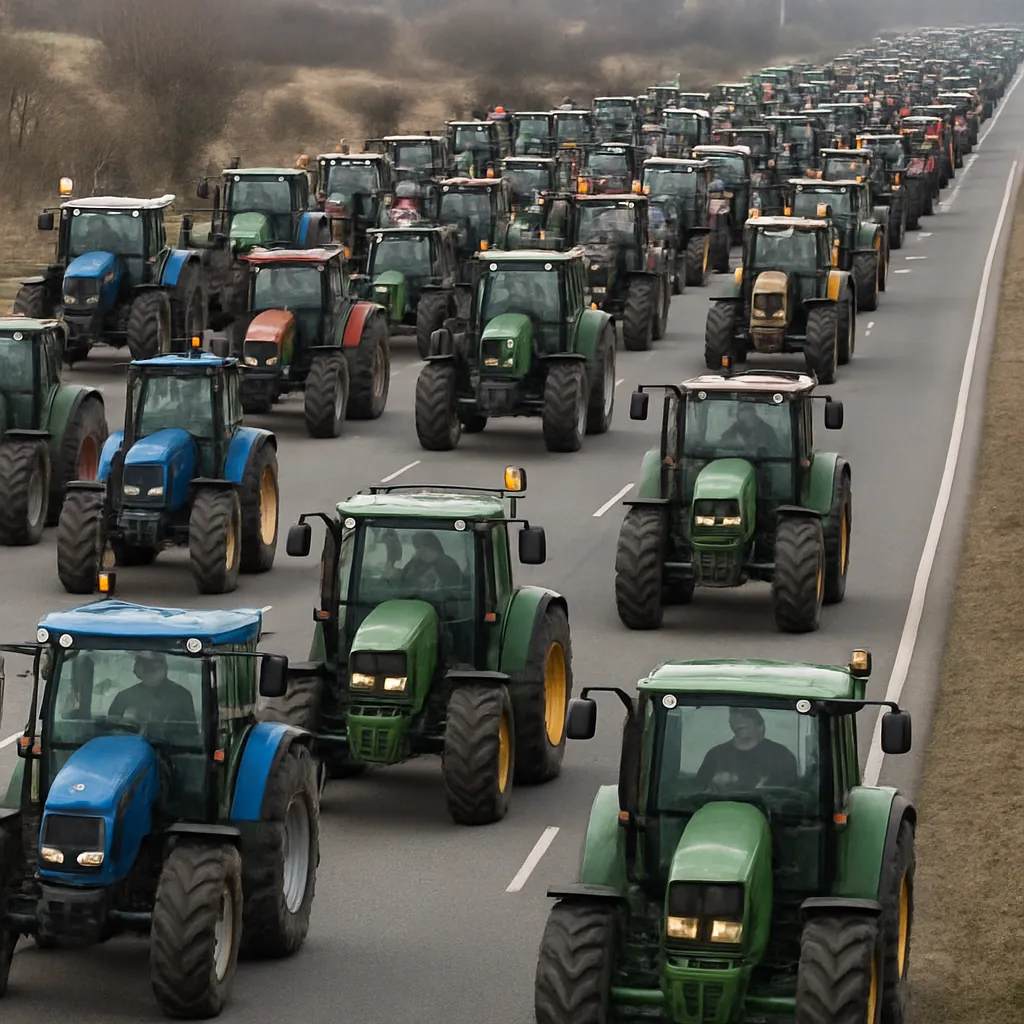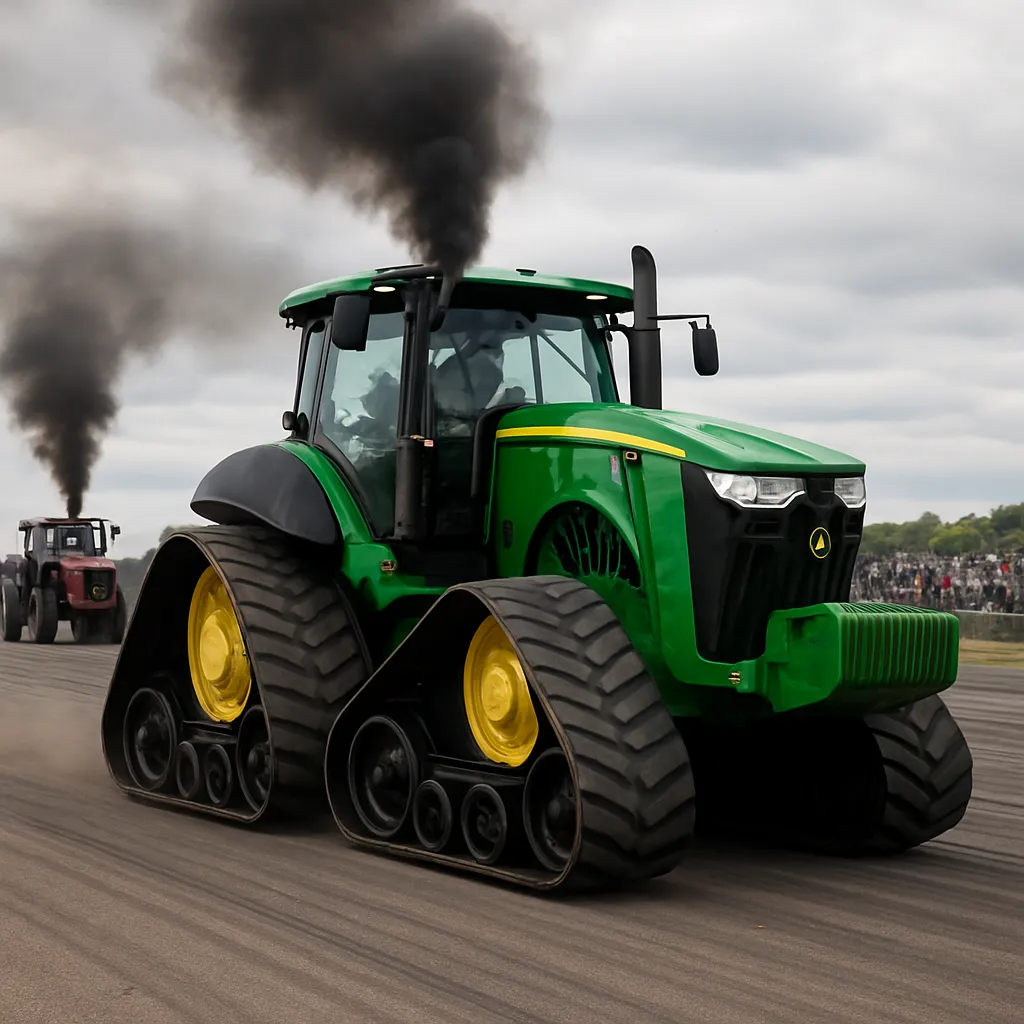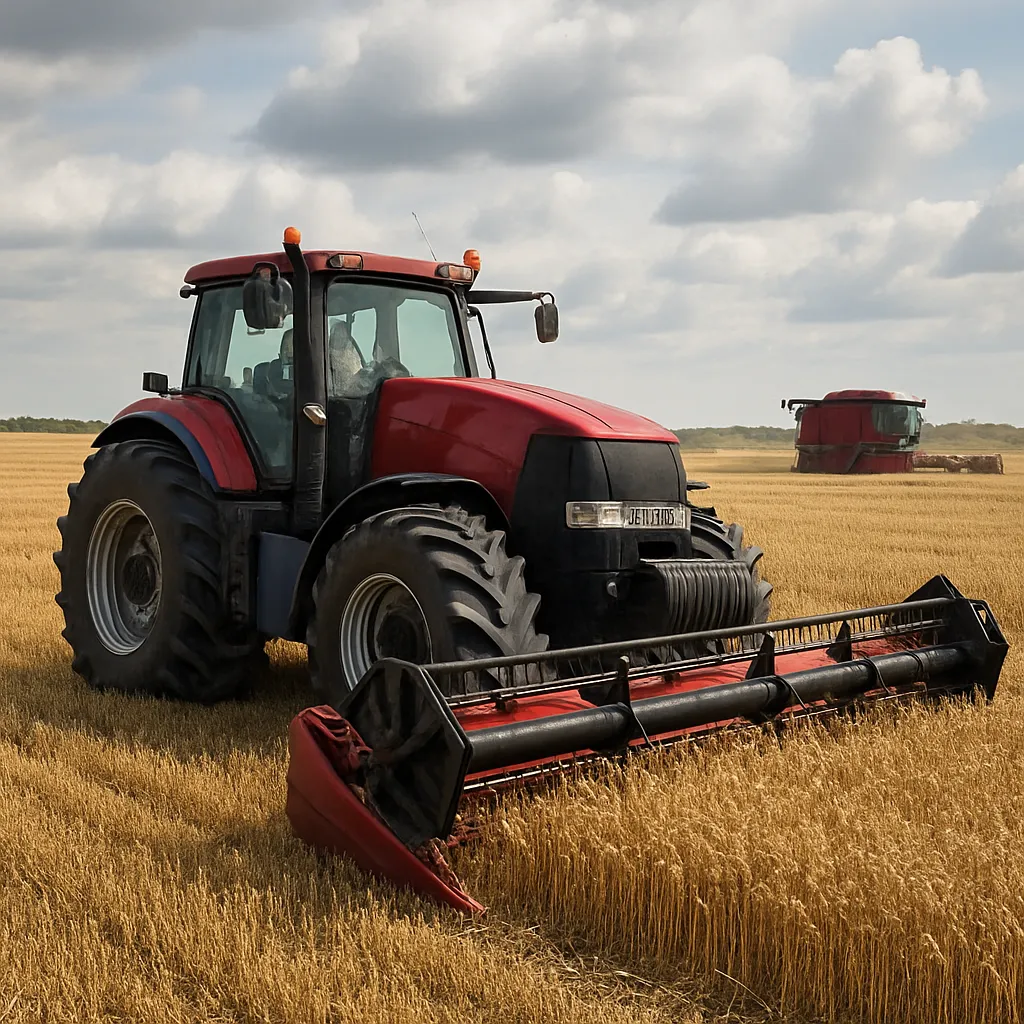
The relentless pursuit of greater productivity in agriculture has fueled the rise of some of the world’s largest tractors. These massive machines, often exceeding 500 horsepower, have transformed harvesting projects across continents, reshaping not only the scale of operations but also the very approach to modern farming. From vast grain fields in the American Midwest to sprawling sugarcane plantations in Brazil, large tractors deliver the muscle and precision necessary to meet global food and biofuel demands.
The Evolution of Tractor Scale
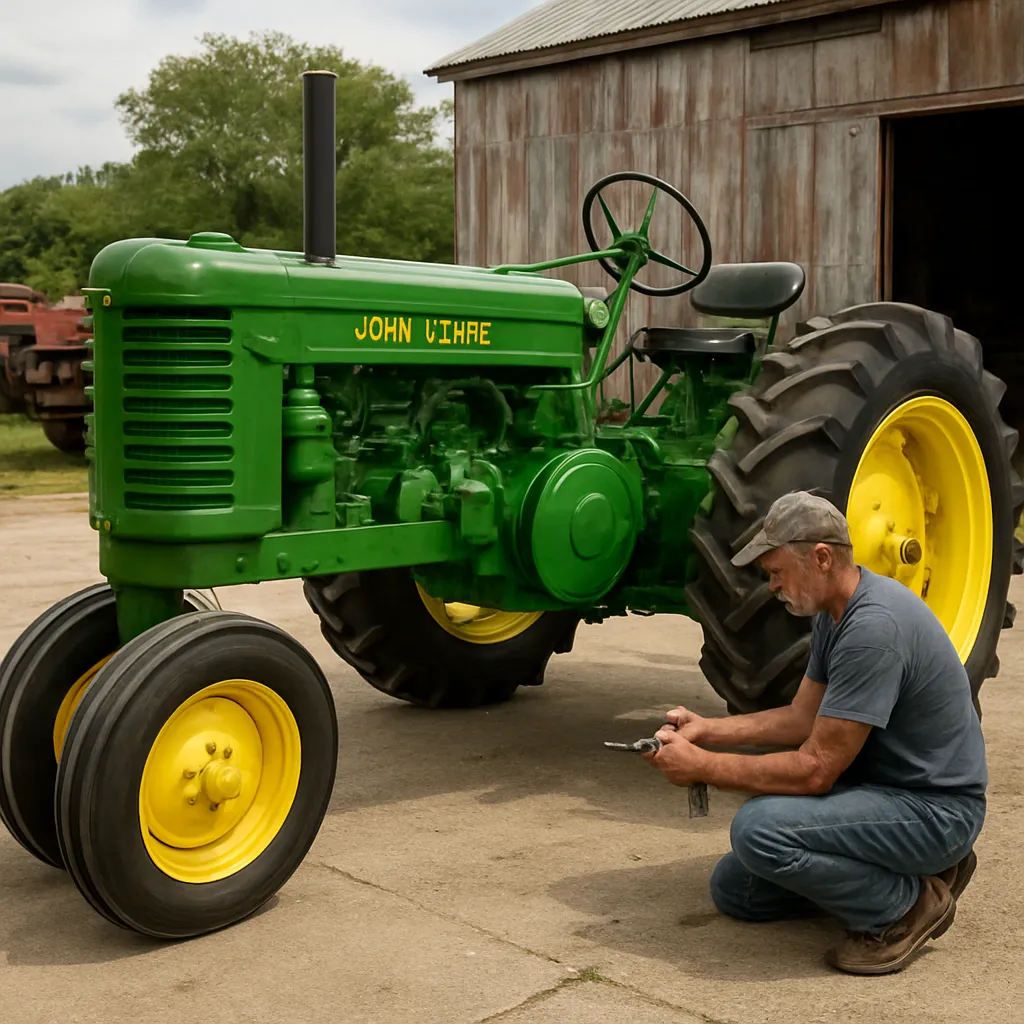
Farmers and manufacturers have continually pushed the boundaries of tractor design to achieve higher power and improved fuel efficiency. Early 20th-century tractors barely surpassed 20 horsepower and relied on steam or rudimentary gasoline engines. By the 1960s, mid-range models of 100–200 horsepower became common in mechanized regions. Today’s giants, tipping the scales at over 20 tons, can boast 600–700 horsepower.
- 1920s: Introduction of the first gasoline tractors, replacing draft animals.
- 1950s: Diesel engines improve fuel economy and torque.
- 1980s: Emergence of four-wheel drive and cab comfort enhances operator endurance.
- 2000s: Integration of GPS guidance systems for precision planting and harvesting.
- 2020s: Development of ultra-high-horsepower machines exceeding 700 HP.
This progression underscores the agricultural industry’s drive for increased efficiency and operational scale. As farm sizes grow and labor shortages intensify, the demand for high-capacity tractors continues to surge.
Advantages of Large Tractors in Modern Harvesting
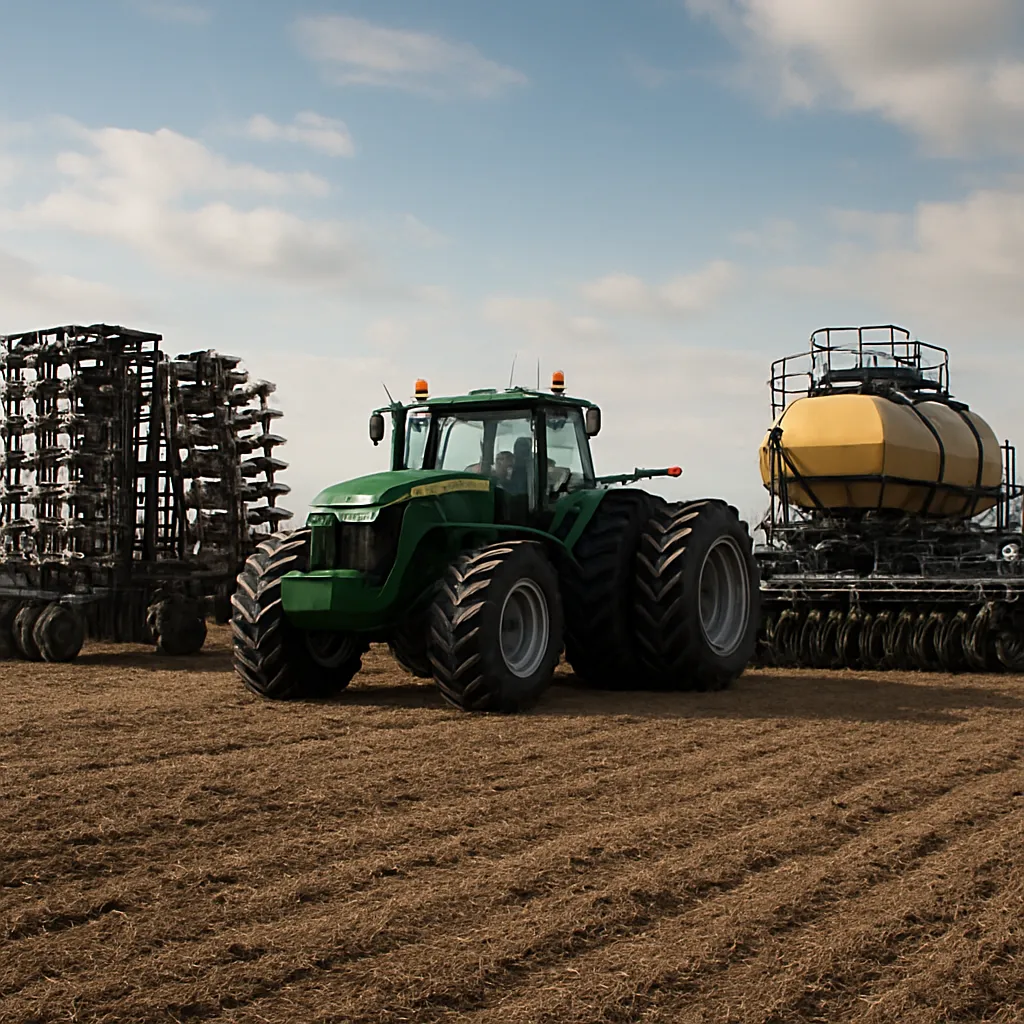
Large tractors offer remarkable advantages that smaller models simply cannot match. Their robust engines and engineered transmissions deliver unprecedented pulling force, enabling them to tow or operate large harvesting implements with ease. This translates directly into shorter field times and lower overall costs per acre.
- Capability: Ability to handle broad-width headers and grain carts simultaneously.
- durability: Heavy-duty components built to withstand continuous high-load operations.
- Improved operator comfort allows longer shifts, reducing downtime between crews.
- Enhanced hydraulics support multiple attachments, from draper headers to high-capacity augers.
Enhanced Efficiency and Power
With advanced transmissions and efficient fuel management, large tractors maintain consistent torque at low engine speeds. This leads to optimized fuel consumption rates even under peak loads. Operators enjoy smoother control, while the cutting-edge engine management systems minimize emissions and meet stringent environmental standards.
Increased Yield and Scalability
By covering more ground faster, large tractors help farmers capitalize on optimal harvest windows. This rapid response reduces crop losses due to unpredictable weather, directly boosting net yield. Additionally, the scalability of operations improves: one large tractor can often replace two or three smaller ones, simplifying logistics and service requirements.
Technological Innovations Driving Growth
Engineering advancements continue to elevate the performance of massive tractors. Computer-controlled engines, sophisticated transmission algorithms, and integrated data systems deliver unprecedented operational transparency. Real-time diagnostics and remote monitoring allow fleet managers to track reliability metrics, schedule maintenance proactively, and avoid costly breakdowns during critical harvest periods.
- GPS-based auto-steer for centimeter-level accuracy in wide-field passes.
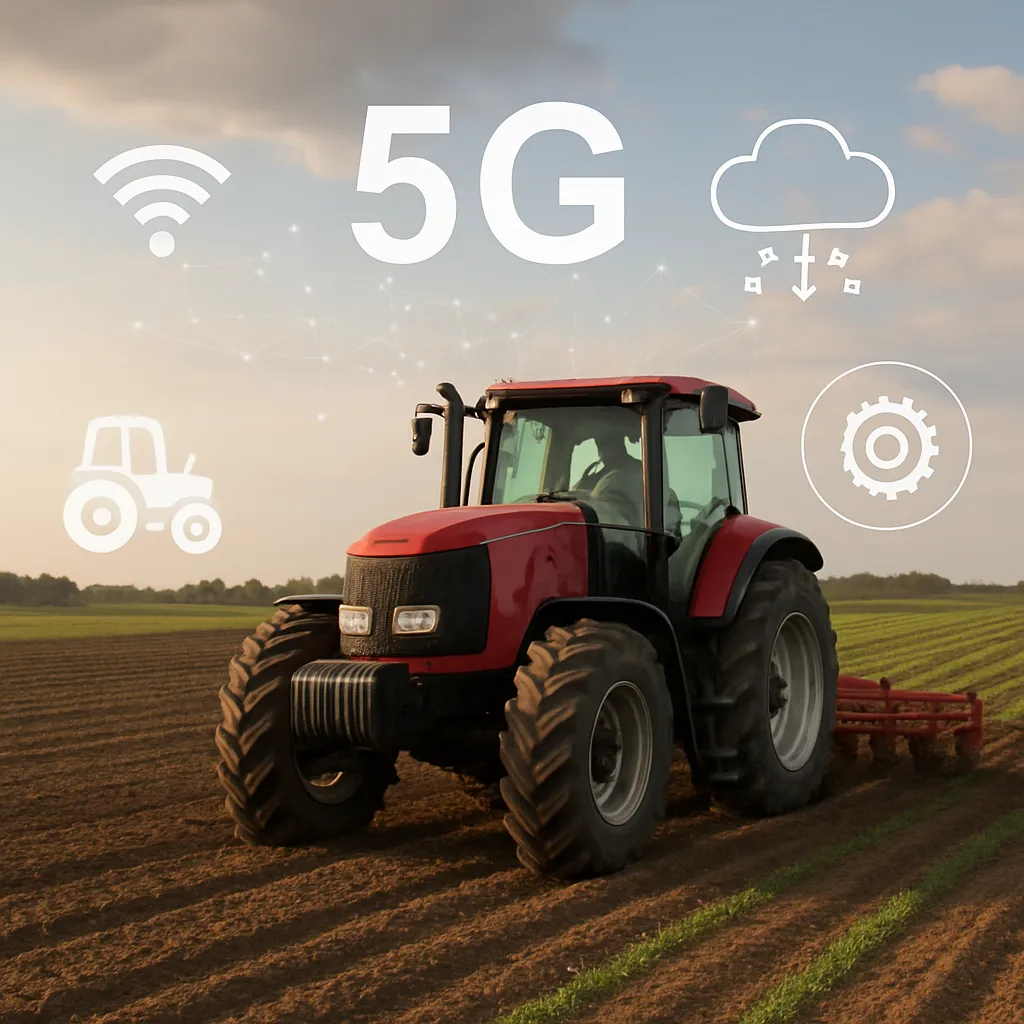
- Telematics platforms enable remote troubleshooting and performance tuning.
- Sensor arrays measure soil compaction, moisture, and organic content on the go.
- Modular implement interfaces allow quick swapping of headers, cultivators, and planters.
Precision Agriculture Tools
Large tractors are often equipped with precision seeders and applicators that vary rates of fertilizer, seed, or pesticide on the fly. This variable-rate technology optimizes input usage, reducing waste and environmental impact. By layering field maps with yield data, farmers can apply resources only where needed, improving both profitability and stewardship.
Autonomous Operation
Autonomy is the next frontier. Self-driving tractors, guided by advanced sensors and AI algorithms, can navigate complex field layouts and operate implements without human intervention. This liberates skilled operators for more strategic tasks, while ensuring continuous fieldwork even during night or adverse conditions. As the technology matures, fully autonomous harvesting fleets promise to redefine farm labor.
Economic and Environmental Considerations
While large tractors deliver unmatched productivity, their scale raises both economic and ecological questions. Upfront costs can exceed $500,000, excluding high-capacity implements. However, when amortized over thousands of operational hours and combined with savings on labor, fuel, and downtime, the total cost per acre often drops substantially.
- Higher purchase price but lower unit cost in long-term asset utilization.
- Efficient engines reduce liters-per-hectare fuel consumption.
- Advanced exhaust treatment systems curb particulate and NOx emissions.
- Potential soil compaction mitigated by dual wheels or low-pressure tires.
Moreover, the integration of cover-cropping implements and conservation tillage attachments fosters sustainable practices. By reducing the number of passes across a field, large tractors lower soil disturbance and maintain organic layers that enhance moisture retention and prevent erosion.
Future Outlook and Emerging Trends
The next decade promises further breakthroughs in tractor design and deployment. Electrification of large agricultural equipment, once deemed impractical, is gaining momentum as battery energy density improves. Hybrid diesel-electric drivetrains can store surplus energy generated during low-demand operations, then unleash additional torque under heavy load.
- Electric and hydrogen-fuel-cell prototypes under field trials.
- Integration with drone-based scouting to inform real-time adjustments.
- Collaborative fleets where multiple machines coordinate via cloud-based platforms.
- Biometric cabin controls adapting settings to operator preferences.
As global demand for grains, oilseeds, and bioenergy crops intensifies, large tractors will remain indispensable. Their combination of raw mechanization, advanced technology, and ongoing innovation ensures they continue to lead large-scale harvesting projects. By balancing durability with precision tools and eco-friendly features, the industry is crafting the ultimate agricultural workhorse designed for tomorrow’s challenges.