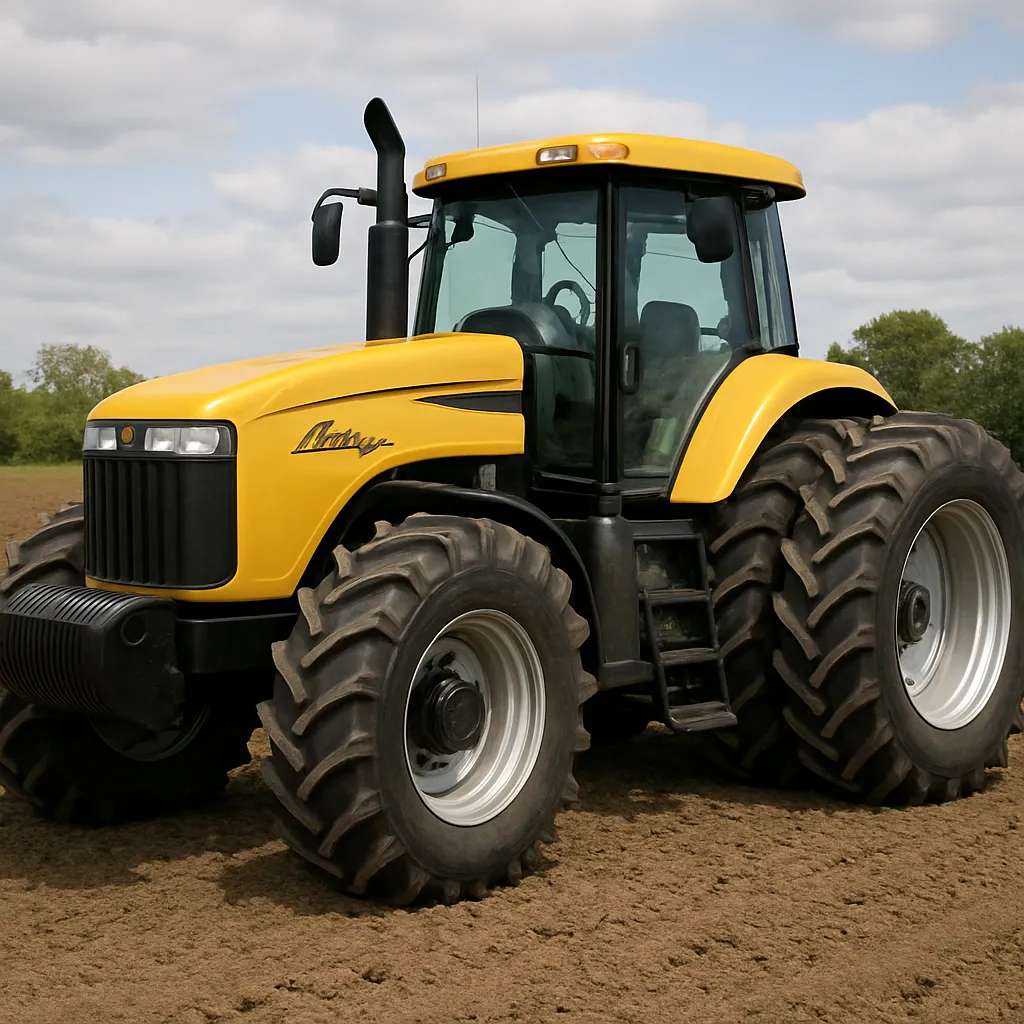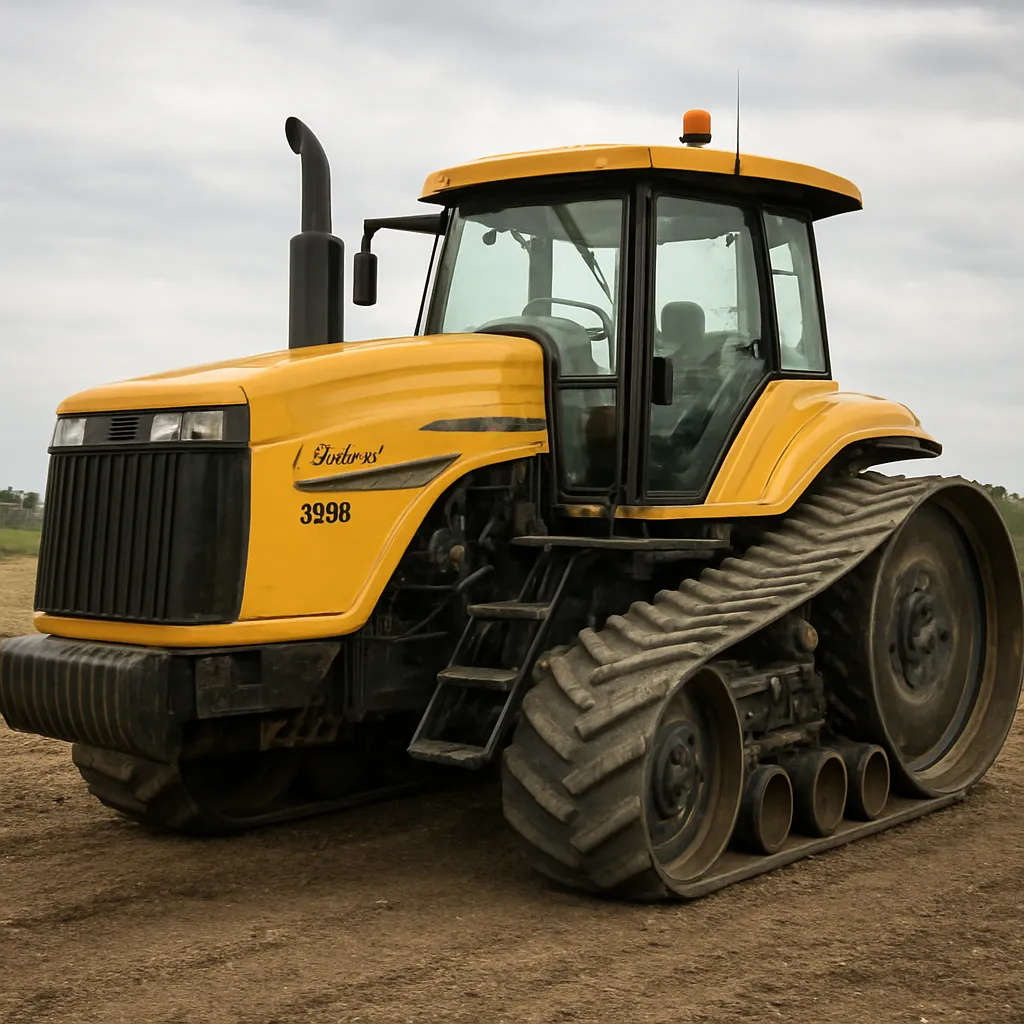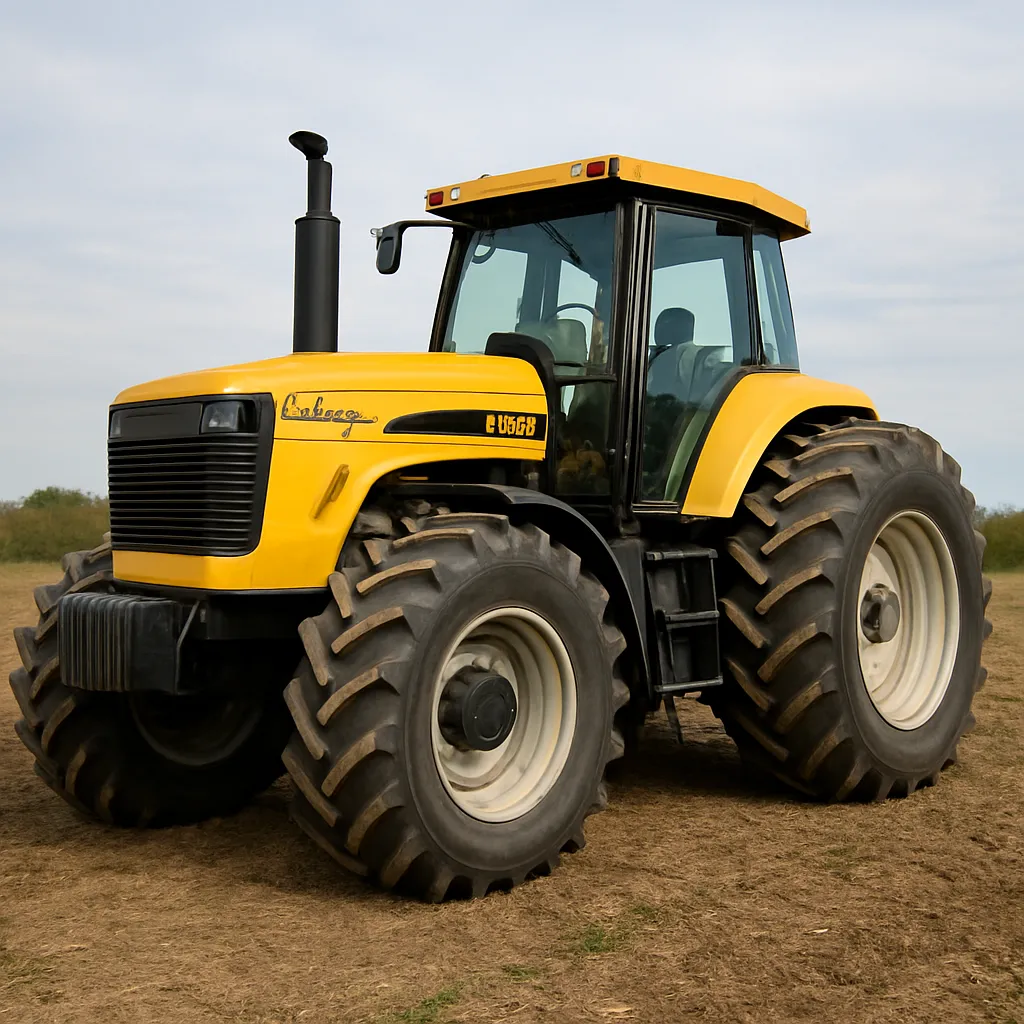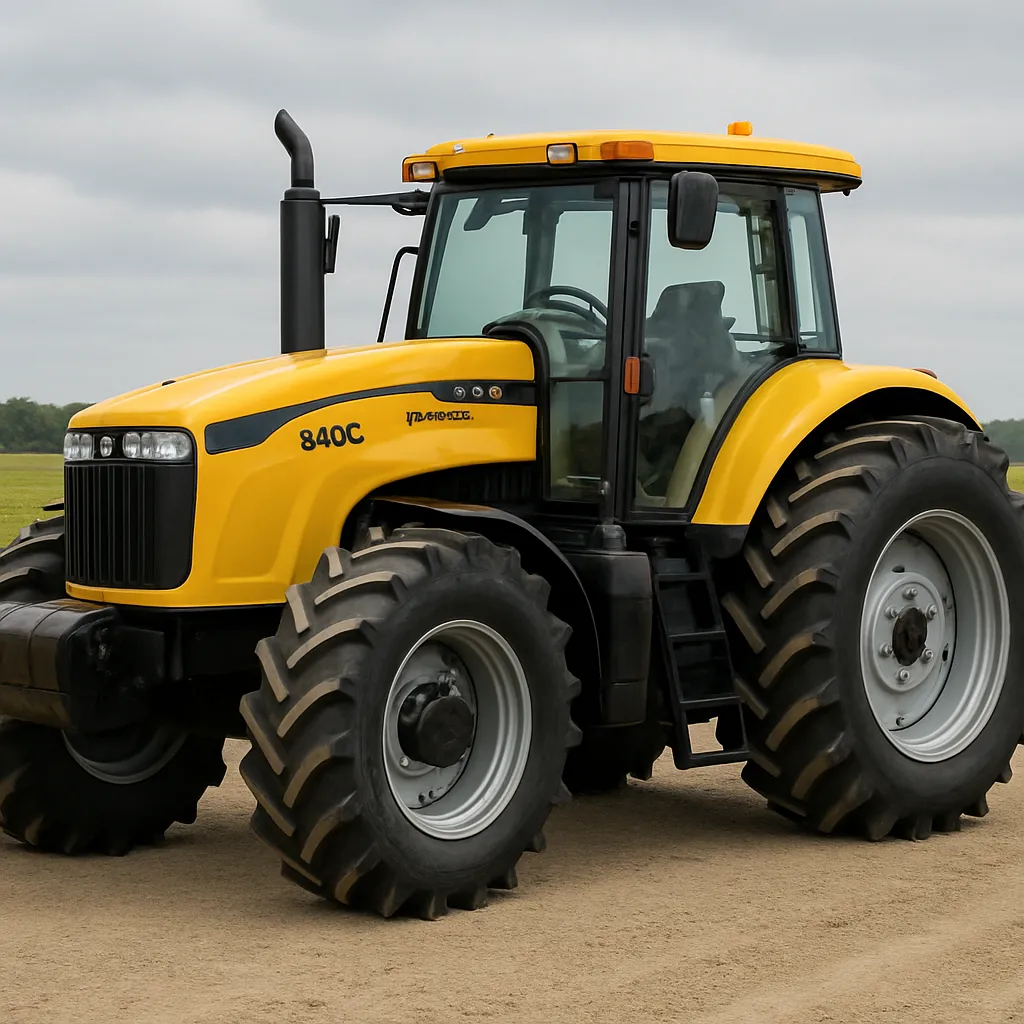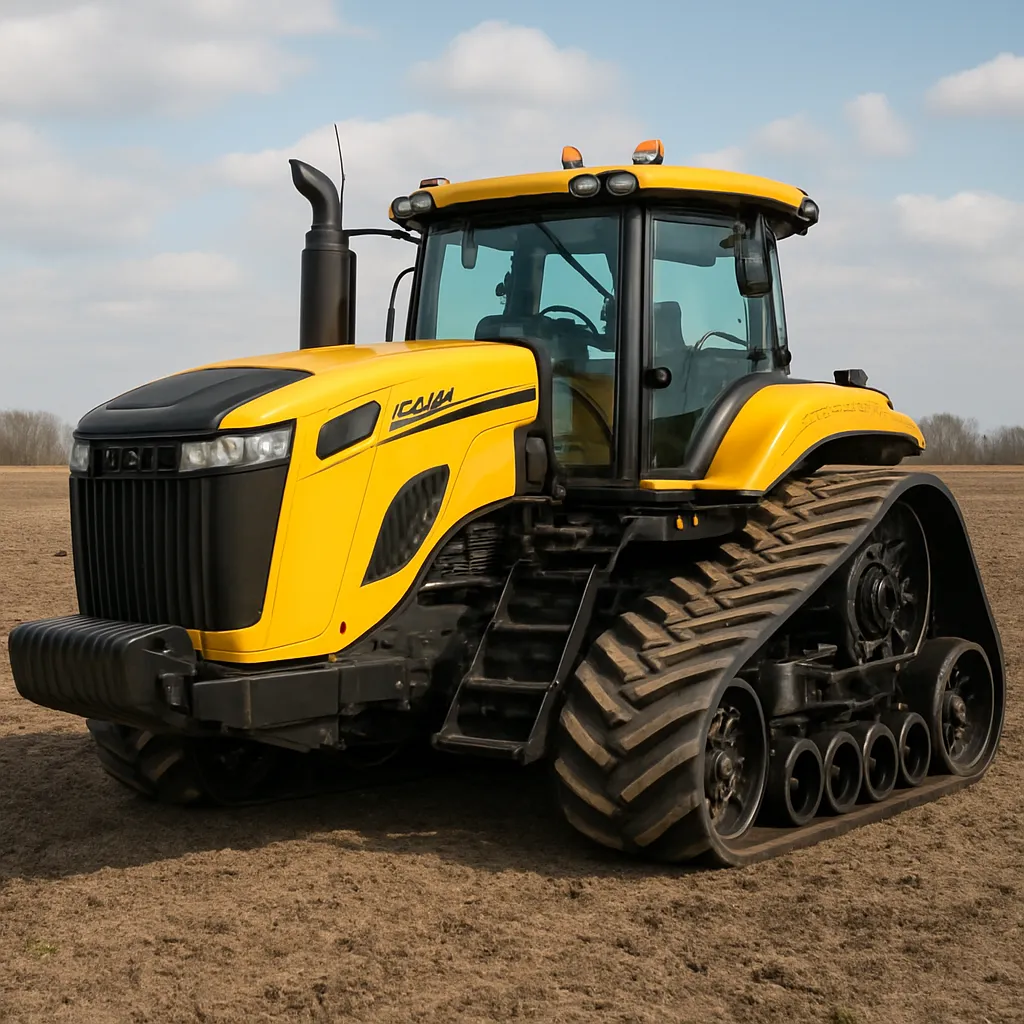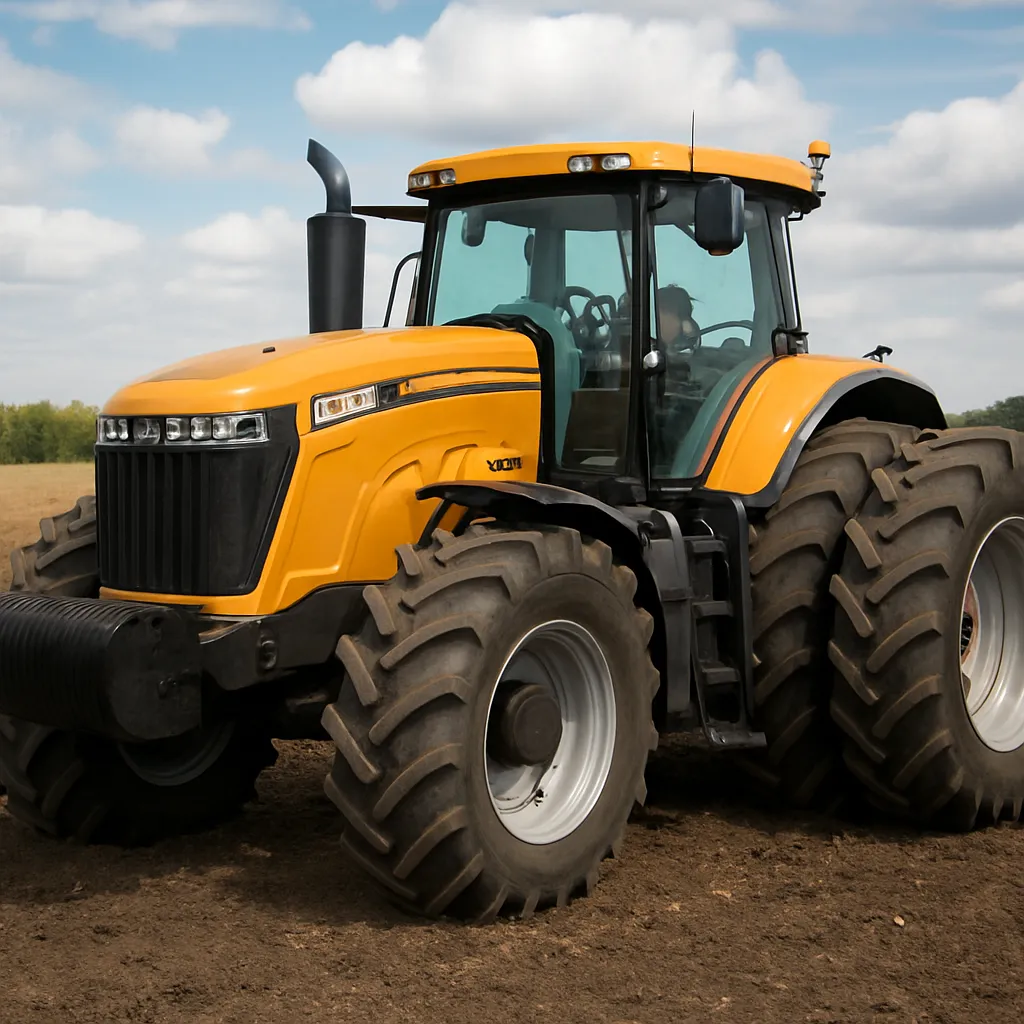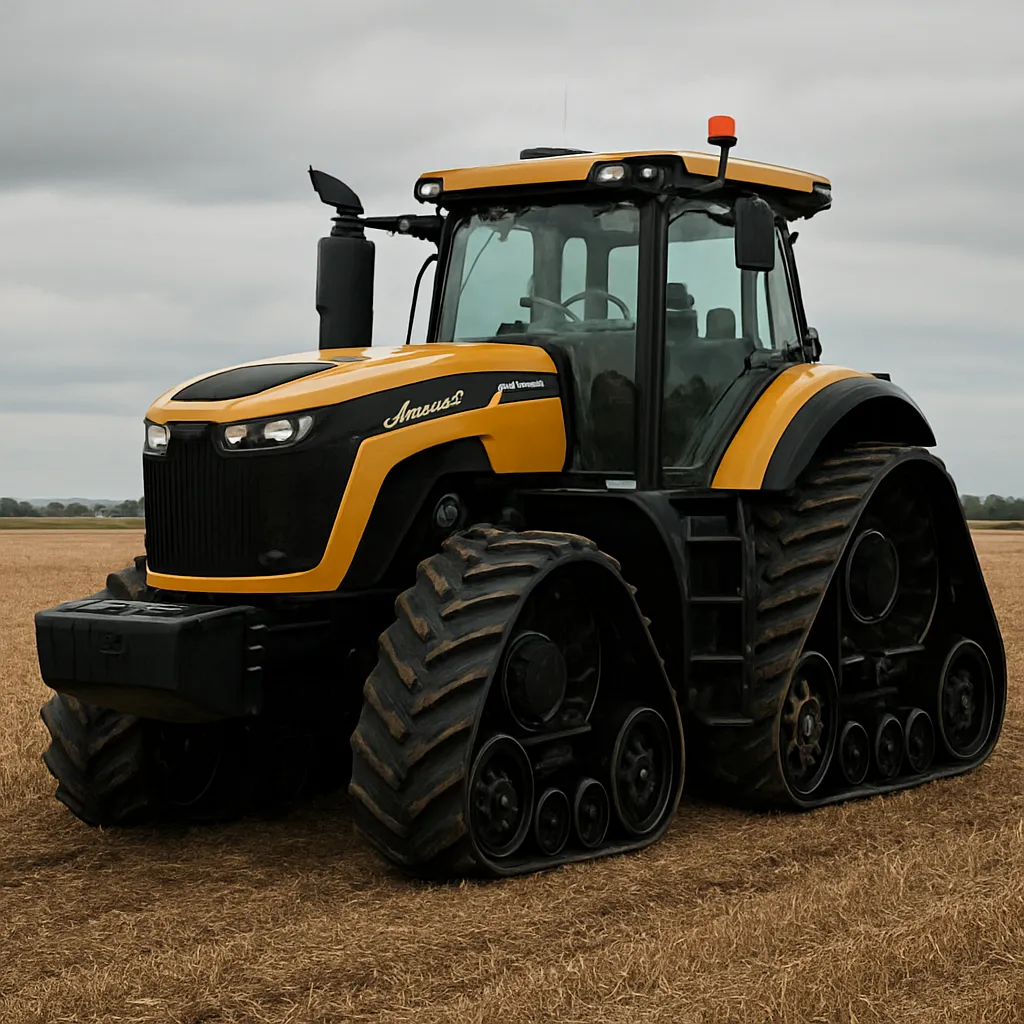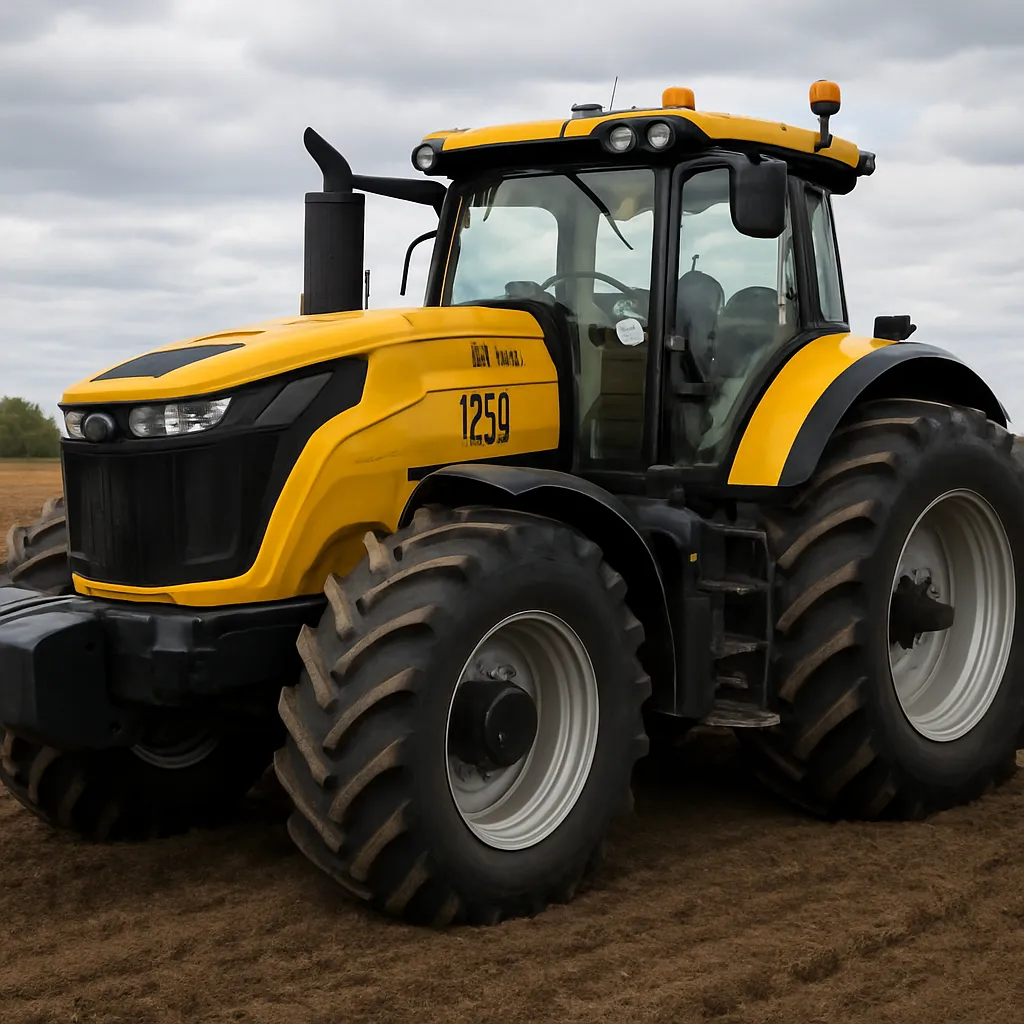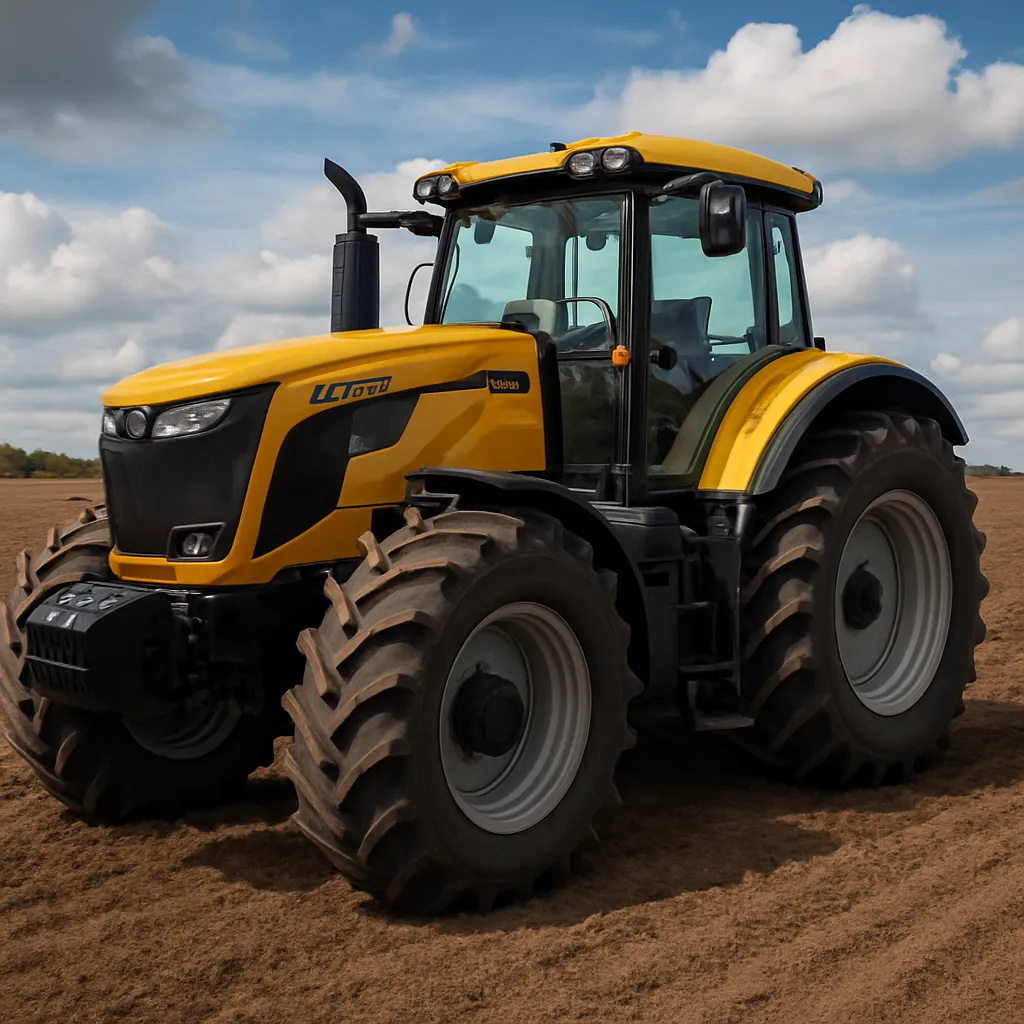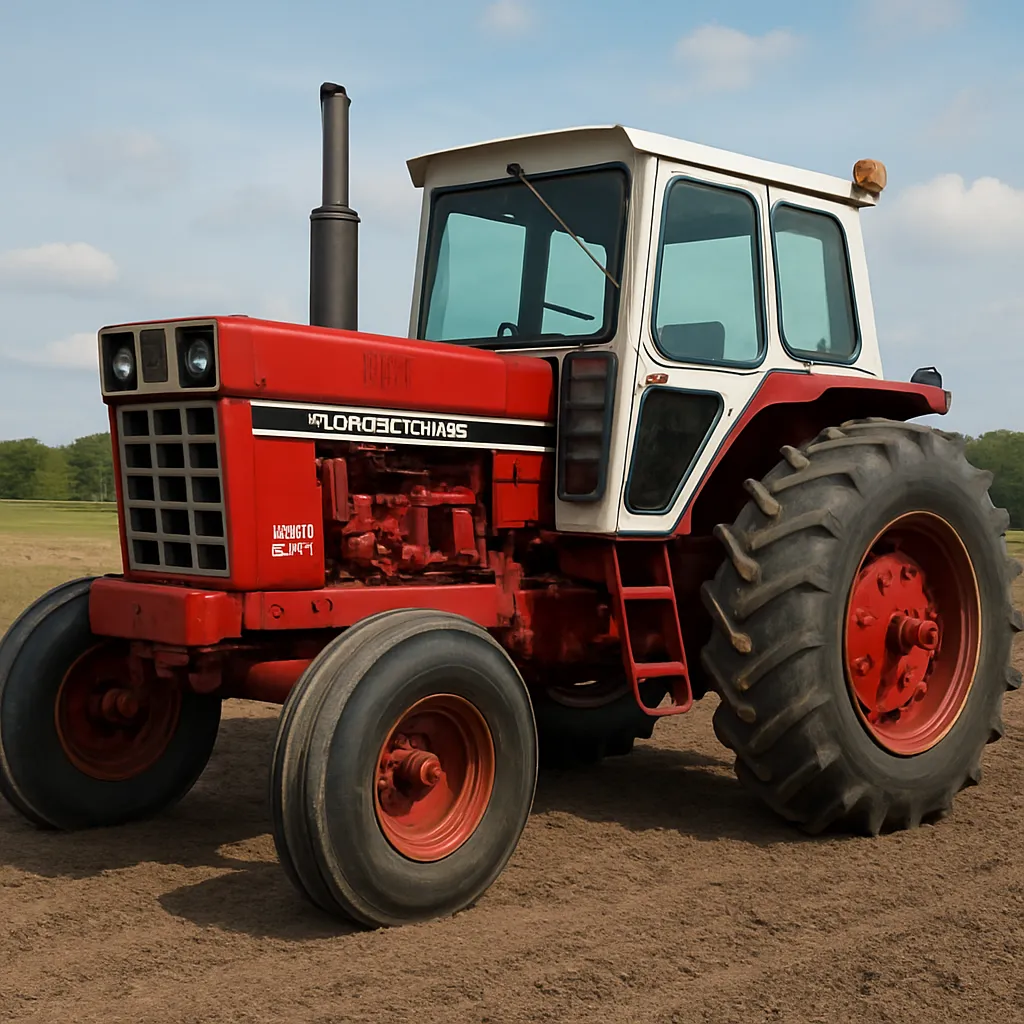
The International Harvester 1468 is a notable example of classic agricultural engineering that served many farms and contractors with reliable power and practical versatility. Although it is one model among a long lineage of International Harvester machines, the 1468 became appreciated for a balance of comfortable operator features, rugged mechanical systems, and enough power to handle a wide variety of implements. This article explores the background, technical characteristics, typical uses, maintenance considerations, and the market for the 1468, and offers practical guidance for owners and enthusiasts.
Background and context
The brand behind the model — International Harvester — has a long history in agricultural machinery, tracing back to the late 19th and early 20th centuries. The company produced everything from small row-crop tractors to heavy industrial machines. The 1468 sits in the mid-to-upper power range among row-crop and utility tractors from the later decades of the 20th century, designed to serve medium to larger farms that needed reliable field performance without stepping into very large horsepower classes reserved for the biggest modern tractors.
Historically, machines like the 1468 were developed to satisfy farmers who required a combination of field capability, transport speed, and implement versatility. International Harvester engineering emphasized robust mechanical components, straightforward serviceability, and adaptability to a variety of implements — traits that continued to make older models like the 1468 desirable for certain users long after newer electronic-heavy tractors became common.
Technical characteristics and approximate specifications
Exact specifications for the 1468 can vary depending on production year, optional equipment, and whether specific regional variants exist. The following points describe typical or commonly reported characteristics for this class of International Harvester tractors, and should be treated as general guidance rather than absolute factory numbers.
- Engine: Typically a diesel inline 6-cylinder or similar diesel configuration in this power class. Engines are designed for long service life and strong low-end torque for pulling implements.
- Horsepower: Reported engine horsepower for tractors of this category usually falls in the mid-hundred range (for example, rough estimates might be around 90–130 Engine HP), while PTO horsepower is typically less than engine gross HP — often in the 70–110 PTO HP range depending on configuration.
- Transmission: Manual or power shift transmissions were common. Gear ranges vary from simple 8 forward/2 reverse layouts to more complex multi-range or synchronized options offering paddles or creeper gears for low-speed operations. Some units may also offer a torque converter or partial powershift.
- PTO: A rear PTO with 540 RPM as standard was typical; some tractors of this era could be equipped with optional 1000 RPM PTO or multi-speed PTOs depending on requirements.
- Hydraulics: Open-center hydraulic systems with a variety of valve and remotes options. Lift capacity at the 3-point hitch for medium-sized tractors often ranges across several thousand pounds (typical ranges might be 3,000–6,000 lb depending on linkage and ballast).
- Weight and dimensions: Medium-to-heavy chassis weight for traction and stability; weights commonly fall in the range allowing significant ballast options and front/rear tire sizes appropriate for row-crop or general-purpose work.
- Fuel capacity and range: Fuel tanks sized for day-long field use, often in the hundreds of liters or multiple tens of gallons, enabling long operating intervals between refills.
Because the 1468 is often seen in used and rebuilt markets, actual values or specifications encountered by buyers may differ due to engine swaps, transmission modifications, aftermarket PTOs, or added front-wheel drive systems.
Typical applications and implementations
The tractor model like the 1468 is commonly used for a wide spectrum of agricultural and light industrial applications. Its combination of power, secondary features, and implement compatibility makes it a practical choice for mixed farms and contractors.
Primary agricultural roles
- Tillage and soil preparation: Pulling plows, cultivators, discs, and harrows where steady torque and traction are needed.
- Planters and seeders: Powering planters and air seeders across row-crop fields with sufficient hydraulic control for depth and row-to-row management.
- Hay and forage: Running balers, mowers, rakes, and forage harvesters with reliance on PTO output and hydraulic linkages.
- Harvest support and transport: Using the tractor for pulling wagons and trailers and moving material during harvest windows.
- Loader work: Many tractors of this size are fitted with front loaders for handling bales, feed, and materials around the farmyard.
Secondary and specialty uses
- Roading and transport: Sufficient top speed and gearing options for transporting equipment between fields or job sites.
- Snow removal and municipal work: With proper attachments, these tractors serve well in snowplows, salt spreaders, and municipal duties.
- Contractor work: Smaller contracting operations often use such tractors for grading, pulling small trailers, or powering PTO-driven equipment on rental contracts.
- Historical demonstrations and hobby farms: Well-maintained examples are used in shows, parades, and for educational demonstrations of older agricultural technology.
The versatility of the platform is one of its strongest selling points: it is straightforward to fit most common implements, and the mechanical simplicity makes it attractive where modern electronic controls are not required or desired.
Design highlights and operator features
Crew comfort and usability were important design considerations for tractors competing in this mid-power range. Although not as feature-rich as later models with advanced electronics, the 1468 typically offered:
- A comfortable operator station with good visibility to the front and rear, often featuring a roomy cab option with heating and ventilation for seasonal protection.
- Simple, robust control layouts that are intuitive for operators familiar with classic tractors; levers and switches are generally mechanical or hydraulic rather than electronic.
- Options for differential locks, selectable 4WD (if offered), and adjustable ballast to suit field conditions.
- Service points that were arranged for relatively easy access: oil filters, fuel filters, and key engine ancillaries that could be serviced in the field.
These design choices emphasize durability and low-cost long-term ownership, appealing to owners who prioritize reliability and repairability over high-tech features.
Maintenance, common issues, and ownership tips
Owning a classic workhorse like the 1468 is often rewarding, but keeping it in productive condition requires regular attention. The following maintenance and ownership guidance is drawn from general best practices for tractors of this era and similar International Harvester models.
Routine maintenance checklist
- Engine oil and filter changes at regular intervals; watch for oil consumption and signs of blow-by on older engines.
- Fuel system maintenance: change fuel filters, drain water separators, and maintain clean injection systems to prevent starting and running issues.
- Cooling system care: flush and replace coolant periodically, check hoses and radiator cores for leaks or blockages, and ensure the fan clutch (if fitted) operates properly.
- Transmission and hydraulic fluid checks: follow service intervals for fluid and filter changes; inspect seals for leaks commonly around steering and loader circuits.
- Tire inspection and proper inflation to match field conditions and reduce slippage or excessive soil compaction.
- PTO and 3-point hitch lubrication and wear checks; replace worn pins or linkages to maintain implement control and safety.
Common wear points and how to address them
- Hydraulic hoses and seals tend to age and should be inspected and replaced before catastrophic failure.
- Electrical systems on older tractors can show brittle wiring and corroded connections; regular cleaning and protection improve reliability.
- Clutch and transmission wear: hard use and PTO stalling can lead to clutch wear; conservative operation and proper adjustment extend service life.
- Engine wear: older diesel engines may need injector servicing, turbocharger inspection if fitted, and valve adjustments at recommended intervals.
Many owners find it useful to keep a small stock of commonly needed parts — filters, belts, hoses, and seals — especially in regions where parts supply chains might be slow. The community of International Harvester enthusiasts and parts suppliers also helps keep older tractors in service through reproduction components and salvage networks.
Market, parts availability, and collectibility
Tractors like the 1468 occupy a niche in the used market where practical value and collector interest intersect. Key points for prospective buyers or sellers include:
- Value depends strongly on condition, hours, local demand, and whether the machine is a running unit or a restoration project. Units with intact cabs, clean engines, and maintained hydraulics command higher prices.
- Parts availability: while factory-new parts may be limited for older models, aftermarket suppliers, salvage yards, and enthusiast networks provide a steady flow of replacements and refurb components.
- Collectibility: restored tractors are sought after by collectors of agricultural history; however, most market demand remains practical — farmers and small contractors looking for a dependable machine at a fair price.
When assessing price, consider the cost of any needed repairs or upgrades, the availability of local service expertise, and the cost of transportation if the tractors must be moved long distances.
Upgrades, modifications, and modern retrofits
Because of their mechanical simplicity, older tractors like the 1468 are often modified to extend service life or meet new operational needs. Common and practical upgrades include:
- Improved lighting packages and electrical upgrades for road safety and extended-hour operation.
- Modern seats and ergonomic controls to increase operator comfort during long shifts.
- Aftermarket hydraulic kits or upgraded pumps to increase flow for modern implements or to add front-end loader speed and capability.
- Fuel system modernization, such as upgraded injectors or fuel priming systems, to improve cold starting and fuel efficiency.
- GPS and guidance retrofit systems: many owners add modern precision-farming components (auto-steer, field mapping) that integrate with older tractors without changing the underlying mechanical systems.
Thoughtful modifications can make an older tractor both more comfortable and more productive, particularly when used in modern farming systems that rely on accuracy and time efficiency.
Practical advice for buyers and owners
- Inspect thoroughly: test-start the engine cold and warm, check for smoke, listen for abnormal noises, and verify that the PTO and hydraulics operate under load.
- Request service history: knowing when major items like the clutch, injectors, or gearbox were serviced helps predict near-term maintenance needs.
- Verify implements compatibility: ensure the 3-point hitch category, PTO speed, and hydraulic flow match the implements you plan to operate.
- Consider total cost of ownership: a lower purchase price can be offset by immediate repair needs; conversely, a well-maintained higher-priced unit may offer lower lifetime cost.
- Join owner communities: forums, clubs, and local IH chapters are valuable resources for troubleshooting, sourcing parts, and learning practical tips from experienced owners.
Final observations
The International Harvester 1468 represents a class of tractors designed to be work-ready, serviceable, and adaptable. Whether serving on a mixed-use farm, working as a contractor machine, or restored for historical interest, tractors of this lineage remain prized for their straightforward engineering and dependable performance. Prospective owners should balance the appeal of classic mechanical systems with realistic maintenance planning, while enthusiasts will find a rich community and parts ecosystem that keeps these machines productive for decades.
For those evaluating a purchase or planning to keep a 1468 running, the most valuable strategies are thorough inspection, sensible upgrades where appropriate, and consistent preventative maintenance that preserves the tractor’s fundamental strengths: solid diesel power, capable PTO performance, robust hydraulics, reliable transmission choices, and overall mechanical durability and versatility.