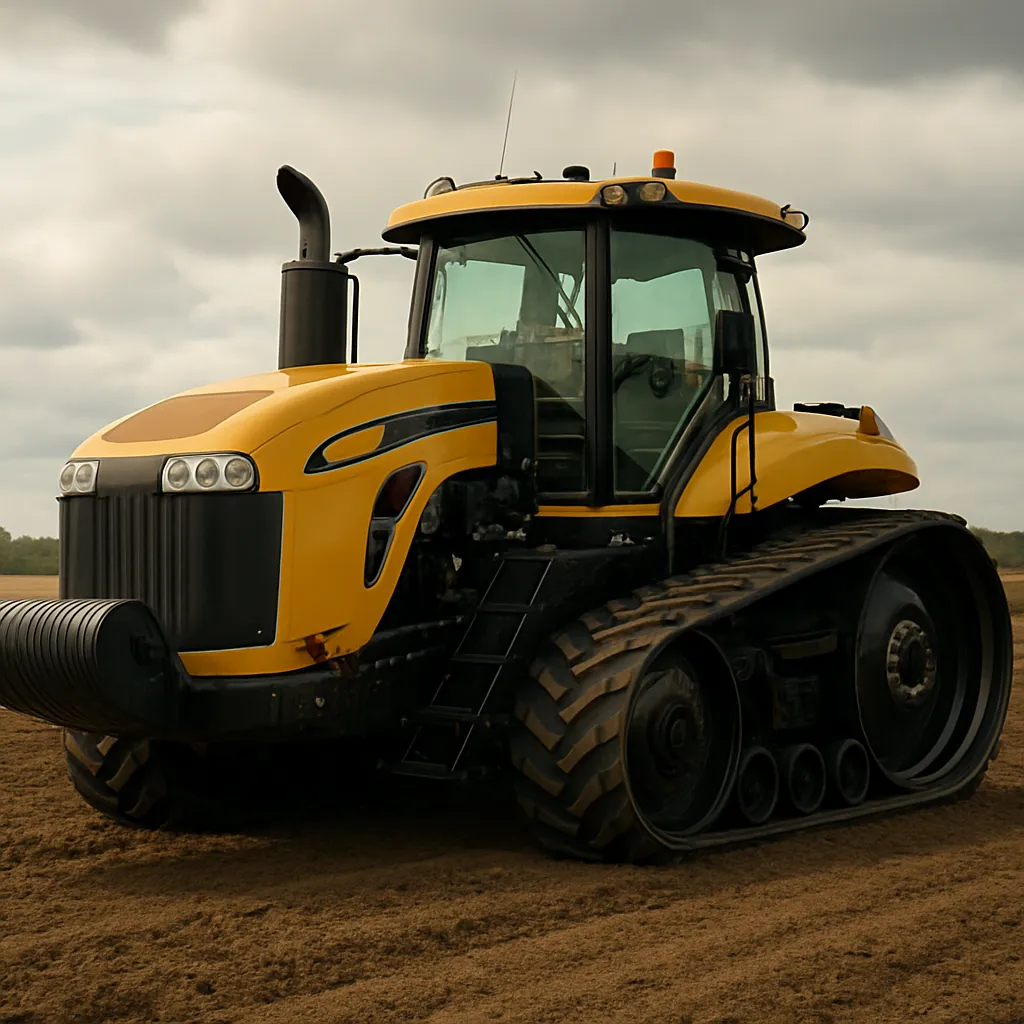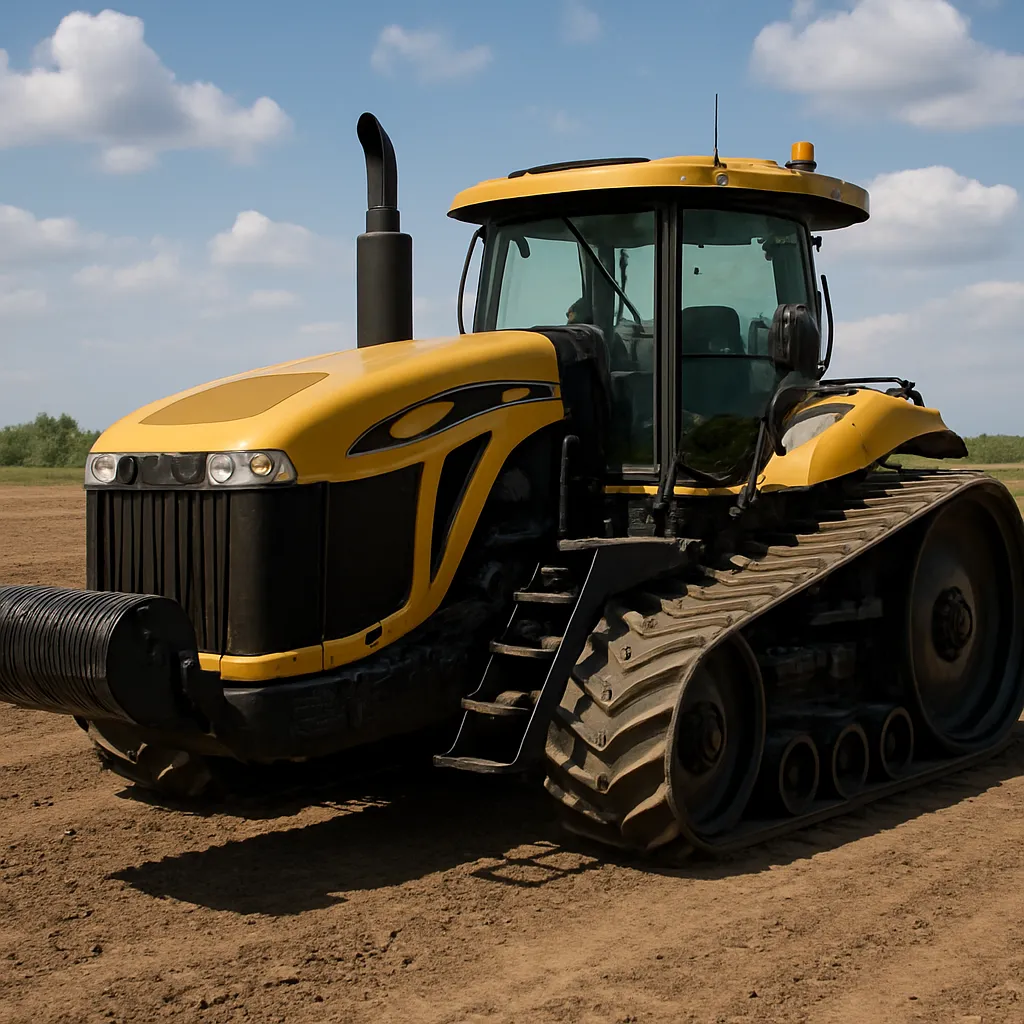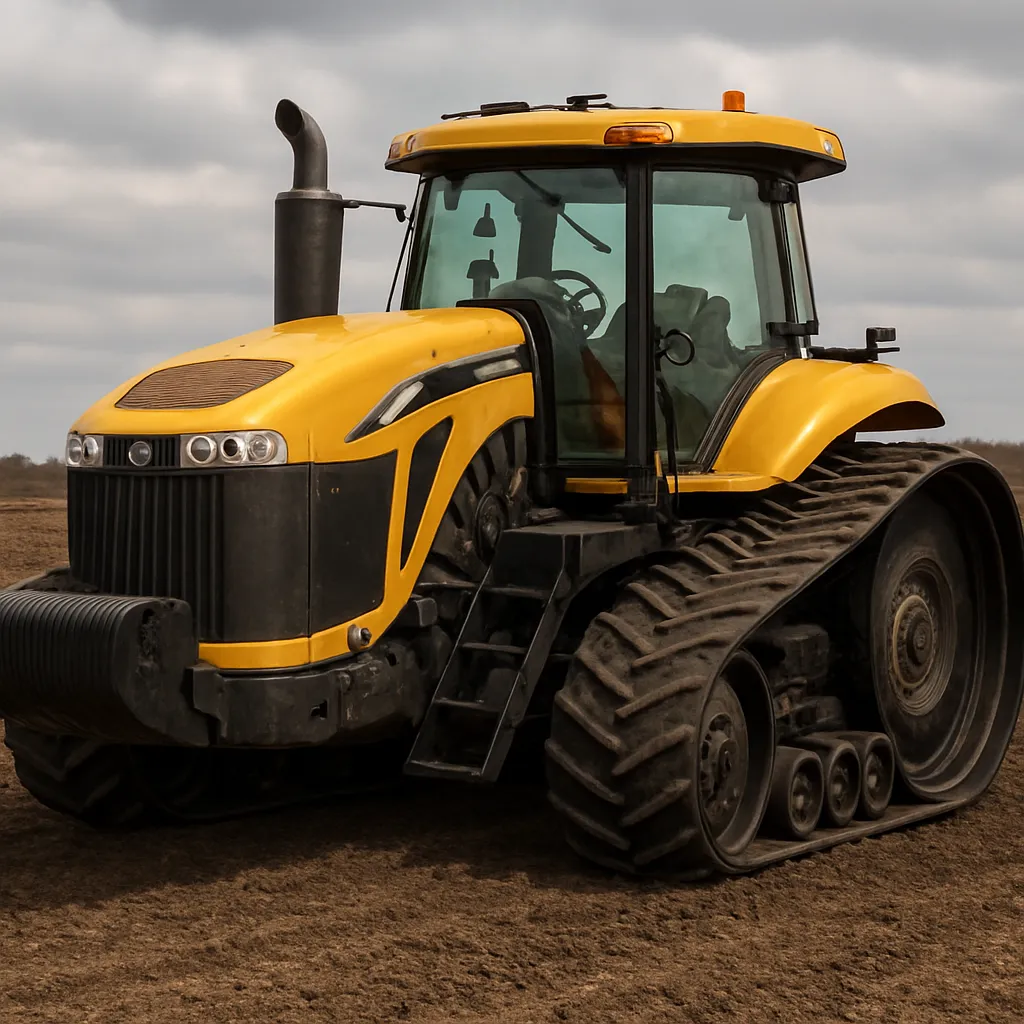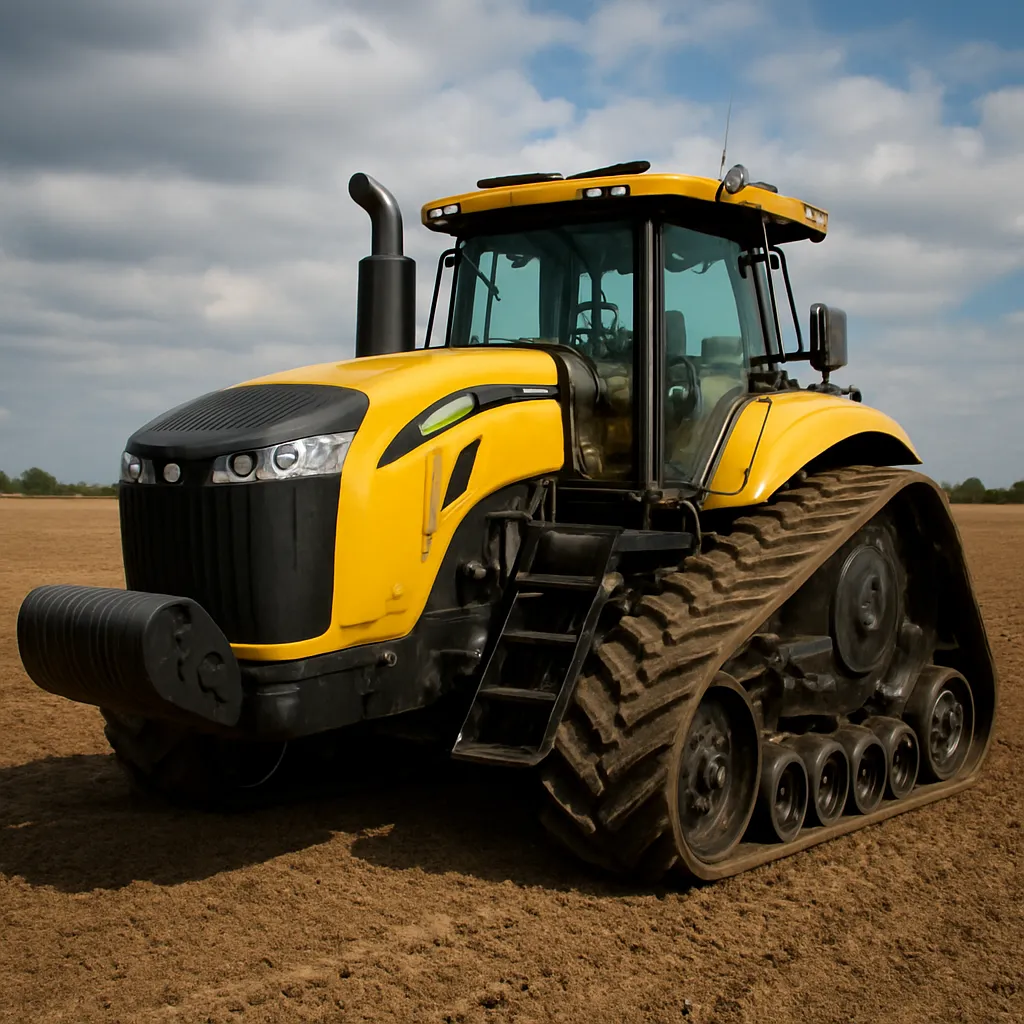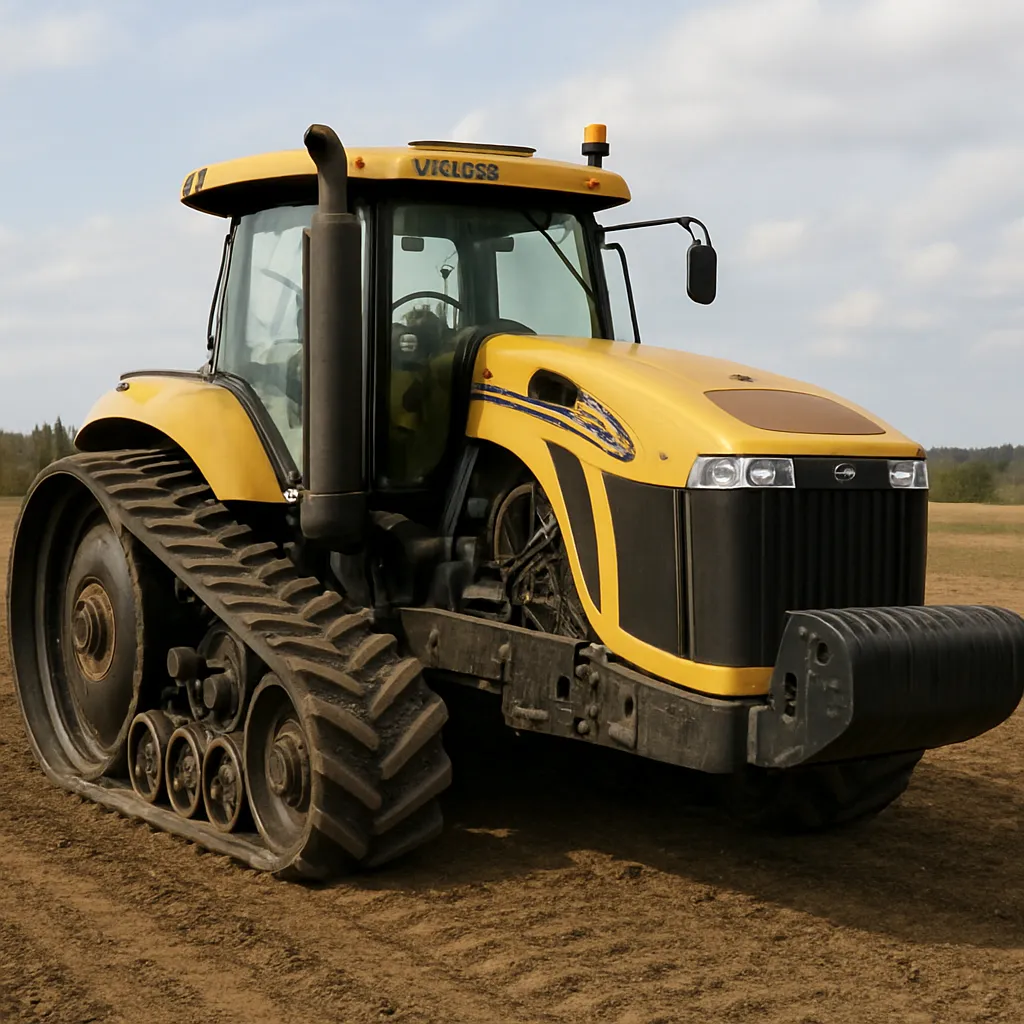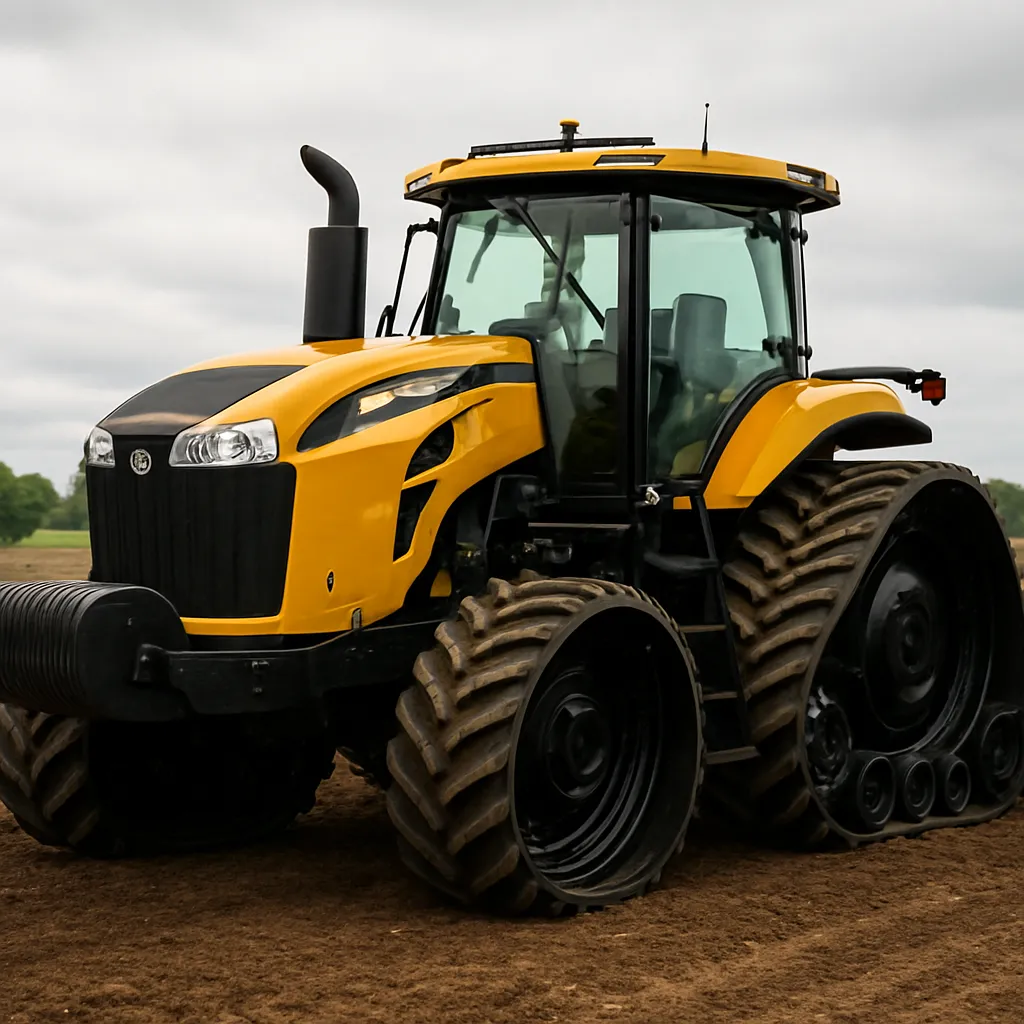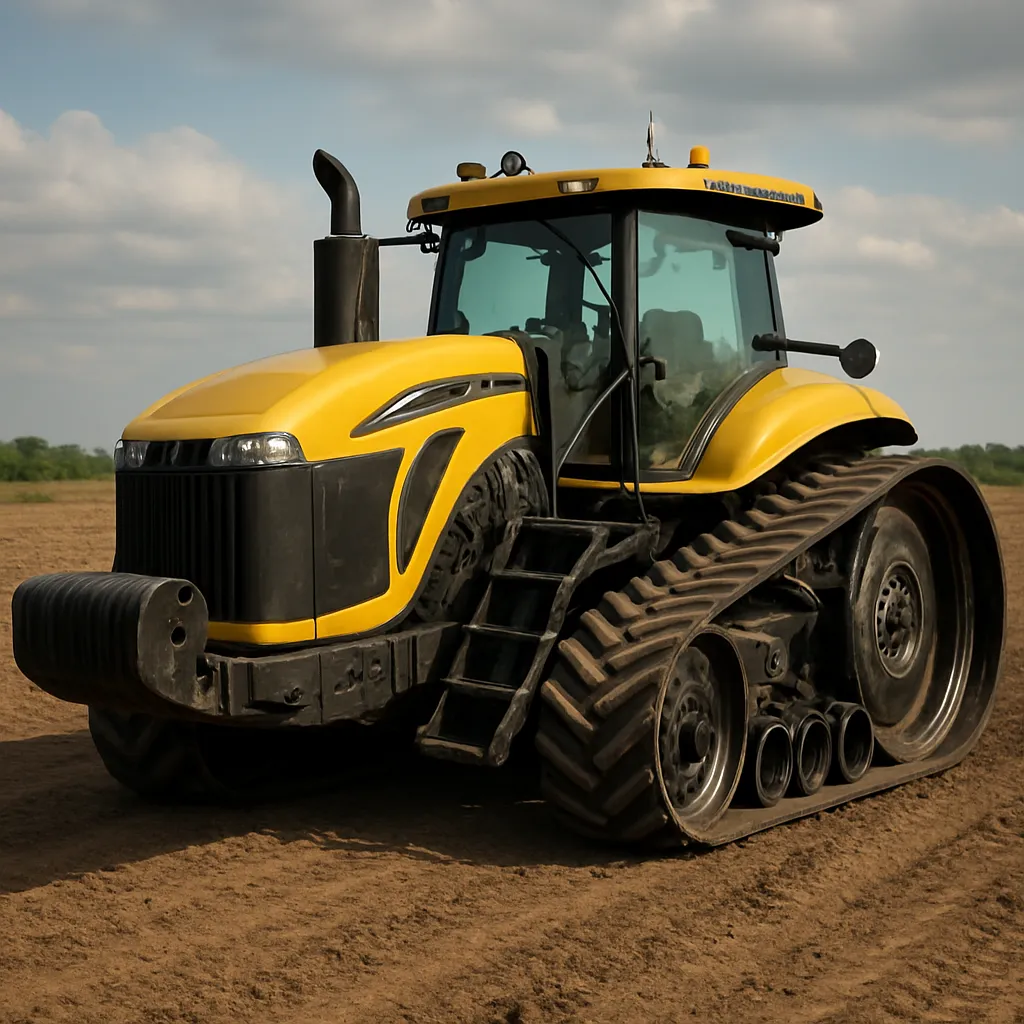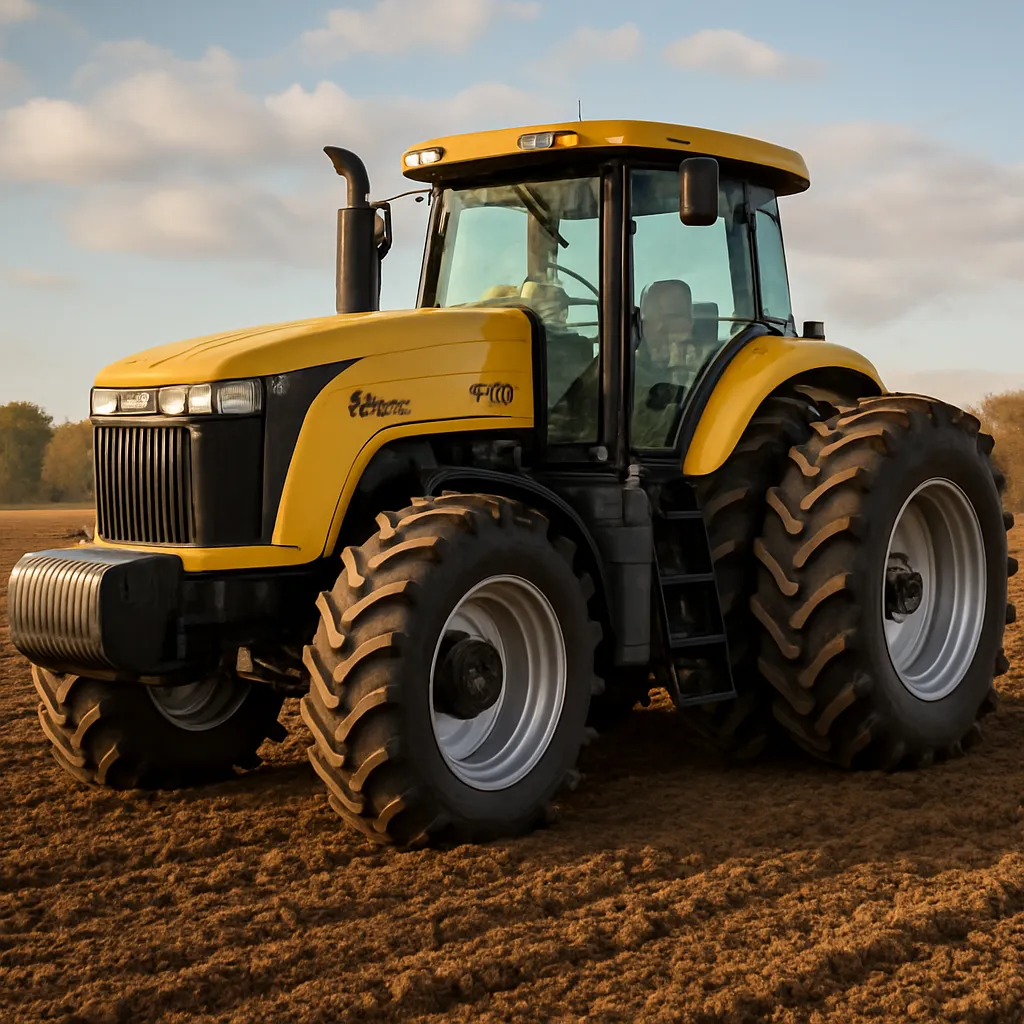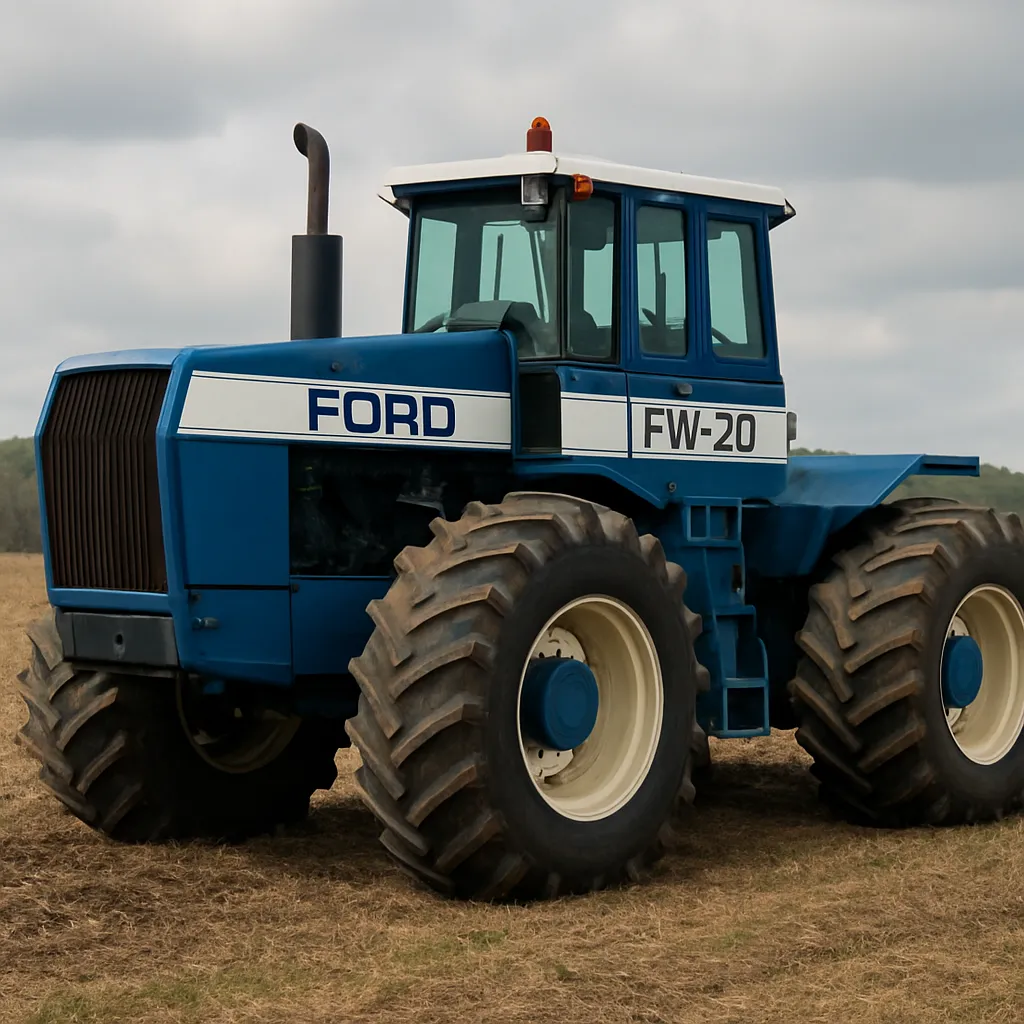
The Ford FW-20 tractor occupies a notable place in the history of medium-duty agricultural machines. Combining pragmatic engineering with functional versatility, the FW-20 has served small and mid-sized farms, contractors and municipal crews in a variety of roles. This article explores the FW-20’s background, technical attributes, typical applications, maintenance and ownership considerations, and the practical reasons it remains interesting to operators and collectors alike. Below you will find an organized, in-depth look at what makes this tractor resilient, practical and adaptable.
History and design philosophy
The Ford FW-20 emerged as part of Ford’s long tradition of producing hardy, accessible agricultural equipment. Designed to bridge the gap between compact utility tractors and heavier row-crop models, the FW-20 was intended for customers who needed a balanced mix of maneuverability, power and reliability. The design philosophy behind the FW-20 emphasized simplicity, ease of maintenance, and adaptability to a wide variety of implements.
Origins and market positioning
While Ford produced many tractor lines across different decades, the FW-20 was marketed toward farms and small enterprises that required a tractor capable of handling fieldwork, loader tasks and transport duties without the complexity or bulk of larger models. Ford’s strategy with tractors in this class focused on delivering a durable drivetrain, straightforward controls and a platform that could accept a range of hydraulic and mechanical attachments.
Key design features
Several design elements characterize the FW-20:
- Compact footprint allowing good maneuverability in tight yards and orchards.
- A robust, serviceable engine package optimized for torque at low to mid RPM for field implements.
- A practical transmission layout focused on a useful spread of speeds for both field and road transport.
- Hydraulic capacity sufficient for loaders and PTO-driven implements commonly used on small farms.
- Durable chassis and mounting points for front loaders, mowers and other attachments.
Technical overview and specifications (general)
Exact factory data for older or region-specific models like the FW-20 can vary with year, market and optional equipment. The summary below presents a reliable technical overview and typical specifications for tractors in this class and for common FW-20 configurations. Where precise factory figures are not universally documented, values are presented as typical ranges or described qualitatively.
Engine and performance
The FW-20 was usually offered with a diesel engine designed for longevity and efficient torque delivery. Typical characteristics include:
- Engine type: Naturally aspirated diesel, four-cylinder in many configurations, with rugged construction for extended service life.
- Power output: In this class, tractors generally produce a rated drawbar or PTO horsepower in a practical mid-range suitable for medium tasks; typical values range from the high 20s to the mid-40s horsepower depending on tuning and model year.
- Torque characteristics: Emphasis on low-end torque to power implements such as plows, tillers and loaders without frequent gear changes.
Transmission, drive and PTO
Transmissions on tractors like the FW-20 were designed to be user-friendly and durable:
- Transmission types: Options commonly included synchronized gearboxes, partial-power shift or multi-range transmissions to provide a practical speed spread for fieldwork and road moves.
- Drive: Two-wheel drive configurations were common, and some variants or aftermarket modifications included four-wheel-drive conversions or front-wheel assist options for improved traction.
- PTO (Power Take-Off): A rear PTO with standard rotational speed (often 540 rpm in many models of this class; some offered optional 1000 rpm) to run mowers, balers and other implements.
Hydraulics and lifting
Hydraulic systems on the FW-20 were sized to support loaders and three-point hitch implements:
- Hydraulic type: Open-centre hydraulic systems were common, providing flow adequate for loader cylinders and simple remote valves.
- Lifting capacity: Three-point linkage lift capacities typically fit the medium-duty bracket, allowing the use of plows, cultivators and seeders.
- Front loader compatibility on many units increased the tractor’s versatility for handling buckets, forks and bale spears.
Dimensions, weight and fuel
Compact to medium weight and dimensions were a hallmark, contributing to maneuverability and transportability:
- Weight: Gross operating weight commonly falls in the medium range for utility tractors — heavy enough for traction, light enough for ease of trailering.
- Fuel capacity: Sufficient for several hours of typical fieldwork, balancing operational range and fuel economy.
- Ground clearance and wheelbase were designed to work in row crops as well as general-purpose farm tasks.
Practical applications and typical uses
The FW-20’s combination of power, compact size and adaptability made it useful across a wide range of applications. Operators often valued it for the following tasks:
Field work
- Tilling, ploughing and harrowing on small to medium-sized fields where excessive horsepower is not needed.
- Seeding and cultivation with appropriately sized implements.
- Light harvesting tasks and trailer towing for crops and supplies.
Livestock and mixed farming
- Feeding operations, manure handling and bedding distribution when fitted with a front loader or forks.
- Transporting feed, hay bales and materials around the farmyard.
- Operating small to medium balers, mowers and rakes using PTO-driven equipment.
Contracting, municipal and landscaping work
- Roadside mowing, light grading and verge trimming for municipality crews.
- Landscaping tasks including soil moving, trench filling and transporting materials.
- Winter work such as snow pushing and light clearing when equipped with a blade or snowblower.
Orchards, vineyards and confined spaces
The tractor’s narrower models or narrow-track variants are well-suited for orchards and vineyards, allowing operators to work between rows without damaging plants.
Maintenance, reliability and operator tips
Part of the FW-20’s appeal lies in its straightforward maintenance and long serviceable life in responsible hands. Below are practical measures and tips to keep an FW-20 running well for years.
Routine maintenance checklist
- Regular oil and filter changes: Engine oil, hydraulic oil and fuel filters should be replaced at recommended intervals to preserve engine life and hydraulic performance.
- Cooling system care: Monitor coolant level, check hoses and clean radiators to prevent overheating—especially important in hot climates or during heavy loader work.
- Transmission and final drives: Periodic checking and replacement of gearbox and axle oils help avoid costly wear.
- Grease points: Frequent lubrication of steering, loader pins and PTO shaft joints will extend component life.
- Battery and electrical checks: Clean terminals, check charging and confirm lighting and safety switches for reliability.
Common wear points and repairs
Typical wear items that can arise with age and heavy use include:
- Clutch wear and adjustments — common in tractors that perform frequent loader operations or heavy PTO work.
- Hydraulic seals and hoses — heat and age can degrade hoses and gaskets; keeping spare lines and fittings is prudent.
- Tire wear and alignment — maintain proper inflation and inspect for cuts or cracking, especially in stony fields.
Tips for long service life
- Operate within the tractor’s intended capacity — avoid consistently overloading the PTO or transmission.
- Keep records of maintenance and repair work to track service intervals and part replacements.
- Use manufacturer-recommended fluids and genuine or high-quality aftermarket parts where possible.
Attachments and versatility
The FW-20 becomes significantly more useful when equipped with the right implements. Its design typically accepts a variety of attachments that expand its capabilities well beyond simple towing and plowing.
Common attachments
- Front loader: For material handling, pallet work and light excavation.
- Rear-mounted mowers and rotary cutters for pasture management.
- Bale spears and forks for hay handling.
- Backhoes or trenchers in small contractor setups (where hydraulic capacity permits).
- Snow ploughs and blowers for winter service in temperate regions.
Implement selection guidance
Select implements sized to the tractor’s horsepower and hydraulic flow capacity. Oversized implements can force the engine to operate under strain, increasing wear and reducing fuel efficiency. Match PTO speeds and hitch categories appropriately to avoid mechanical mismatch.
Economic and market considerations
For many buyers, the FW-20 is an attractive option because of its balance of purchase price, operating costs and adaptability. When evaluating an FW-20, consider these economic factors:
Purchase price and depreciation
Used FW-20 units are often priced as affordable entry points into tractor ownership, especially relative to newer, feature-rich machines. Depreciation tends to be slower when the tractor has been well-maintained, and demand remains steady in rural and small-farm markets.
Fuel efficiency and operating cost
Diesel engines in this class are typically fuel-efficient under load. Actual fuel consumption depends on work type — loader cycles and heavy PTO loads increase fuel use relative to light transport or mowing. Regular maintenance reduces the risk of fuel-wasting faults and preserves resale value.
Parts availability and aftermarket support
Older Ford tractors enjoy broadly available parts, both from OEM channels and aftermarket suppliers. This accessibility reduces downtime and repair cost. Community forums and owner groups can be excellent resources for troubleshooting and sourcing used components.
Comparison with contemporary models
When compared to modern compact tractors, the FW-20 holds advantages and trade-offs:
- Advantages: Simplicity of mechanical systems makes repairs and maintenance easier for owners with basic mechanical skills. Lower initial purchase price for used units, and proven durability under moderate loads.
- Trade-offs: Modern tractors often offer more ergonomic cabs, electronic controls, advanced hydraulics and greater fuel efficiency due to emissions technologies. They can also provide higher lift capacities and improved comfort features.
Collector and enthusiast perspectives
Some FW-20 tractors have become appreciated by enthusiasts who value the model’s historical role and mechanical straightforwardness. Restored machines are often showcased at vintage tractor shows and local fairs, where their legacy as dependable workhorses is celebrated.
Restoration considerations
- Original parts and trim can be sourced through specialist suppliers or reclaimed from donor machines.
- Pay attention to safety upgrades such as modern lighting, ROPS (roll-over protective structures) if not already fitted, and fresh brakes for road moves.
- Cosmetic restoration can enhance value but keeping the mechanical systems serviceable is the priority for usable vintage tractors.
Environmental and safety notes
Older diesel tractors like the FW-20 can be upgraded or maintained to reduce emissions and improve safety. Practical measures include regular engine tuning, proper combustion adjustments, and adding exhaust after-treatment where feasible. Safety upgrades often include installing ROPS, seat belts, improved lighting and reflective markings, as well as operator training for safe implement attachment and operation.
Conclusion — why the FW-20 still matters
The Ford FW-20 remains relevant because it represents a pragmatic balance between capability and simplicity. For farmers, landscapers and agents needing a versatile, maintainable machine without the complexity or cost of larger modern tractors, the FW-20 can be an excellent choice. Its strengths are reliability, straightforward serviceability, and adaptability to a broad range of implements — from loaders to PTO-driven equipment. While precise factory specifications can vary by year and market, the practical performance and operational lessons outlined above give a clear picture of what to expect from a well-kept FW-20 and how to maximize its useful life.