Agricultural machinery has witnessed a monumental transformation in recent years, driven by ever-growing demands for higher yields, greater resource **efficiency**, and enhanced **sustainability**. Among the most striking advancements are the development of colossal tractors that not only boast unprecedented **power** and **torque**, but also integrate cutting-edge technologies such as advanced **sensors**, GPS-guided steering, and real-time **connectivity**. This article explores how the largest tractors have evolved into vital components of precision farming systems and examines the role of telematics, data analytics, and automation in shaping modern agriculture.
Engineering Marvels: Unleashing the Power of the Biggest Tractors
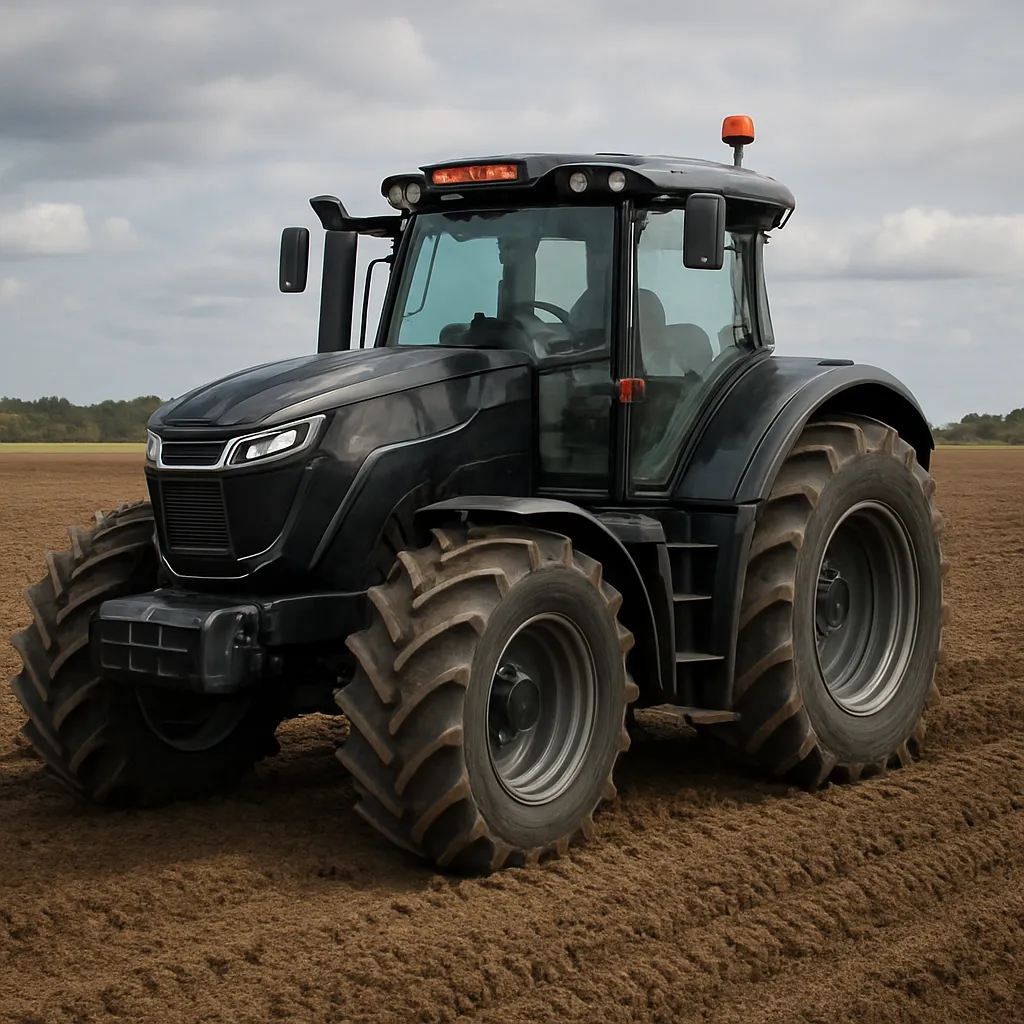
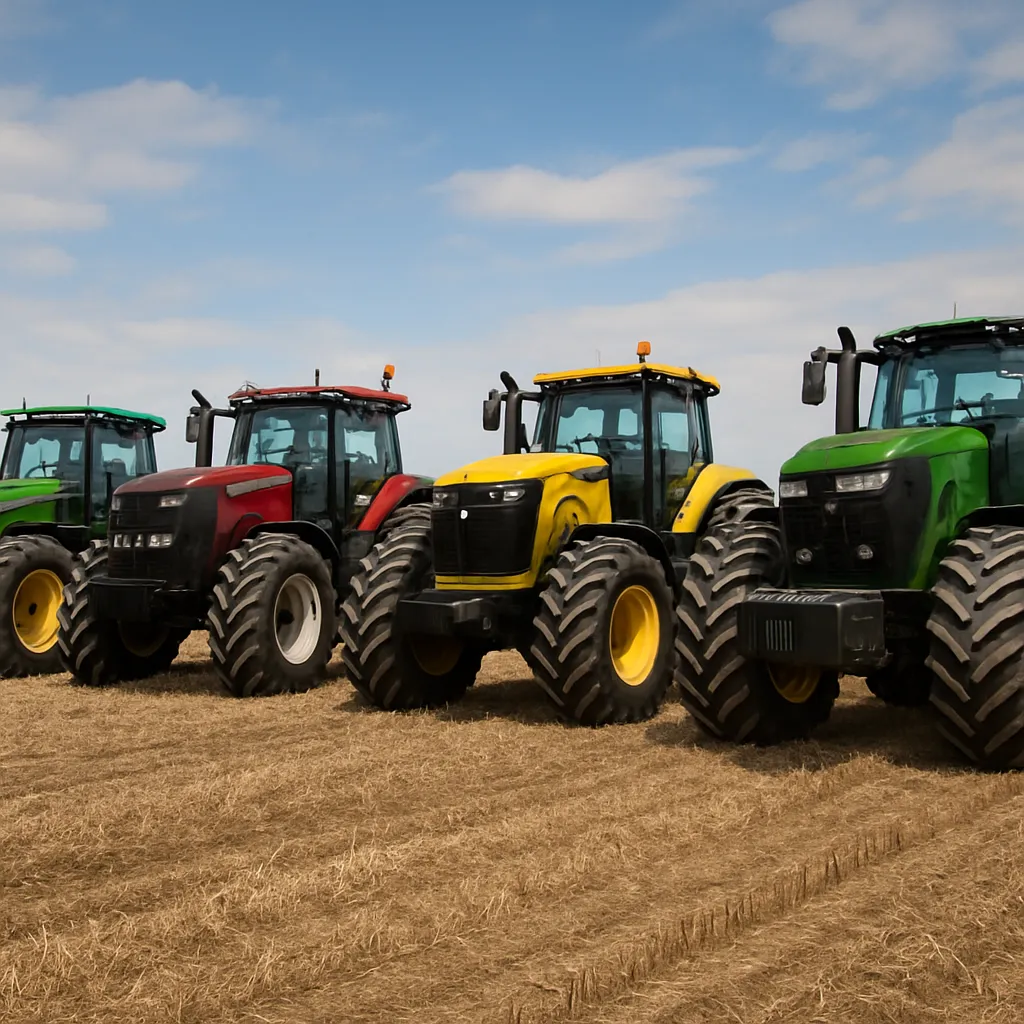
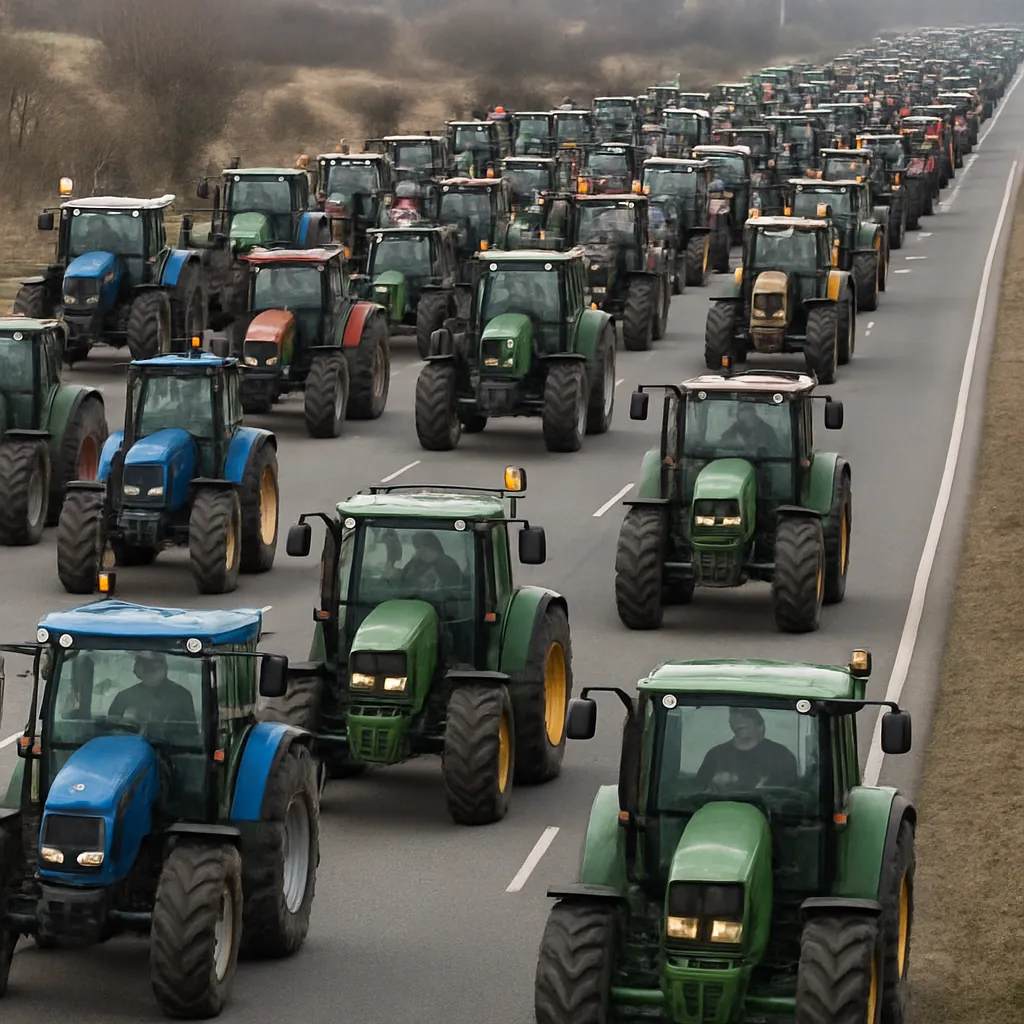
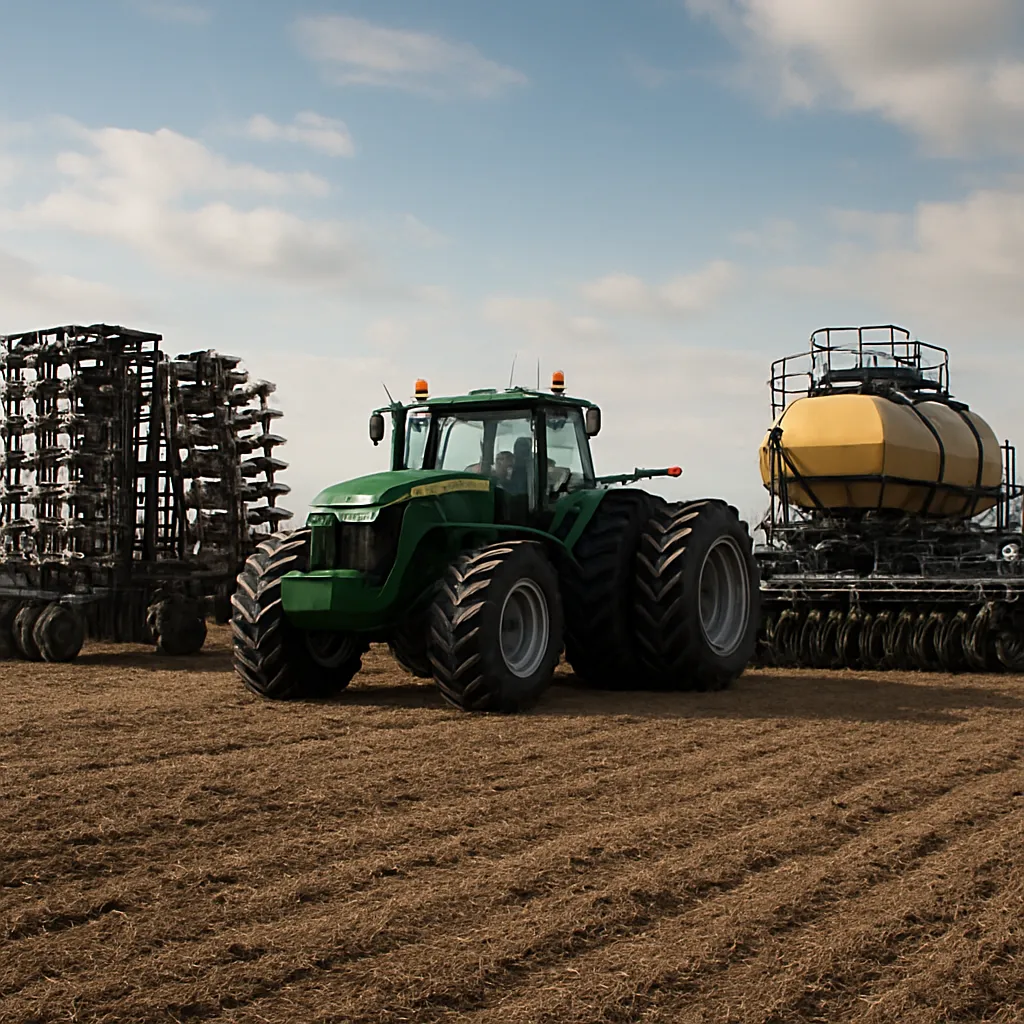
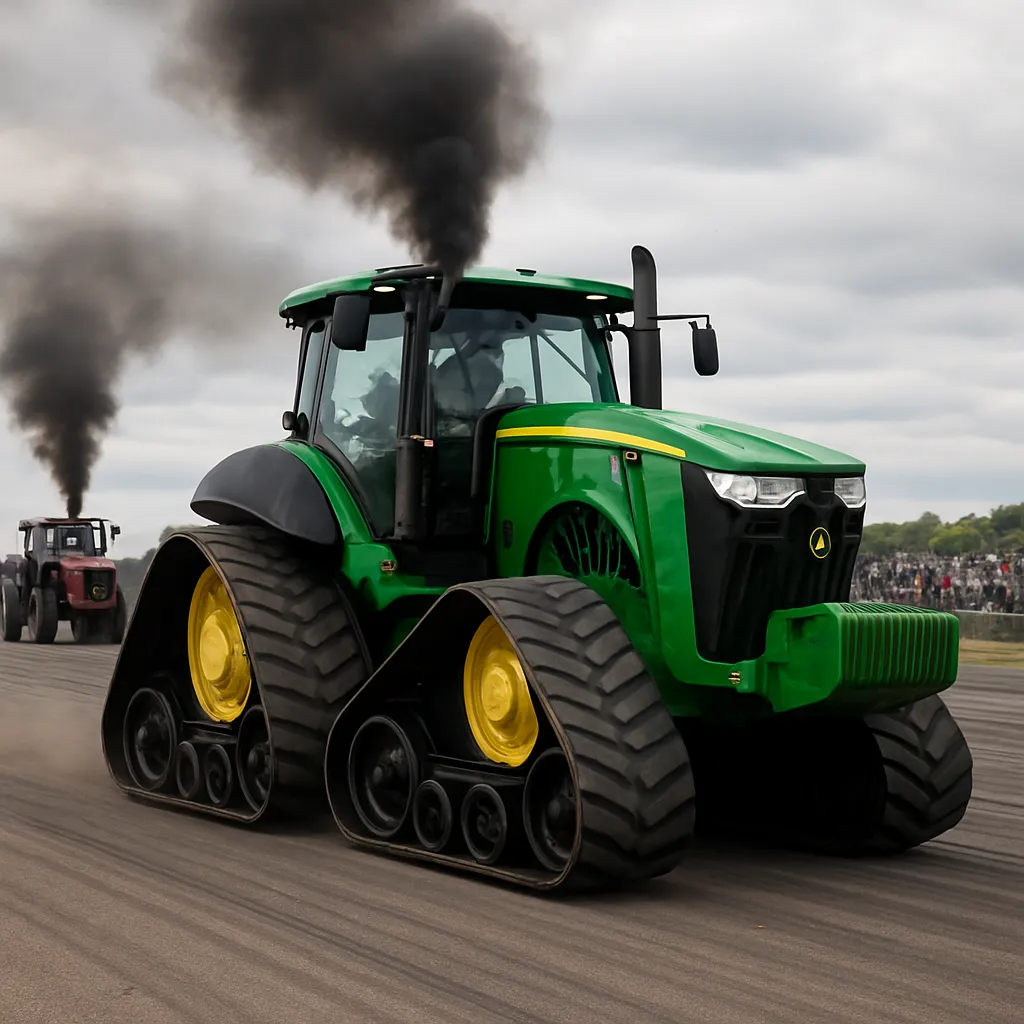
In the realm of heavy-duty farm equipment, size and **power** reign supreme. The biggest tractors available today are feats of engineering, designed to handle vast acreages and grueling workloads with ease. From high-horsepower engines to reinforced steel frames, these machines push the boundaries of what was once thought possible in agricultural operations.
Unmatched Specifications
- Engine Output: Many large tractors exceed 600–700 horsepower, with some models pushing beyond 800 HP.
- Torque Capacity: Advanced drivetrains deliver immense torque to ground-engaging implements, ensuring optimal traction even in challenging soil conditions.
- Weight and Ballasting: Strategic ballasting systems help maintain traction and stability, with total machine weights often surpassing 30 metric tons when fully equipped.
- Transmission Technology: Modern CVT (Continuously Variable Transmission) and power-shift transmissions enable smooth power delivery and fuel-conscious operation across varying loads.
Innovative Chassis and Drivetrain Designs
The latest generation of tractors features modular chassis platforms and enhanced suspension systems that reduce soil compaction and increase operator comfort. Four-wheel drive architectures and selectable dual wheels optimize field performance, while advanced hydraulic systems support heavier implements and multiple simultaneous tasks. Collectively, these innovations lay the groundwork for integrating high-bandwidth **telematics** modules and automated guidance systems.
Connected Ecosystem: Bridging Farm Operations with Telematics
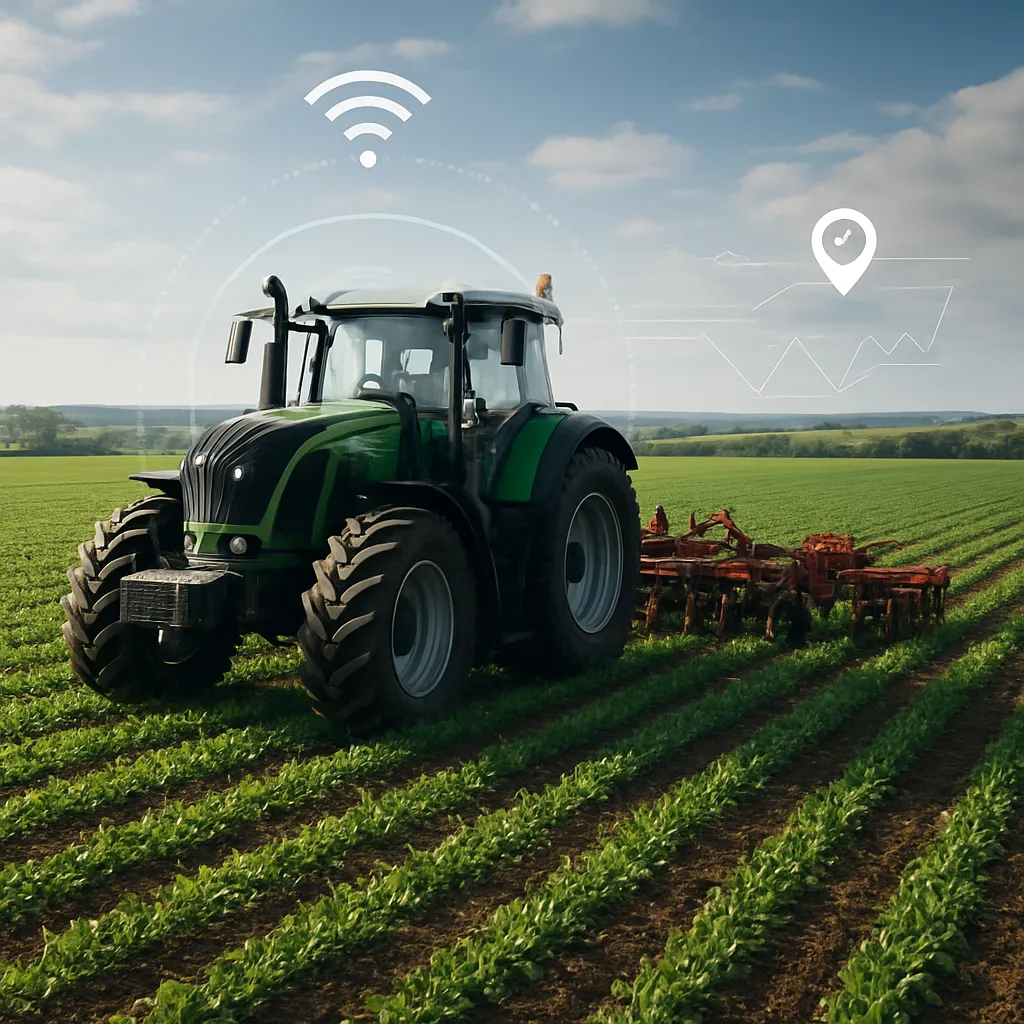
Connectivity has revolutionized the agricultural landscape, transforming standalone tractors into nodes within a cohesive, data-driven ecosystem. The integration of **real-time** **connectivity** platforms allows farmers and fleet managers to monitor machine health, track fuel consumption, and remotely adjust settings for peak performance.
Telematics and Remote Diagnostics
- Machine Monitoring: Embedded sensors collect data on engine load, hydraulic pressure, temperature, and more, transmitting it via cellular or satellite networks.
- Predictive Maintenance: Advanced analytics detect patterns indicating wear or failure, prompting timely service and minimizing downtime.
- Remote Firmware Updates: Manufacturers can deploy software patches and performance enhancements over the air, ensuring tractors are always running the latest code.
- Geo-Fencing and Security: GPS-based geofencing safeguards against unauthorized use, while real-time alerts notify managers of deviations from planned routes.
Data Integration and Farm Management Systems
Seamless connectivity between tractors, combines, drones, and irrigation units creates a unified data repository. Cloud-based Farm Management Information Systems (FMIS) aggregate **data** from multiple sources, enabling growers to make informed decisions on planting density, irrigation schedules, and chemical applications. By correlating field sensor inputs with yield maps, agronomists can fine-tune operations to enhance crop performance.
Precision Agriculture: Enhancing Productivity and Sustainability
The fusion of large-scale machinery with precision farming techniques has unlocked new levels of productivity. Through the precise application of inputs and the use of **GPS** guidance, farmers now achieve uniform coverage, reduced overlap, and significant cost savings.
Variable Rate Technology (VRT)
Variable Rate Technology leverages soil maps, yield histories, and nutrient analyses to adjust seeding rates, fertilizer applications, and pesticide treatments on the go. Tractors equipped with VRT-enabled planters and sprayers modulate output based on pre-defined prescription maps, minimizing waste and environmental impact.
Automated Guidance and Auto-Steering
- RTK GPS: Real-Time Kinematic GPS achieves centimeter-level accuracy, ensuring straight, consistent passes that eliminate skips and overlaps.
- Auto-Steer Systems: By relieving operators of steering duties, these systems allow for extended working hours and reduced fatigue.
- Section Control: Implements are automatically switched on or off in defined field zones, preventing double applications and conserving inputs.
- Headland Management: Automation routines smoothly handle turns at field boundaries, optimizing cycle times and fuel usage.
Environmental and Economic Benefits
Precision farming reduces greenhouse gas emissions by optimizing fuel consumption and lowering chemical runoff. With detailed geospatial data, fields can be managed as a series of unique zones, each requiring tailored treatment. This targeted approach translates to up to 20% savings in input costs and measurable improvements in soil health.
Looking Ahead: Innovations Shaping the Next Generation of Tractors
As agriculture embraces digital transformation, the role of the largest tractors is set to evolve further. Emerging technologies promise to enhance autonomy, connectivity, and productivity to unprecedented levels.
Autonomous and Semi-Autonomous Operations
- Driverless Tractors: Trials of fully autonomous tractors are underway, with onboard AI modules handling navigation, obstacle avoidance, and implement control.
- Collaborative Fleets: Multiple machines coordinate tasks in unison, distributing workloads and maximizing field coverage.
- Human-Machine Interfaces: Augmented Reality dashboards and voice-activated controls simplify complex operations.
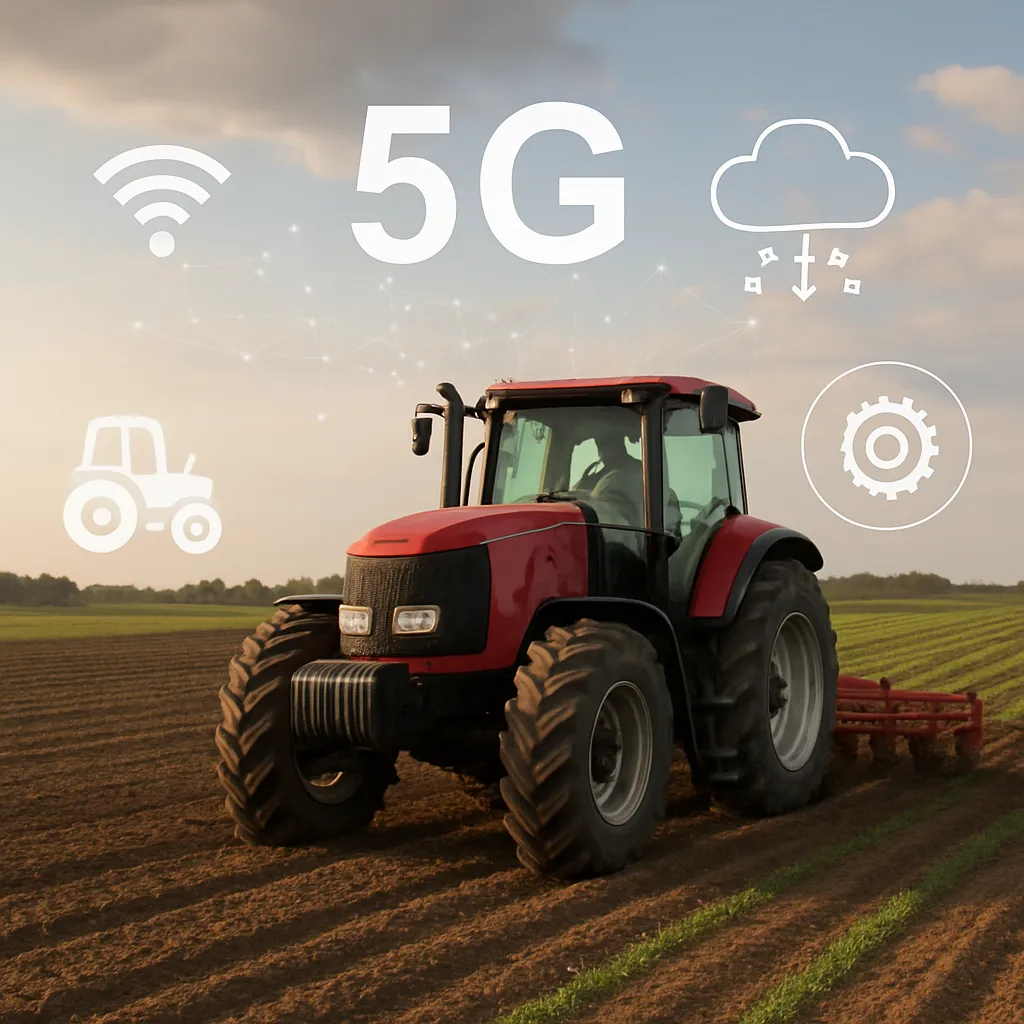
5G and Edge Computing
The rollout of 5G networks will bolster bandwidth and reduce latency for remote operations. Edge computing units embedded in tractors will process sensor streams locally, enabling instantaneous decision-making and reducing reliance on distant data centers. This improvement in communication infrastructure will also support swarms of agricultural robots working alongside traditional tractors.
Sustainability through Alternative Fuels
To meet stringent emissions standards, manufacturers are exploring hybrid drivetrains, hydrogen fuel cells, and biofuel-compatible engines. The combination of **automation**, electrification, and precision controls will ensure that the biggest tractors of tomorrow contribute to carbon-neutral farming.