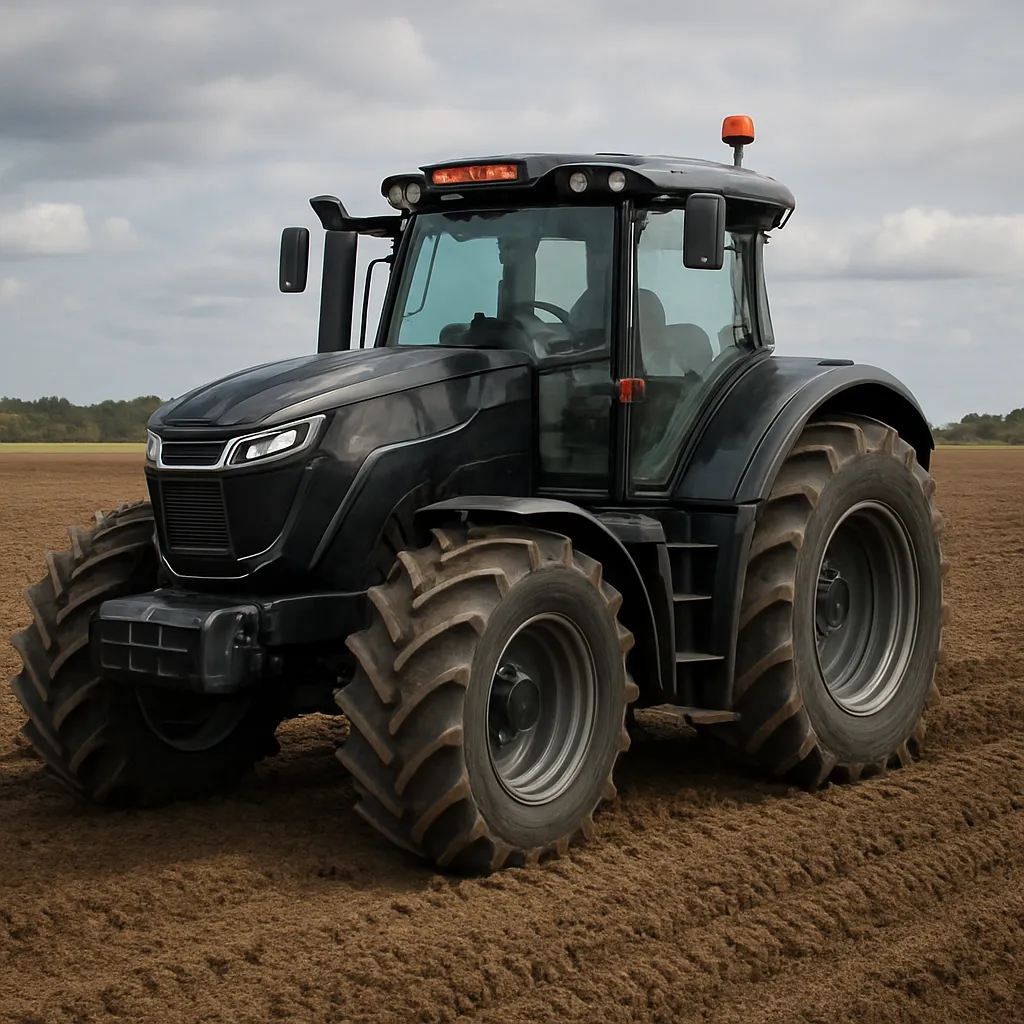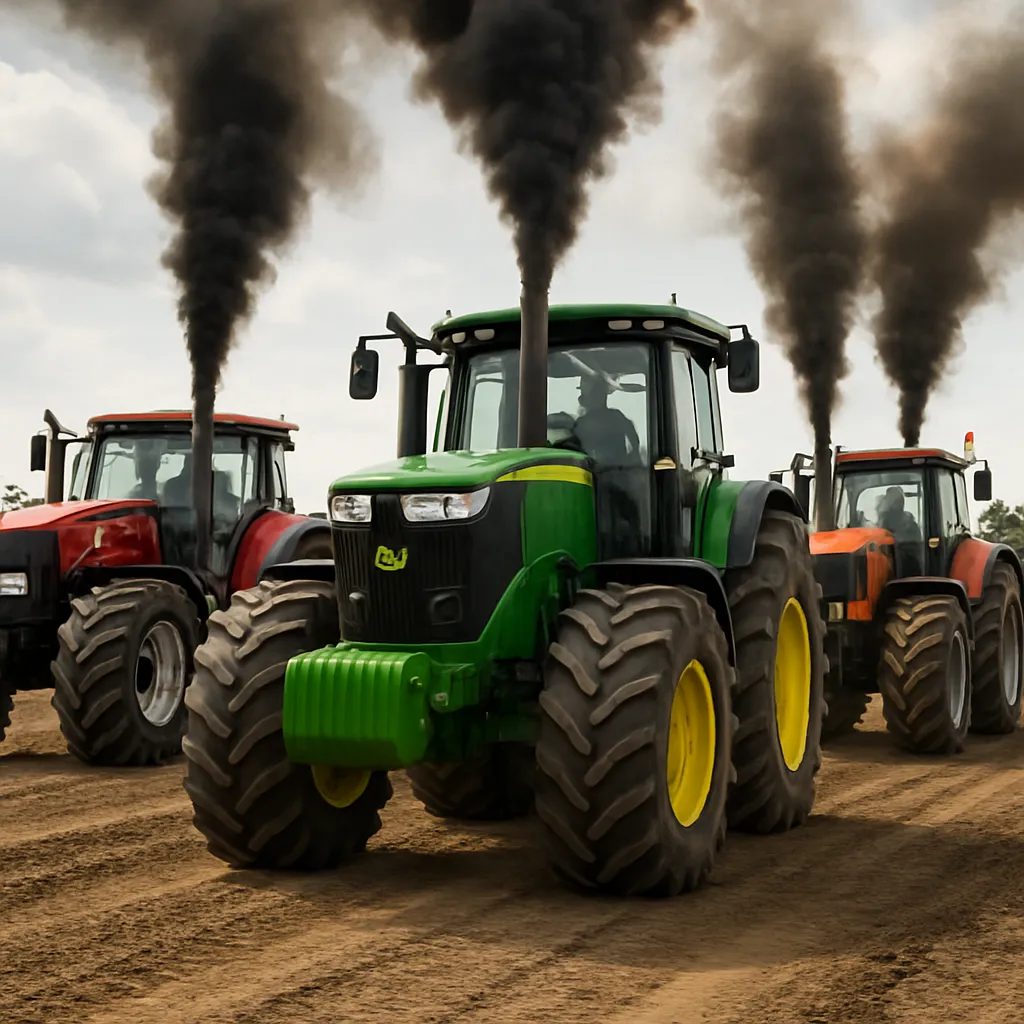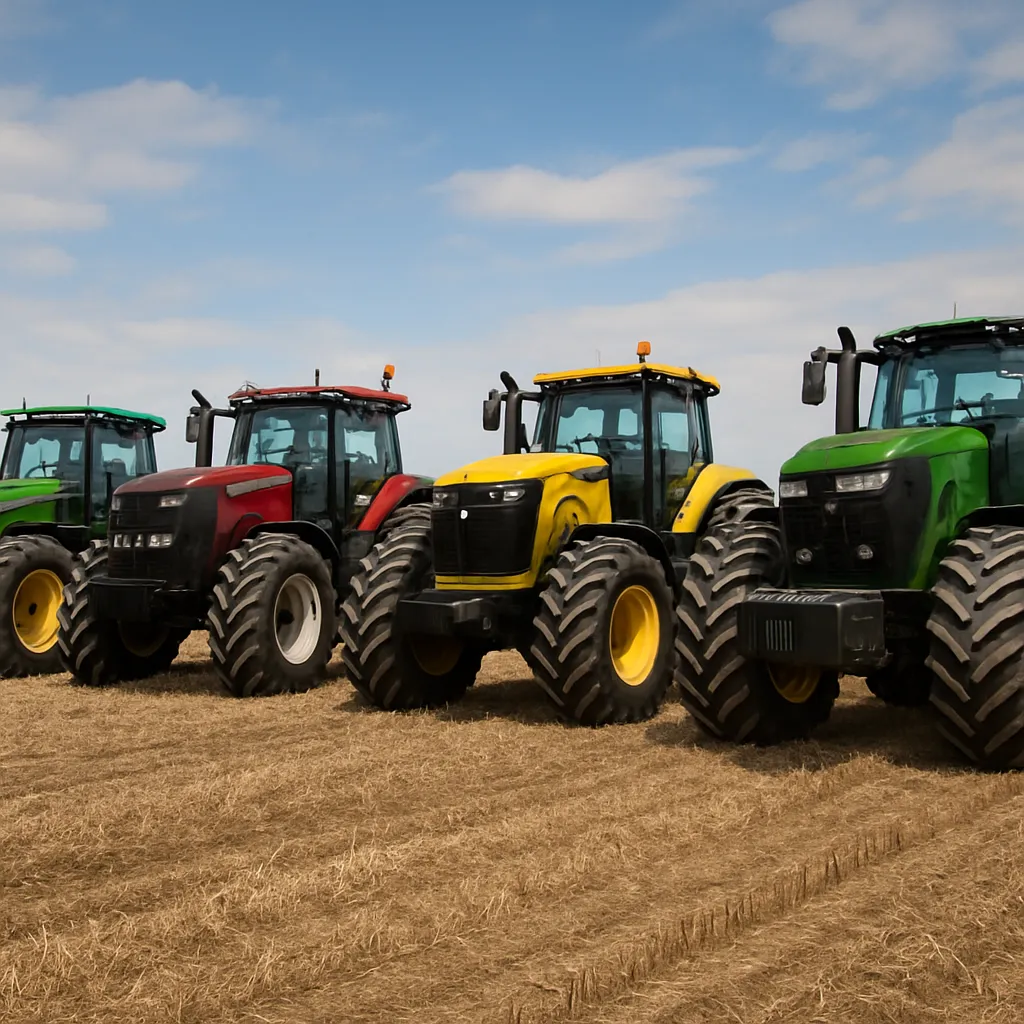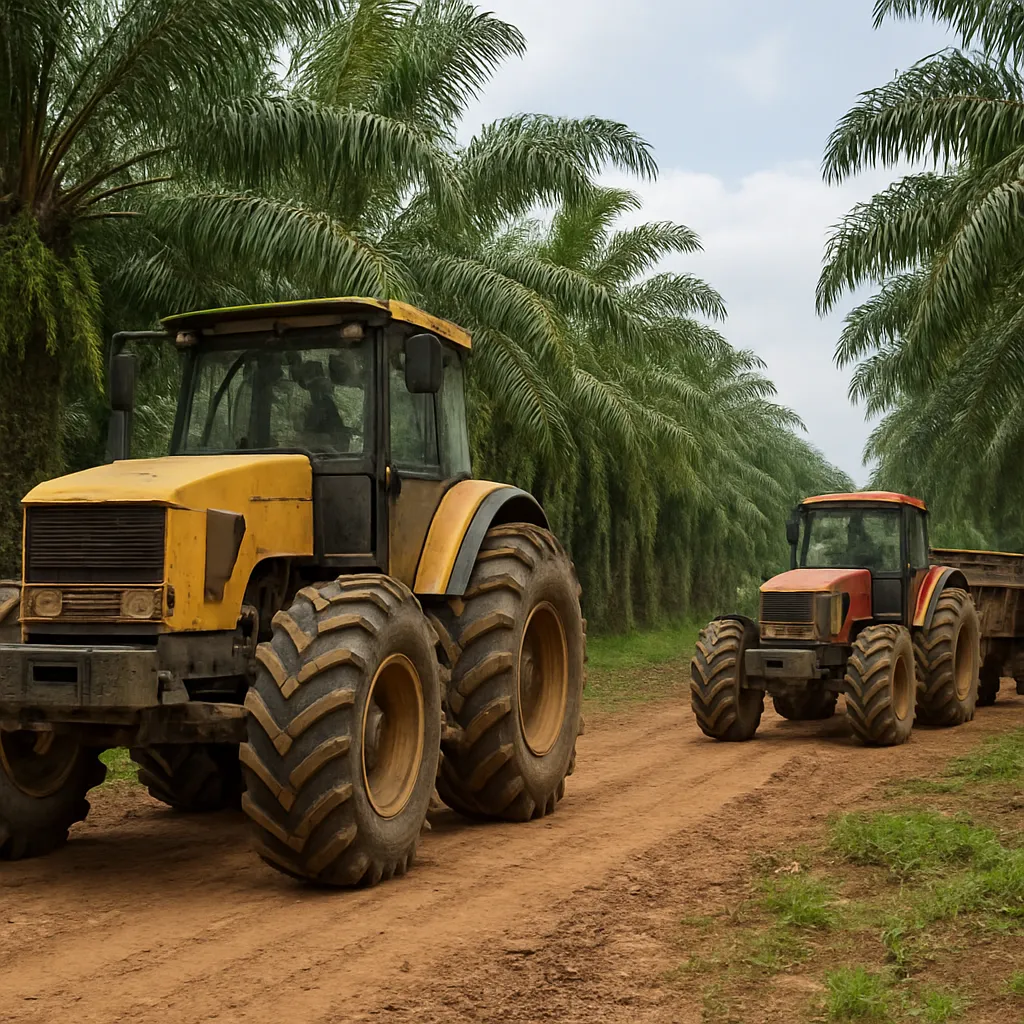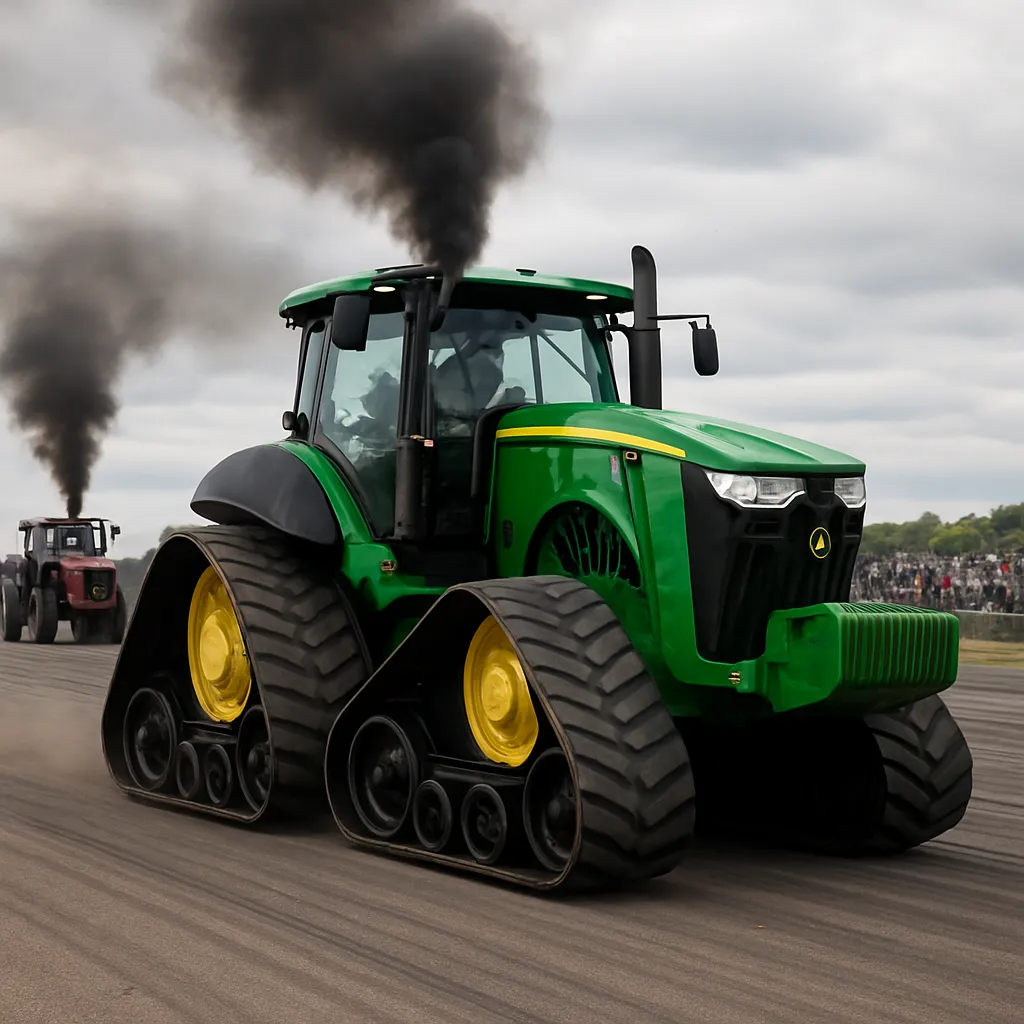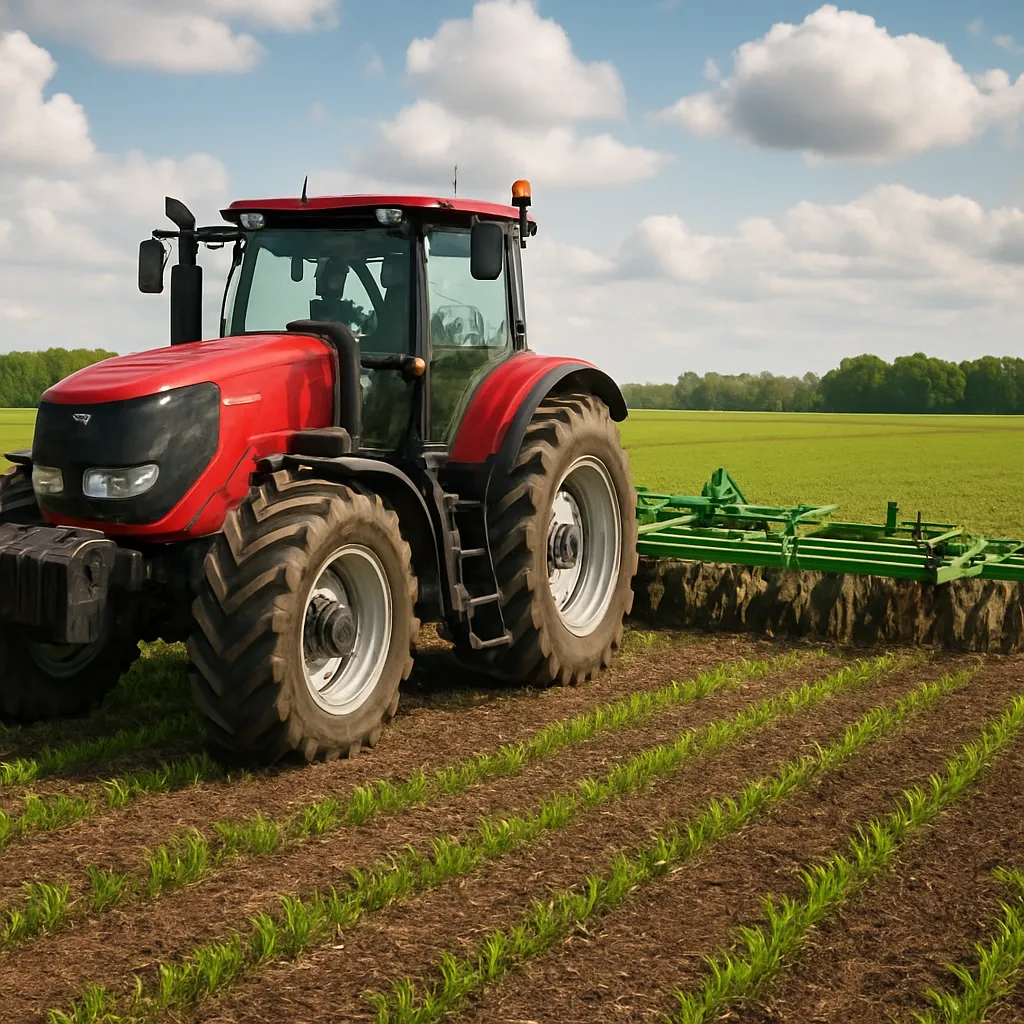
Farming operations have embraced the era of mega-machinery as fields expand and demands rise. Among these titans of the soil are the biggest tractors, engineered to deliver unmatched power and reliability. This article explores their evolution, cutting-edge technologies, and the vital role they play in promoting sustainability and productivity on modern farms.
Evolution of Massive Tractors
The progression from small, horse-drawn implements to contemporary giants reflects decades of innovation in agricultural engineering. Early 20th-century tractors offered just a fraction of the power we see today. However, visionary designers recognized the potential for increased horsepower and developed prototypes capable of pulling heavier implements. By mid-century, diesel engines revolutionized towing capacity, setting the stage for machines exceeding 600 horsepower.
Milestones in Size and Power
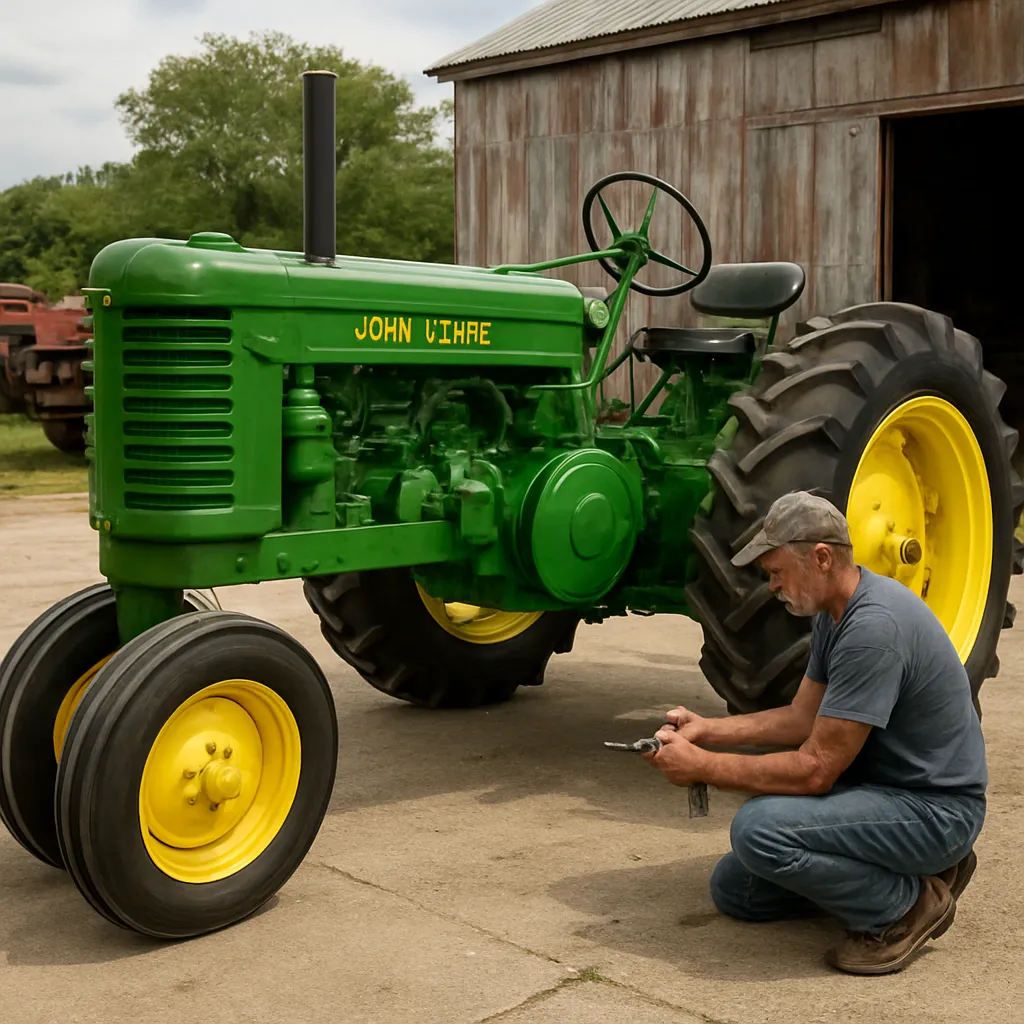
- 1920s: Introduction of two-wheel drive, 30–50 horsepower models.
- 1950s: Diesel engines enable 100+ horsepower, improving fuel efficiency.
- 1980s: Four-wheel drive becomes standard, with some models reaching 200 horsepower.
- 2000s–Present: Top-end tractors pushing 700–1000+ horsepower, equipped with advanced electronics.
Manufacturers Leading the Charge
- Case IH: Known for its standout Quadtrac series, featuring tracked design for better traction.
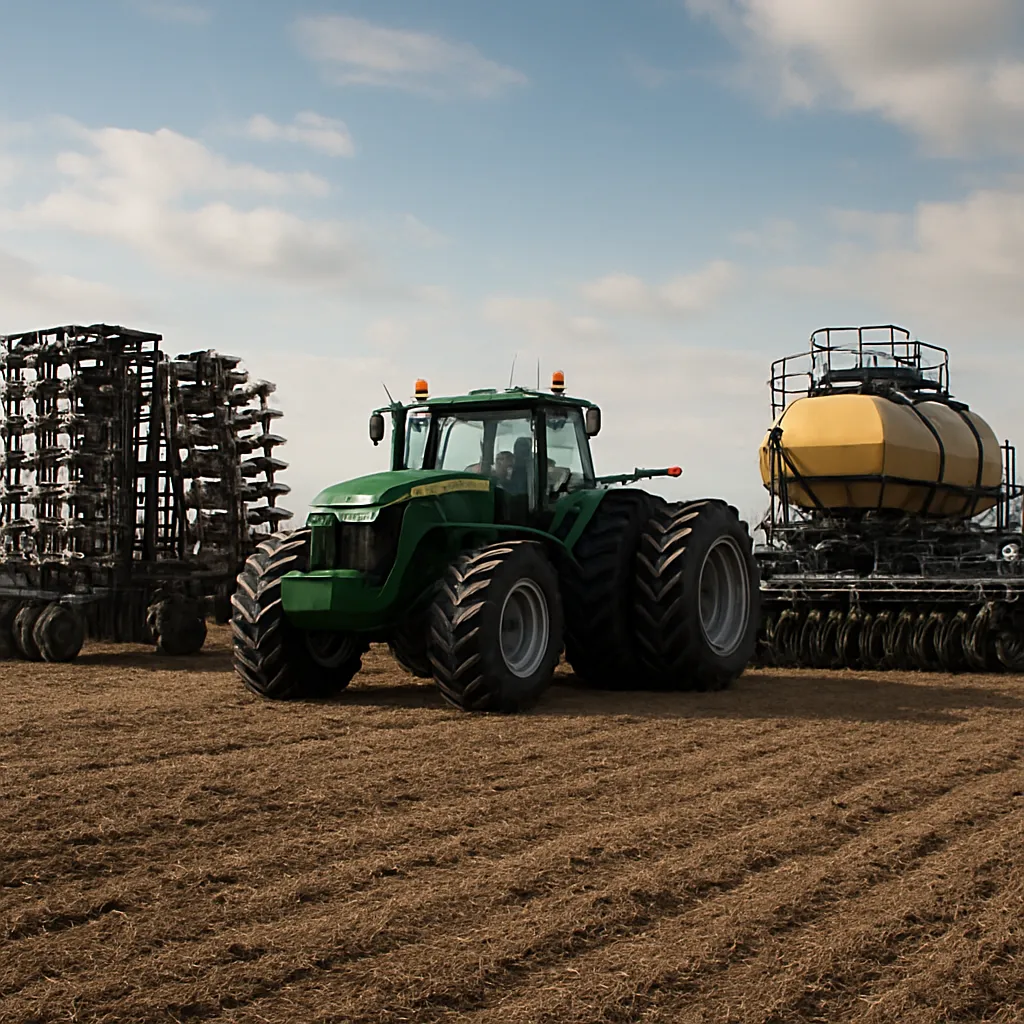
- John Deere: Famed for the 9R and 9RX lines, offering up to 625+ horsepower.
- New Holland and Fendt: Blending precision farming tools with high-capacity machinery.
Technological Innovations Driving Size and Efficiency
Modern agricultural tractors integrate state-of-the-art systems to maximize output while minimizing waste. Advances in engine management, hydraulic systems, and telematics have transformed once-simple machines into smart platforms.
Precision Farming and Telematics
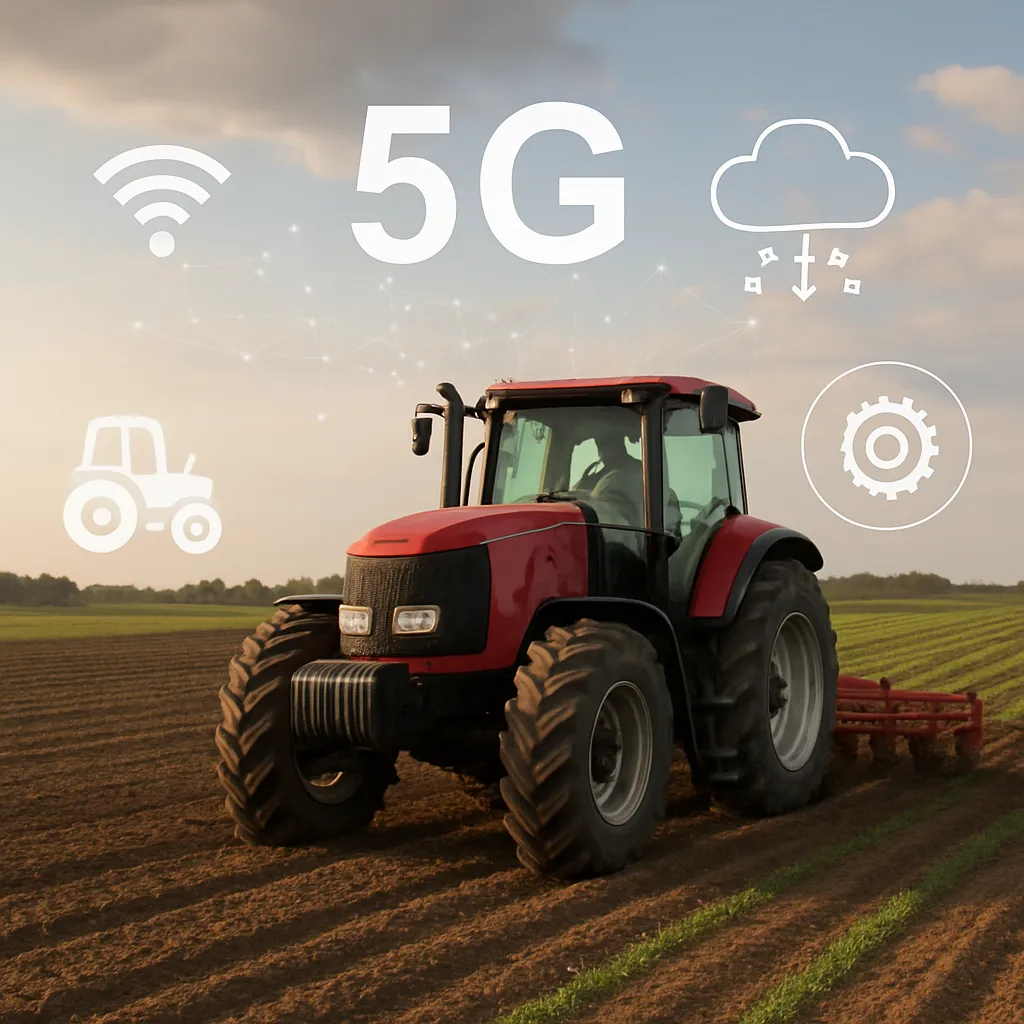
Onboard computers now process real-time data on soil conditions, crop health, and fuel consumption. GPS guidance systems enable centimeter-level accuracy, reducing overlaps and gaps during planting and spraying. This level of control not only cuts costs but also supports sustainability goals by minimizing overapplication of fertilizers and pesticides.
Automated and Autonomous Capabilities
Autonomy is no longer science fiction: auto-steer functions allow tractors to follow pre-programmed paths, while fully autonomous prototypes demonstrate the potential to operate day and night with minimal human supervision. These features enhance operational resilience during labor shortages and can improve safety by reducing operator fatigue.
Environmental Impact and Sustainability
The intersection of colossal machinery and environmental stewardship poses both challenges and opportunities. Properly managed, big tractors can contribute to sustainable farming by enabling conservation practices.
Soil Health and Compaction
Heavy tractors risk creating compacted zones that reduce root penetration and water infiltration. Manufacturers counter this with wider tracks, dual wheels, and advanced tire technology to distribute weight more evenly. In addition, innovative tillage tools, such as strip-tillers and subsoilers, work in tandem with large tractors to maintain healthy soil structure.
Emission Controls and Alternative Fuels
- Tier 4 engines: Drastic reductions in nitrogen oxides (NOx) and particulate matter.
- Biofuel compatibility: Many models can run on biodiesel blends, lowering carbon footprints.
- Electric and hybrid prototypes: Early models showcase potential for zero-emissions operations in controlled environments.
Economic Implications for Farmers
Investments in high-end, large-capacity tractors require careful financial planning. While the upfront cost can exceed a quarter of a million dollars, the long-term advantages can justify the price tag.
Cost-Benefit Analysis
- Yield gains: Precision applications can boost crop performance by reducing input waste and enhancing coverage.
- Labor savings: Automation reduces reliance on skilled operators, cutting labor costs.
- Maintenance considerations: Predictive diagnostics help schedule service before breakdowns, limiting downtime.
Financing and Shared Ownership Models
To mitigate financial risks, some farmers join cooperatives or equipment pools, sharing usage and costs across multiple operations. Lease-to-own agreements and custom hire services also allow smaller farms to access big tractors without owning them outright.
Future Directions in Mega-Tractor Development
As global demand for food rises alongside pressure to reduce environmental impact, tractor manufacturers are exploring new frontiers.
Integration with Robotics and AI
Next-generation tractors may team up with field robots and drones, forming coordinated fleets that handle seeding, fertilizing, and harvesting. Artificial intelligence algorithms will optimize task scheduling, adapting to unpredictable weather patterns and crop conditions.
Modular and Scalable Platforms
Emerging designs propose modular units that can be coupled or detached based on field requirements. This flexibility allows farmers to adjust vehicle sizing and power to specific tasks, improving adaptation to diverse agronomic contexts.
Enhanced Human-Machine Interfaces
Future cabs will feature augmented reality displays, haptic feedback controls, and voice-activated functions. These enhancements aim to streamline operations, making complex tasks more intuitive and efficient.
Global Perspectives on Tractoring Giants
Regional agricultural systems influence the adoption of large tractors. In vast grain belts such as North America and parts of Australia, continuous operations over thousands of acres make big tractors essential. In contrast, smallholder farms in densely populated regions often prioritize smaller, multifunctional machines.
Customization for Diverse Markets
- Africa: Mid-range tractors adapted for varied terrain and limited fuel infrastructure.
- Latin America: High-power models combined with precision planting solutions for soy and maize.
- Europe: Emphasis on emission reduction, with many tractors meeting stringent emissions standards and running on alternative fuels.
Training and Knowledge Sharing
To maximize benefits, operators require specialized skill sets. Manufacturers and agricultural extension services invest in training programs, ensuring that farmers can leverage advanced features responsibly and safely.
Concluding Thoughts on Tractor Size and Sustainable Agriculture
As the agricultural landscape continues to evolve, the largest tractors remain at the forefront of driving productivity and sustainability. Through a blend of raw power and sophisticated technology, these machines offer farmers the tools needed to meet global food demands while safeguarding natural resources. Their ongoing development promises ever-greater efficiency, reduced environmental impact, and enhanced adaptability to the challenges of tomorrow’s fields.