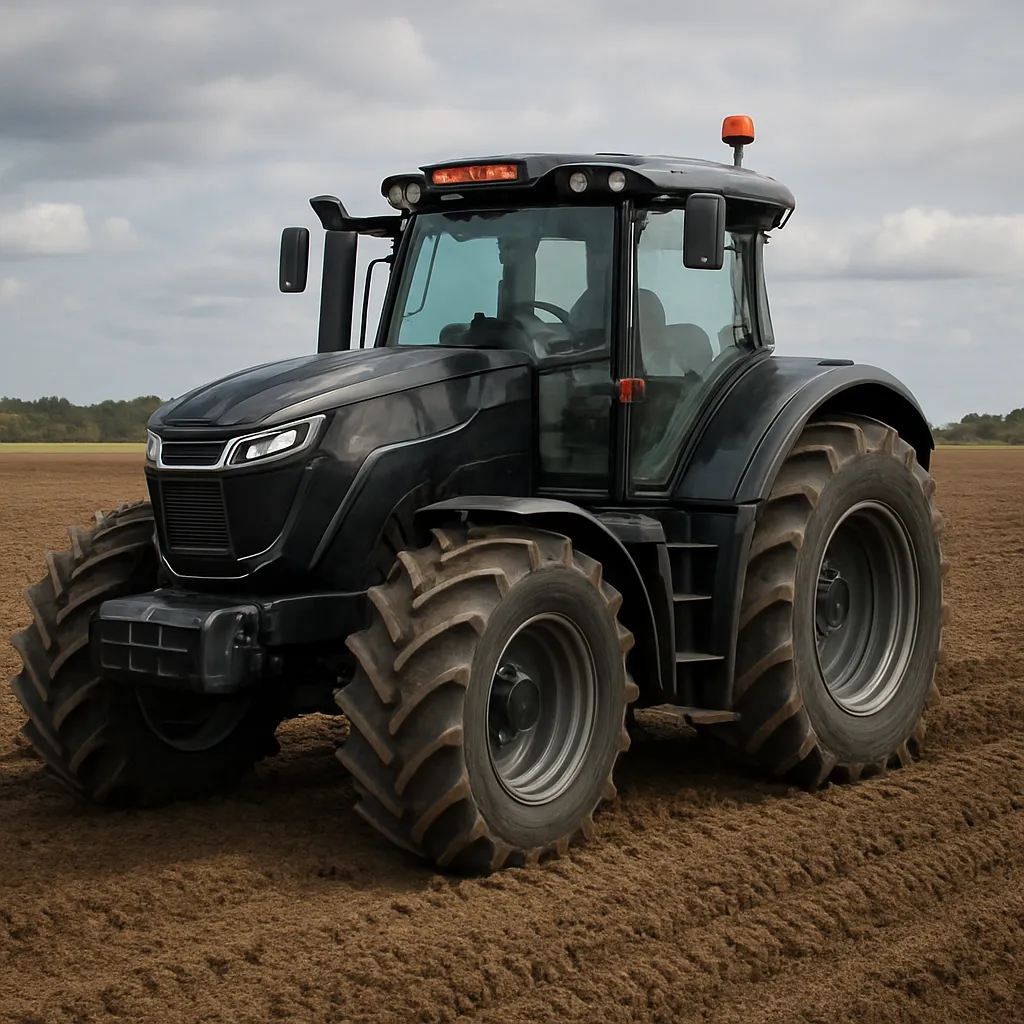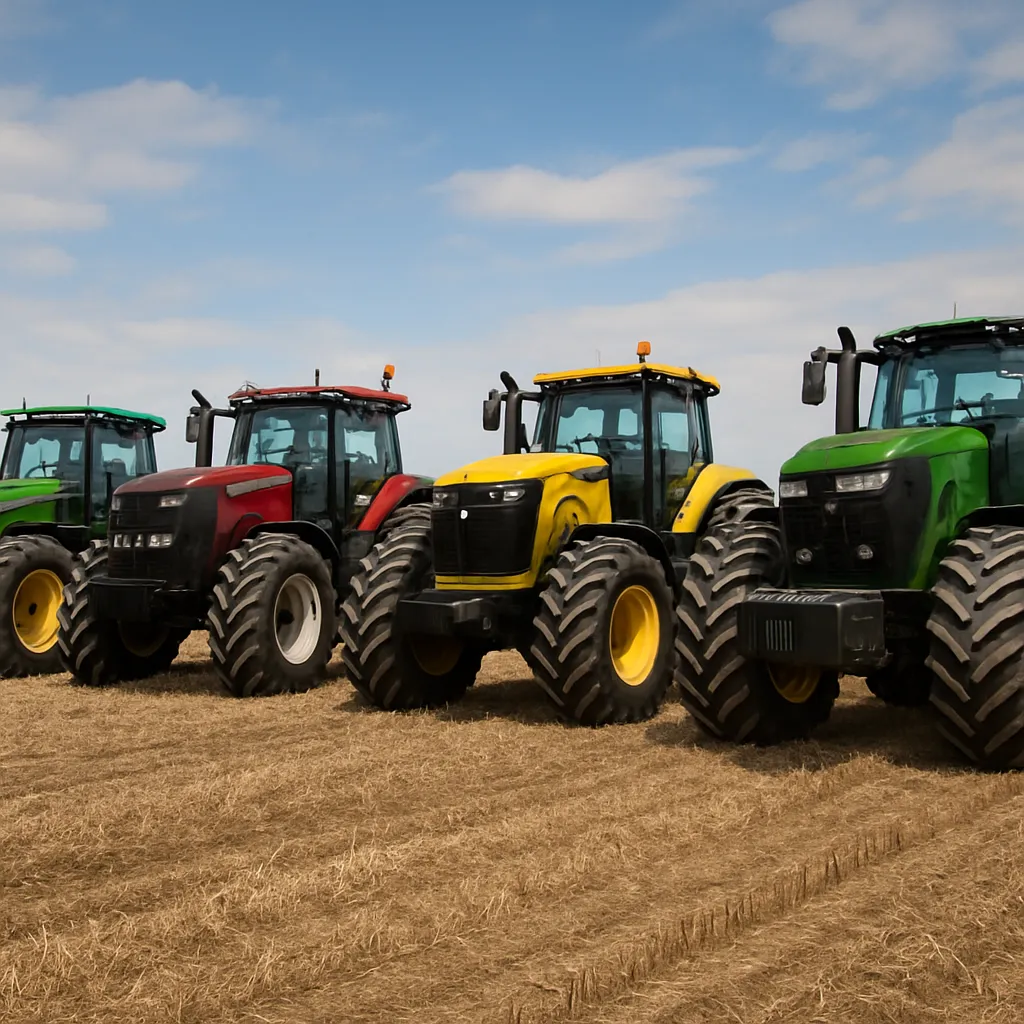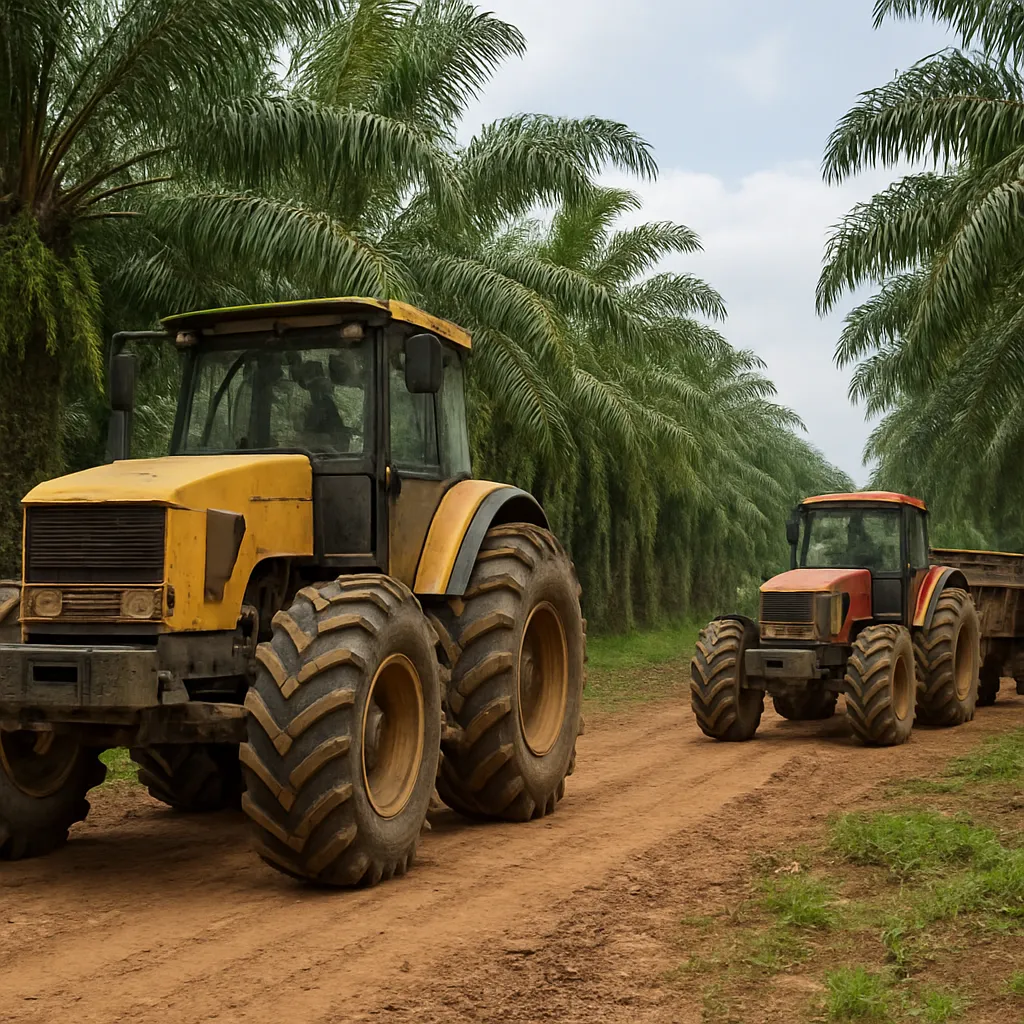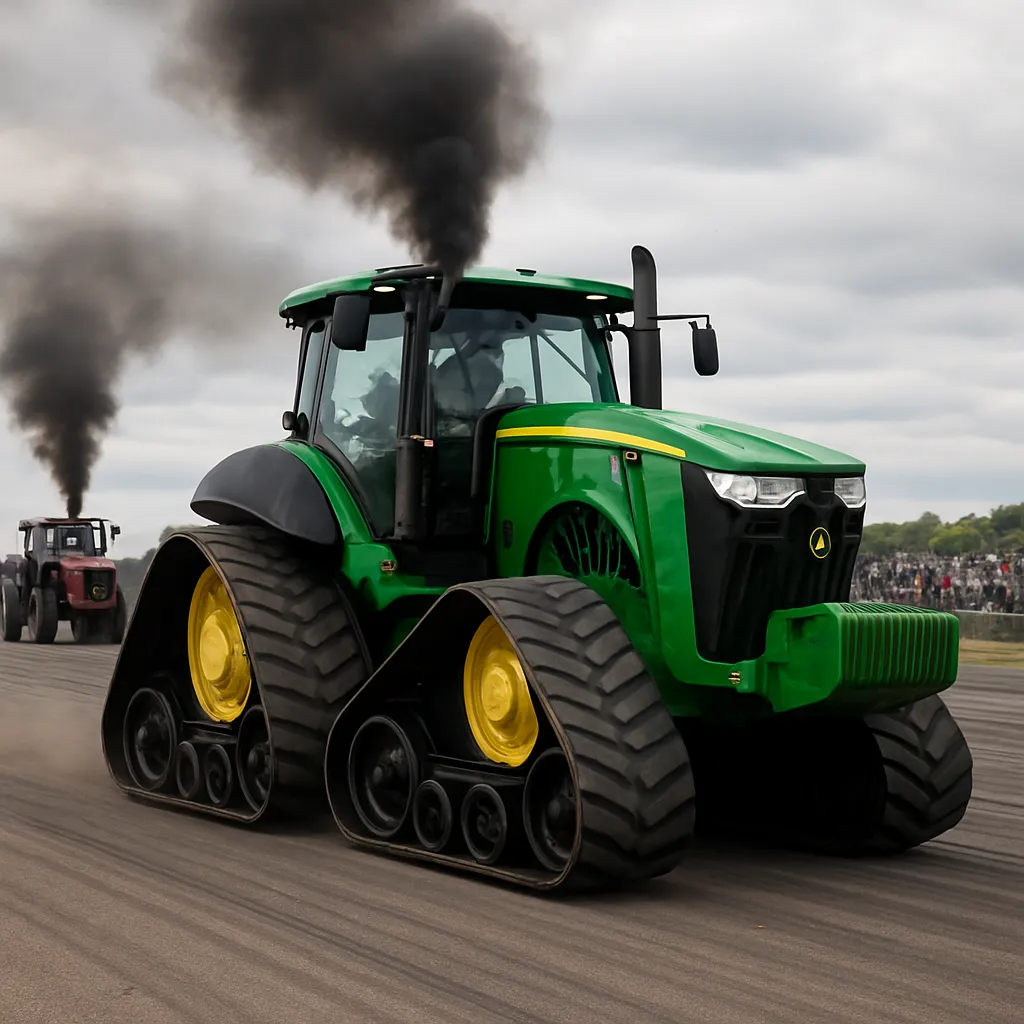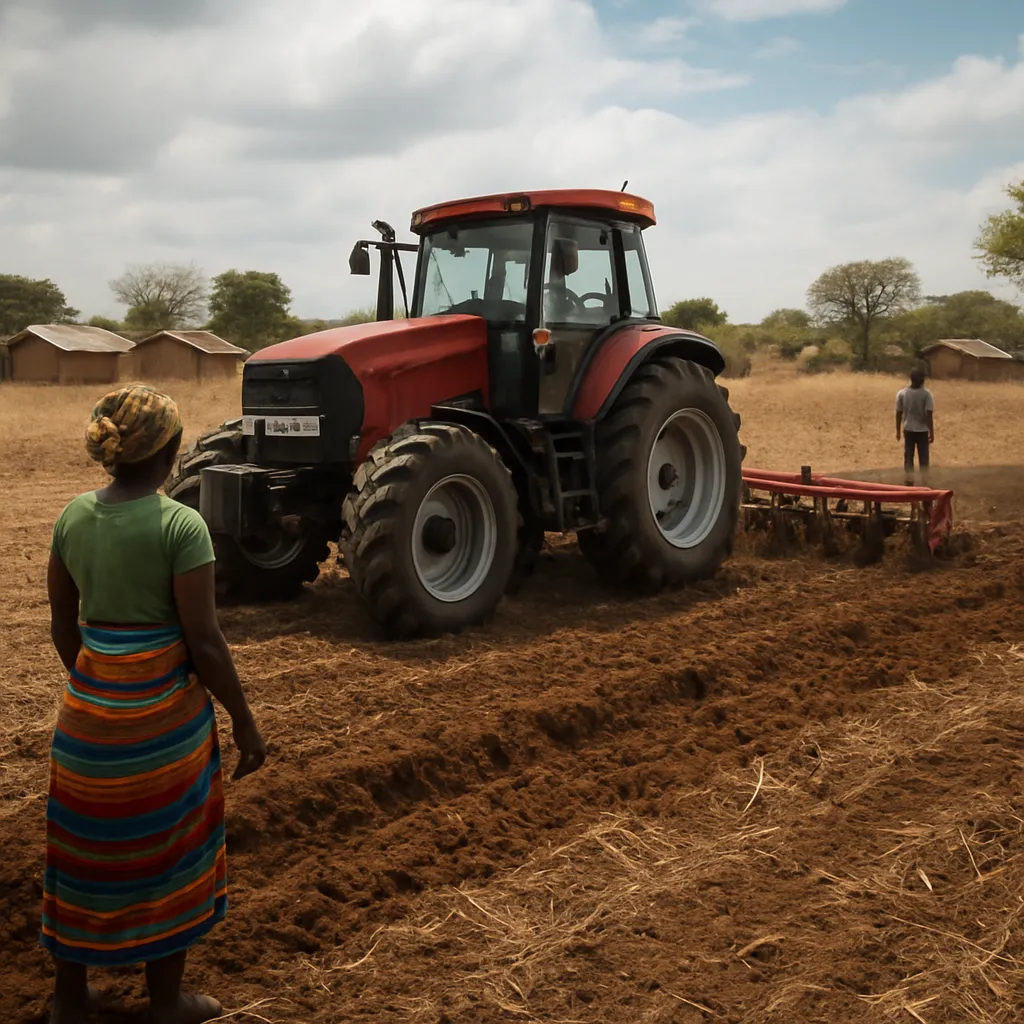
The adoption of big tractors across agrarian landscapes in developing countries is reshaping the face of agriculture. From broad plains of sub-Saharan Africa to the terraced fields of Southeast Asia, mechanization is offering unprecedented opportunities—and presenting new challenges—for smallholder farmers. This article examines how towering machines with immense horsepower are altering productivity, economics, and sustainability in regions where traditional methods once prevailed.
Technological Advances Driving Modern Farm Machinery
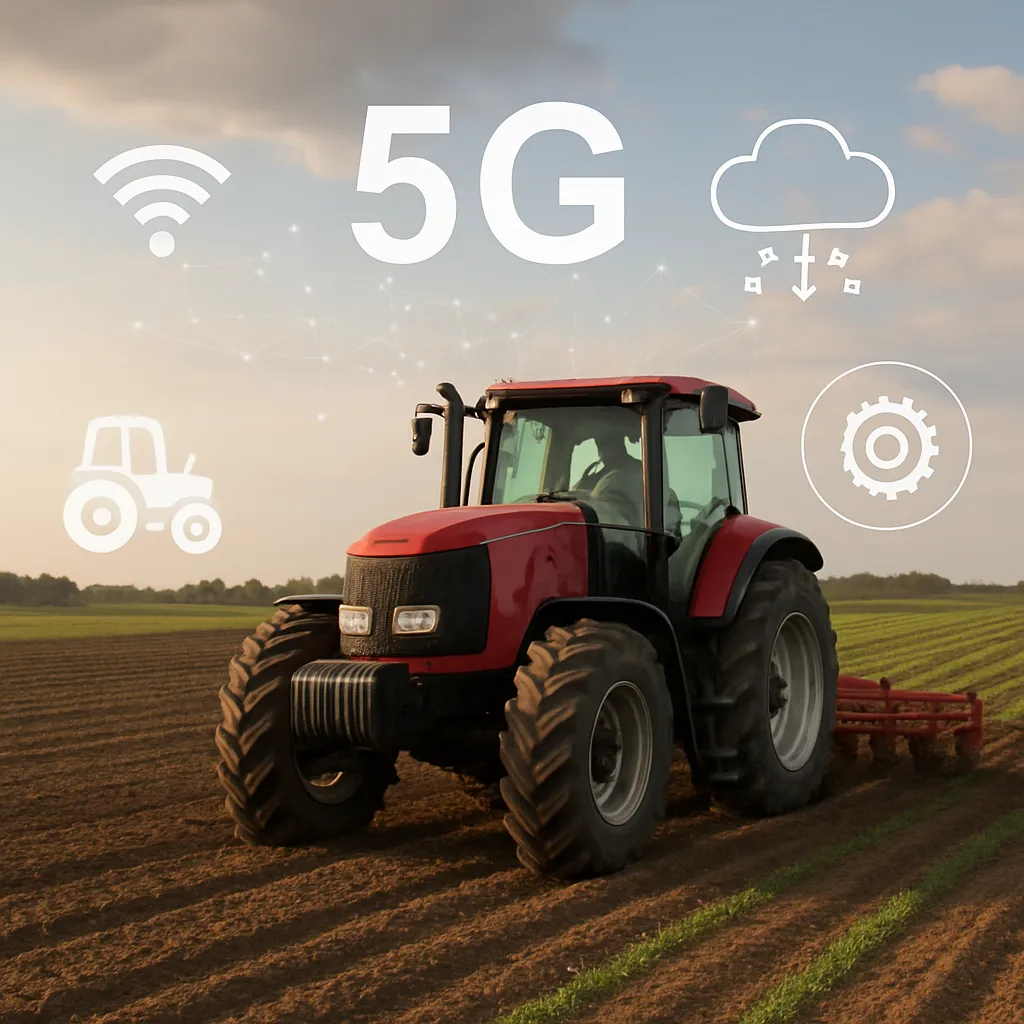
For decades, tractors served mainly as draft power or simple plowing tools. Today’s heavy-duty models boast cutting-edge systems that integrate GPS-guided guidance, precision fertilization, and even semi-autonomous operation. Manufacturers are racing to equip their flagship machines with:
- Telematics modules for real-time performance monitoring and remote diagnostics.
- Hydraulic systems capable of lifting and pulling thousands of kilograms.
- Advanced engines that meet stringent emission standards while delivering high fuel efficiency.
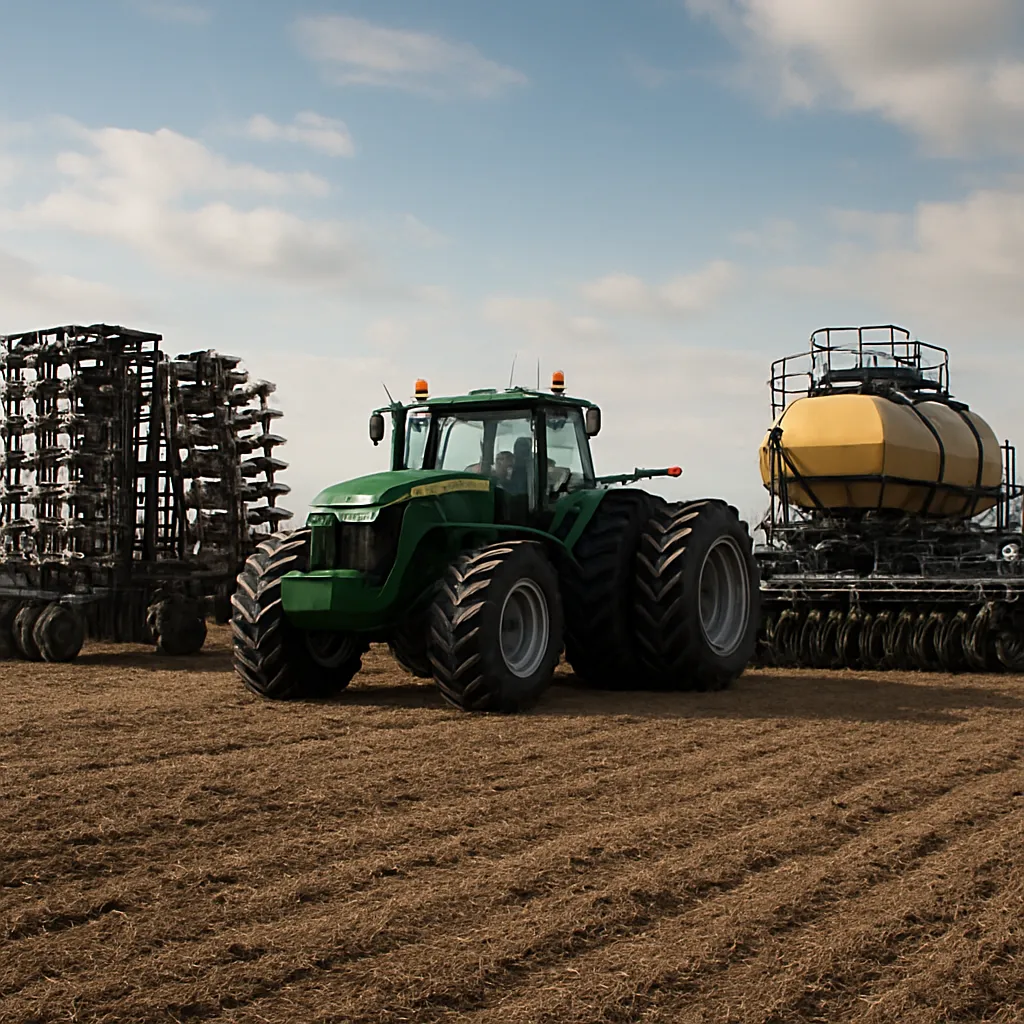
- Smart implements—planters, seeders, sprayers—designed for precision targeting of seeds and chemicals.
These innovations have transformed tractors into mobile command centers. In some nations, fleets of 200–300 horsepower machines can map a hectare in minutes, adjust seeding depth on the fly, and optimize resource application down to the square meter. Accessibility to such technology has been limited by cost, but manufacturers and governments are exploring financing schemes, leasing models, and local assembly plants to reduce barriers.
Economic and Social Effects in Developing Nations
Introducing large-scale tractors to regions dominated by small family plots triggers a ripple of economic and social changes.
- Yield Improvements: Where manual plowing once consumed weeks, mechanized tillage compresses the timeline to days. Early adopters report yield gains of 20–40% simply by ensuring timely preparation and planting.
- Labor Shifts: Demand for plowmen and certain seasonal tasks declines, while opportunities in maintenance, driving training, and equipment sales rise. This shift can alleviate rural underemployment but also displace casual laborers.
- Input Costs vs. Returns: While the cost of tractor hire or ownership might seem daunting, many farmers find that savings in labor, fuel, and time outweigh the initial outlay—especially when linked to higher market rates for staple crops.
- Market Integration: Mechanized farmers often gain better access to regional markets. Bulk harvesting and faster turnaround times enable them to negotiate more favorable prices for grains, legumes, and oilseeds.
Yet the distribution of benefits is uneven. Large farmers or cooperatives tend to adopt big tractors first, increasing the gap between well-capitalized operations and subsistence plots. Some governments have sought to combat this through:
- Subsidized tractor pools managed by agricultural extension services.
- Training centers that certify local mechanics and tractor operators.
- Microcredit facilities offering low-interest loans for farm mechanization.
Where successfully implemented, these policies bolster rural livelihoods and strengthen food security at the community level. Cooperative ownership models, in particular, give smallholders shared equity in high-horsepower machines that would otherwise be out of reach.
Environmental and Sustainability Considerations
Powerful tractors can accelerate the risk of soil degradation, erosion, and carbon emissions if not used responsibly. Key environmental challenges include:
- Soil Compaction: Heavy wheel loads compress soil structure, impeding drainage and root growth.
- Over-Cultivation: Faster turnaround may tempt farmers to harvest multiple seasons per year, leading to nutrient depletion.
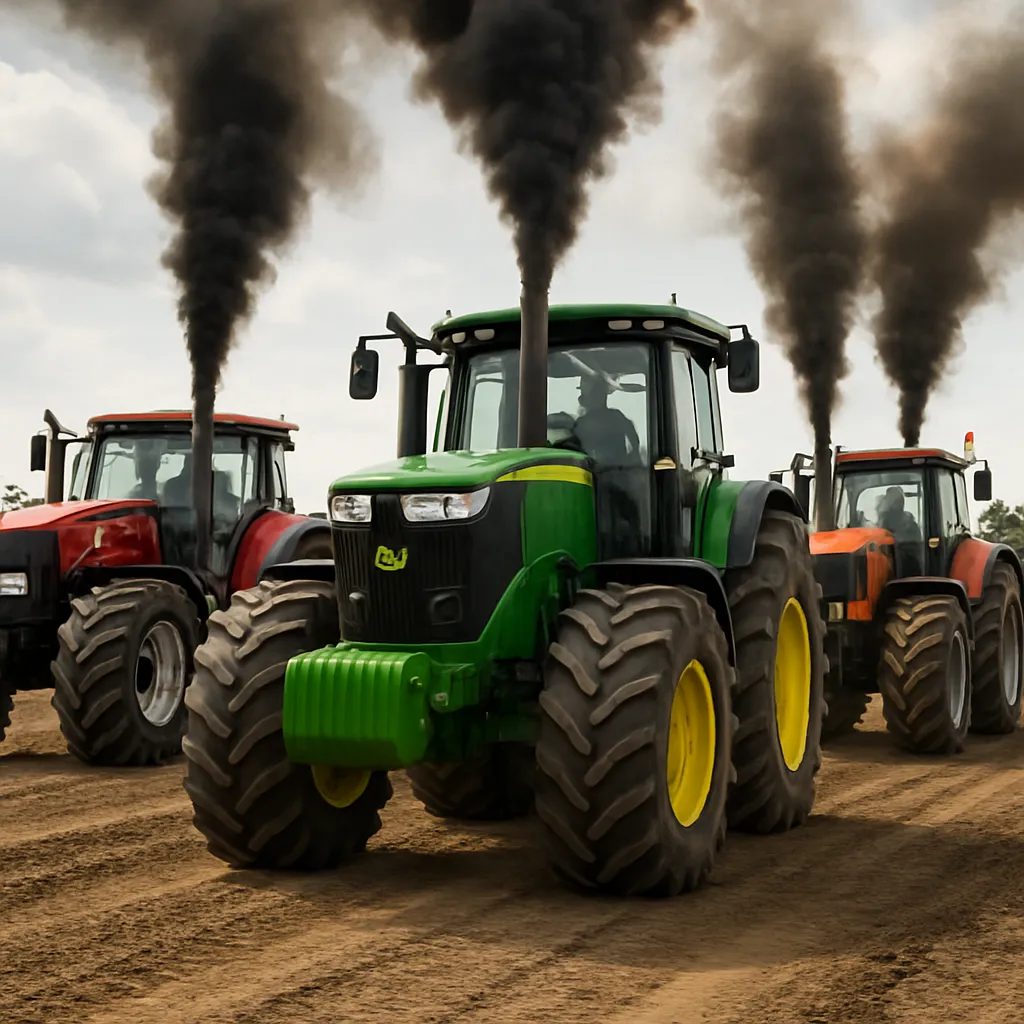
- Fossil Fuel Dependence: Diesel engines still dominate, contributing to greenhouse gas emissions and air pollution.
Addressing these issues requires integrated strategies. Conservation agriculture techniques—minimum tillage, crop rotation, and cover cropping—can be combined with big tractors equipped for reduced-disturbance plows and no-till seeders. In Brazil and parts of Africa, farmers using wide-track tractors with controlled-traffic farming (CTF) systems report a 30% reduction in fuel consumption and a notable uptick in organic matter retention.
There is also a growing push toward alternative fuel tractors. Experimental models powered by biofuels, natural gas, or even electricity promise lower emissions. While still in pilot phases, these prototypes could redefine how large-scale machinery aligns with climate-smart agriculture goals.
Overcoming Barriers: Training, Maintenance, and Financing
Simply delivering big tractors to a village is not enough. Long-term success depends on robust support systems:
Operator Training
- Hands-on courses in safe driving, implement attachment, and basic troubleshooting.
- Certification programs that enhance employability and ensure consistent machine operation.
After-Sales Service
- Local parts depots to ease acquisition of filters, belts, and hydraulics components.
- Mobile service units that travel between rural communities for on-site repairs.
Financing Innovations
- Lease-to-own schemes allowing farmers to pay in installments linked to harvest cycles.
- Crop lien arrangements where tractors serve as collateral, aligning repayment with revenue.
- Collaborative credit unions pooling resources to underwrite high-value equipment.
Governments and NGOs often partner with manufacturers to underwrite investment risks. In Southeast Asia, a successful model ties loan disbursement to completion of training modules, ensuring that recipients operate their vehicles safely and efficiently—thus reducing accident rates and mechanical breakdowns.
Future Perspectives: Scaling Up with Equity
Expanding access to big tractors can deepen the so-called “mechanization divide” unless deliberate measures ensure equitable distribution. Promising approaches include:
- Public-Private Partnerships: Combining governmental reach with private-sector expertise to deliver tractors at subsidized rates and with guaranteed support services.
- Digital Platforms: Apps that match tractor owners with farmers seeking short-term hire, optimizing utilization while generating income for owners.
- Local Manufacturing: Assembly lines in target regions can lower costs, create jobs, and adapt designs to local soil and terrain conditions.
As these initiatives expand, the outlook for rural communities in developing nations brightens. Mechanization alone will not solve every agricultural challenge, but when combined with sustainable practices, targeted financing, and comprehensive training, big tractors can become engines of growth—driving food security, lifting incomes, and fostering resilient farming systems.