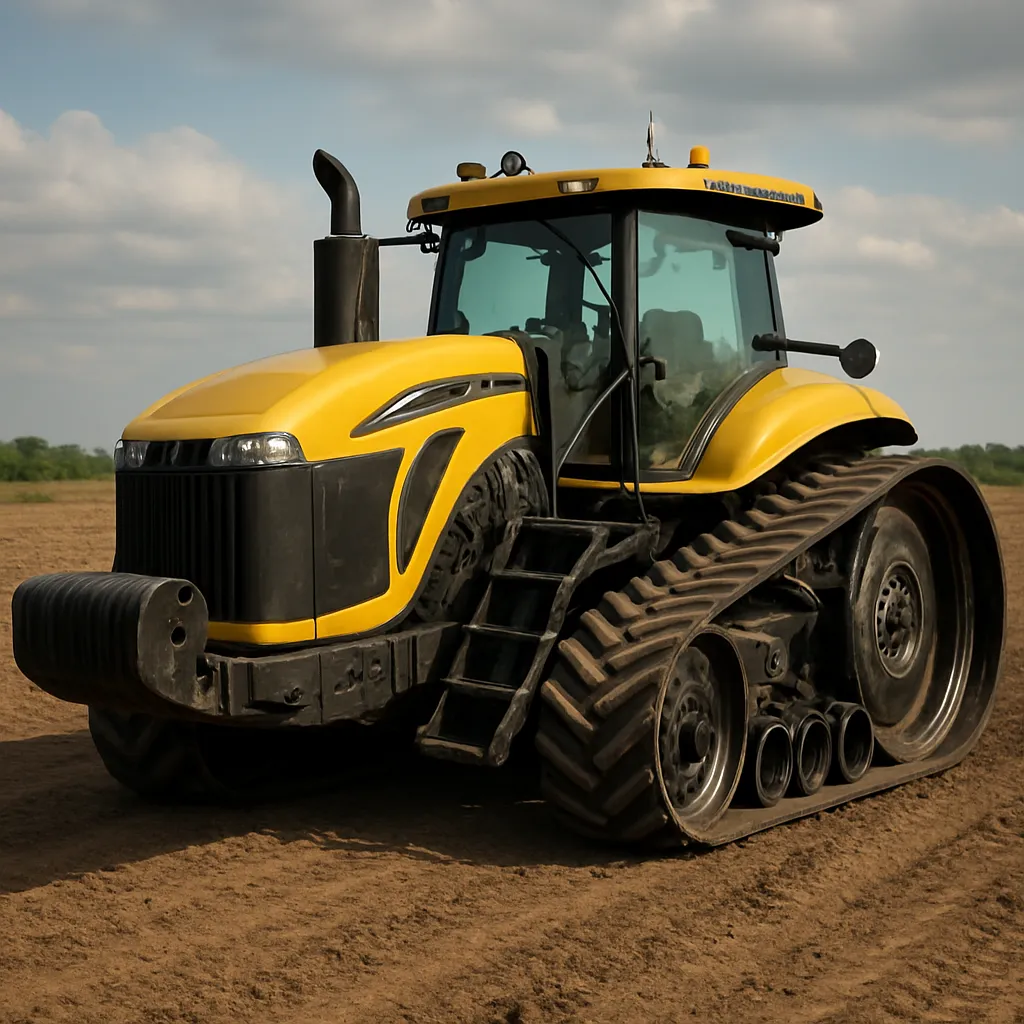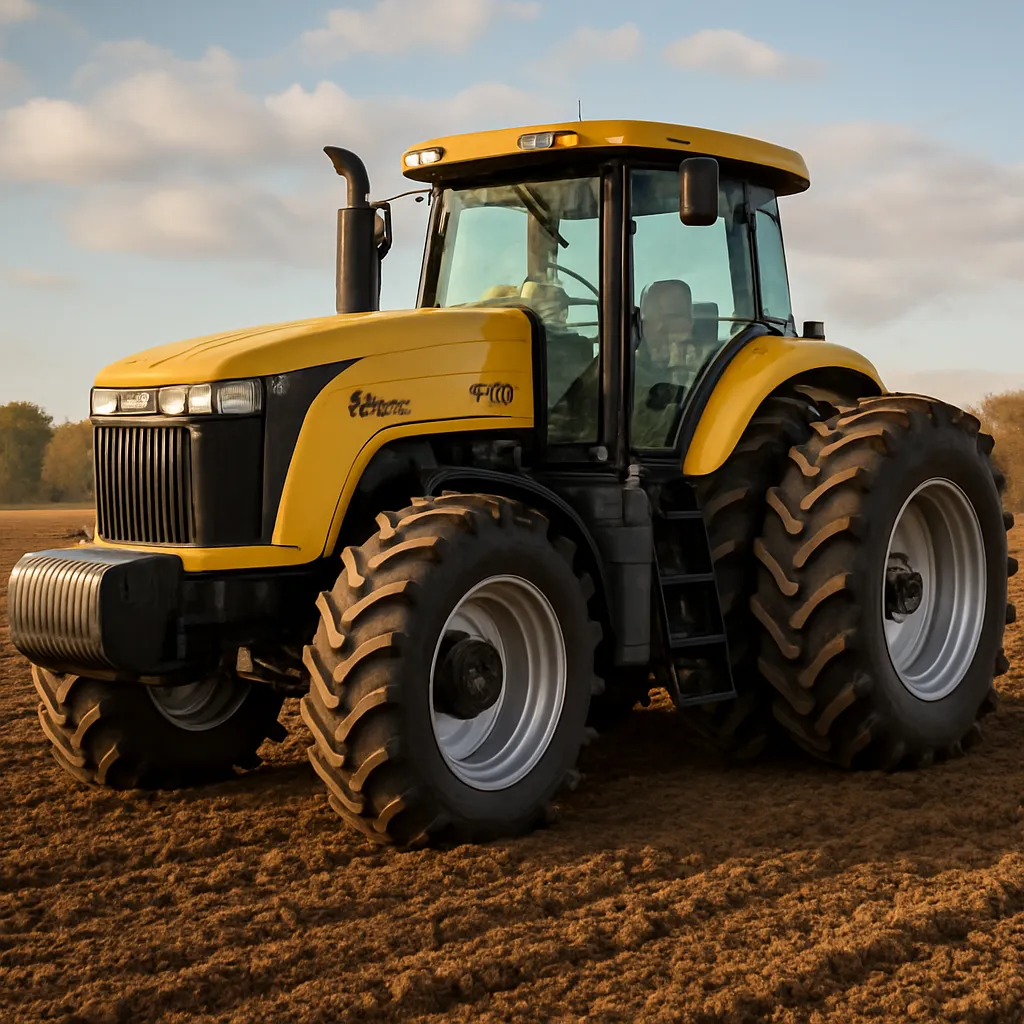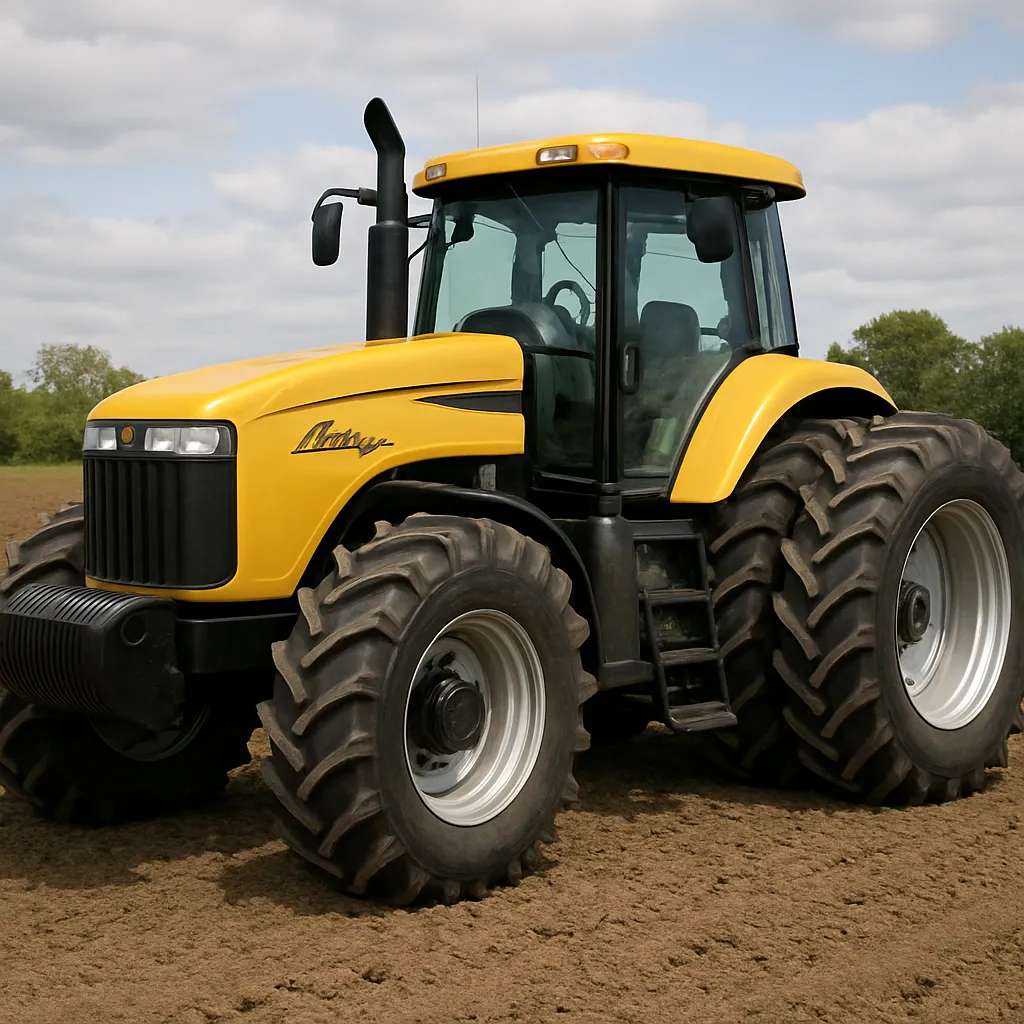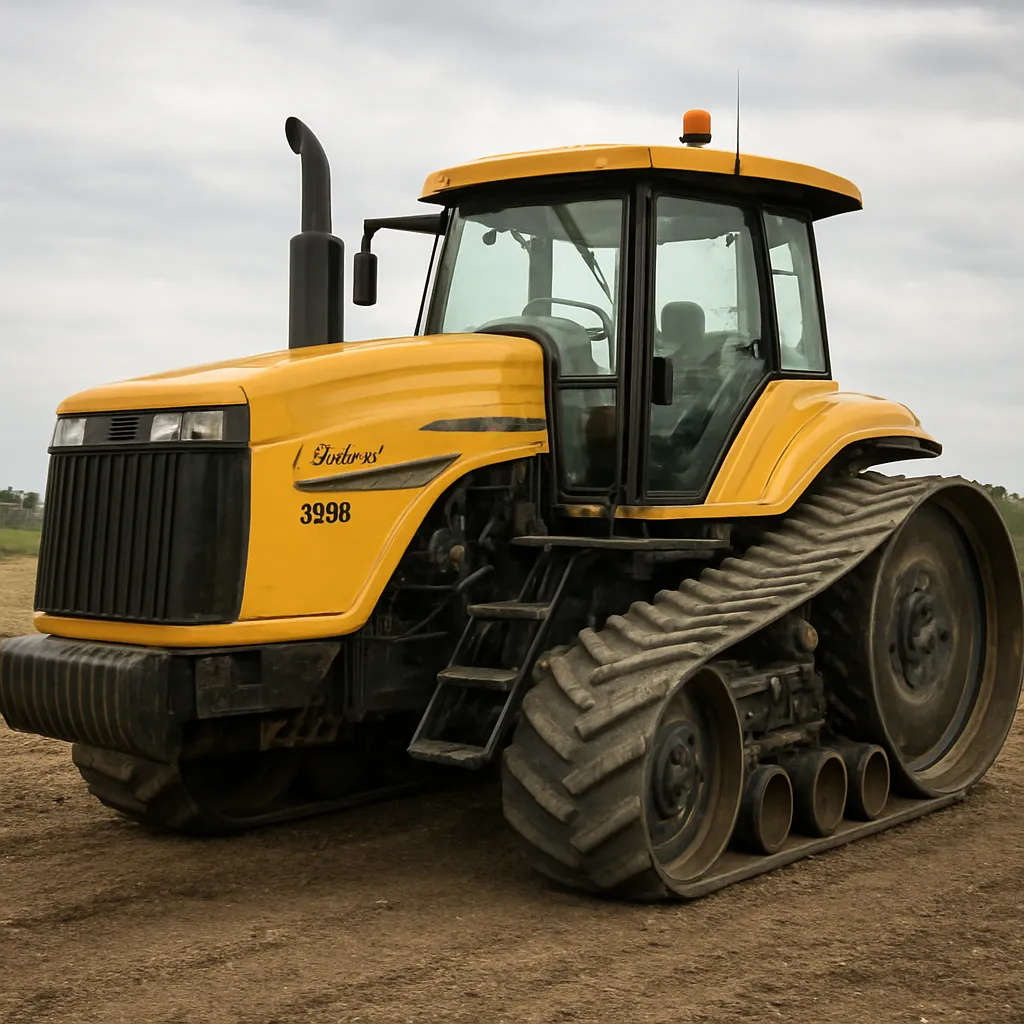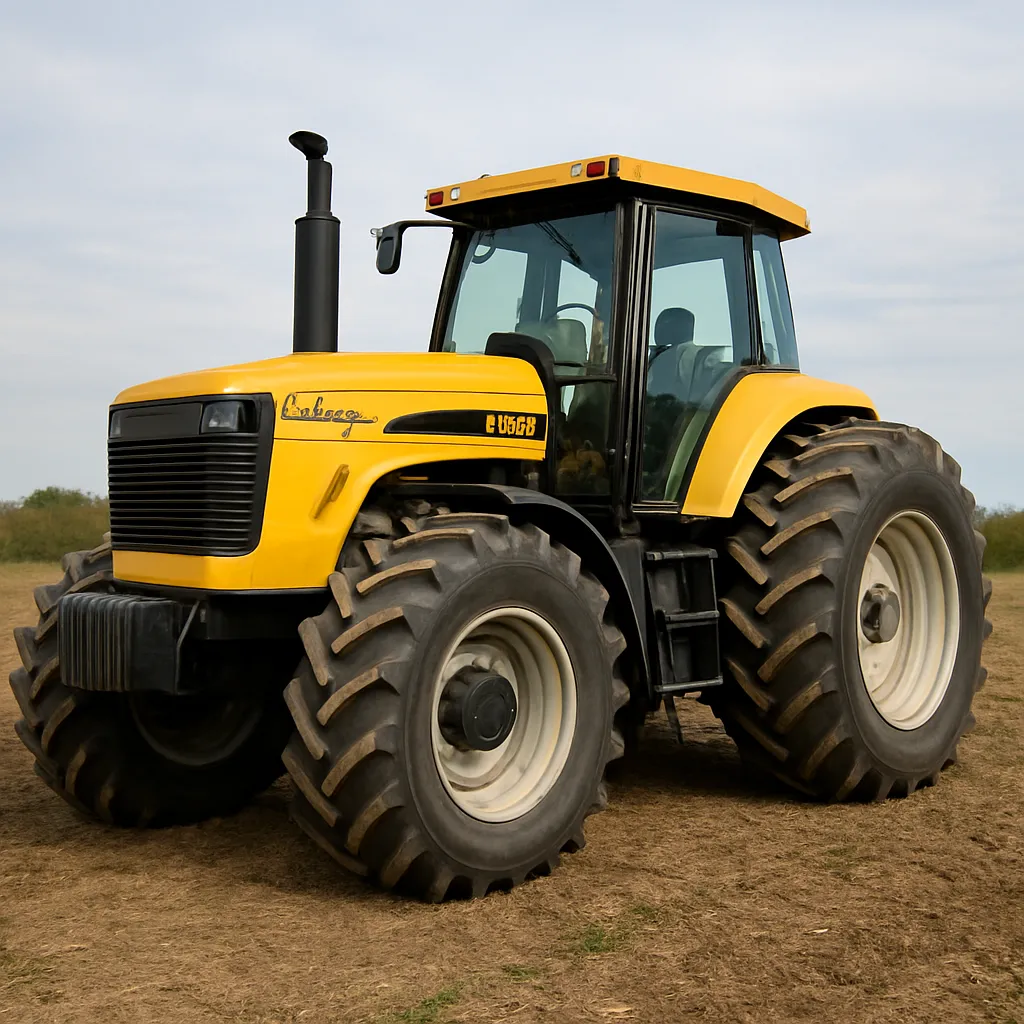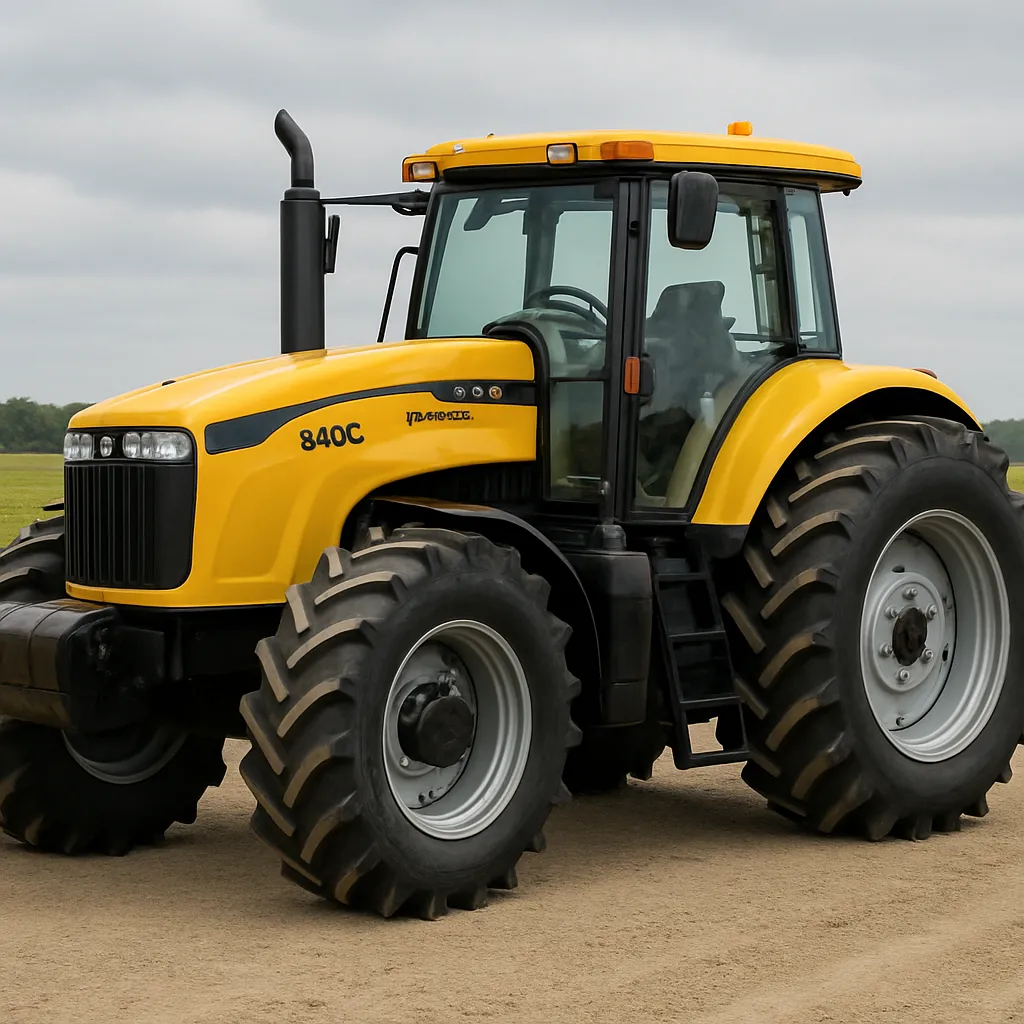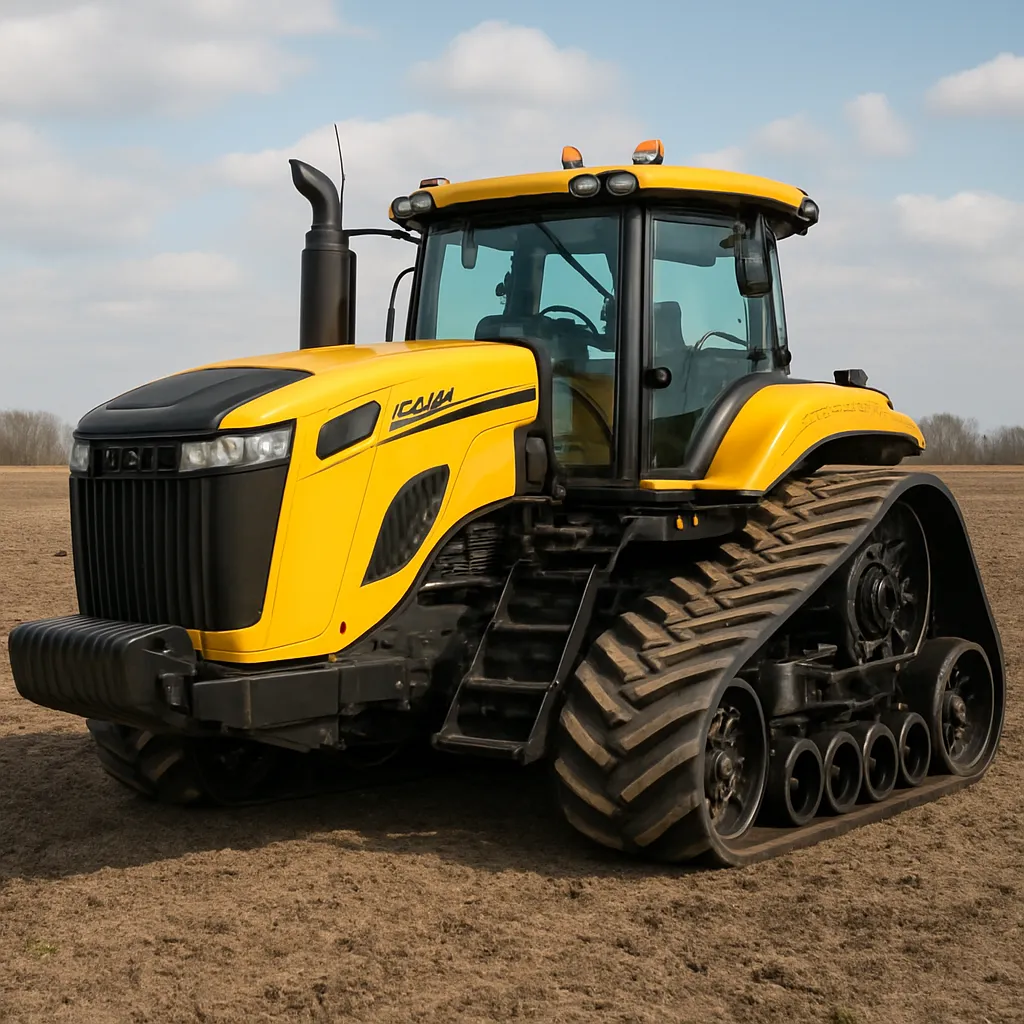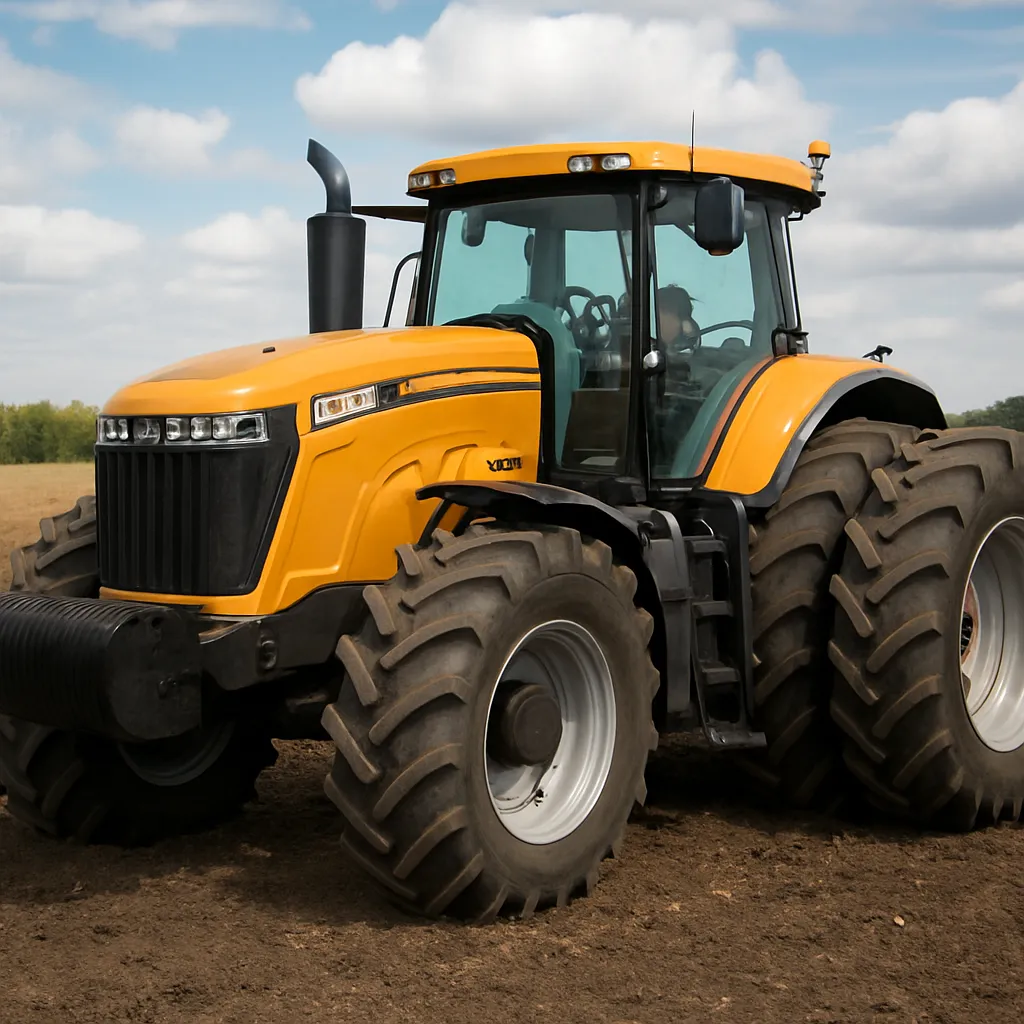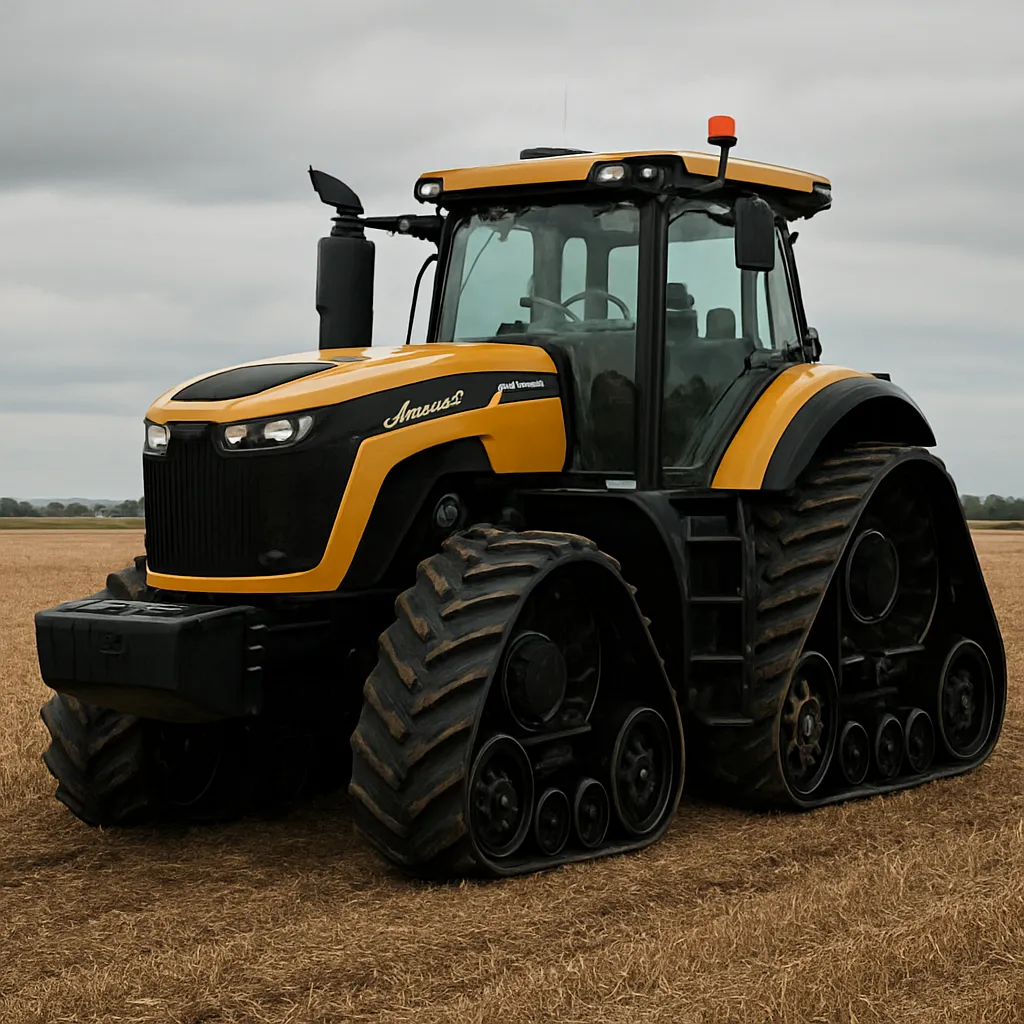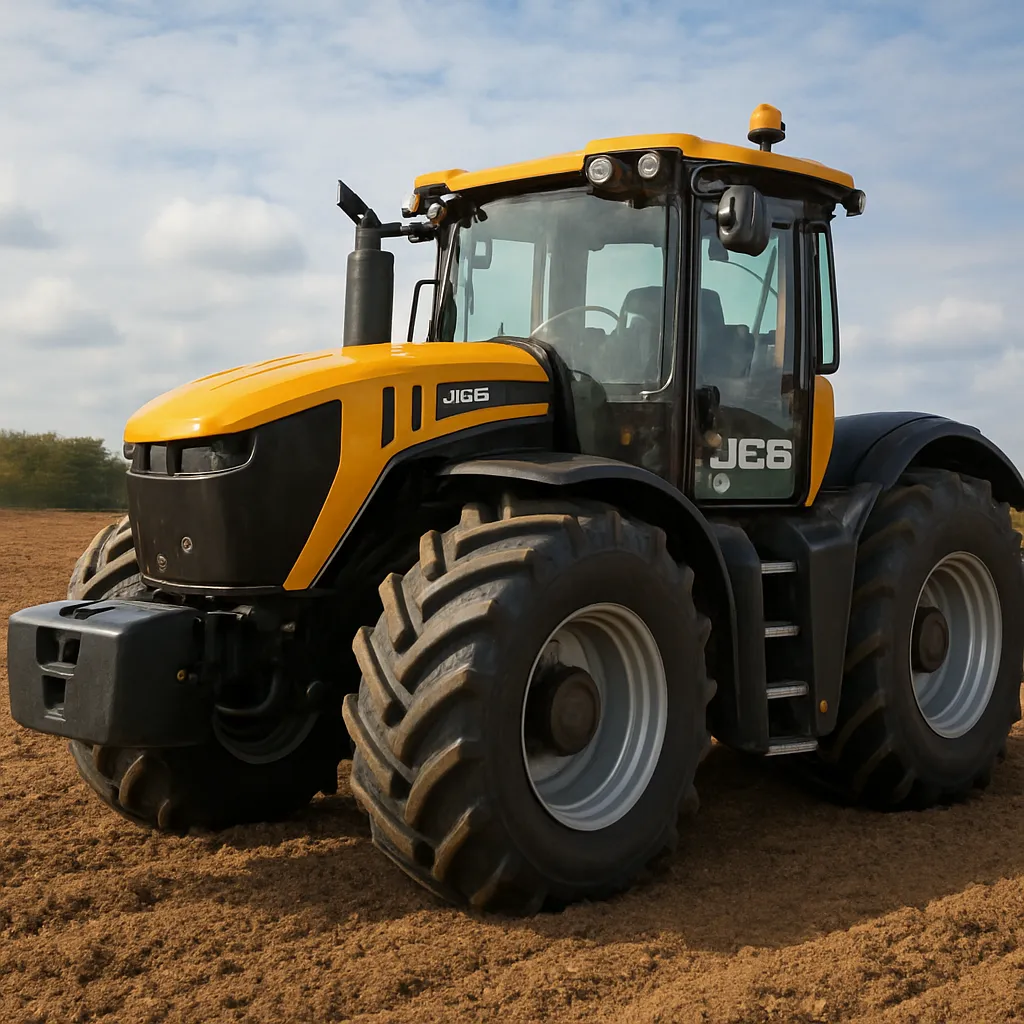
The JCB 4170 is a member of the JCB Fastrac family of high-speed agricultural tractors, engineered to combine road-going performance with farm-ready capability. This article explores the machine’s design philosophy, typical technical specifications, real-world applications, maintenance considerations, and economic role on modern farms. Where numerical data is referenced, figures are provided as typical or reported values to give a practical sense of the tractor’s capabilities.
Design Philosophy and Key Features
At the core of the JCB 4170’s design is an emphasis on versatility and road-speed mobility. Unlike conventional tractors that prioritize slow-speed drawbar work, the Fastrac lineage — including the 4170 — was developed to deliver higher transport speeds and improved ride quality for long distances between fields or for contractors who move frequently between job sites.
The chassis combines a relatively long wheelbase with advanced suspension systems to provide stability at speed and comfort over long working days. Typical features found on the 4170 (as with many Fastrac models) include a full-frame, all-wheel brakes, and high-capacity hydraulics that support a wide array of implements. The cab is designed for operator comfort and visibility, often equipped with ergonomic controls, efficient heating/air conditioning systems, and integrated information displays.
Powertrain and Transmission
The JCB 4170 is usually powered by a reliable turbocharged diesel engine tuned to deliver a balance of power and fuel efficiency suitable for both fieldwork and road transport. Reported engine outputs for tractors in this class typically fall in the region of approximately 160–180 horsepower. The transmission is engineered to allow high-speed travel — often featuring a multi-range powershift or continuously variable transmission (CVT) option on some Fastrac variants — enabling smooth acceleration and efficient gear selection.
Suspension and Ride Comfort
One of the defining features of the Fastrac concept is its suspension. The 4170 benefits from independent front suspension or full-vehicle suspension systems that reduce operator fatigue and protect mounted implements during transport. This focus on ride quality makes the tractor well suited for long-distance hauling, vegetable and cereal farms where field-to-field distance is significant, and operations that require rapid repositioning.
Technical Specifications — Typical Figures
Exact specifications depend on the production year and optional equipment fitted, but a typical specification profile for a JCB 4170-class tractor would include the following approximate values. These are provided as reference points based on common configurations and reported figures:
- Engine power: around 160–180 hp (approximate)
- Maximum road speed: up to 40–60 km/h (some Fastrac variants are capable of 50–60 km/h)
- Operating weight: approximately 7,000–10,000 kg depending on attachments and configuration
- Hydraulic flow: 120–200 liters per minute for implement circuits, depending on pump options
- Lift capacity (rear link): typically in the range of 5,000–7,000 kg
- Fuel capacity: commonly 250–500 liters depending on tank options
- Tyre options: wide range for arable, flotation, or transport-focused configurations
Note: Figures above can vary with market-specific options and model year updates. For precise technical data, always consult the vehicle’s factory specification sheet or an authorized dealer.
Primary Applications and Use Cases
The JCB 4170 excels where a combination of field capability and high-speed road transit is important. Below are the main application areas where its strengths are most evident.
Arable Farming and Contracting
For large-scale arable farmers and contractors, the ability to move quickly between fields can save significant time. The 4170 is well suited for pulling large cultivators, seeders, and sprayers. Its substantial hydraulic capacity and lifting power allow it to work with wide implements effectively, while its speed means fewer hours lost during transit.
Transport and Haulage
Where multi-purpose use is required, the 4170’s strong driveline and high transport speed make it useful for carting trailers, tippers, and machinery between locations. Contractors who undertake combined tasks — e.g., haulage in the morning and fieldwork in the afternoon — will appreciate the blend of traction and efficiency.
Specialist Tasks and Attachments
With the right attachments, the 4170 can be adapted to a variety of tasks: front loaders, bale handlers, mower decks, and even municipal attachments for verge mowing or snow clearing. This adaptability contributes to the tractor’s overall value on mixed farms and in service fleets.
Operational Performance, Fuel Economy, and Emissions
Operational performance depends on matching engine characteristics, transmission behavior, and implement demand. In everyday use, operators report that models in this class provide robust tractive performance while maintaining reasonable fuel efficiency when operated in the correct torque band.
- Fuel consumption for heavy fieldwork may typically range from 12–25 liters per hour depending on load and conditions; lighter transport duties will consume considerably less.
- Modern variants comply with prevailing emission standards (e.g., Stage IIIA/Stage IV/Tier 4 final, depending on year and market) through a combination of engine tuning and exhaust aftertreatment systems such as SCR or DPF.
- Payload and implement handling efficiency can significantly influence overall economics: faster transit times enable better equipment utilization, reducing idle or repositioning hours.
These operational characteristics make the 4170 attractive to operators who prioritize both productivity and the ability to meet environmental regulations in their region.
Attachments, Hydraulics, and Versatility
The JCB 4170’s hydraulic system and PTO arrangements make it compatible with a broad range of implements. A robust hydraulic flow allows for quick cycle times on loaders and responsiveness for modern, equipment-intensive implements such as sprayers with multiple functions or air seeders.
- PTO options: Typically offer standard speeds (540/1000 rpm) to support most agricultural implements.
- Hydraulic couplers and spool valves: Modular setups allow for multiple hydraulic circuits, often with electronic control for precision tasks.
- Front linkage and loader compatibility: Many operators fit front loaders for telehandler-like duties; coupling systems are designed to facilitate quick-fit attachments.
This adaptability supports year-round use across planting, maintenance, harvest, and transport seasons, increasing the machine’s practical lifetime value.
Maintenance, Durability and Service Considerations
Maintenance is a central factor in maximizing tractor uptime. The 4170 is typically designed for ease of service, with accessible daily check points and modular components to speed repair times. Key maintenance areas include:
- Engine oil and filter changes at manufacturer-recommended intervals
- Hydraulic fluid and filter monitoring to protect pumps and valves
- Transmission service (gearbox or CVT) following service schedules to prevent wear-related downtime
- Cooling system checks to avoid overheating during long road runs or heavy draft work
Working with an authorized dealer network ensures access to genuine parts and firmware updates where applicable. Preventive maintenance plans and telematics monitoring (if equipped) can significantly reduce the risk of unplanned failures by flagging emerging issues early.
Safety Features and Operator Comfort
Safety is integral to the 4170’s design. Common safety features include ROPS-certified cabs, integrated lighting packages for road legality, and service brakes on all wheels that meet regional standards. Advanced models may include traction control, cruise control, and automatic braking systems. Operator comfort touches — such as air-suspended seats, noise insulation, and clear sightlines — support longer operating shifts while reducing fatigue.
Economic Considerations and Total Cost of Ownership
Acquiring a JCB 4170 is a capital investment that should be evaluated against the tractor’s potential to increase operational efficiency. Factors that affect total cost of ownership include:
- Initial purchase price and available financing or leasing options
- Fuel and maintenance costs tied to hours of operation
- Resale value — high versatility and brand reputation can positively influence depreciation
- Utilization rate — machines that serve multiple roles typically justify higher initial expense
Contractors and mixed farms often find that the ability to perform both long-distance transport and heavy fieldwork reduces the need for a separate fleet of specialist vehicles, offsetting the higher upfront cost over time. Availability of local service centers and parts should be part of any purchase decision.
Market Presence and Historical Notes
JCB’s Fastrac series made a distinct mark on the agricultural market by introducing high-speed farm tractors that prioritized speed and comfort. The 4170 sits within this tradition, reflecting JCB’s engineering focus on multi-role capability. Throughout the model’s commercial life, it has served a wide array of customers, from large arable farms to independent contractors.
Market uptake has been strongest where farm units are geographically dispersed, where contractors need to travel between clients, or where the farm business requires frequent transport of implements or produce. Secondary markets include municipal authorities and large estates that value a single machine’s adaptability.
Buying Advice and Configuration Tips
When considering a JCB 4170, prospective buyers should:
- Assess the typical mix of work (transport vs. field tasks) to choose the correct transmission and tyre setup.
- Confirm hydraulic flow and linkage capacities to match current implements or those intended for future purchase.
- Consider comfort and safety options if long road drives or heavy operator hours are expected.
- Check emission compliance for the intended region and potential restrictions on older engines.
Pre-delivery inspections and clear documentation of warranty terms and service intervals are also recommended for new purchases. For used machines, a full service history, confirmation of any major repairs, and a test drive under load are essential steps.
Conclusion
The JCB 4170 represents a compelling option for operators who require a tractor capable of both effective fieldwork and fast, comfortable road transit. Its design emphasizes versatility, operator comfort, and high utilization potential, making it particularly useful for contractors and larger arable farms. While exact specifications vary by year and configuration, the 4170-class tractors typically deliver strong power, competitive hydraulic capacity, and higher than average transport speeds compared to conventional tractors. Proper selection, maintenance, and matching to farm tasks will maximize return on investment and help ensure the machine remains a productive asset over its service life.