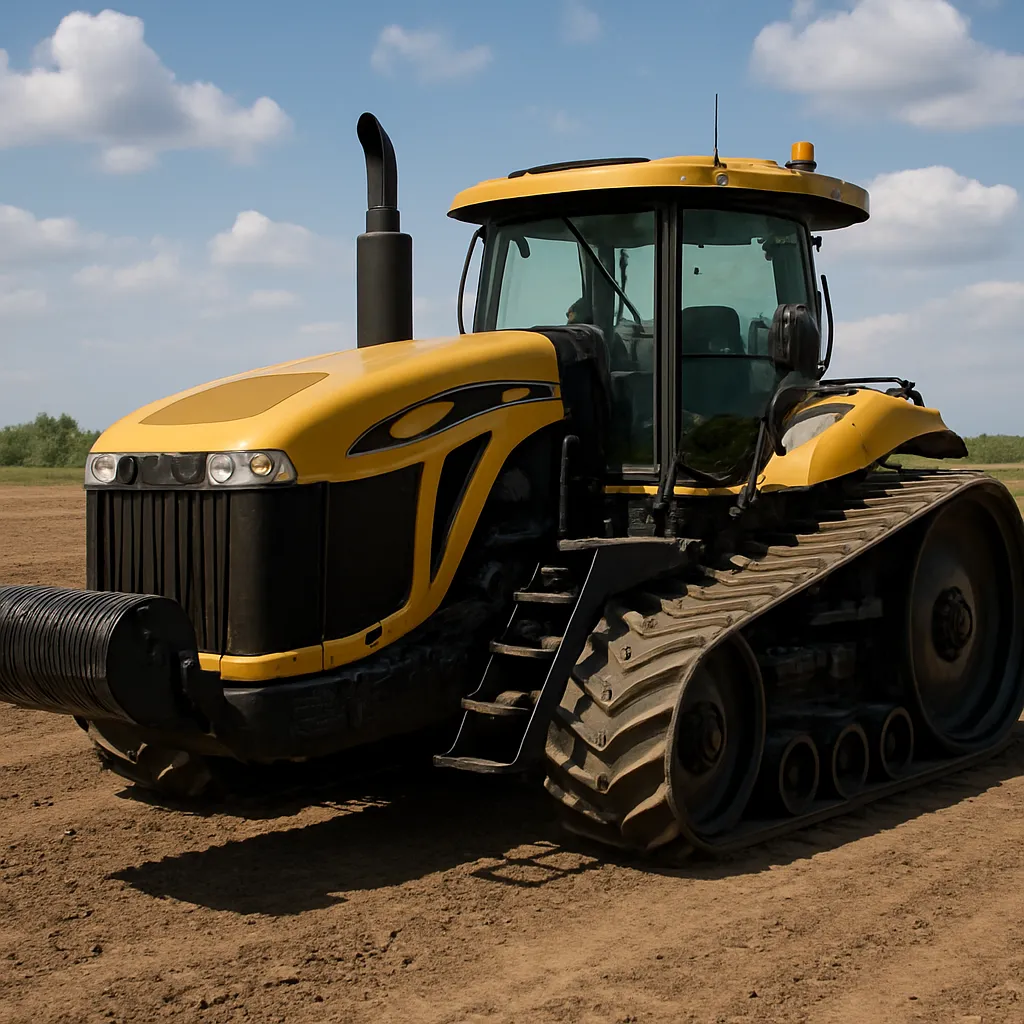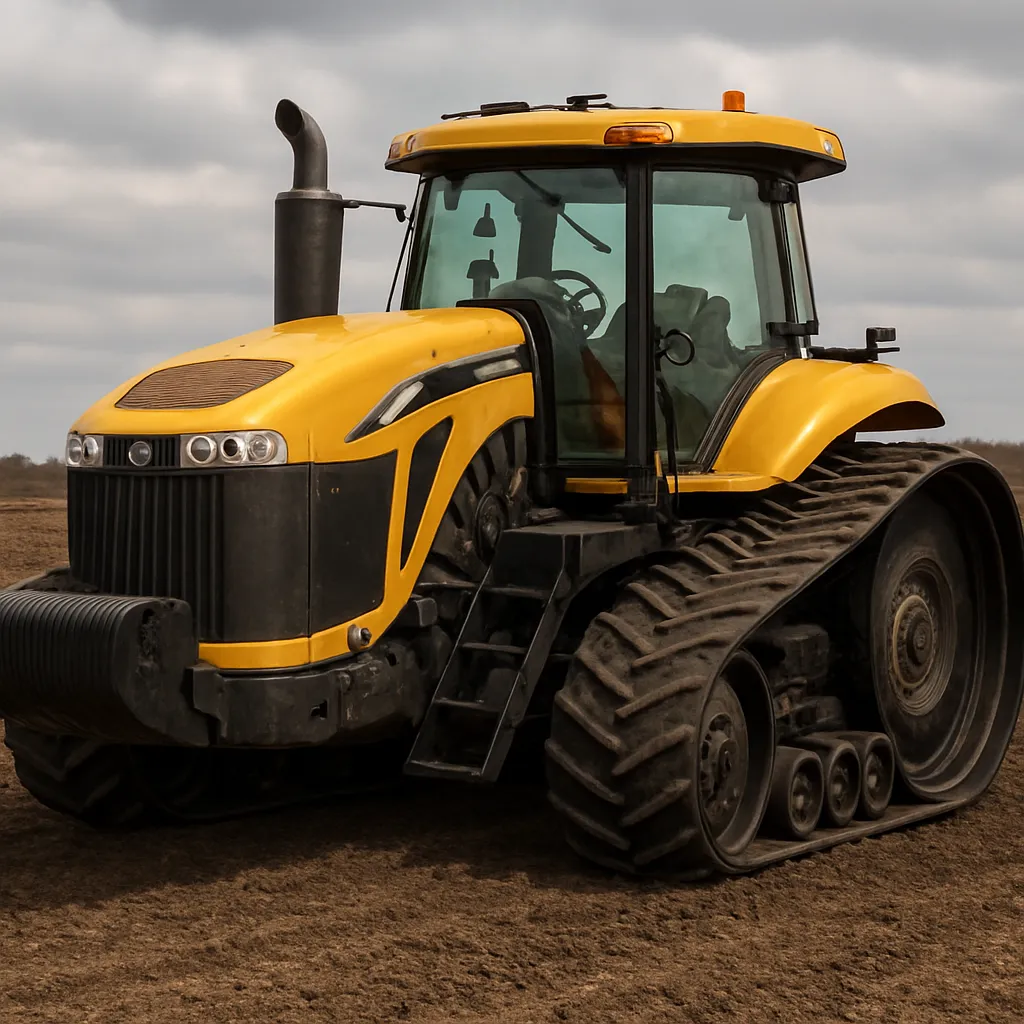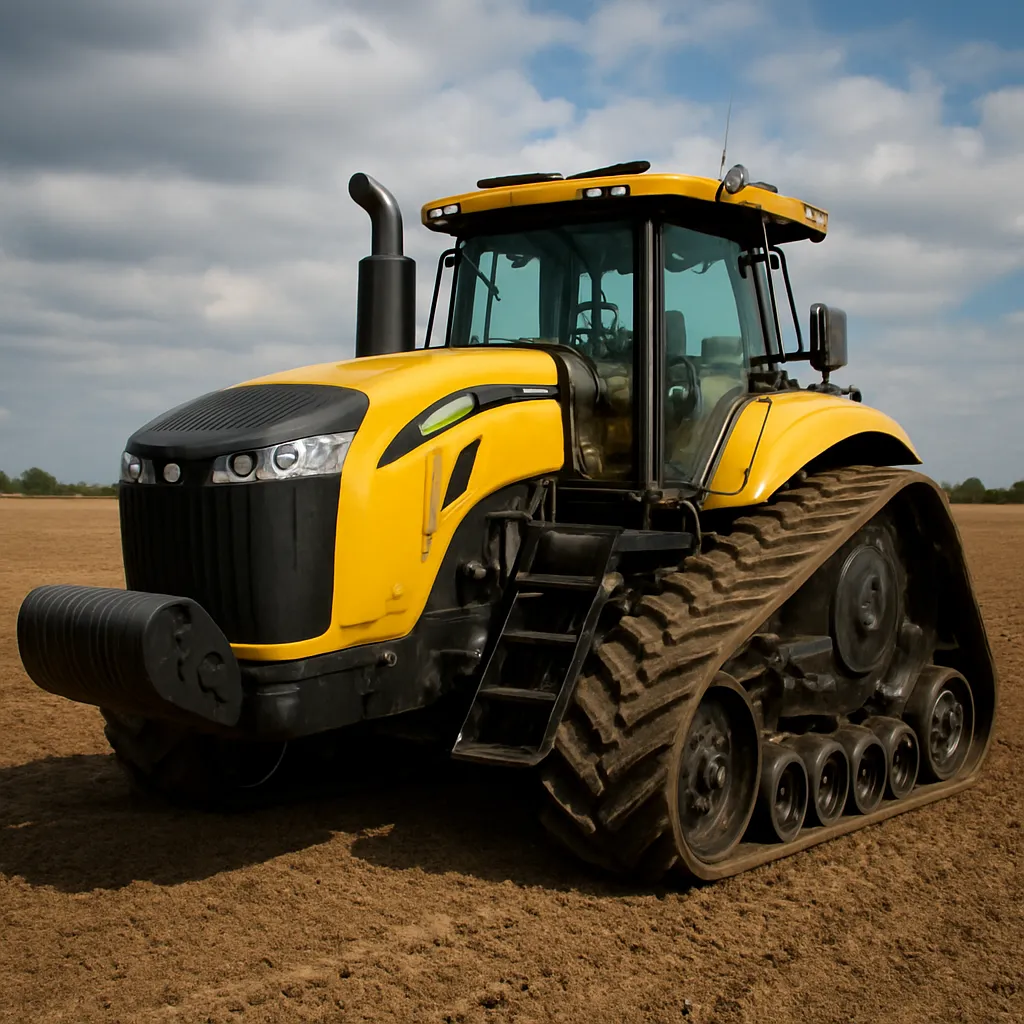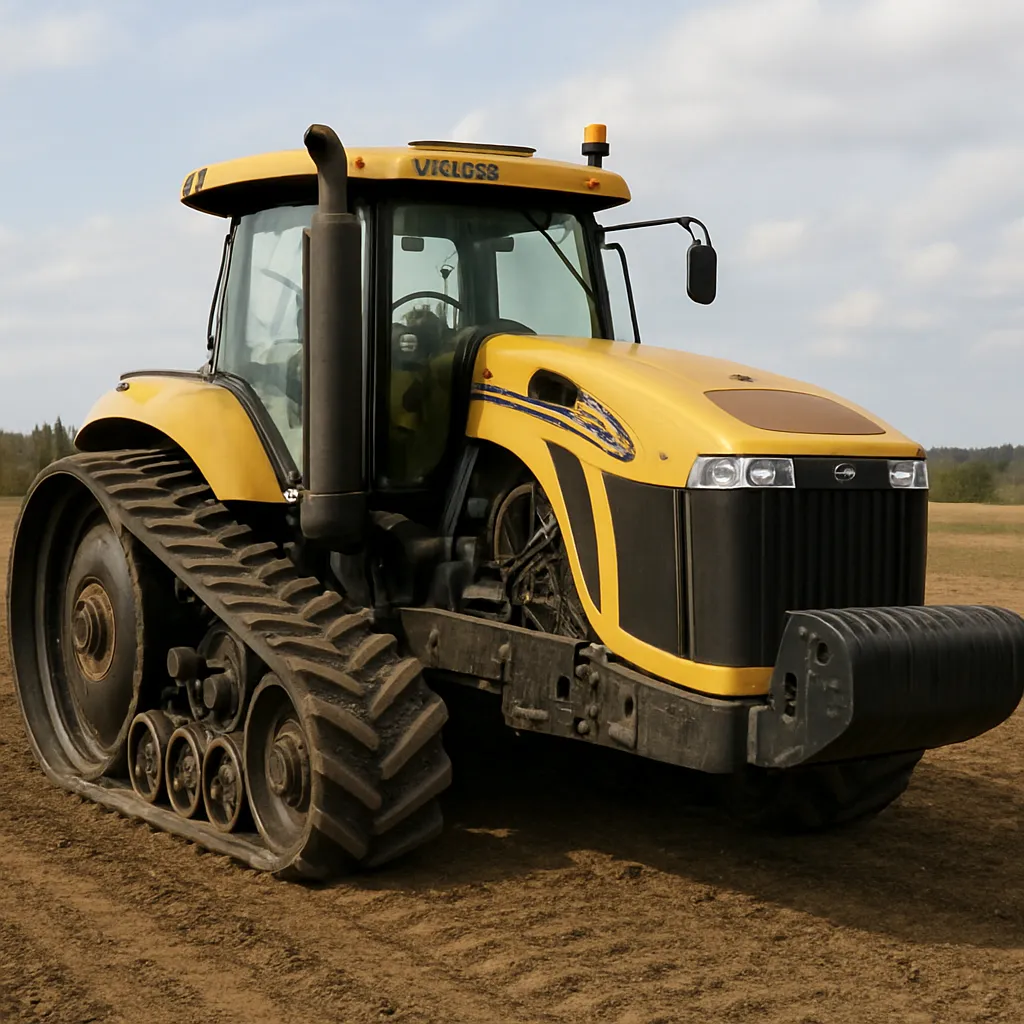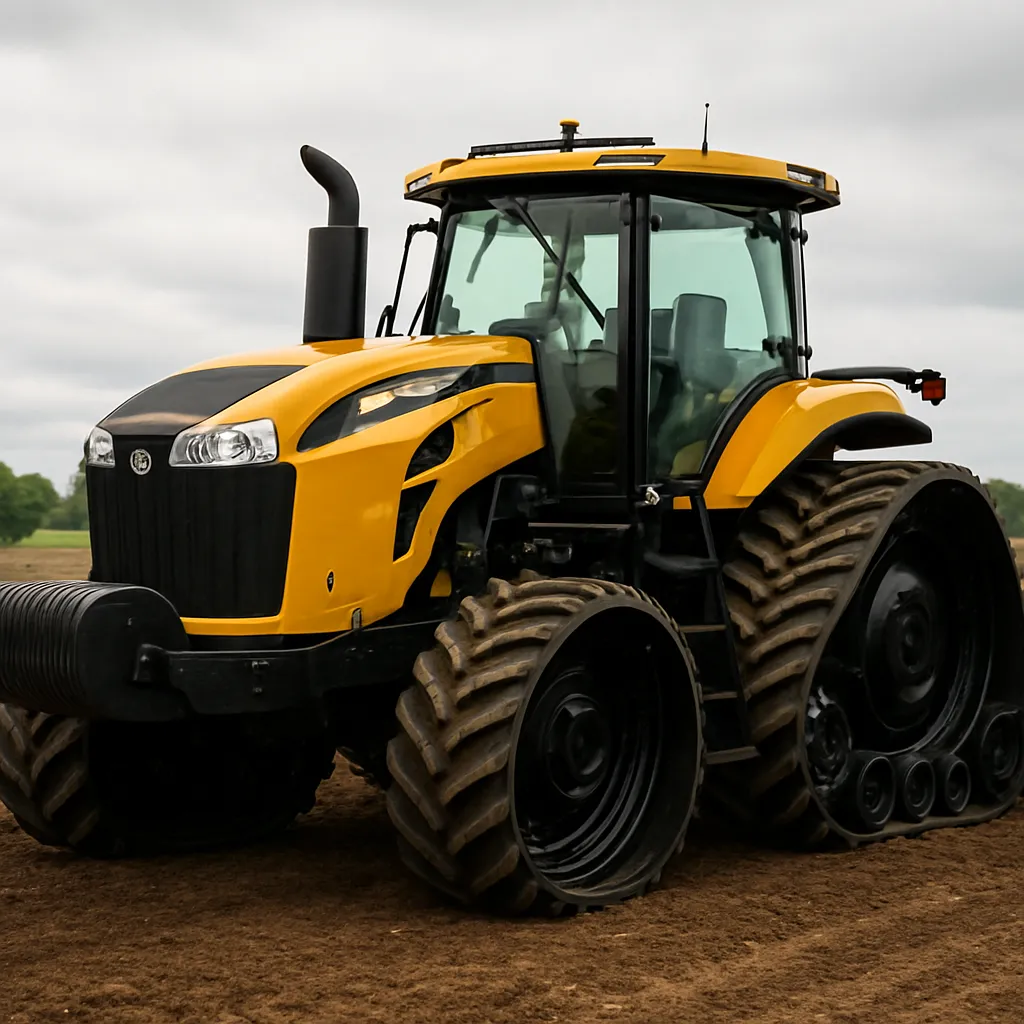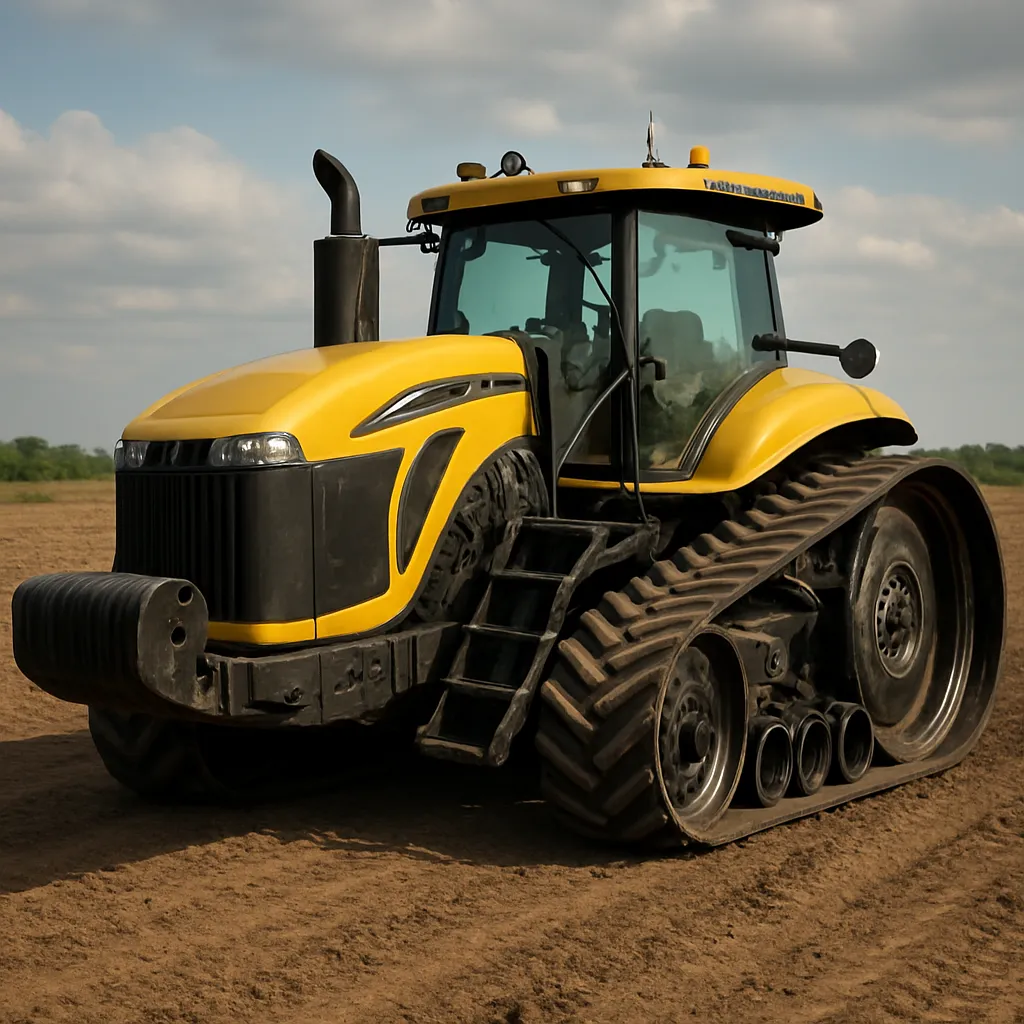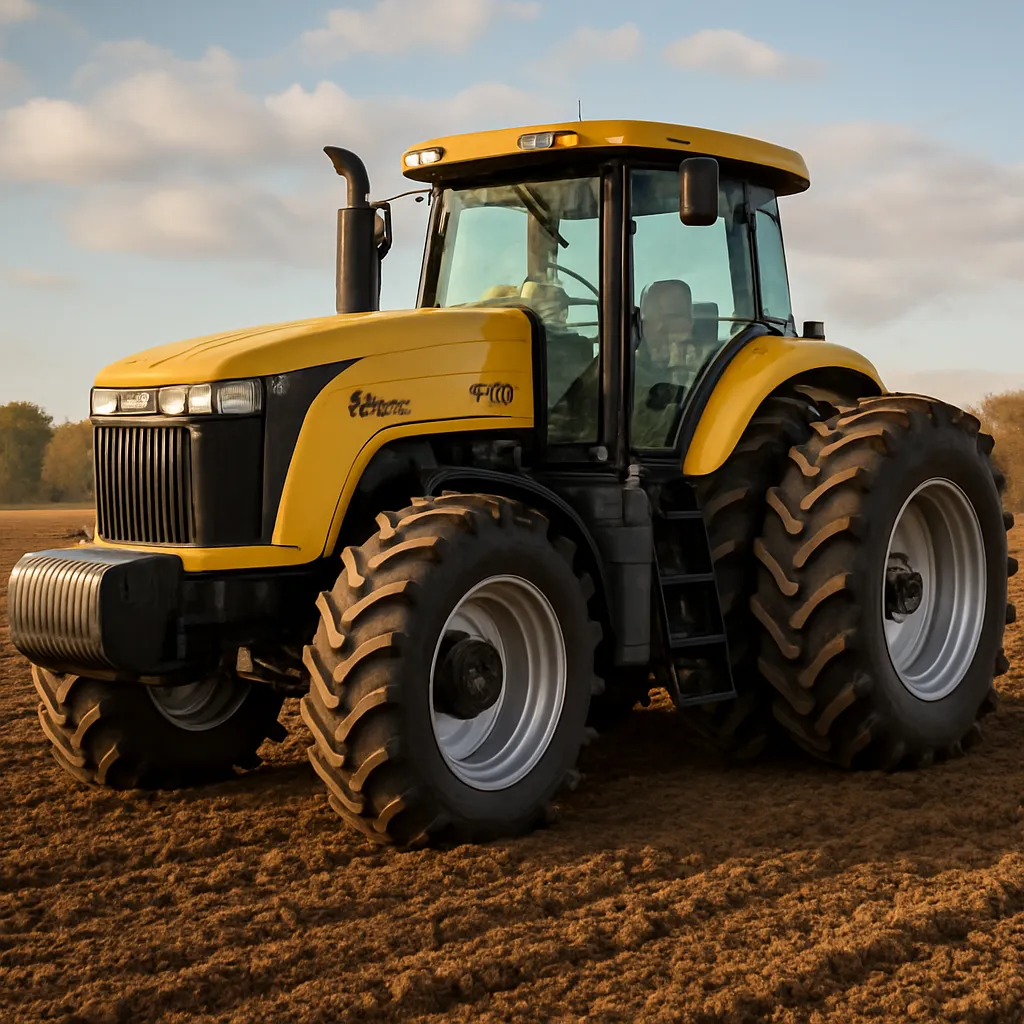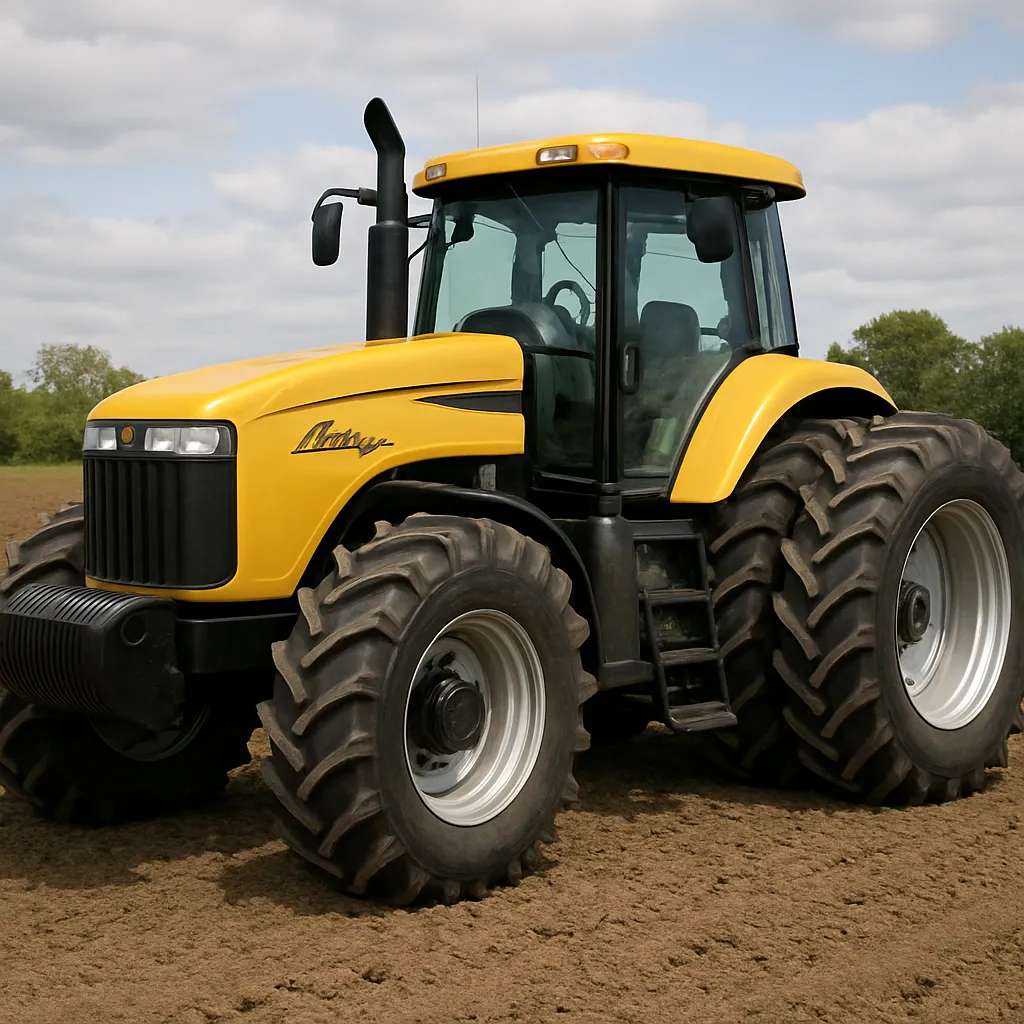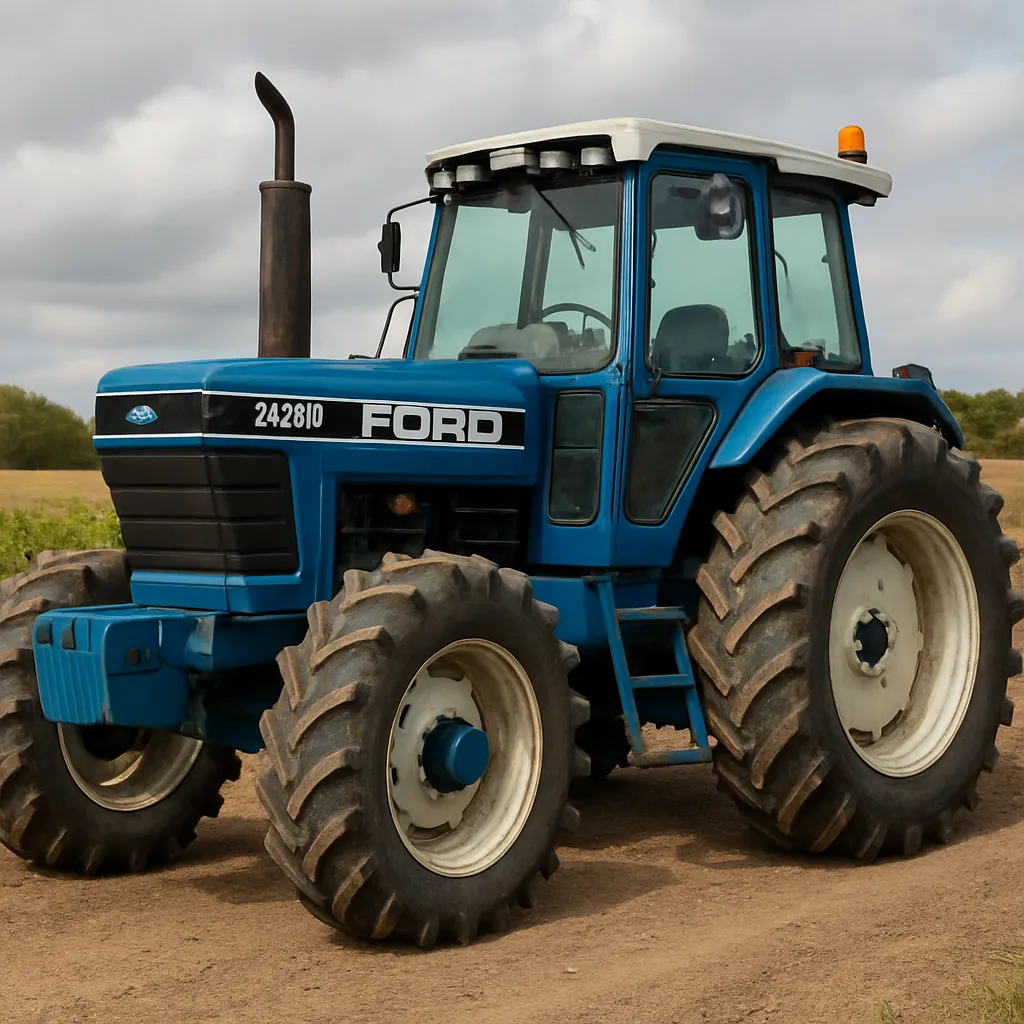
The Ford 8730 is a model that has attracted attention among farmers, contractors, and machinery enthusiasts for its blend of robust construction and practical capability. This article explores the tractor from multiple angles: its historical background, technical features, common applications, maintenance and ownership considerations, and advice for prospective buyers. The goal is to provide a comprehensive, ready to publish overview that highlights why the Ford 8730 remains a valued machine in many agricultural fleets and small contracting operations. Below you will find detailed descriptions, practical tips, and representative statistics where available.
Overview and background
The Ford 8730 belongs to a class of medium to heavy duty agricultural tractors developed during a period when manufacturers emphasized durability and simplicity. Ford tractors of the 1970s through the 1990s earned reputations for straightforward mechanical design and ease of service. The 8730 exemplifies that design philosophy with a focus on strong frame construction, an emphasis on steady torque delivery, and a platform suitable for a wide range of farming tasks.
The origins of the model trace to a time when Ford and then later partnerships and ownership changes in the agricultural machinery industry produced many variants tailored to regional markets. Depending on country and year of manufacture, the Ford 8730 could be found in different configurations: open station and cabbed versions, several transmission options, and multiple hydraulic packages. As a result the machine saw use across Europe, parts of Asia, Africa, and the Americas wherever a reliable midrange tractor was required.
Design and technical characteristics
The Ford 8730 is known for practical engineering rather than pioneering technology. The design choices favor serviceability and field performance over complex electronics. Key aspects of the design include a robust chassis, simple but effective hydraulic systems, and an engine tuned for pulling power.
Engine and powertrain
Most examples of the 8730 are equipped with a turbocharged diesel engine delivering steady low to mid range torque. While exact specifications vary by production year and market, typical figures reported by owners and historical catalogs indicate a rated power in the range of approximately 110 to 140 metric horsepower at the flywheel. Engine displacement for similarly classed Ford models of the era often sits between 4.5 and 6.8 liters, with six cylinder layouts common on higher output variants. The emphasis is on torque for field work rather than high speed agricultural transport.
Transmissions offered historically with tractors in this class include synchronized gearboxes with 8 to 16 forward speeds and hydrostatic or power shuttle options on some markets. A sturdy clutch, easy to service and replace, was standard. PTO systems typically delivered a portion of the engine power to implements; typical rated PTO power is often 80 to 110 horsepower depending on the tractor configuration.
Hydraulics, three point hitch, and PTO
The hydraulic system on the 8730 supports common three point hitch implements as well as auxiliary remote valves for hydraulic attachments. Lift capacity on the rear three point hitch is sufficient for medium to heavy implements such as ploughs, seed drills, and mid sized front loaders. Many units came with dual or triple remote spool configurations to operate front loaders, bale handlers, hydraulic rakes, or mounted breakers.
PTO (power take off) availability is a key feature. Models were typically equipped with a 540 rpm standard PTO, with optional 1000 rpm on some variants. This made the 87730 compatible with a broad range of implements from mowers and balers to augers and mixers.
Cab, ergonomics, and safety
Cab options ranged from basic open operator stations to fully enclosed cabs with heating and ventilation packages. The cabbed versions improved operator comfort for long hours in the field and provided better noise insulation and protection from weather. Controls were laid out for straightforward operation with levers that are mechanically linked and gauges that are analog and easy to interpret.
Brakes and axles
Braking systems were hydraulic, often with wet disc brakes on some higher specification versions for improved stopping power under heavy loads. Front axles were available as rigid or as suspended units to improve ride quality on transport tasks, while four wheel drive variants increased traction in soft soil conditions.
Applications and typical uses
The main strength of the Ford 8730 is its versatility. Farmers and contractors found value in the machine across many tasks:
- Agricultural tillage: pulling ploughs, cultivators, and discs with consistent torque and stable traction.
- Seeding and drilling: providing steady PTO and hydraulic control for planters and drills.
- Hay and forage operations: running mowers, tedders, rakes, and balers.
- Material handling: when fitted with a front loader the tractor can manage pallets, bales, and bulk materials on mixed farms.
- Transport tasks: moving trailers, slurry tanks, and seed hoppers at moderate road speeds.
- Contracting and municipal work: roadside maintenance and snow clearing when equipped with appropriate attachments.
On small to medium farms the 8730 often served as the primary workhorse, bridging the gap between light utility tractors and larger specialized machines. Contractors valued the tractor for its ability to perform diverse jobs without excessive complexity or maintenance needs.
Performance and operational statistics
Although exact performance metrics depend on engine state, configuration, and operating conditions, typical operating statistics reported across owner communities and historical brochures include the following representative figures. These numbers should be considered as indicative ranges rather than precise specifications for every unit.
- Rated engine power: approximately 110 to 140 horsepower.
- PTO power: commonly in the 80 to 110 horsepower range.
- Operating weight: between 4 200 and 5 500 kilograms depending on attachments and configuration.
- Fuel consumption: under moderate to heavy field load typical consumption ranges from roughly 8 to 15 liters per hour; lighter transport and idling reduce consumption significantly.
- Maximum road speed: commonly 30 to 40 kilometers per hour depending on gearing and tire sizes.
- Rear three point hitch lift capacity: typical lift capacities range from 2 500 to 4 000 kilograms depending on linkage design and hydraulic configuration.
Real world numbers vary significantly with maintenance condition and whether the tractor is working on flat land, rolling terrain, or soft soils. Fuel efficiency and drawbar performance are influenced by implement type, depth of tillage, and operator technique. Despite that variability the Ford 8730 earned a reputation for predictable fuel use and reliable drawbar tractive effort when properly maintained.
Maintenance, common issues, and tips for longevity
Longevity is one reason many examples remain in use decades after manufacture. Owners who report the longest service lives typically follow a regimen of regular maintenance and timely repairs. Key areas to watch are:
- Engine oil and filter changes at recommended intervals to prevent wear and maintain compression.
- Fuel system maintenance including clean filters and regular inspection of injectors and pumps for signs of wear or leakage.
- Cooling system upkeep: radiator cleaning, thermostat checks, and coolant changes help avoid overheating, a common problem in working tractors under heavy load.
- Hydraulic fluid and filter replacement to preserve hitch performance and avoid contamination related failures.
- Clutch and transmission monitoring: listen for unusual noises and watch for slipping or hard shifting which can indicate wear or need for adjustment.
- Electrical checks: battery condition and charging system health are easy to neglect yet vital for reliable starts and operation of lighting and cab accessories.
Commonly reported issues include wear of clutch components on heavily used machines, hydraulic seal leaks on older tractors, and injector aging on high hour engines. Many of these problems are repairable with standard workshop skills. Spare parts remain reasonably available through dealers, aftermarket suppliers and salvage sources, although availability can vary by region.
Modifications, attachments, and modern upgrades
The simplicity of the Ford 8730 makes it an attractive candidate for functional upgrades and attachment fitting. Common aftermarket and owner modifications include:
- Front loaders and quick attach systems to add material handling capability.
- Cab comfort upgrades such as better seats, improved heating and ventilation, and sound deadening.
- Hydraulic kit expansions adding extra remote valves or remote outlets for powered implements.
- Advanced lighting packages for night work.
- Modern GPS and guidance retrofits for precision seeding and repeatable field passes.
Retrofit options for electronic engine management are rare because many tractors of this generation are mechanical by design. Where precision agriculture is desired, operators usually add guidance systems and implement controls rather than modifying the core engine electronics.
Buying guide and market considerations
When considering purchase of a used Ford 8730, examine the following points carefully to assess condition and value:
- Hour meter reading: as with any tractor hours are an important indicator, but service history and maintenance quality often matter more than raw hours alone.
- Visual inspection: check for signs of structural damage, frame welding, and rust that may compromise long term function.
- Engine condition: look for blue or excessive smoke on start up, uneven idling, or difficulty starting which can indicate injector or compression issues.
- Hydraulic performance: test hitch lift and remote spool responsiveness; slow or noisy hydraulics can signify pump or cylinder wear.
- Transmission and clutch behavior: listen for grinding or slipping; test shifts under load if safe to do so.
- Paperwork: previous repair records and parts receipts add value and can confirm conscientious ownership.
Market prices vary widely by region and condition. As a broad indication, well maintained examples of similar midrange tractors from the same era often trade at moderate prices compared to newer models, offering a lower acquisition cost but potentially higher labor cost for restoration or major repairs. Buyers should weigh immediate budget against anticipated hours of useful life and the availability of replacement parts locally.
Restoration, preservation, and community resources
Enthusiasts who restore or preserve Ford series tractors often find strong community support. Clubs, online forums, and local tractor shows are good sources of practical knowledge and parts. For those restoring an 8730, common focus areas include:
- Bodywork and repainting to prevent corrosion and restore original appearance.
- Engine rebuilds or injector servicing to restore performance and reduce fuel consumption.
- Replacement of worn linkages and bearings to improve safety and control.
- Documentation of work performed to preserve provenance and improve resale value.
Salvage yards and specialist suppliers often stock gaskets, filters, and mechanical components. Some owners fabricate or adapt parts where original components are out of production. Networking with clubs and other owners is a particularly valuable strategy for both locating parts and exchanging troubleshooting tips.
Comparisons and where the Ford 8730 fits today
Compared with modern tractors, the Ford 8730 is mechanically simpler, which is an advantage for operators who need ease of repair and low technology dependency. Modern tractors typically offer advanced electronics, higher fuel efficiency, and greater operator comfort, but they also require specialized diagnostic tools and can be more expensive to repair when complex electronics fail.
In many operations the 8730 is still useful as a cost effective workhorse for tasks that do not require the sophistication of the latest models. Farms that prioritize mechanical simplicity, ease of parts sourcing and predictable operating costs find the 8730 a logical choice. For contractors who need high availability and quick turnarounds on repairs, the ease of servicing older mechanical systems can be an important advantage.
Final notes and practical recommendations
For those considering the Ford 8730 as an acquisition or those who plan to keep an existing unit in service, several practical recommendations can extend service life and improve daily utility: perform regular preventive maintenance; keep a simple but comprehensive spare parts kit including common filters, belts, and seals; fit modern safety accessories such as roll over protection if absent; and consider targeted upgrades that improve operator comfort and implement compatibility without altering fundamental mechanical reliability.
When matched to appropriate tasks and maintained conscientiously, the Ford 8730 continues to deliver dependable performance. Its combination of straightforward mechanics, adaptable hydraulics, and adequate power makes the tractor a continuing presence on farms and small contracting yards where rugged, serviceable equipment is prized.