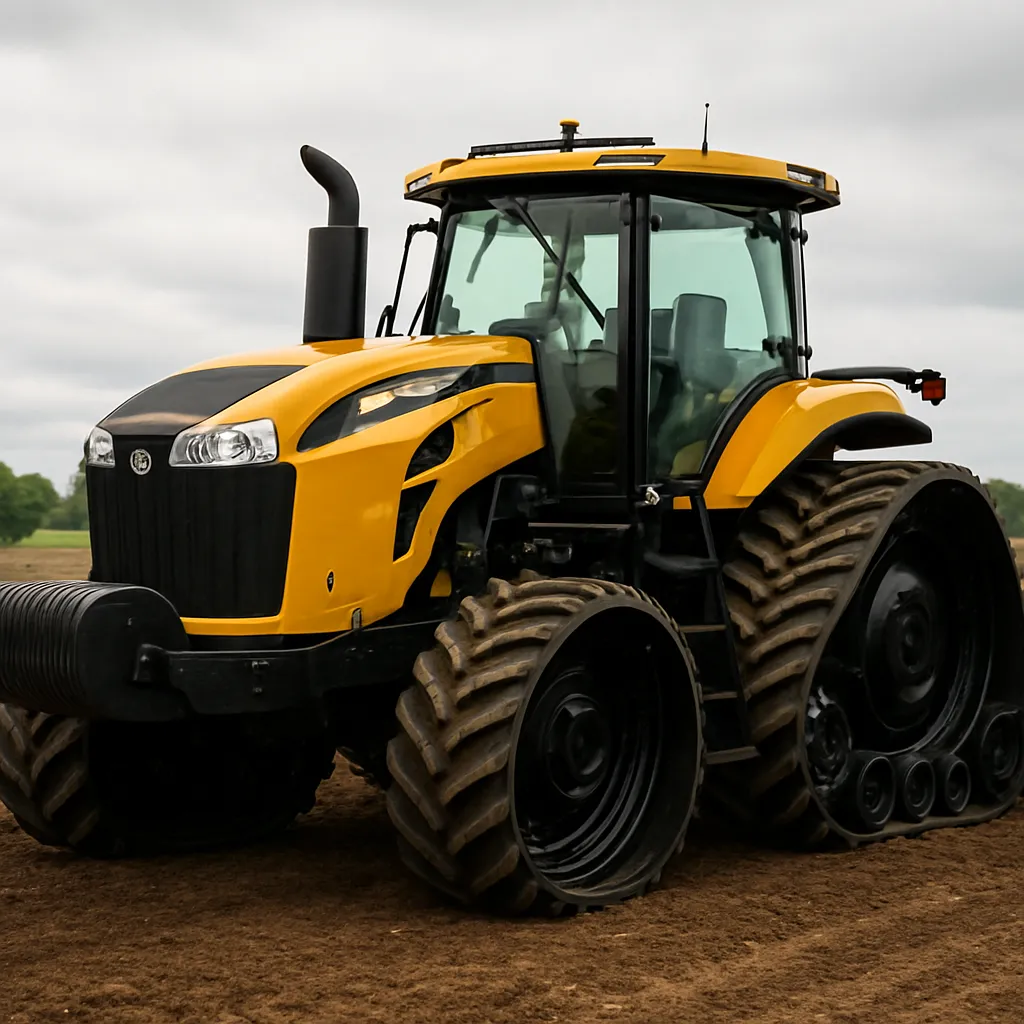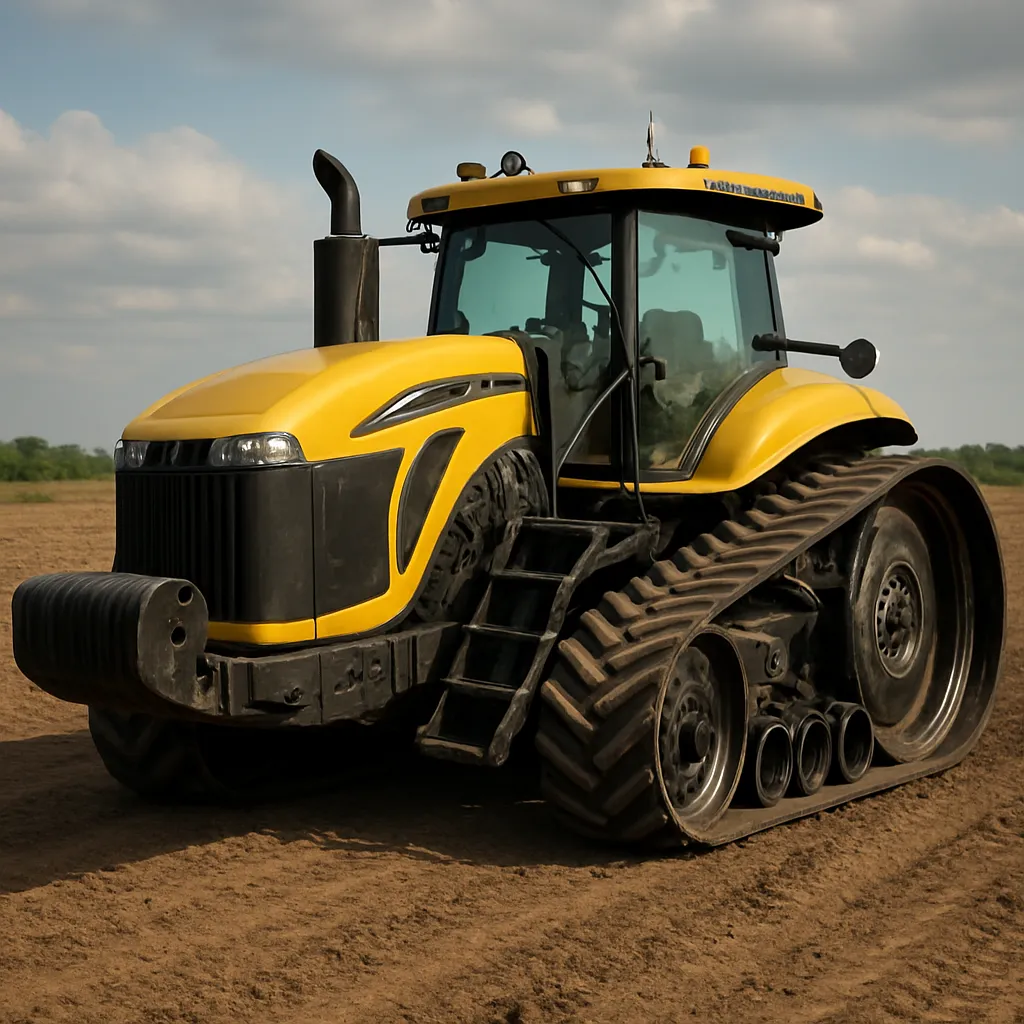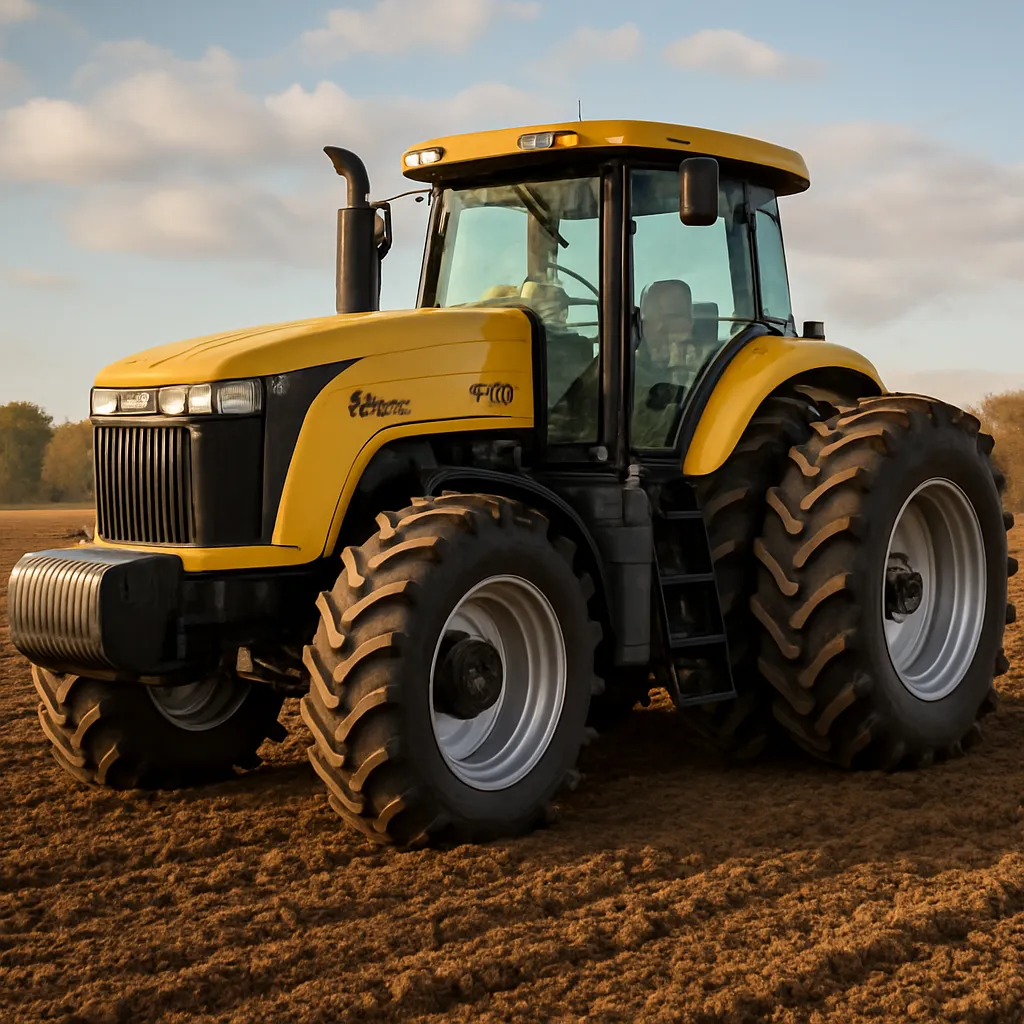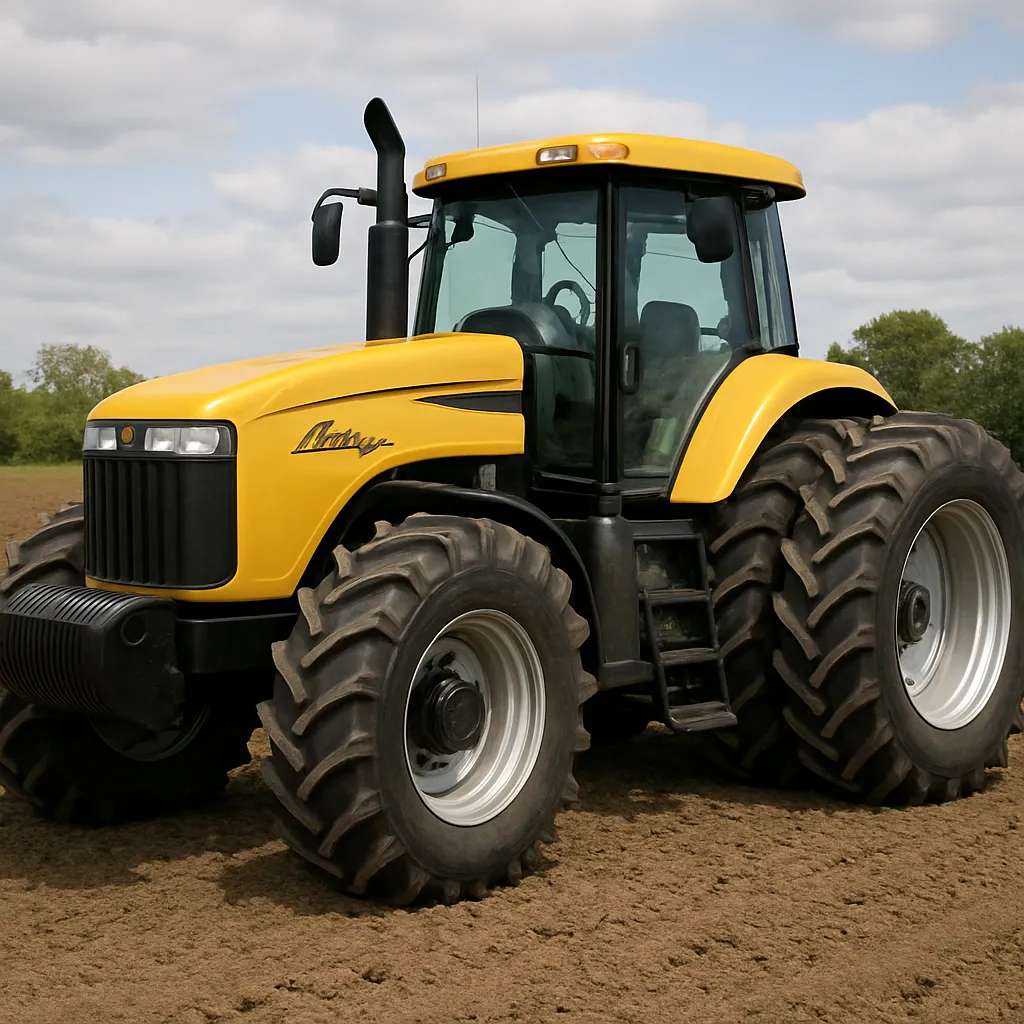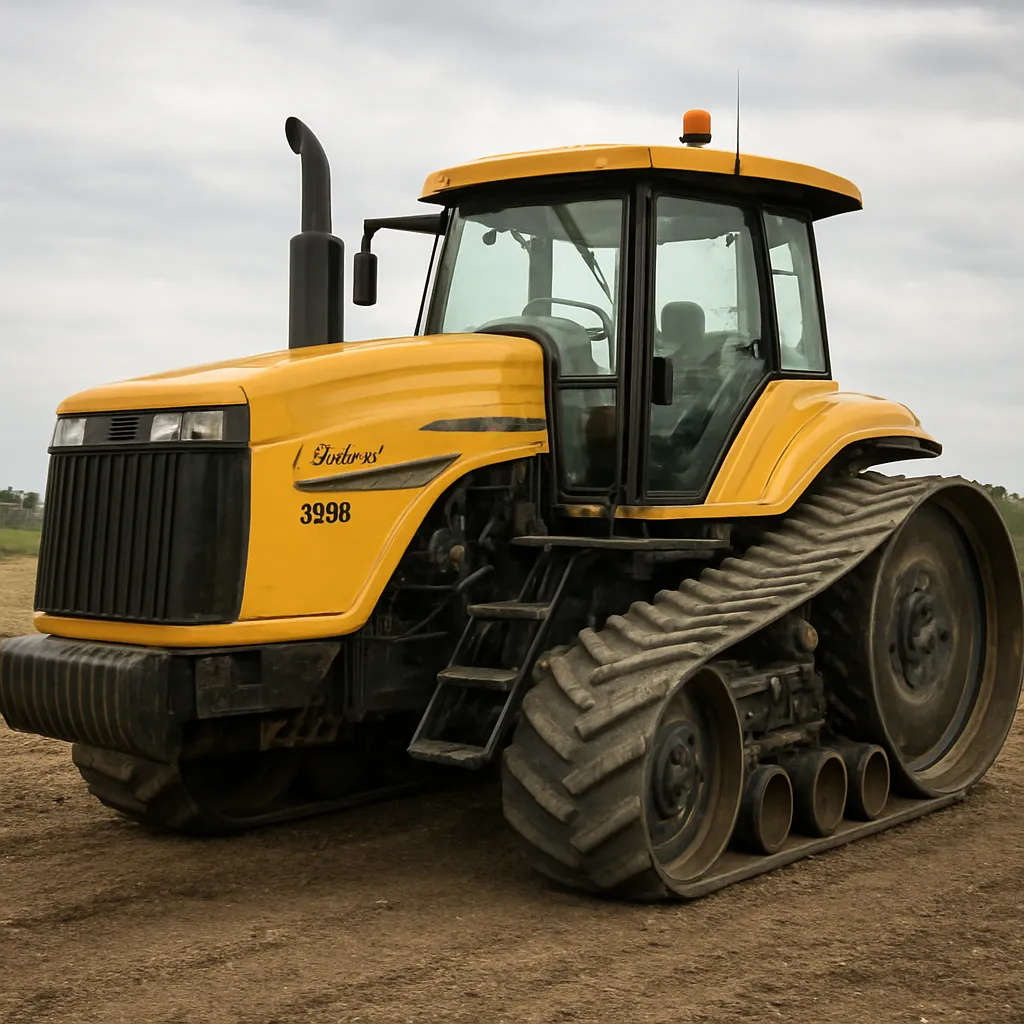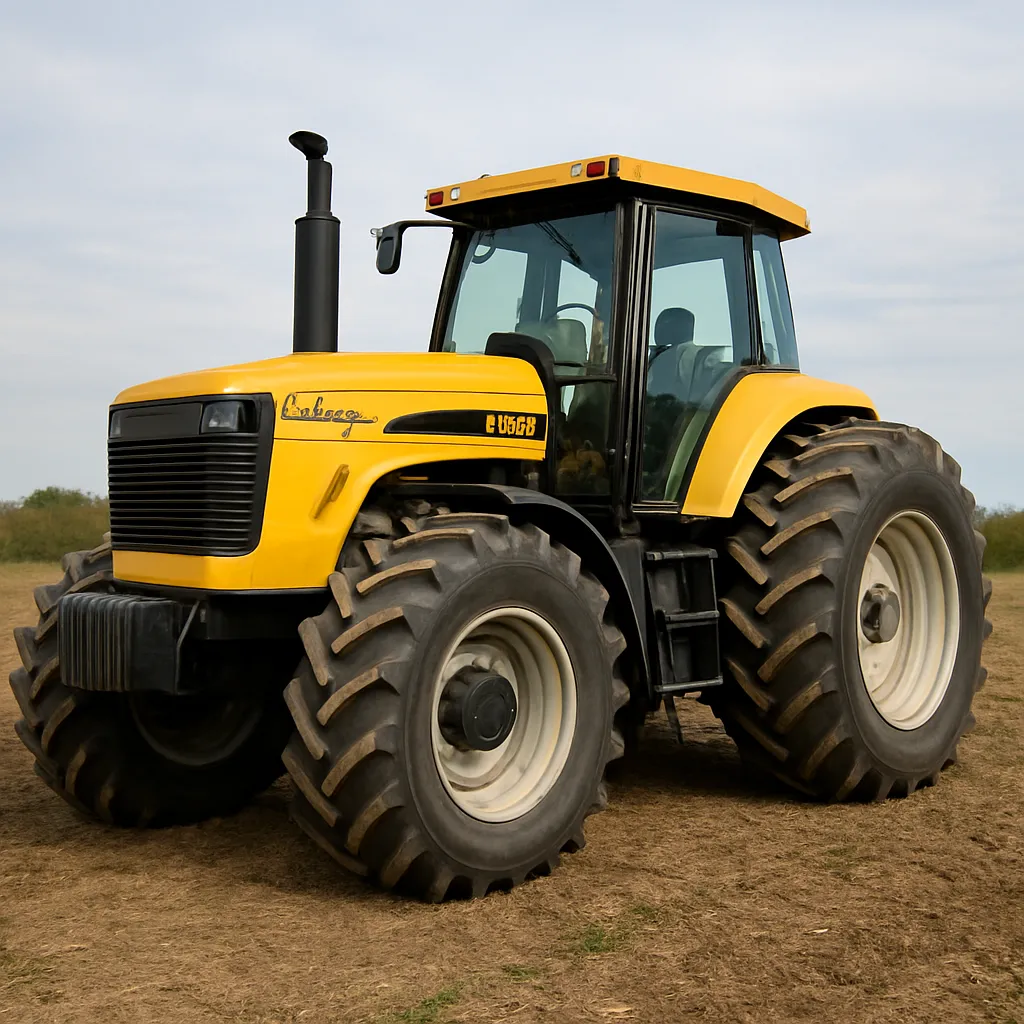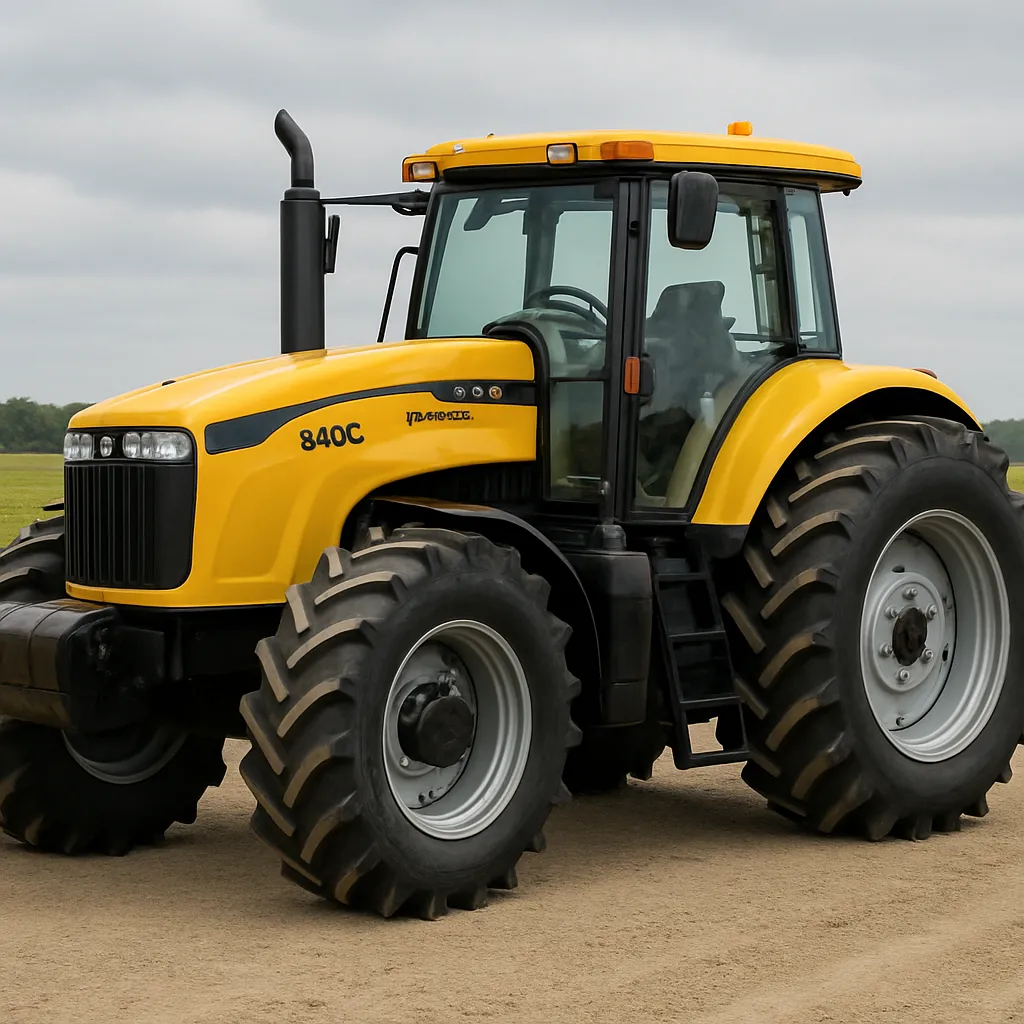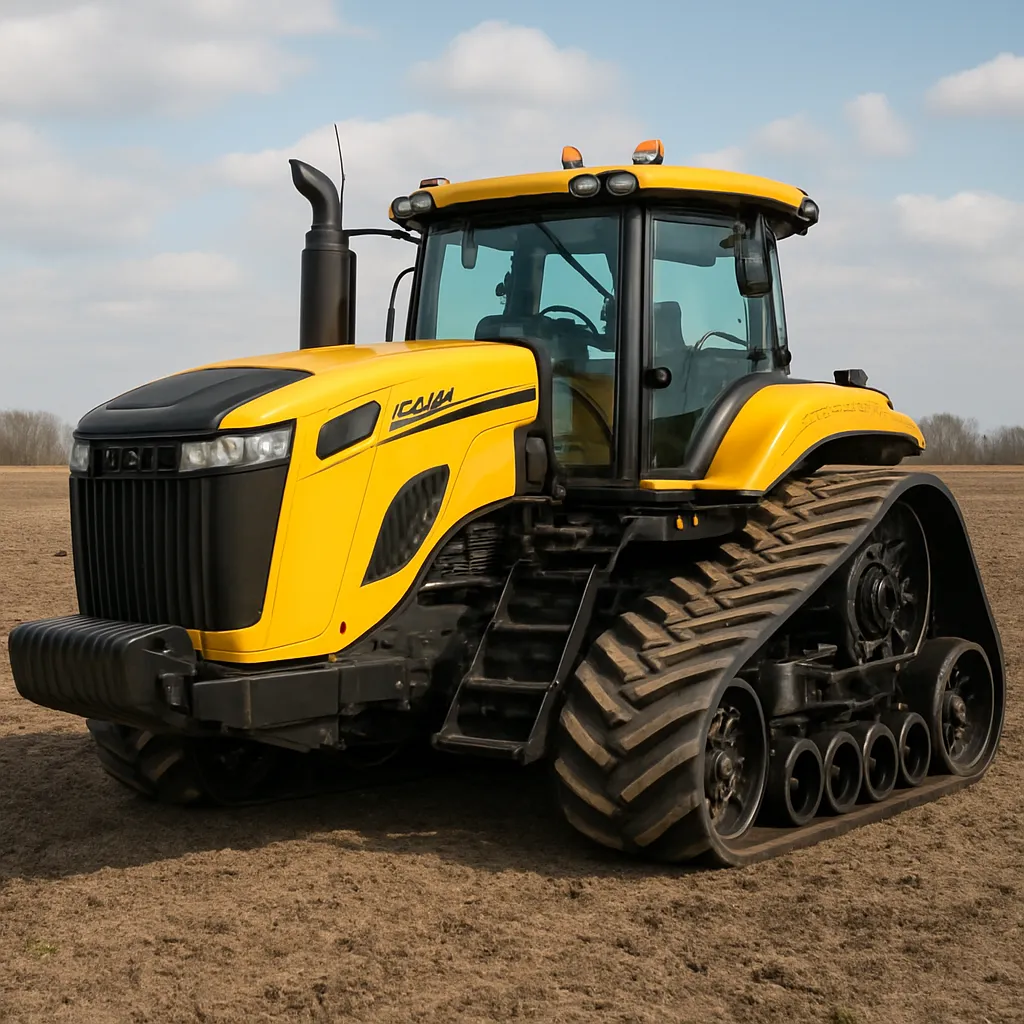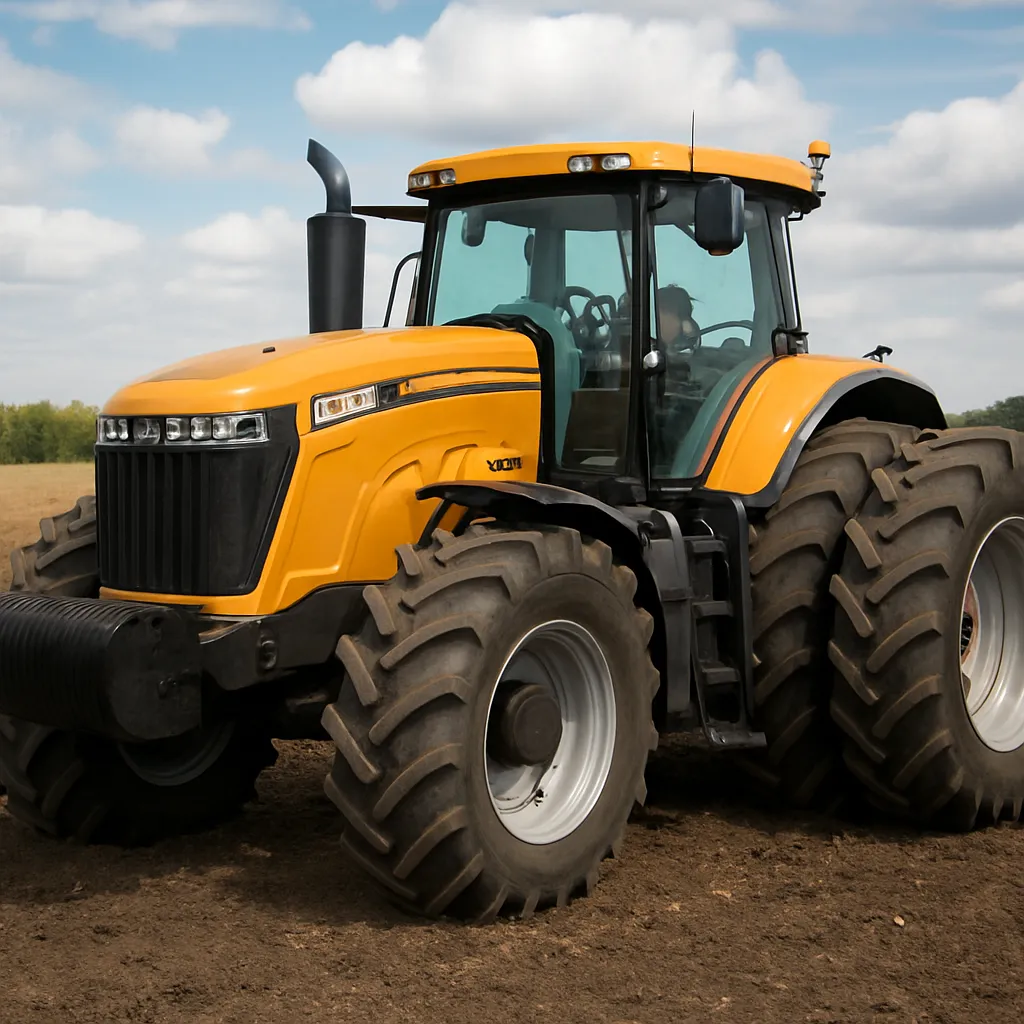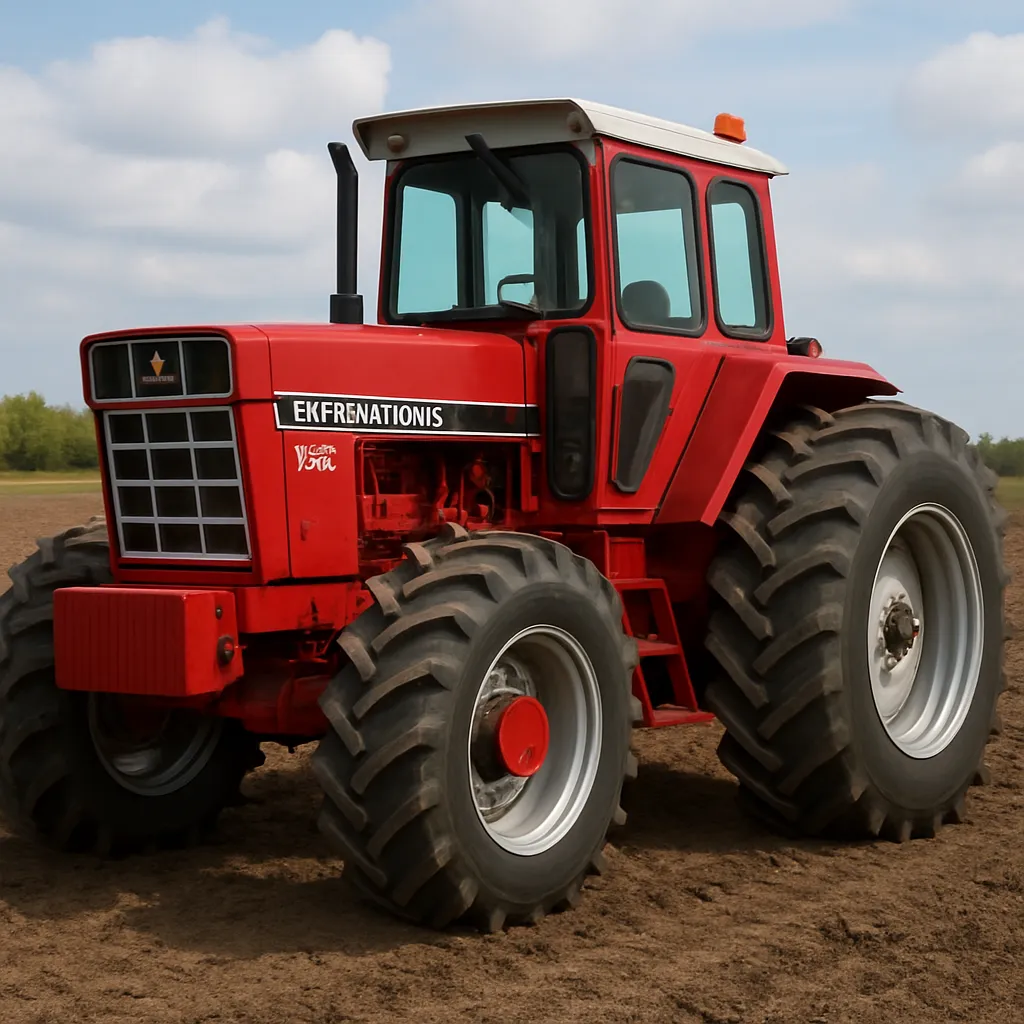
The International Harvester 4786 occupies an interesting niche in the history of agricultural machinery: a heavy, work-focused row-crop tractor designed to meet the needs of mid- to large-scale farms. This article explores the model’s background, technical characteristics, real-world applications, maintenance and upgrade considerations, and its lasting legacy among farmers and collectors. Throughout the text, you will find practical details and contextual commentary to help understand why the 4786 was valued, what tasks it excelled at, and what owners should expect when operating or restoring one.
Overview and historical context
The International Harvester 4786 emerged at a time when agricultural mechanization demanded larger, more powerful, and more dependable machines. Built to serve demanding field operations, the 4786 was part of International Harvester’s lineup intended for high-output farms that needed tractors capable of pulling large implements and running extended hours during planting and harvest seasons.
International Harvester’s tractor designs in the 1970s and 1980s emphasized robustness and simplicity, often favoring mechanical systems that could be repaired in the field. The 4786 followed that philosophy. While precise production dates and volumes for the 4786 are less widely publicized than for some other models, the tractor is commonly associated with the late 1970s and early 1980s era of IH products and carried forward many design concepts developed earlier in the company’s lineage.
Design features and build characteristics
The 4786 was engineered with a clear emphasis on continuous, heavy-duty operation. Several notable design aspects include:
- Engine architecture: The tractor typically used a robust diesel engine built for torque and longevity rather than peak RPM power. Engines of this class prioritized low-end torque for pulling large implements.
- Transmission options: To match the engine’s torque characteristics, the 4786 was offered with transmissions designed to provide multiple gear ranges and reliable shifting under load. These were often simple, serviceable designs that owners and mechanics appreciated for their ease of repair.
- Hydraulics and three-point hitch: Heavy-lift hydraulic systems and a capable three-point hitch allowed the tractor to manage large plows, cultivators, and seed drills. Hydraulics were designed for sustained duty cycles in long days of fieldwork.
- Chassis and axle strength: Heavy frames, reinforced front axles (with optional front-wheel assist or duals), and a durable final drive were standard to withstand repetitive high-torque stresses.
- Operator station: Interiors emphasized practicality—durable seats, intuitive levers, and gauges focused on essential engine and hydraulic monitoring rather than comfort luxuries. Some later variants or retrofits included upgraded cabs and improved ergonomics.
Under many working conditions the 4786 delivered predictable, long-term performance because of its conservative engineering and emphasis on durability.
Technical specifications (typical and approximate)
Exact specifications can vary by year, market, and optional equipment. The figures below are presented as approximations to illustrate the class and capabilities of the 4786 rather than as definitive factory data for every tractor labeled 4786.
- Engine: Inline six-cylinder diesel, turbocharged in some configurations; displacement typically in the medium-to-large range for agricultural engines of the era.
- Gross engine power: Approximately 180–230 hp (gross), depending on configuration and state of tune.
- PTO power: Typically somewhat lower than gross engine power—often in the range of 150–200 hp at the PTO shaft under rated conditions.
- Transmission: Multi-speed manual or powershift options; common configurations included 12- or 16-speed ranges with multiple ranges (high/low) and often a torque converter or partial powershift for smoother starts under load.
- Hydraulic flow: Moderate to high flow rate for the period, capable of operating large lift cylinders and multiple remote services for implements.
- Three-point hitch capacity: Designed to handle large field implements; effective lift at the hitch often ranged from 8,000–12,000 lb (working capacity varies by setup).
- Weight: Operating weight commonly in the 10,000–15,000 lb range, depending on ballast, dual wheels, and attachments.
- Fuel capacity: Tanks sized sufficiently for a full day’s work—often several hundred liters (tens of gallons)—to reduce refueling stops during intensive operations.
Because the 4786 was built for heavy-field work rather than a specific narrow task, its mechanical configuration emphasized torque multiplication and longevity. The specifications above should be used as a general guide—exact values vary and are affected by gear ratios, auxiliary equipment, and whether optional factory upgrades were fitted.
Primary applications and field performance
The versatility and raw pulling power of the 4786 made it suitable for a broad set of agricultural tasks. Common uses included:
- Tillage: Pulling large moldboard plows, chisel plows, and disc harrows required the tractor’s torque and traction. The 4786 excelled at primary and secondary tillage where wide implements and deep cultivation were needed.
- Seeding and planting: Paired with large planters or seed drills, the 4786 provided steady speed control and reliable hydraulic operation to maintain planting accuracy across long days.
- Hay and forage: The tractor could handle large balers, mowers, and forage harvest attachments, especially when fitted with appropriate ballast and tire configurations for traction.
- Transport and heavy-duty chores: Heavy wagons, tank trailers, and loader work were within the 4786’s capabilities, given its frame strength and engine torque reserve.
- Specialized implements: In some regions the 4786 was used with specialized equipment like subsoilers, sugar beet lifters, or heavy land-leveling gear.
Real-world performance was often judged not only by power but by the tractor’s ability to maintain that power reliably day after day. Many owners praised the 4786 for steady fuel consumption under load and predictable response to implement demands—critical when timing is tight during planting and harvest windows.
Operational considerations and fuel economy
Fuel economy for heavy tractors is influenced strongly by load, implement size, soil type, and operator technique. The 4786’s fuel consumption under moderate to heavy working conditions typically fell into a range consistent with other tractors of similar size and era. Factors to consider:
- Field work under heavy draft can drive consumption into higher ranges; conversely, light transport or idling yields much lower rates.
- Proper gearing and matching implement width to tractor power are essential for reasonable fuel efficiency. Overworking a smaller tractor or under-gearing a larger one increases consumption dramatically.
- Regular maintenance—clean filters, good fuel injectors, and proper engine tuning—improves economy and preserves long-term reliability.
Owners historically reported fuel use that aligned with class expectations. Exact liters-per-hour values vary, so evaluate consumption relative to the specific tasks and attachments the tractor performs.
Maintenance, common issues, and longevity
One of the reasons the 4786 remained in service for many years is the relative simplicity and serviceability of its systems. Typical maintenance practices and recurring issues include:
- Routine maintenance: Regular oil and filter changes, cooling system checks, and hydraulic fluid inspections are fundamental. The straightforward layout makes many tasks accessible for farm mechanics.
- Fuel system care: Diesel systems of the period are sensitive to contaminated fuel. Vigilant fuel filtration and tank cleanliness extend injector and pump life.
- Transmission and driveline: Heavy-duty transmissions and final drives require periodic checks and fluid replacements. Worn clutch packs or synchros (in manual cases) are serviceable but can be expensive if neglected.
- Hydraulic seals and hoses: As tractors age, seals and hoses are commonly replaced to maintain lifting capacity and avoid leaks that reduce efficiency.
- Electrical systems: Simple wiring tends to be reliable, though aging connectors, starter motors, and alternators may need replacement after many years of service.
Common wear items are predictable and straightforward to address. Farmers who kept good maintenance records and performed timely repairs often saw these tractors reach high cumulative service hours. The emphasis on maintenance and preventive care is a recurring theme among long-term 4786 owners.
Upgrades and retrofits
Many surviving 4786 tractors have been modernized or slightly modified to meet current operating needs. Typical upgrades include:
- Improved cabs: better sealing, modern seats, and HVAC retrofits for operator comfort during long shifts.
- Aftermarket hydraulic pumps or control valves to increase flow or add remote services for modern implements.
- PTO and hitch improvements to match contemporary implement coupling and control standards.
- Retrofitted electronic monitoring or simple tachometers for better engine and implement management.
- Modern tires and dual-wheel configurations to improve traction and reduce soil compaction.
When modifying older tractors, owners balance the cost of upgrades against the remaining useful life and the tractor’s value. Many upgrades increase day-to-day productivity and are cost-effective for farmers who continue to rely on the machine.
Market value, collectibility, and community interest
As with many legacy agricultural machines, the market for the 4786 depends on condition, maintenance history, originality, and regional demand. Important considerations:
- Working condition: Tractors that are mechanically solid and ready for fieldwork command a higher price than those requiring extensive restoration.
- Originality: Collectors sometimes pay premiums for well-preserved, original-condition examples, especially with matching serial numbers and factory options intact.
- Parts availability: While some parts remain available through aftermarket suppliers and salvage networks, certain unique components may be harder to source—affecting value and desirability.
- Community and clubs: Enthusiast groups and vintage tractor clubs often include IH models in their events, supporting knowledge sharing and parts swapping that help maintain interest and usability.
For many farmers, the value lies in utility rather than collectibility. A well-maintained 4786 remains a practical tool where modern replacement costs would be higher than keeping the existing machine operating and upgraded.
Practical tips for prospective buyers and operators
Anyone considering purchase or restoration of a 4786 should keep these practical points in mind:
- Inspect for frame or axle damage: heavy field work and improper lifting can cause fatigue. Look for weld repairs or misalignment.
- Check engine and transmission history: compression checks, leak-down tests, and fluid condition reveal a lot about past use and future needs.
- Confirm hydraulic performance: leaks or slow response under load indicate pump or valve issues that may be costly to fix.
- Ask for service records if available: owners who maintained regular service intervals often extended the useful life of the tractor considerably.
- Consider implement compatibility: ensure your major implements (plow, planter, baler) are matched to the tractor’s hitch capacity and PTO speeds.
Smart buyers weigh the cost of immediate repairs and potential upgrades against the expected remaining years of reliable operation. Because IH tractors of this generation were built for repairability, many cost-effective fixes are possible without specialty tools.
Legacy and concluding remarks
The International Harvester 4786 represents a period when agricultural machinery design favored serviceability, mechanical simplicity, and the capacity to perform long hours in demanding conditions. While not a modern, computerized tractor, the 4786 was—and for many still is—a dependable workhorse valued for its traction, steady power delivery, and mechanical resilience.
Owners who maintain routine service, address wear items proactively, and thoughtfully upgrade hydraulics or operator comfort features often find that the 4786 continues to be useful decades after manufacture. Whether used as a primary field tractor on smaller modern operations or maintained as a functional collectible on larger farms, the 4786 has earned its place in the practical and historical landscape of agricultural machinery.
Quick reference (highlights)
- Manufacturer: International Harvester (IH)
- Model: 4786
- Engine type: Turbocharged diesel (inline six—typical)
- Power class: ~180–230 hp gross (approximate)
- Primary uses: Tillage, seeding, hay/forage, heavy transport
- Strengths: Durability, serviceability, heavy-lift hydraulics
For farmers, restorers, and enthusiasts, the 4786 is remembered for its dependable performance and straightforward engineering. It remains an example of a work-oriented design philosophy that prioritized getting the job done, day after day.