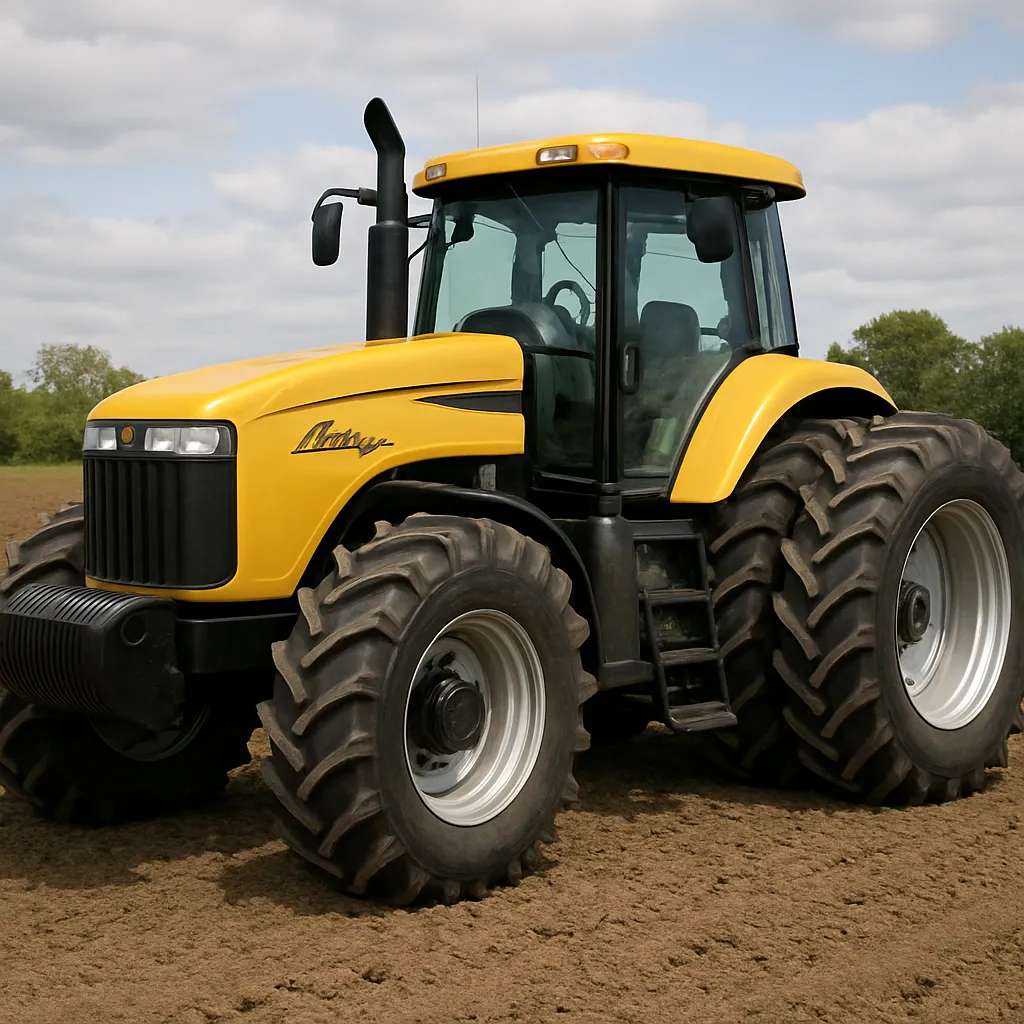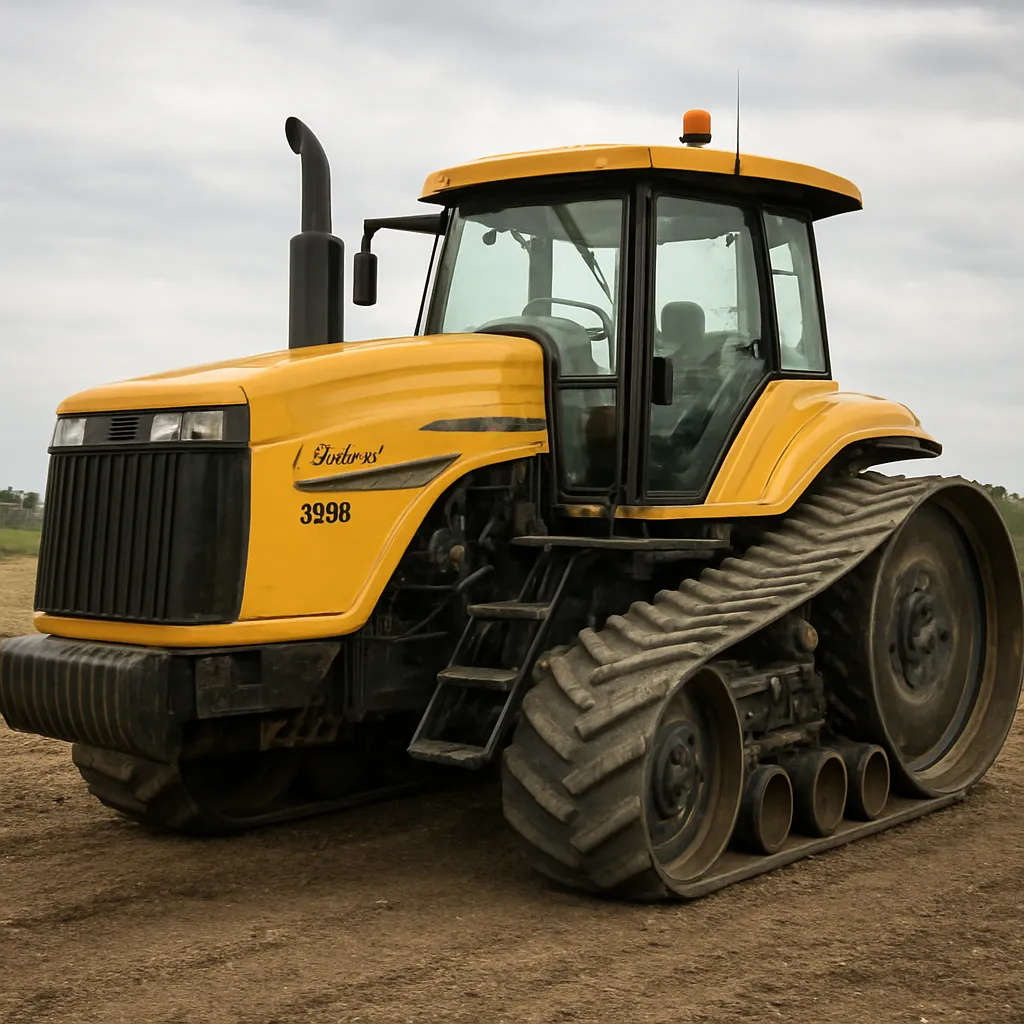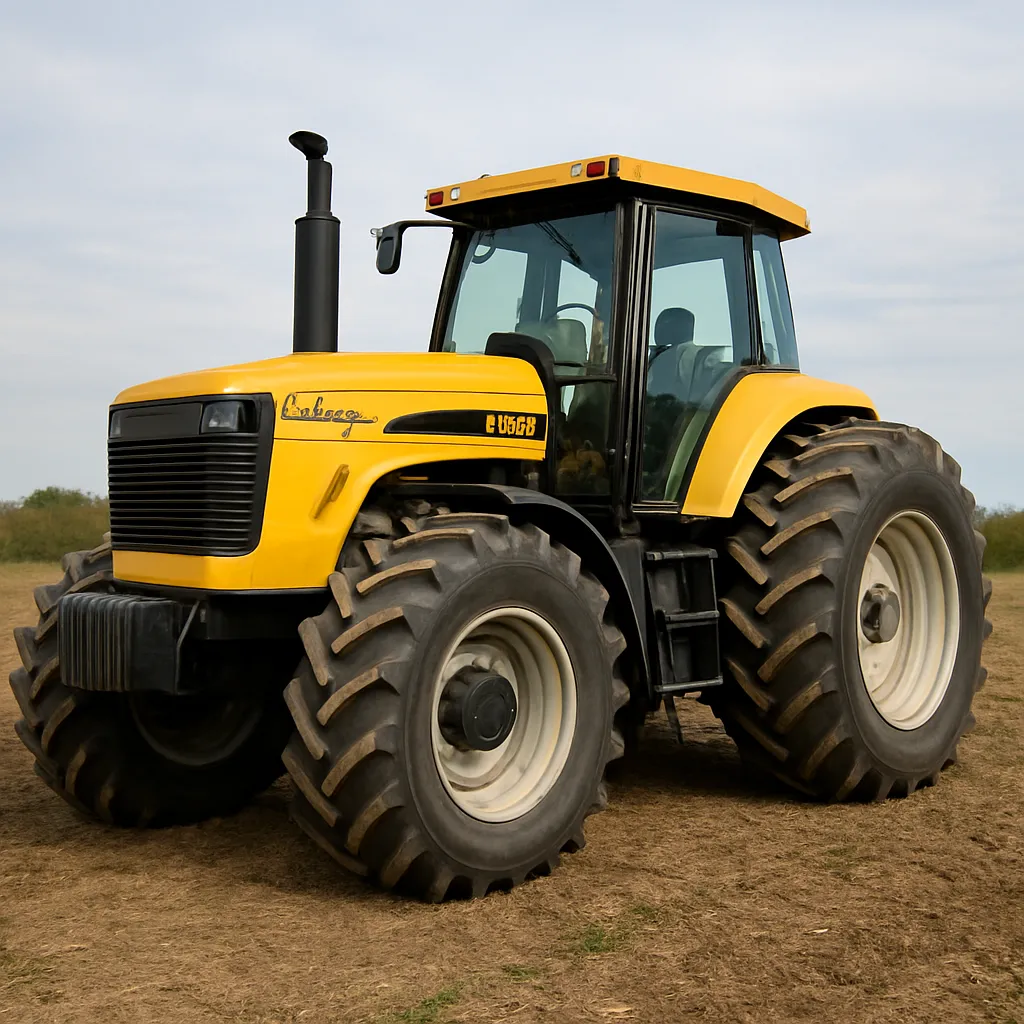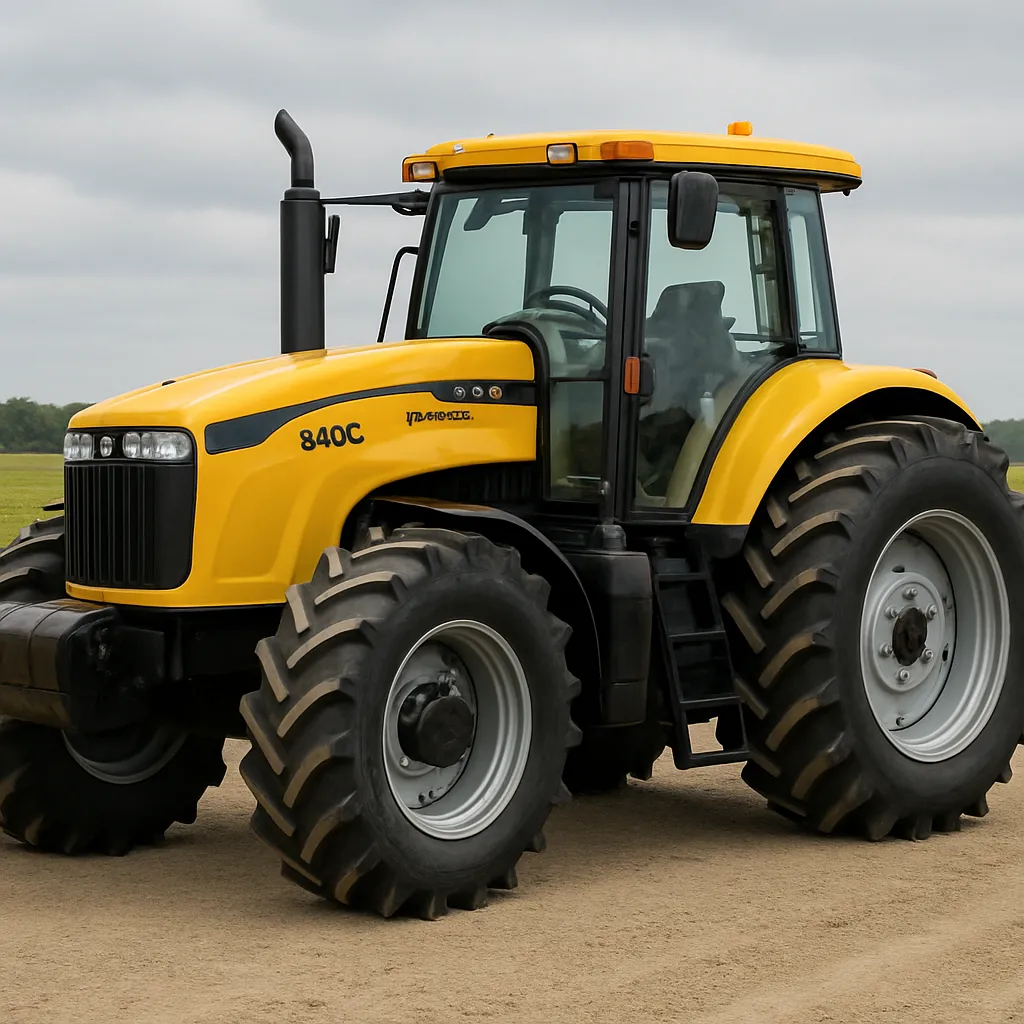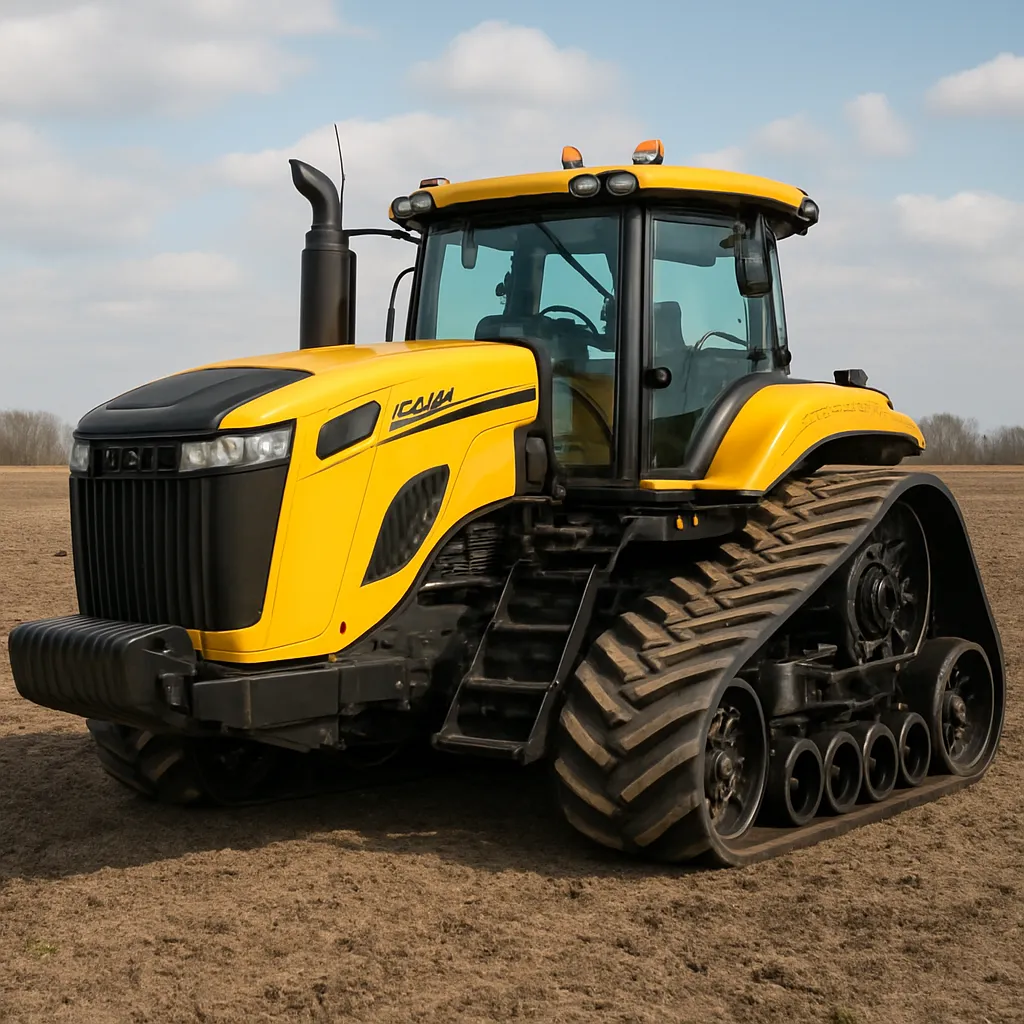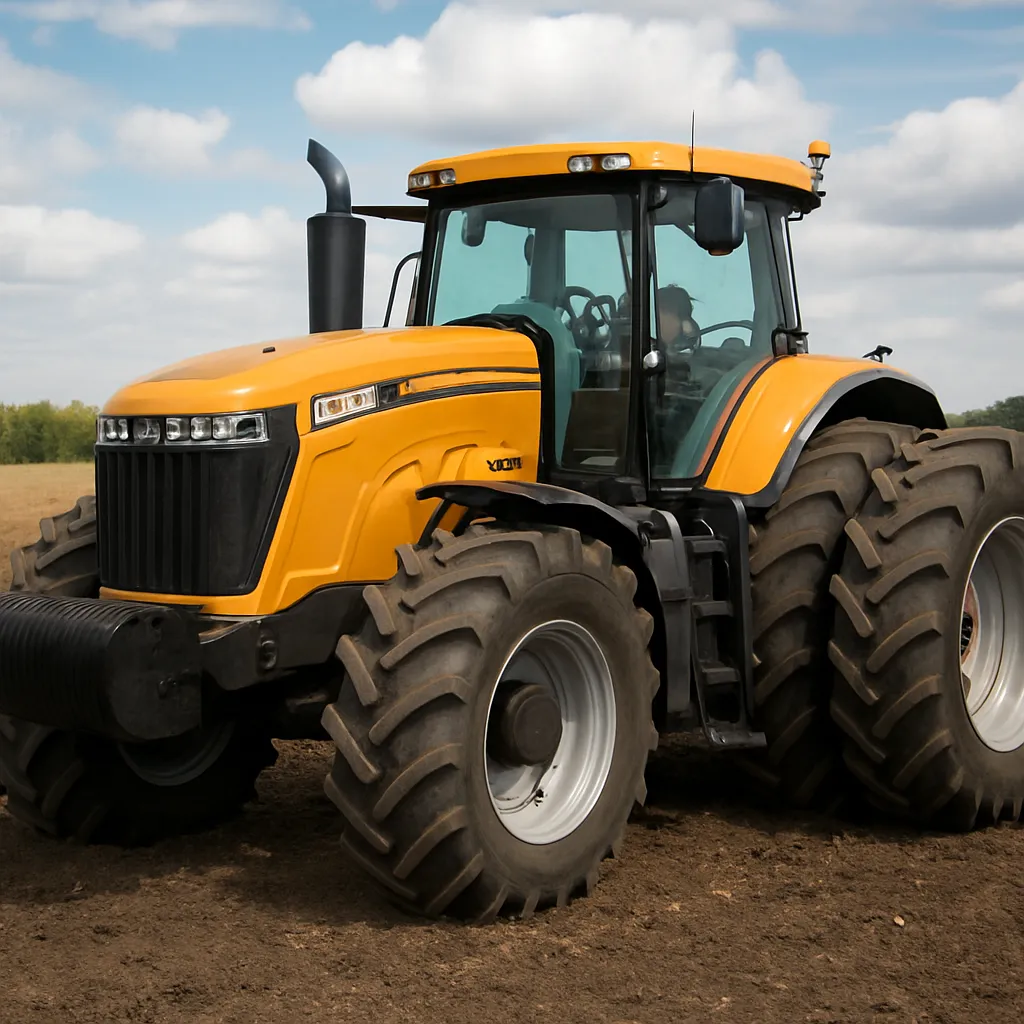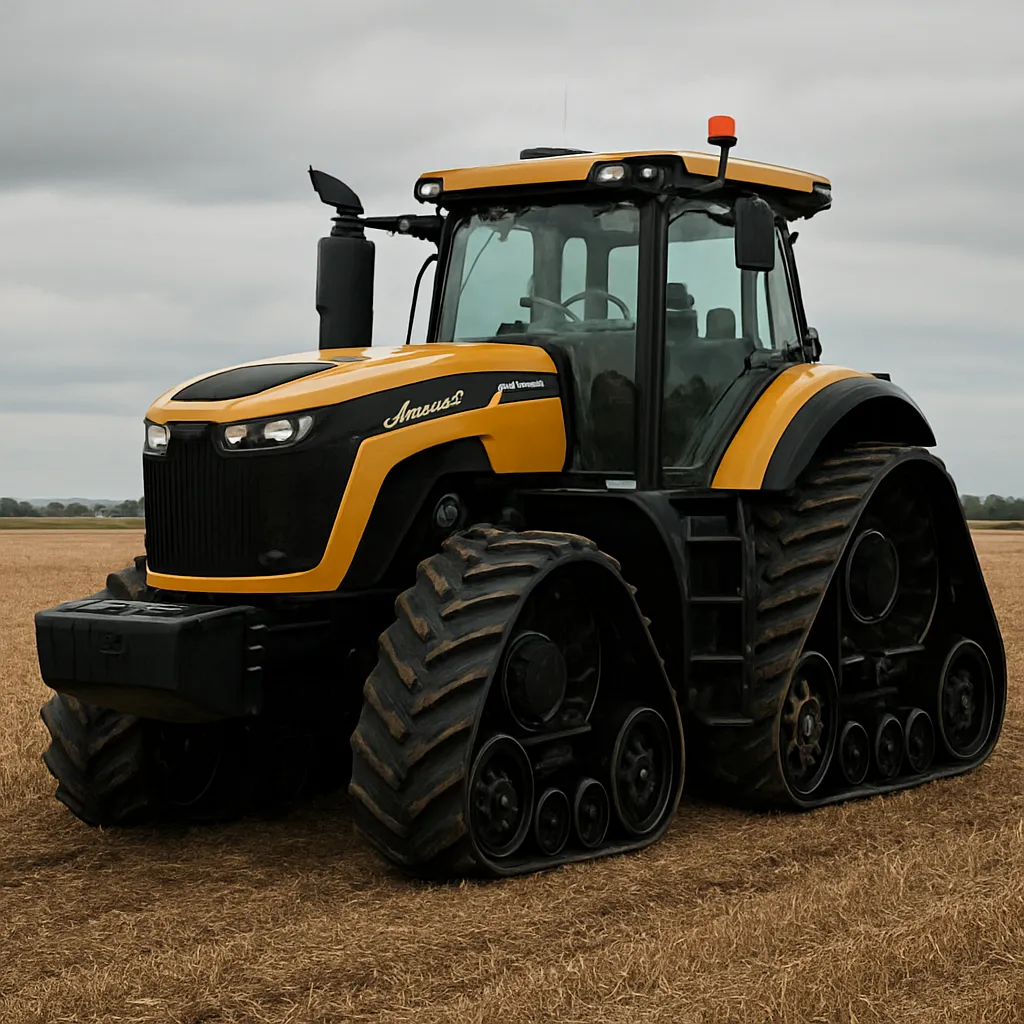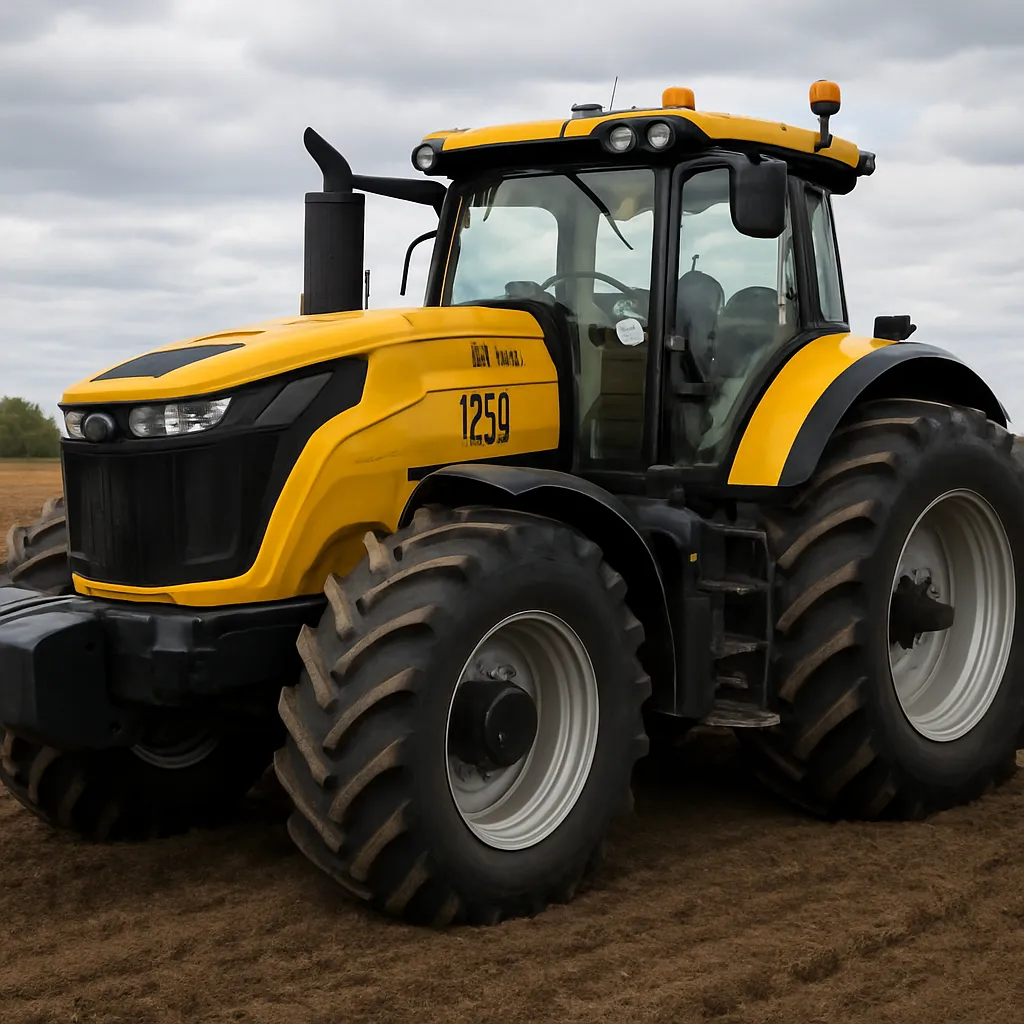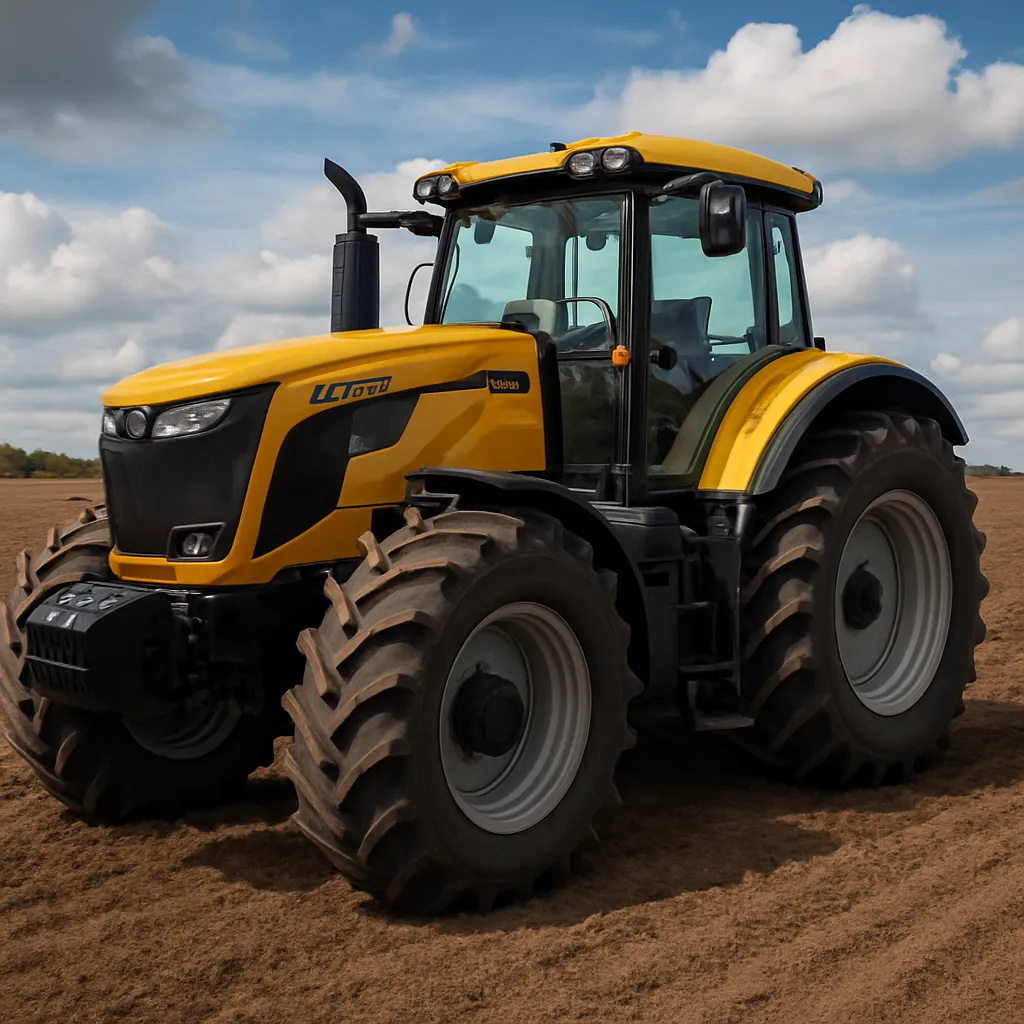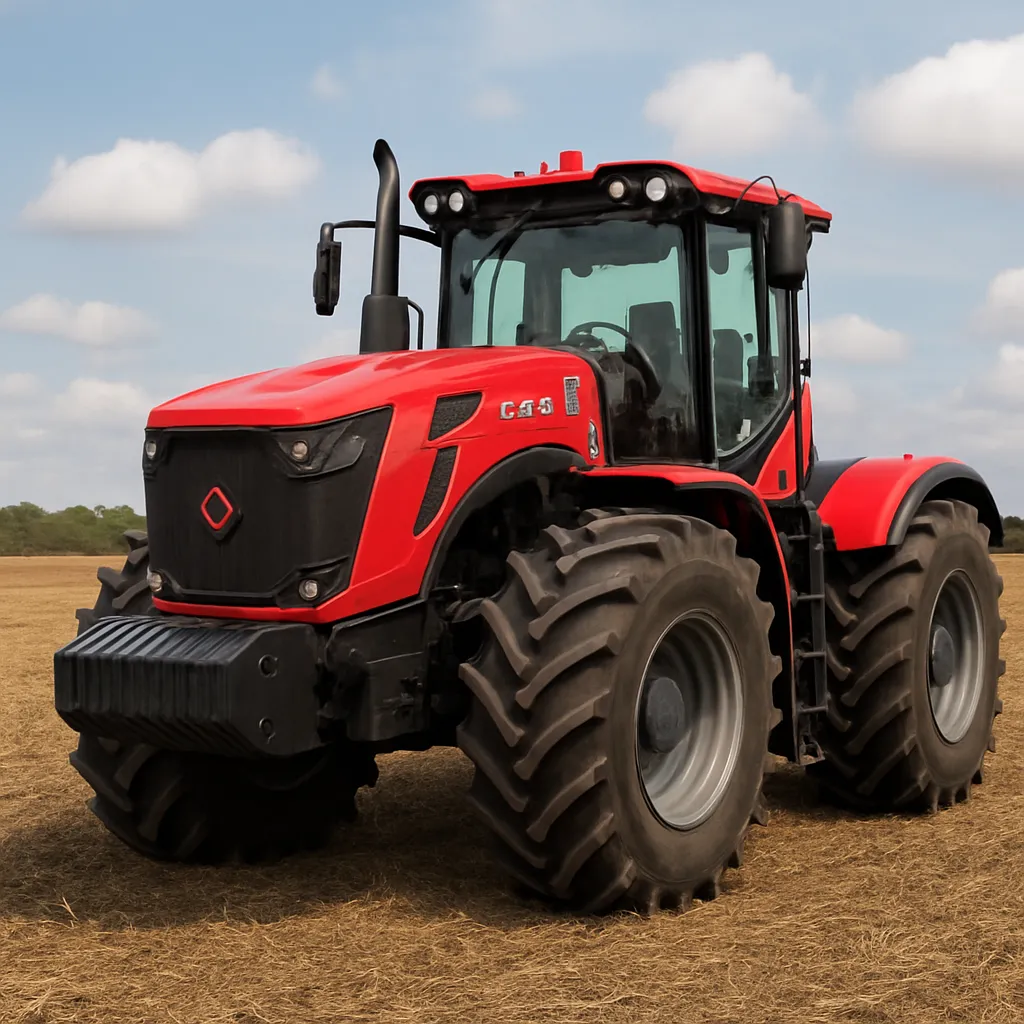
The Kirovets K-9450 is a heavy-duty agricultural tractor developed for demanding fieldwork and specialized tasks in large-scale farming, industrial land management and utility operations. Emerging from a lineage of robust Russian tractor designs, the K-9450 combines high torque, durable construction and a platform intended for long service life in harsh climates. In the following sections we will explore its design, typical applications, performance characteristics, maintenance considerations and market positioning, offering both practical insights and approximate technical data where available.
Design and technical specifications
The Kirovets K-9450 is built around principles of simplicity, serviceability and strength. Its architecture favors heavy-duty components that tolerate high loads and extended use. The tractor’s chassis and powertrain are engineered to move large implements and tow significant loads while maintaining traction and operator control.
Powertrain and engine
- Engine type: The K-9450 is commonly equipped with a turbocharged diesel engine designed for high torque at low RPMs, which is essential for deep tillage and heavy draft work.
- Power output: Published figures for similar models and available technical briefs suggest an engine output typically in the range of approximately 400–500 hp. Exact values depend on the specific configuration and tuning.
- Torque characteristics: The engine delivers strong low-end torque to support slow-speed, high-load operations such as plowing or heavy transport.
Transmission and drive
- Transmission: A robust multi-range gearbox—often power-shift or partial power-shift—is used to enable smooth shifting under load and to provide a wide range of working speeds.
- Drivetrain: The K-9450 typically features an articulated or rigid frame with high-capacity axles and a dependable 4WD system, emphasizing traction in soft soils and difficult conditions. The emphasis is on mechanical simplicity and high torque transfer rather than advanced electronic torque vectoring.
- Maximum road speed: Road speeds are generally moderate, often in the 30–40 km/h range, balancing transport efficiency with gearing optimized for pulling power.
Hydraulics, PTO and implements
- Hydraulic system: High-flow hydraulics with multiple remote outlets allow operation of large seeders, sprayers, hydraulic fold implements and front-mounted equipment. The system is designed for durability in continuous-use scenarios.
- PTO: Rear PTO is available in standard RPMs (e.g., 540/1000 or equivalent), enabling compatibility with a broad spectrum of implements.
- Three-point hitch: Built to handle large implements, the hitch assembly includes heavy link arms, strong lifting rams and multiple stabilizer options for precise implement control.
Dimensions, weight and capacities (approximate)
- Operating weight: Depending on configuration and ballast, typical operating mass is likely in the range of 12–18 tonnes.
- Fuel capacity: Tanks are sized for long operating days in remote areas; common capacities for tractors in this power class range from ~400 to 800 liters.
- Ground clearance and tire options: Designed to accept very large agricultural tires or dual-wheel setups to reduce soil compaction and increase traction.
Applications and field performance
The Kirovets K-9450 is intended for tasks where productivity and raw pulling capacity matter most. Its target users are medium-to-large farms, state and agricultural enterprises, contractors and municipal services operating in expansive landscapes.
Primary agricultural uses
- Tillage and primary cultivation: The K-9450 excels at pulling large plows, disc harrows and cultivators over wide swaths of land, reducing the number of passes required per hectare and increasing operational efficiency.
- Seeding and planting: With adequate hydraulic and PTO support, it can carry and tow large seed drills and planters for high-output planting seasons.
- Fertilizer and chemical application: Powerful hydraulics and consistent PTO speed allow coupling with large spreaders and sprayers for efficient input application across broad acreages.
Non-agricultural roles
- Forestry and land clearing: Heavy winches, front loaders and rear-mounted implements allow the K-9450 to perform hauling, skid work and site preparation.
- Construction and infrastructure: As a tow vehicle for road graders, heavy trailers and other specialized equipment, the tractor can perform seasonal infrastructure projects.
- Municipal services and winter maintenance: With suitable attachments, it can be used for snow clearing, salting and urban heavy-duty tasks in regions with harsh winters.
Performance in extreme conditions
Kirovets tractors are traditionally engineered for the wide climatic extremes of Russia and the CIS. Design features that support this include cold-start engine options, robust sealing for electrical systems, and components tolerant of dust and mud. This makes the K-9450 particularly suited for operations in low-temperature environments and in fields with variable soil moisture.
Operational advantages, ergonomics and maintenance
Operational effectiveness of the K-9450 is a balance of raw mechanical capability and long-term serviceability. The machine is optimized for continuous heavy-duty use and for environments where quick repairs and easy maintenance are important.
Reliability and robustness
- Durable components: Heavy-gauge frames, reinforced axles and conservative load ratings reduce the risk of catastrophic failure under severe loads.
- Reliability: By prioritizing mechanical simplicity over complex electronics, the design minimizes failure modes in remote locations where diagnostic equipment may be limited.
Operator comfort and safety
- Cabin: While basic in older variants, modernized Kirovets tractors include improved sound insulation, heating systems and ergonomically arranged controls to reduce operator fatigue during long shifts.
- Visibility and controls: Elevated seating and large glazing areas improve field and implement visibility; layout favors intuitive access to transmission and hydraulic controls.
- Safety systems: Rollover protection and sturdy steps/handholds support safe ingress/egress in muddy conditions.
Maintenance, service intervals and parts
- Serviceability: The K-9450 is designed for easy access to filters, fluids and service points, enabling quicker routine maintenance cycles and lower downtime.
- Maintenance intervals: Standard heavy-tractor routines apply—regular oil and filter changes, transmission and hydraulic fluid checks, and periodic inspection of driveline components. Intervals vary with workload, but daily checks plus scheduled service every few hundred hours are common practice.
- Parts availability: In domestic and neighboring markets, parts supply tends to be reliable; in export markets it may require planning or reliance on authorized dealers and aftermarket suppliers.
- Maintenance best practices include monitoring cooling system performance in dusty environments, using appropriate fuel filtration to protect injectors, and maintaining proper tire pressures or ballast to avoid premature wear.
Market positioning, variants and modernization options
The Kirovets K-9450 occupies a niche among heavy Eastern European tractors: powerful, affordable relative to some Western competitors, and optimized for durability over cutting-edge electronics. It is attractive to operators who value straightforward mechanics and high hauling capacity.
Variants and customization
- Factory options: Buyers can often choose among different hitch configurations, PTO options and hydraulic flow capacities to match specific implements.
- Regional variants: Adaptations for cold climates (engine pre-heaters, winterized fuel systems) and for soil types (different tire setups, dual wheels) are commonly available.
- Special-purpose conversions: Some units are reconfigured for forestry work, earthmoving, or as prime movers for heavy trailers via reinforced frames and drawbars.
Modernization and retrofits
- Engine upgrades: In some markets, owners fit modern fuel-injected or electronically controlled diesel engines to improve fuel efficiency and emissions performance while keeping the original transmission and chassis.
- Electronics and guidance: GPS guidance systems, basic ISOBUS-compatible controls and telematics can be added to increase precision and logging without fundamentally altering the machine’s mechanical character.
- Comfort and safety upgrades: Improved seating, air conditioning retrofits and enhanced lighting systems are common owner-level improvements.
Comparative advantages and considerations
Compared with smaller tractors, the K-9450 delivers a step-change in single-pass productivity, allowing wider implements and heavier workloads. Against premium Western brands, it often offers a lower purchase price and easier local servicing at the expense of some refinements like advanced transmission automation or factory-standard emissions control systems. For contractors and farms prioritizing uptime, ease of repair and raw pulling power, the K-9450 is a compelling choice.
Operational economics and statistics (approximate)
Estimating operating costs for a heavy tractor depends on fuel consumption, maintenance regimes, utilization rate and regional fuel prices. The following figures are indicative and intended to help frame expectations rather than provide precise accounting.
Fuel consumption and running costs
- Typical fuel burn: For tractors in the 400–500 hp band under heavy draft loads, fuel consumption commonly ranges from roughly 25 to 45 liters per hour depending on work intensity and engine tuning. Reduced loads and transport operations will consume less.
- Annual fuel use: On a high-utilization farm (1,000–2,000 hours per year), annual diesel consumption could therefore be in the order of 25,000–90,000 liters. The broad range reflects variation in operational mix and geography.
- Cost drivers: Major operating costs include fuel, tires, scheduled maintenance, and periodic major component rebuilds (engine overhauls, transmission work) over its service life.
Productivity metrics
- Field capacity: With wide plows or seeders and efficient headlands, a K-9450-class tractor can cover several dozen hectares per hour during high-speed operations like shallow tillage or transport. Exact capacity depends on implement width and field logistics.
- Return on investment: For large farms and contractors, the ROI arises from reduced pass counts, fewer tractors needed to cover the same acreage, and the ability to complete seasonal tasks promptly under tight weather windows.
Owning, operating and sustainability considerations
When deciding on a tractor like the Kirovets K-9450, operators should assess lifecycle costs, parts logistics and environmental rules in their jurisdictions.
Longevity and resale
- Service life: With proper maintenance, heavy tractors of this class typically provide many thousands of operating hours; 10–20+ years of service is common in non-retirement roles.
- Resale: Well-maintained examples retain value among regional buyers, especially where compatible service networks exist.
Emissions and environmental factors
- Emissions: Older mechanical diesel engines may not meet the most recent emissions tiers without retrofits such as particulate filters or selective catalytic reduction systems. Buyers in regulated markets should verify compliance or consider modernization.
- Soil compaction: The high weight of tractors like the K-9450 means careful management of tire configuration and field traffic patterns is required to minimize soil structure degradation. Using wide or dual tires and limiting repeated passes helps mitigate compaction.
Summary and practical recommendations
The Kirovets K-9450 is a heavy, purpose-built machine suited to large-scale farms, contractors and operations in challenging climates. Its strengths include rugged construction, high tractive capacity and a design philosophy that favors repairability and continuous operation over technological complexity. Potential owners should weigh the advantages of raw power and durability against fuel costs, weight management needs and emissions regulations in their area.
Recommendations for prospective buyers
- Assess intended use carefully: Ensure the K-9450’s power and mass match the implements and tasks you plan to run.
- Plan for maintenance and parts: Confirm dealer support or aftermarket supply chains, especially if purchasing outside the tractor’s primary market.
- Consider modernization: If emissions or fuel economy are priorities, explore retrofits (engine upgrades, electronic fuel control, telematics) that can extend useful life and efficiency.
- Optimize field practices: Use appropriate tire setups, monitor ballast and manage traffic to reduce compaction and preserve soil health.
Overall, the Kirovets K-9450 represents a practical choice where large-scale pulling power, durability and straightforward serviceability are primary concerns. When matched to the right agricultural or industrial application and supported by appropriate maintenance, it can be an effective workhorse for years of heavy service.