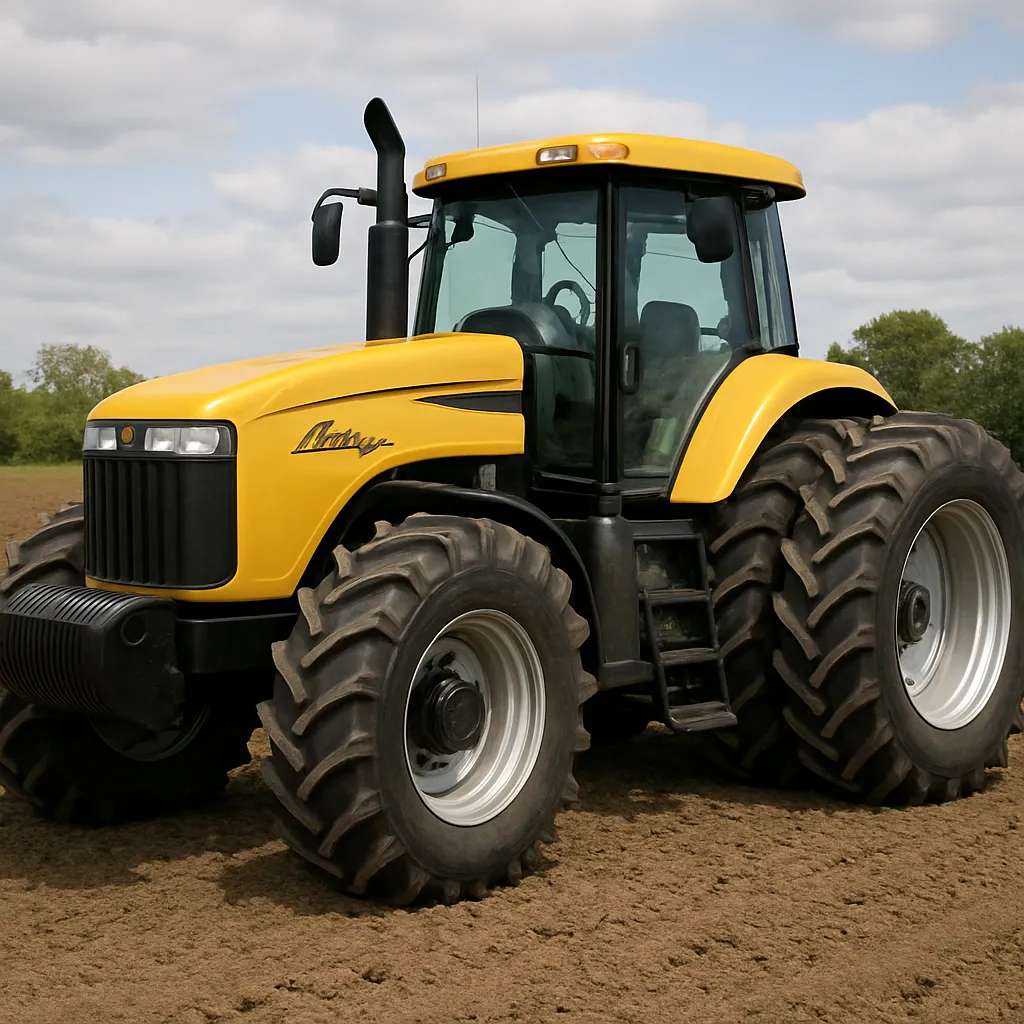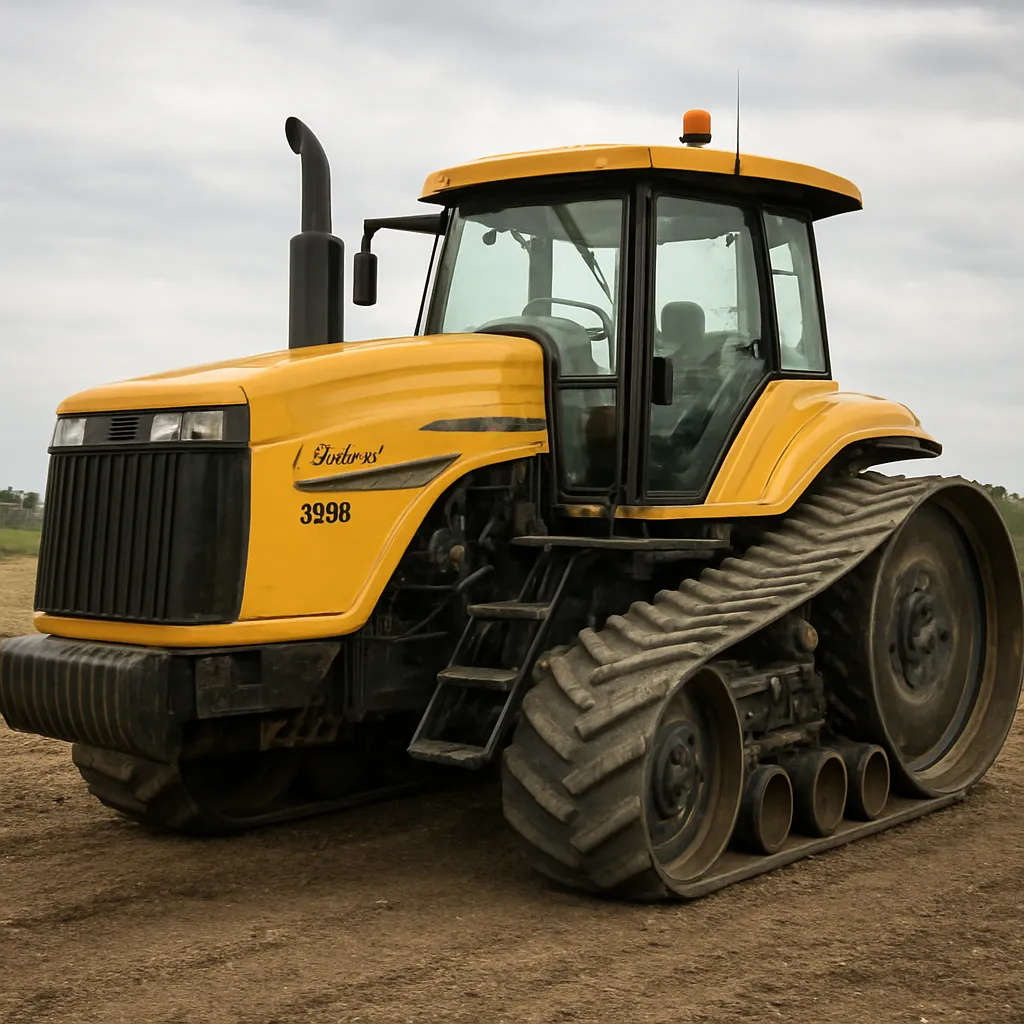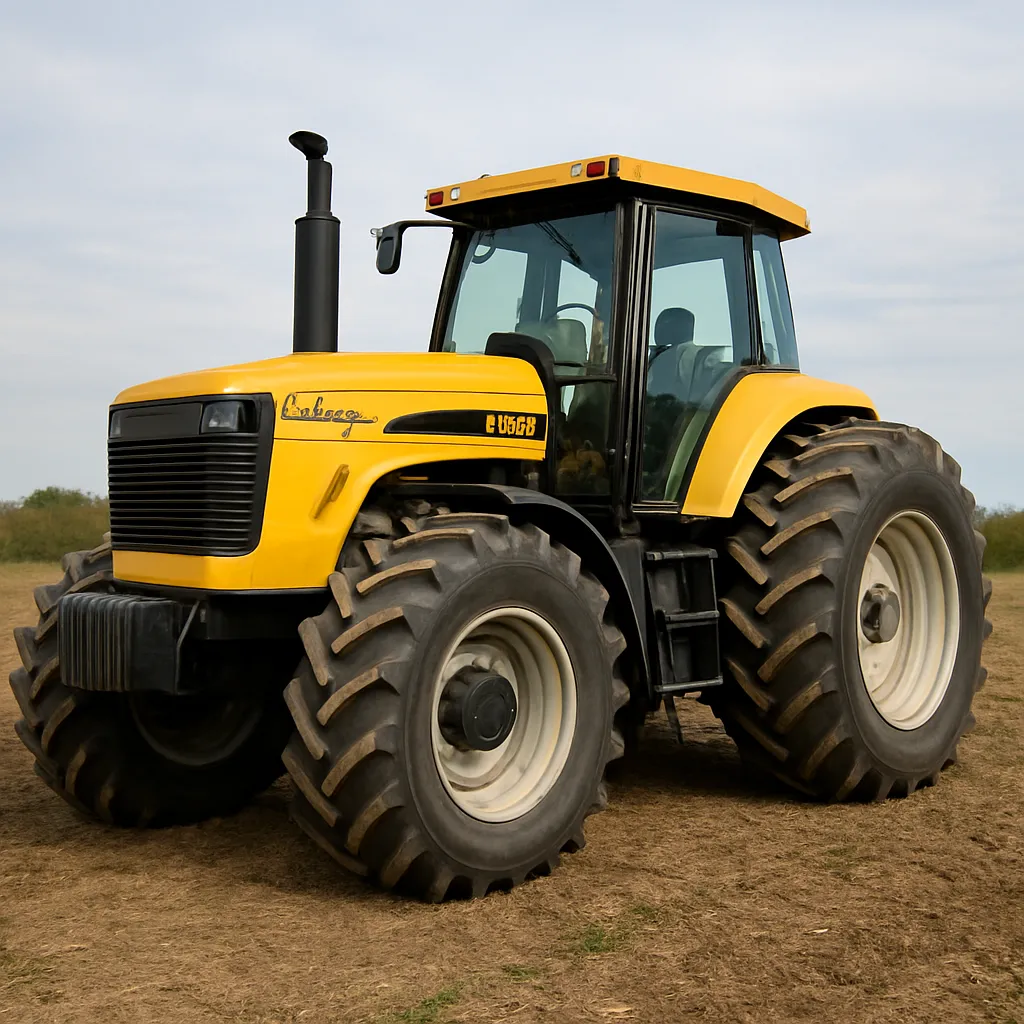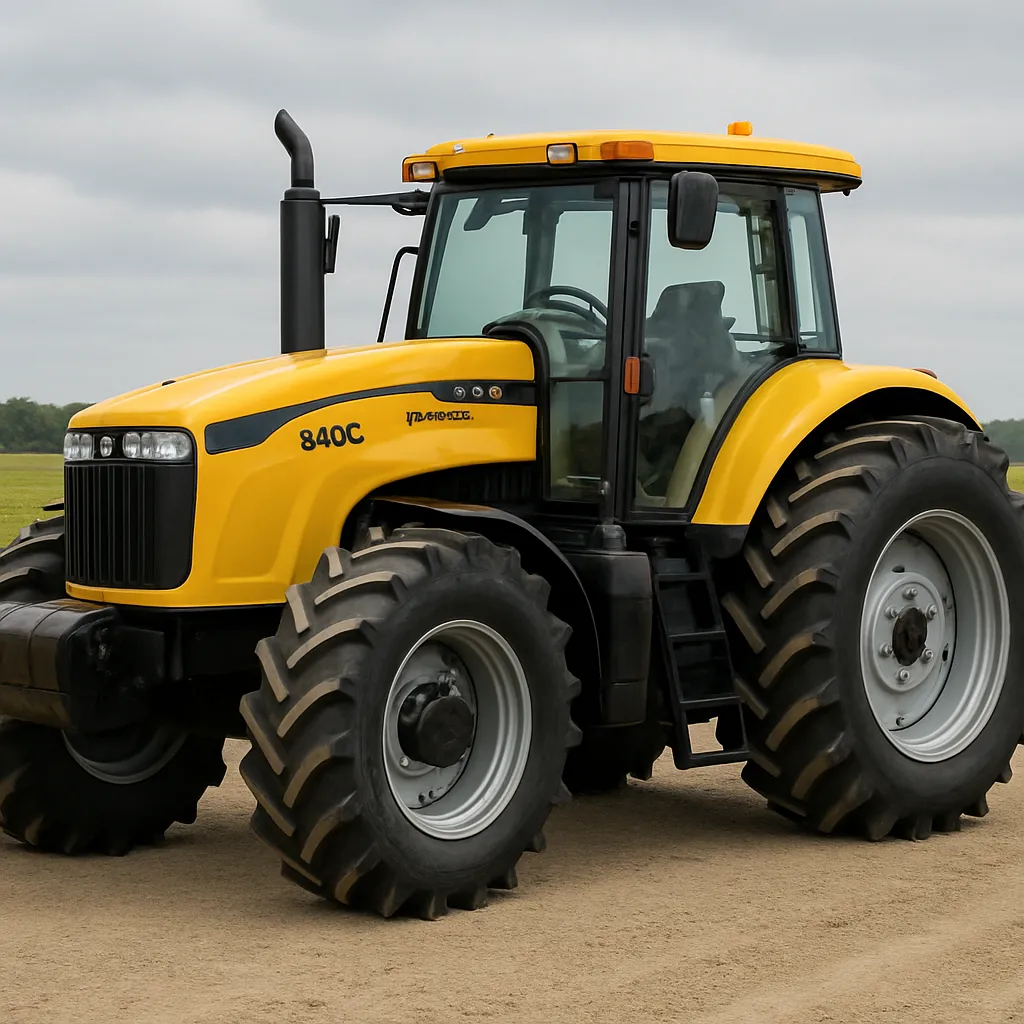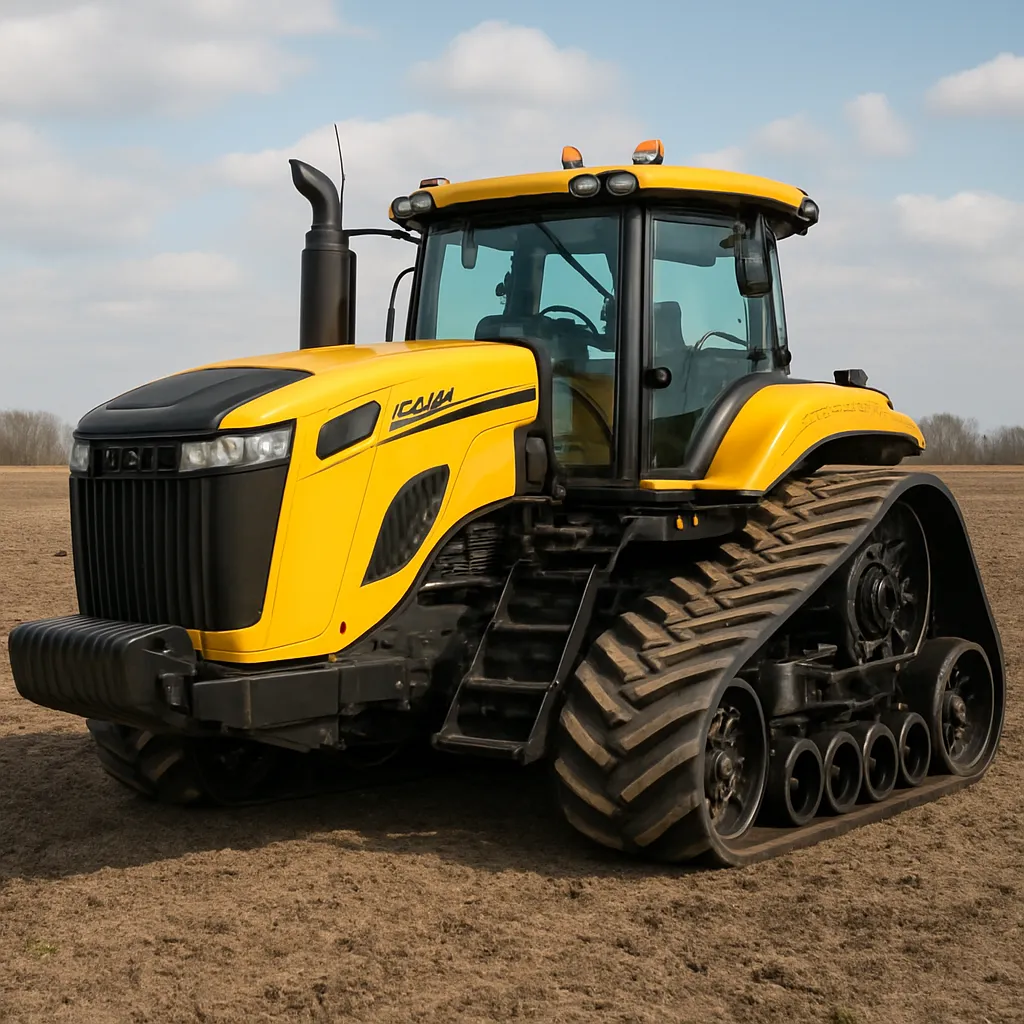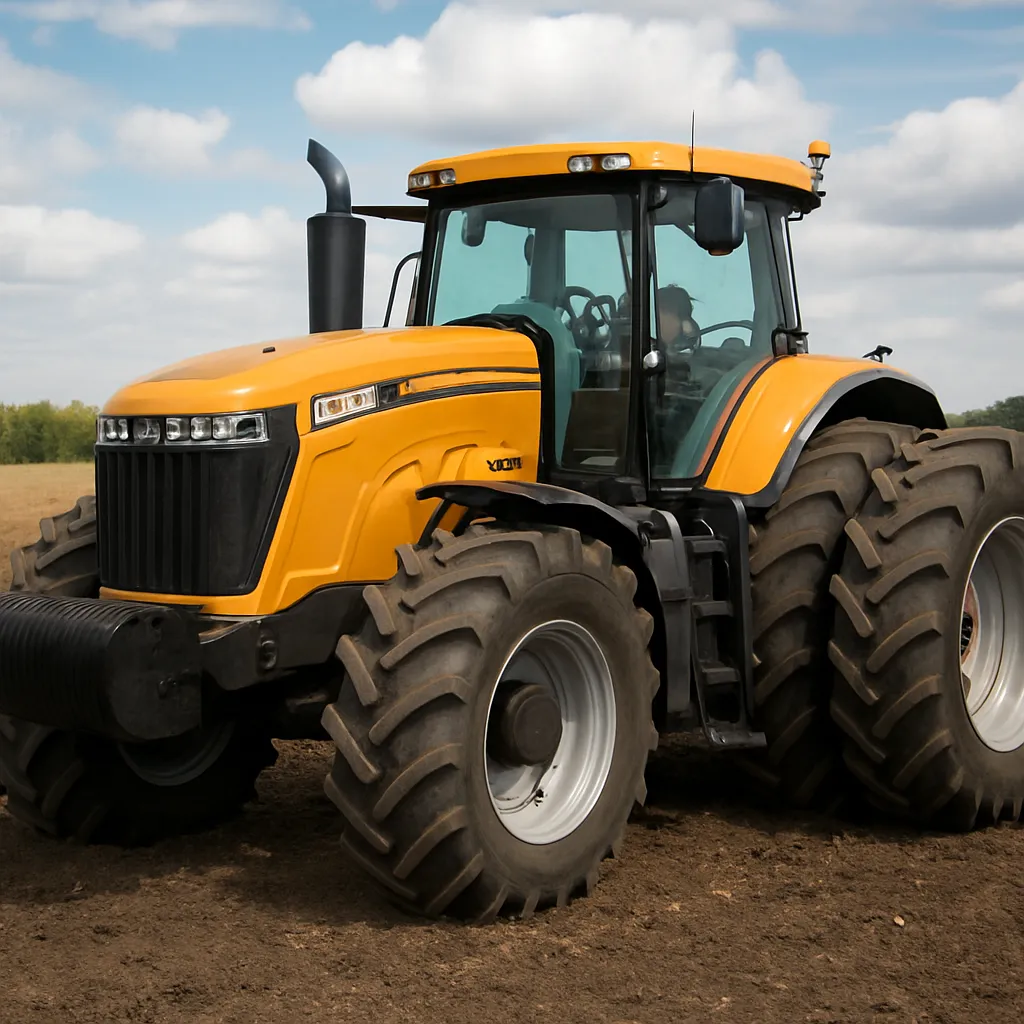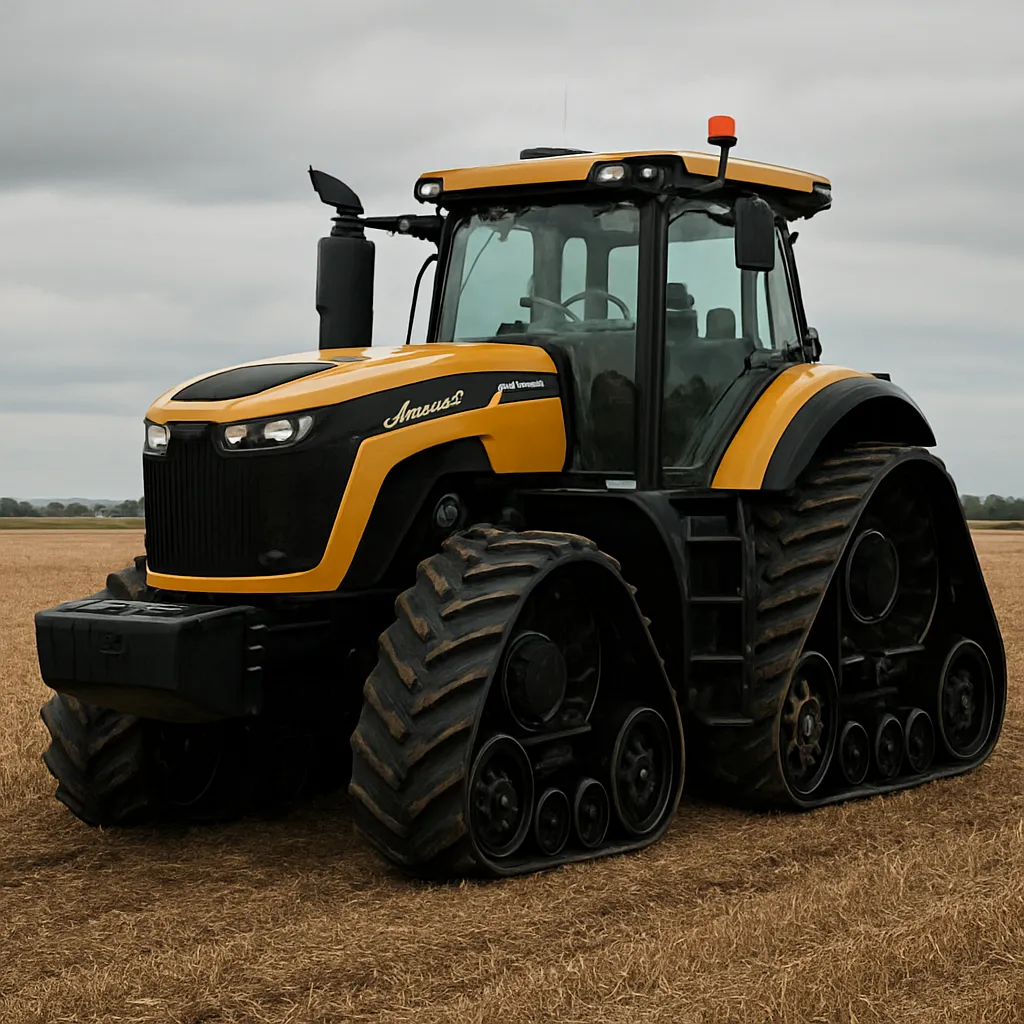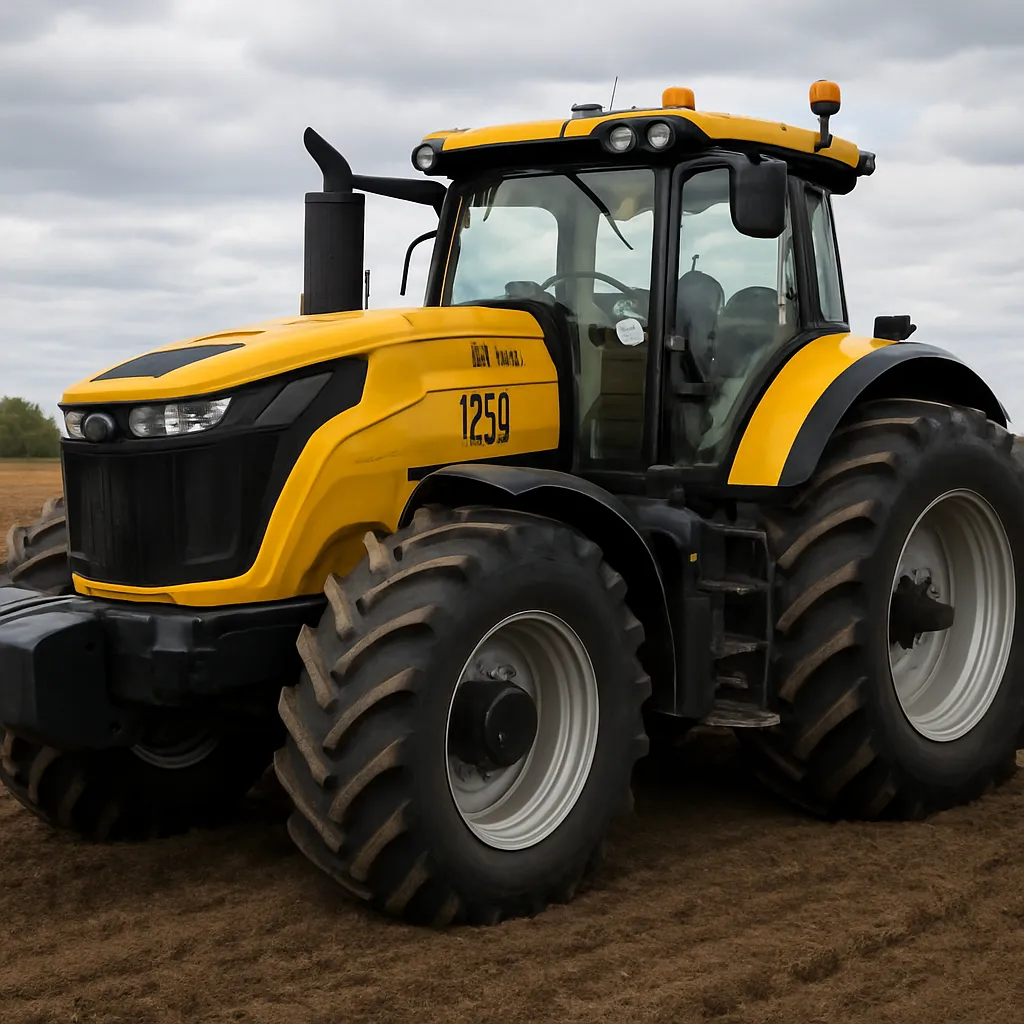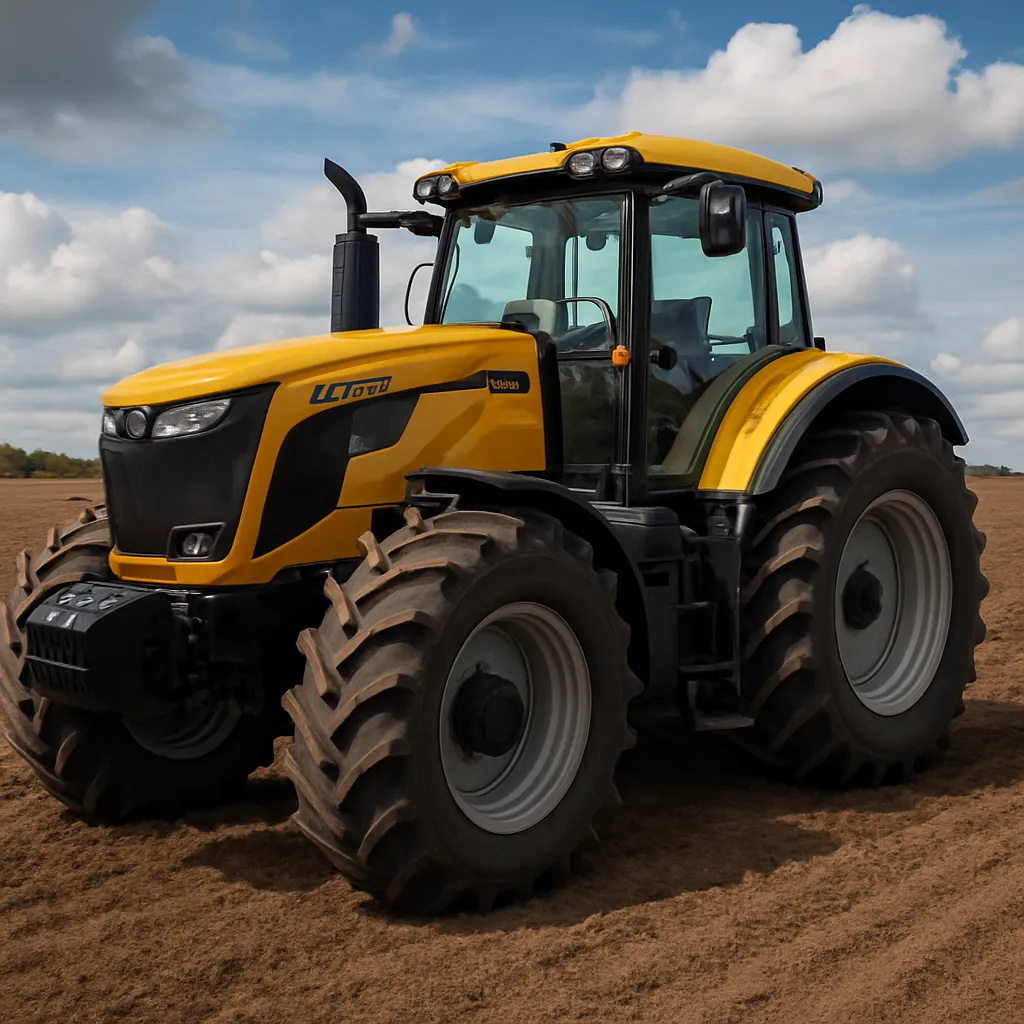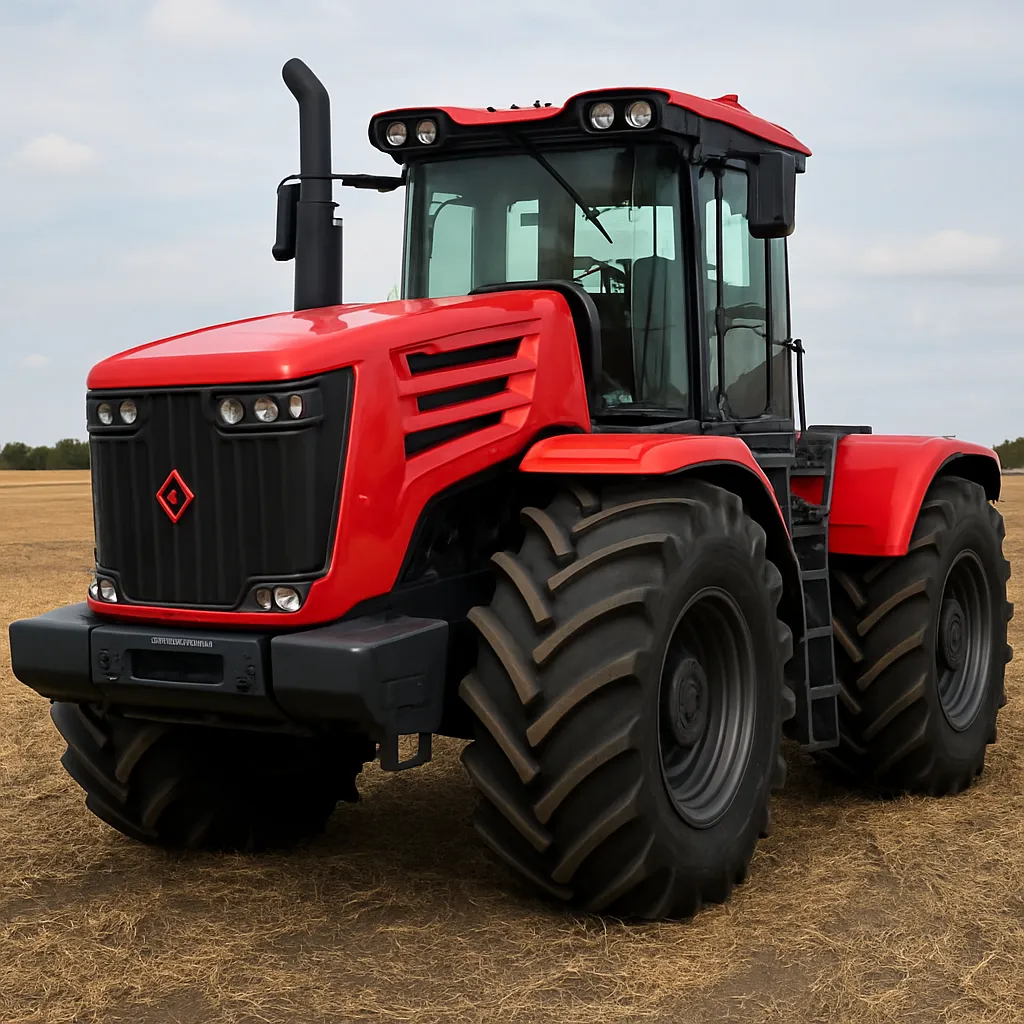
The Kirovets K-9520 is a heavy-duty Russian agricultural and utility machine designed to meet the demands of large-scale farming, forestry, and industrial tasks. Combining a robust powertrain, generous hydraulic capacity, and a cabin intended for long working hours, the K-9520 represents a continuation of the Kirovets legacy: large, simple, and serviceable tractors made for tough environments. Below you will find an overview of its history, technical characteristics, typical applications, and practical considerations for operators and fleet managers.
Origins and development
The name Kirovets is associated with a long line of Soviet and post‑Soviet heavy tractors developed originally at the Kirov Plant and later by various Russian manufacturers carrying the Kirovets brand. The K-9520 is a modern heavy-class model intended to fill the need for powerful four-wheel-drive machines that can handle large implements, high soil resistance, and non-stop seasonal workloads. Development focused on improving operator comfort, durability in severe climates, and modular compatibility with a wide range of implements.
Historically, Kirovets models were known for their simple mechanical design, ease of maintenance, and strong frames suitable for heavy implements. The K-9520 follows this philosophy while integrating newer engines and improved hydraulics to remain relevant in markets outside the former Soviet Union. The model is often marketed to cooperatives, state farms, large private agricultural businesses, logging contractors, and contractors engaged in earthmoving and road maintenance.
Technical specifications and performance (typical and reported values)
The exact technical data for the K-9520 may vary with configuration, market, and production year, but reported and typical figures give a practical picture of the machine’s capabilities. The values below are indicative and should be checked against manufacturer documentation or a specific unit’s data plate for precise figures.
- Engine: turbocharged diesel unit, often rated in the range of approximately 350–420 horsepower (HP). Engines used in this class include inline-six or V8 designs from domestic or licensed manufacturers.
- Transmission: multi-range powershift or synchronized gearbox with multiple ranges and several forward and reverse speeds. Typical road speed range reaches up to 35–40 km/h in standard gearing.
- Drive: permanent four-wheel-drive with heavy-duty axles and differential locks to maintain traction in soft soil and adverse conditions.
- Hydraulic system: high-flow hydraulic pump with flow rates typically between 110 and 160 L/min, enabling operation of large three-point implements and multiple hydraulic remotes.
- PTO: rear PTO with standard speeds (commonly 540/1000 rpm), enabling connection to a wide variety of implements. Some configurations may offer additional PTO options.
- Weight and dimensions: operating weight commonly in the range of 9,000–14,000 kg depending on ballast and configuration. Wheelbase and overall dimensions vary with tire choice and cab/fender options.
- Fuel tank: large capacity to support extended fieldwork; typical tanks in this class range from 300 to 600 liters depending on option packages and auxiliary tanks.
- Hydraulic lift capacity: rear three-point lift often rated between 8–12 tonnes (8,000–12,000 kg) at the linkage, enabling handling of heavy seeders, plows, and mounted equipment.
Performance in the field is influenced by traction, implement compatibility, and operator skill. The K-9520’s heavy frame and torque from a high-displacement diesel engine provide strong draft force suited for deep plowing, large disc harrowing, and heavy tillage work.
Primary applications and sectors of use
The K-9520 is a multi-role machine whose design makes it suitable for several demanding applications:
- Agriculture: Tillage, seeding and planting with large multi-section implements, heavy harrowing, subsoiling, and transporting large trailers. It is particularly suited to farms with large fields where high horsepower and substantial traction reduce operation time per hectare.
- Forestry: Skidding, hauling, and winching tasks when adapted with protective equipment and specialized attachments. The strong chassis and torque reserves make it practical for short-distance hauling and for powering forestry implements.
- Construction and earthworks: pulling heavy rollers, graders, and other towing equipment, as well as powering hydraulic attachments for loading and leveling tasks.
- Road and infrastructure maintenance: snow removal (with front blades and snow blowers), road grading, and maintaining unpaved roads in rural areas.
- Industrial towing: moving heavy trailers and equipment around large industrial or mining sites.
Its versatility stems from the combination of power, hydraulic capacity, and the availability of common PTO and linkage standards, making the tractor a base machine for many implement types.
Design features and operator environment
Several design aspects of the K-9520 aim to balance ruggedness with operator needs:
- Cab comfort: ergonomically arranged controls, heated and often air-conditioned cabin options, high-visibility glazing, and suspension seats to reduce operator fatigue during long shifts. The cab may include modern conveniences such as radio, adjustable steering column, and basic electronic displays for engine and transmission readouts.
- Visibility and lighting: large windows and high-mounted work lights enable long-hour operation in early morning or late evening.
- Serviceability: access panels for easy servicing of filters, fluids, and drain points. The simple layout typical of Kirovets machines makes maintenance tasks straightforward for local workshops.
- Chassis and ballast: robust frame and options for wheel and track configurations to tailor flotation and traction to specific field conditions.
- Protection options: available guards, armored front sections, and enhanced cooling systems for operations in dusty, sandy, or very cold environments.
These features make the K-9520 a practical choice for operators who need a balance of comfort and no-nonsense durability during extended seasonal campaigns.
Maintenance, lifecycle costs and reliability
The economics of running a heavy tractor like the K-9520 depend on initial acquisition, fuel consumption, maintenance practices, and component longevity. Some general points:
- Fuel consumption: typical consumption for tractors in the 350–420 HP class during heavy draft work can range from approximately 18 to 36 L/h depending on load, engine tuning, and field conditions. Lower consumption figures occur during transport or light PTO work.
- Routine maintenance: scheduled servicing includes oil and filter changes, hydraulic system checks, cooling system maintenance, and inspection of drivetrain components. Kirovets models are generally designed for ease of maintenance with straightforward access to service points.
- Parts availability: within countries that have historically imported Soviet/Russian equipment, parts networks and aftermarket suppliers exist. In other markets, parts may need to be imported or sourced through specialist dealers, which affects downtime and total cost of ownership.
- Reliability: the Kirovets lineage is known for mechanical simplicity and sturdy construction. Properly maintained units are known to provide many thousands of operating hours. Reliability is enhanced by conservative engineering, but some modern electronic diagnostics may be limited compared to Western competitors.
Proper operator training and preventive maintenance significantly reduce unexpected downtime and extend service life. For fleets, planning around seasonal peaks and stocking critical parts (filters, seals, belts) is recommended.
Variants, customization and implement compatibility
Large tractors like the K-9520 are typically offered with several configuration options to match regional needs and implement standards:
- Tire options: narrow, standard, or wide flotation tires to adapt to soil types and minimize compaction or improve traction.
- Ballast and weight packages: front and rear ballast to optimize traction and stability with heavy mounted equipment.
- Hydraulic and electrical options: multiple remote valves, higher-capacity pumps, and additional electrical outputs for powered implements.
- Cab and climate options: additional heating, air conditioning, and filtration packages for extreme climates.
- Implement compatibility: three-point linkage and PTO specifications are generally aligned with international standards, allowing the use of many global implements with appropriate adapters. The tractor’s hydraulic flow supports heavy planters, seeders, and foldable cultivators common on large-acreage farms.
Customization can extend to factory-fitted attachments (front loaders, weights) or dealer-installed modifications for specific tasks like sugarbeet harvesting, potato planting, or special forestry roles. This adaptability is one reason operators choose a heavy universal tractor as a fleet backbone.
Operational considerations and best practices
To get the most from the K-9520, operators and fleet managers should consider:
- Proper matching of implement size and weight class to tractor horsepower and three-point lift capacity to avoid overloading the drivetrain.
- Using GPS guidance and implement control systems where possible to reduce overlap and increase fuel efficiency during field operations.
- Monitoring tire pressure and selecting appropriate tire widths to reduce soil compaction while maintaining traction.
- Establishing a preventive maintenance schedule based on operating hours and seasonal intensity rather than calendar time alone.
- Training operators in correct use of transmission and hydraulic systems to reduce wear and avoid excessive fuel consumption.
These measures improve productivity, reduce lifecycle costs, and contribute to sustainable farm management practices.
Market position, export and international use
The K-9520 and similar Kirovets machines occupy a niche where cost-effectiveness, ruggedness, and simplicity are valued over advanced electronics and high-end comfort. They are often selected by users who need high tractive effort and durability on large fields or in remote operations where simplicity and field-serviceability are prized.
Internationally, Kirovets tractors have been exported to countries across Eastern Europe, Central Asia, parts of Africa, and some Latin American markets. In these regions, local service networks and a historical familiarity with Soviet-era equipment make such tractors attractive. For Western European and North American markets, competition from established manufacturers offering advanced telematics and dealer networks is stronger, but Kirovets machines can remain competitive in price-sensitive segments.
Environmental and regulatory aspects
Modern agricultural machinery must comply with emissions and safety regulations in many markets. Depending on the engine fitted, the K-9520 may be equipped with engines meeting different emissions stages (e.g., older Tier or Stage levels vs. more recent standards). Prospective buyers should verify the certified emissions stage of a unit prior to purchase, especially when importing units across borders.
Fuel efficiency, particulate control, and sound levels are increasingly important for community relations and long-term operational cost. Retrofit options (aftertreatment systems, modern fuel-management kits) may be available to improve emissions performance but should be evaluated for cost-effectiveness relative to local regulations.
Conclusion
The Kirovets K-9520 represents a class of heavy-duty tractors designed for high-demand environments where raw power, robust construction, and simple serviceability matter. Typical applications span large-scale agriculture, forestry, construction, and industrial hauling. While specific figures vary with configuration, the model is commonly associated with diesel engines in the 350–420 HP class, strong hydraulic flow, and substantial linkage lifting capacity, making it suitable for heavy tillage and large implements. Considerations for operators include matching implements correctly, maintaining a preventive service schedule, and confirming emissions compliance for the intended market.
Key strengths at a glance
- Reliability in harsh environments and under heavy-duty cycles.
- Versatility to accept a wide range of implements and attachments.
- Robust diesel powertrains that prioritize torque and longevity.
- Serviceability and simplicity that suit remote operations and basic workshops.
- Cost-competitive acquisition and lifecycle economics for large-acreage operators.