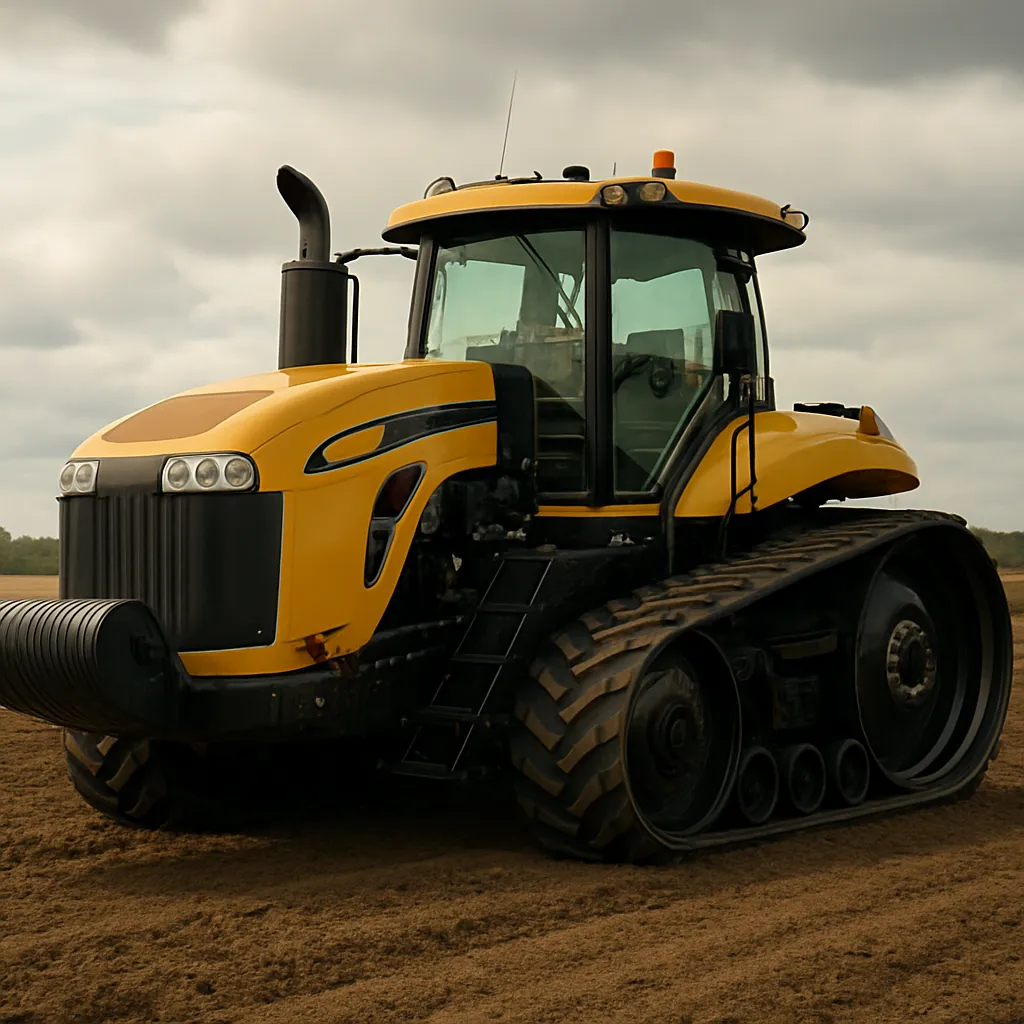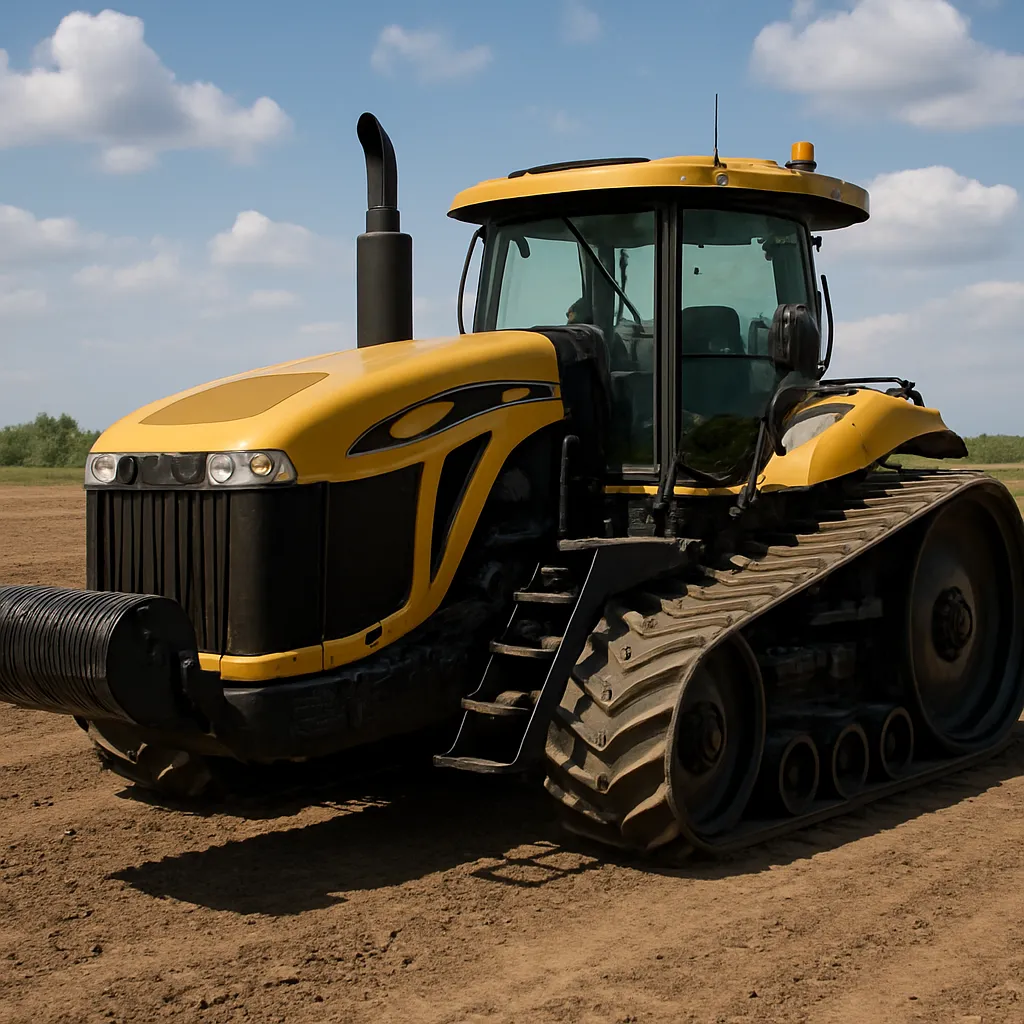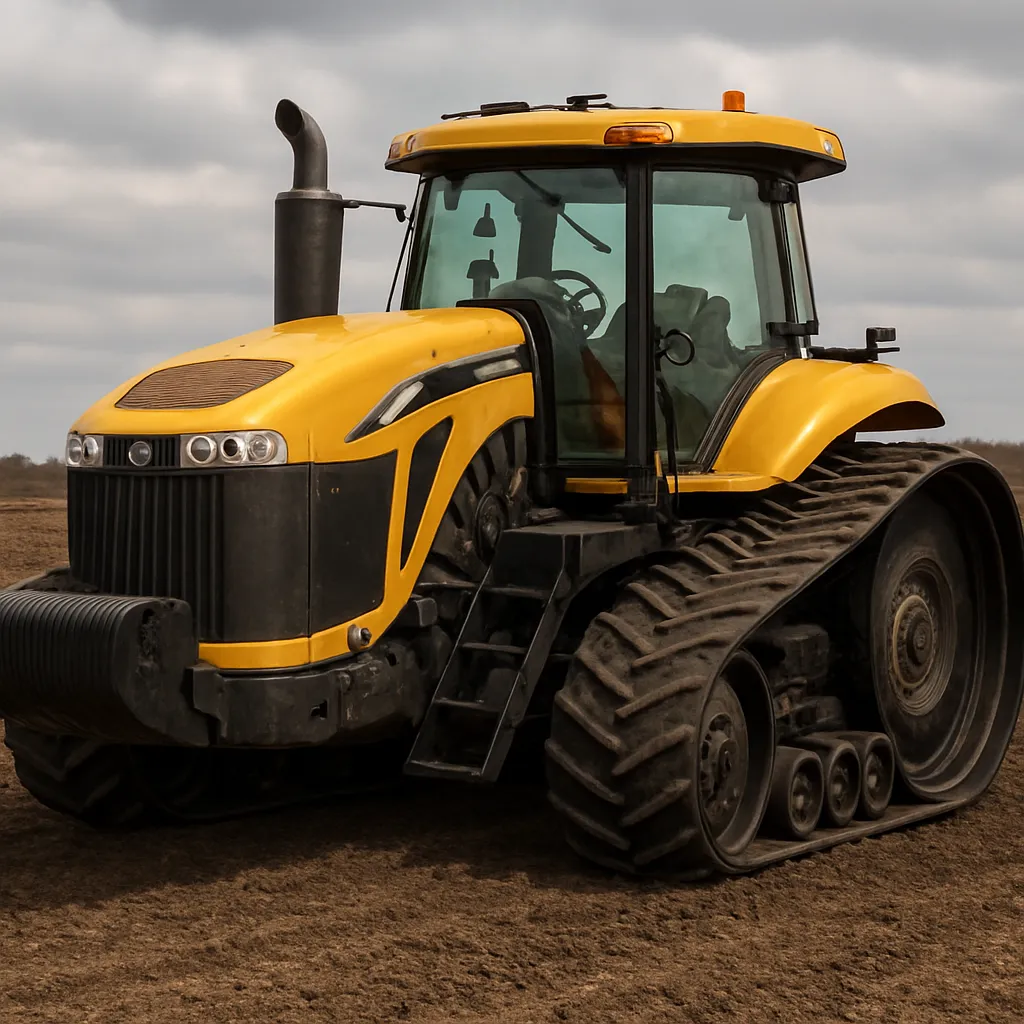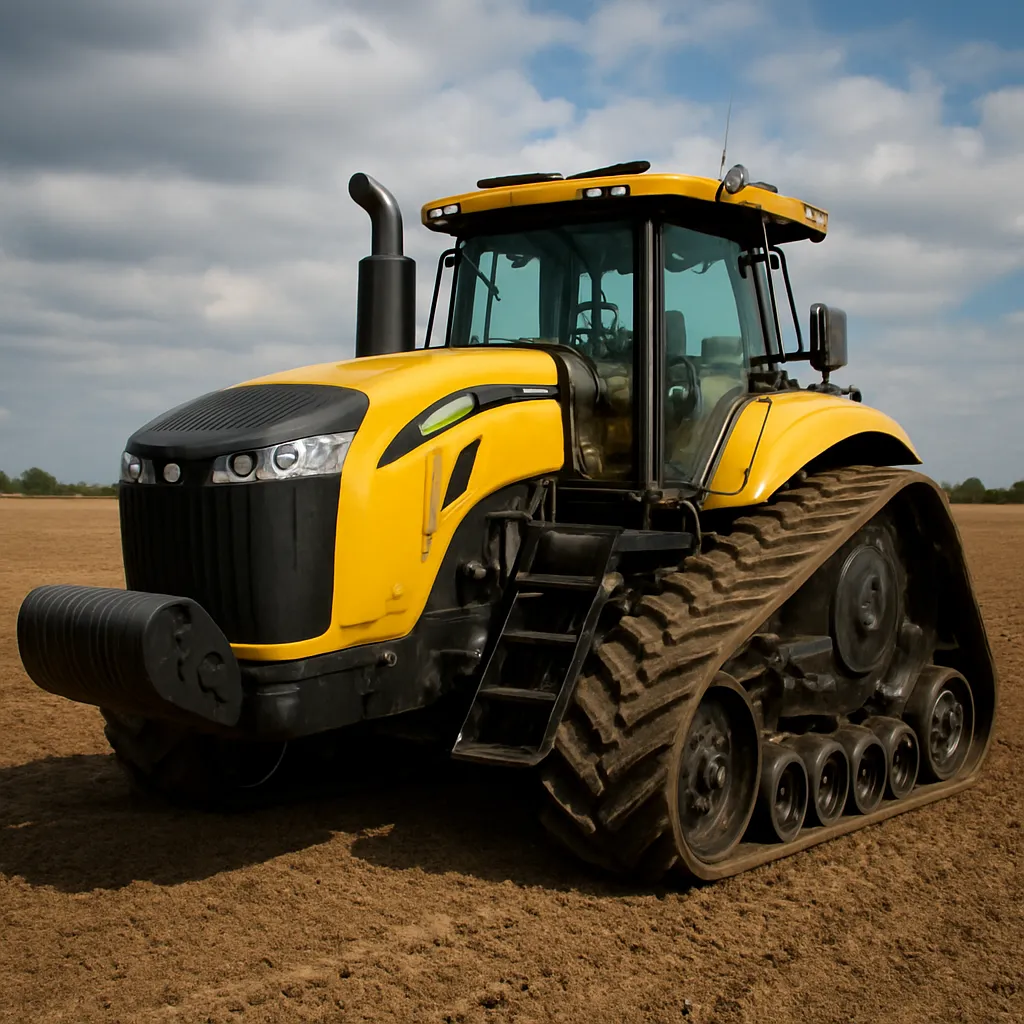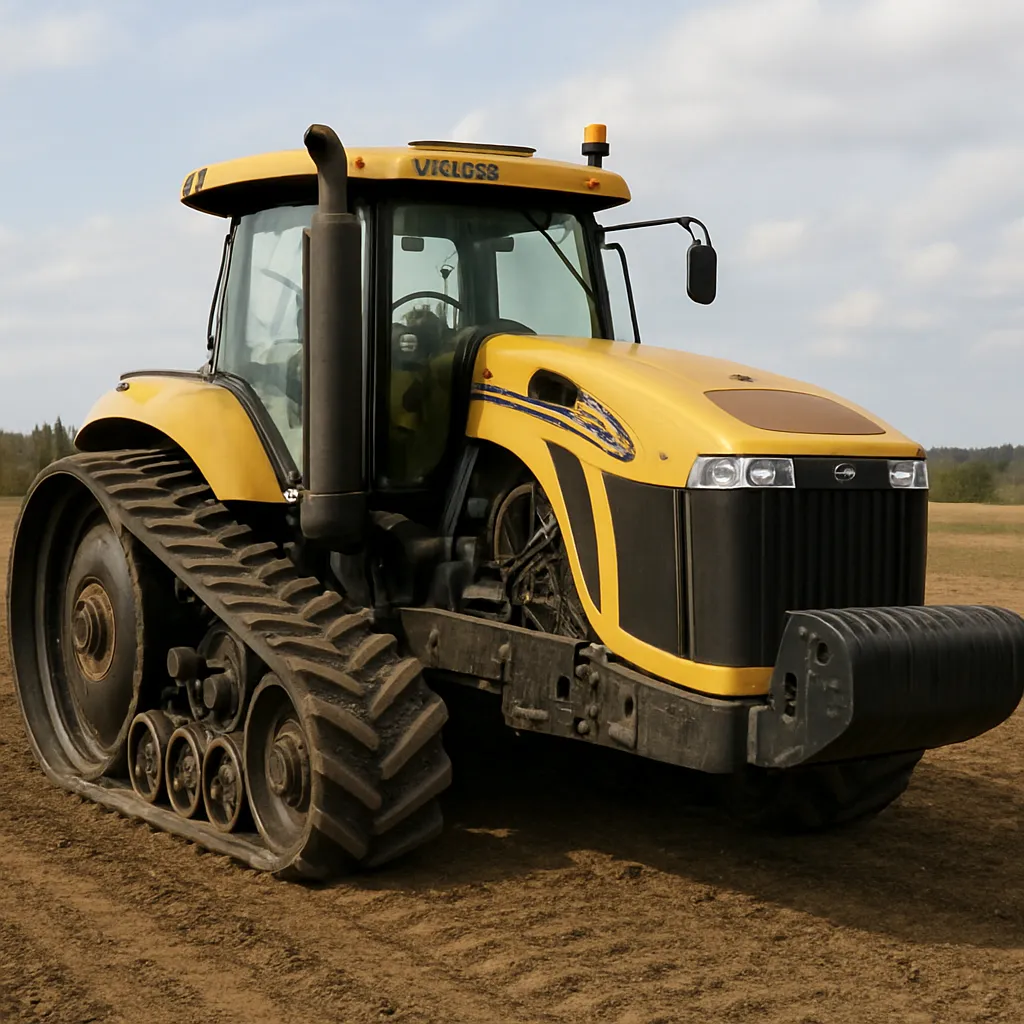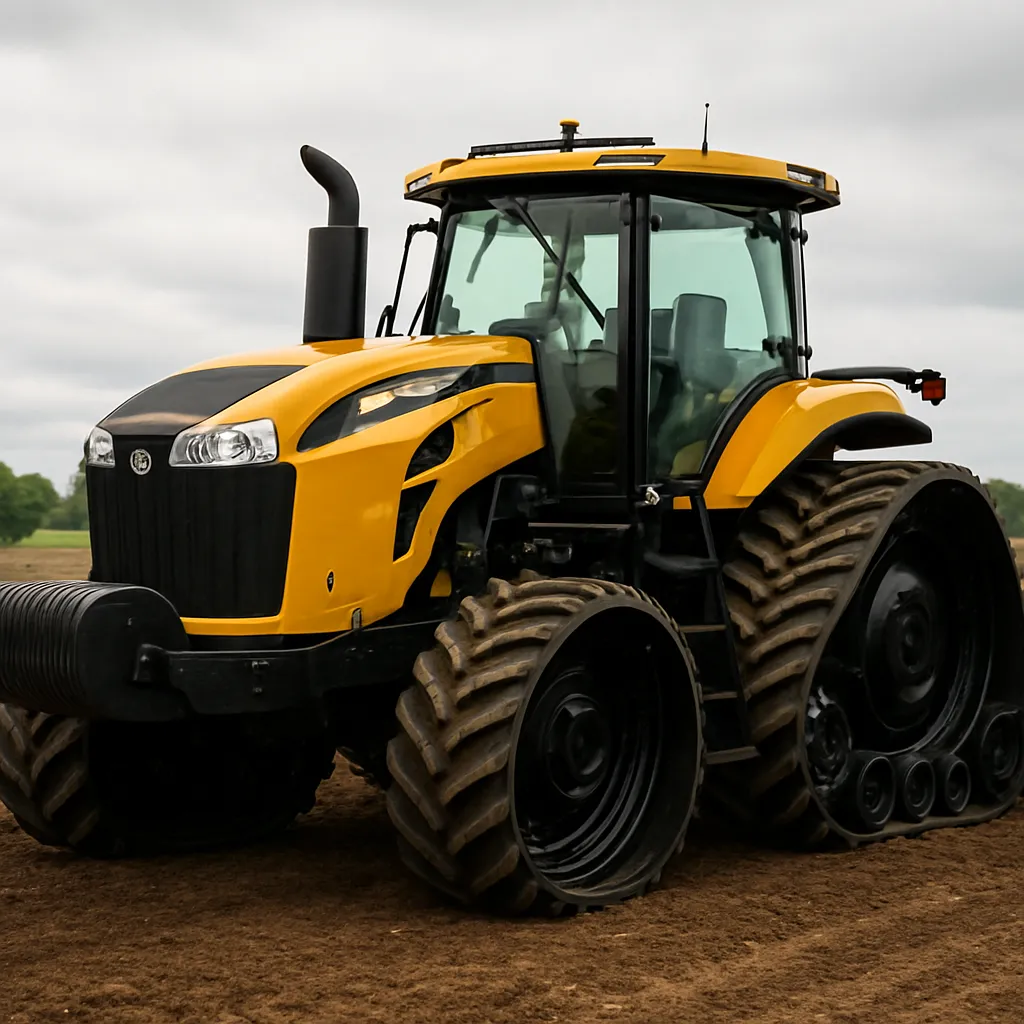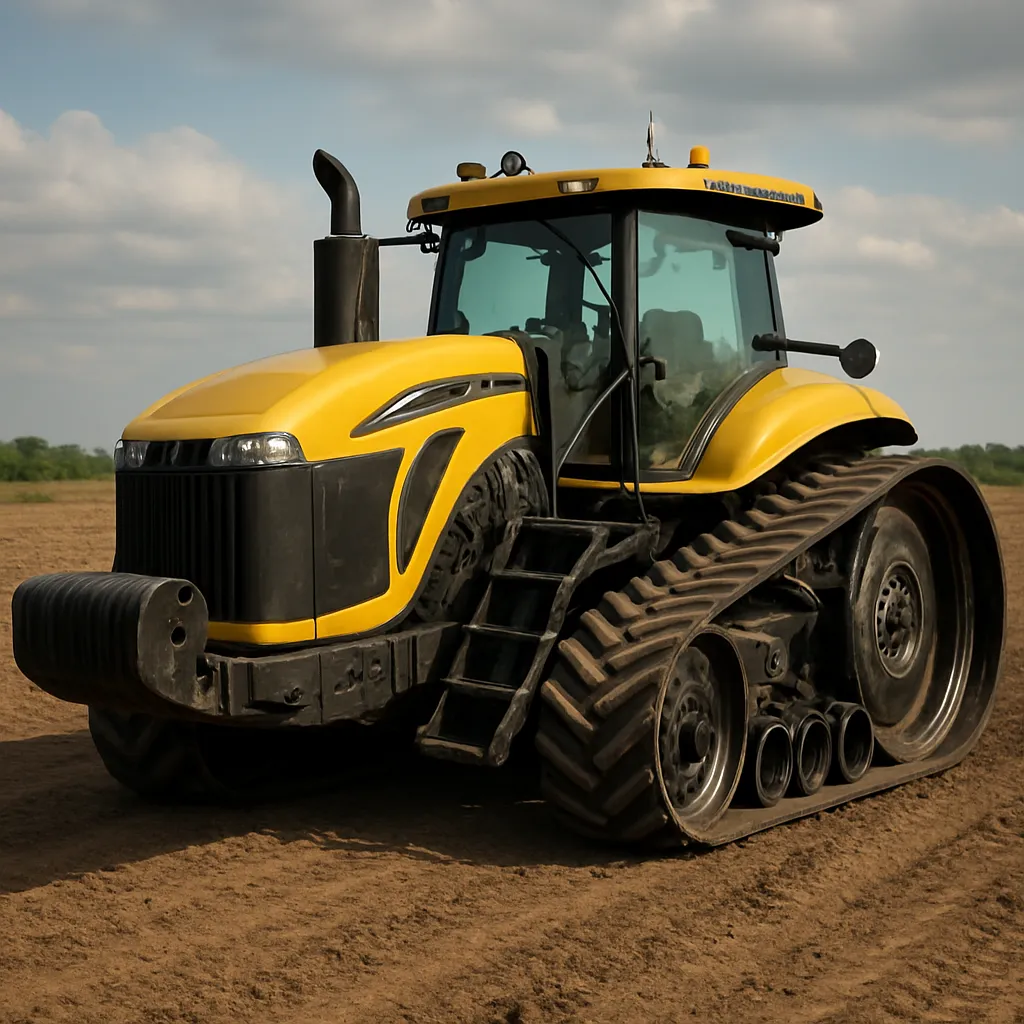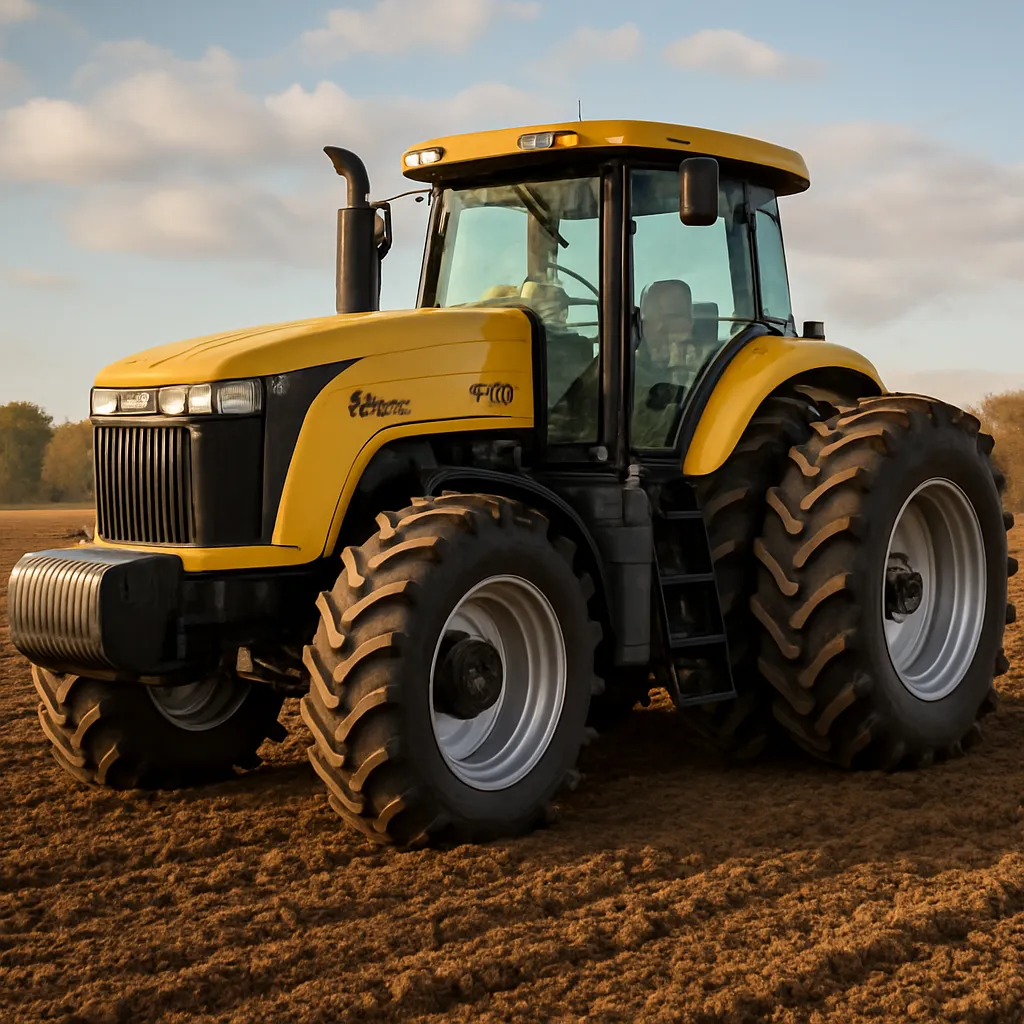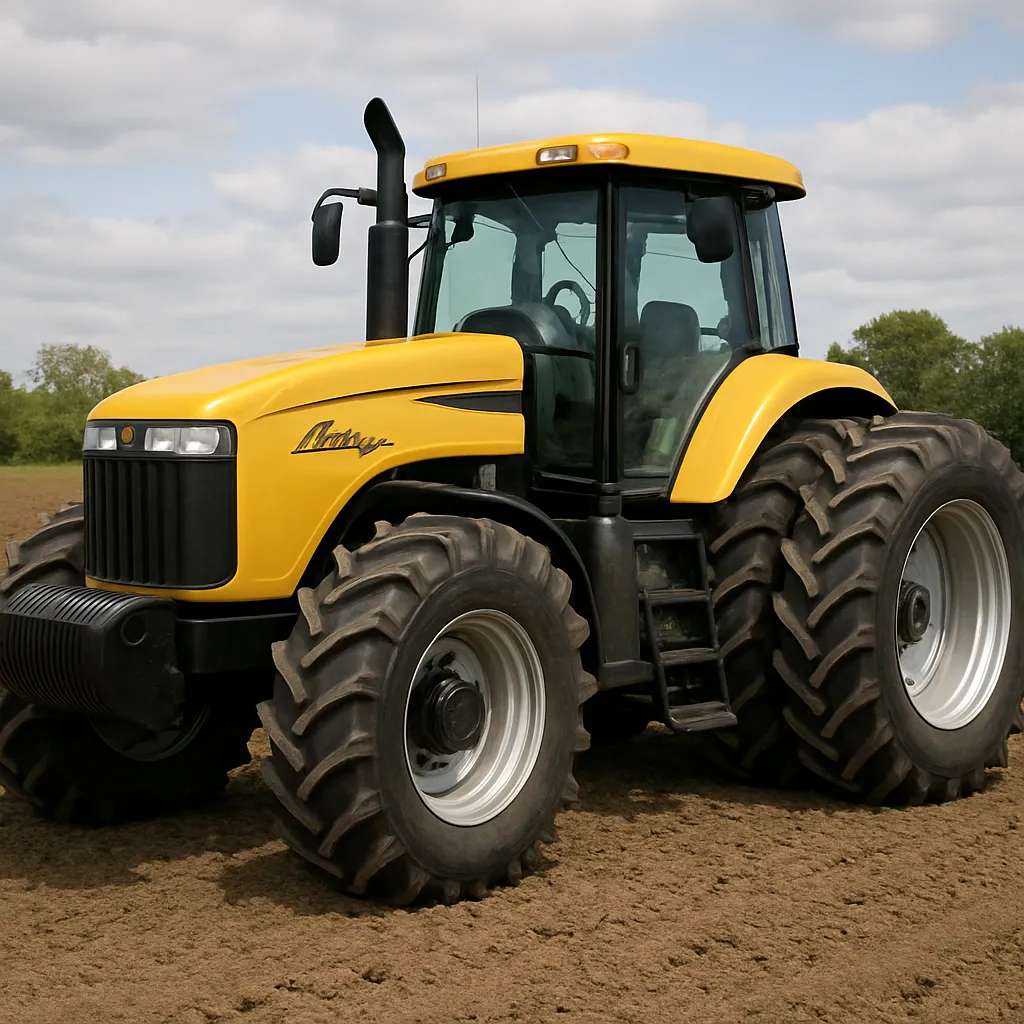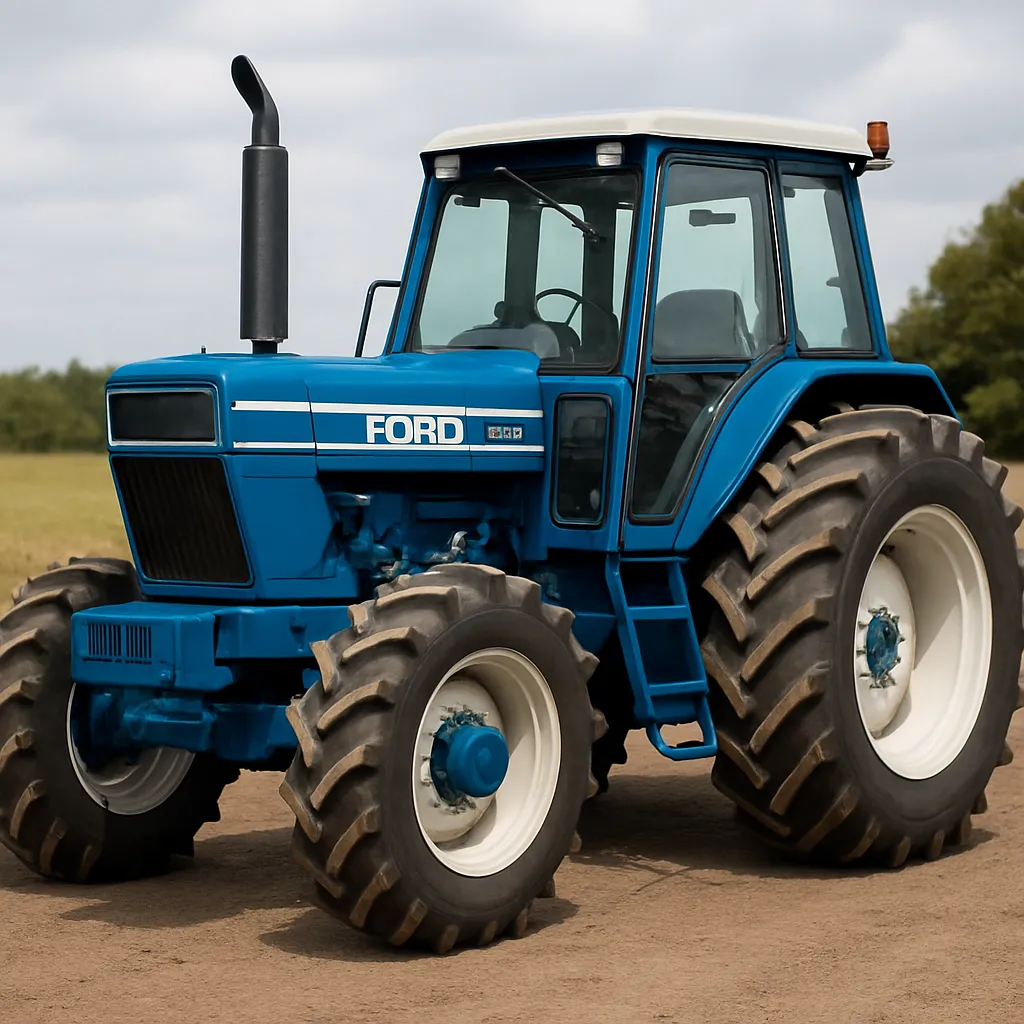
The Ford 9700 Turbo Proto represents an intriguing intersection between a classic agricultural workhorse and the ingenuity of aftermarket tuning and prototyping. Whether encountered as a durable farm tractor, a modified pulling machine, or a custom prototype used for testing turbocharged diesel technology, the 9700 variant remains a subject of interest among enthusiasts, mechanics and small-scale producers. In the following article, I explore its background, technical characteristics, typical applications, common modifications (including turbo installations and prototype conversions), maintenance considerations and market context. The aim is to provide a broad, useful overview for anyone curious about this model and its specialized Turbo Proto configurations.
Origins and design philosophy
The Ford 9700 belongs to a family of tractors developed during a period when manufacturers prioritized robustness, ease of repair and versatility. Designed to serve medium- to large-scale farms, the platform emphasized a balance between fuel economy, straightforward mechanical layout and adaptability to various implements. Over time, the 9700 chassis and driveline proved well-suited not only for ordinary agricultural tasks but also for aftermarket upgrades and experimental prototypes, resulting in versions commonly labelled as Turbo or Proto.
Core engineering traits
- Engine layout: In stock form the 9700 series used inline multi-cylinder diesel engines known for low-end torque and longevity.
- Transmission: Rugged gearboxes with multiple speed ranges and optional power-shift-like systems in later variants; designed for field and road work.
- Chassis: Sturdy frame capable of handling heavy implements, front loaders and ballast additions.
- Hydraulics and PTO: Standard hydraulic circuits and a dependable power take-off, enabling broad implement compatibility.
The combination of these traits made the 9700 an appealing platform for experimentation. When a turbocharger or prototype systems were fitted, the underlying mechanical simplicity made tuning and maintenance more straightforward compared with more electronically complex modern tractors.
Technical characteristics and typical specifications
Exact specifications for the Ford 9700 Turbo Proto vary widely because many Turbo Proto units are custom conversions or limited-run prototypes rather than factory-offered models. However, typical ranges and values for the 9700 family — and realistic expectations for turbocharged conversions — are outlined below.
Representative factory-spec figures (approximate)
- Power output (stock): 90–130 HP (approx. 67–97 kW), depending on engine tune and specific submodel.
- Engine format: Inline 6-cylinder diesel variants were common in this class, prized for torque delivery.
- Curb weight: Typically about 3,500–4,500 kg (7,700–9,900 lb), depending on configuration and ballast.
- PTO speeds: Standard 540 RPM and in some cases 540/1000 RPM selectable.
- Hydraulic flow: Moderate lift capacities suited for ploughs, seed drills, loaders and other implements.
- Transmission options: Several gear ranges; practical field gearing and road speeds that balanced torque and transport requirements.
What “Turbo” and “Proto” typically add
- Turbocharging: Increased air intake pressure yields higher combustion efficiency and higher peak power as well as improved mid-range torque. For converted 9700s, gains of 15–30% over naturally aspirated engines are common if the engine internals and fueling are correctly matched.
- Prototype modifications: Reinforced frames, custom cooling systems, upgraded clutch and transmission components, and bespoke engine management or fuel delivery systems for experimental performance.
- Cooling upgrades: Larger radiators, intercoolers (if fitted), and oil coolers to manage the extra heat from boosted power.
Because many Turbo Proto examples are the result of aftermarket work, owners and builders often document peak power, torque curves and fuel consumption individually. It’s important to treat published figures for a particular Turbo Proto as specific to that machine rather than a universal specification.
Primary applications and roles
Even when modified into Turbo Proto forms, a Ford 9700 retains much of the utility that made the original model popular. The following applications summarize typical use cases and how turbo or prototype alterations affect suitability.
Agricultural work
- Field cultivation: Powerful mid-range torque from turbocharging can improve traction and implement control during ploughing, harrowing and seedbed preparation.
- Transport and haulage: Increased engine responsiveness benefits road transport of trailers and implements, reducing run-times and improving drivability.
- Loader tasks: Hydraulics combined with added engine output help when handling heavy loads with front loaders or forklifts.
Specialized uses
- Tractor pulling and motorsport: Many Turbo Proto-style tractors are built for competitive pulling, where high torque and tuned powerbands are essential. These builds prioritize peak power and drivetrain reinforcement over everyday farm practicality.
- Prototype testing and research: Universities, companies and enthusiast workshops have used 9700-based prototypes to evaluate turbocharger configurations, intercooling strategies and alternative fuels for older diesel engines.
- Contracting: Contractors who need powerful, dependable tractors for short, intense jobs may favor turbocharged 9700 conversions for improved performance under load.
In each role the trade-offs differ: a pulling tractor will focus on maximum output and reinforced drivetrains, while a contracting machine must balance power with reliability and fuel economy.
Performance tuning and common modifications
Turning a Ford 9700 into a Turbo Proto typically involves mechanical, thermal and drivetrain upgrades. Builders follow several recurring themes to ensure reliability and extract performance safely.
Key modification areas
- Turbocharger selection: Choosing a turbo that suits the engine displacement and intended operating range is crucial. A turbo tuned for low-end spool improves field work; a high-flow turbo favors peak power for pulls.
- Fuel delivery upgrades: Higher-capacity injectors or pump modifications ensure adequate fuel at boosted pressures. Without this, engines experience poor combustion and increased soot.
- Cooling and intercooling: Upgrades to radiators and the introduction of an intercooler reduce intake temperatures and improve both power and longevity.
- Strengthened driveline: Clutches, gearboxes and final drives often require reinforcement to cope with increased torque and shock loads.
- Engine internals: For extreme builds, forged pistons, stronger rods and improved bearings enhance durability under higher cylinder pressures.
Practical performance outcomes
Typical outcomes of a well-executed turbo conversion include:
- Smoother torque delivery at moderate RPM, improving traction and drawbar pull.
- Higher peak horsepower, useful for implements that demand power at speed (mowers, balers, transports).
- Potentially higher fuel consumption under heavy load, unless fuel mapping and turbo sizing are optimized.
Maintenance, durability and operational considerations
Owners of Turbo Proto tractors must adopt a disciplined maintenance regime. Boosted engines and prototype components require more attention than stock tractors to maintain reliability.
Routine checks and preventive steps
- Regular oil and filter changes: Elevated cylinder pressures and temperatures accelerate oil degradation; shorter service intervals help mitigate wear.
- Cooling system inspections: Check hoses, intercoolers, fan clutch and radiator integrity frequently, especially after heavy-duty sessions.
- Fuel and air systems: Keep intake pathways clean and change fuel filters more often to protect injectors from contamination.
- Drivetrain monitoring: Inspect clutches, U-joints, gearbox seals and axles for early signs of fatigue or overheating.
A proactive approach to maintenance preserves both the original qualities of the Ford 9700 and the benefits added by turbo and prototype work. Many owners keep detailed logs of upgrades, power figures and service intervals to track outcomes and schedule preventive work.
Safety, legal and regulatory issues
Converting or operating a Turbo Proto tractor touches on safety and regulatory topics that vary by country and region. Users should be aware of several considerations before adopting or building such a machine.
- Operator protection: Strengthened roll-over protection systems (ROPS), seat belts and operator cabins should be inspected and upgraded as needed for higher-speed or competition use.
- Emissions and road legality: Turbocharging and prototype fuel systems can impact emissions. Some jurisdictions require emissions testing or may restrict the use of modified tractors on public roads.
- Insurance and liability: Heavily modified machines can have different insurance classifications. Owners should inform insurers about modifications to ensure appropriate coverage.
- Competition safety rules: When used in tractor pulling or events, builds must meet event-specific safety regulations regarding chassis, fire suppression, and operator restraints.
Historical and market context
While mainstream tractor manufacturing has moved toward increased electronics and integrated engine management, older platforms like the Ford 9700 have retained an enduring appeal due to their mechanical simplicity and tunability. The 9700’s legacy lives on in agricultural communities, restorers and motorsport enthusiasts who value durable platforms for modification.
Availability and value
- Used-market presence: The Ford 9700 and its variants remain common in many regions, especially where older agricultural equipment is maintained and repaired locally.
- Parts support: A strong secondary market for parts and aftermarket components makes conversions and restorations more affordable than for some rare models.
- Resale considerations: Well-documented Turbo Proto machines that maintain service records and safety upgrades can retain value, particularly among specialty buyers such as contractors and pulling teams.
Because so many Turbo Proto examples are individually built, the market values are diverse. Potential buyers should evaluate the quality of workmanship, documented modifications and the condition of critical components rather than rely on model designation alone.
Common questions and practical advice for prospective owners
Below are concise answers to questions often raised by people considering a Ford 9700 Turbo Proto.
Is a turbo conversion worth it?
For owners who need more mid-range torque or better transport performance, a properly executed turbo conversion can be worthwhile. For purely economy-focused farms, gains depend heavily on tuning and matching engine components.
What should I check before buying a Turbo Proto?
- Comprehensive service history and a list of modifications.
- Evidence of reinforced drivetrain components and upgraded cooling.
- Visual and mechanical inspection for fatigue, cracks in the chassis and oil leaks.
- Records of dyno tests or documented power measurements if available.
How to find parts and expertise?
Look for specialist workshops, vintage tractor clubs and online communities dedicated to Ford tractors and tractor pulling. These networks often share supplier recommendations, rebuild guides and practical tips for sourcing compatible parts.
Conclusion
The Ford 9700 Turbo Proto is less a single factory product and more a family of conversions and prototypes built on a resilient, adaptable platform. In agricultural use, turbocharging can enhance torque and responsiveness, while in specialized roles such as tractor pulling, prototype builds push the envelope on performance. The strengths of the 9700 platform — mechanical simplicity, parts availability and a strong community — make it an attractive base for innovation. Prospective owners and builders should balance the performance benefits with the additional maintenance, safety and regulatory responsibilities that come with turbo and prototype modifications.