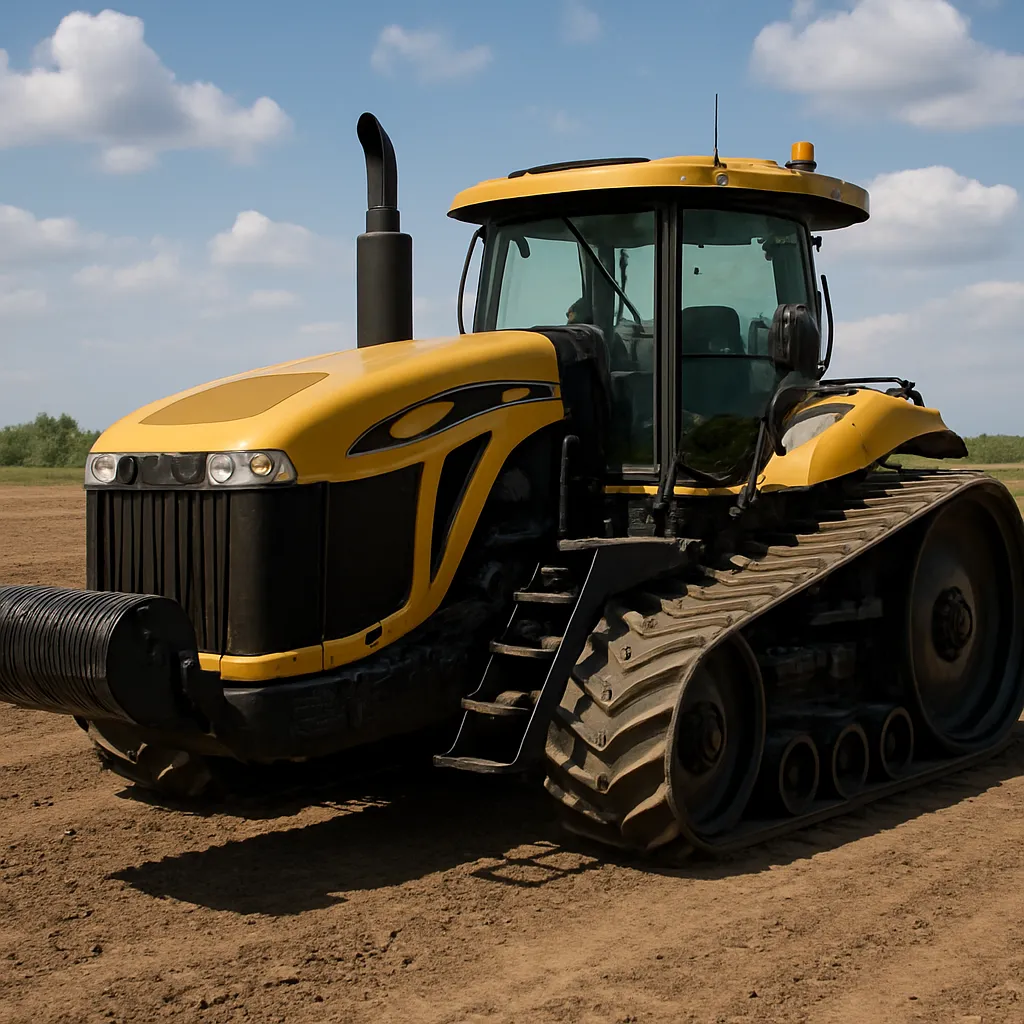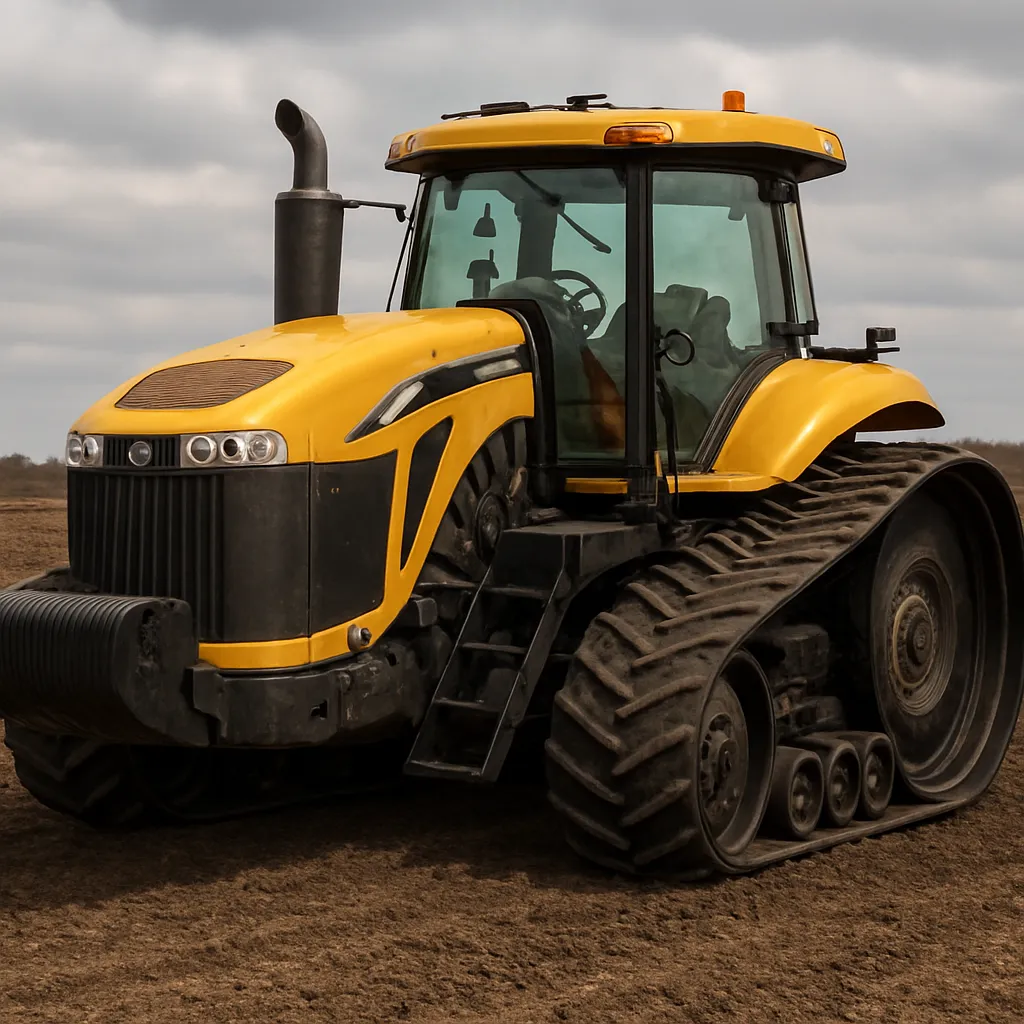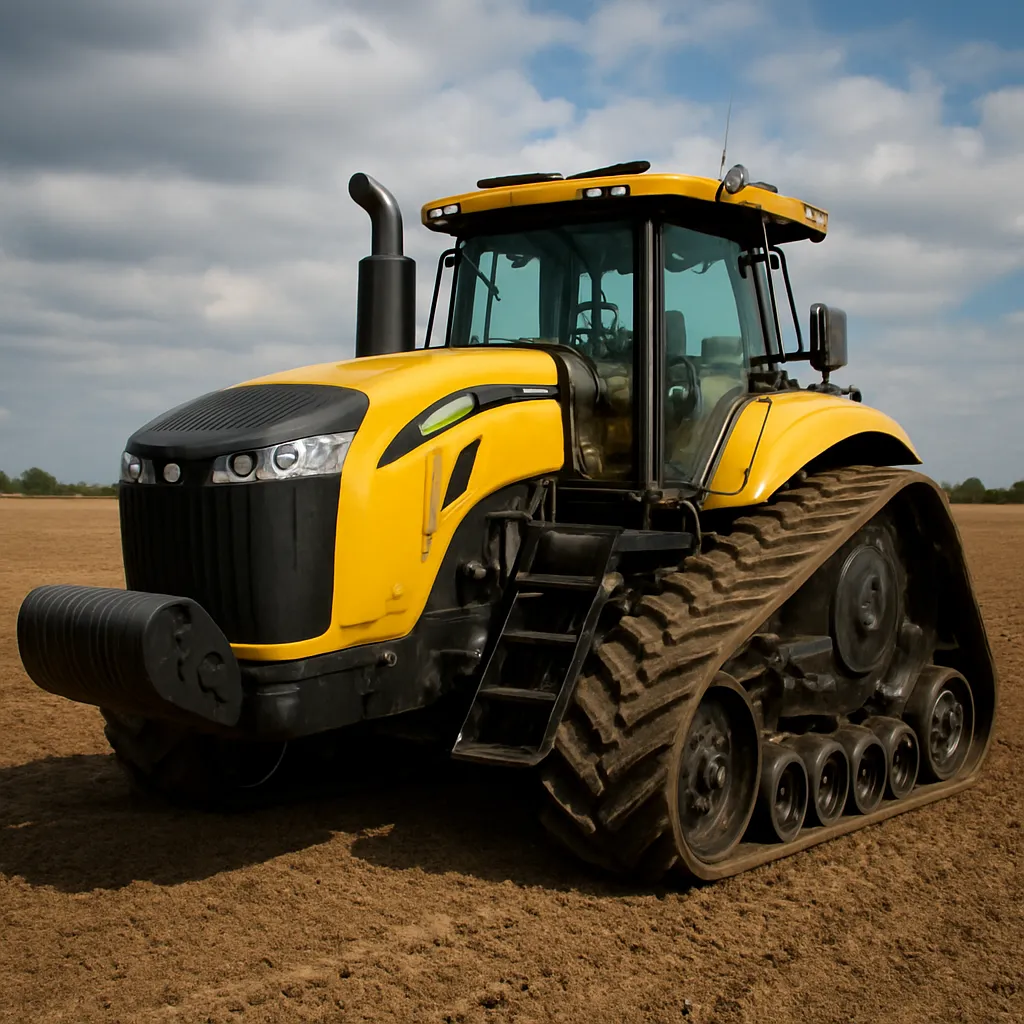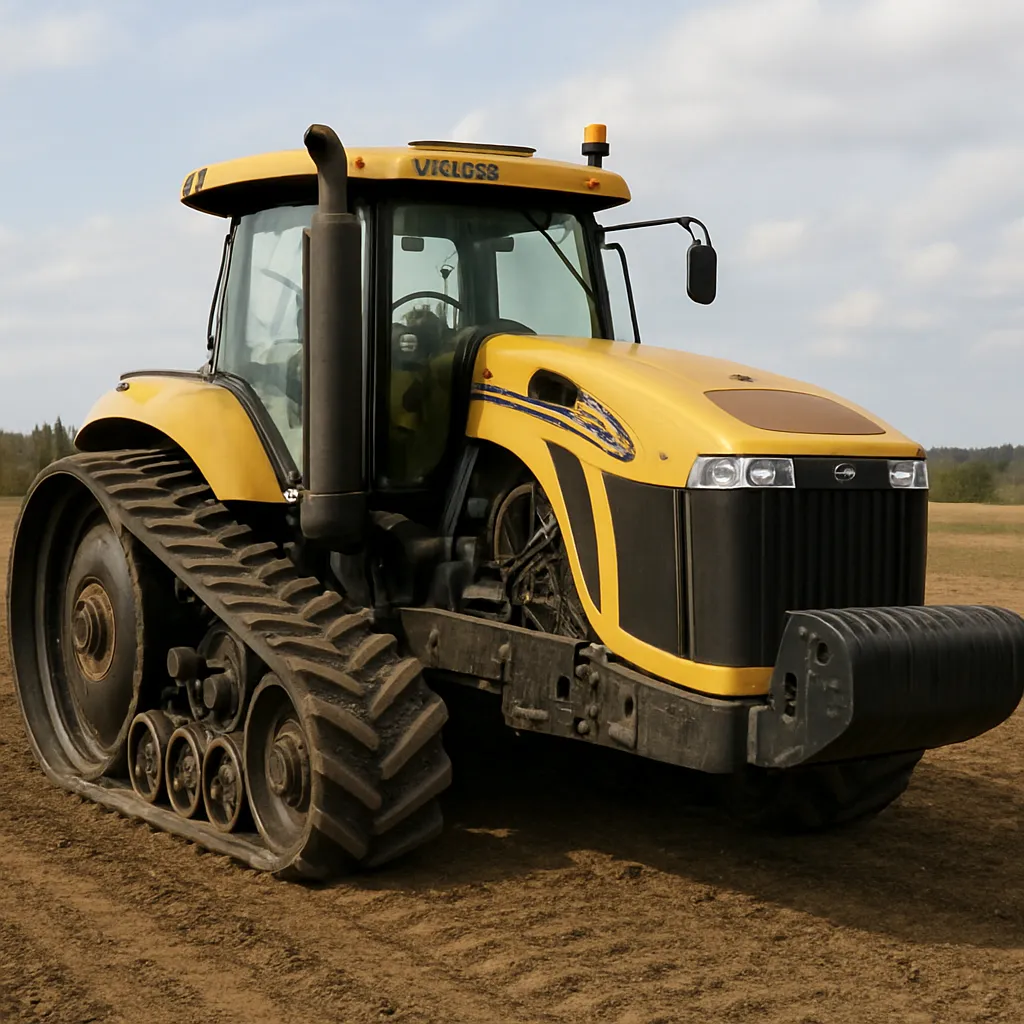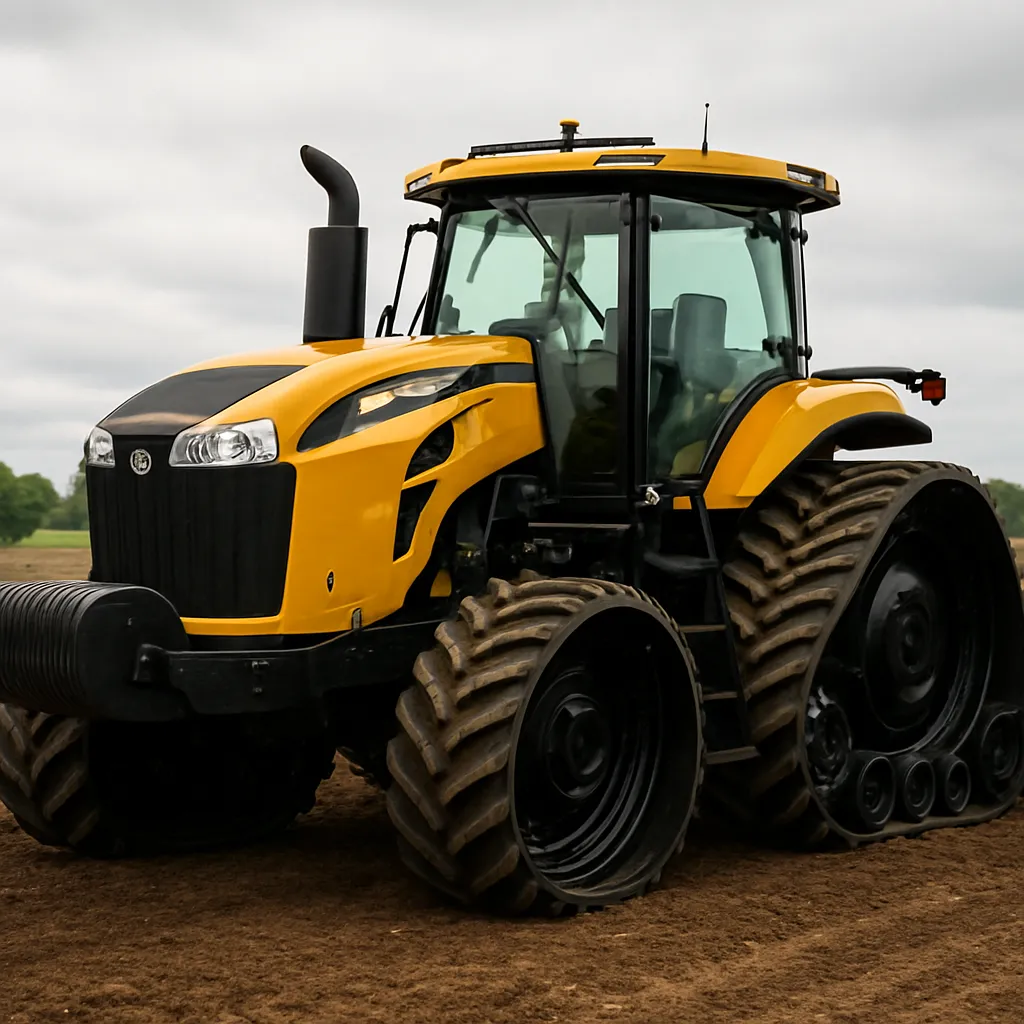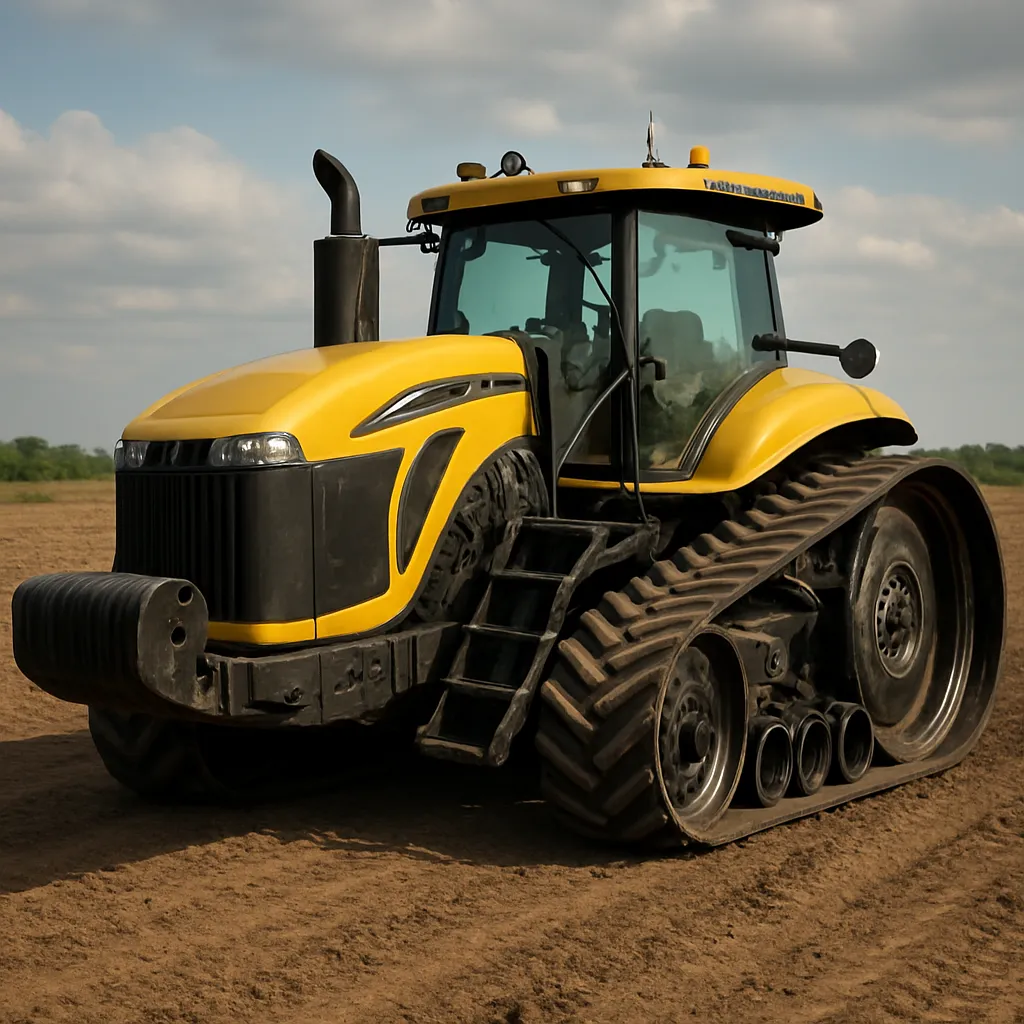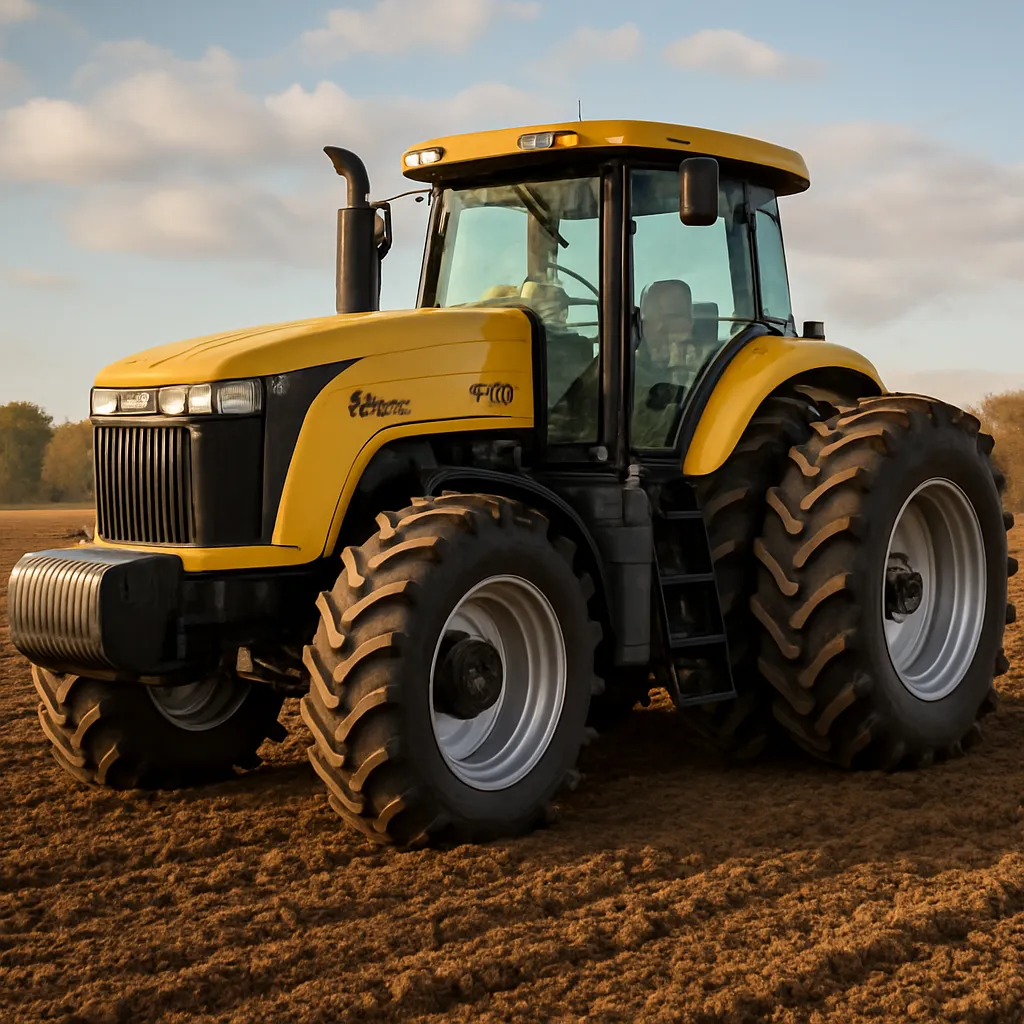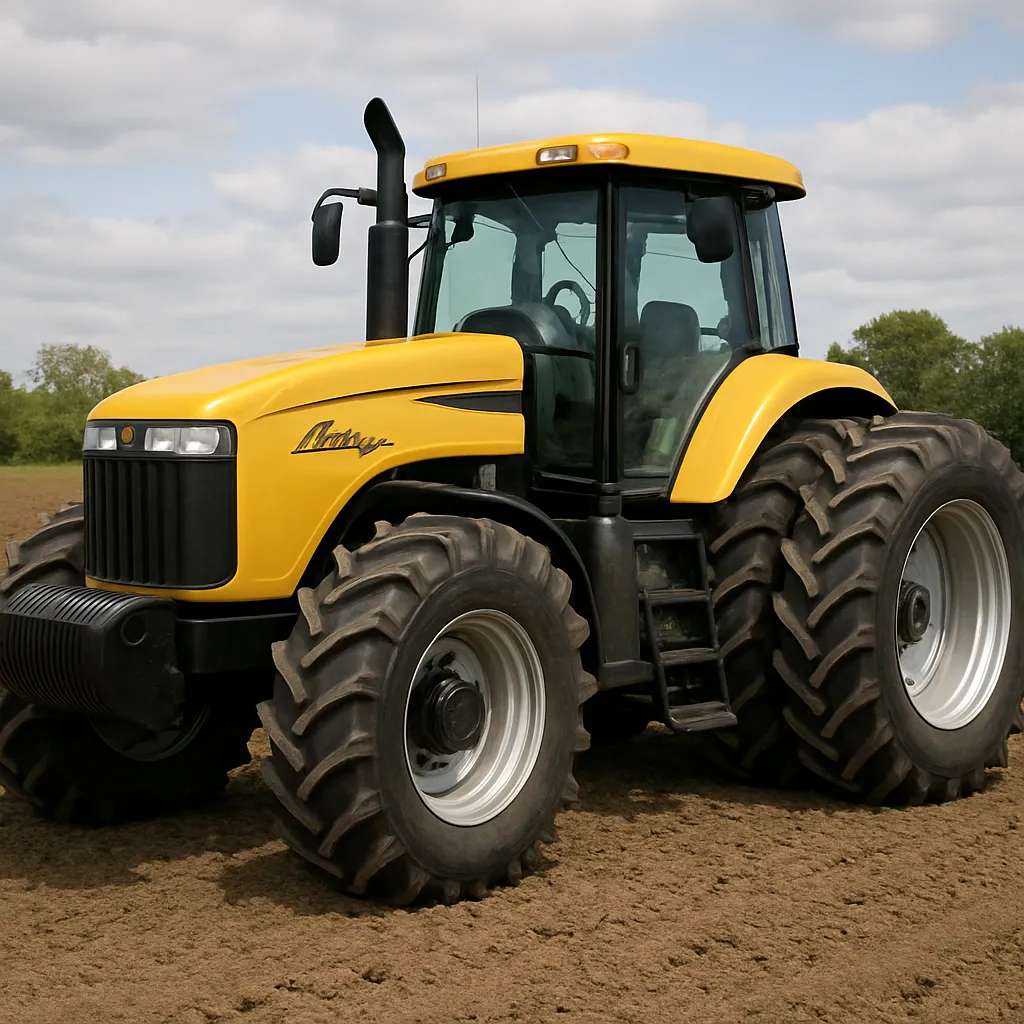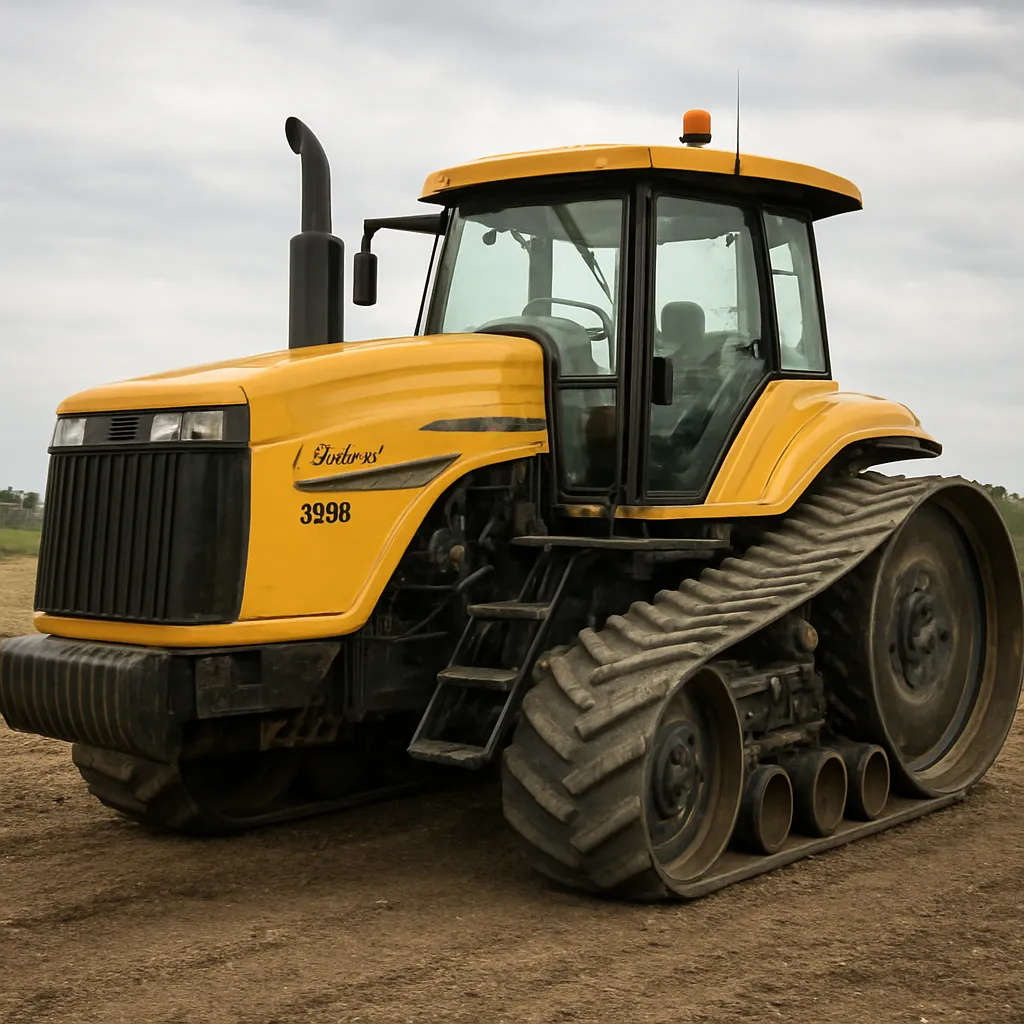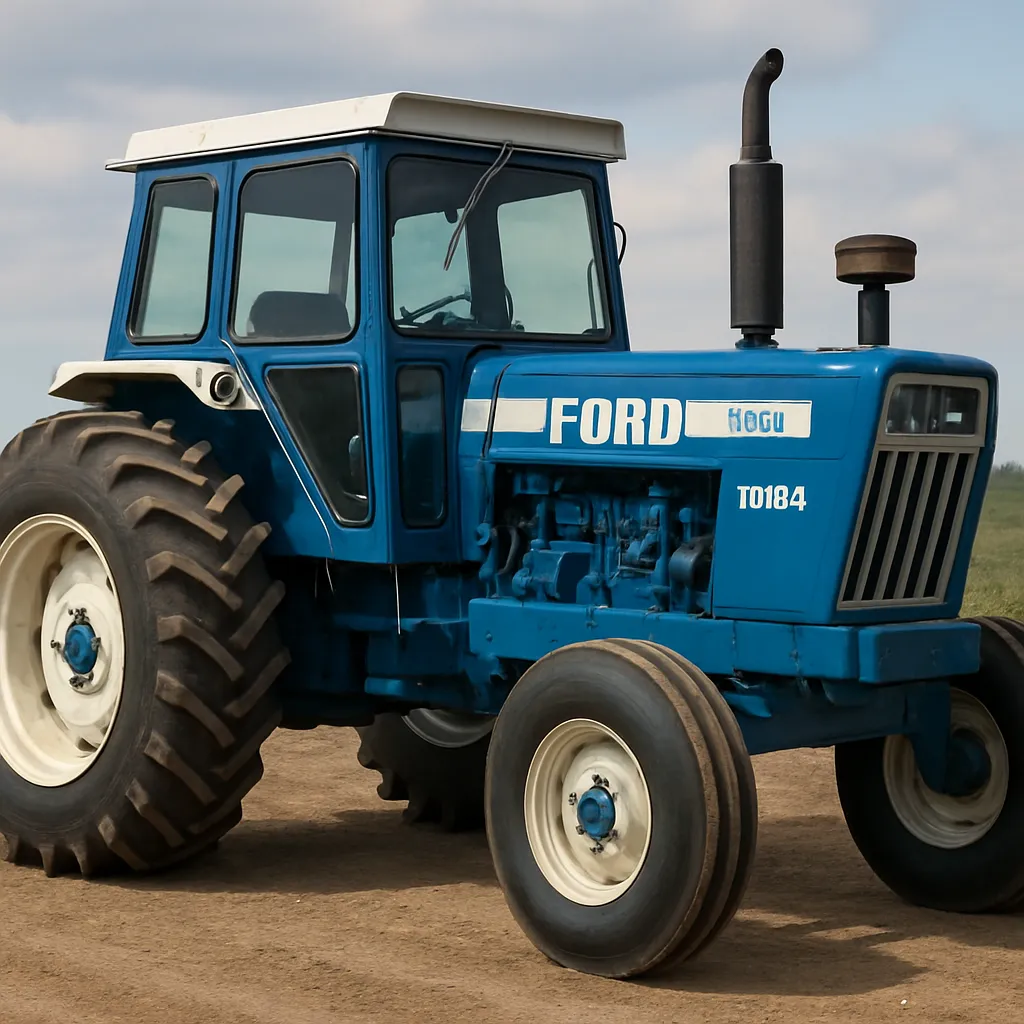
The Ford 9600 Turbo is a well-known workhorse among classic agricultural tractors, appreciated for its combination of sturdy construction, straightforward mechanics and a powerful turbocharged engine for its era. Designed to meet the needs of medium-to-large farms and contractors, the 9600 Turbo found its place in ploughing, cultivation, transport and heavy implement work across Europe, North America and other agricultural regions. In the following sections I describe its background, technical characteristics, typical uses, maintenance considerations and market presence, highlighting practical data where widely reported and useful technical details for prospective owners and enthusiasts.
History and development
The Ford 9600 emerged as part of Ford’s 9000 series lineup produced during the late 1970s and 1980s. Built on a philosophy of ruggedness and serviceability, the 9000 series aimed to offer greater power and hydraulic capacity than Ford’s earlier mid-range models. The turbocharged variant — commonly referred to as the Ford 9600 Turbo — added a forced-induction option that improved torque and responsiveness under load, which made the tractor more capable with larger implements and in heavy soils.
Manufactured by Ford Tractor (and later under corporate reorganizations involving Ford-New Holland in some markets), the 9600 Turbo was targeted at farmers and contractors seeking a balance between field performance and simple, maintainable systems. Its production era coincided with growing demand for more fuel-efficient yet higher-output diesel engines, and the turbocharged Ford powerplants reflected that trend.
Technical characteristics and performance
The Ford 9600 Turbo is characterized by a six-cylinder diesel engine equipped with a turbocharger. Exact figures vary by market, year and configuration, but the tractor is commonly associated with the following broadly reported ranges and features:
- Engine: inline six-cylinder diesel, naturally robust cast-iron construction; turbocharged variants increase mid-range torque and overall responsiveness under load.
- Horsepower: typically reported in the range of approximately 120–150 engine horsepower (crank) depending on tuning and year. PTO horsepower is generally lower than engine horsepower by common drivetrain losses; reported PTO figures tend to fall around the high 80s to low 100s horsepower range for well-maintained units.
- Torque: turbocharging was intended to boost low-end torque, improving drawbar and draft performance. Exact torque numbers vary; turbo versions are typically rated substantially higher in usable torque versus non-turbo peers.
- PTO: standard rear PTO with common agricultural speeds (540/1000 rpm on many units or selectable options), enabling use of rotary mowers, balers and PTO-driven implements.
- Transmission: mechanical gearbox options ranged from synchronized gearboxes to semi-powershift variants depending on the market and year. Gearing allowed a range of field speeds and road speeds suitable for transport tasks.
- Hydraulics: three-point hitch category and hydraulic lift capacity were designed to handle heavy ploughs, seed drills and front loaders. Hydraulic flow and control options enabled a variety of modern (for the time) implements to be used.
- Weight and dimensions: substantial cast-steel chassis and robust axles gave the tractor a heavy, stable footprint. Curb weights for similar tractors of this class generally fall into the several-ton range (typically around 4–5 tonnes), which enhances traction but affects transport considerations.
- Fuel capacity and consumption: fuel tank sizes commonly ranged from moderate to large to support long working days; actual consumption depends heavily on load, implement and field conditions. Turbocharged engines typically offer better efficiency per unit of power produced under load than naturally aspirated counterparts.
Performance in practice: In field use the turbocharged engine allowed operators to maintain higher forward speeds at lower gear selections while pulling heavy implements, translating to improved daily output during ploughing, subsoiling or heavy cultivation. The extra torque at lower rpm helps reduce gear shifting and clutch wear under heavy draft conditions.
Applications and typical uses
The Ford 9600 Turbo was designed to be versatile and to handle a wide range of agricultural and light-contracting tasks. Typical applications include:
- Primary tillage: ploughing with multi-furrow ploughs, power-harrowing and deep cultivation where significant drawbar pull and hydraulic capacity are required.
- Seedbed preparation and seeding: running heavy cultivators, discs and seed drills across larger acreages.
- Baling and forage: powering balers, mowers, tedders and rakes via the PTO for hay and silage production.
- Loading and material handling: fitted with front loaders, the 9600 Turbo worked well for farmyard duties such as moving silage, manure and palletised goods, thanks to solid hydraulic support and good mid-range torque.
- Transport and roadwork: the tractor’s gearing and torque enabled efficient short-distance transport of trailers and implements between fields, though long-distance road travel remains limited by its agricultural gearing and weight.
- Contracting and specialized tasks: in the hands of contractors, it served in subsoiling, mole-ploughing and even snow clearance with the right attachments.
Because of its combination of power and reliability, the 9600 Turbo was often chosen for mixed farms, larger arable operations and smaller contracting businesses that required a tractor capable of extended daily use without excessive complexity.
Maintenance, reliability and common issues
One of the appealing factors for many owners of the Ford 9600 Turbo is the relative simplicity and robustness of its mechanical systems. Routine maintenance tasks—oil and filter changes, injector adjustments, valve clearances, fuel filter replacements and turbocharger inspections—are straightforward for experienced mechanics and farmers with workshop experience. Key maintenance and reliability aspects include:
- Turbo care: since the tractor uses a turbocharged engine, attention to warm-up and cooldown procedures (allowing turbo to spool and cool) helps extend turbo life.
- Fuel system: diesel injectors and pumps are wear items; using clean fuel and regular filter changes reduces problems. Older units may need injector servicing or pump overhauls after extended use.
- Cooling system: radiator and coolant system maintenance is crucial—overheating can cause head gasket issues or engine damage. Keeping the cooling system clean and the thermostat and water pump in good condition is essential.
- Hydraulics: seals, hoses and pumps require inspection; worn components affect lift capacity and loader performance.
- Transmission and clutches: clutch wear is influenced by operation style and load; transmissions are generally durable but can show wear in gear synchros on very high-hour machines.
Common issues reported on older units typically reflect age-related wear: turbocharger wear, injector or injection pump degradation, regulator problems, hydraulic leaks and electrical starter or alternator troubles. However, many of these can be repaired or replaced with commonly available parts through specialist suppliers and second-hand parts markets.
Upgrades, modifications and aftermarket support
Because the Ford 9600 Turbo is a popular classic tractor, an active aftermarket of parts and upgrade options exists. Typical modifications and upgrades include:
- Turbo rebuilds or upgrades for improved longevity and efficiency.
- Improved seat and cab comfort packages (if the unit originally had minimal cab insulation).
- Modern hydraulic conversions or auxiliary valve installations to run contemporary implements.
- Electrical upgrades such as improved lighting, alternators or starter systems for reliability during cold starts and night work.
- Retrofitted front loaders or specialised attachments for diversified farmwork.
Availability of parts is generally good in regions with a historical Ford tractor presence, and specialist restoration shops often support enthusiasts restoring these machines to working condition or to show standards.
Market value, collectability and cultural legacy
Values for the Ford 9600 Turbo on the used market vary widely depending on condition, hours, region and whether the tractor has been restored or kept strictly functional. Factors that affect market value include:
- Mechanical condition (engine compression, turbo health, hydraulic integrity).
- Hours of operation and maintenance history.
- Originality vs. modified status (collectors often prize original condition; operators may prefer practical upgrades).
- Regional demand for a tractor of that size class—areas with extensive arable farming or contracting needs sustain higher values.
Collectability arises from the tractor’s reputation as a dependable machine from a recognizable manufacturer. Clubs and owner groups dedicated to classic tractors often celebrate models like the 9600 Turbo for their contribution to farm mechanization in the late 20th century. In many locales it remains a sought-after machine for both vintage shows and everyday farmwork.
Practical buying and ownership tips
For anyone considering purchase or long-term ownership of a Ford 9600 Turbo, here are practical checks and tips to perform before acquisition:
- Engine health: check compression, listen for unusual noises, inspect for smoke or oil leaks, and review maintenance records if available.
- Turbo inspection: examine for excessive play in the turbine shaft, oil leaks at the turbo housings and proper boost behavior under load.
- Hydraulic function: test the three-point hitch and any auxiliary circuits under load for creeping, leaks or insufficient lift.
- Transmission and clutch: ensure smooth gear engagement, test for slipping under load and check for leaks or metal in oil.
- Electrical and starter: test lights, charging system and starter operation—older tractors often need alternator or battery upgrades.
- Undercarriage and frame: inspect for cracks, weld repairs, and axle or steering play; heavy instances of structural repair can signal past severe use or accidents.
- Documentation and spares: confirm availability of spare parts in your region and consider joining an owners’ club for technical support and parts sourcing.
Comparison with contemporary models and modern relevance
Compared to contemporary tractors from the same era, the Ford 9600 Turbo offered a competitive mix of horsepower, hydraulic capability and mechanical simplicity. While modern tractors have surpassed classic models in terms of electronic controls, comfort, emissions and fuel efficiency, the Ford 9600 Turbo remains relevant where simplicity and ease of repair are prized. For many operations it still provides a cost-effective platform for heavy draft work without the complexity and cost of modern electronic systems.
Why some farms still prefer classic turbines
On smaller operations or in regions where fuel quality and repair facilities for modern electronic systems are limited, a classic turbocharged mechanical tractor can be more economical to operate and maintain. The straightforward mechanical injection systems and accessible service points allow experienced mechanics to perform major repairs without expensive dealer tools. This practicality contributes to the model’s continuing utility.
Summary
The Ford 9600 Turbo is remembered as a strong, practical and capable tractor that served a wide range of agricultural needs. With its turbocharged engine it improved low-end torque and working efficiency for tasks requiring steady draft power. While exact specifications can vary by market and year, the tractor’s core strengths—durability, serviceability and versatility—keep it valued by both farmers and classic tractor enthusiasts. Potential buyers should focus on turbo and injection system condition, hydraulic integrity and transmission health, and will generally find a helpful network of aftermarket suppliers and owner groups to support continued operation.