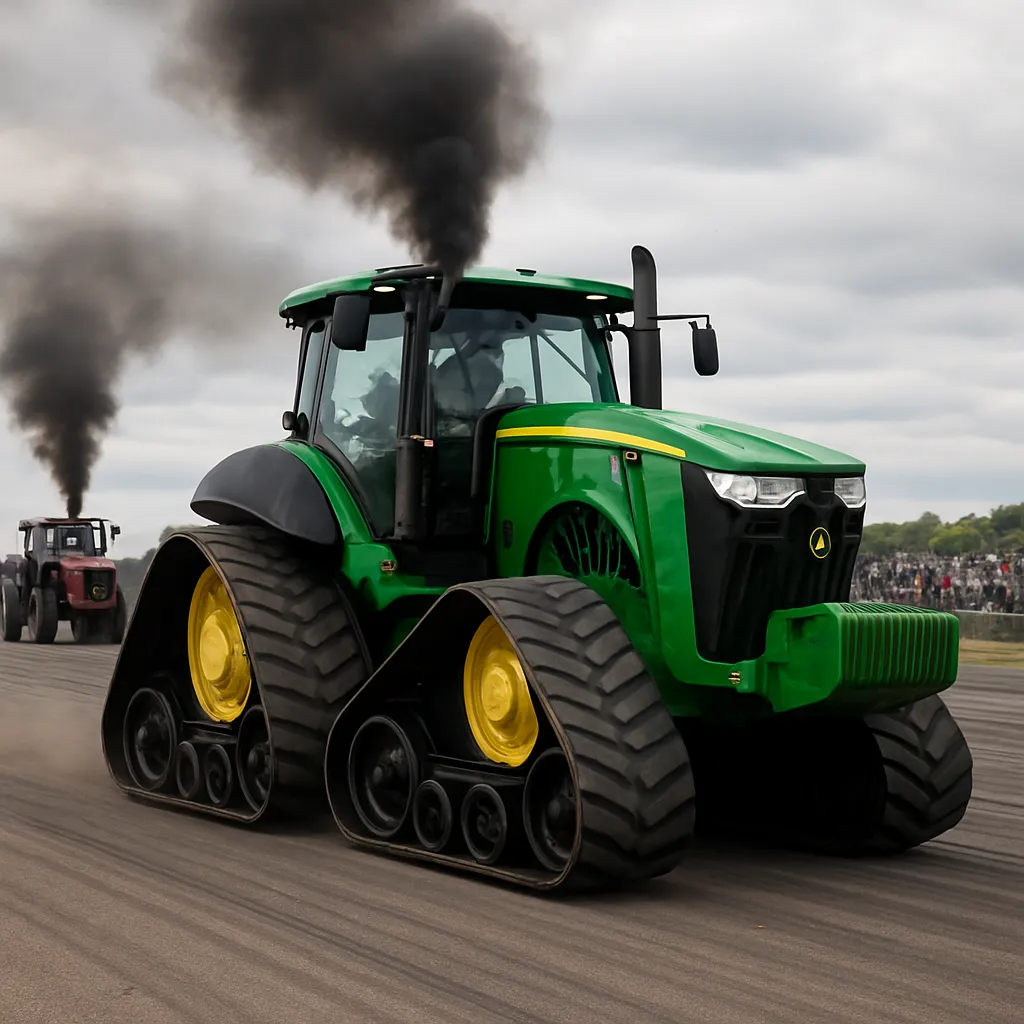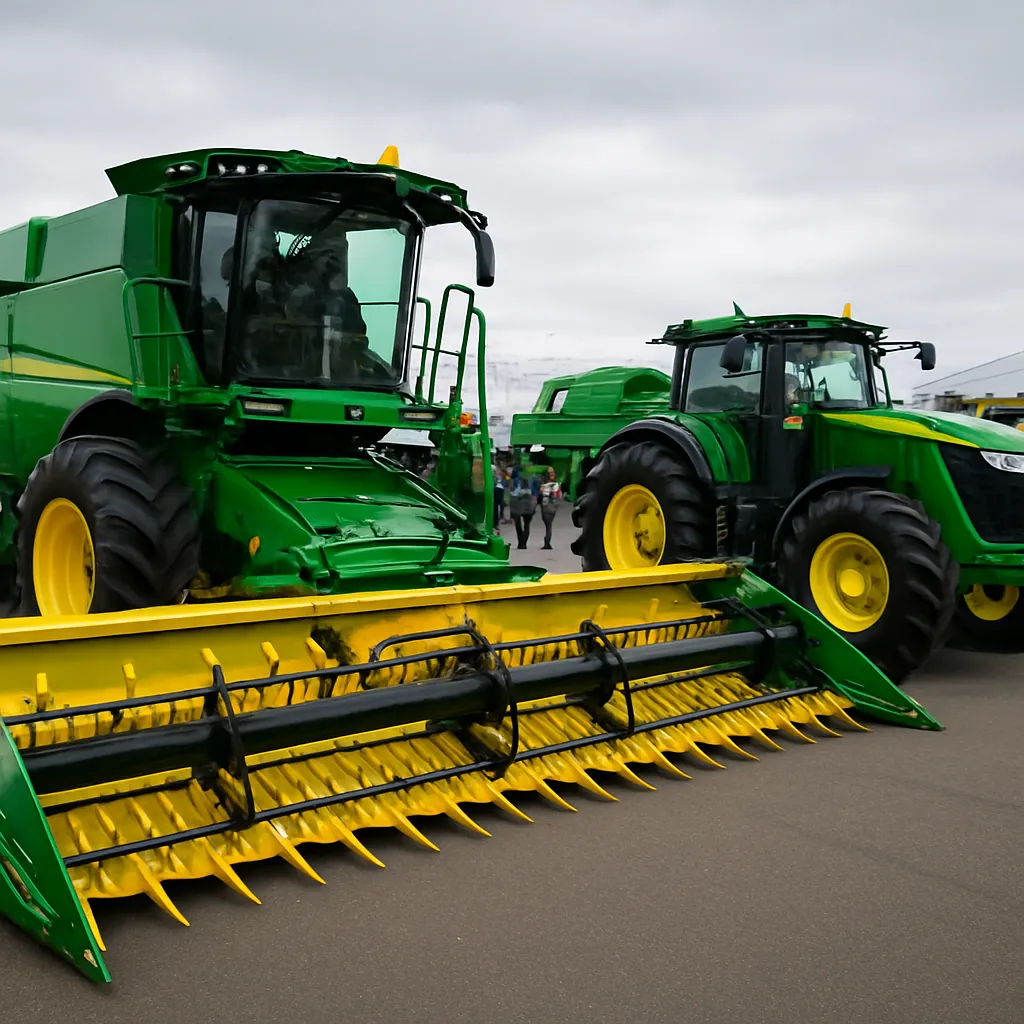
The Agritechnica exhibition in Hanover has once again become the stage for the world’s most impressive agricultural machinery. Enthusiasts, farmers, and industry experts gathered to witness the unveiling of the biggest tractors and groundbreaking innovations designed to tackle today’s farming challenges. This article explores the giants on display, highlights cutting-edge technologies, and examines their impact on modern agriculture.
Powerhouses on Wheels: The Largest Tractors Unveiled
Record-Breaking Horsepower
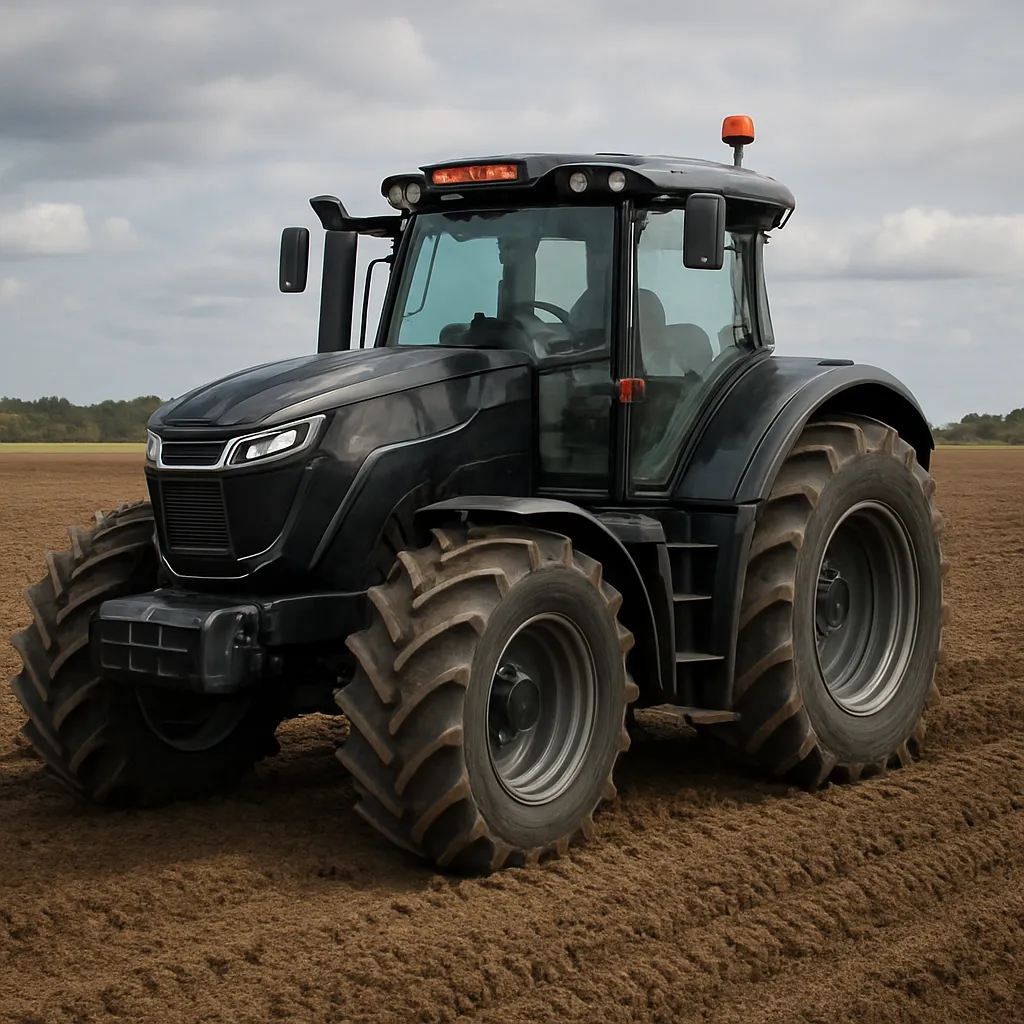
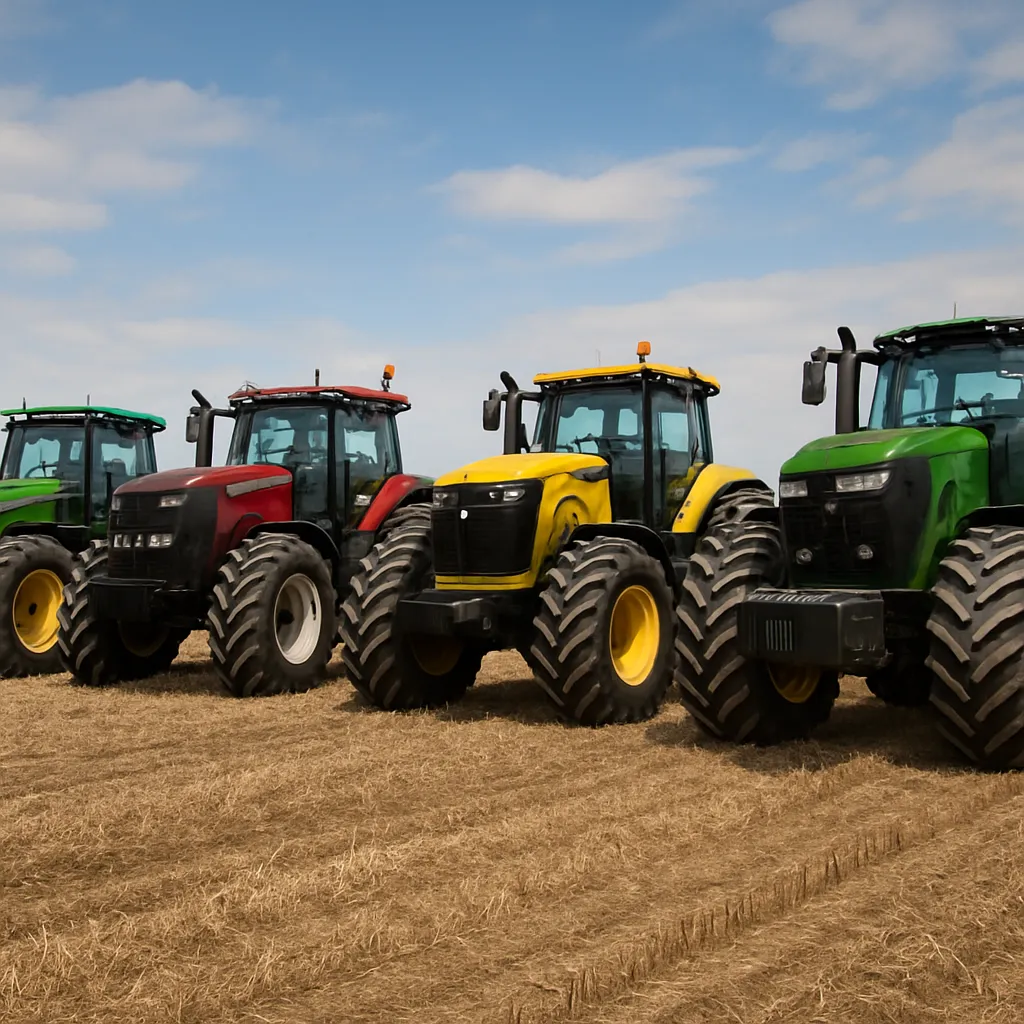
At the heart of every jumbo tractor is its engine. Several manufacturers competed to showcase the highest horsepower units, with outputs exceeding 700 HP. These powerhouses are built to pull the heaviest implements, from multi-section plows to 12-m seed drills. Brands like Challenger, Fendt, and New Holland pushed boundaries by integrating engines that deliver both raw muscle and refined efficiency.
Massive Dimensions and Weight
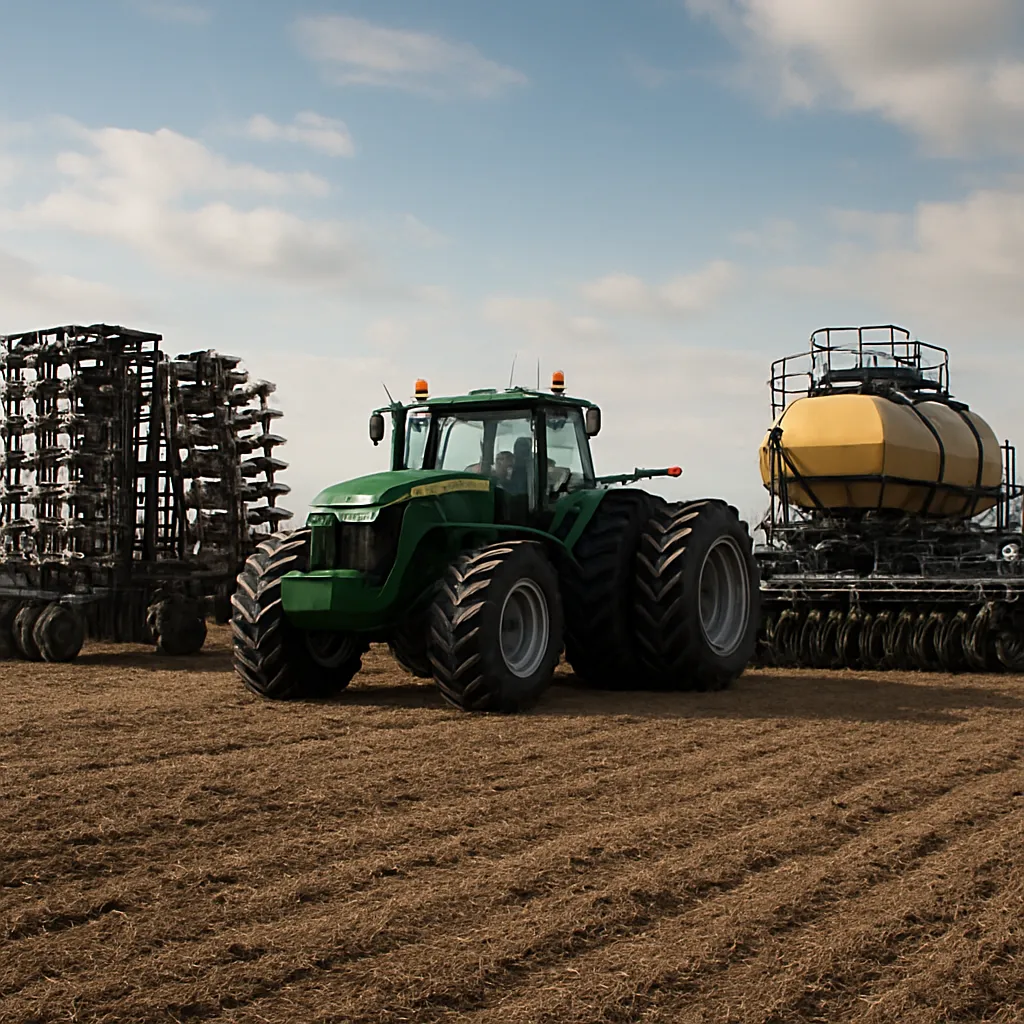
Size matters when it comes to ground coverage. Tractors on display featured wheelbases surpassing 3.5 meters and total weights over 20 metric tons. To maintain soil health, some models adopted double wheels or wide rubber tracks that increase footprint and reduce compaction. Others offered adjustable tread widths, allowing operators to tailor the stance for row-crop or broadacre work.
Chassis and Structural Reinforcements
The gargantuan mass of these machines demands reinforced frames and axles. Many exhibitors emphasized tensile steel and high-strength alloys to withstand intense twisting forces. Integrated ballast systems, employing heavy-duty weights or liquid-filled modules, ensure optimal traction under varying field conditions. Enhanced front axles, with four-wheel steering options, deliver both stability and maneuverability despite imposing proportions.
Engineering Marvels: Technology and Innovations
Precision Farming and Connectivity
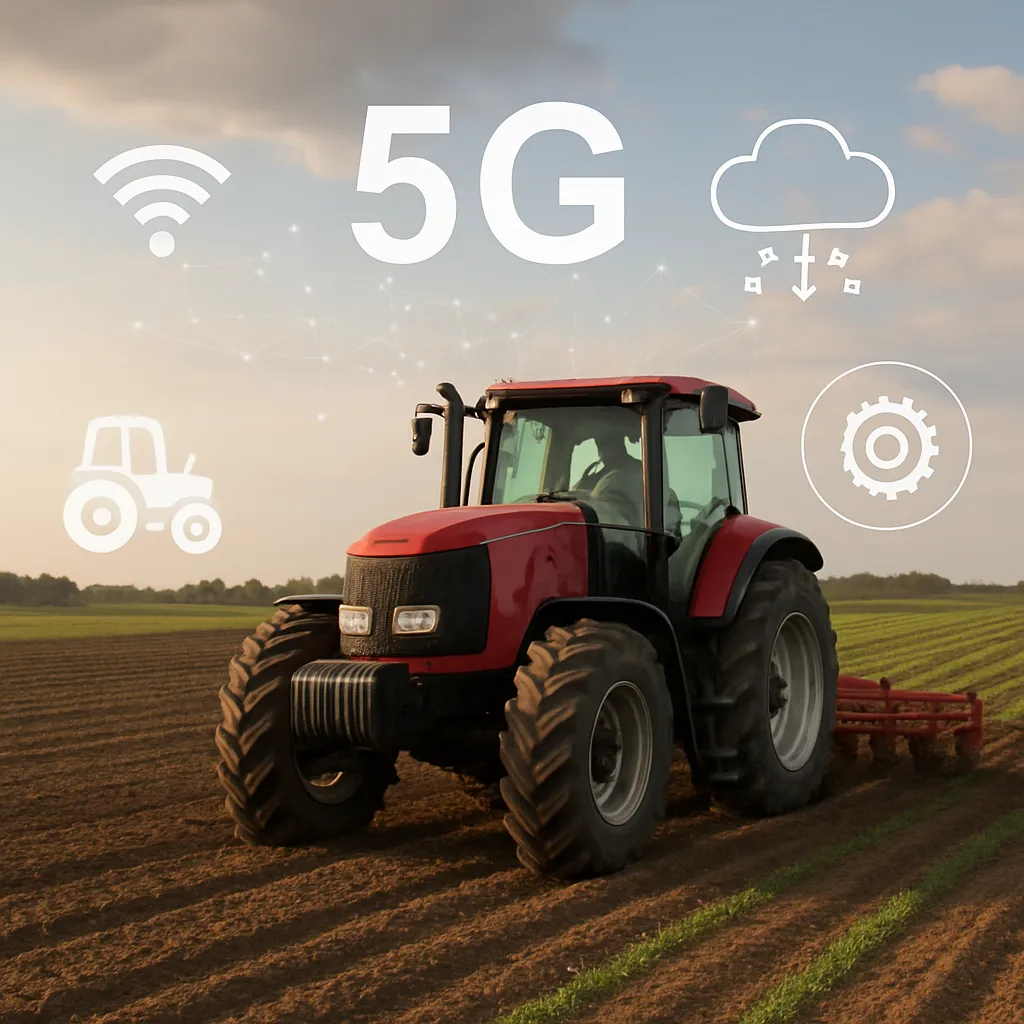
Modern big tractors are as much data centers as they are mechanical giants. Onboard computers leverage GPS-guided auto-steering to achieve centimeter-level accuracy in seed placement and fertilizer application. Wireless connectivity modules transmit real-time telemetry to farm management platforms, enabling remote monitoring of engine performance, fuel consumption, and maintenance alerts.
Advanced Transmission Systems
- Continuously Variable Transmissions (CVT) for seamless speed adjustments under load.
- Power-shift transmissions with up to 24 forward and 6 reverse gears, allowing precise control over ground speed.
- Integrated torque converters that multiply engine torque at low speeds, essential for heavy draft work.
These transmissions maximize efficiency, reduce operator fatigue, and extend service intervals by maintaining optimal rpm under all working conditions.
Alternative Powertrains: Hybrid and Electric Concepts
While diesel remains dominant, some prototypes showcased hybrid systems combining electric motors with traditional engines. These setups allow engine-off operation for low-power tasks, such as front-loader work or PTO-driven implements, slashing fuel consumption and emissions. Fully electric tractors are still nascent, but concept models demonstrated battery packs capable of several hours of medium-duty field operations.
Emission Control and Sustainability
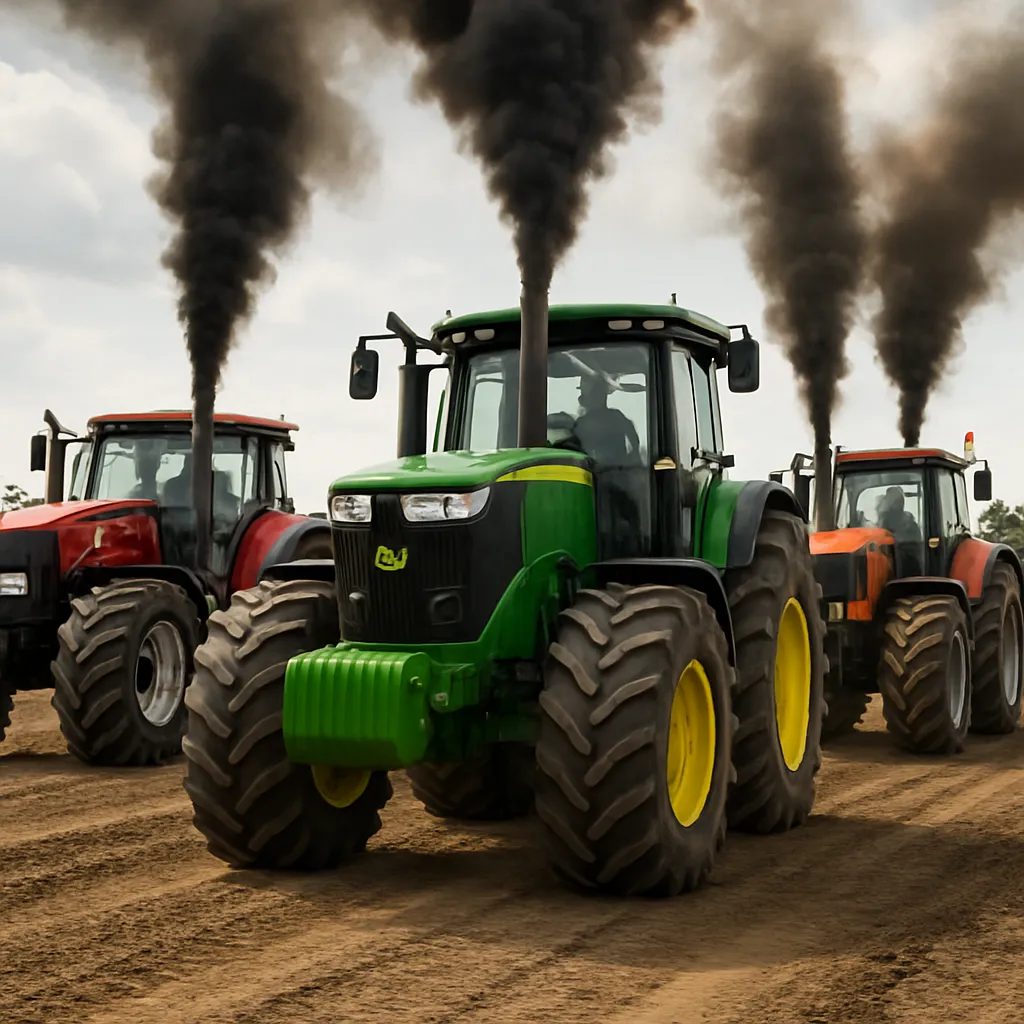
Meeting the latest Tier 5 emissions regulations pushes manufacturers to innovate in aftertreatment systems. Diesel particulate filters, selective catalytic reduction (SCR), and exhaust gas recirculation (EGR) are now standard on high-output tractors. Some exhibitors took sustainability further, integrating onboard sensors to optimize engine maps, reducing fuel burn and carbon footprint during long shifts in the field.
Field Applications and Future Prospects
Heavy Tillage and Soil Preparation
Big tractors excel at primary tillage. Equipped with 8–12 furrow plows or multi-section discs, they can cover up to 50 hectares per day in deep ripping operations. This capability accelerates field turnaround before planting, especially in regions with narrow weather windows. Variable-angle plows, automatically controlled via actuators, adapt to soil hardness on the fly, ensuring uniform residue mixing and seedbed preparation.
Seeding, Fertilizing, and Planting
Precision seed drills attached to large tractors accurately place seeds and inject fertilizer in a single pass. Recent developments include:
- Sectional control to switch off individual seed rows, eliminating overlap and reducing input costs.
- Variable rate application based on field prescription maps, optimizing nutrient distribution and boosting yield potential.
- Integrated coulter systems capable of managing high residue levels post-harvest without plugging or wear.
Towing Massive Harvest Implements
When harvest season arrives, few things rival the spectacle of a 12-row combine header drawn by a mega tractor. Harvest machines in some demonstrations tipped the scales at over 25 tons, demanding robust hitches and hydraulic systems. High-capacity grain carts, with unloading augers exceeding 1 tonne per minute throughput, require synchronized speed control to minimize downtime during continuous field transfers.
Operator Comfort and Ergonomics
Spending 12+ hours in the cab demands ergonomic excellence. The latest models feature heated leather seats with multi-axis suspension, panoramic glass roofs for improved visibility, and climate-controlled storage compartments. Intuitive touchscreen consoles allow operators to program work settings, monitor implements, and engage automated field routines without leaving their seats.
Toward Autonomous and Collaborative Farming
Looking ahead, the integration of AI and robotics points to fleets of autonomous tractors working in tandem. Concepts displayed at Agritechnica included master-slave configurations where one manned unit leads several unmanned tractors. Coordinated via high-bandwidth wireless networks, these formations can perform scouting, planting, and spraying tasks around the clock with minimal human oversight.
Challenges and Adoption Barriers
Despite the allure of mega tractors, adoption faces hurdles:
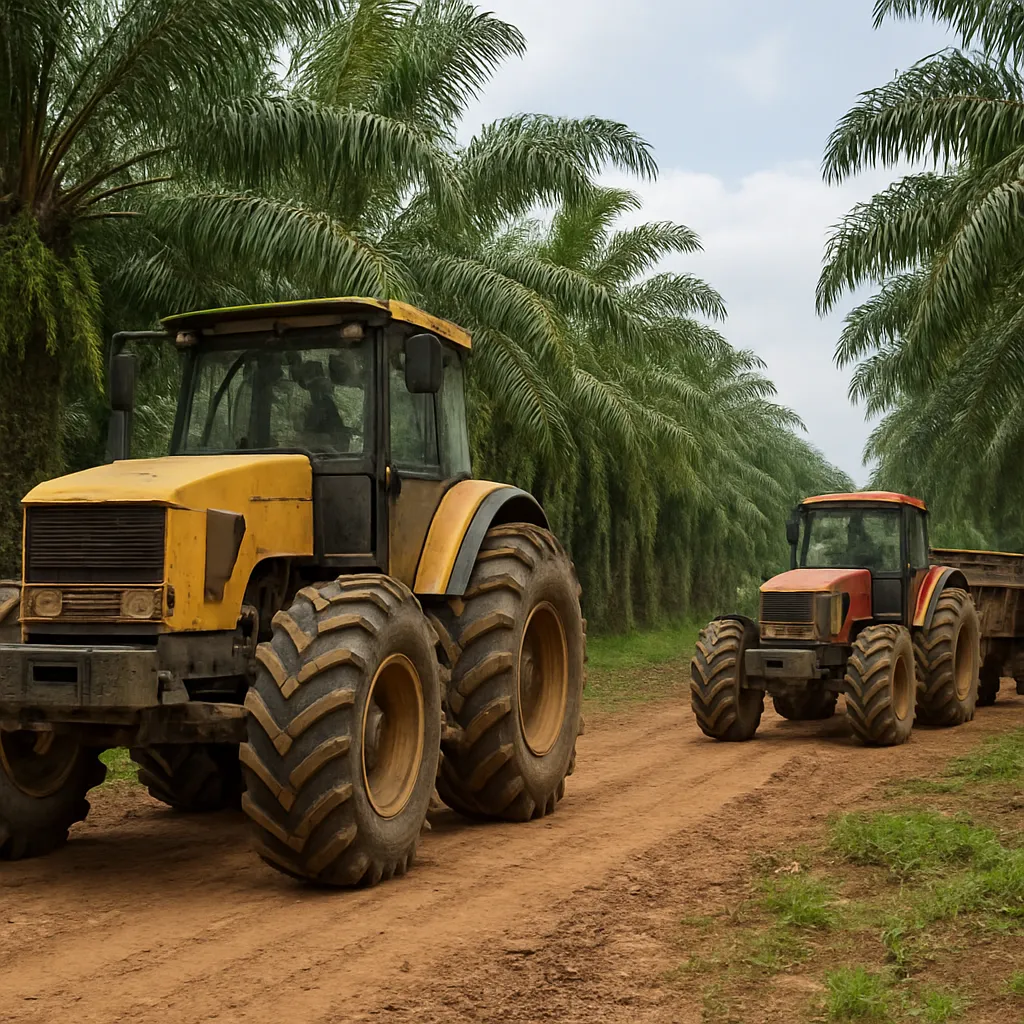
- Infrastructure demands: Wider lanes and reinforced bridges to support extra weight.
- High capital costs, making ROI calculations critical for mid-sized farms.
- Training requirements for operators to master complex control systems.
- Potential soil compaction issues, necessitating cover crop strategies or controlled traffic farming.
Addressing these challenges will be key to widespread acceptance and long-term sustainability.
Vision for the Next Generation
Modular Design Approaches
Future platforms will emphasize modularity. Swappable power packs—diesel, battery, or hydrogen cell—could fit a standardized chassis, allowing farmers to adapt machines seasonally. Interchangeable tool mounts and quick-release hydraulic couplers will further enhance flexibility, reducing downtime between tasks.
Data-Driven Decision Making
The convergence of telematics, drones, and in-field sensors will elevate farming to a new level of precision. Tractors will serve as mobile data hubs, collecting soil moisture readings, crop health imagery, and weather data, then feeding these inputs into decision support systems. This closed-loop approach promises higher yields, reduced chemical usage, and optimized resource allocation.
Community and Cooperative Models
The sheer scale of mega tractors may encourage cooperative ownership models. By pooling resources, small and medium-sized farms can share access to top-tier machinery. Cooperative platforms, supported by digital marketplaces, will schedule equipment usage, track maintenance, and distribute costs transparently among members.