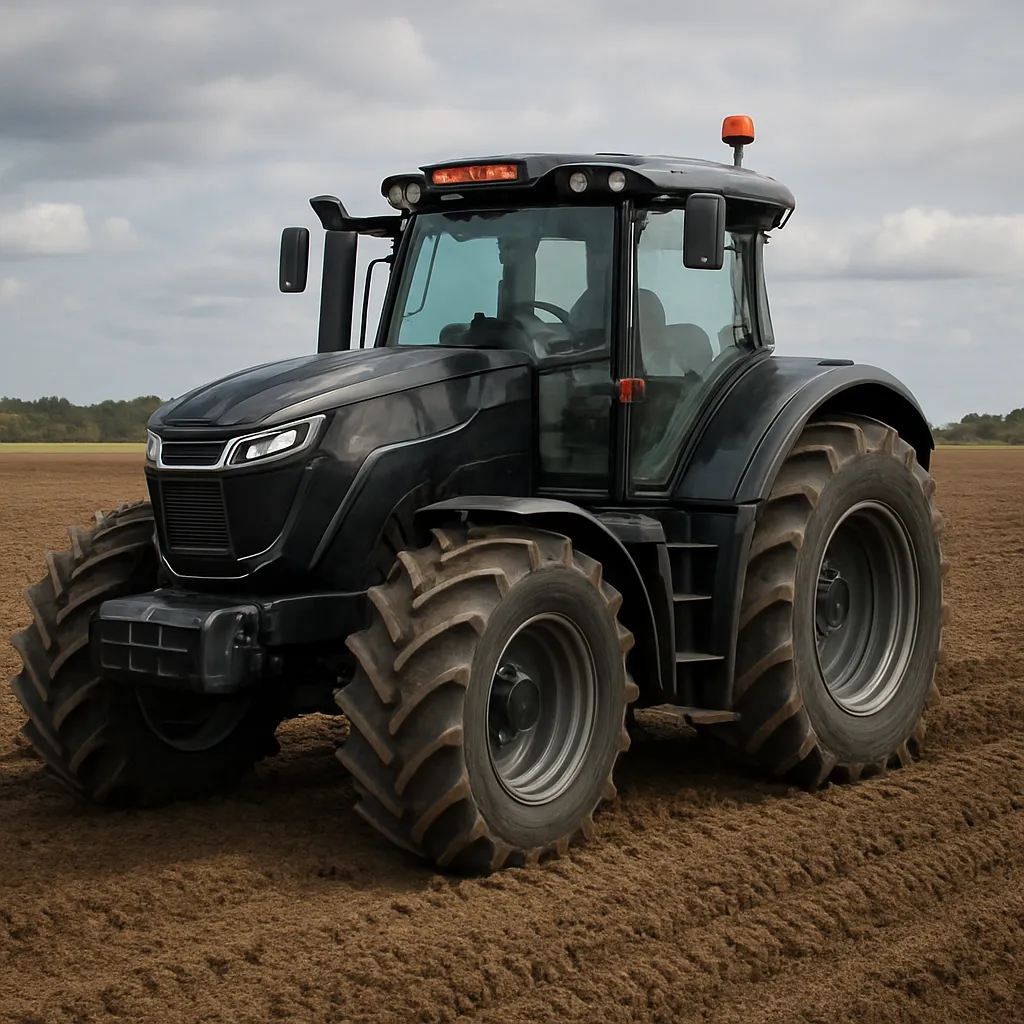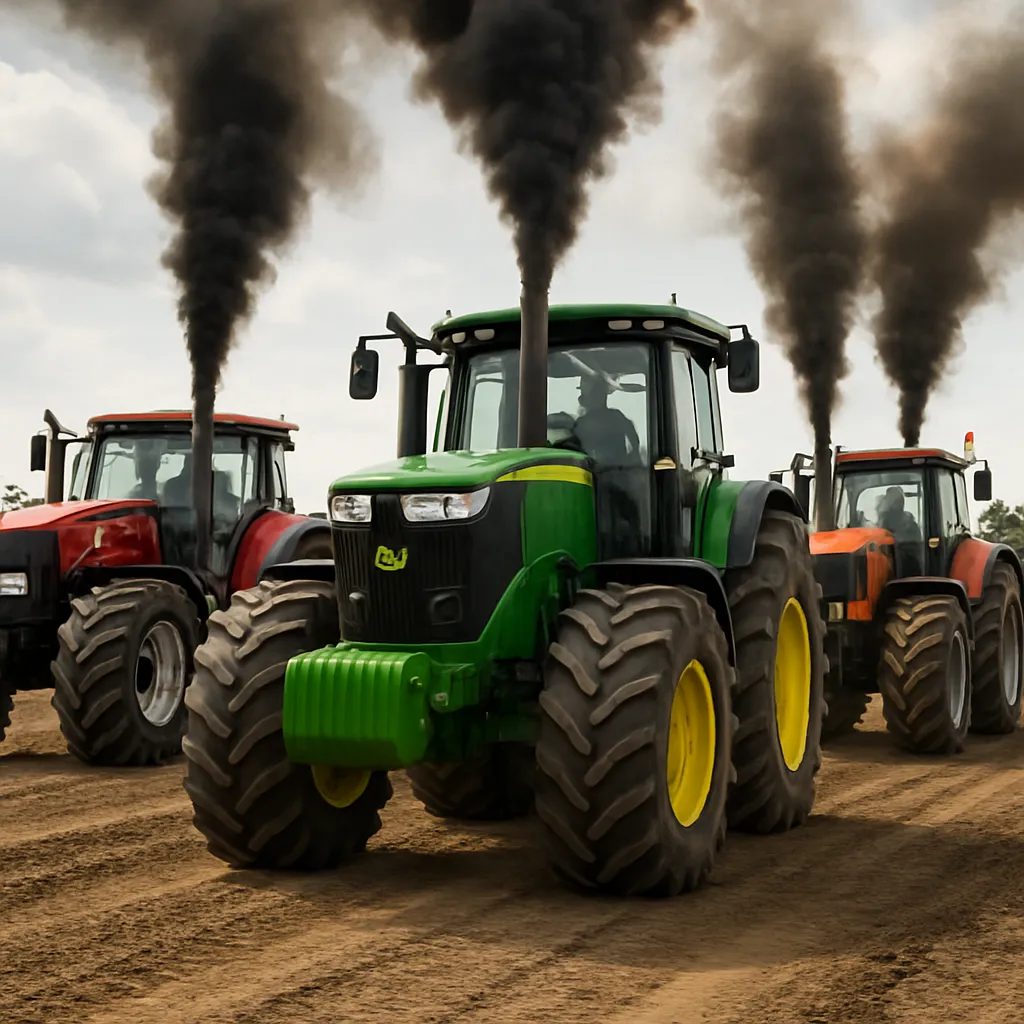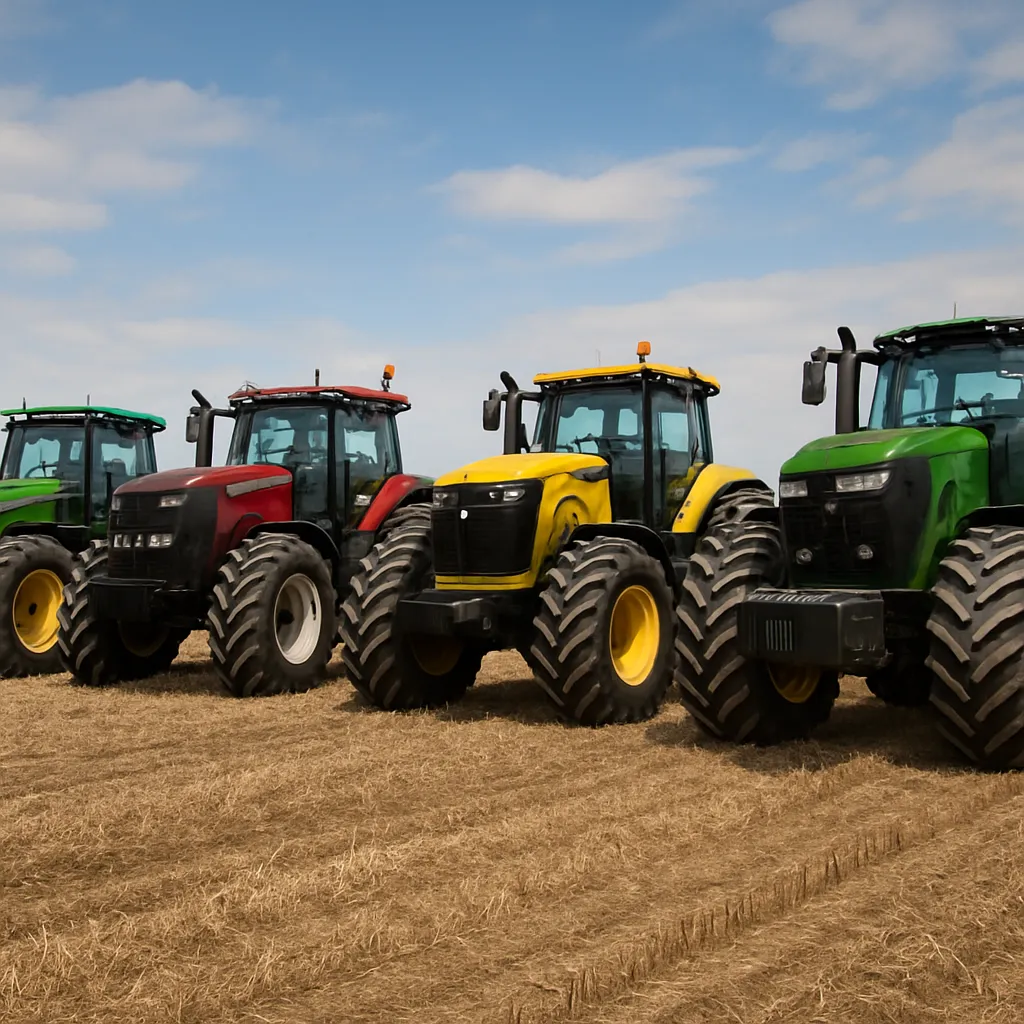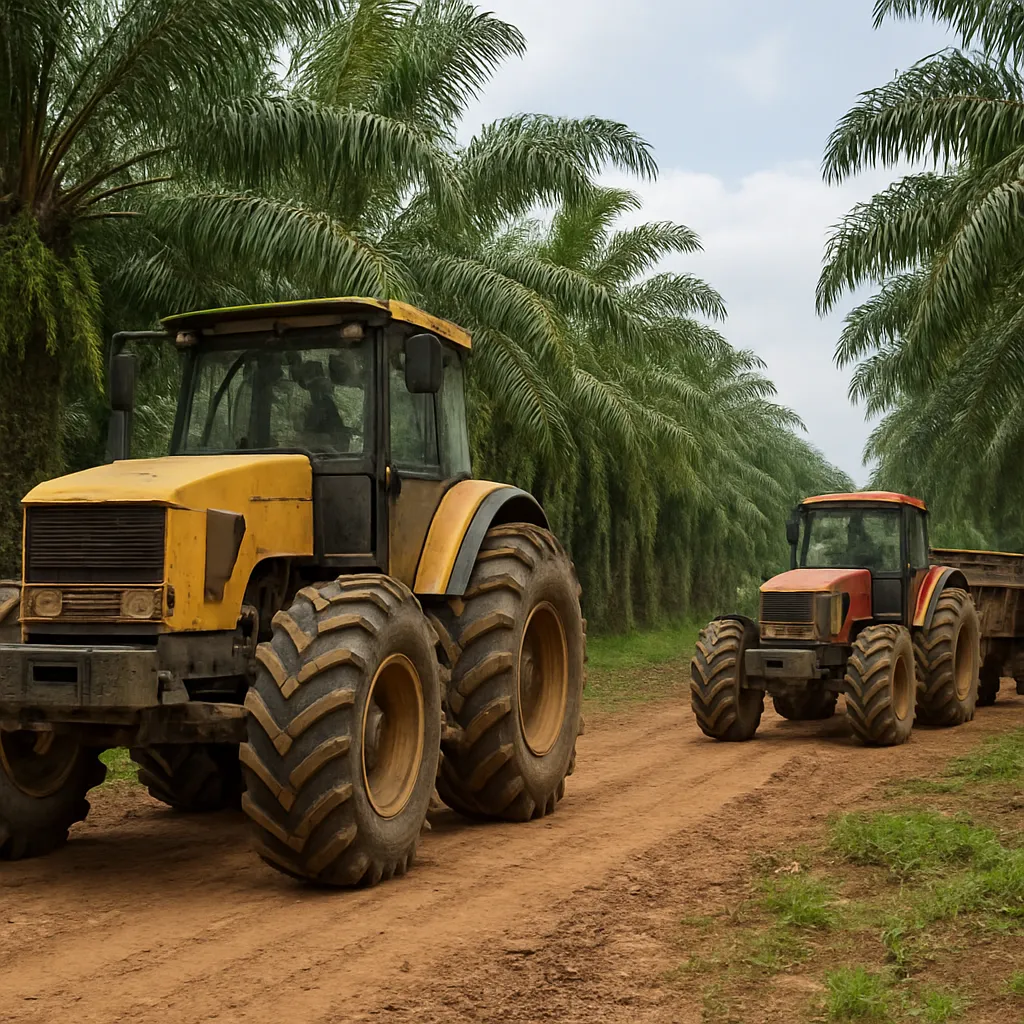
Giant tractors represent the pinnacle of agricultural and industrial machinery, combining sheer horsepower with unparalleled durability to tackle the most demanding tasks. From vast grain fields to massive earthmoving projects, these mechanical behemoths redefine what it means to work at scale. Their design embodies a fusion of cutting-edge engineering principles, robust materials, and rigorous testing protocols, ensuring each unit delivers consistent performance under the harshest conditions. This article explores the evolution, design intricacies, and real-world applications of the world’s largest and most resilient tractors.
The Evolution of Giant Tractors
The journey from modest farm vehicles to today’s titanic machines has been driven by escalating demands for higher efficiency and larger field coverage. As farms expanded into mega-operations and construction sites grew in scope, manufacturers responded with increasingly powerful and durable models. Early prototypes featured single-cylinder engines and rudimentary steel frames; modern marvels boast multi-cylinder powerplants and advanced composite structures, illustrating a dramatic leap in innovation over the past century.
Early Pioneers
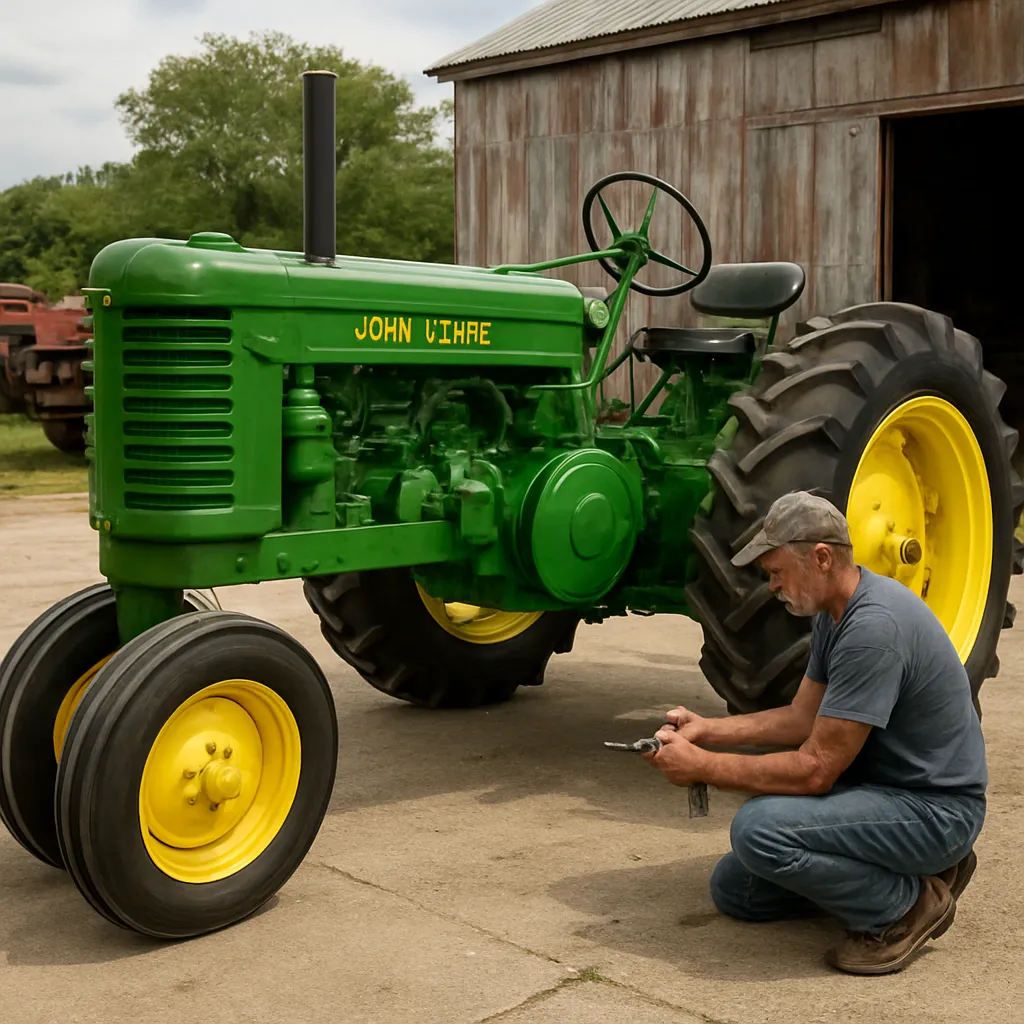
In the early 20th century, inventors like Henry Ford and Benjamin Holt laid the groundwork for traction engines and crawler tractors. Their machines, though primitive by today’s standards, introduced the concept of mechanized fieldwork—transforming arduous manual labor into manageable operations. Key milestones included:
- Introduction of track-laying designs that improved traction on soggy fields.
- Adoption of multi-speed transmissions, allowing better control over varied terrain.
- Incremental increases in horsepower, from single digits to over 20 HP by the 1920s.
Technological Advancements
Post–World War II innovations spotlighted diesel engines, pressurized hydraulic systems, and all-wheel-drive configurations. These enhancements laid the foundation for contemporary giants, showcasing improvements in:
- Reliability: Engine designs focused on consistent startup and operation in extreme climates.
- Hydraulics: High-pressure circuits powered heavier attachments with precise control.
- Electronics: Early onboard diagnostics signaled a shift toward computer-aided maintenance and performance tuning.
Engineering for Extreme Durability
Building a tractor capable of thousands of operating hours over rough terrain requires meticulous attention to component strength and system integration. Modern manufacturers subject each element—from the chassis to the engine block—to exhaustive stress tests, simulating decades of use in accelerated laboratory conditions.
Reinforced Frames and Materials
The backbone of any giant tractor is its frame. Engineers utilize high-grade, heat-treated alloys and finite element analysis (FEA) to optimize structural integrity without excessive weight. Critical load-bearing components receive additional reinforcement through multi-layer welding techniques and strategic ribbing. Some key material choices include:
- Chromium-molybdenum steel for ultimate frame rigidity.
- Aluminum composite panels in non-critical zones to reduce overall mass.
- Ceramic coatings on pivot points to minimize wear and friction.
Powertrain Resilience
Under the hood, giant tractors incorporate engines with capacities exceeding 20 liters, delivering thousands of torque Newton-meters at low revolutions. To ensure longevity, designers employ:
- Iron-block cores for increased fatigue life.
- Forged crankshafts and connecting rods rated for sustained high-load cycles.
- Automated lubrication systems that maintain optimal oil pressure under all conditions.
Advanced Cooling and Filtration Systems
Heat and particulate matter are the nemeses of mechanical longevity. To counteract these threats, giant tractors feature multi-stage cooling circuits and industrial-grade filters:
- Dual-pass radiators with variable-speed fans adjust airflow based on engine load.
- Cyclonic air intake units pre-filter debris before it reaches the primary filter.
- Aftercoolers and intercoolers ensure intake temperatures never exceed safe thresholds, boosting overall thermal efficiency.
Notable Models and Specifications
Among the roster of towering tractors, a few stand out for their record-breaking dimensions and capabilities. These giants showcase the extremes of modern agricultural and industrial materials science.
Biggest Land Giants
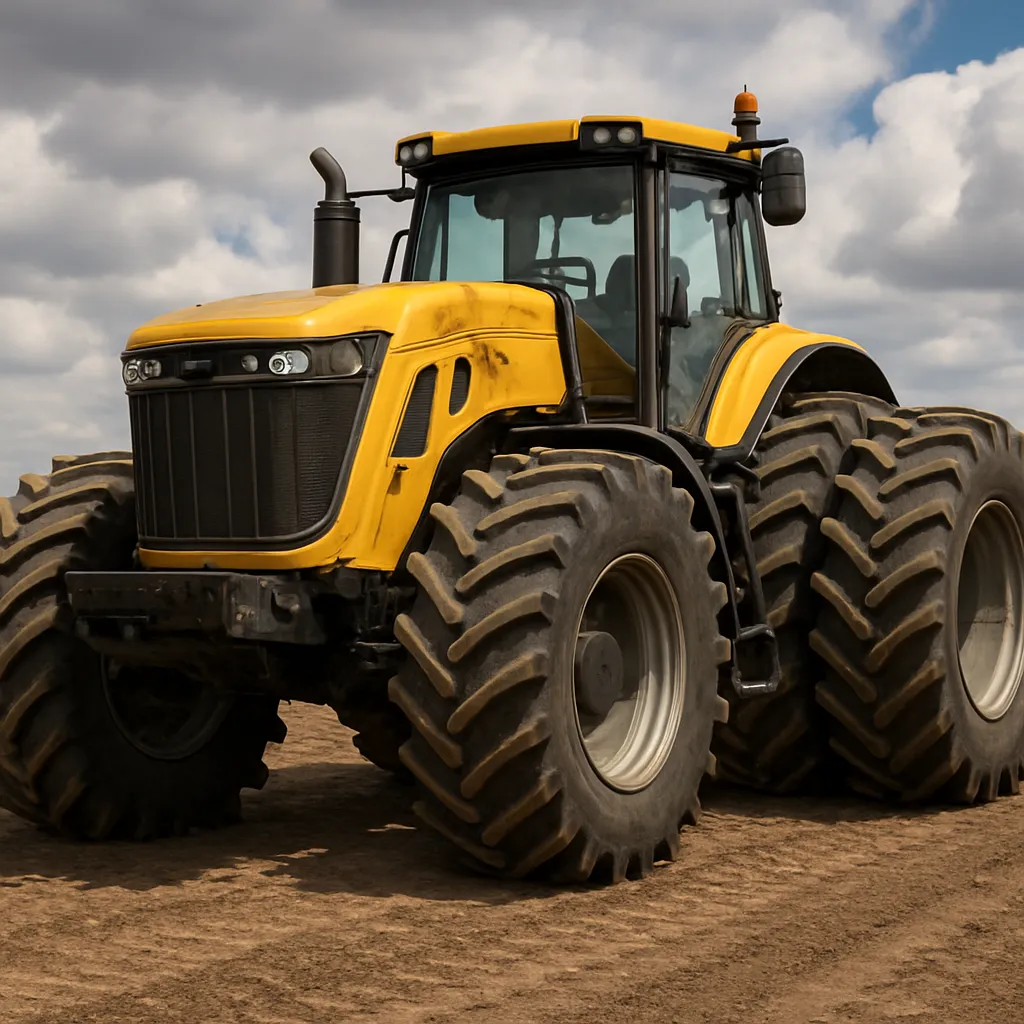
The “Titan” series by Titan Tractors Inc. exemplifies the concept of agricultural megamachines. With a curb weight exceeding 28 tons and an engine output of 1,200 HP, these models can pull implements over 60 feet wide. Key highlights:
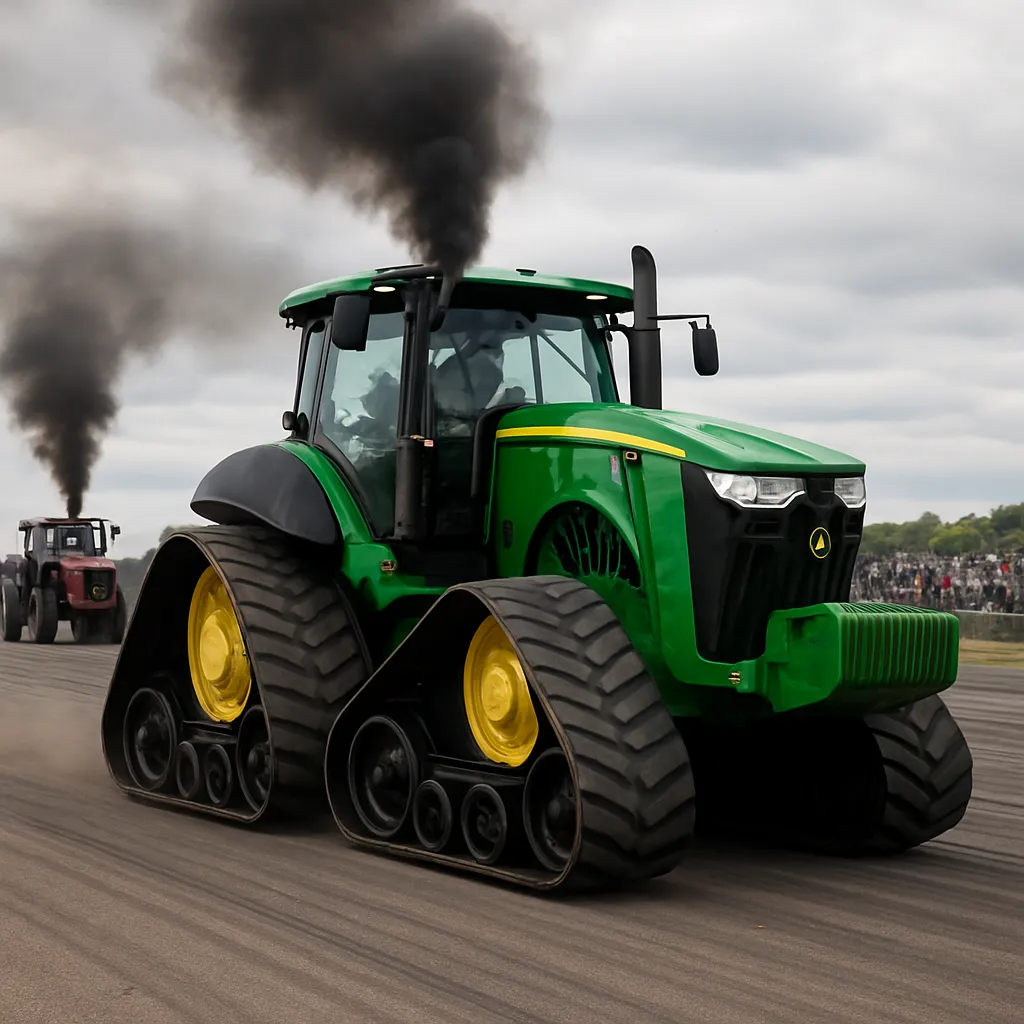
- Track systems spanning 10 feet in width for minimal ground compaction.
- Seven-speed continuously variable transmission (CVT) for precise speed control.
- Cabin pressurization and active noise cancellation for operator comfort during extended shifts.
Specialized Heavy-duty Models
In the construction sector, brands like EarthMover Pro and MegaBuild offer tractors engineered for excavation and hauling. These machines reach up to 1,500 HP and boast blade sections over 30 feet wide. Critical features include:
- Hydrostatic drives offering seamless forward/reverse transitions.
- Modular attachment mounts compatible with a broad spectrum of tools, from ripper teeth to giant ploughs.
- Reinforced glass and armored panels to protect the operator from flying debris.
Operational Applications and Benefits
Beyond raw size, the true value of giant tractors lies in their ability to transform massive work sites into efficient operations. Their capabilities deliver substantial time and cost savings over smaller, conventional machines.
Agriculture on a Massive Scale
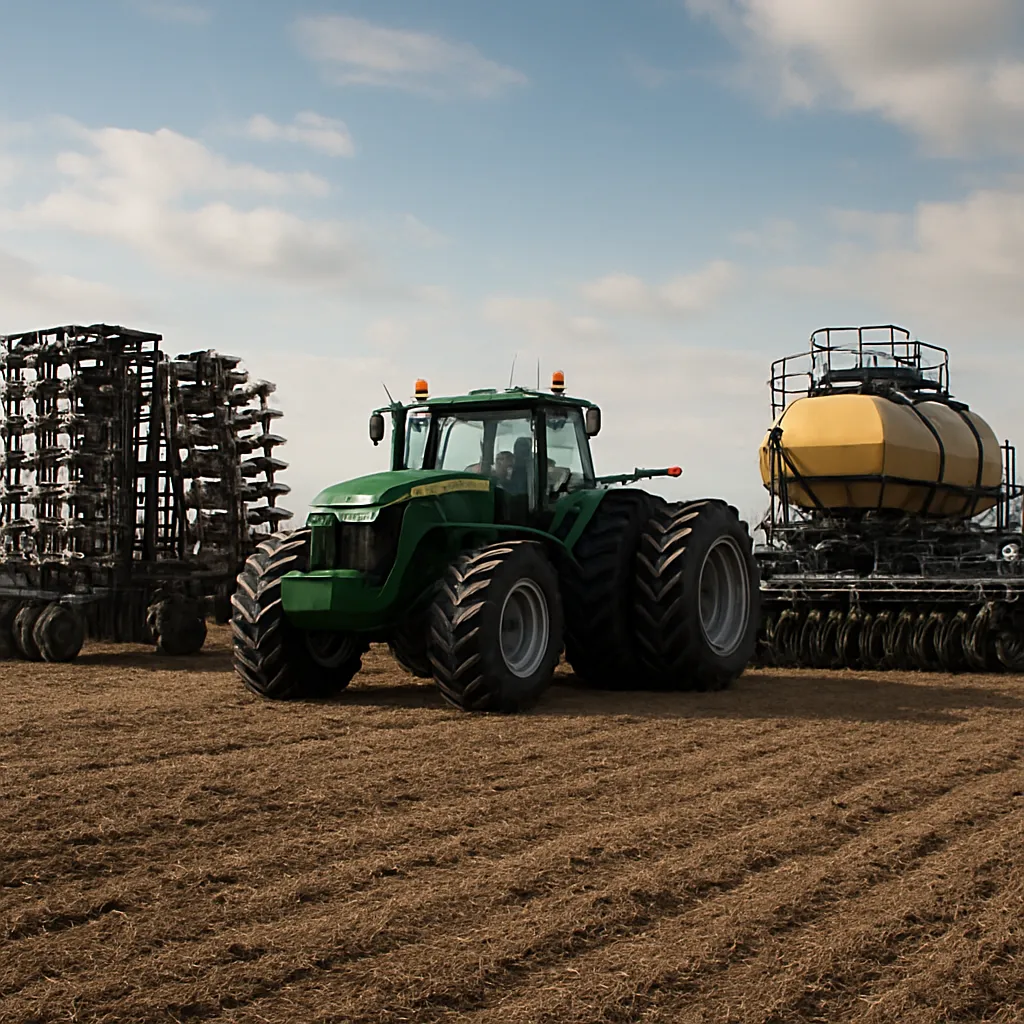
Large-scale grain and cotton producers rely on these giants to accelerate planting, fertilizing, and harvesting. Advantages include:
- Uniform seed placement across hectares in a single pass, boosting crop yields.
- High-capacity hoppers and booms that reduce the need for frequent refills.
- GPS-integrated auto-steer systems that minimize overlap and soil compaction.
Construction and Earthmoving Tasks
In mining and land reclamation, time is literally money. Giant tractors equipped with heavy rippers and scrapers enable rapid site clearance. Benefits encompass:
- Continuous operation capabilities, with minimal downtime due to robust resilience in extreme temperatures and dusty environments.
- High-torque output at low speeds, essential for pushing through rocky strata.
- Integrated telematics that monitor machine health in real time, preventing unexpected failures.
Innovations Shaping Future Giants
As demands escalate for greater efficiency and environmental responsibility, the next generation of giant tractors will incorporate electrified drivetrains, autonomous navigation, and lightweight materials innovations. Emerging trends include:
- Hybrid diesel-electric powertrains for reduced fuel consumption and lower emissions.
- Machine-learning algorithms that optimize route planning and operational parameters.
- Graphene-reinforced composites to further cut weight while enhancing structural integrity.
The relentless pursuit of stronger frames, more powerful engines, and intelligent systems ensures that giant tractors remain at the forefront of heavy-duty machinery. Their blend of raw power, unmatched reliability, and cutting-edge innovation continues to push the boundaries of what is possible on both farms and construction sites around the globe.