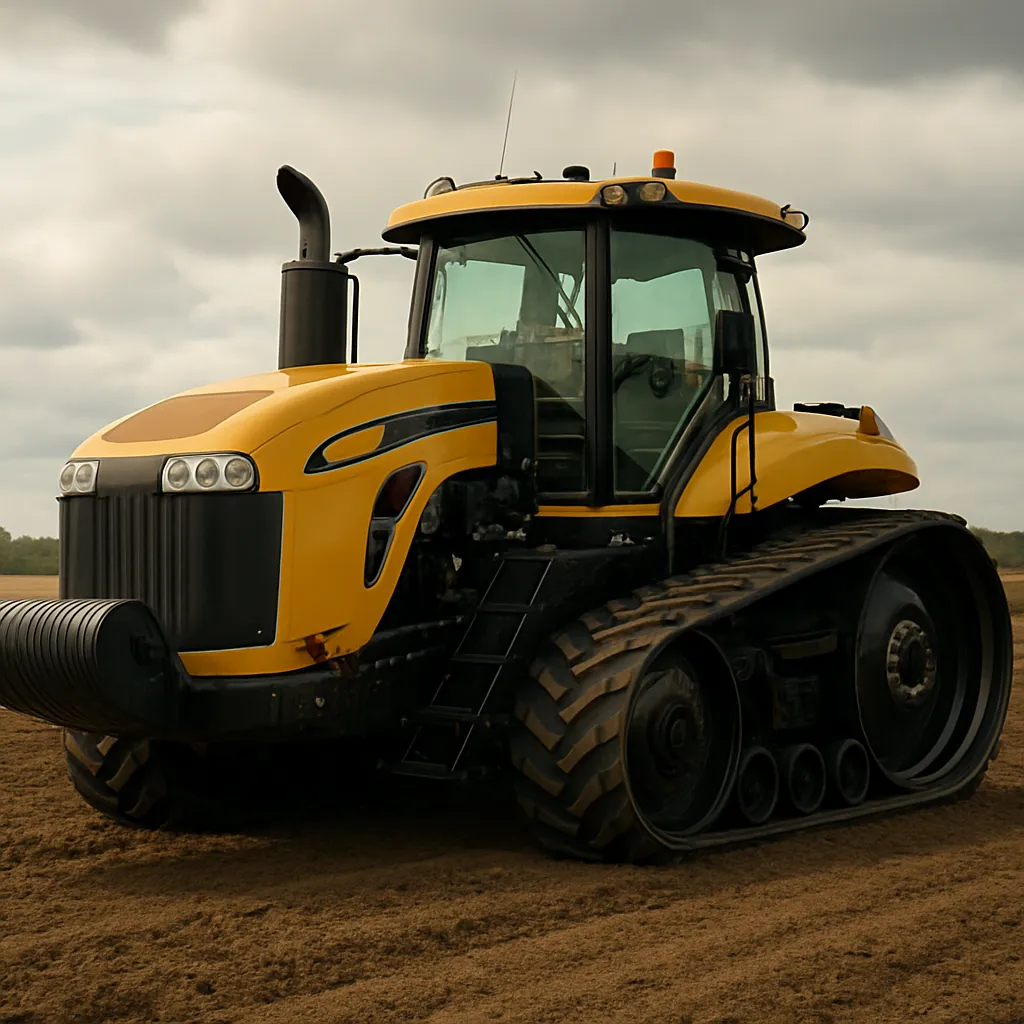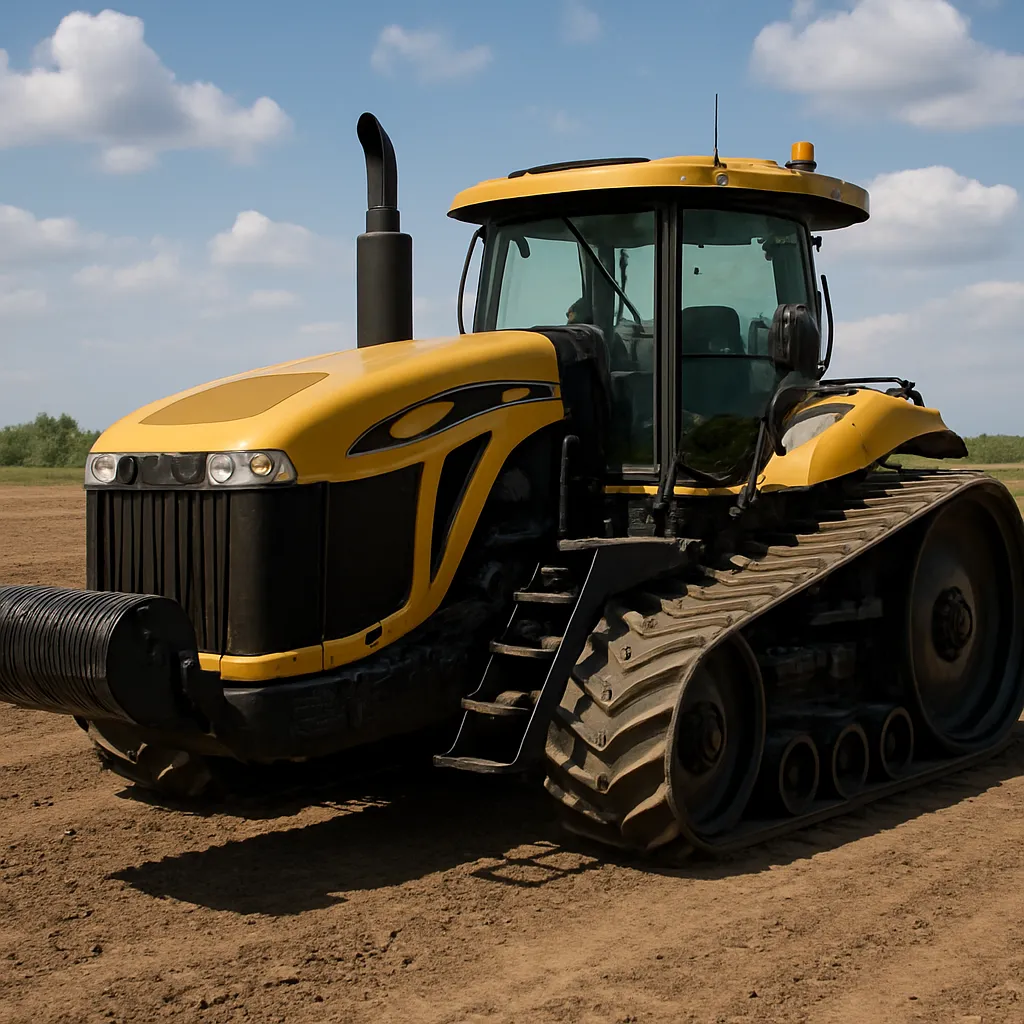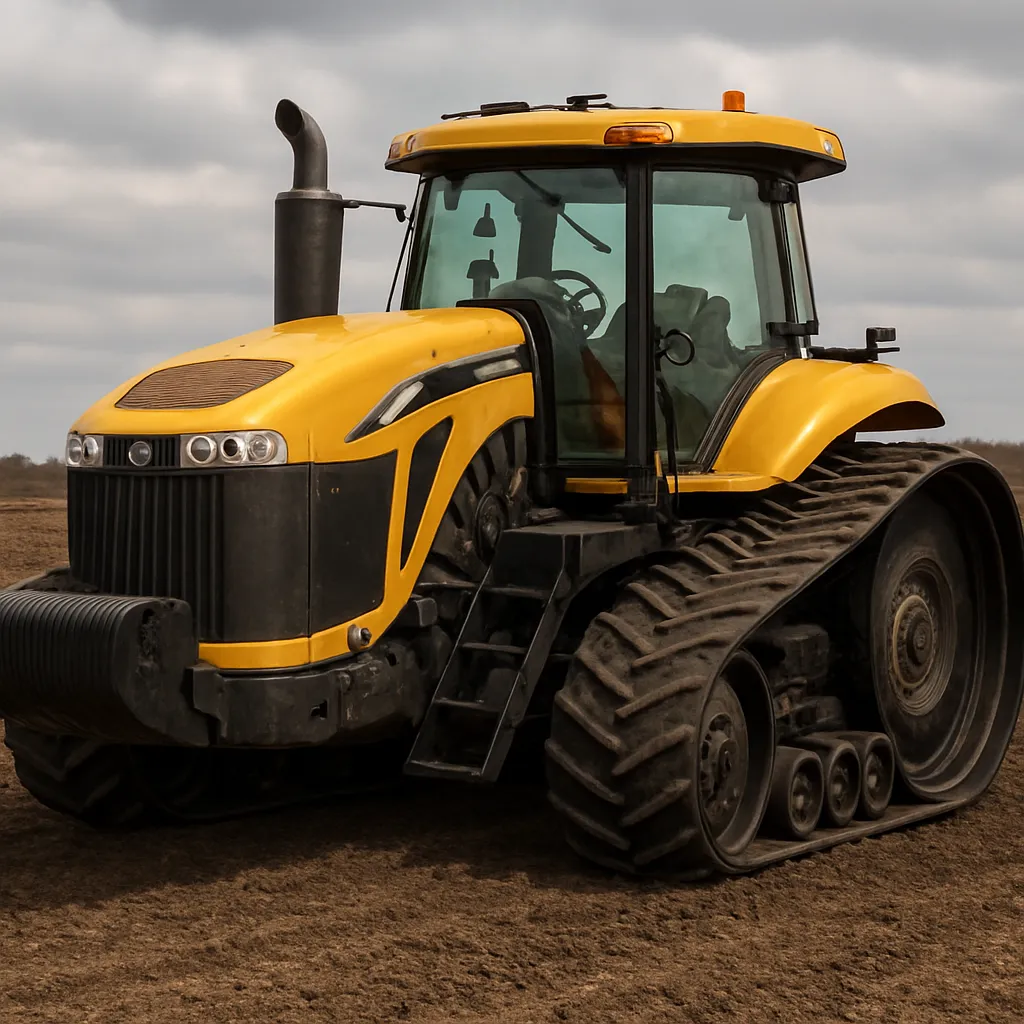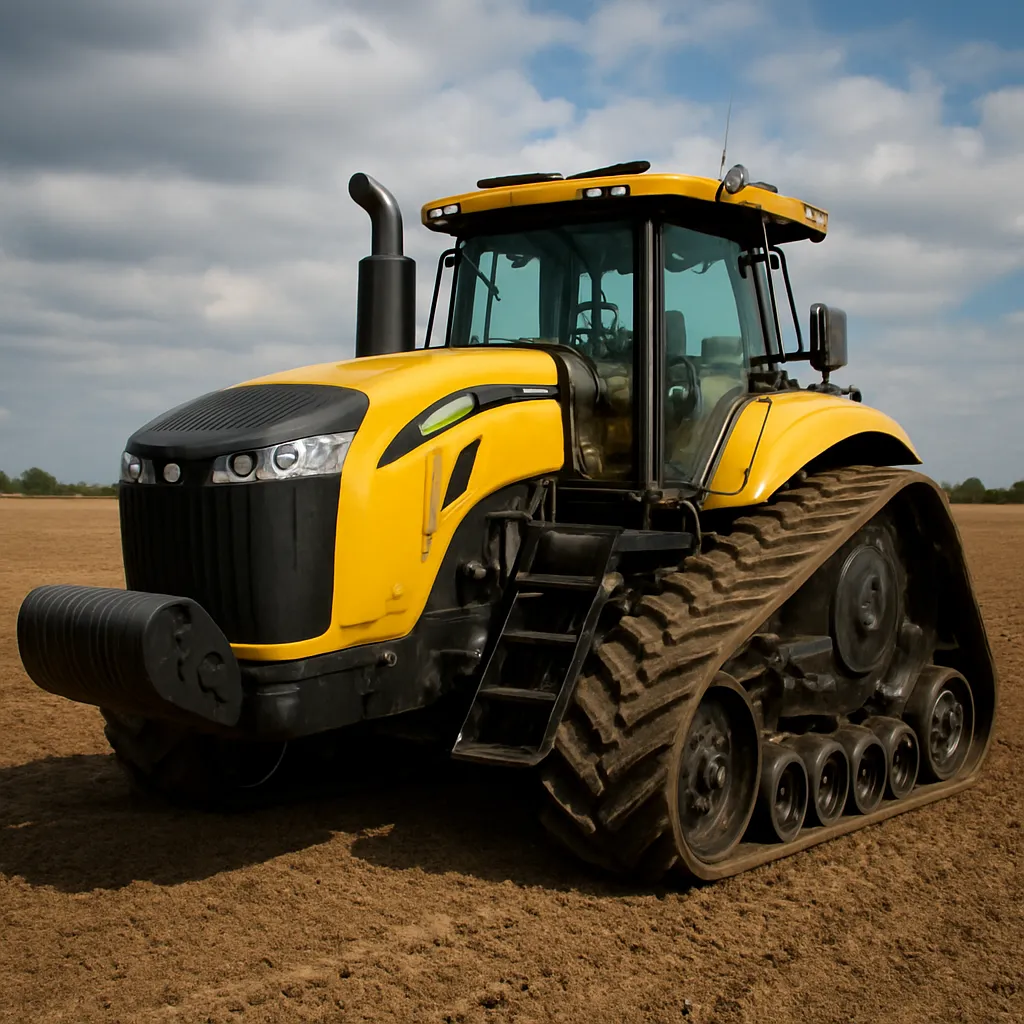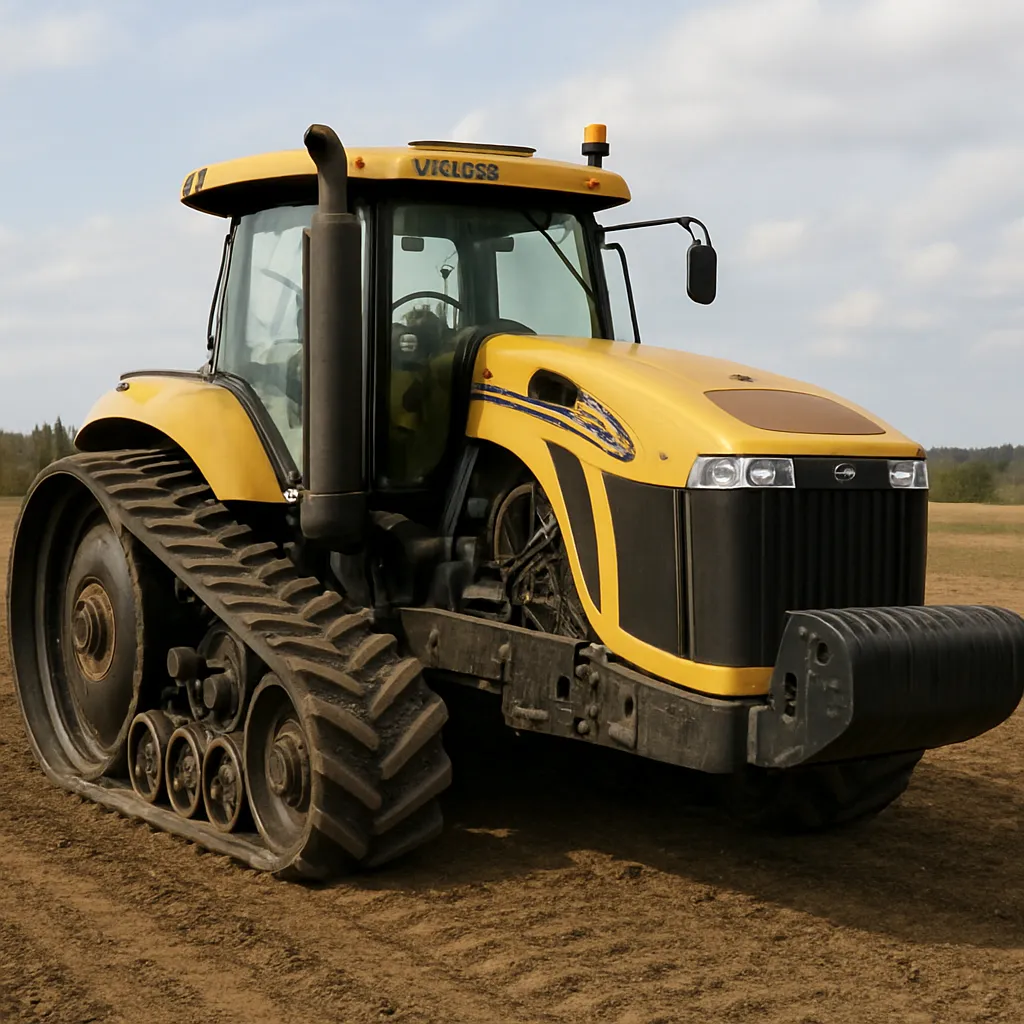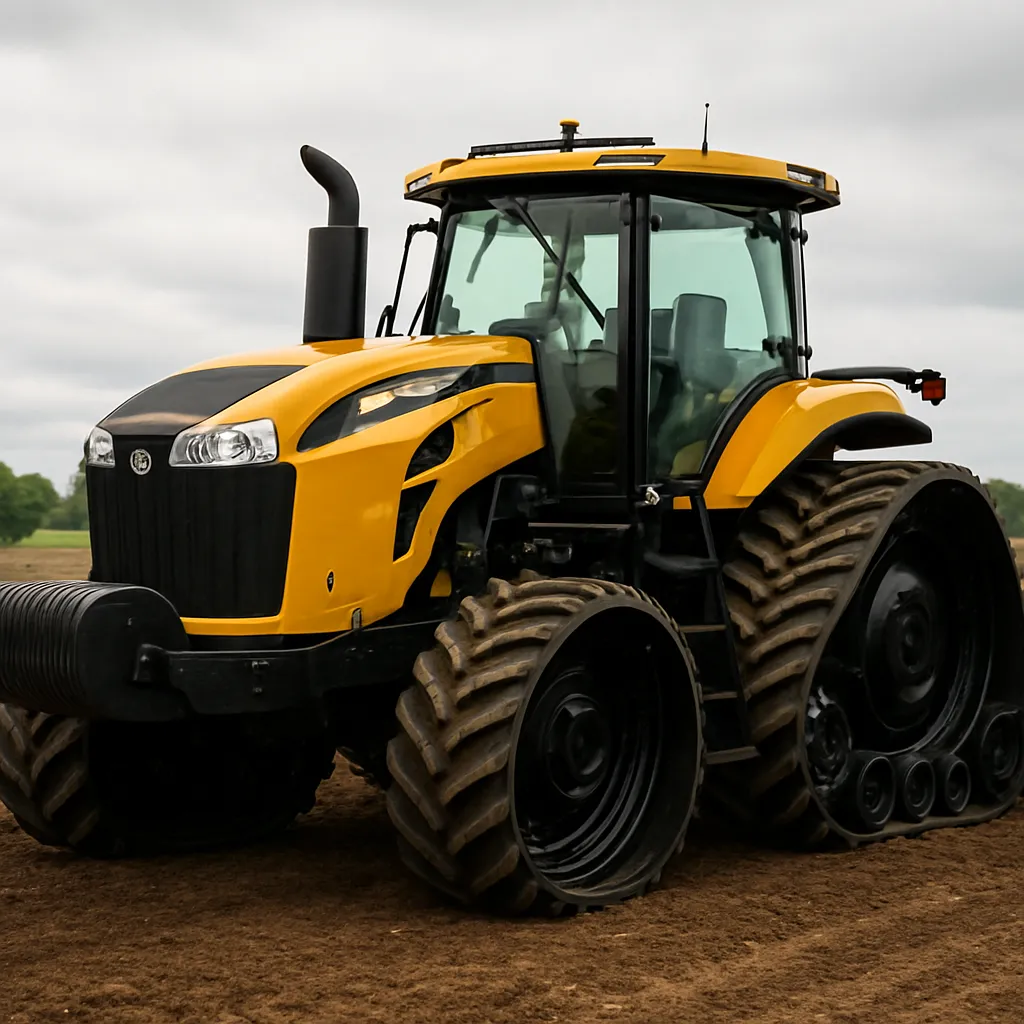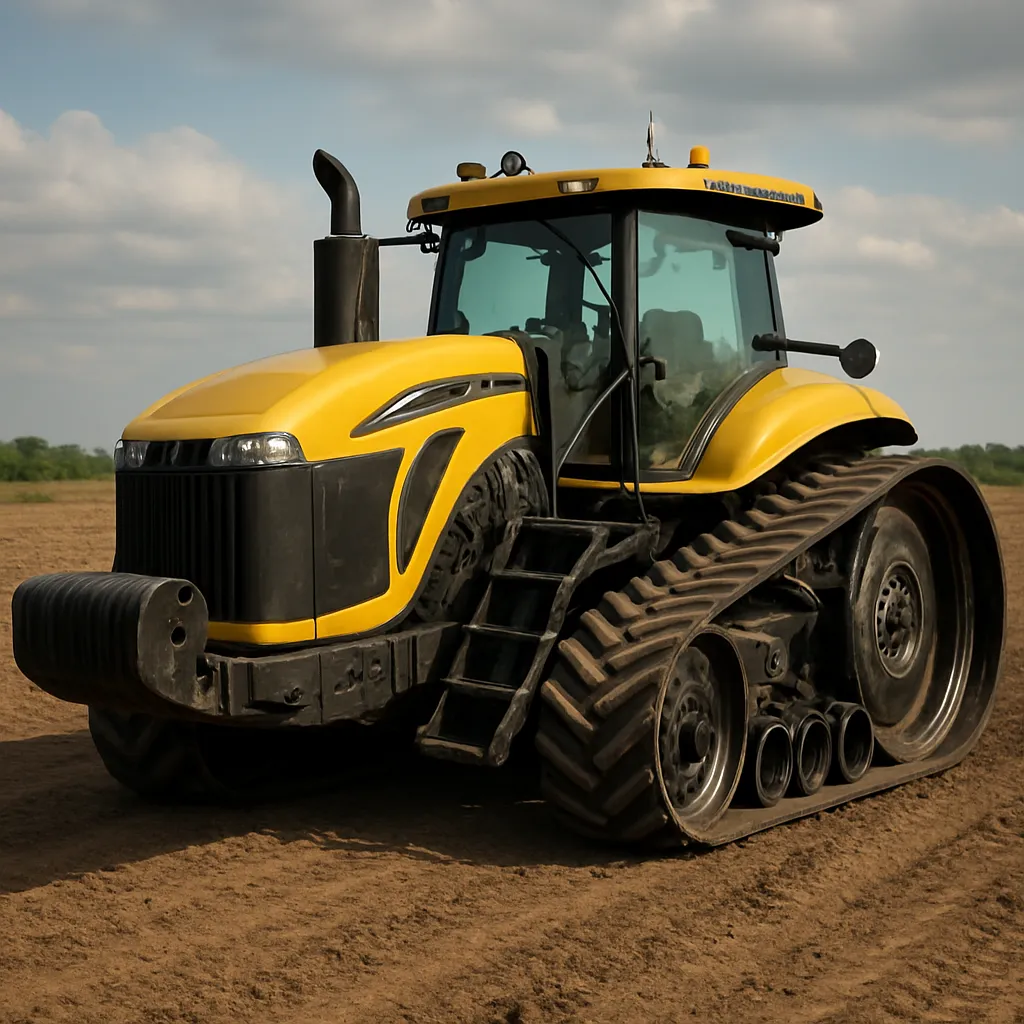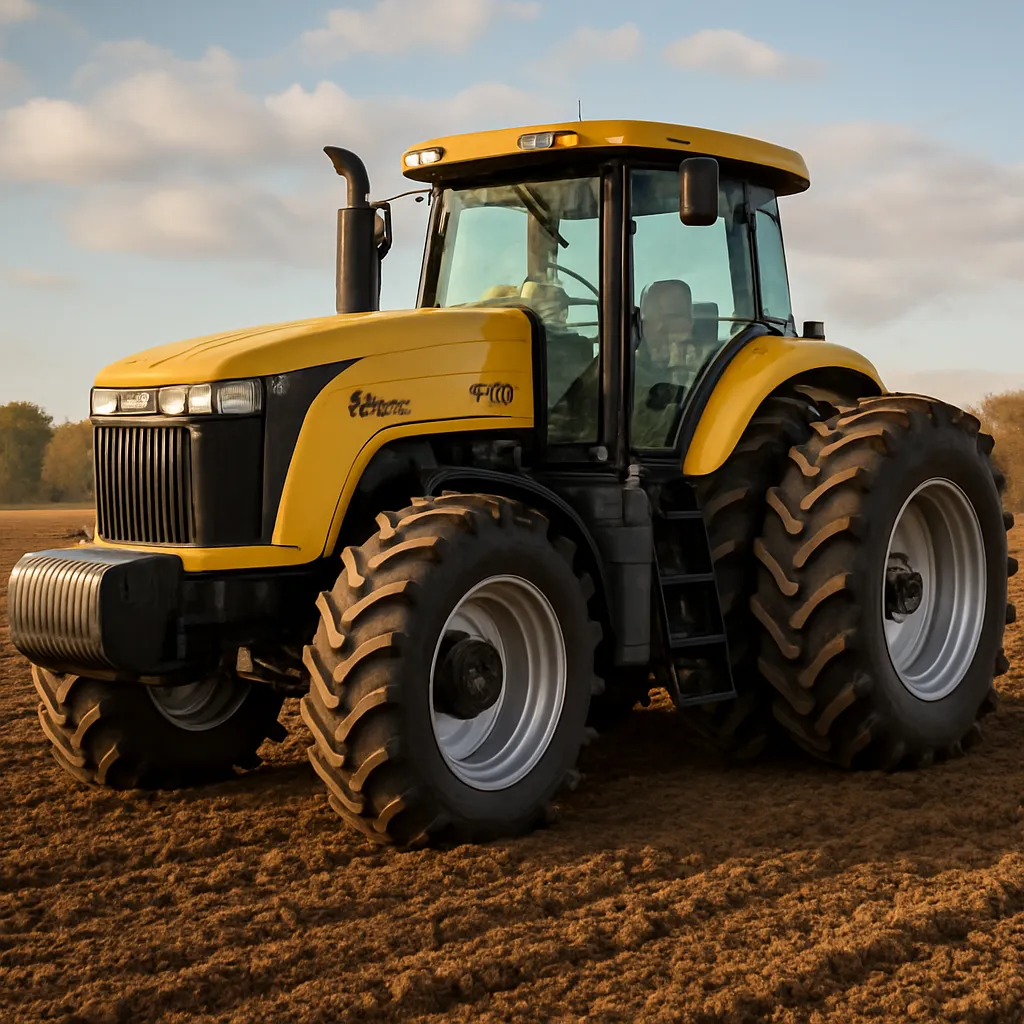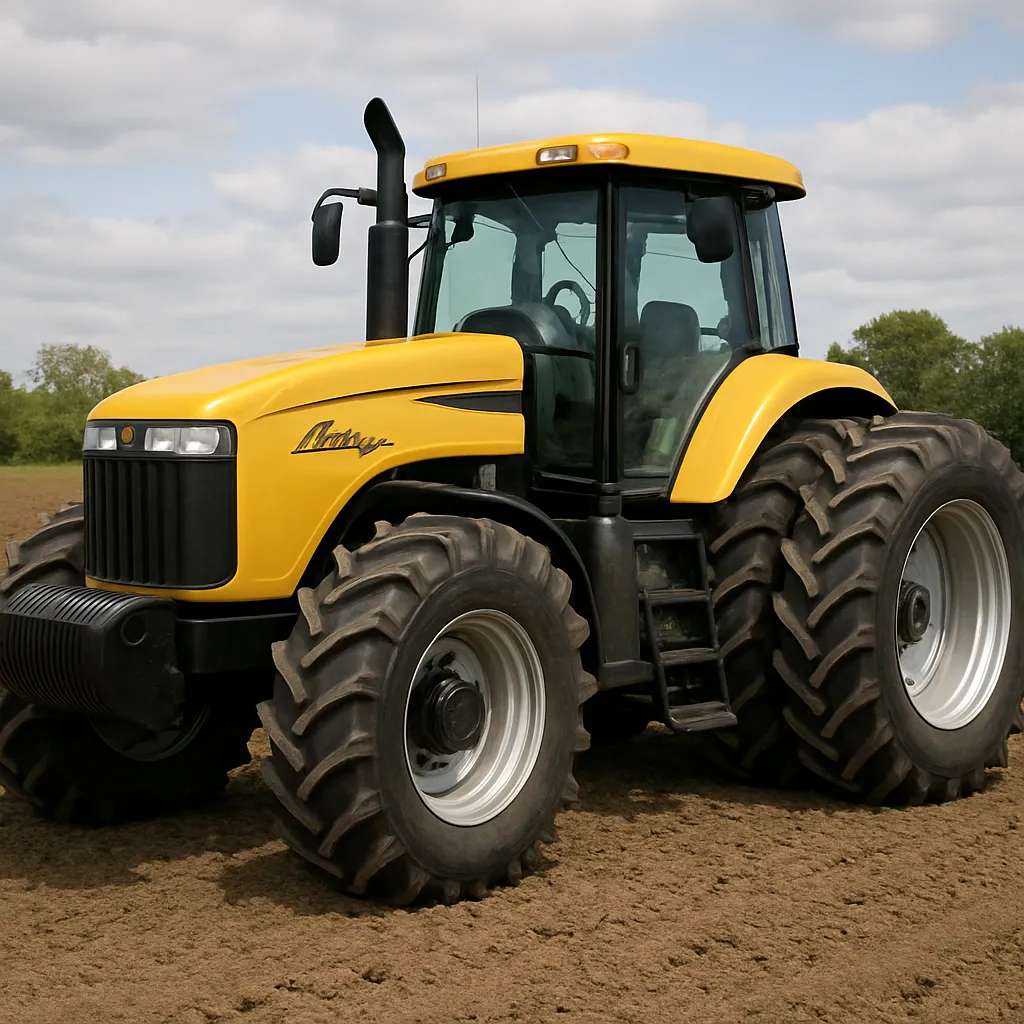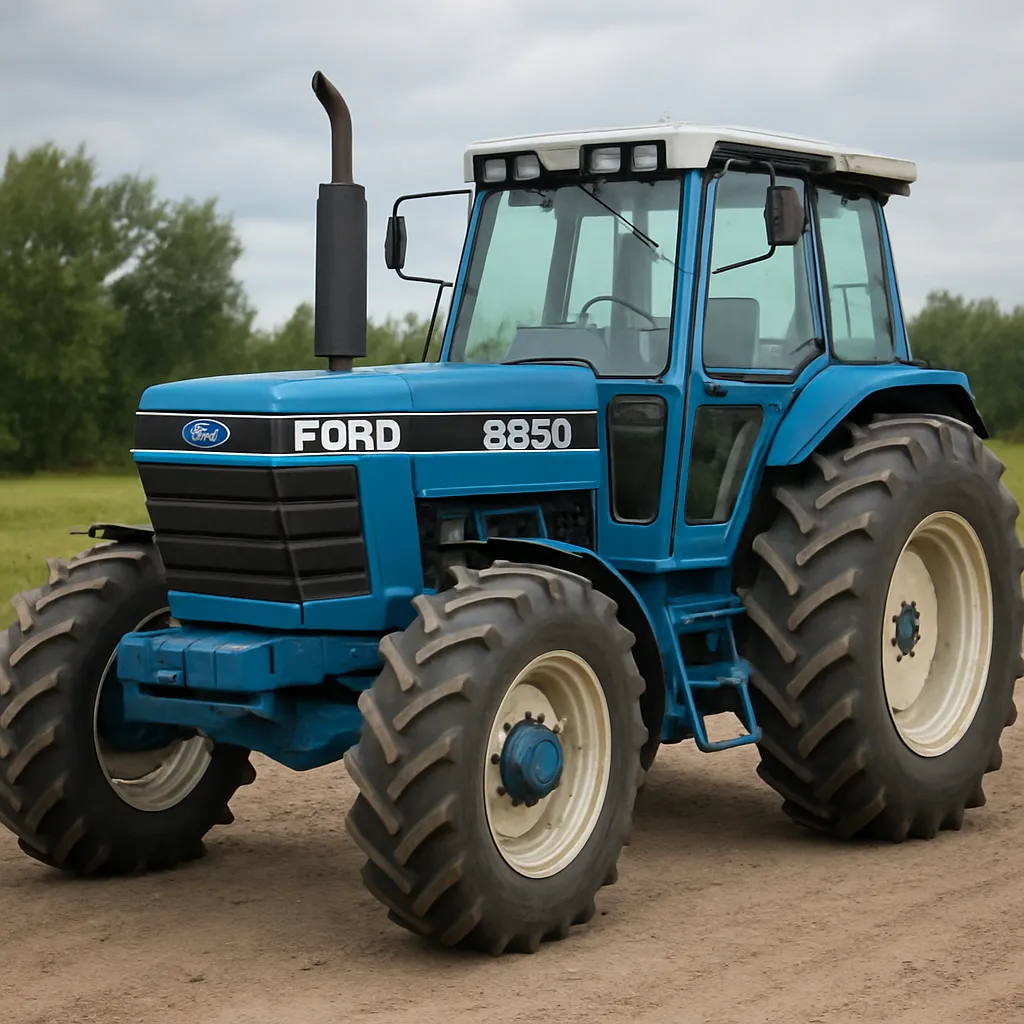
The Ford 8830 is a model that frequently appears in conversations about reliable mid-size agricultural machinery. In this article you will find an overview of its origins, technical characteristics, practical applications, typical configurations, and useful advice for owners and operators. The aim is to present both general information and practical guidance so the reader can better understand where the machine fits within a modern farm or contractor’s fleet. Throughout the text, several key concepts will be emphasized to highlight the most important properties of this machine.
Origins and Historical Context
The development of the Ford 8830 took place in an era when agricultural mechanization was rapidly evolving to meet growing demand for efficiency and multi-functionality. The tractor belongs to the family of medium-power utility tractors that were designed to handle a broad range of farm tasks without the complexity or cost of larger specialty machines. As such, the model is often viewed as a bridge between compact utility tractors and larger row-crop or specialty tractors.
Historically, companies in the Ford tractor lineage focused on producing machines that were easy to service, robust, and versatile. The Ford 8830 inherits this philosophy: its design emphasizes simple access to key components, durable mechanical systems, and adaptability for different implements. During its production run, the model found popularity among small-to-medium sized farms, contractors doing light earthmoving and landscaping, and homesteads requiring a reliable all-around machine.
Technical Characteristics and Performance
Technical specifications for tractors in this class vary by year, configuration, and the market they were sold in. The Ford 8830 is typically characterized by a medium-power diesel engine optimized for torque rather than high-revving horsepower. This makes the unit well-suited for draft work and PTO-driven implements where steady pulling power is more important than top speed.
Power and Drivetrain
The Ford 8830 usually delivers a practical range of power suitable for a wide variety of tasks. Typical figures for tractors of this segment are a rated engine output in the neighborhood of 80–110 kW (which corresponds broadly to about 110–150 horsepower) in larger variants, though many utility versions are lower. For everyday farm work, operators often focus more on usable drawbar and PTO output—metrics that reflect how much power is actually available at the implement or hitch under load.
Transmissions offered with tractors like the 8830 were designed to be user-friendly and robust. Depending on the market and model year, operators could expect synchronized gearbox options, powershift variants, or step transmissions with a range of forward and reverse gears to cover field, transport, and loader tasks. Four-wheel drive versions increased traction for heavier tasks, while two-wheel drive models offered a lighter, more economical solution for lighter work.
PTO, Hydraulics and Hitch
PTO (power take-off) functionality is a cornerstone of any utility tractor. The Ford 8830 typically supports multiple PTO speed options (commonly 540 and sometimes 1000 rpm), enabling it to drive a wide array of implements, from mowers and balers to rotary tillers and sprayers. The availability of a live PTO system on many configurations enhances usability by allowing the implement to operate independently of the tractor’s ground motion, a vital feature when working with mid-mounted and rear-mounted implements.
Hydraulic systems on this class of tractor are sized to match common farm implements. Expect a hydraulic flow rate appropriate for two-to-three remote valves, with three-point hitch lift capacity sufficient for medium-sized implements such as disc harrows, seeders, and compact plows. Strong hydraulic performance makes the tractor a candidate for loader operations, increasing overall versatility.
Cab, Comfort and Ergonomics
Cab options ranged from open-station ROPS configurations to enclosed cabs with heating and ventilation. For many operators the choice depended on climate, comfort needs, and intended daily working hours. Well-designed cabs reduce operator fatigue and increase productivity during long days, while open or canopy configurations simplify maintenance and provide better visibility for loader operations.
Common Applications and Implements
The Ford 8830 is commonly used in contexts where reliability and adaptability are more important than extreme specialization. Typical applications include:
- Field cultivation: ploughing, harrowing, and seedbed preparation using mid-sized ploughs and cultivators.
- Seeding and planting: pulling seed drills and planters suited to medium-sized acreage.
- Hay and forage operations: powering mowers, tedders, rakes, and small to medium balers via the PTO.
- Material handling: tractor-mounted loaders with buckets or pallet forks for feed handling, manure management, and light earthmoving.
- Transport: towing trailers, wagons, and slurry tanks on farm roads and fields.
- Landscaping and municipal work: mowing verges, snow clearing with front-mounted blades, and ground maintenance.
The practical assortment of attachments makes the Ford 8830 popular for mixed-use farms and hobby farms. Typical attachments for this tractor include front loaders, rear three-point implements (ploughs, discs, seeders), PTO-driven machines (mowers, balers), and hydraulic implements such as backhoes or posthole diggers. Its capacity to serve as a workhorse for multiple tasks is one reason the model achieved widespread use.
Maintenance, Reliability and Common Issues
Durability is often cited as a strong point for tractors in this class. Yet, like any mechanical equipment, the Ford 8830 requires routine care to maintain performance and service life. Regular maintenance tasks include:
- Engine oil and filter changes at recommended intervals.
- Fuel system maintenance, including replacing filters and ensuring clean fuel to avoid injector problems.
- Hydraulic oil and filter checks to ensure smooth operation of implements and hitch systems.
- Transmission and differential inspections for wear and correct fluid levels.
- PTO drive shaft checks and lubrication to prevent vibration and wear.
- Tire and final-drive inspections for safe traction and to prevent downtime.
Common wear items include clutch components on high-hour units, hydraulic hoses, and worn bushings in linkage assemblies. Operators typically extend equipment life by monitoring fluid condition, avoiding overloading, and using correct ballast and tire pressures to reduce unnecessary strain on driveline components.
Troubleshooting Typical Faults
Operators commonly encounter a handful of recurring issues in medium-duty tractors: starting difficulties in cold weather (often due to battery or fuel filter issues), smoky exhaust from worn injector pumps or poor fuel quality, and reduced hydraulic performance from worn pumps or clogged filters. Addressing these problems early is crucial to avoid larger repairs and to sustain dependable operation throughout the agricultural season.
Market Presence, Resale Value and Economic Considerations
The Ford 8830’s economic appeal stems from its moderate initial cost compared to larger tractors and its relatively low operating expenses. For many buyers, replacement parts are affordable and widely available, particularly in markets with a legacy of Ford agricultural equipment. This helps keep downtime and repair costs manageable.
Resale values for well-maintained tractors of this type vary by region, hours of operation, condition, and local demand. On average, a medium-duty used tractor in good condition retains a meaningful fraction of its original value due to steady demand among smaller farms and as a secondary or backup machine on larger farms. Models with known service histories, complete maintenance logs, and recent refurbishments command the highest prices.
Factors Influencing Purchase Decisions
When evaluating a used Ford 8830, buyers should inspect:
- Service records and documented repairs
- Hours on the engine and transmission
- Condition of hydraulic systems and PTO
- Tire wear and any history of heavy loader use
- Rust, frame damage, or signs of structural issues
Because parts compatibility between various Ford models is often good, sourcing replacement parts and accessories is typically straightforward. This makes the model attractive to budget-conscious buyers seeking a balance of durability and ease of ownership.
Operational Tips and Best Practices
To get the most from a Ford 8830, operators should emphasize preventive maintenance, correct setup for implements, and safe operating habits. Here are several practical tips:
- Follow a regular maintenance schedule for lubricants and filters; this has the largest impact on longevity.
- Use recommended hydraulic oils and engine oils appropriate to the climate and operating conditions.
- Match implements to the tractor’s rated capacity—avoid overloading the hitch or PTO beyond specified limits.
- Balance ballast and tire pressure to improve traction, reduce slippage, and minimize wear.
- Ensure the PTO shaft has adequate shielding and that all guards are in place for safety.
- Store the tractor in a covered area whenever possible to slow corrosion and protect electronics and upholstery.
Attention to these details reduces operating costs and improves both performance and resale value.
Environmental and Fuel Efficiency Considerations
Modern concerns about emissions and fuel consumption extend to used and legacy tractors. While the Ford 8830 predates many of the most stringent emissions regulations, responsible operation can still improve efficiency and minimize environmental impact. Routine maintenance—particularly clean fuel systems, correct injection timing, and well-maintained air filtration—reduces fuel consumption and lowers particulate output.
Operators who wish to reduce fuel costs can adopt practices such as planning efficient field passes, using correct gear and PTO settings for each implement, and avoiding idling where possible. In some cases, retrofits to improve fuel efficiency or add basic emission control measures are available through aftermarket suppliers, although such retrofits should be evaluated for cost-effectiveness and compatibility.
Variants, Upgrades and Aftermarket Support
Over the years the market for components, upgrades, and refurbished parts for tractors like the Ford 8830 has become robust. Aftermarket suppliers provide options ranging from modern seating and cab comfort upgrades to improved lighting, electronic controllers for implements, and replacement hydraulic components. Upgrades that increase comfort and safety—such as modern lighting, better mirrors, or ISO-compatible connectors for implements—often improve day-to-day usability and safety without major investment.
Refurbishment options include engine overhauls, replacement transmissions, and reconditioning of hydraulic pumps. Buyers seeking longevity may choose to invest in such upgrades to extend service life by thousands of hours, particularly if the machine has sentimental value, is already integrated into an implement fleet, or has structural integrity that justifies the investment.
Conclusion
The Ford 8830 is an archetype of the practical, mid-sized agricultural tractor: versatile, robust, and tuned to the needs of mixed-use farms and contractors. Its strengths lie in balanced power delivery, ease of maintenance, and the broad array of implements that it can manage. While specific technical details and configurations vary across production years and markets, the general profile remains the same—an adaptable workhorse suited to a wide range of tasks.
For prospective buyers and current owners, the keys to success are sensible operation, disciplined maintenance, and appropriate matching of implements to the tractor’s capabilities. With the right care, a Ford 8830 can remain a valuable asset for many years, providing dependable service in cultivation, hauling, material handling, and more.