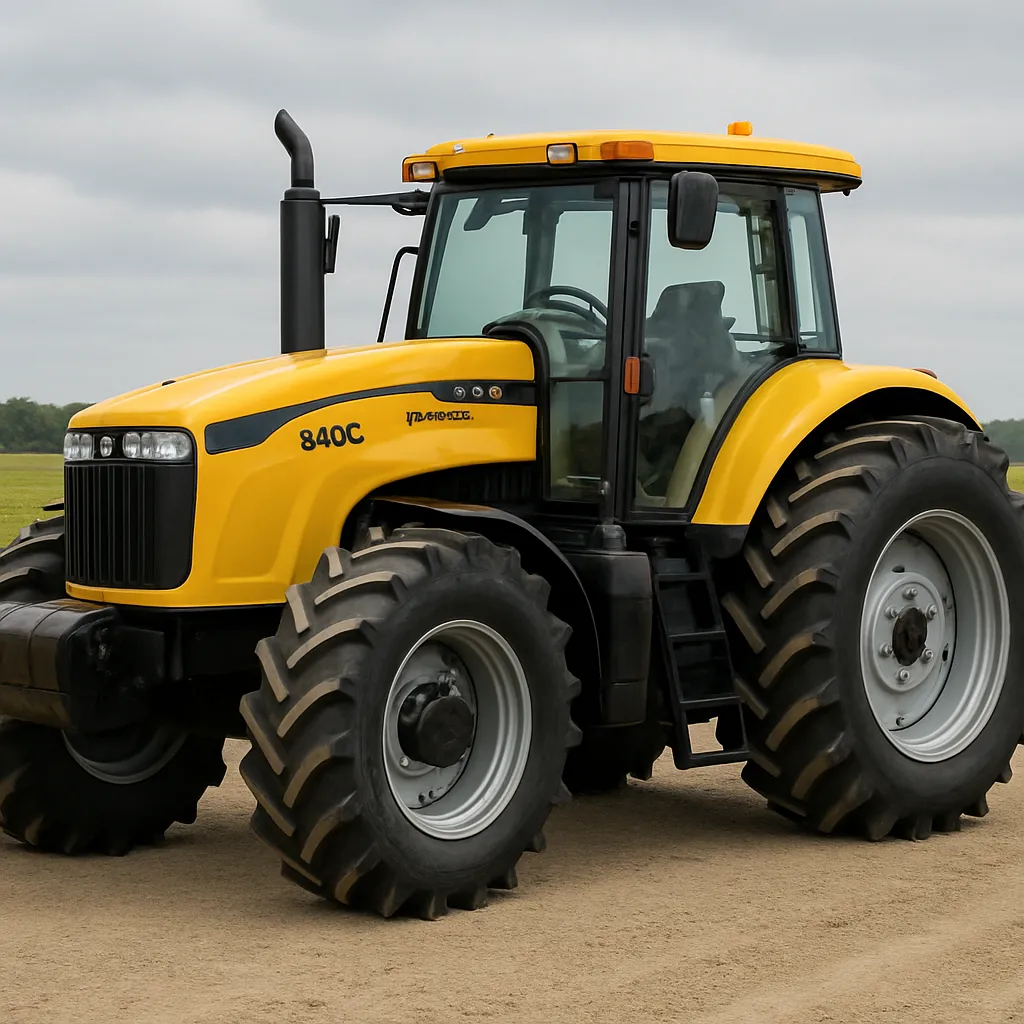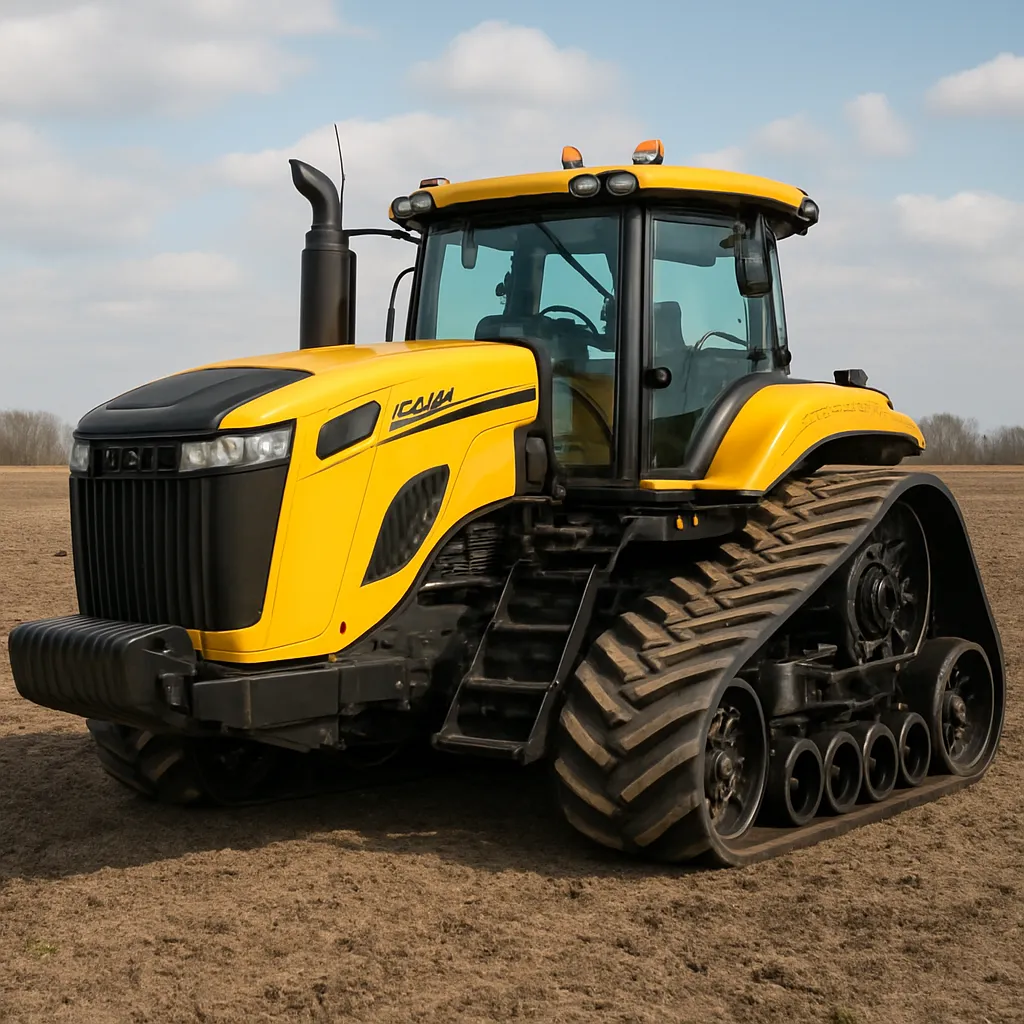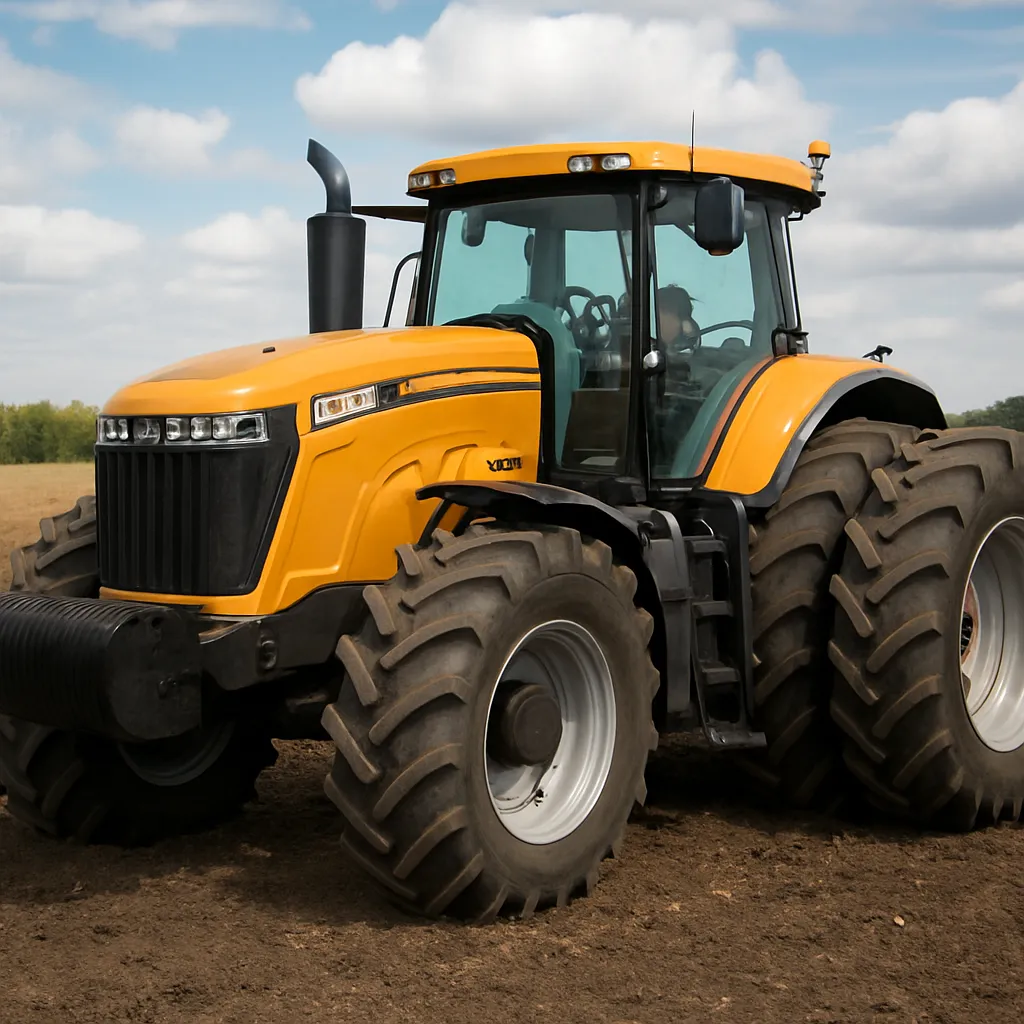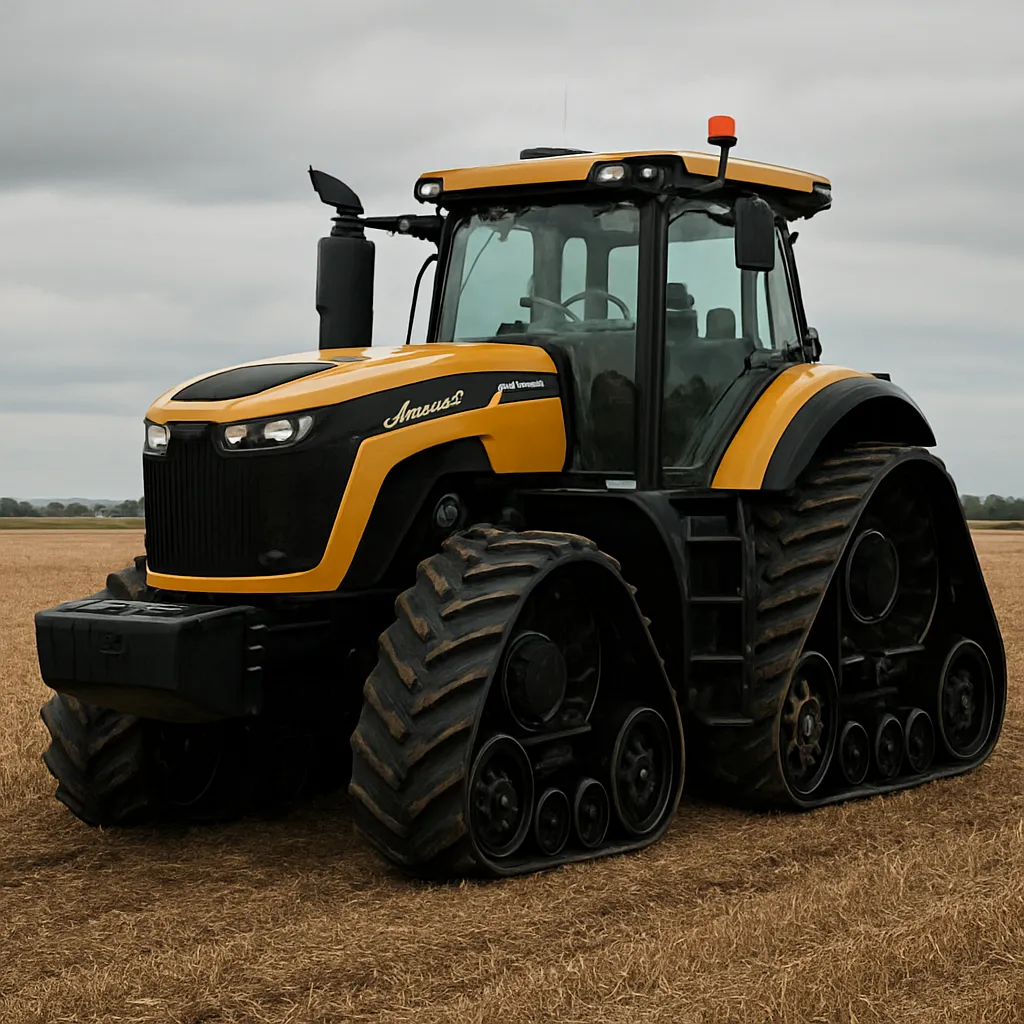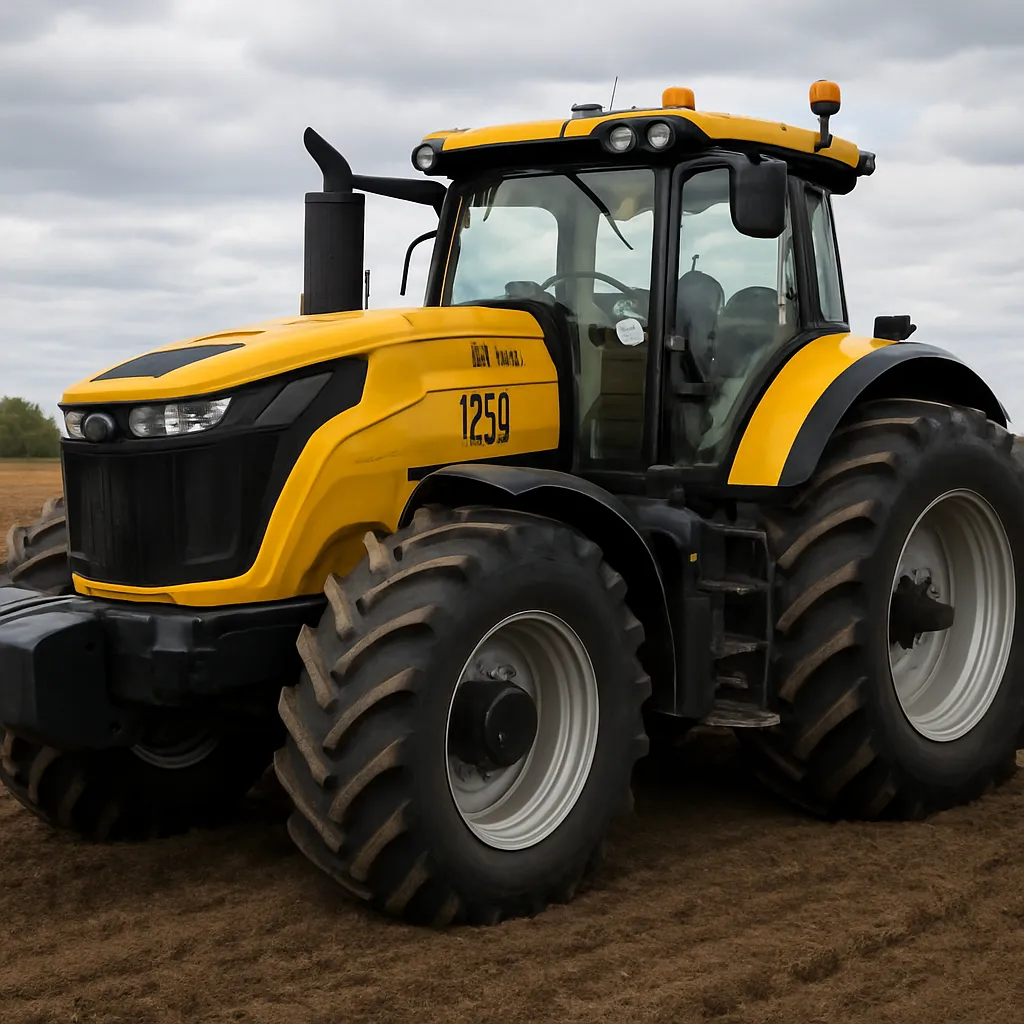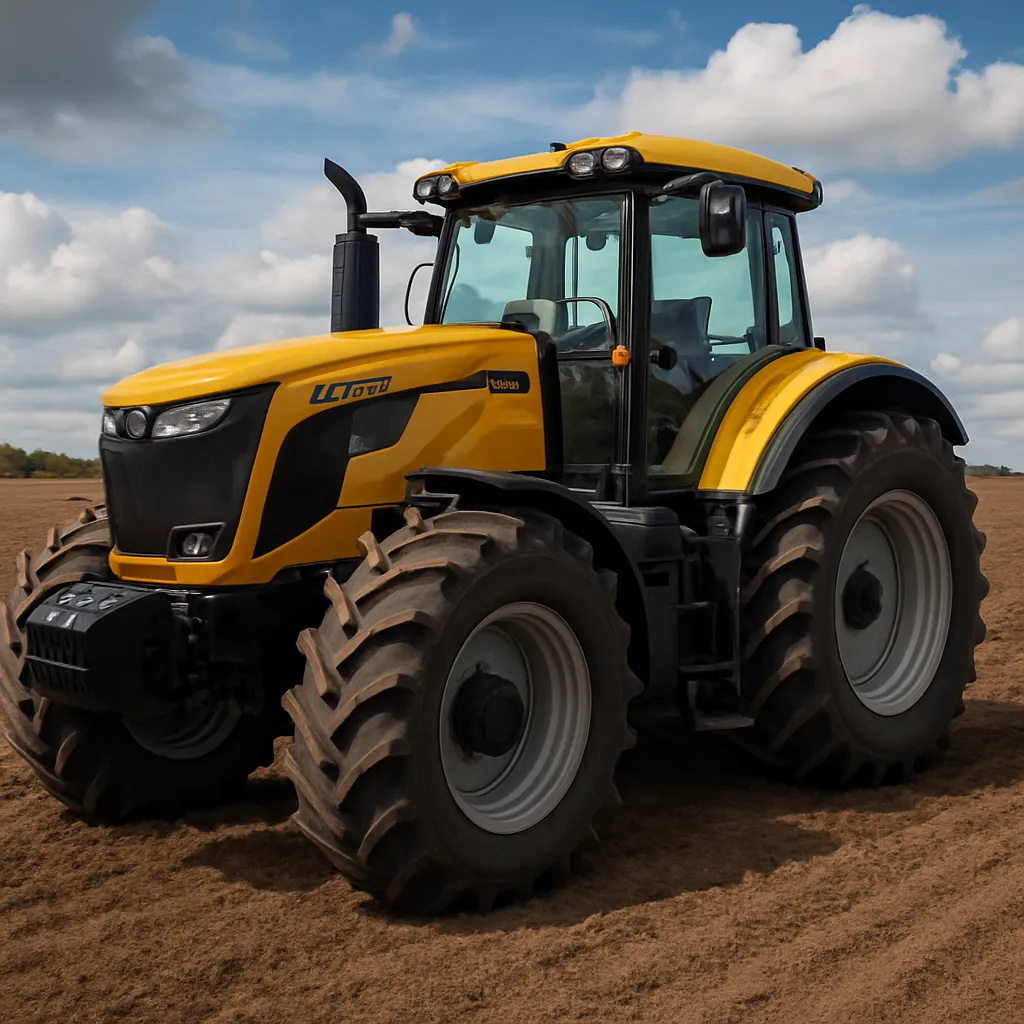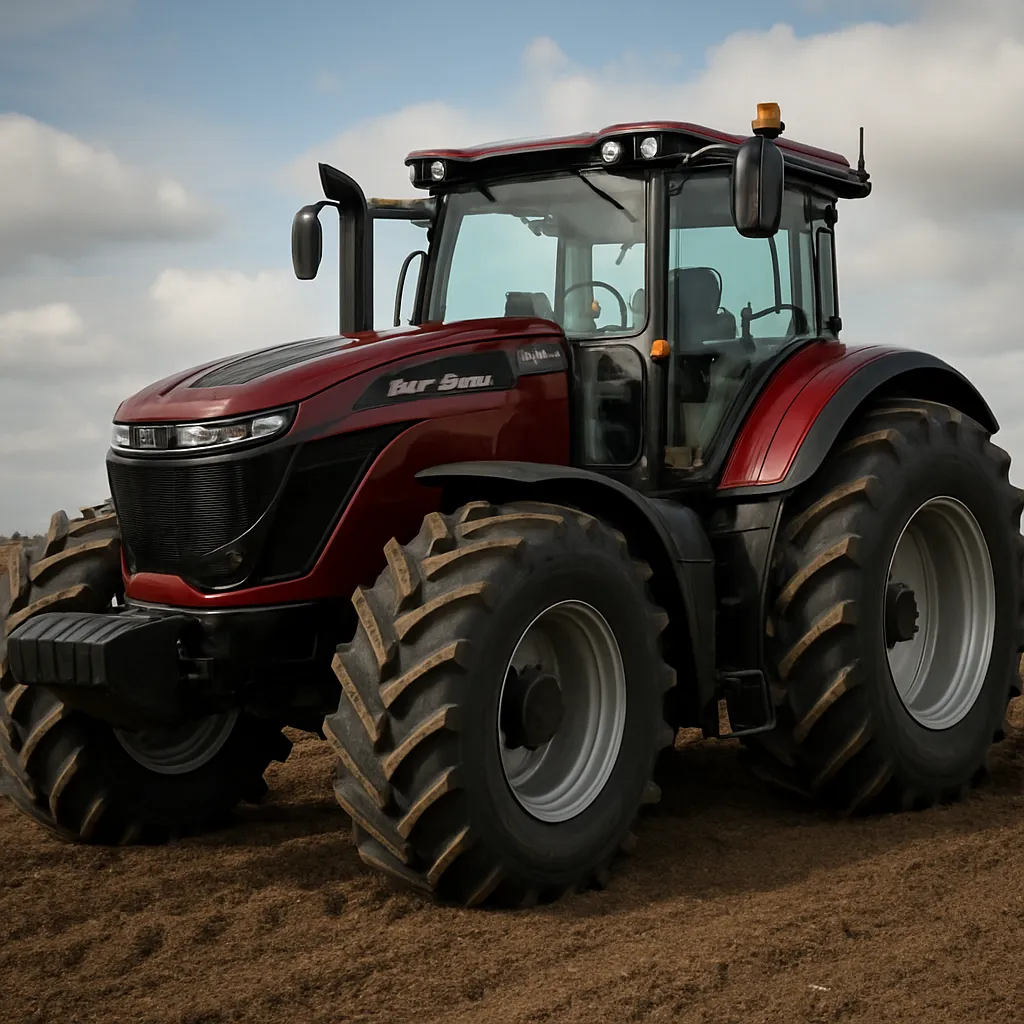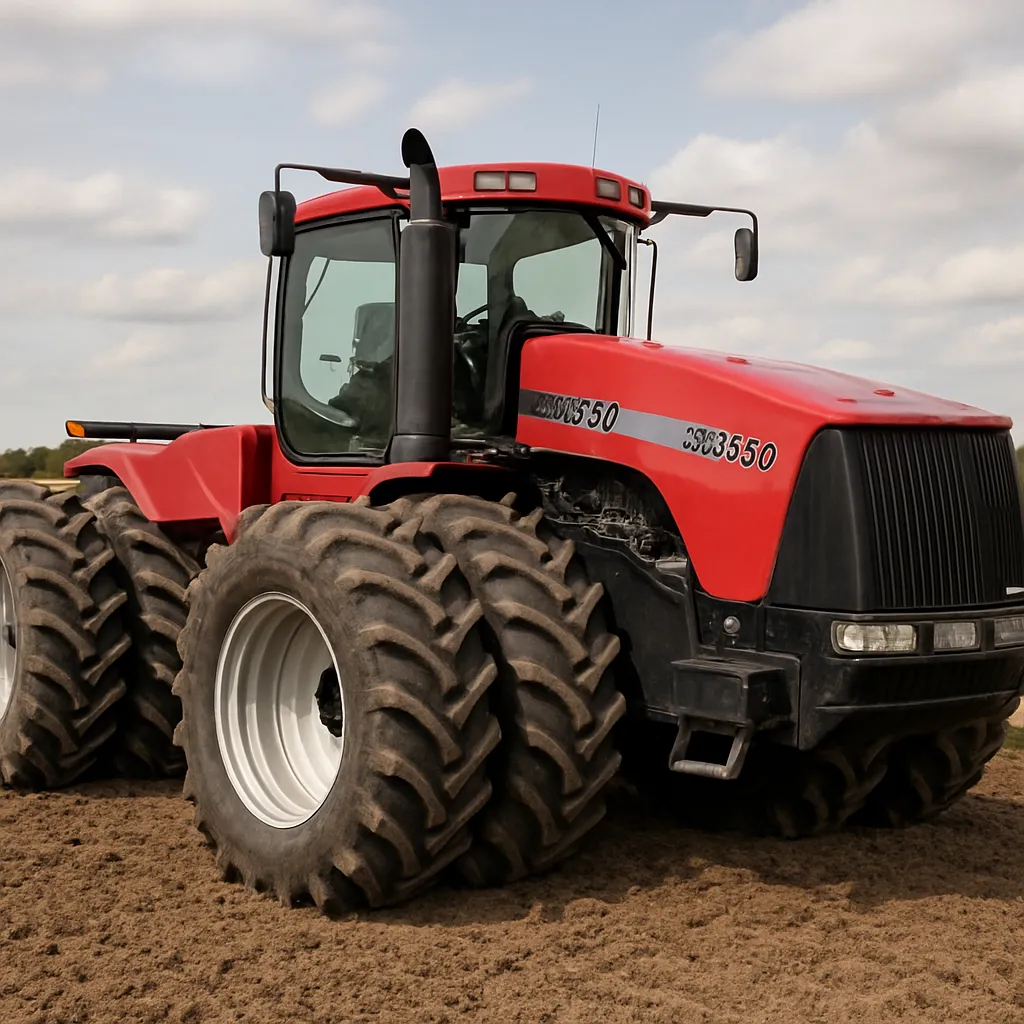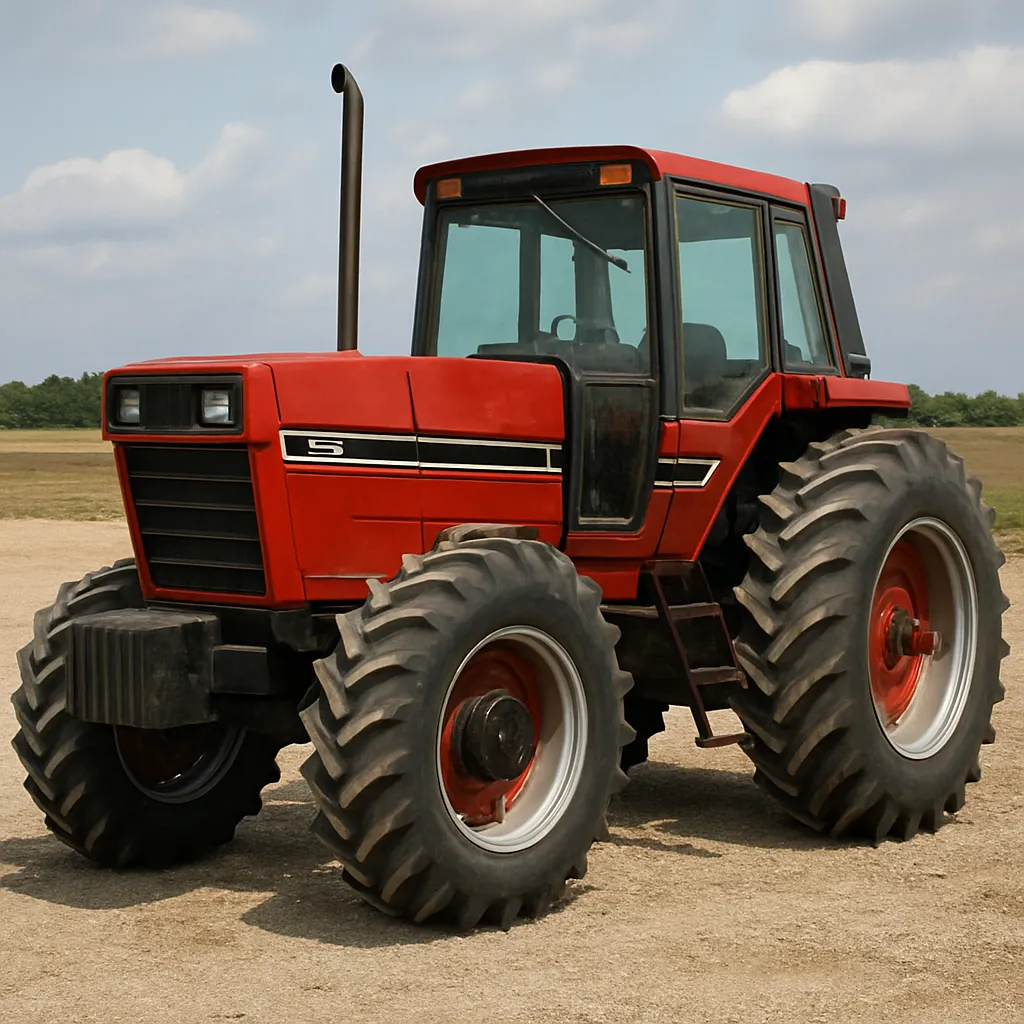
The International Harvester 3788 is a notable example of a mid-to-large size agricultural tractor that has served farms, contractors, and small industrial operations. Designed to balance power, durability, and adaptability, the 3788 is often remembered for its solid construction and practical features. This article explores the tractor’s background, technical characteristics, typical applications, operational tips, and its place in the used-equipment market. Throughout the text we emphasize several central concepts that capture the tractor’s appeal and functionality.
History and context
The lineage of International Harvester stretches back to the 19th century and encompasses many important advances in farm machinery. The 3788 comes from a period when manufacturers focused on blending traditional robustness with increasing operator comfort and versatility. Although production details for individual models vary by region and model year, tractors in the same class as the 3788 were typically introduced during the late 1970s through the 1980s and remained relevant into the 1990s through updates and rebuilds.
During this era, farmers required machines that could perform a wide range of tasks: pulling tillage equipment, planting, hauling, mowing, and powering implements through power take-off (PTO) systems and hydraulic circuits. International Harvester aimed its mid-to-high horsepower models at customers looking to consolidate tasks with a single, dependable machine, reducing the need for multiple specialized tractors. The model 3788 fit this niche by providing a combination of useful **power**, practical hydraulics, and adaptable attachments.
Design and technical characteristics
The International Harvester 3788 is best understood as a multifaceted work tractor with an emphasis on mechanical simplicity and longevity. While detailed factory specifications changed across production runs and markets, several defining elements commonly characterize this family of tractors.
Engine and power delivery
At the heart of the 3788 is a diesel engine tuned for consistent torque delivery at working RPMs rather than extreme peak horsepower. Diesel engines of this design are valued for fuel efficiency and long life when properly maintained. The engine’s construction generally favors a cast-iron block and a robust cooling system capable of enduring long hours in the field. The torque curve and gearing are optimized for tasks like tillage and baling, where steady drawbar or PTO power is more important than high top speed.
Transmission and driveline
Transmission options available on tractors in this range typically include multi-speed synchromesh gearboxes and, on some variants or later upgrades, powershift-like systems that allow easier shifting under load. A sturdy final drive and differential arrangement—often with the option of 2WD or 4WD—enable the 3788 to tackle soft soils and variable terrain. The driveline emphasizes reliability and ease of service: exposed components are designed for straightforward inspection and maintenance rather than complex electronics.
Hydraulics, hitching and PTO
Hydraulic capacity and hitch control are central to a tractor’s versatility. The 3788 usually offers a moderately capable hydraulic system able to operate three-point hitch implements and auxiliary remote valves for modern attachments. Category II/Category III three-point hitch compatibility (depending on the year and market) and a standard PTO enable the tractor to operate mowers, balers, seeders, and other common implements. Hydraulic control levers and linkage are typically mechanical or hydro-mechanical, offering predictable response and simpler troubleshooting than fully electronic systems.
Operator station and ergonomics
Comfort and ergonomics improved significantly during the era when the 3788 was current. Cab or ROPS-equipped configurations are common: enclosed cabs provide weather protection and allow extended workdays, while ROPS-only models reduce cost and simplify maintenance. Instrumentation tends to be straightforward—tachometer, oil and coolant gauges, and switches for the PTO and hydraulics—designed for quick comprehension in the field.
Chassis, weight and mobility
The 3788 typically has a stable wheelbase and weight distribution suited for both drawbar work and implement lifting. Ballasted tires or duals are used on heavier tasks for traction. The chassis is built to withstand repeated stress from implements and terrain, with ample service points for routine checks on fluids, filters, and belts.
Applications and typical uses
The 3788 is a true generalist, finding use across many agricultural and light industrial tasks. Its strengths lie in steady, reliable power delivery and adaptability to various implements.
- Row-crop farming: With the appropriate tires and hitch adjustments, the tractor performs cultivation, planting, and inter-row work.
- Tillage and primary fieldwork: The tractor is well suited for pulling plows, discs, and cultivators, where consistent torque and traction matter most.
- Hay and forage operations: Mowing, raking, baling, and forage harvesting are common uses—PTO-driven balers and mowers work efficiently with the tractor’s setup.
- Transport and hauling: Loader-equipped units or tractors pulling trailers can move feed, soil, and materials around the farmstead or job site.
- Utility and contractor work: Paired with front loaders, backhoes, or hydraulic breakers, the model serves in construction or maintenance roles.
- Snow removal and municipal tasks: With a front blade or snowblower, the tractor becomes valuable for winter work on roads, yards, and driveways.
Because of its mechanical simplicity and broad compatibility with implements, the 3788 is popular on smaller mixed farms and with operators who value versatility over highly specialized power. This makes it a go-to choice where a single machine must cover planting season through haymaking and into harvest and winter chores.
Maintenance, common issues and practical advice
A tractor’s longevity depends heavily on how it’s maintained. The 3788 is known for being straightforward to service, but like any heavy equipment it benefits from disciplined upkeep. The following guidance covers common service points and practical field tips.
Routine service schedule
- Daily: Check engine oil level, coolant level, hydraulic fluid, and fuel level. Inspect tires and lights if used on public roads.
- Every 50–250 hours: Change engine oil and filters, inspect hydraulic hoses and connections, clean or replace air filters depending on dust conditions.
- Annually or seasonally: Grease fittings, check final drive oils, inspect transmission and clutch operation, and test battery condition and charging system.
Typical wear items
Wear items include clutch discs, transmission syncros (if equipped), hydraulic seals, hoses, and rubber components like belts and bushings. Routine inspection and replacement of these parts before catastrophic failure prevents downtime and more expensive repairs.
Electrical system and ignition
Older tractors rely on relatively simple electrical systems: starter motor, alternator or generator, battery, and basic lighting. Corrosion at terminals, loose grounds, and worn starter brushes are common issues. Keeping connections clean and securing harnesses reduces intermittent faults.
Hydraulic troubleshooting
Loss of hydraulic performance can often be traced to dirty fluid, clogged filters, or air in the system. Use the correct spec hydraulic oil, maintain filter replacement intervals, and bleed systems properly after filter changes. Check for worn control valves if lifts have reduced responsiveness.
Fuel and cold-weather operation
Diesel engines are susceptible to fuel gelling in cold climates. Using winter-grade diesel or additives, maintaining clean fuel filters, and ensuring the glow plugs or intake heaters (if equipped) function properly will improve cold starts. Proper battery maintenance and warm storage during deep winter help reliability.
Attachments, versatility and modifications
The 3788 becomes far more valuable when paired with appropriate attachments. Common implements and modifications enhance the tractor’s capabilities across tasks.
- Front-end loader: Transforms the tractor for material handling—loading, grading, and light excavation with appropriate buckets or pallet forks.
- Mowers and flail cutters: Useful for pasture maintenance and roadside trimming via PTO drive.
- Baling and forage implements: Round or square balers and hay rakes create a complete forage system when matched properly.
- Seeders and planters: With a three-point hitch or drawn implement, the tractor manages planting operations.
- Snow blowers and plows: Winter attachments keep homesteads and farms operational in snow-prone areas.
- Front weights and rear ballast: Improve traction and stability for heavy implement work.
Many owners also choose to retrofit updated seats, LED lighting, modern radios, or improved cab insulation for operator comfort. Upgrading hydraulic quick couplers and adding auxiliary remotes can modernize older tractors and extend their functional life.
Market value, collectability and resale considerations
As with many older tractors, the resale value of the 3788 depends on condition, hours, maintenance history, and regional demand. Clean, well-serviced machines with documented service history typically command a premium. Conversely, examples with transmission issues, heavy hydraulic leaks, or rusted frames see lower prices.
Collectability depends partly on regional nostalgia and the presence of active owners’ clubs or parts networks. International Harvester models have a devoted following; parts availability through aftermarket suppliers and salvage yards keeps many of these tractors on the road. For buyers, the following considerations help determine value:
- Hours on the engine and transmission: Lower hours usually indicate less wear, but consistent, proper maintenance is more important than hours alone.
- Service records: A documented history of oil changes, major repairs, and part replacements increases buyer confidence.
- Condition of hydraulics and PTO: Functional hydraulics and a solid PTO are essential for versatility and are often costly to repair if neglected.
- Tire condition and wheel alignment: Replace worn tires or include them in negotiating price.
- Cab and operator comforts: Enclosed cabs and air filtration systems increase usability in harsh climates and may raise value.
Comparisons and alternatives
Operators considering a 3788 will also look at comparable models from competing manufacturers. Comparable tractors from the same era might include offerings from John Deere, Ford/New Holland, Massey Ferguson and Case. Key comparison points include:
- Service network and parts availability: Strong dealer or aftermarket support reduces downtime.
- Fuel efficiency and operating costs: Diesel consumption at typical duty cycles is a practical metric for long-term ownership cost.
- Attachment support and compatibility: Ease of sourcing implements and compatibility with standard hitch categories matters.
- Operator ergonomics and safety features: Visibility, operator controls, and ROPS or cabs influence comfort and safety.
Often, the choice comes down to what implements the farm already owns, personal familiarity with a brand, and which machine offers the best balance of power and running costs for the intended tasks.
Practical buying tips and inspection checklist
If you are buying a used International Harvester 3788, a careful pre-purchase inspection will save money and frustration. Key checkpoints include:
- Start behavior: Observe cold and warm starts for any unusual smoke, knocking, or stumbling.
- Transmission and clutch operation: Test shifting through all gears under load; listen for grinding or slipping.
- Hydraulic function: Raise and lower the three-point hitch and any auxiliary remotes; check for leaks and sluggish response.
- PTO operation: Engage PTO at idle and at working RPMs if safe—verify smooth engagement and consistent speed under load.
- Frame and paint: Look for signs of repair, heavy corrosion, or weld work indicative of past accidents or structural issues.
- Fluids and filters: Inspect oil, hydraulic fluid, and coolants for contamination or metal particles.
- Tires and rims: Evaluate tread depth, sidewall condition, and rim integrity; mismatched tires may indicate nonstandard work or temporary fixes.
Conclusion
The International Harvester 3788 stands as a representative example of a dependable, versatile workhorse suited to a wide variety of agricultural and light industrial applications. Its value lies in mechanical simplicity, adaptability to numerous implements, and the strong aftermarket support for older IH models. For farmers and contractors seeking a tractor that balances power, longevity, and practical features without overly complex electronics, the 3788 remains an attractive option.
Throughout this article several central themes were emphasized: the importance of regular maintenance, the tractor’s role as a versatile implement platform, and practical strategies for resale and purchase. Those considering a 3788 should weigh condition and service history as heavily as hours and model year, since a well-cared-for machine often outperforms a superficially newer but neglected alternative.
Whether restored and preserved by collectors or kept in daily use on working farms, the International Harvester 3788 illustrates how solid engineering and practical design keep machinery relevant well beyond its initial production era. For many owners the tractor’s greatest assets remain its dependable diesel power, robust hydraulics, and the straightforward serviceability that allows it to keep earning its place in the field.
International Harvester tractor diesel power hydraulics PTO versatility reliability maintenance