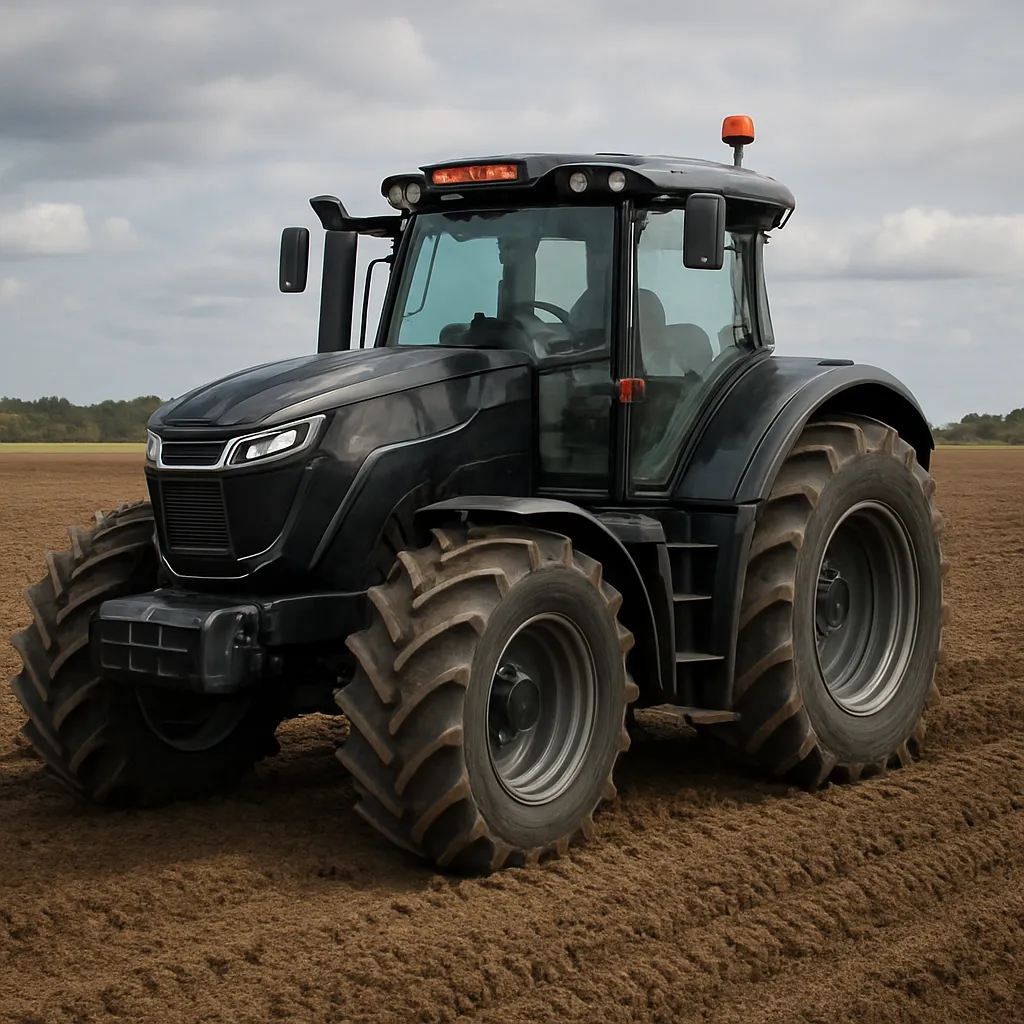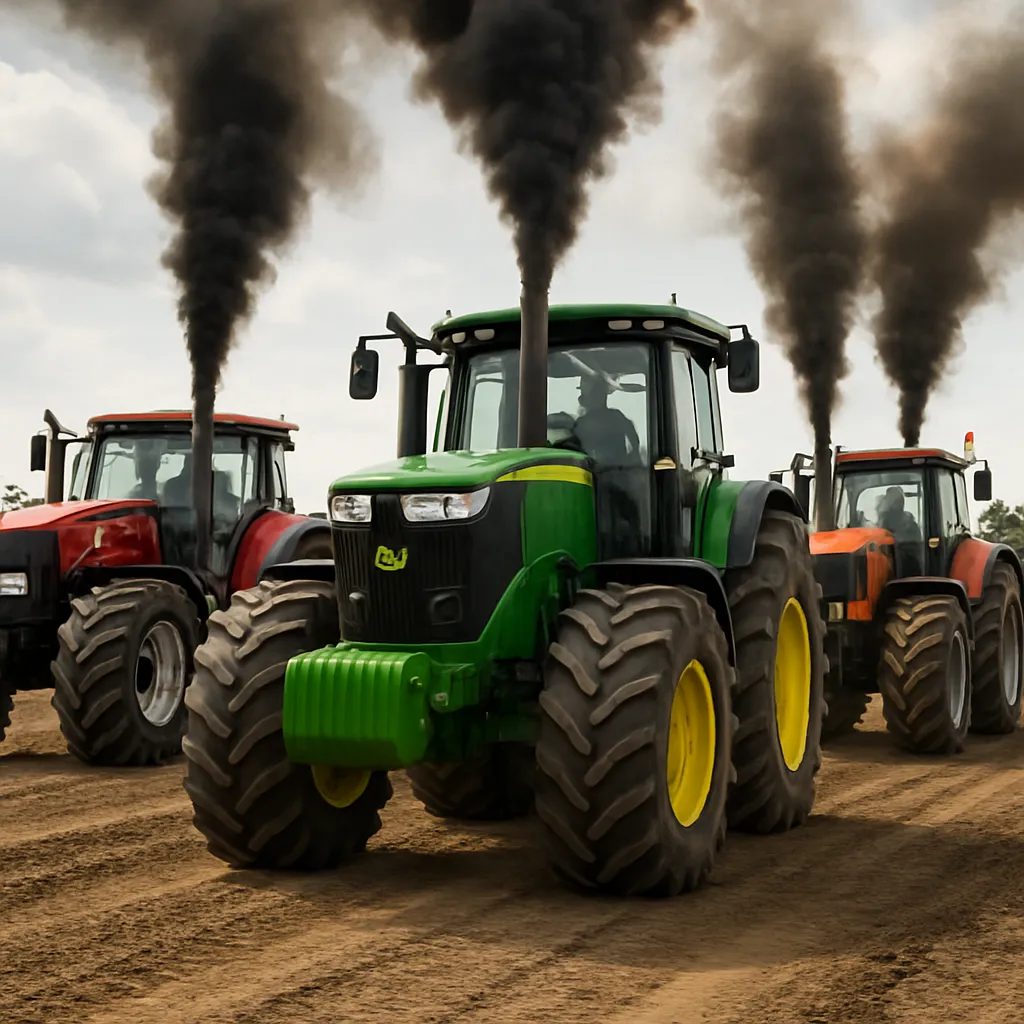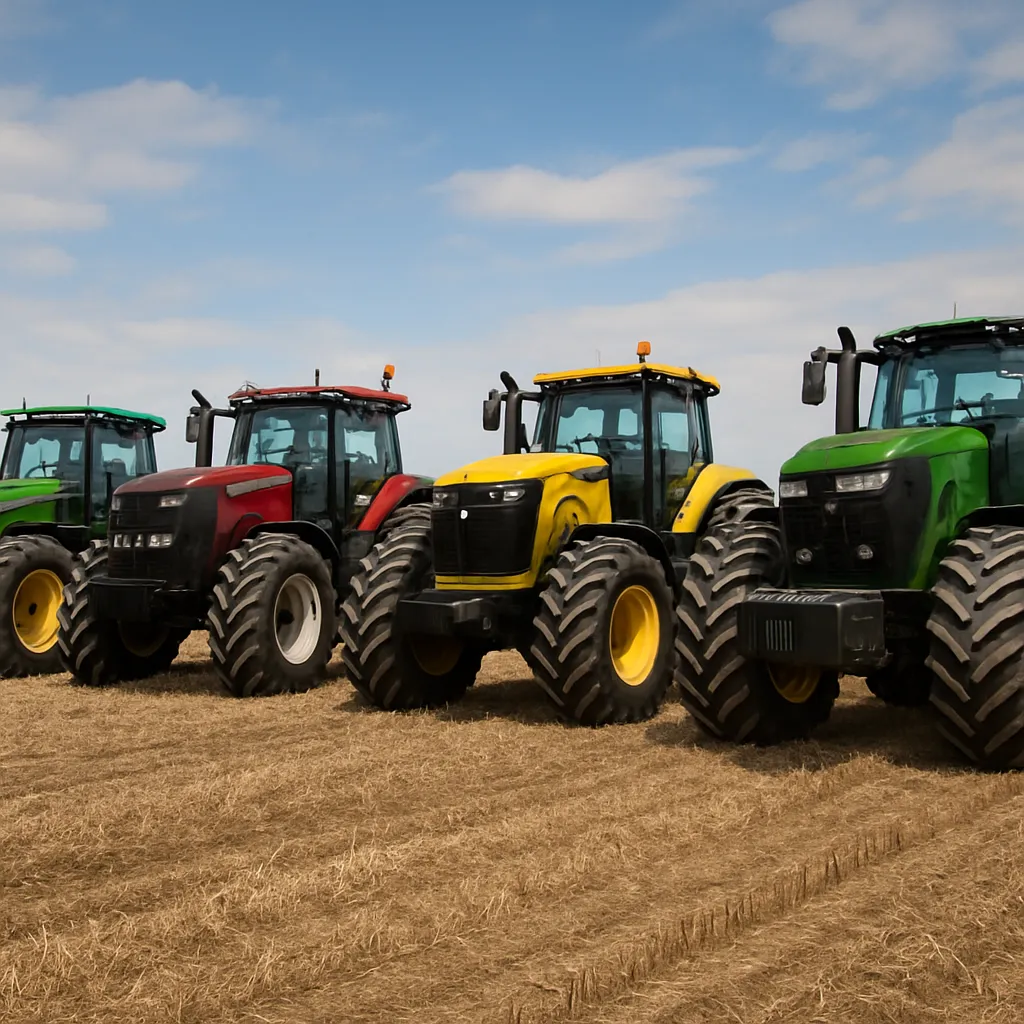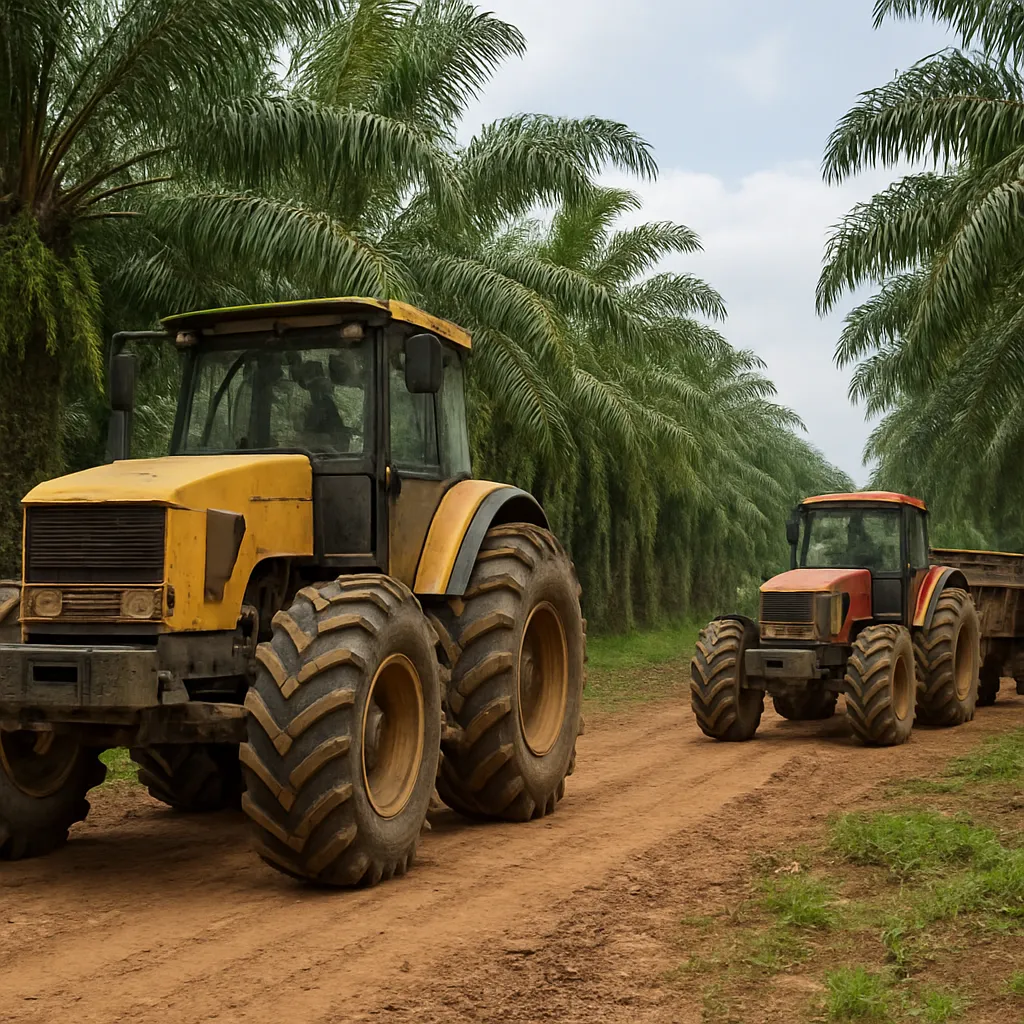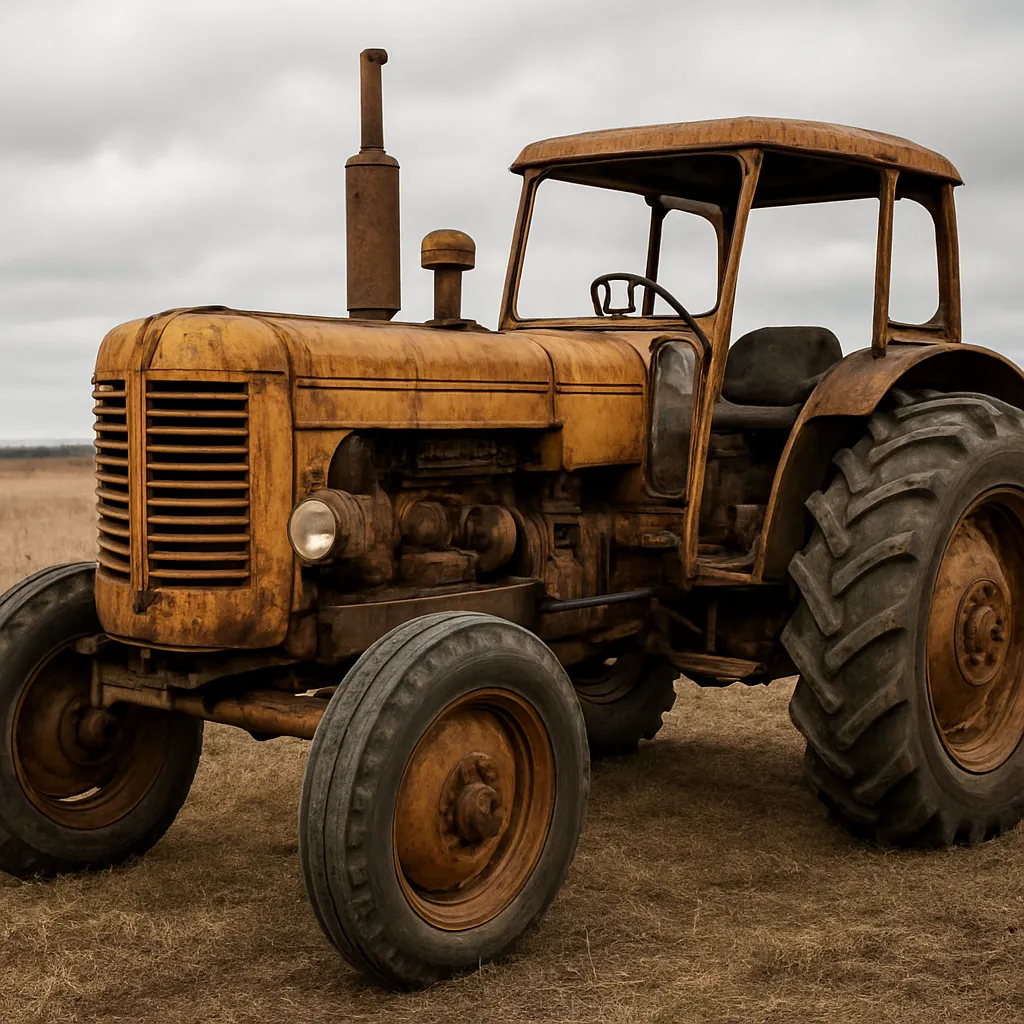
Throughout the annals of agricultural machinery, the pursuit of ever-larger and more powerful tractors has often led to bold experiments—and, in some cases, spectacular failures. From concept sketches that never left the drawing board to prototypes that broke down in the field, these misadventures in size and strength highlight the gap between ambition and practical execution. This article examines several high-profile attempts to build the world’s biggest tractors, exploring their technological hurdles, financial pitfalls, and lasting impacts on the industry.
The Race for Unprecedented Power
In the mid-20th century, a handful of manufacturers began to push the envelope of tractor design, determined to capture headlines with machines boasting record-breaking horsepower. Driven by a belief that larger tractors would drastically boost farm productivity, these companies invested heavily in new powertrains, innovative chassis layouts, and advanced transmission systems. Yet as they vied for supremacy, they often underestimated the complexity of scaling up conventional designs.
Scaling Challenges and Weight Distribution
- Massive engines required reinforced frames; added steel led to an explosion in overall weight, creating stress points in the chassis.
- Uneven weight distribution caused traction issues and soil compaction, negating any gains from increased horsepower.
- Cooling systems struggled to dissipate heat, as fans and radiators sized for smaller models proved inadequate for these powerhouses.
Transmission Overload
Even the most robust gearboxes buckled under the torque outputs of custom-built diesel engines. Manufacturers attempted to cobble together multi-clutch systems and multi-speed ranges, but each modification added complexity and potential failure points. In many prototypes, gears would wear prematurely, or the entire transmission unit would seize during testing.
High-Profile Tractor Failures
Several projects stand out as emblematic of how quickly aspirations can collapse when engineering solutions fail to align with real-world demands.
The “Colossus” Prototype
Launched by a small Midwestern firm in 1974, the so-called Colossus was advertised as the first 800-horsepower row-crop tractor. Initial public demonstrations drew large crowds, but within weeks, prototype units suffered from broken axles and repeated hydraulic leaks. The manufacturer poured millions into redesign attempts, yet never reached a reliable production model. Ultimately, the company declared bankruptcy in 1977, leaving a handful of abandoned chassis behind.
Big Bud’s Reliability Woes
The Big Bud 747 remains the world’s largest farm tractor at 1,100 horsepower. Despite its groundbreaking status, early users reported chronic breakdowns, including alternator failures and cracked drive shafts. Maintenance crews struggled with the sheer size, needing custom-built service platforms and heavy-duty rigs to swap parts. Though a few units soldier on in collector circles, the model never regained a reputation for dependable performance.
International Harvester’s Mega Machine
In the early 1980s, International Harvester invested in a 4WD prototype boasting 900 horsepower. Codenamed Project Titan, it featured an advanced hydrostatic drive and electronic engine controls—novelties at the time. However, semiconductor shortages limited the supply of control modules, and the system proved too finicky under field conditions. By 1985, the company canceled the project, writing off over $50 million in R&D costs.
Economic Miscalculations and Market Backlash
Beyond mechanical shortcomings, many of these ventures underestimated the economics of farming operations. The cost per acre of fuel, maintenance, and specialized support for mega-tractors often outstripped any gains in efficiency.
High Fuel Consumption
As engines grew larger, fuel burn rates soared. Many farmers reported spending up to 40% more on diesel, eradicating hoped-for cost savings. When oil prices spiked in the late 1970s and early 1980s, some operators simply parked their biggest tractors and returned to smaller, more reliable models.
Service and Parts Scarcity
- Dealerships lacked technicians trained on complex hydraulic-electronic systems.
- Custom components drove up part costs by 200–300% compared to standard tractors.
- Downtime for repairs could stretch into weeks, jeopardizing planting and harvest windows.
Engineering Lessons and Lasting Impact
Although these failures cost manufacturers dearly, they also yielded valuable insights that continue to shape tractor design today.
Modular Powertrain Design
Attempts to bolt ever-bigger engines onto existing frames revealed the limits of that approach. Modern tractors now employ modular powertrain platforms, allowing builders to share components across multiple horsepower classes. This strategy lowers development costs and simplifies inventory management for parts and service.
Focus on Reliability Over Raw Size
Agricultural equipment makers have shifted from purely chasing horsepower numbers to emphasizing continuous uptime and ease of repair. Redundant cooling circuits, standardized hydraulic fittings, and plug-and-play electronics ensure that even high-horsepower tractors remain field-serviceable.
Sustainable Economics and Fuel Efficiency
The mega-tractor debacles underscored that the most expensive machine is not always the most effective. Today’s engineers optimize engine maps, turbocharging, and hybrid-assist systems to deliver smooth power curves with minimized fuel burn. This balanced approach yields real-world gains without plunging farmers into steep operating costs.
Future Directions in Innovation and Scale
While the era of ever-larger singular machines might be waning, the lessons learned from past failures continue to influence the next wave of agricultural technology. Autonomous swarms of compact but networked tractors promise to match or exceed the power of a single super-tractor while offering unprecedented flexibility and lower logistical burdens. Moreover, advances in electric drivetrains and precision farming could render the raw-size contest obsolete, focusing instead on intelligent, data-driven efficiency.
In the end, the story of big-tractor failures is not merely one of shattered prototypes and financial write-offs. It is a testament to the hard-earned wisdom that bold engineering ambitions must always harmonize with the practical realities of the fields they serve. The fallen giants of the past paved the way for a future in which power, reliability, and sustainability go hand in hand—an enduring legacy born from the ashes of the world’s biggest tractor misadventures.