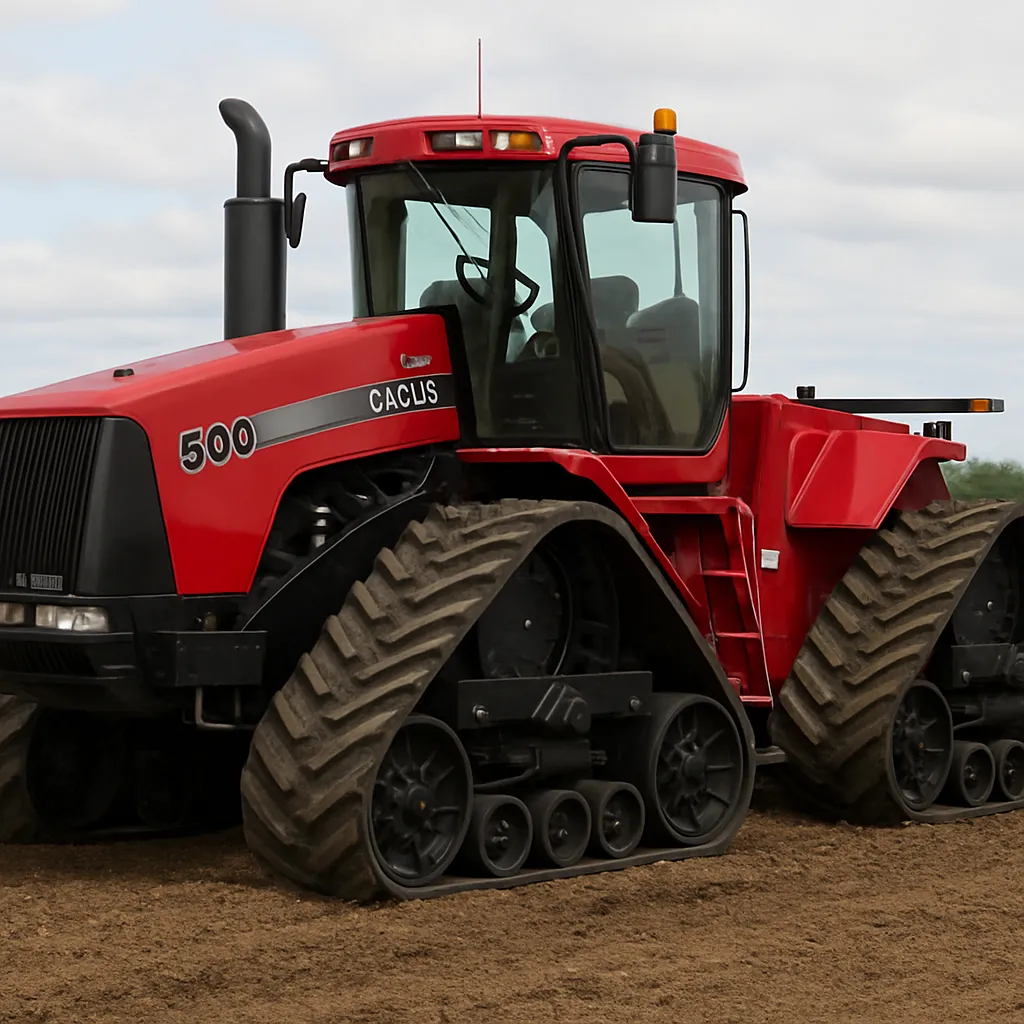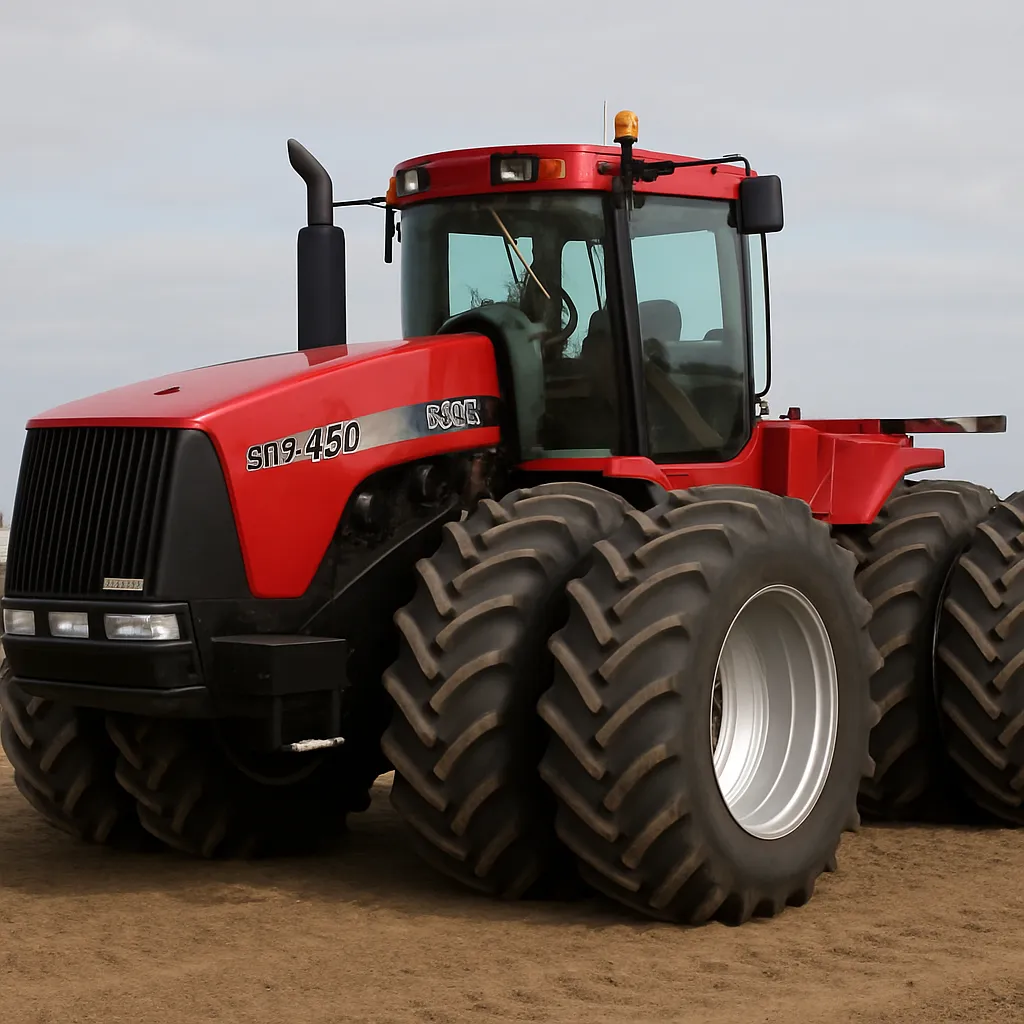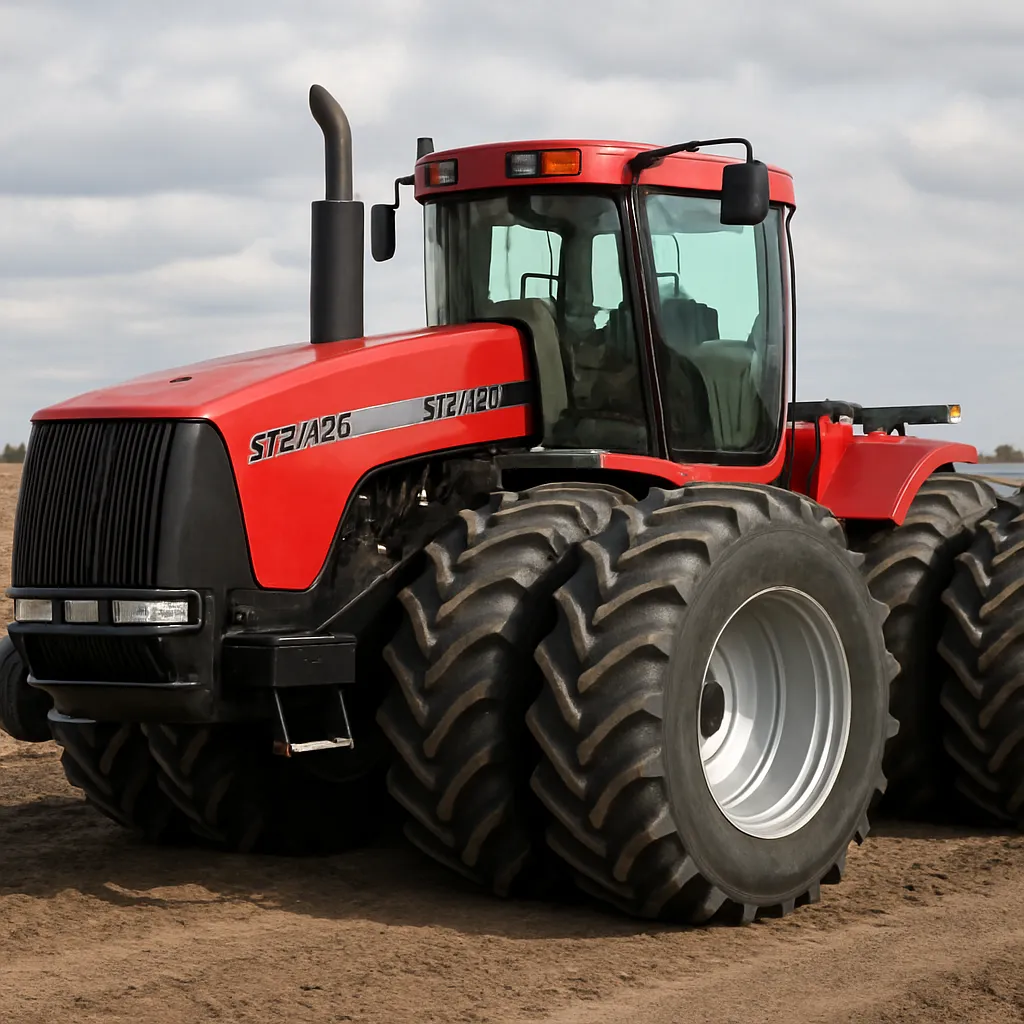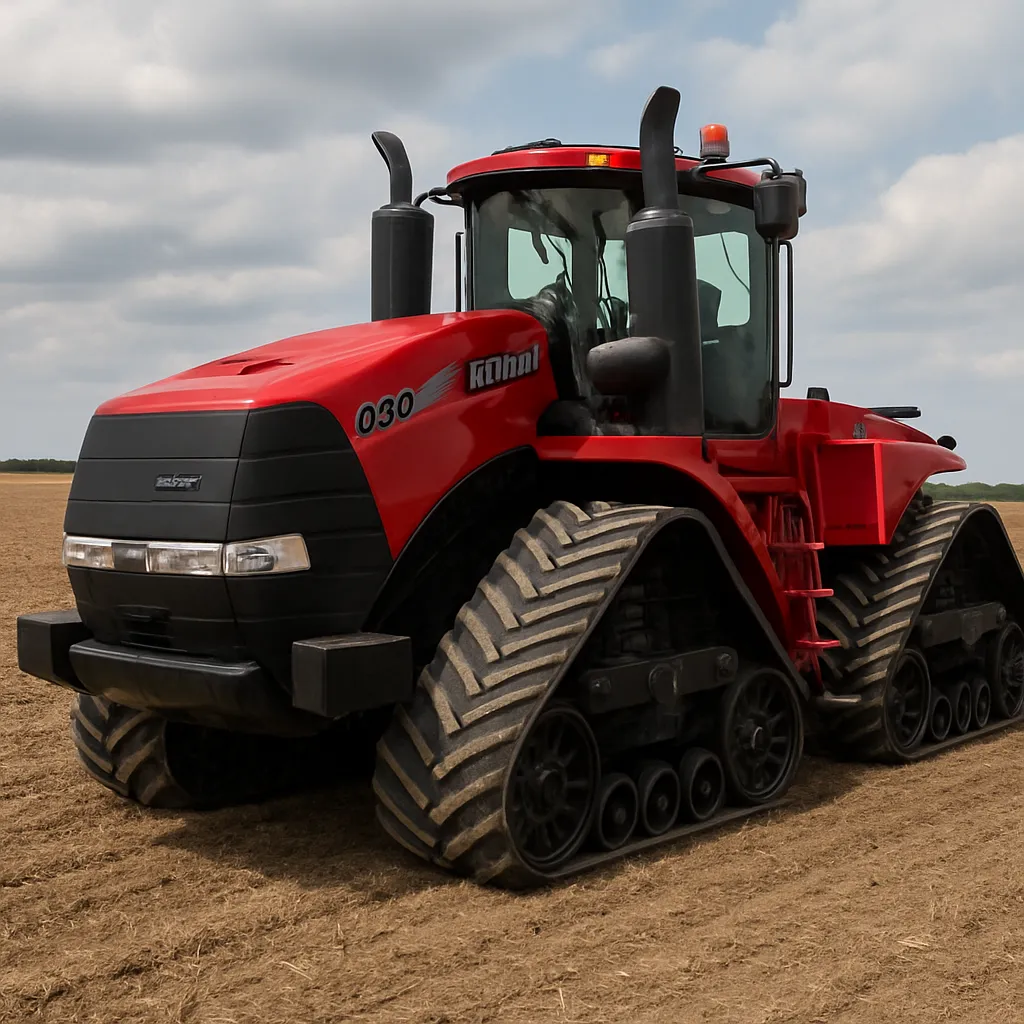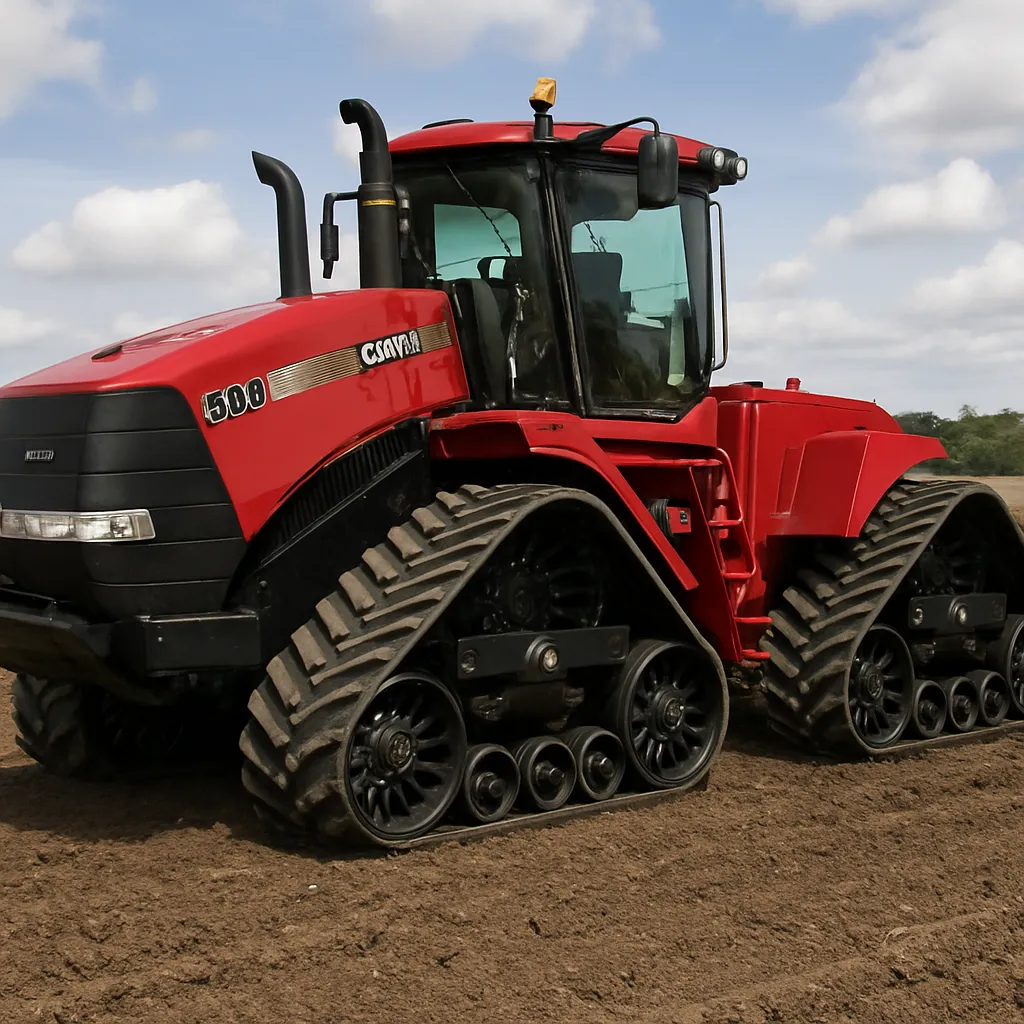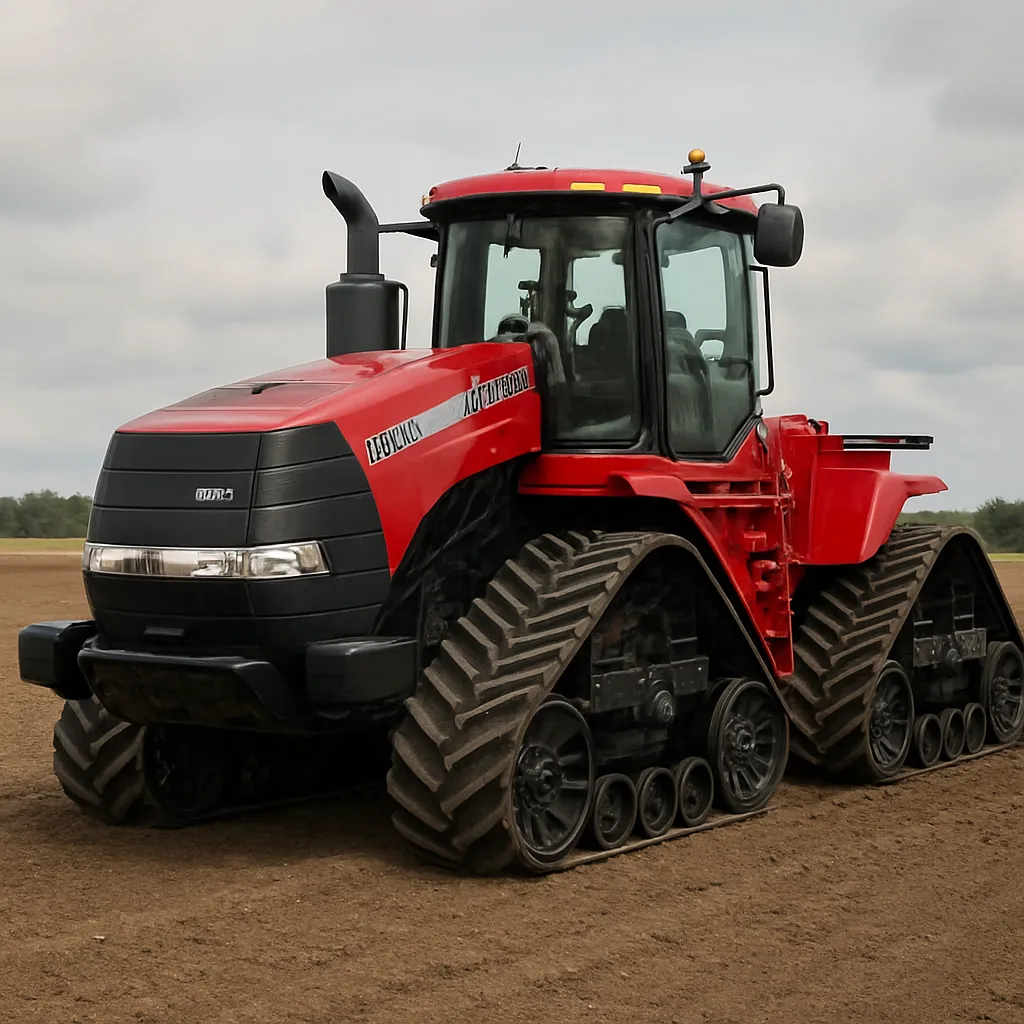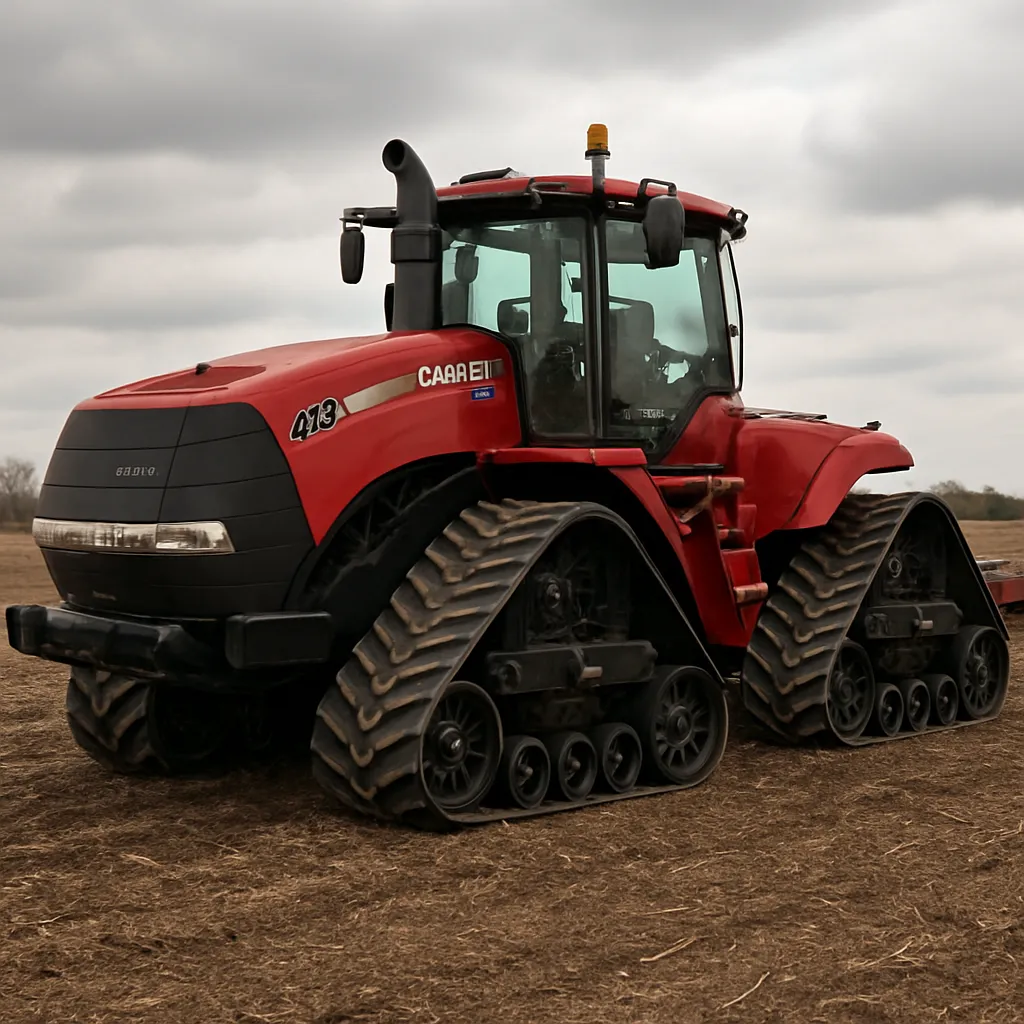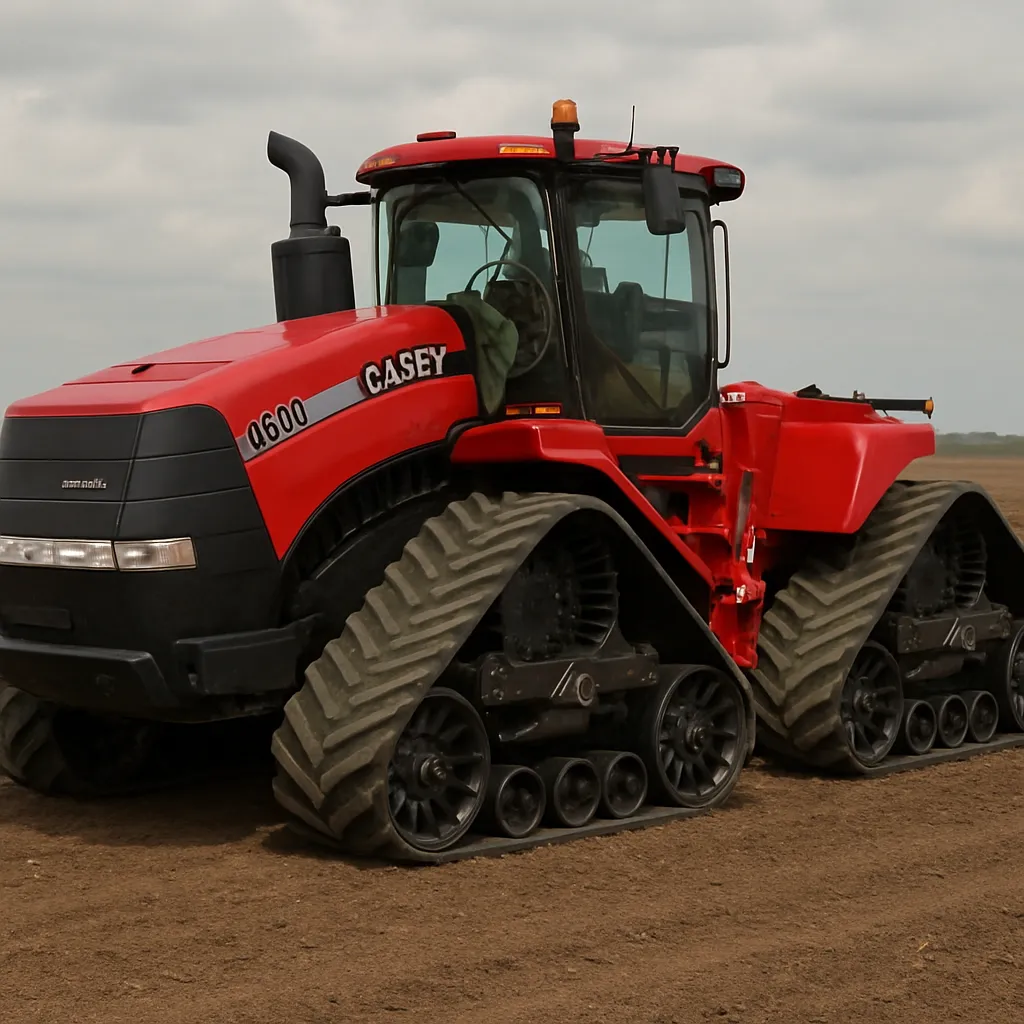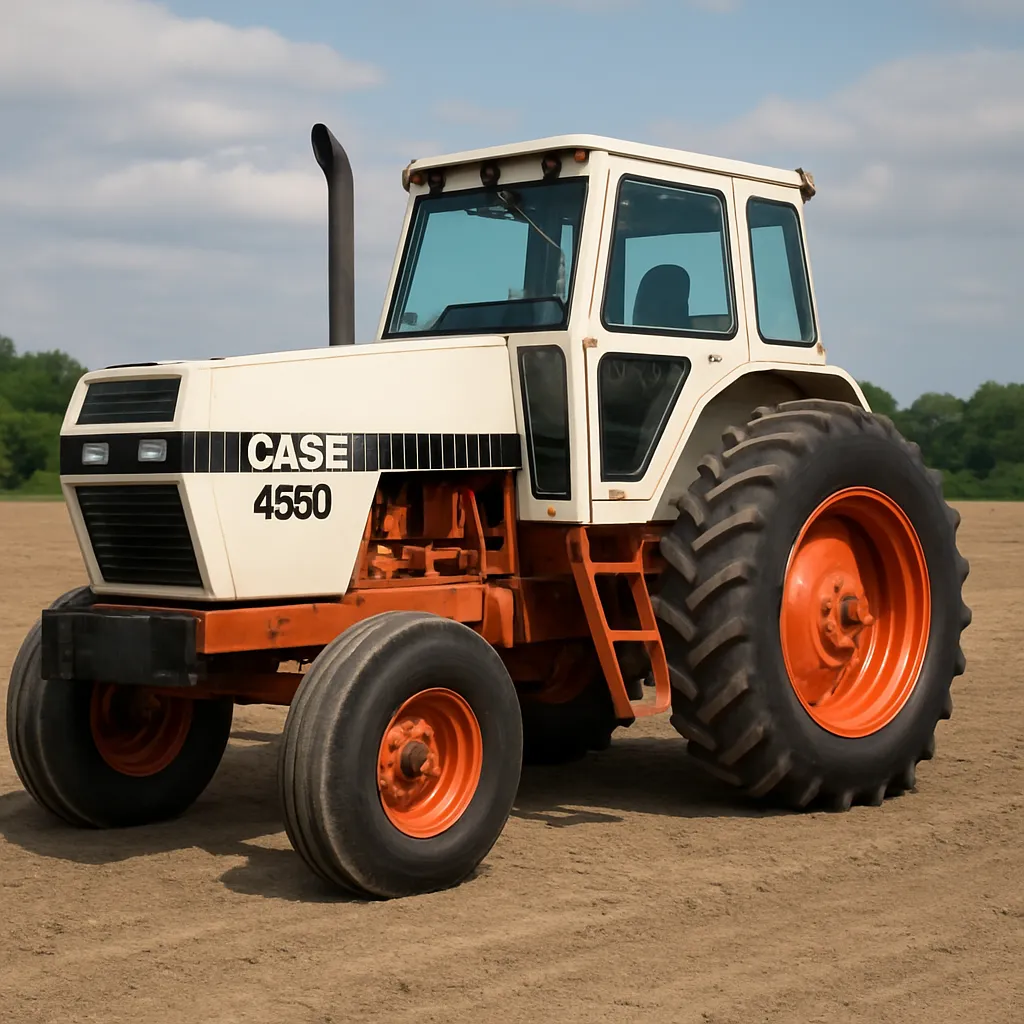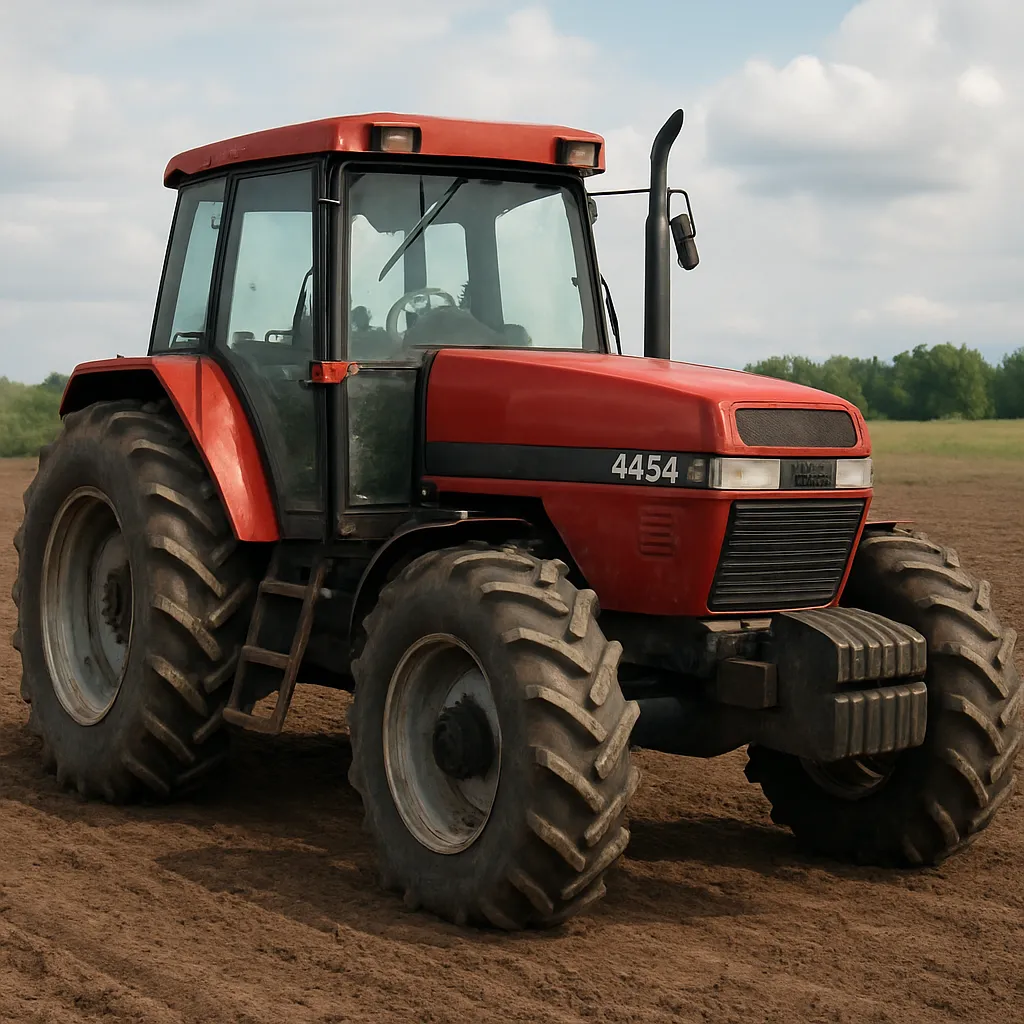
The Case 4494 is a name that resonates with farmers, contractors and vintage-tractor enthusiasts. Whether encountered in a modern field, a restoration shop or a local auction, this tractor represents a blend of practical engineering and durable design tailored for demanding work. In this article we explore the machine’s background, its typical uses, technical features, maintenance needs, market presence and a number of compelling facts that make the Case 4494 noteworthy to both operators and collectors.
Background and context
The Case brand has a long history in agricultural and industrial equipment, developing tractors that serve small farms to large commercial operations. The Case 4494, as a model designation, sits within that lineage as a workhorse designed for versatility. Tractors like the 4494 are commonly built to handle heavy tillage, hauling, planting and material-handling tasks while offering a balance of power, reliability and operator comfort.
Case tractors frequently emphasize serviceability and rugged construction, factors that contribute to long service lives. The 4494, depending on production year and options, typically features a robust diesel powerplant, a multi-range transmission, and the hydraulic and hitch systems necessary to operate a wide range of implements. Many operators prize these machines for their straightforward mechanical systems and the availability of spare parts, which make long-term ownership practical.
Design and technical characteristics
While exact specifications vary by production year and configuration, the Case 4494 class of tractors can be described by a set of common technical characteristics that define its capabilities and operation. The descriptions below provide a representative picture rather than a single definitive specification.
Engine and power
- The 4494 typically uses a diesel engine designed for continuous heavy-duty operation. Engines in this class are often inline-six or four-cylinder turbodiesels with mechanical or electronic fuel systems depending on era and options.
- Rated horsepower for models in this category commonly falls in a mid-to-high range suitable for large implements — typically in the ballpark of 140–220 hp at the flywheel, though exact figures depend on the year and tuning.
- Cooling systems, air filtration and fuel systems are engineered for dusty field environments, with service points accessible for routine maintenance.
Transmission and drive
- Transmissions available on tractors like the 4494 often include multi-range synchromesh boxes, powershift options, or semi-powershift gearboxes to allow a wide range of working speeds and efficient transport.
- Four-wheel drive (4WD) versions are common and increase traction and drawbar pull for heavy tillage. Some units may offer selectable 4WD for improved maneuverability and fuel economy when full traction isn’t required.
- PTO (power take-off) systems provide standardized PTO speeds (e.g., 540/1000 rpm variants in many tractors) to drive implements such as mowers, balers and spreaders.
Hydraulics, hitch and implement integration
- Hydraulic systems on tractors like the 4494 typically feature an open-center or closed-center pump capable of operating multiple hydraulic circuits for implements, loaders and remote cylinders.
- A three-point hitch with category-compatible linkages is standard, enabling attachment of plows, cultivators and seeders. Hitch control allows precise depth and draft management.
- Rear linkage lift capacity can vary but is designed to manage heavy field implements; auxiliary hydraulics and electronic controls are common on later configurations.
Cab, ergonomics and operator aids
- The cab aims to balance visibility, comfort and noise reduction. Heating, ventilation, and in many modernized or late-production examples, air conditioning, help maintain operator productivity over long shifts.
- Instrumentation and controls are arranged to allow intuitive use of transmission ranges, PTO engagement, hydraulic functions and hitch controls. Some models offer power steering and adjustable seats for improved ergonomics.
Typical applications
The Case 4494 excels in tasks that require dependable power, traction and the ability to interface with a broad range of implements. Common applications include:
- Tillage: primary plowing, chisel plowing, disk harrowing and other soil preparation tasks where drawbar pull and consistent torque are essential.
- Seeding and planting: pulling large planters and air seeders across extensive acreage with precise speed control.
- Hay and forage: mowing, raking, baling and transport of bales using rear PTO and linkage-mounted implements or front loaders.
- Material handling: front-mounted loaders for moving silage, feed, soil and aggregates on mixed farms and small construction jobs.
- Transport and roadwork: pulling trailers, operating road maintenance attachments and other municipal or farm transportation duties.
- Specialized tasks: when fitted with proper attachments, tractors like the 4494 can serve in orchard work, vineyard tasks (with appropriate modifications), snow removal and forestry support.
Performance and operational statistics
Operational numbers vary with load, configuration and operator technique. The figures below represent typical ranges observed for tractors in the same class as the Case 4494. Presenting ranges avoids implying absolute precision for every unit.
- Rated power: approximately 140–220 hp (flywheel), depending on model year and tuning.
- Fuel consumption: in field conditions this class often uses approximately 8–30 liters per hour (2–8 gallons per hour), depending on load, speed and PTO use. Intensive towing and high-load tillage are at the upper end of this range.
- Operating weight: many mid-large tractors weigh between 6,000–11,000 kg (13,200–24,200 lb), with 4WD and ballast significantly increasing the lower figure.
- Hydraulic flow: typical pump flow rates can range from 60–140 liters per minute (15–37 gpm) depending on equipment and era.
- Three-point lift capacity: rear hitch lift capacities can range from 3,000–6,000+ kg (6,600–13,200+ lb), allowing operation of heavy implements.
These numbers should be used as a guide. For precise data, consult the tractor’s serial plate, original operator’s manual or manufacturer documentation specific to the model year and factory options.
Maintenance, reliability and common issues
Tractors of the Case 4494’s class are designed for long service lives but benefit from consistent maintenance. The most important service areas include routine oil and filter changes, fuel system care, cooling system checks and hydraulic system maintenance.
Routine maintenance checklist
- Engine oil and oil filter: change at manufacturer-recommended intervals or more frequently under dusty conditions.
- Fuel filters and water separators: change regularly to avoid injector damage and fuel system blockages.
- Air filters: inspect and replace pre-cleaners and main filters to prevent abrasive wear.
- Cooling system: flush and replace coolant as recommended; check radiator and charge-air coolers for debris.
- Hydraulics: monitor hydraulic fluid level, condition and filter elements to preserve pump life and valve function.
- Transmission and final drives: schedule oil level and change intervals, and monitor for leaks or unusual noises.
- Tires and brakes: maintain correct tire pressure and inspect brakes and steering components regularly.
Common issues and how to approach them
- Fuel-related problems: contaminated fuel is a frequent issue; use clean fuel and replace filters promptly.
- Hydraulic leaks and worn seals: common in older units — regular inspection and replacing seals during major services extends system life.
- Electrical gremlins: loose connections, corroded terminals and aged wiring can cause intermittent faults; thorough electrical inspections are often cost-effective.
- Turbocharger wear (on turbocharged versions): monitor for loss of power and increased oil consumption; address early to avoid consequential engine damage.
Well-maintained units often remain productive for many thousands of hours. Good record keeping and proactivity in addressing issues are keys to extracting long service life from tractors like the 4494.
Attachments and versatility
One reason tractors such as the Case 4494 remain valuable is their ability to accommodate a wide variety of implements and attachments. This versatility makes them economical for mixed-use farms and contractors who must perform many different tasks without specialized fleets.
- Plows, cultivators, and disc harrows for soil preparation
- Seeders, planters and air drills for planting operations
- Balers, mowers and forage wagons for hay and silage handling
- Front loaders and grapple arms for material handling
- Spreaders and sprayers for nutrient and pest management
- Snow blades, blowers and salt spreaders for municipal work in cold regions
- Post-hole diggers, stump grinders and chipper attachments for land management
Hydraulic remotes and electronic control upgrades often expand the functionality of older tractors, enabling them to run modern implements effectively.
Market, resale value and restoration
The market for robust used tractors is influenced by age, hours, condition and regional demand. Key points about the Case 4494’s market position include:
- Working-condition units retain value when they have documented service histories and no major mechanical problems.
- Low-hour, well-preserved machines with original trim and functioning cab features often fetch premiums among collectors and smallholders seeking simplicity over modern complexity.
- Parts availability and aftermarket support affect resale value: models with established parts ecosystems tend to be more desirable.
- Restored models appear at specialty auctions and vintage tractor shows; a high-quality restoration can substantially increase the value for collectors.
Resale prices vary widely by region and condition. A good approach for buyers is to compare similar listings, request service records, and, if possible, inspect the unit operationally. Sellers benefit from being transparent about hours, repairs and known issues.
Safety, operator training and regulatory considerations
Operating medium-to-large tractors like the 4494 safely requires training, attention to maintenance and adherence to local regulations. Important safety considerations include:
- Rollover protection: ensure rollover protective structures (ROPS) are intact and use seat belts when ROPS are present.
- PTO safety: keep shields in place, disengage PTO when approaching moving parts, and follow lockout/tagout procedures during maintenance.
- Visibility and signaling: maintain lights, mirrors and reflectors for road transport; adhere to local road safety rules.
- Operator training: operators should be familiar with hitching techniques, hydraulics, weight distribution and emergency procedures.
- Emissions and noise regulations: depending on jurisdiction, older tractors may need retrofits or special permits to comply with emissions or noise limits for certain uses.
Interesting facts and practical tips
- Many owners upgrade older tractors with modern electronics or auxiliary hydraulic circuits to run newer implements — this extends economic life and utility.
- Ballasting (adding front or rear weights) dramatically affects traction and stability; proper ballast setup improves performance and reduces tire slip.
- Collectibility increases for models with unique factory options, limited production runs or historical significance in regional agriculture.
- Some operators repurpose agricultural tractors for construction, landscaping and municipal work because of their power, simplicity and adaptability.
- Community knowledgebases and forums often provide model-specific troubleshooting tips, parts sources and restoration advice that can be invaluable for owners.
Environmental and economic considerations
From an environmental perspective, older diesel tractors are less fuel-efficient and have higher emissions than the latest machines equipped with advanced combustion controls and aftertreatment systems. Retrofitting particulate filters or replacing engines can reduce emissions but may be expensive.
Economically, maintaining a durable machine such as the 4494 can be attractive versus purchasing a brand-new high-spec tractor, especially for operations that need robust mechanical simplicity and lower acquisition costs. Total cost of ownership calculations should include fuel, maintenance, downtime risk, and the flexibility gained by being able to run a wide range of implements without costly adapters.
Conclusion
The Case 4494 stands as an example of a practical, adaptable tractor that suits a wide variety of agricultural and utility roles. Its durability, straightforward mechanical design and ability to accept numerous implements make it a reliable choice for farms and small contractors. While specific statistics vary by production year and configuration, the model class is characterized by substantial horsepower, strong hydraulics, and a focus on serviceability. For buyers and operators, attention to maintenance, safety and the correct implement selection will maximize the value and operative life of a tractor like the 4494.