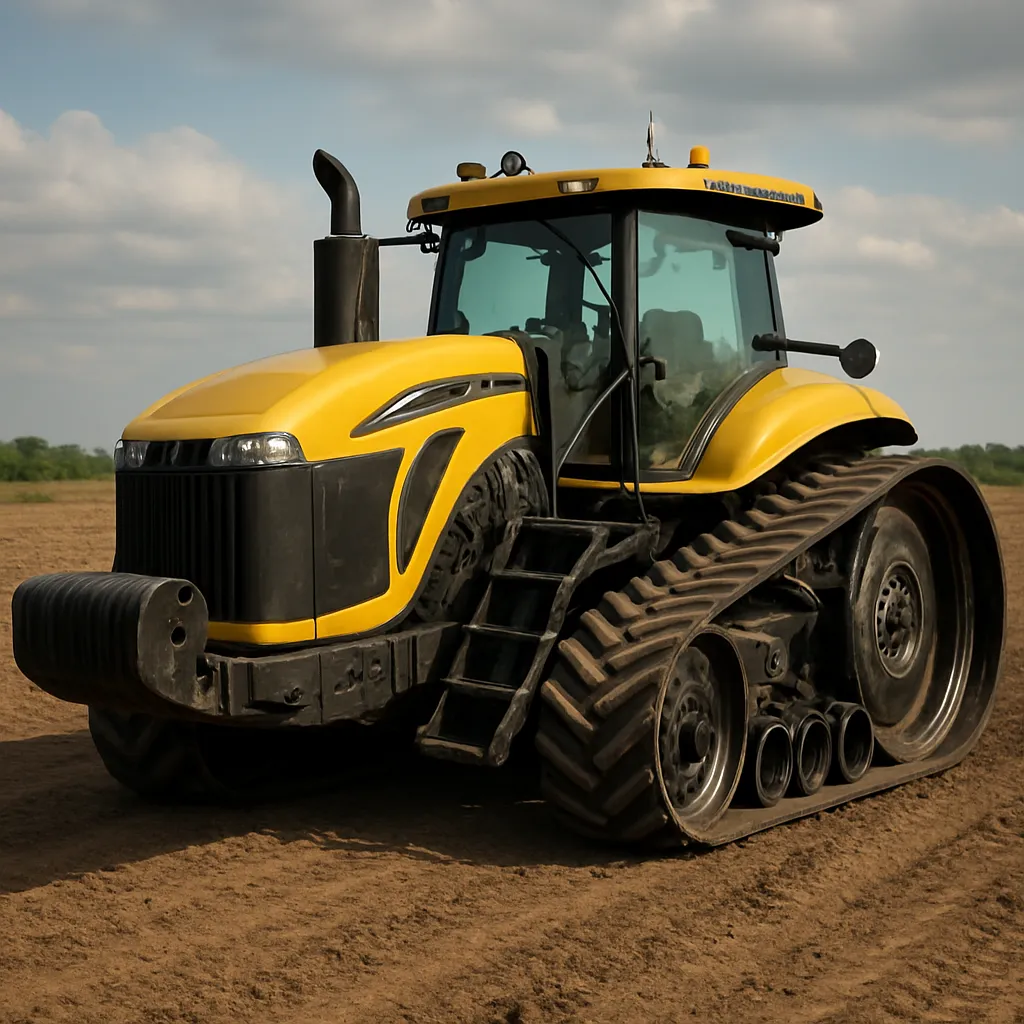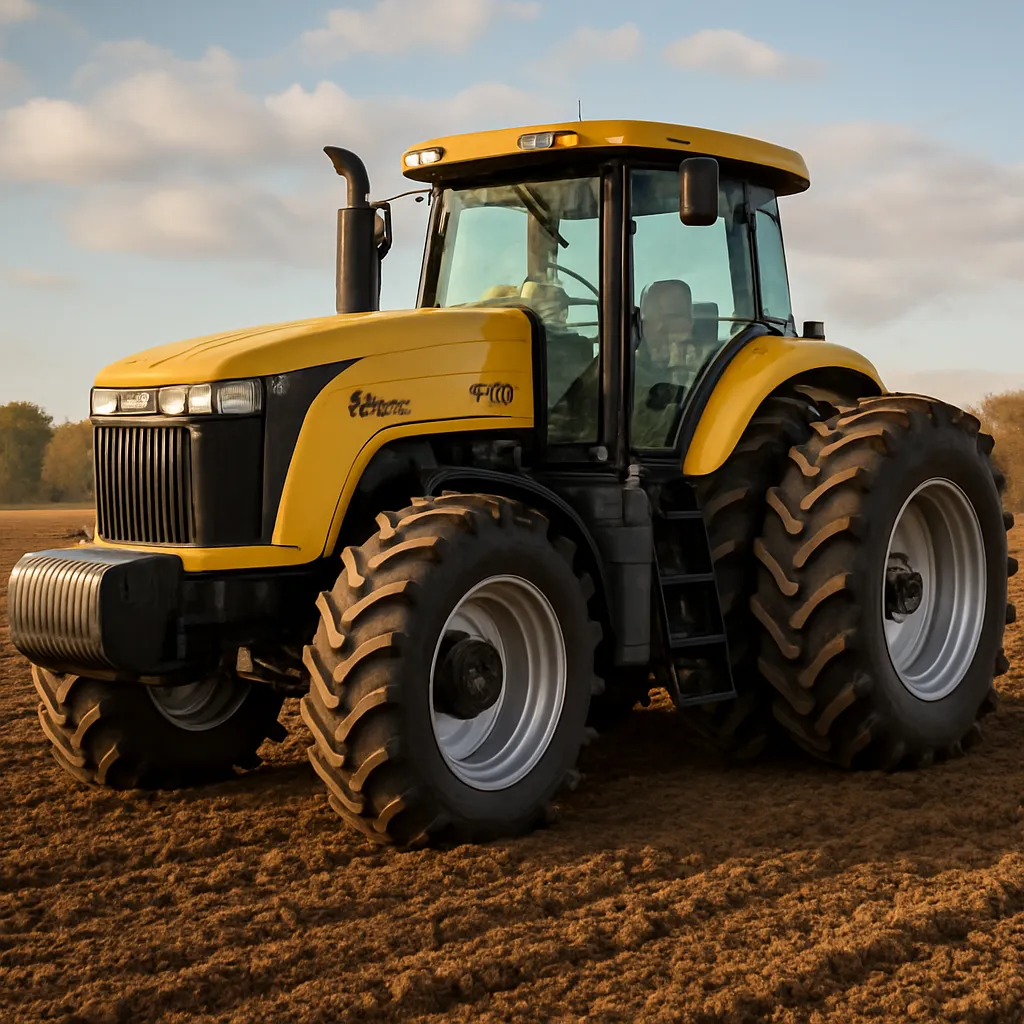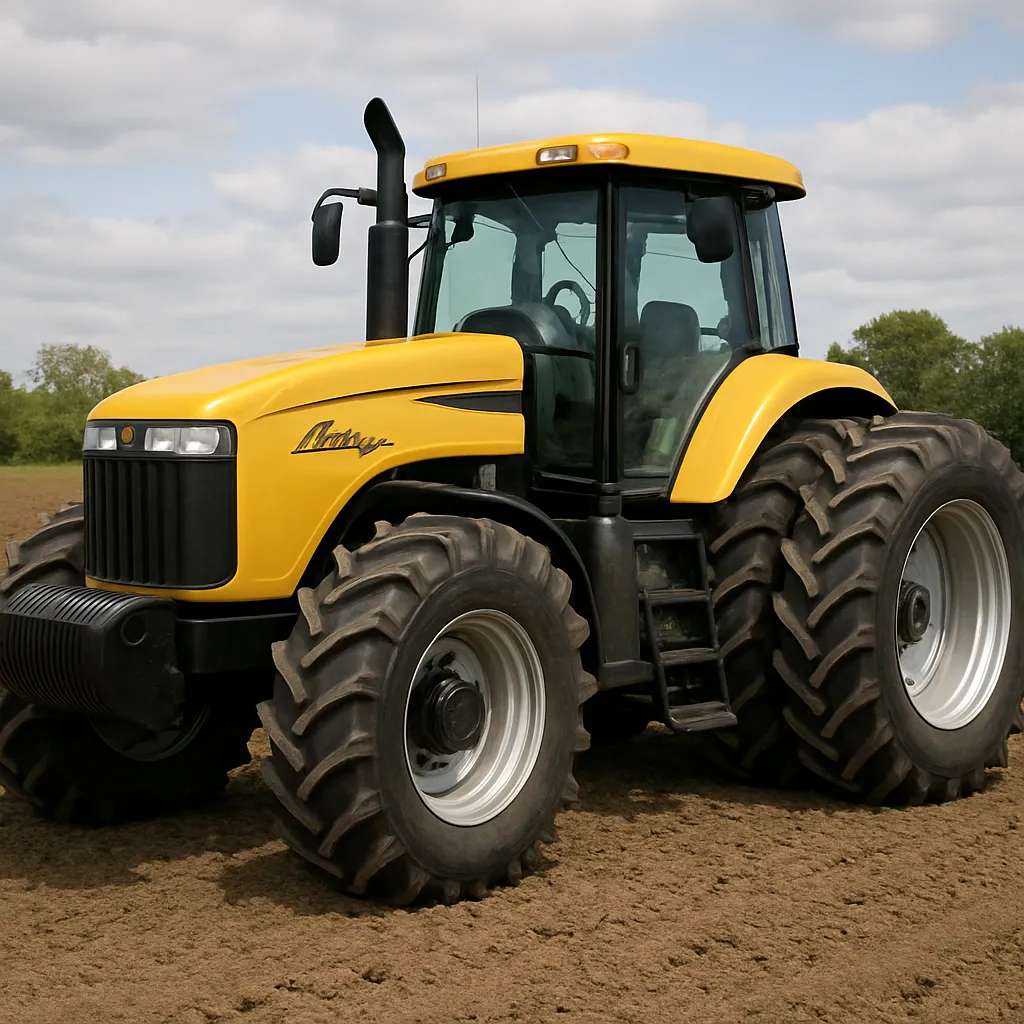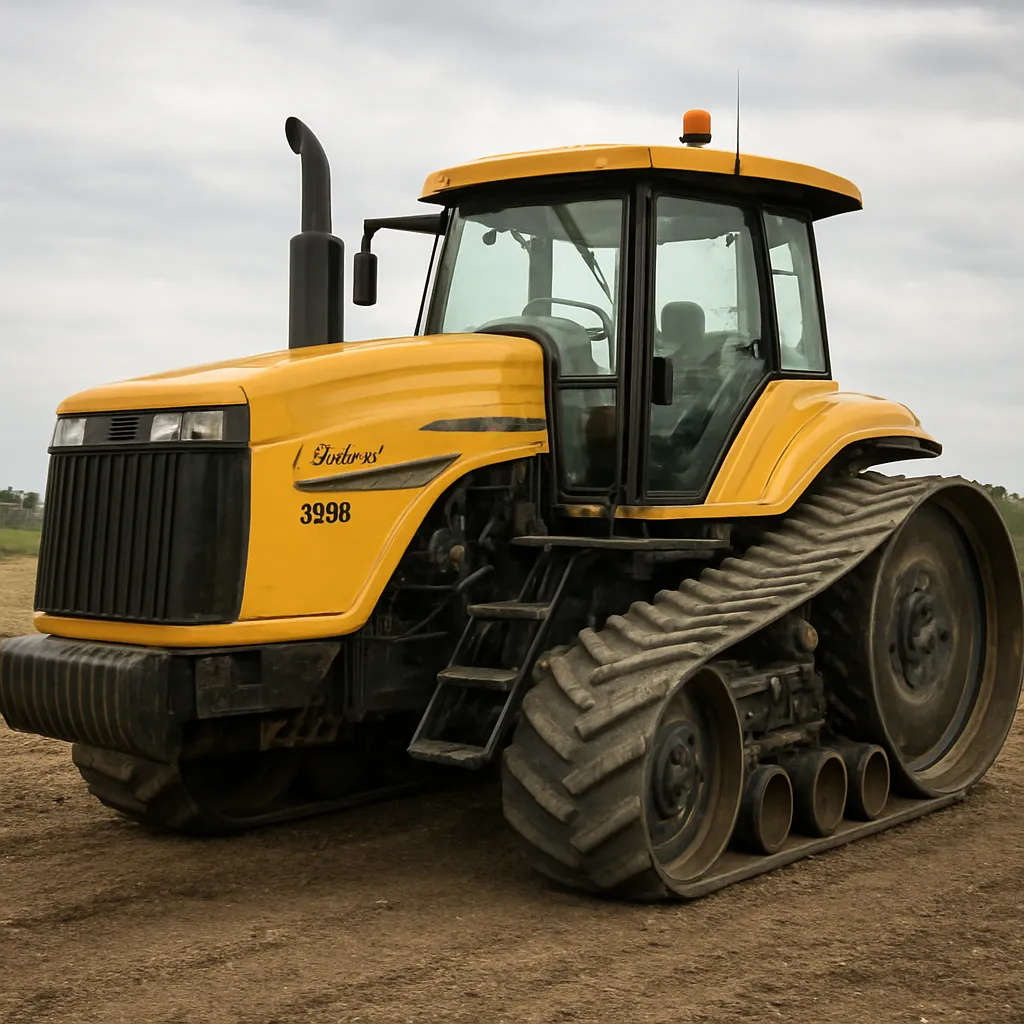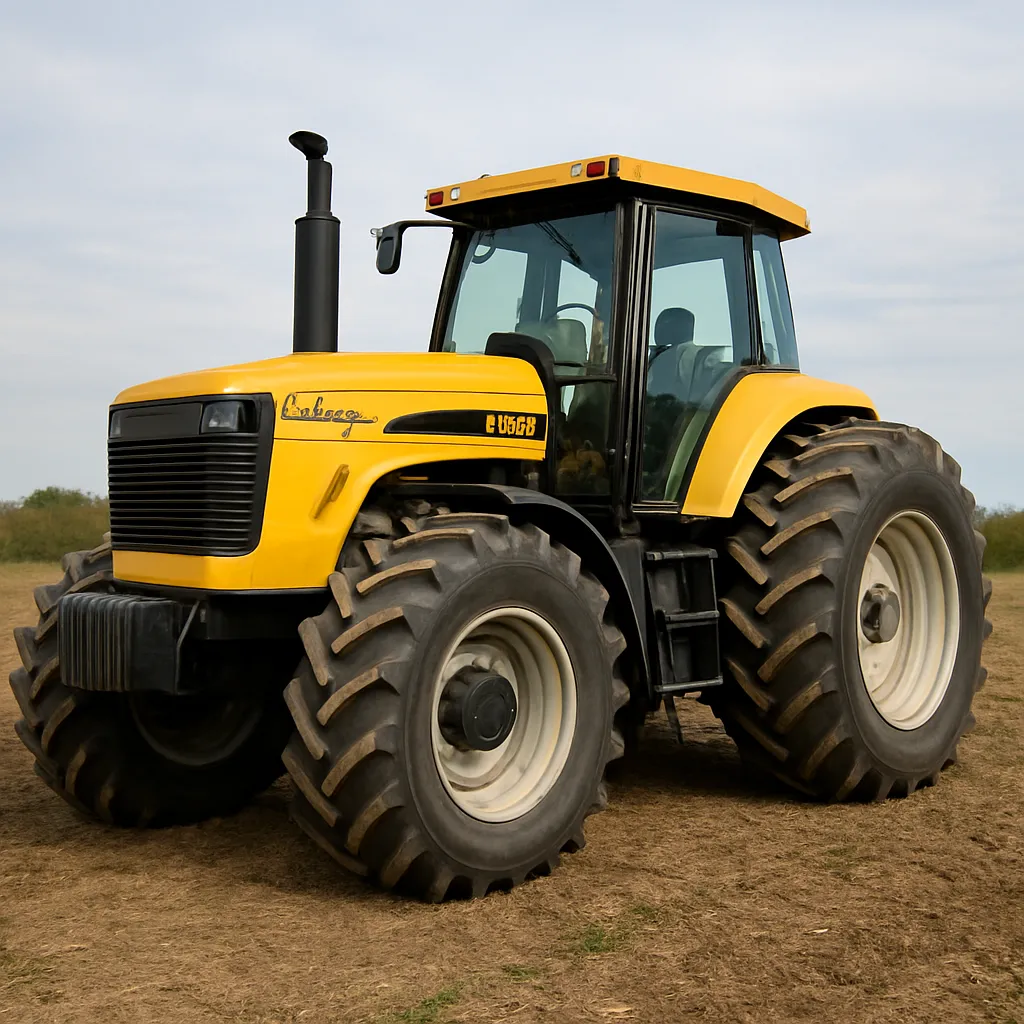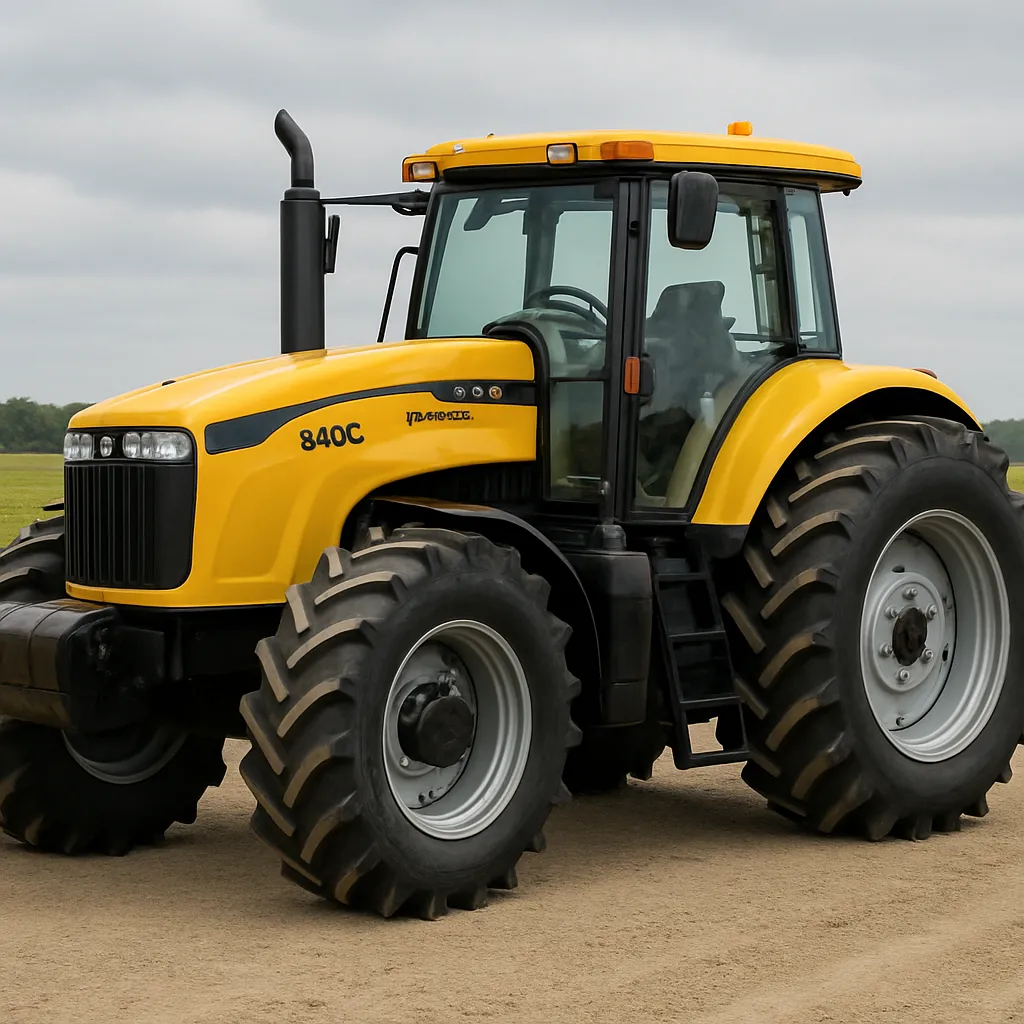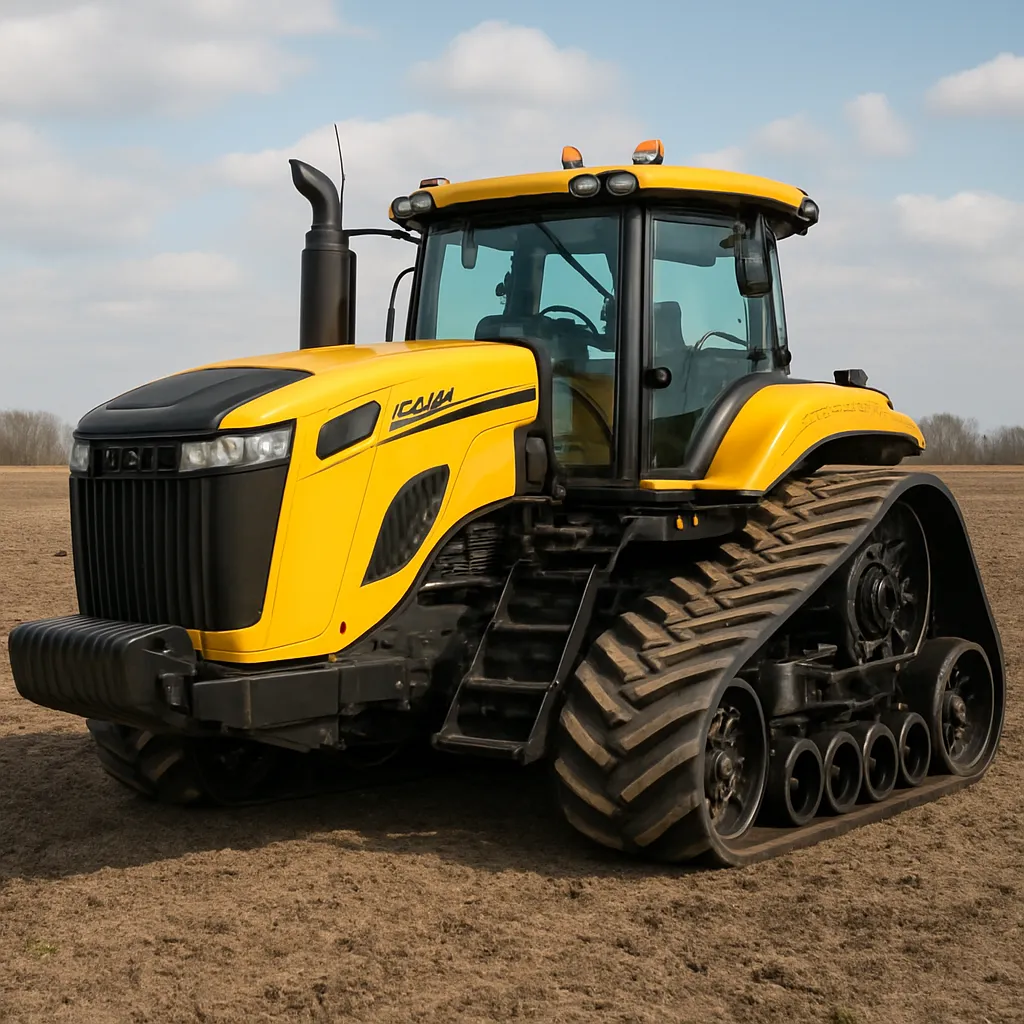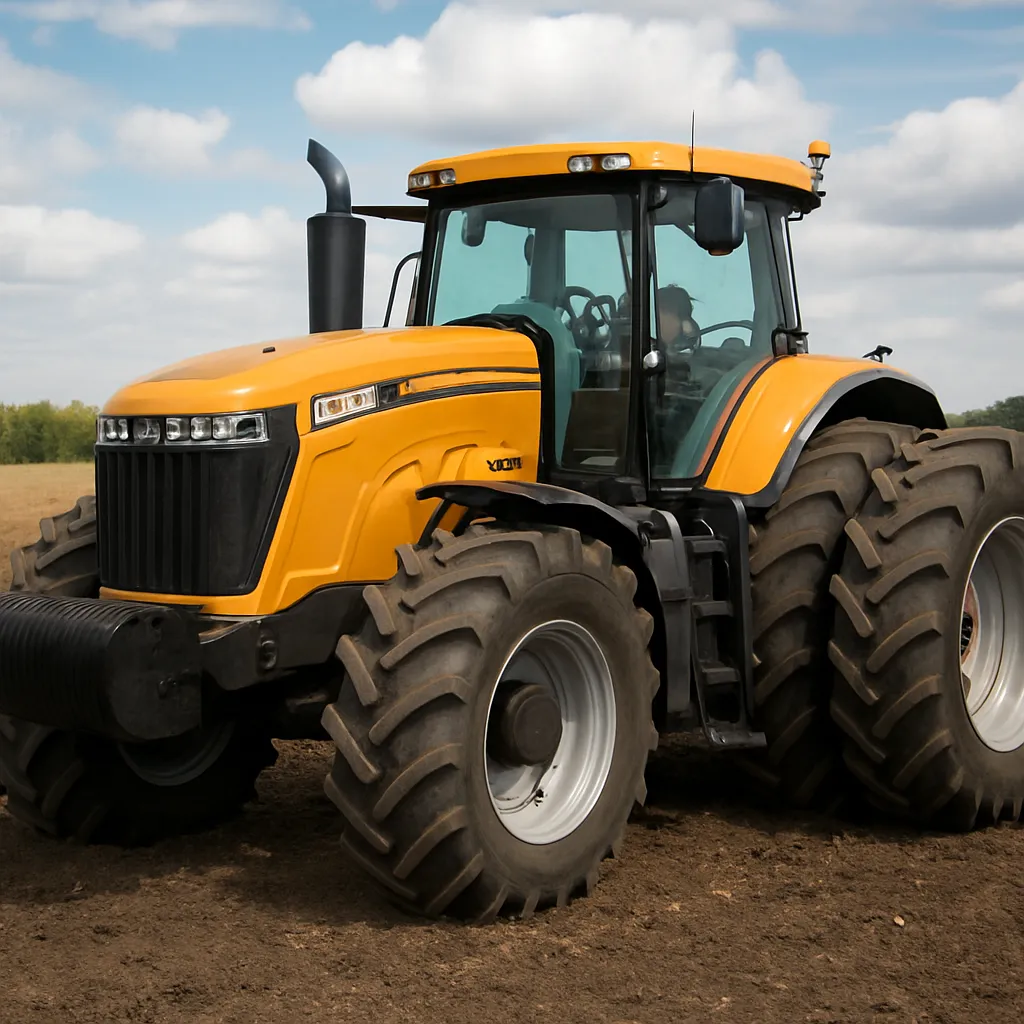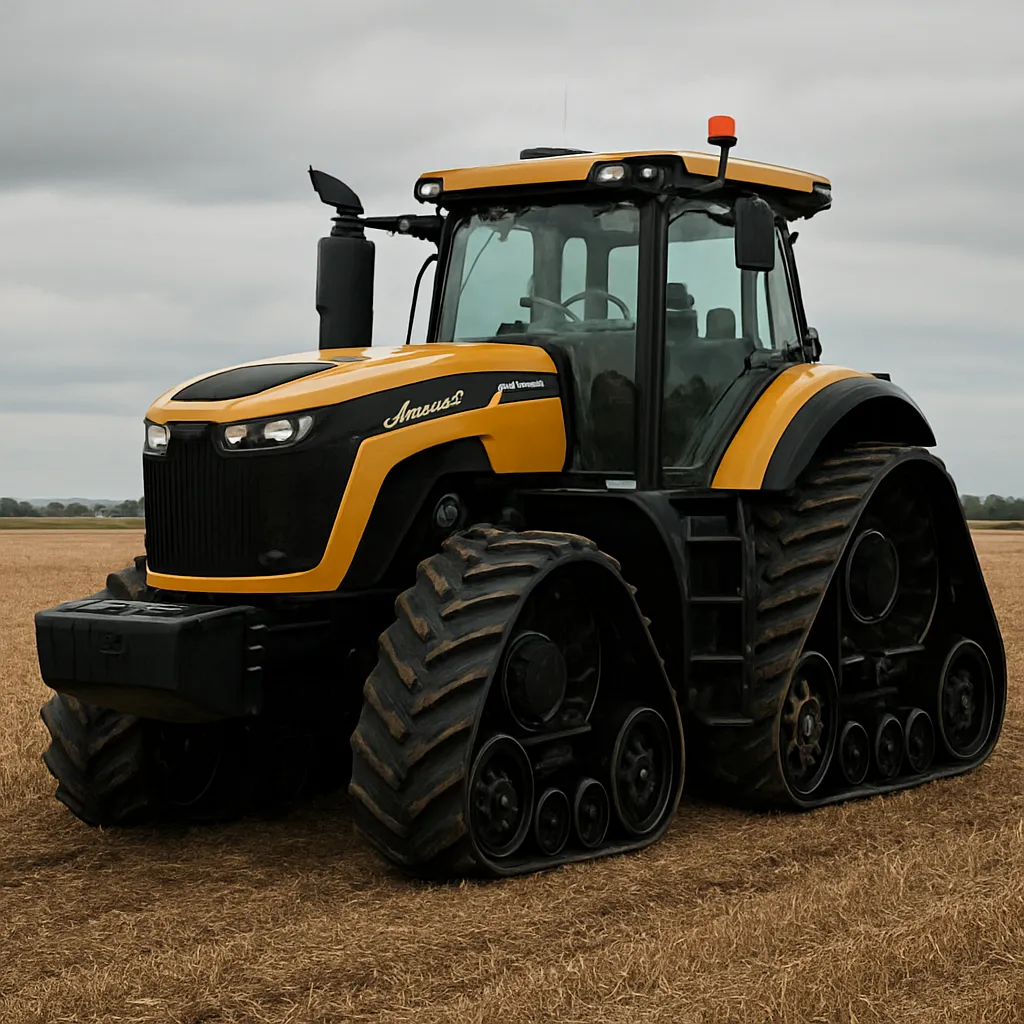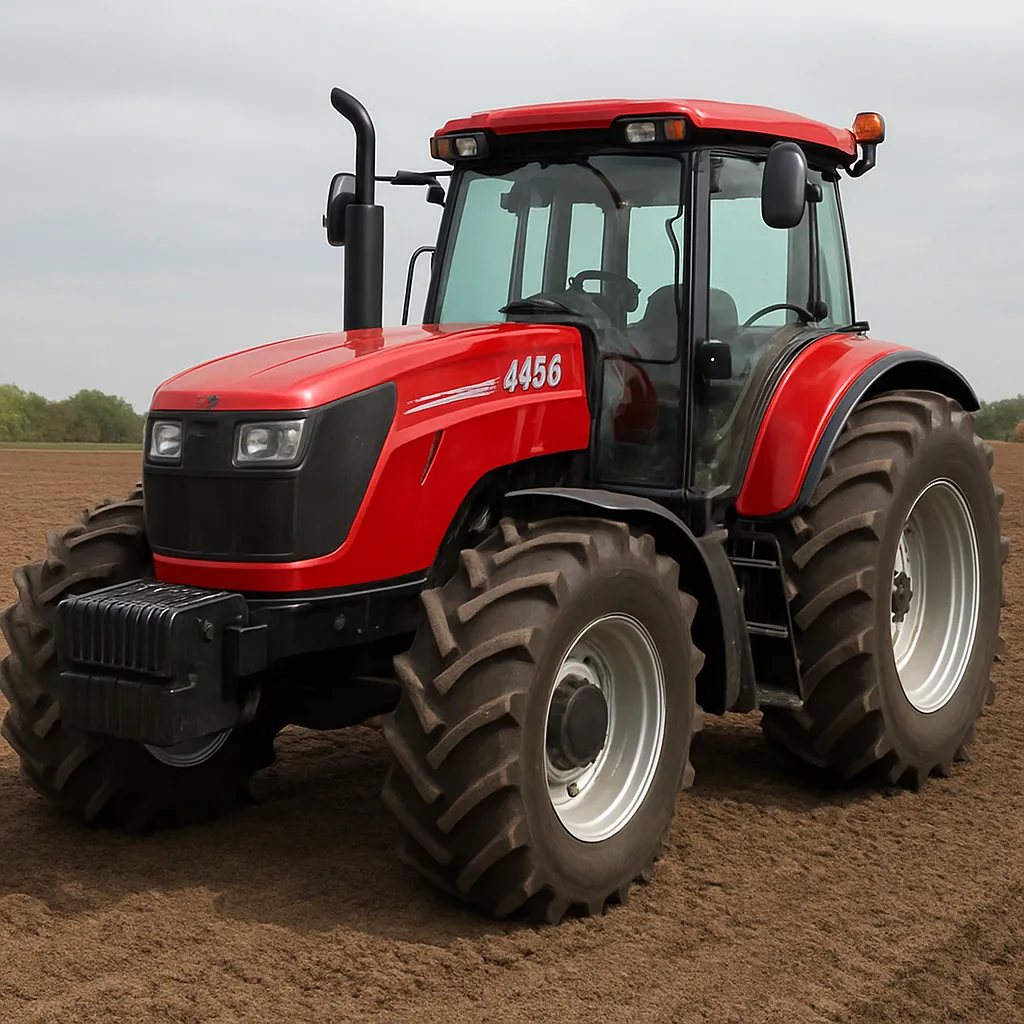
The Case 4694 tractor represents a versatile piece of agricultural machinery valued by many for its balance of power, durability, and adaptability. Whether deployed on medium-sized farms or in specialty operations, this machine serves a wide range of tasks—from fieldwork and hauling to specialty applications with mounted implements. In the following sections, we explore the machine’s design philosophy, typical technical characteristics, practical applications, operational economics, maintenance considerations, and market performance. Throughout, key terms such as Case 4694, engine, horsepower, torque, PTO, transmission, fuel efficiency, versatility, maintenance, and resale value are highlighted to guide the reader to the most important concepts.
Design and technical characteristics
The design of the Case 4694 targets operators who need a reliable mid-range tractor that can perform a variety of tasks without the complexity or expense of larger, specialized machines. Typical design elements include a robust chassis, a well-insulated operator station, and an emphasis on straightforward serviceability. The machine is engineered to handle both draft work and implement power delivery while offering a comfortable operator experience for long workdays.
Powertrain and engine
At the heart of the Case 4694 lies its engine package. While exact specifications can vary by production run and configuration, tractors in this class commonly use four- to six-cylinder turbocharged diesel engines designed for a balance of horsepower and torque. Engines are tuned to deliver strong low-end torque to maximize traction in the field and to reduce the need for frequent gear changes. For similar mid-range tractors, rated outputs typically fall in the range of 70–120 hp, with peak torque figures sized to match implements commonly used in row-crop and mixed-farming operations.
Transmission and drivetrain
The transmission options on a machine like the Case 4694 usually include mechanical synchromesh gearboxes, power shuttle transmissions, or fully-synchronized powershift units, giving operators choices that suit their workflow. A durable drivetrain with heavy-duty differentials and multiple hitch/power take-off arrangements is intended for reliable power transfer to both towed and mounted implements. A few points to note:
- Mechanical or semi-powershift transmissions for simpler maintenance and high reliability.
- Options for dual-range gearing to provide both field and road speeds.
- 4WD or all-wheel-drive configurations to enhance traction and implement performance.
PTO, hydraulics and implement compatibility
The Case 4694 emphasizes the utility of the PTO and hydraulic systems. Typical PTO outputs support a wide array of implements—mowers, balers, seeders, and sprayers—through standard 540/1000 rpm options or economy PTO modes. Hydraulics usually include multiple remote valves and a dedicated pump capacity to operate remote cylinders and hydraulic drives smoothly. Modern configurations often allow for quick-attach hitch systems, making implement changes faster and simpler.
Cab and ergonomics
Comfort and operator visibility are deliberate design priorities. A roomy cab with good sightlines, climate control, ergonomic controls, and straightforward instrumentation reduces operator fatigue. Rollover protection systems (ROPS) or integrated cabs with enhanced visibility, lighting packages, and optional rollover/fall protection meet safety standards and improve productivity during extended hours.
Applications and typical use cases
The versatility of the Case 4694 lends itself to a broad range of agricultural and non-agricultural tasks. Farmers, contractors, and land managers value multi-role tractors that can quickly switch between jobs with minimal downtime. The most common application categories include:
Primary fieldwork
Primary tillage, secondary tillage, seedbed preparation, and planting all rely on consistent traction and steady power delivery. With the right implements, the Case 4694 performs plowing, discing, harrowing, and seeding tasks efficiently. Its balance of power and maneuverability allows for productive work on medium to large fields while still being nimble enough for headland turns and precise row-crop operations.
Harvest support and PTO-driven implements
The machine is frequently used to power balers, forage harvesters, and other PTO-driven equipment. High torque at lower engine speeds helps in applications where sustained power is required. For livestock farms and mixed operations, tasks such as bale handling, feed processing, and silage management are common.
Material handling and loader work
When fitted with a loader, a tractor like the Case 4694 becomes a valuable front-line material handler. Loader work includes moving feed, loading trailers, site cleanup, and stacking bales. The loader option significantly expands the machine’s utility beyond field operations.
Specialty uses and municipal roles
Beyond traditional farming, mid-size tractors are used in municipal maintenance, landscaping, snow removal (with appropriate attachments), and groundworks. Their combination of versatility and manageable size helps operators in non-agricultural industries carry out seasonal or year-round tasks efficiently.
Performance metrics and operational costs
Understanding the operating economics of a tractor is crucial for farm budgeting and long-term planning. While specific numbers vary by region, fuel type, operator habits, and machine condition, a few relevant metrics help quantify performance and costs.
Fuel consumption
Fuel use depends on duty cycle: light transport, PTO-driven work, or heavy draft tasks. For mid-range tractors, average diesel consumption commonly falls between 8 and 20 liters per hour depending on load and engine management. Modern engines and electronic controls can improve fuel efficiency by optimizing injection timing and boost under load, so investing in well-maintained fuel and air systems pays dividends in operating costs.
Productivity and throughput
Productivity is a function of effective field speed, implement width, and operator skill. A tractor in this class with an appropriate implement can achieve competitive daily coverage for tasks like spraying or tillage on medium-sized farms. Performance improves with correct ballasting, tire selection, and proper use of gear ranges and PTO speeds.
Maintenance intervals and common service items
Routine maintenance keeps the machine reliable and cost-effective. Typical service intervals include:
- Engine oil and filter changes every 200–500 hours (manufacturer guidance dependent).
- Hydraulic fluid and filter checks at recommended intervals to preserve pump life.
- Transmission service at regular intervals, especially if operating under heavy loads.
- Tire and track inspections for wear and proper inflation/adjustment.
Regular preventive maintenance reduces downtime and extends the working life, which has a direct impact on total cost of ownership.
Depreciation and resale
The resale value of a tractor like the Case 4694 depends on hours of use, overall condition, service history, and market demand. Tractors with documented maintenance, minimal frame/rust damage, and well-maintained engines consistently command higher prices on the used market. Typical depreciation curves show the steepest loss in value during the first 3–5 years, after which value decreases more gradually, often measured by remaining productive hours rather than chronological years.
Maintenance, reliability and common issues
Reliability is a major selling point for tractors in this category. With practical design choices, many owners report long service lives when routine maintenance is observed. However, certain systems warrant particular attention to preserve reliability:
- Cooling systems: Radiator cleanliness and coolant condition are critical to avoiding overheating, especially in dusty field conditions.
- Electrical systems: Battery condition, alternator output, and wiring corrosion are common failure points for older machines.
- Hydraulics and PTO drives: Seal wear and contamination can reduce hydraulic performance and increase repair costs if not addressed early.
Operational best practices—such as warm-up routines in cold climates, avoiding excessive idling, and using recommended fluids—help sustain long-term dependability.
Comparisons and market positioning
Positioned in the mid-range segment, the Case 4694 competes with similar models from other manufacturers that emphasize reliability and cost-efficiency. Buyers often contrast total cost of ownership, dealer support network, availability of parts, and ease of maintenance. Notable competitive considerations include:
- Parts availability and aftermarket support—local dealer networks strongly influence buying decisions.
- Standard versus optional equipment—factory options for cabs, hydraulics, and transmissions can shift the machine’s suitability for specific tasks.
- Fuel economy and emissions compliance—newer alternatives may offer improved emissions control and lower fuel consumption.
Operators weighing a purchase balance the tractor’s initial cost with anticipated maintenance, fuel use, and expected productivity gains.
Purchasing, ownership and insurance considerations
When considering acquisition, prospective buyers should evaluate new versus used options, financing conditions, and expected return on investment. Key steps include:
- Conducting a thorough inspection that includes engine compression testing, hydraulic pressure checks, and a test drive under load.
- Reviewing service records and verifying hours of use; low hours with poor maintenance can be less desirable than higher hours with meticulous care.
- Assessing attachments and implements included in the sale—additional implements can greatly increase immediate utility.
- Checking insurance requirements for liability, theft, and damage, especially for contractors who use equipment on third-party sites.
Lease versus purchase decisions depend on expected utilization. Leasing can be effective for operations that require seasonal capacity or wish to avoid the risk of obsolescence. Ownership is typically more economical when the tractor is expected to be in continuous use for several seasons.
Environmental and regulatory aspects
Modern tractors are subject to emissions regulations that can affect engine choice and long-term viability in certain markets. Retrofitting older machines with emissions controls is possible but often expensive. On the other hand, efficient engines and precise implement control can reduce fuel consumption and soil compaction, providing environmental benefits:
- Lower ground pressure tires and careful ballasting reduce soil compaction and preserve field health.
- Precision agriculture accessories—GPS guidance, rate-control systems, and telemetry—optimize inputs and reduce waste.
- Routine emission-compliance checks and adhering to fuel-quality recommendations secure legal use in regulated regions.
Statistical context and market data (estimates and typical figures)
Detailed publicly available statistics on a specific model like the Case 4694 may be limited; however, broader industry figures provide useful context. Below are representative statistics and typical values drawn from the mid-range agricultural tractor segment:
- Typical rated horsepower range: approximately 70–120 hp.
- Average fuel consumption under mixed duties: roughly 8–20 liters per hour (variability depends on load and engine tuning).
- Average operational life before major overhaul: 8,000–12,000 hours for well-maintained machines, though many tractors exceed this with careful upkeep.
- Depreciation: initial 3–5 year useful life sees the highest value decline; used prices often settle between 30–60% of new price depending on condition and hours.
- Market preference: mid-size tractors represent a substantial portion of sales in markets with mixed-crop and livestock farms due to their multi-role utility.
These figures are approximate and intended to offer a benchmark for planning and comparison. Actual values will vary with regional fuel costs, local market demand, and specific machine condition.
Practical tips for owners and operators
To maximize the working life and efficiency of a machine like the Case 4694, operators should follow consistent practices:
- Keep a detailed service log and adhere to manufacturer-recommended service intervals to maintain warranty coverage and resale appeal.
- Use high-quality filters and fluids; contamination is a leading cause of hydraulic and engine wear.
- Optimize tire selection and inflation for field and road balance to reduce soil compaction and fuel use.
- Train operators on efficient gear selection, PTO usage, and load matching to increase productivity and reduce mechanical stress.
Final observations
The Case 4694 occupies a practical niche for operators seeking a dependable, adaptable tractor capable of handling a wide array of tasks. Its strengths lie in balanced power delivery, ease of maintenance, and broad implement compatibility. While specific numerical specifications depend on exact configuration and market variant, the tractor’s operational profile—moderate fuel efficiency, robust driveline, and multipurpose capability—makes it a sensible choice for medium-scale agricultural and utility operations. By focusing on routine maintenance, appropriate implement selection, and careful operation, owners can extract many years of productive service and retain substantial resale value when it comes time to trade or sell.