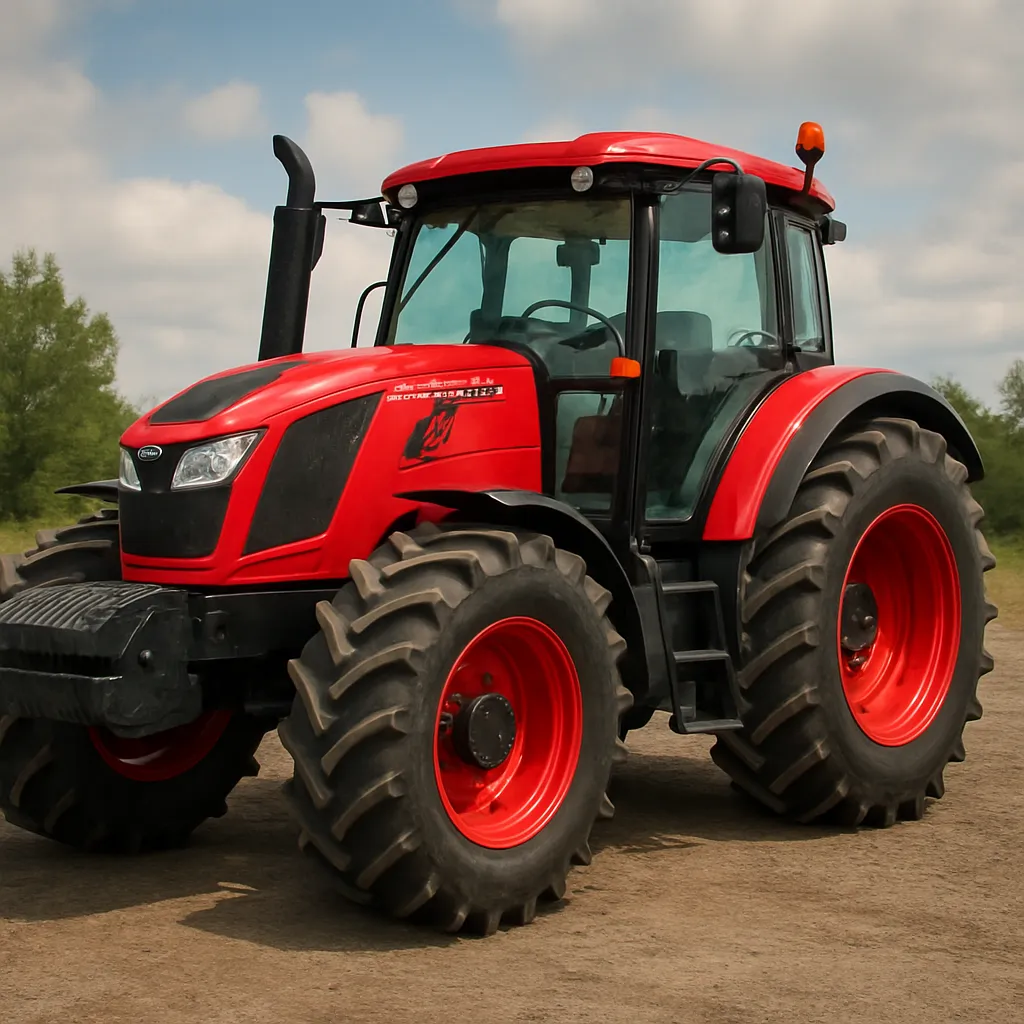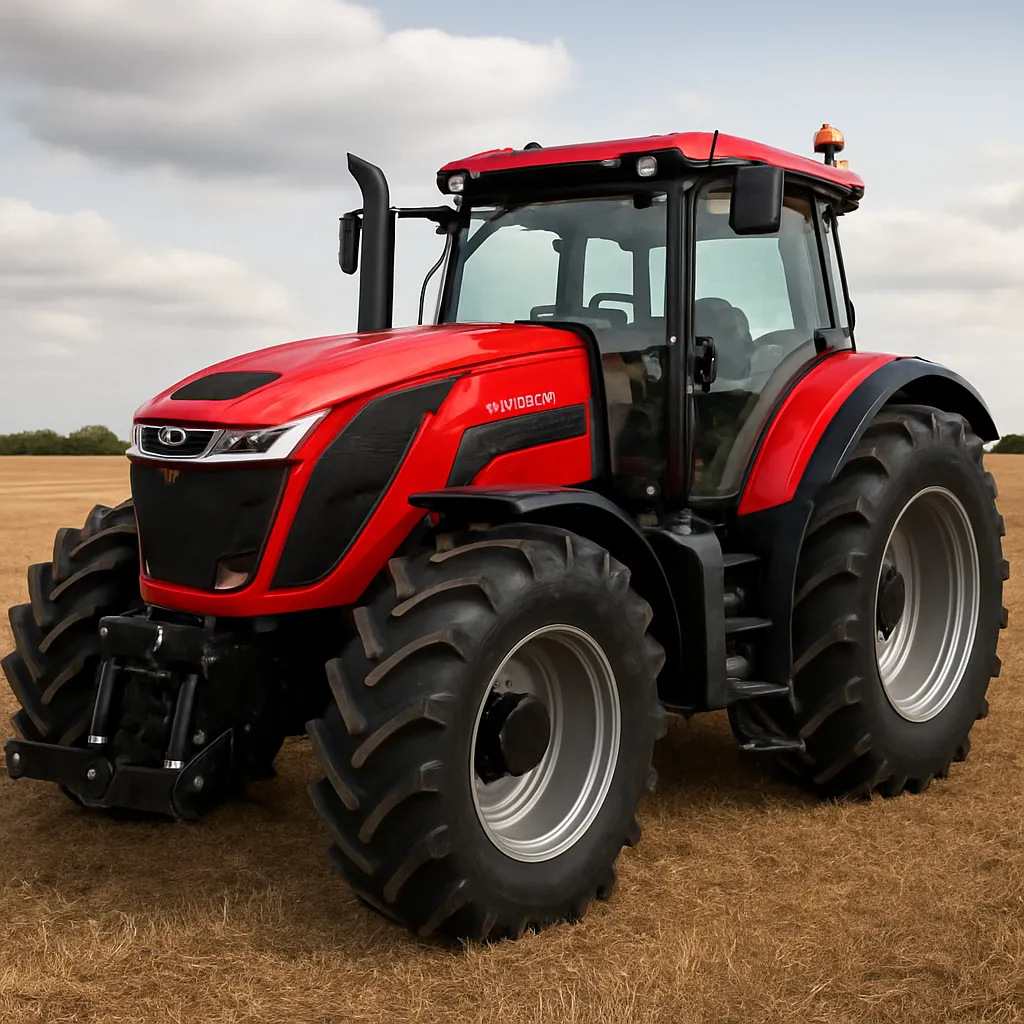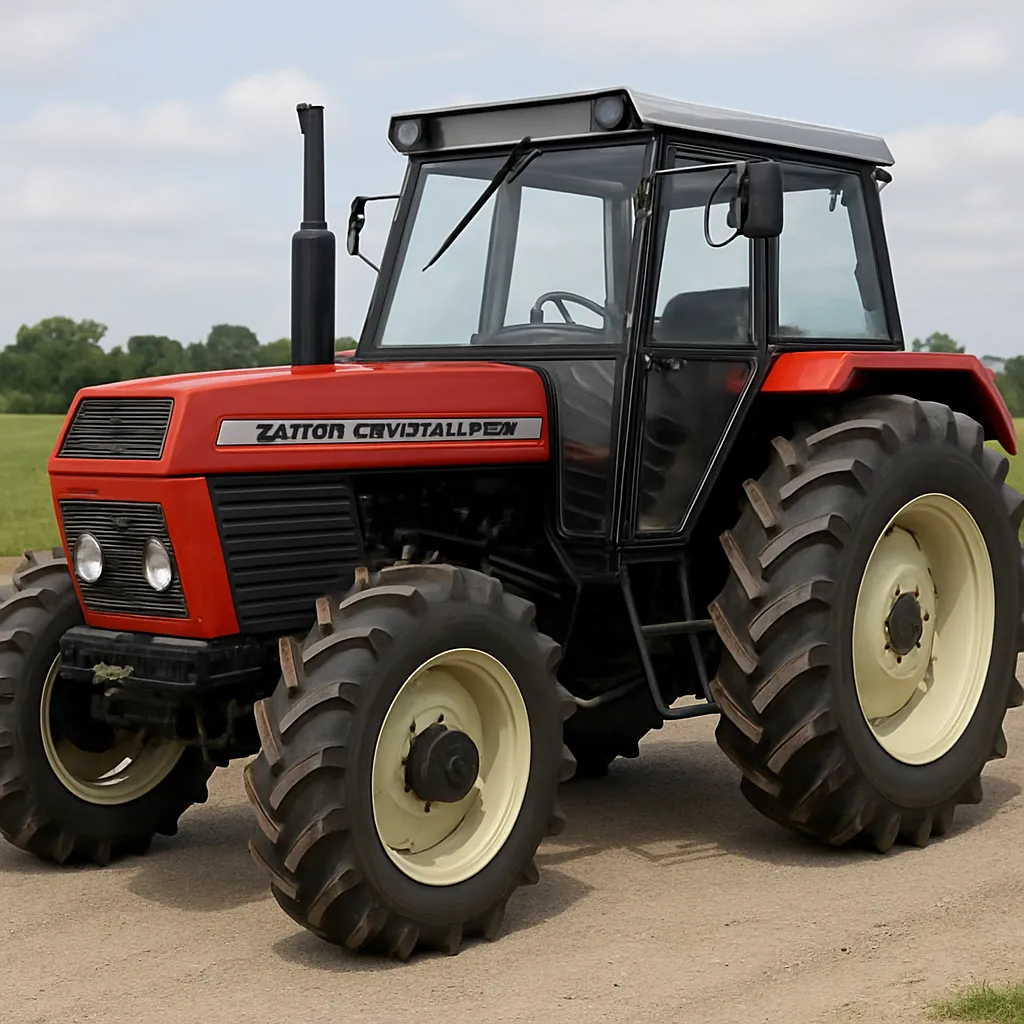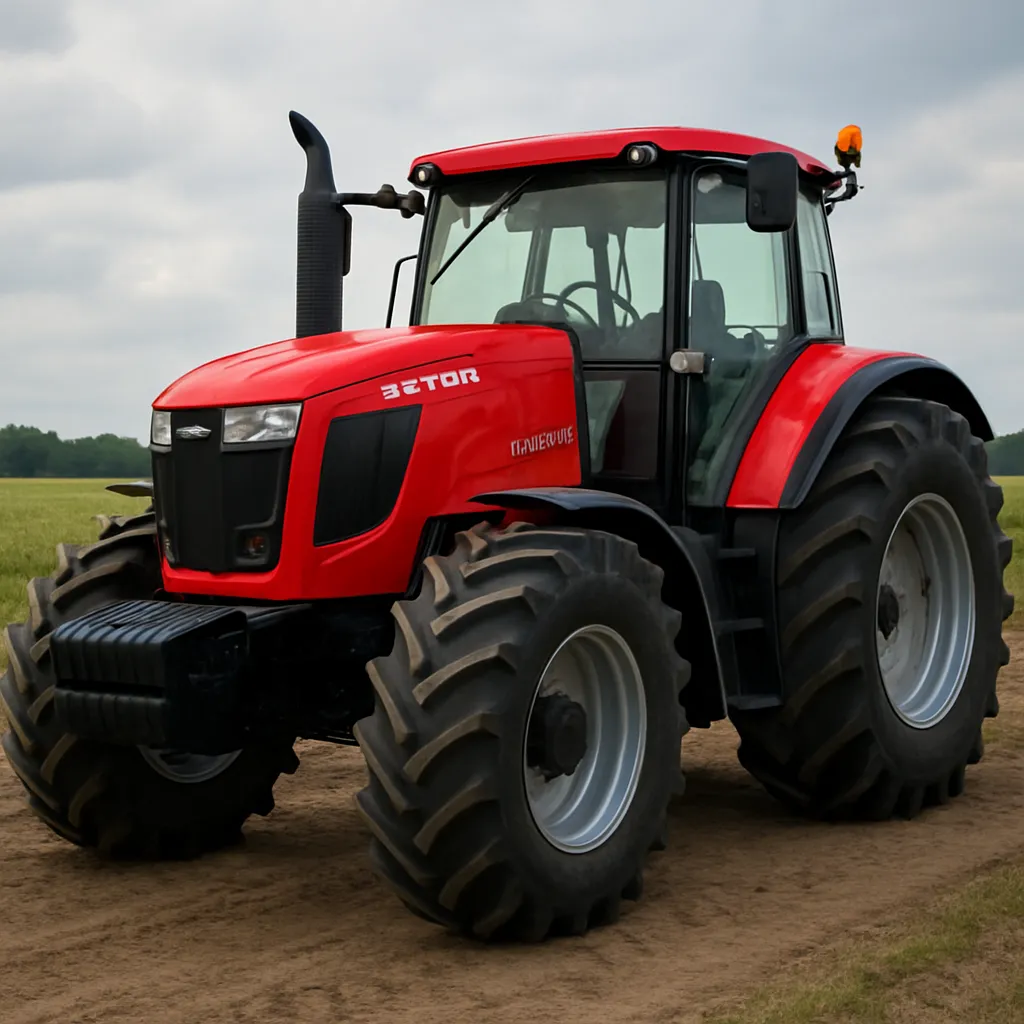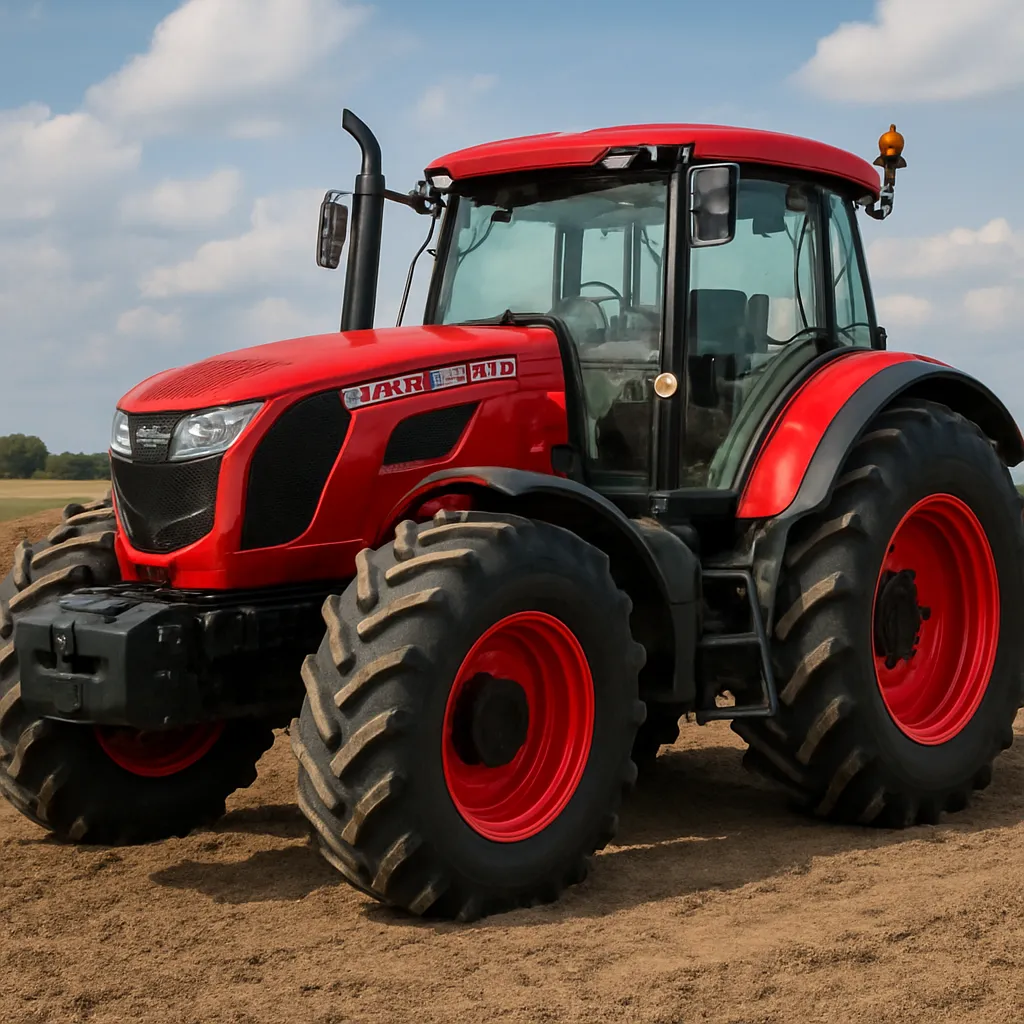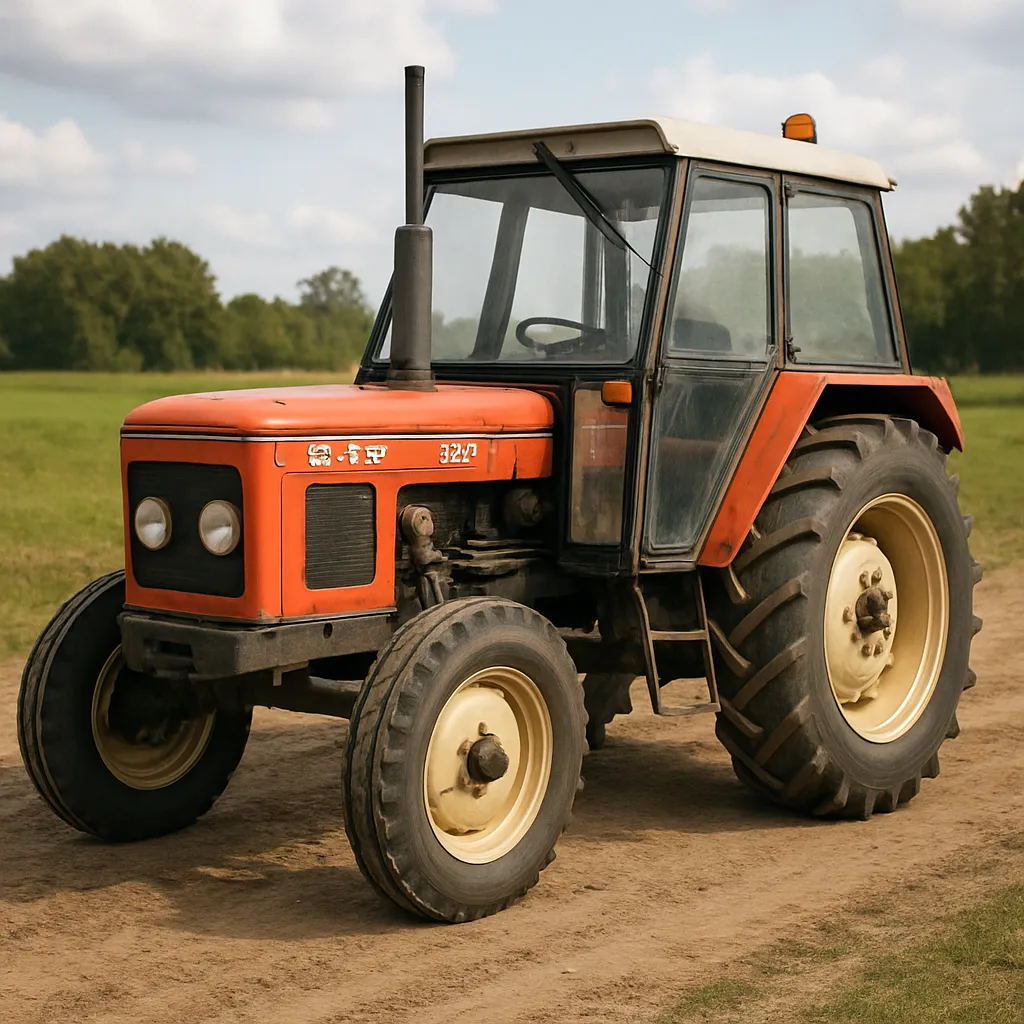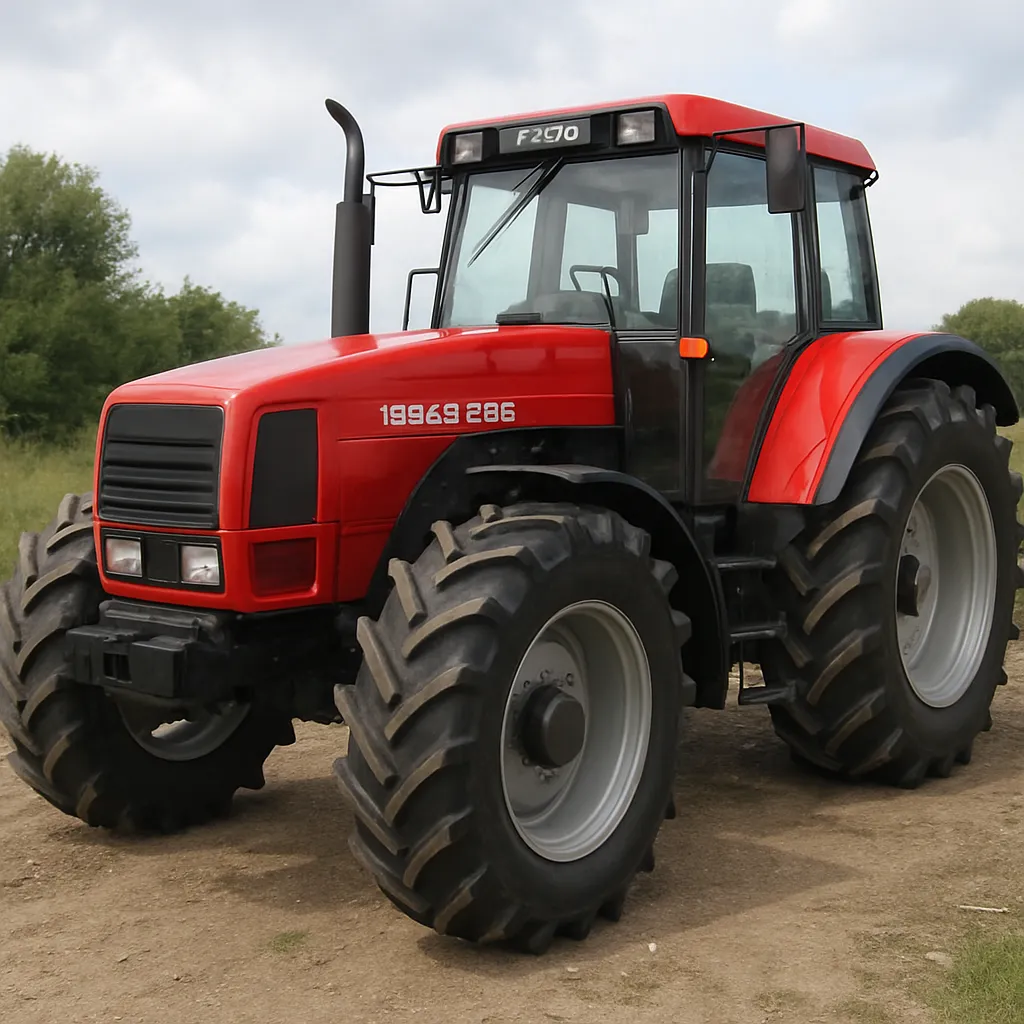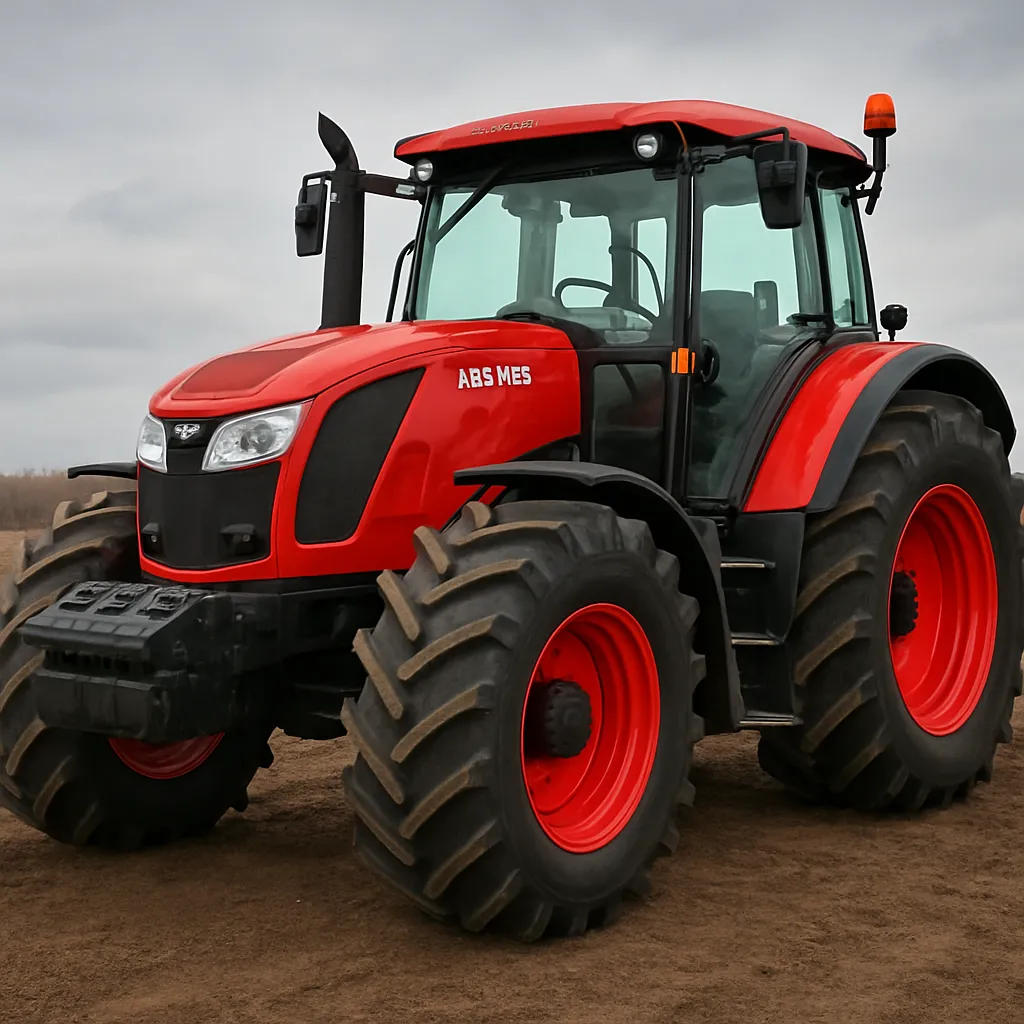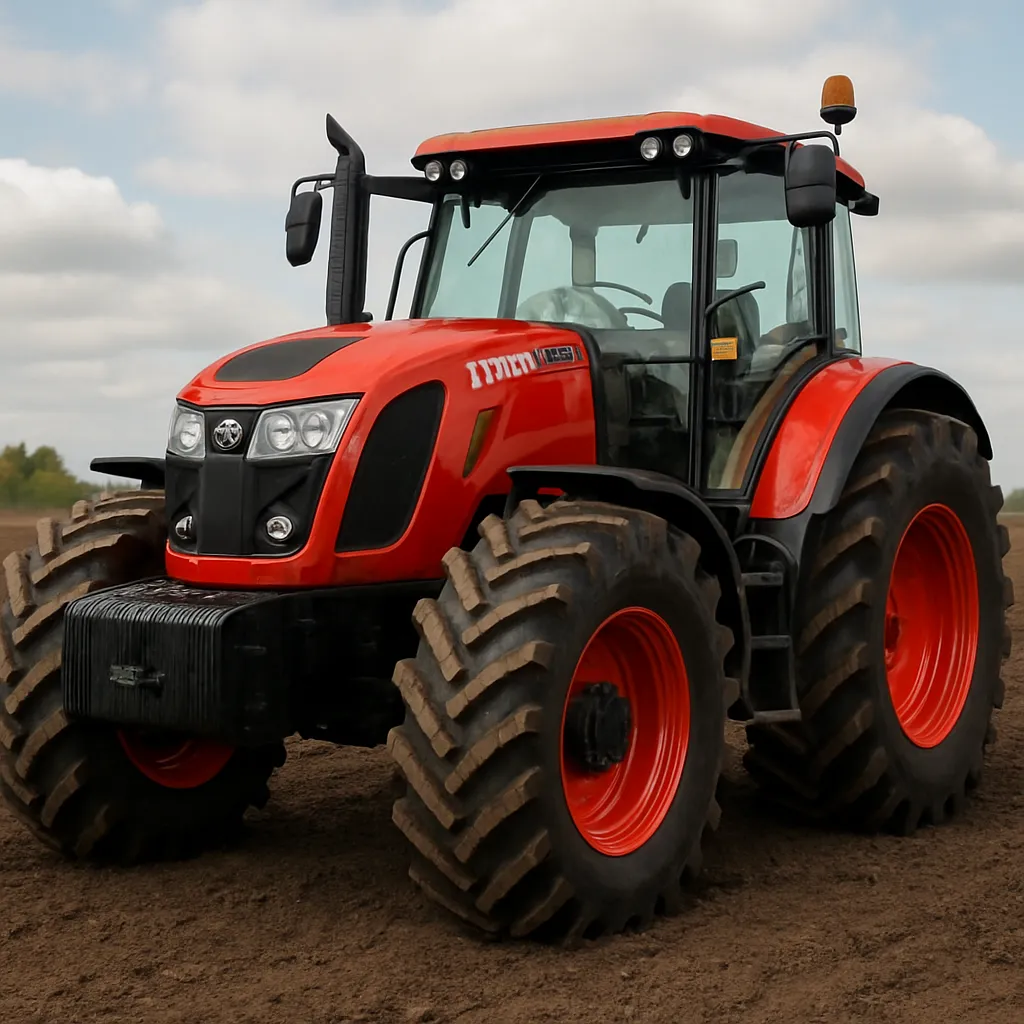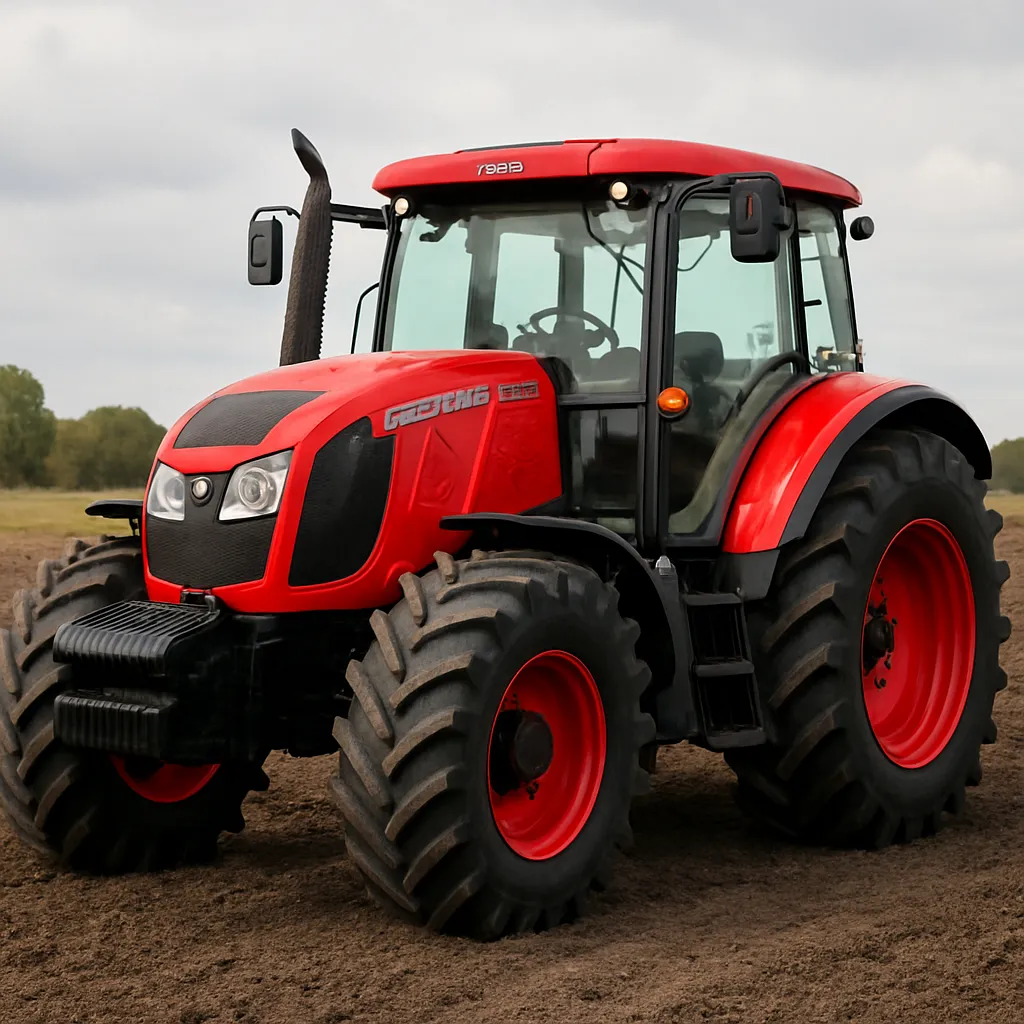
The following article presents a comprehensive overview of the Zetor Forterra HD 160 tractor: its design, technical characteristics, typical applications, and practical considerations for operators and fleet managers. The goal is to provide both general readers and professionals with useful information about where this machine excels, what features distinguish it from competitors, and what to expect in terms of operation, maintenance, and lifecycle costs. Throughout the text I will highlight key concepts important for purchasing, using, or servicing this agricultural tractor.
Overview and positioning
The Zetor Forterra HD 160 is positioned as a medium‑to‑large agricultural tractor intended for contractors, mixed farms, and specialized applications where strong drawbar performance and durable construction are required. As its model name indicates, the Forterra HD 160 typically offers around Forterra HD 160 ≈ 160 metric horsepower at rated RPM, placing it in the 140–180 hp segment favored by operators who need a balance of power and maneuverability without moving up to very large tractors. The Forterra HD line emphasizes robustness, simple serviceability, and a focus on practical features rather than excessive electronic complexity.
The Forterra HD 160 is commonly chosen by users who require a machine capable of handling heavy rear implements, front loaders, slurry tankers, and medium-scale tillage. It is also used in contract work, where steady, reliable performance and low downtime are crucial.
Design and core technical characteristics
The Forterra HD series is built with focus on strong mechanical components that can withstand continuous heavy use. Important design elements include a reinforced chassis and heavy-duty three‑point hitch, a reliable gearbox selection for flexible speed ranges, and a cab designed for all‑day operation. Below are the typical technical characteristics and configurations you are likely to encounter when evaluating this tractor.
- Engine: A turbocharged diesel unit delivering approximately 160 hp (PTO rating will be slightly lower than engine gross power). The engine is tuned for high torque at low to mid RPM to assist during demanding tasks such as ploughing or transporting heavy trailers.
- Horsepower: Rated near 160 hp; effective PTO and drawbar power will depend on transmission and configuration.
- Torque: The engine produces substantial torque to provide consistent tractive effort; typical peak torque for this class usually falls in the range of 600–800 Nm (manufacturer figures should be checked for exact number).
- Transmission: Available in multiple configurations — synchronized mechanical gearboxes, power shuttle transmissions, or full powershift/partial powershift options. Common setups include 12×12, 24×24, or similar gear counts with creep options for high‑precision work.
- PTO: Rear PTO with selectable speeds (540 / 540E / 1000 rpm as options). PTO engagement is designed for reliable operation with heavy implements.
- Hydraulics: Robust three‑point hitch with lift capacity in the rear typically capable of lifting between 6,000 and 9,000 kg depending on specification. External hydraulic flow rates and number of spool valves vary by configuration, with options for front linkage and mid‑mount hydraulics.
- Brakes, steering, and chassis components are built to handle both field loads and transport duties, often including front axle suspension or heavy‑duty front axles as optional equipment.
- Cab and operator station emphasize visibility, comfort, and ergonomics; sound insulation, climate control, and an adjustable seat are standard on most spec options.
Note: exact numeric specifications such as displacement, peak torque, hydraulic flow rates, and lifting capacities depend on build date, market variant, and optional packages. Always confirm the exact configuration with dealer documentation when comparing machines.
Applications and typical uses
The Forterra HD 160 is versatile and finds application across a wide range of agricultural and non‑agricultural tasks. Below are common use categories and examples of typical daily tasks for which this tractor is well suited.
Arable farming and soil cultivation
- Primary tillage with mounted or semi‑mounted ploughs, heavy cultivators, and subsoilers.
- Seedbed preparation using power harrows, discs, and rollers; the tractor’s torque and stable PTO support these operations.
- Trailed implements such as large seed drills or planters—Forterra HD 160 provides the drawbar pull required for even larger implements on medium to heavy soils.
Transport and logistics on the farm
- Hauling heavy trailers loaded with grain, silage, or fertilizers; the robust transmission and chassis sustain frequent road transport.
- Field-to-storage logistics where combined speed and tractive effort are required.
Livestock and silage operations
- Feeding operations with front loaders, silage blowers, and bale handlers.
- Manure and slurry distribution using tankers and spreaders; the hydraulic system and PTO supply consistent performance.
Specialized contracting and municipal work
- Roadside maintenance, snow clearing (with front blades), and other municipal tasks.
- Contract ploughing, subsoiling, and seeding where reliability and uptime are valued.
Performance, fuel economy and operational considerations
Performance for the Forterra HD 160 is built around delivering steady power in field conditions where varying loads and soil types demand consistent torque. The engine mapping typically prioritizes pulling power over high top speed, making the tractor efficient in heavy draft operations. Below are some operational features and practical performance expectations.
- Fuel efficiency: The diesel engine, when operated at optimum RPM and under correct load, provides competitive fuel consumption compared to other tractors in the 140–180 hp class. Typical fuel consumption during mixed fieldwork may range from 15 to 30 liters per hour depending on implement, terrain, and working speed. Fuel economy can be improved by optimizing gear selection, using PTO economy modes where available (e.g., 540E), and employing proper maintenance.
- Load‑sensing hydraulics and efficient pumps can reduce parasitic losses. Optional features such as ECO engine maps and PTO economy modes further help manage consumption on road runs and light PTO work.
- Transmission options affect both productivity and fuel usage — powershift transmissions can improve efficiency by allowing gear changes without clutching, while simpler synchronized gearboxes are typically less complex to maintain and may be more predictable for some operators.
- In practical terms, field capacity is a function of implement width, soil conditions, and operator technique. With a 160 hp tractor, many operators will use 4–6 furrow ploughs, large discs, and multi‑row planters while maintaining good forward speed and fuel efficiency.
Operator comfort, controls and ergonomics
For long shifts and demanding work, cab comfort becomes a major factor in productivity. The Forterra HD 160’s cab is designed to reduce operator fatigue and deliver intuitive control layout.
- Visibility: Large glazed areas give excellent all‑around view for loader work and when monitoring mounted implements.
- Seat and suspension: Adjustable air or mechanical suspension seats are commonly offered to improve ride comfort during long hours.
- Controls: Ergonomically arranged levers, an accessible dashboard, and optional joystick control for loader operations make frequent maneuvers easier and more precise.
- Climate control and sound insulation: Effective heating and air conditioning, together with improved insulation, allow comfortable operation in extreme weather and reduce noise levels inside the cab.
Maintenance, durability and lifecycle costs
One of the Forterra HD series’ selling points is its emphasis on long‑term durability and straightforward service. For fleet owners and contractors, predictable maintenance and low complexity often translate into lower total cost of ownership.
- Service accessibility: Engine, filters, and routine check points are designed to be easily accessible to reduce downtime during routine servicing.
- Intervals and parts: Following manufacturer‑specified service intervals for oil, filters, and hydraulic fluids maximizes engine life and reliability. Availability of parts in regional markets influences recovery time after repairs; Zetor has an established dealer network in many European and other markets.
- Durability: Reinforced components in the chassis and linkage are selected for extended life under heavy loads. Correct use and regular maintenance are essential to realize expected service life.
- Resale and depreciation: Mid‑range tractors with good maintenance history tend to retain value reasonably well. Proper records and timely replacement of consumables (tires, batteries, seals) contribute positively to resale value.
Options, attachments and customization
Forterra HD 160 is offered with a variety of factory and dealer options to match specific tasks and regional requirements. Common options and attachments include:
- Front loaders and quick‑attach systems for material handling.
- Front linkage and PTO for front‑mounted implements, balers, and mowers.
- Different cab packages (standard, deluxe) with varying levels of electronic aids and comfort features.
- Hydraulic packages with higher flow rates and additional spool valves for complex implement setups.
- Specialized tires and ballast packages for high flotation or heavy draft work.
- Telematics and GPS guidance packages available through dealers for precision farming and fleet monitoring.
Market, statistics and typical comparisons
While specific market statistics vary by country and year, the 140–180 hp tractor segment is one of the strongest global markets for mid‑sized farms and contracting. The Forterra HD 160 competes with models from other major manufacturers in the same horsepower bracket, and is often chosen for its balance of cost, serviceability, and robust mechanical design.
Representative statistical points and practical observations:
- Power class: 160 hp places the model among top sellers for mid‑sized arable and livestock farms that require substantial traction but not the largest frame tractors.
- Fleet mix: In mixed and contracting operations, tractors in this power band typically form 10–25% of a mixed fleet depending on farm size; exact percentages depend on regional cropping intensity and mechanization levels.
- Operating hours: Properly maintained tractors in this class commonly achieve 8,000–12,000 engine hours or more over their lifetime before major overhauls; many continue economically past that with rebuilds or component replacements.
- Fuel consumption and efficiency: Average hourly fuel use for heavy draft tasks tends to fall between 15–25 L/h, with peak usage higher under severe loads. Efficient matching of implement size to tractor power reduces specific fuel consumption per hectare.
These numbers are indicative—specific figures for fuel consumption, hours to overhaul, and resale values are influenced by local operating conditions, maintenance discipline, and option packages.
Safety, emissions and environmental aspects
The Forterra HD 160 series complies with applicable emissions regulations for the markets in which it is sold at the time of manufacture; this can include Tier 4 interim/Stage III/Stage V standards depending on engine variant and production year. Key considerations:
- Aftertreatment: Diesel particulate filters (DPF) and selective catalytic reduction (SCR) systems may be used on later engines to meet stricter emissions standards. These systems require proper maintenance and, in some cases, periodic regeneration procedures.
- Operator safety: Standard cab structure and safety belts, optional rollover protection features, good lighting packages for night work, and easy access for daily inspections all contribute to safe operation.
- Environmental operation: Proper tuning and selection of work modes (ECO PTO, optimized engine maps) help reduce fuel consumption and emissions during lighter tasks.
Buying considerations and tips for prospective owners
When evaluating a Forterra HD 160—new or used—consider the following checklist items to ensure the tractor matches your needs and will deliver expected performance:
- Define implement match: Ensure the tractor’s PTO, hydraulic flow, and lift capacity match the largest implement you will use.
- Check transmission type: Decide whether you need the convenience of a powershift or shuttle transmission, or if a simpler synchronized gearbox is preferable for repairability and cost.
- Service history and hours: For used machines, examine maintenance records, engine hours, and whether major components (clutch, transmission, DPF) have been serviced or replaced.
- Cooling and climate: If working in hot climates or under heavy load, confirm the cooling system is adequate and cab comfort features are present.
- Accessory packages: Evaluate whether you need front linkage, loader readiness, additional hydraulics, or telemetry for your operations.
- Warranty and dealer support: Confirm local dealer parts support, warranty terms, and availability of service agreements for predictable operating costs.
Common strengths and limitations
Strengths:
- Reliability: Simple, rugged construction favors longevity and predictable operation under load.
- Good drawbar and PTO performance for this power class.
- Relatively straightforward maintenance and serviceability compared with highly electronic alternatives.
- Competitive total cost of ownership for many contracting and mixed farm applications.
Limitations:
- Not as feature‑dense in terms of advanced electronics or automation as premium models; operators seeking the latest precision farming hardware must confirm options.
- Optional emissions aftertreatment systems add complexity and service needs compared with older pre‑regulation engines.
- For extremely large implements or full‑time heavy earthmoving, higher horsepower classes may be more appropriate.
Conclusion
The Forterra HD 160 from Zetor is a practical and powerful choice in the 160 hp class, offering an appealing combination of mechanical robustness, good torque characteristics, and operator comfort for extended tasks. With appropriate configuration it suits a wide range of agricultural operations—arable work, transport, silage handling, and contracting—while offering predictable maintenance and running costs. Key attributes to emphasize when assessing this tractor for purchase are the engine torque curve, PTO options, hydraulic flow, and transmission choice, all of which determine how effectively the tractor will match your implements and workflows.
For a final buying decision, verify exact manufacturer specifications for the model year and region, inspect service records on used units, and discuss optional packages with your dealer to make sure the Forterra HD 160 will meet your operational needs and long‑term expectations.